The Houses Here
Parkland is the outlier in our coverage area
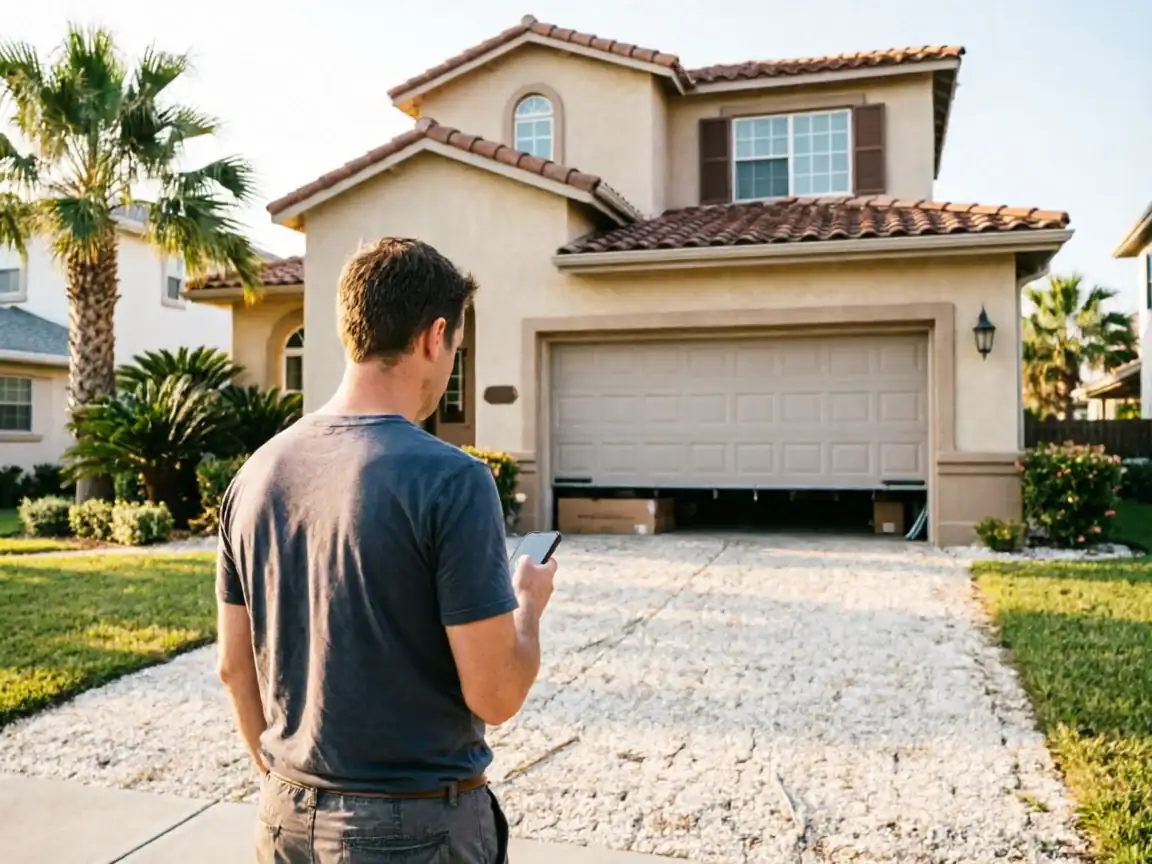
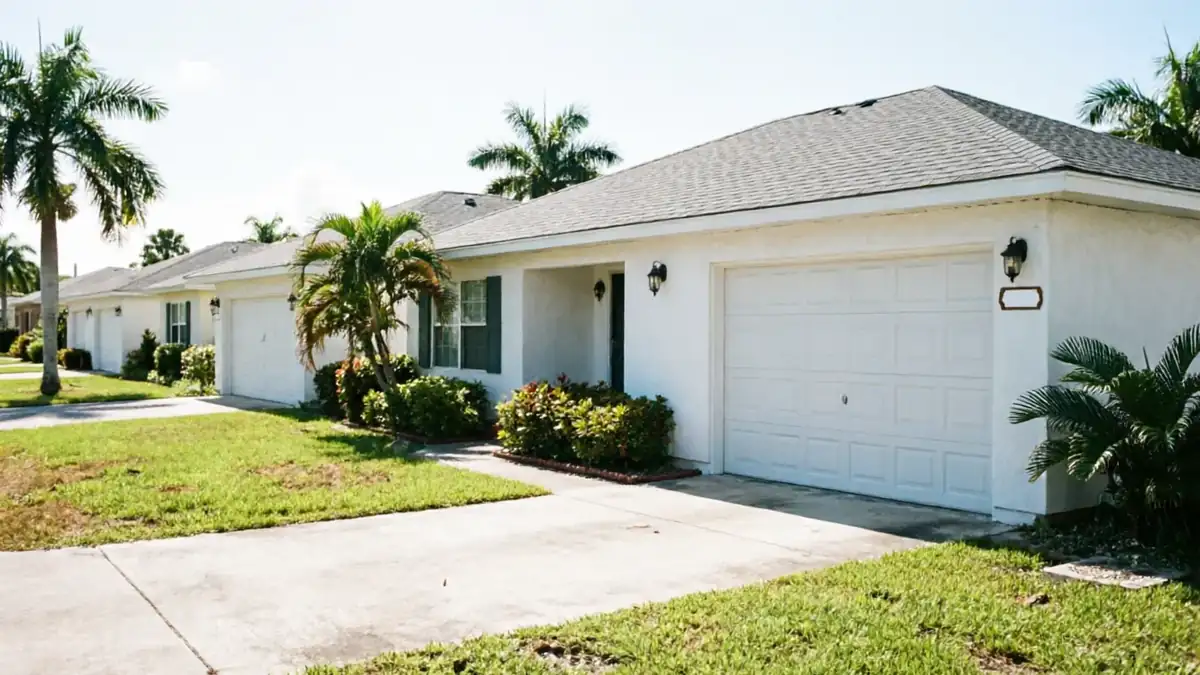
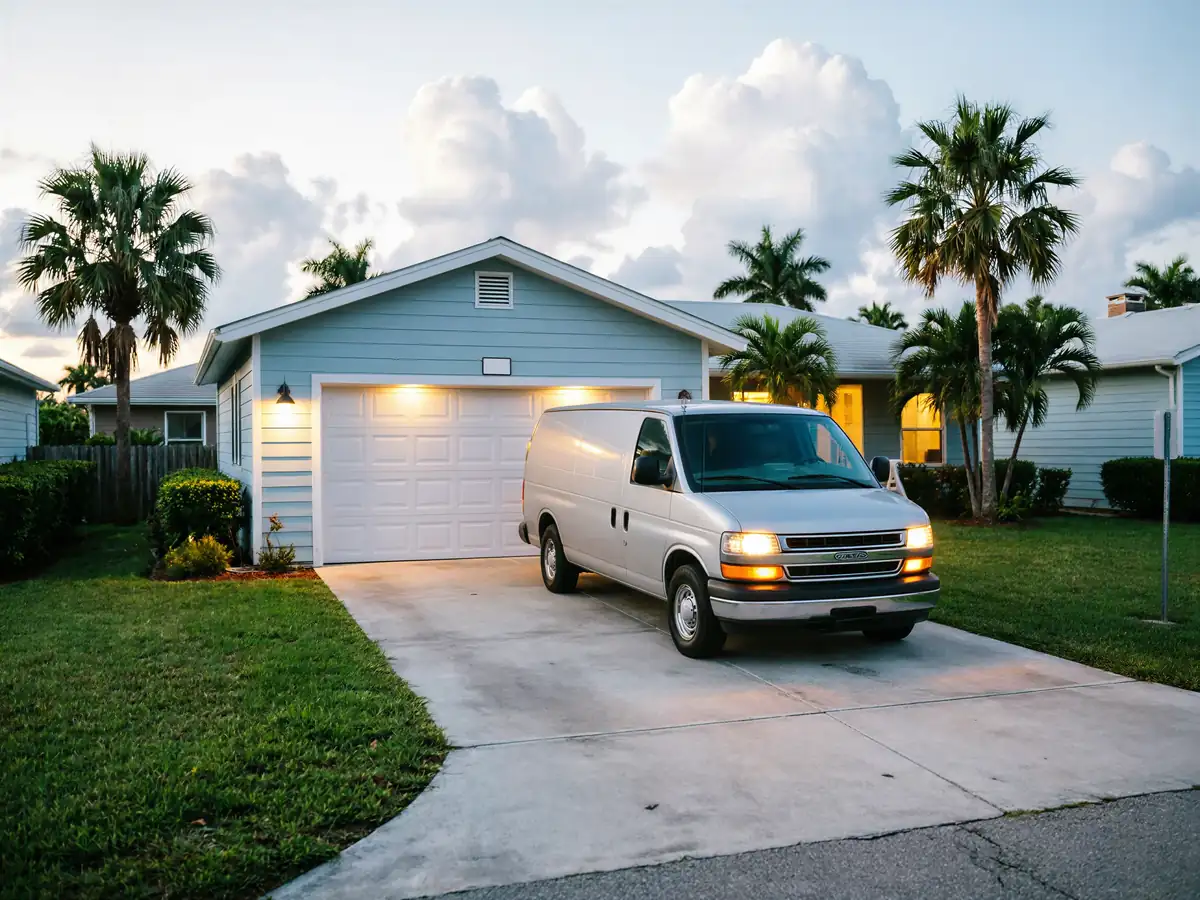
Across the 36 communities we work in, the typical house went up somewhere between 1953 and 2005, with a lot of that stock clustered in the 1960s and 70s. Parkland's median build year is 2005 - three decades newer than that service-wide midpoint. That's not a small gap. A house built in 2005 was permitted under a different wind-load standard, wired for a different kind of opener, and almost certainly came with a factory-installed steel sectional door rather than something swapped in later by a previous owner. With 10,828 households in the area and a median income of $200,156, this is also a market where garage doors tend to get replaced on a schedule rather than run until they fail - insulated doors, quieter belt-drive openers, and keypad or smart-phone entry are common requests here, not upgrades people are talked into.
- 36 communities
- 10,828 households
- $200,156 median household income
We drive out about 14 miles from our Plantation base to reach Parkland
Which matches where it sits in our coverage list relative to the rest of the area.
- 14 miles
What the Housing Means for Your Door
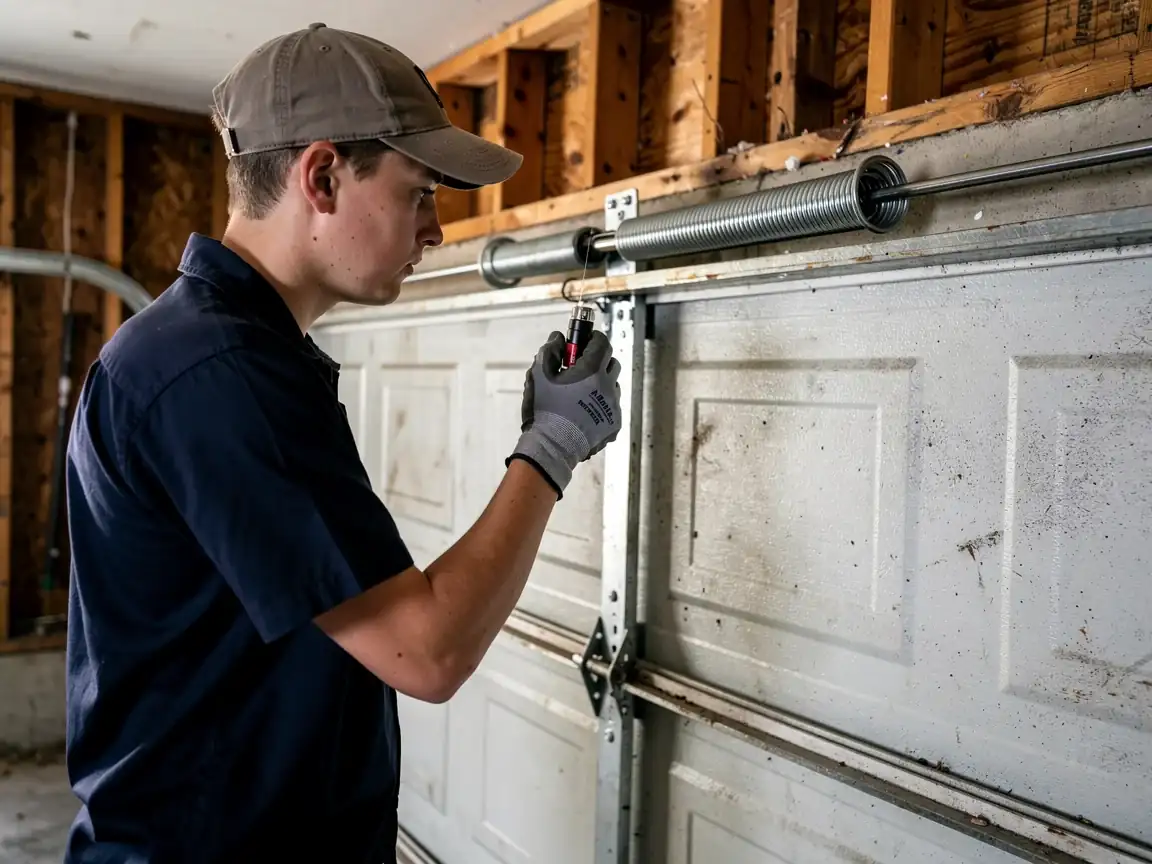
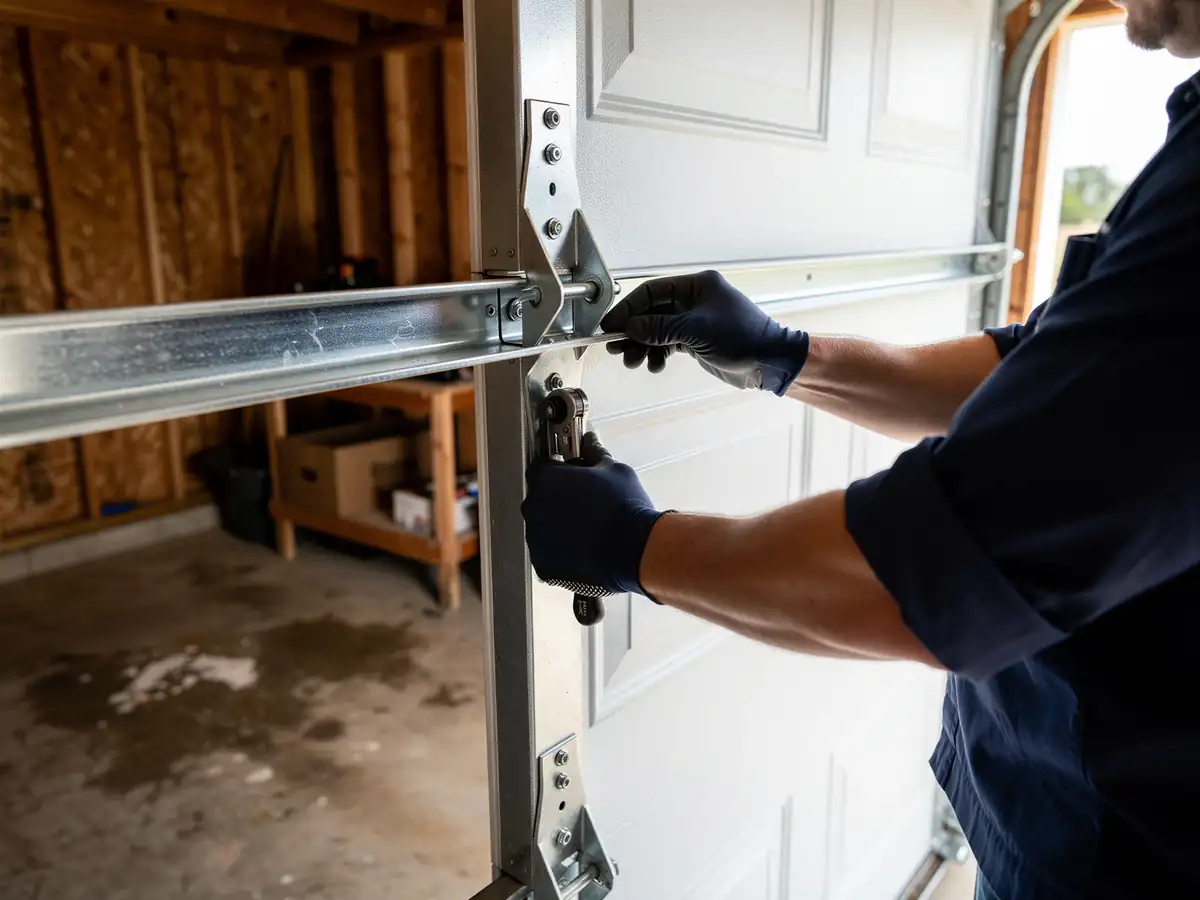
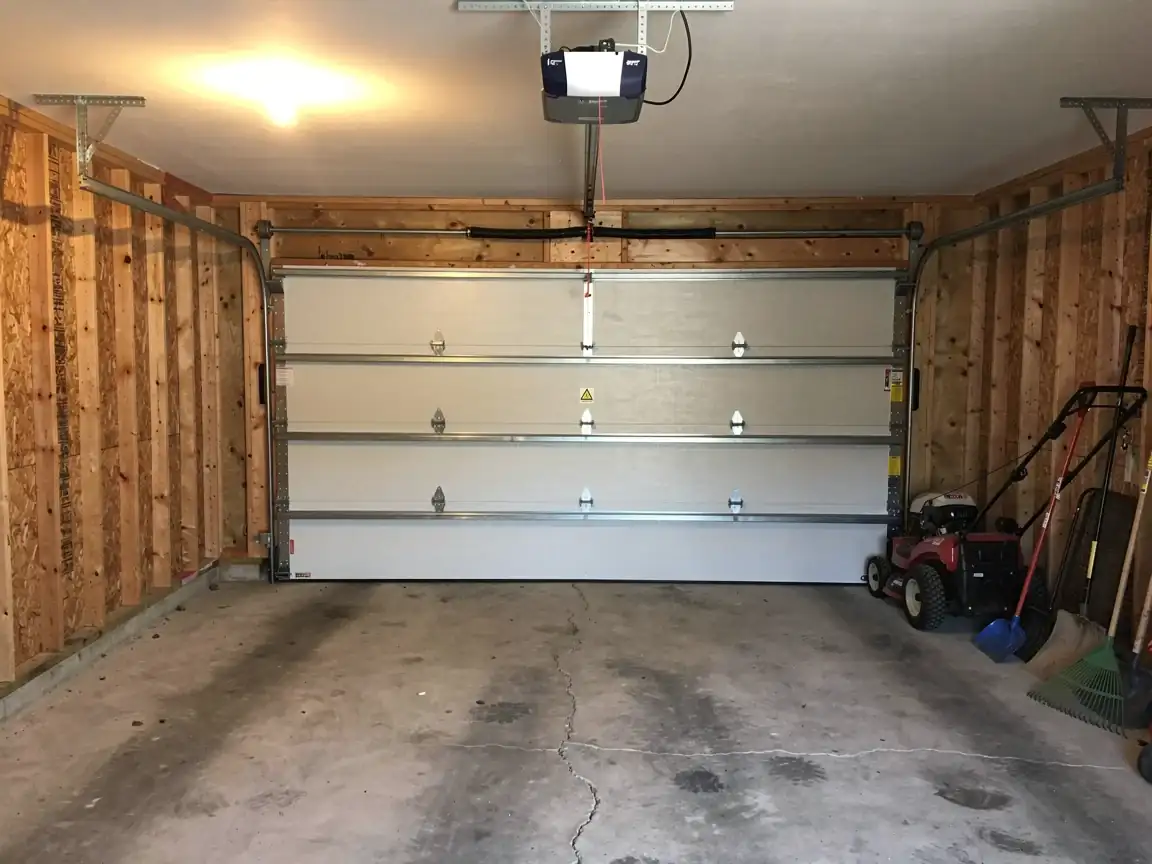
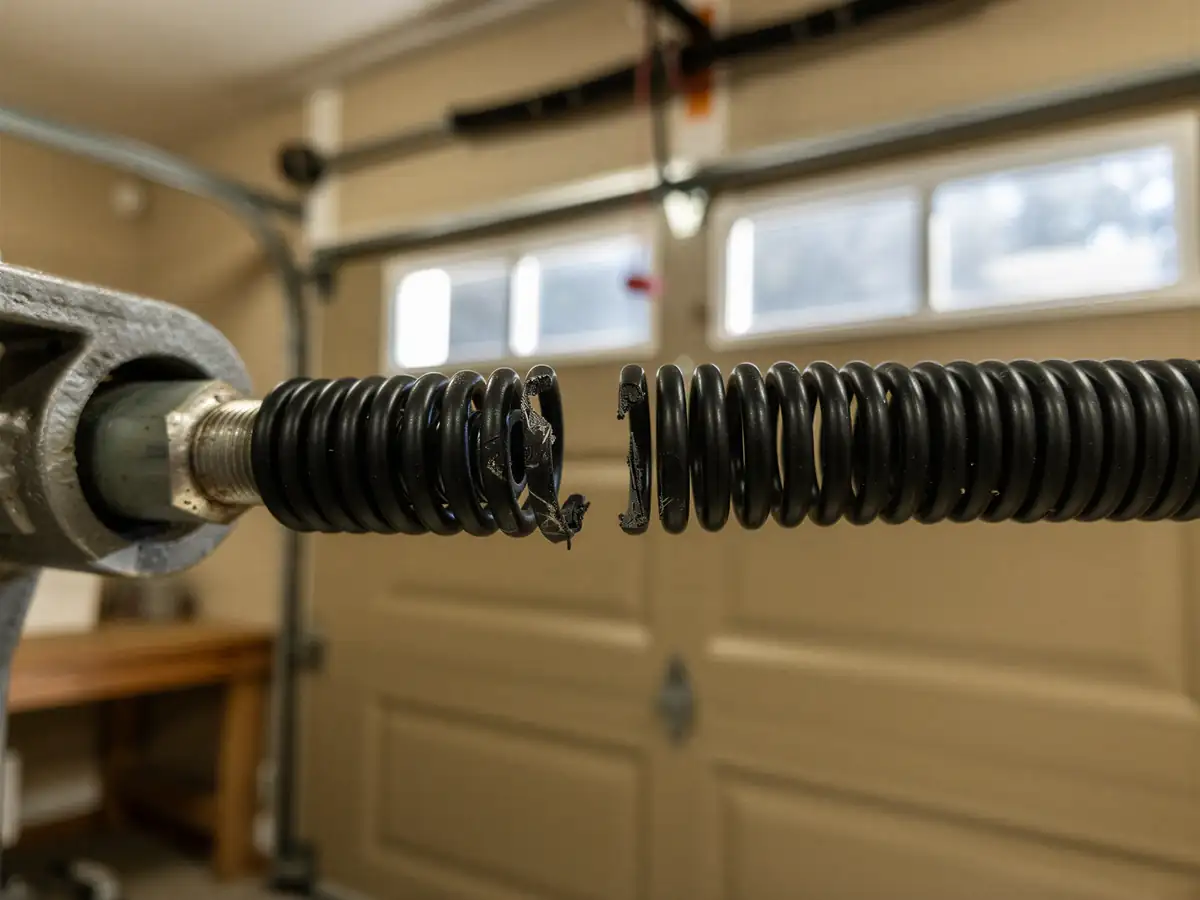
Because most Parkland garage doors are 20 years old or less, the failures we see here skew toward wear items on well-built systems rather than the obsolete hardware problems common in older parts of our coverage area. Torsion springs on a 2005-era double door are reaching the tail end of a normal duty cycle right about now, which is the single most common call we'd expect from this area. Openers from that build era are also old enough that circuit boards and drive gears start to go, but new enough that owners often expect a quick fix rather than a full swap.
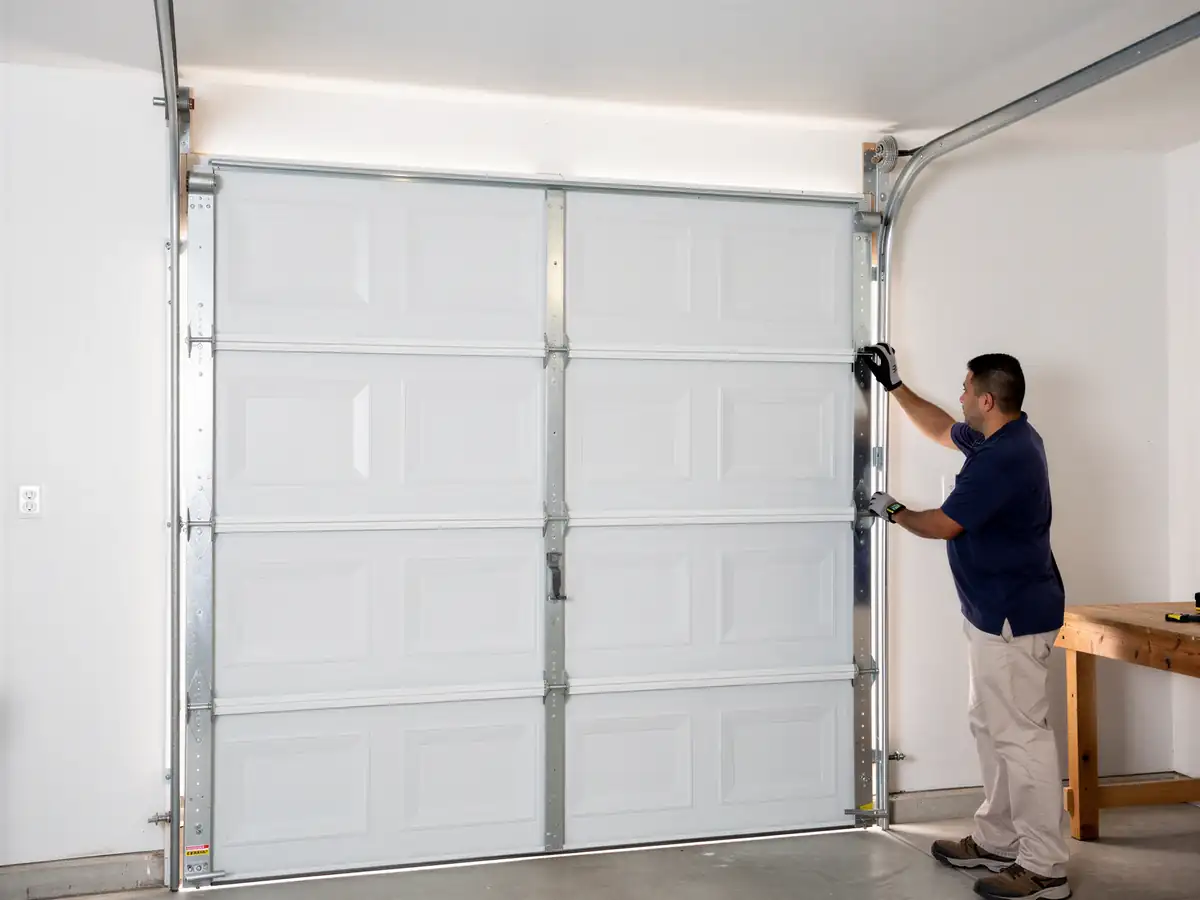
What you generally won't find much of here: the side-mounted torsion setups, single-piece doors, and non-standard panel sizes that show up in the 1960s and 70s stock elsewhere in our territory. Parts for a 2005-and-newer sectional door are easier to source and the repair is usually more predictable, both in scope and in cost, than chasing down hardware for a 50-year-old door.
What We Will Not Take On
We don't stock parts for every custom or architect-specified door, and some of the higher-end homes in Parkland have doors with features - unusual glass panel inserts, non-standard track widths, custom-painted finishes - that come from a specific manufacturer run. If your door falls into that category, the honest answer is sometimes that we need to order the exact part before we can finish the job, and that can mean a second trip. We'll tell you up front if that's the situation rather than force a fix with a part that's close but not right.
We also won't recommend a spring or opener repair on a door where the real problem is a damaged or out-of-square track or a cracked panel from an impact. On a newer door especially, patching around structural damage just shortens the life of the rest of the system. In those cases we'll say so plainly, even if it means a bigger job than you called about.
What We Do Most in This Area
For Parkland, the bulk of our work is torsion spring replacement on doors from the early-to-mid 2000s building wave
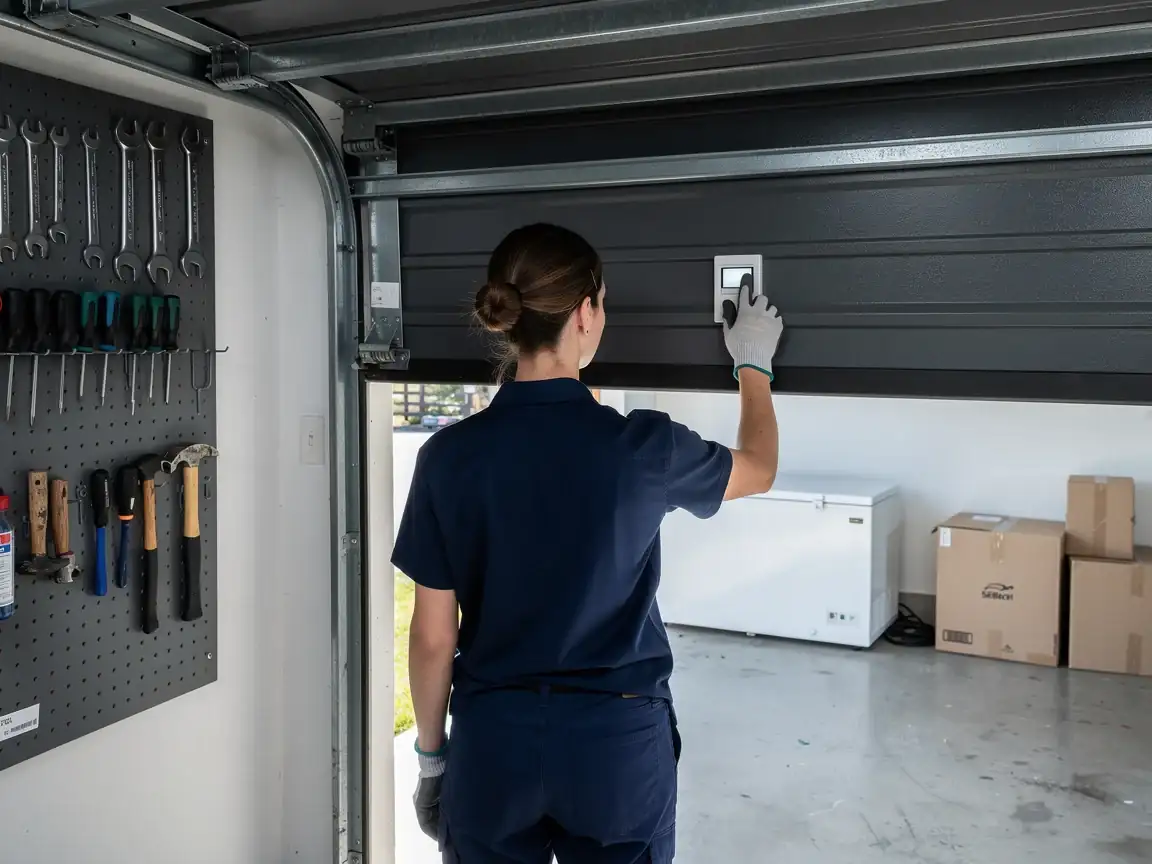
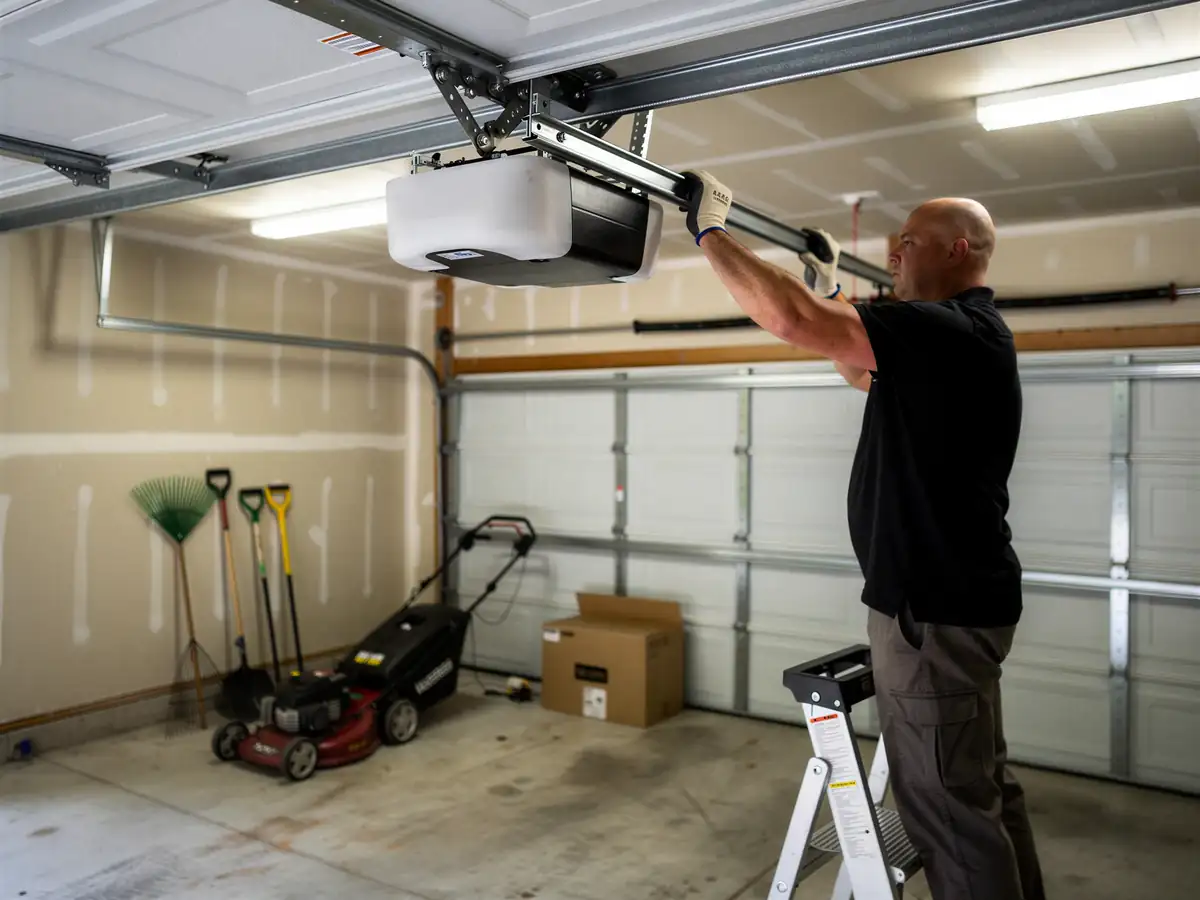
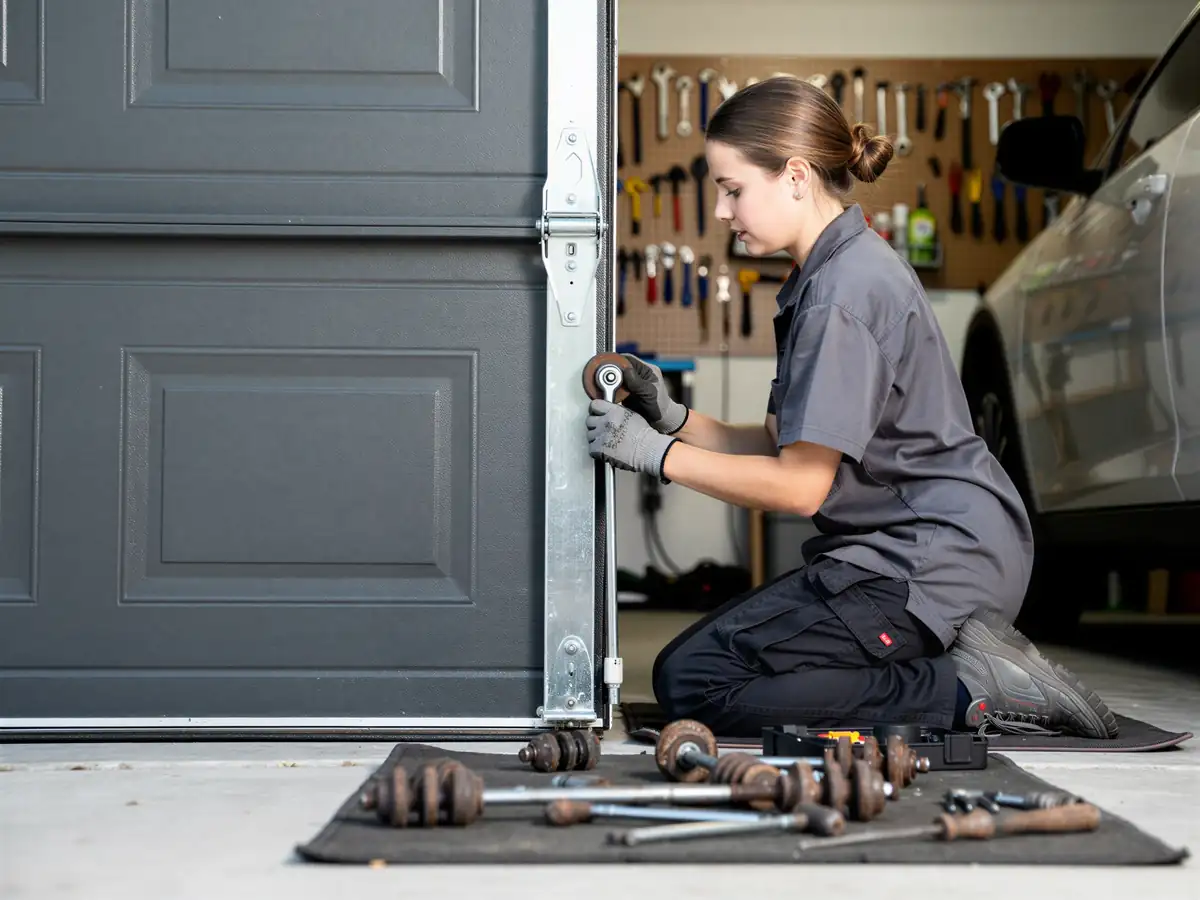
Opener circuit board and logic board repairs on systems reaching the end of their expected life, and keypad or remote reprogramming on homes upgrading to phone-based entry. We also get calls for noise complaints - a belt-drive opener from that era starting to grind or a roller going bad - which is usually a straightforward fix on a door this age, not a sign the whole unit needs replacing.
We travel in from Plantation for every call
So we don't keep a local stock sitting idle in Parkland, but because 2000s-era sectional door parts are common and well-supported by manufacturers, we're usually able to carry what a typical job needs on the truck already.