The Houses Here
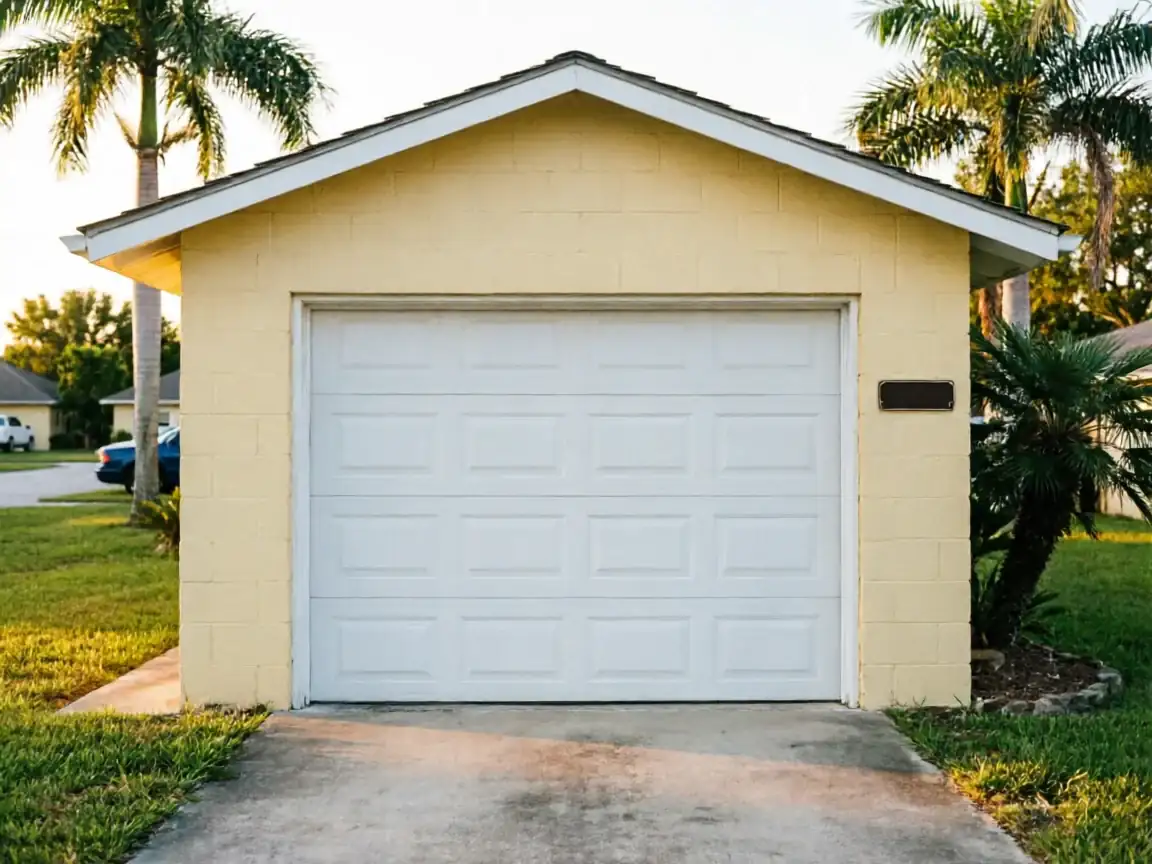
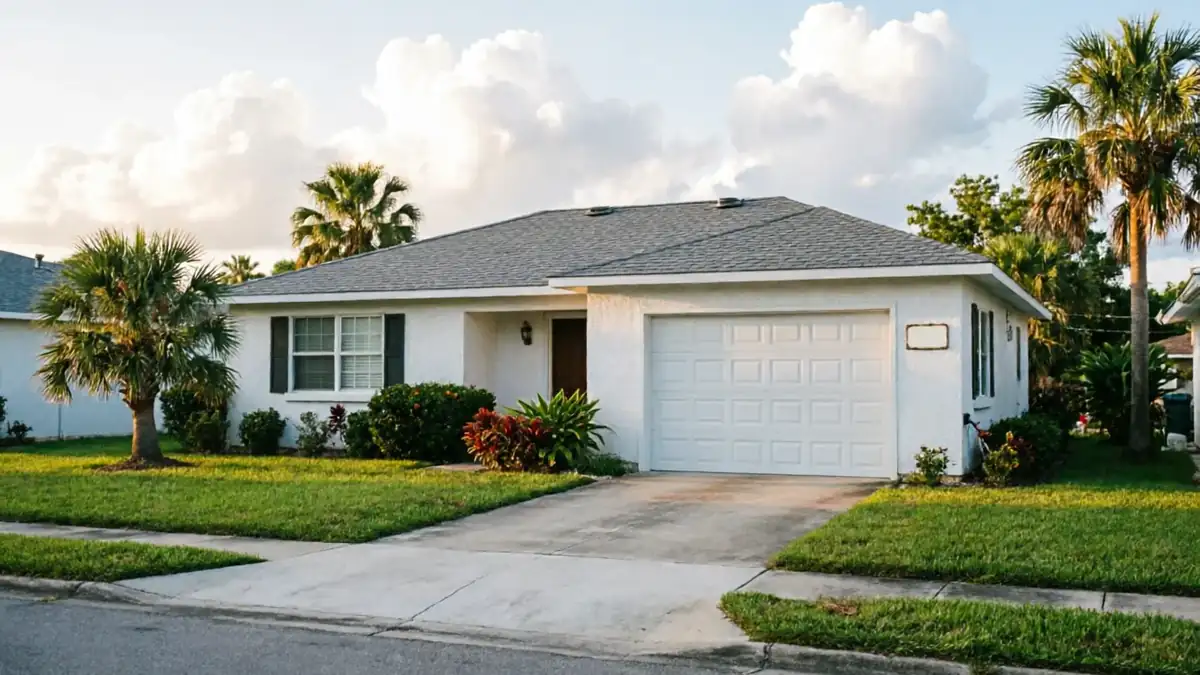
Margate's housing stock centers on 1978, a good three years past the median build year for the wider Plantation service area
That matters because a house built in the late 1970s was framed with a different set of door openings and header heights than the 1950s and 60s stock that dominates closer to Plantation itself. Across the broader coverage area there are 410,276 households and 114,663 owner-occupied houses, but Margate on its own counts 24,634 households, a smaller, denser pocket of mostly single-family constructed within about a fifteen-year window centered on the late 70s.
- 114,663 owner-occupied
That narrow build window means a lot of consistency street to street
You'll find a lot of steel sectional doors from the 80s and 90s retrofit era, replacing whatever single-panel door the house shipped with originally, plus a decent number of original builder-grade doors that never got swapped at all. Median household income here sits at $60,852, almost identical to the $60,853 figure for the full service area, so repair-versus-replace decisions tend to land in similar territory across the whole region - people fix what's fixable and replace what isn't, rather than defaulting to either extreme.
What the Housing Means for Your Door
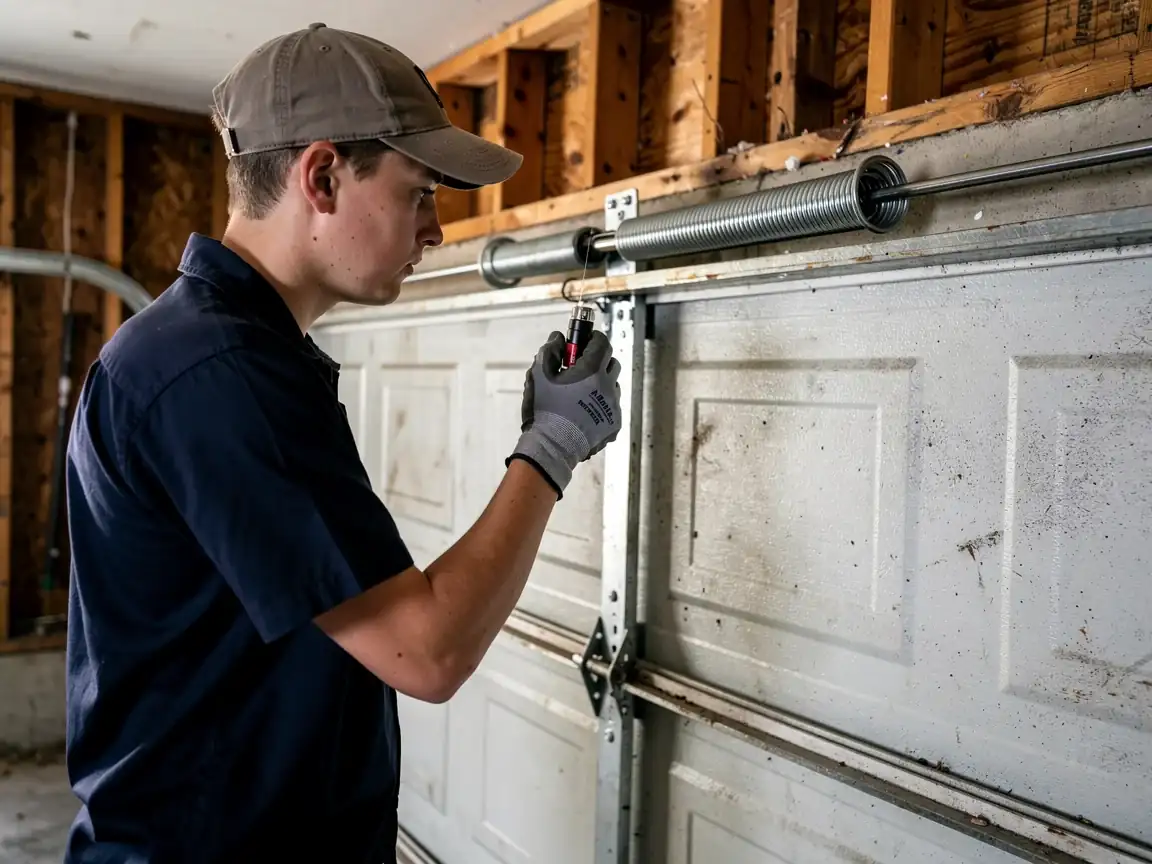
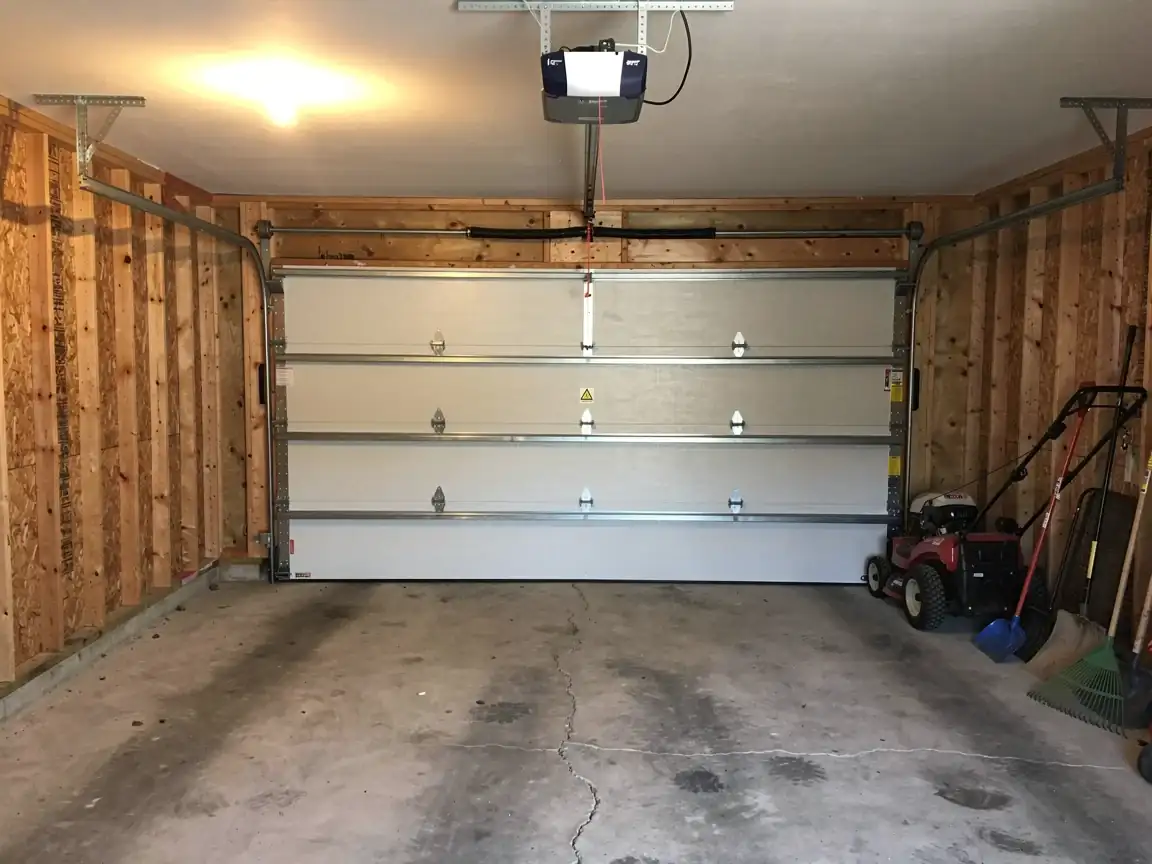
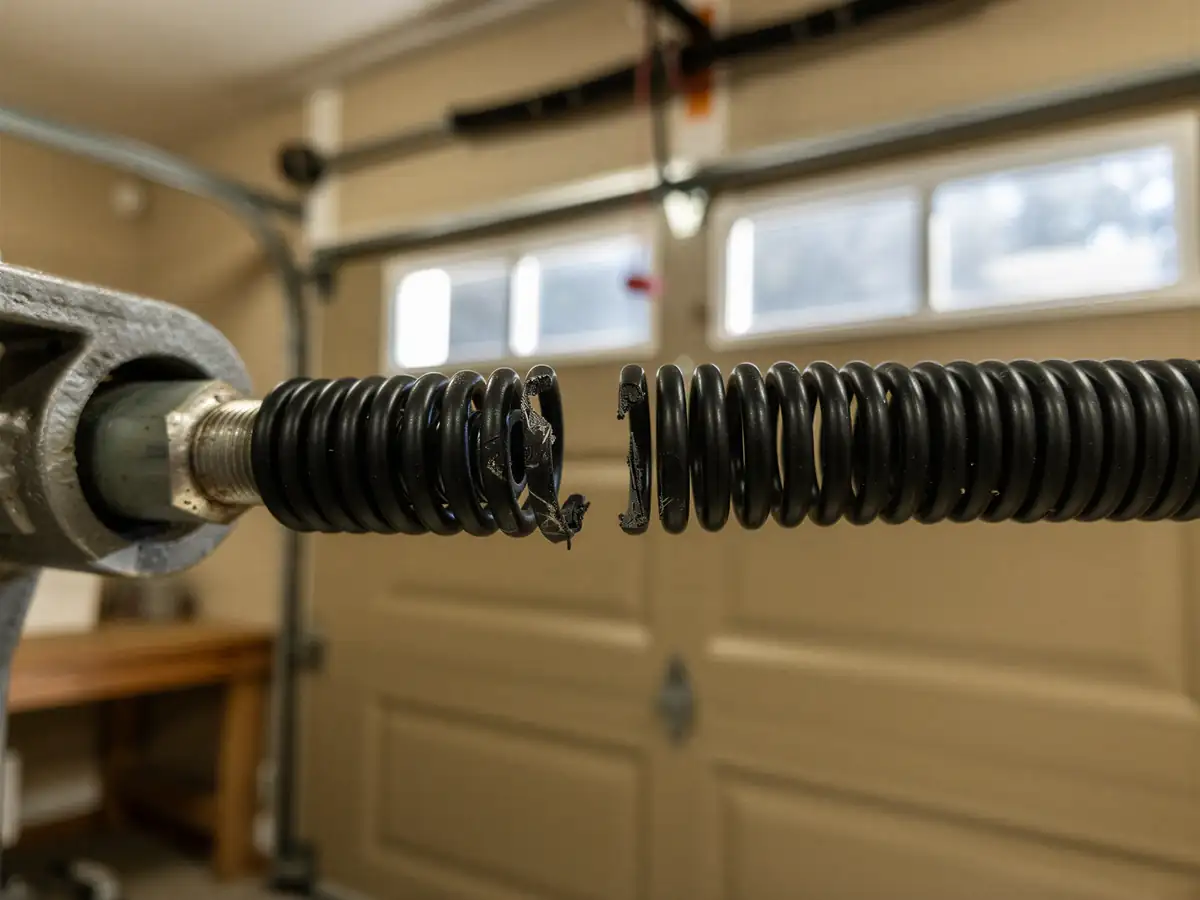
A 1978 build year puts most Margate garage doors on their second or third opener by now, and often their original track and roller setup bent, re-shimmed, or patched over the decades. The torsion spring systems from that era were sized for lighter doors than what's commonly installed today, so when a homeowner upgrades to an insulated steel door without upgrading the spring, you get a door that's hard to lift by hand and an opener straining on every cycle.
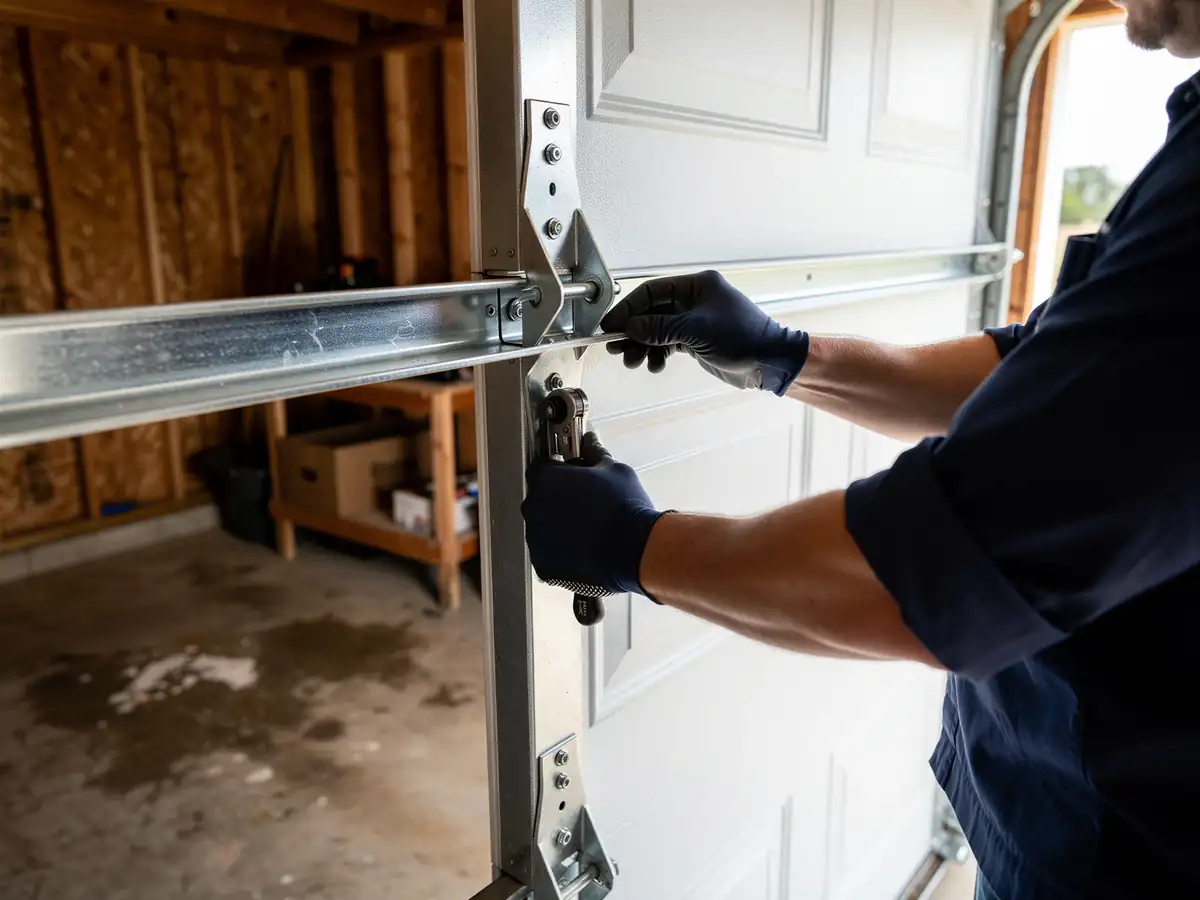
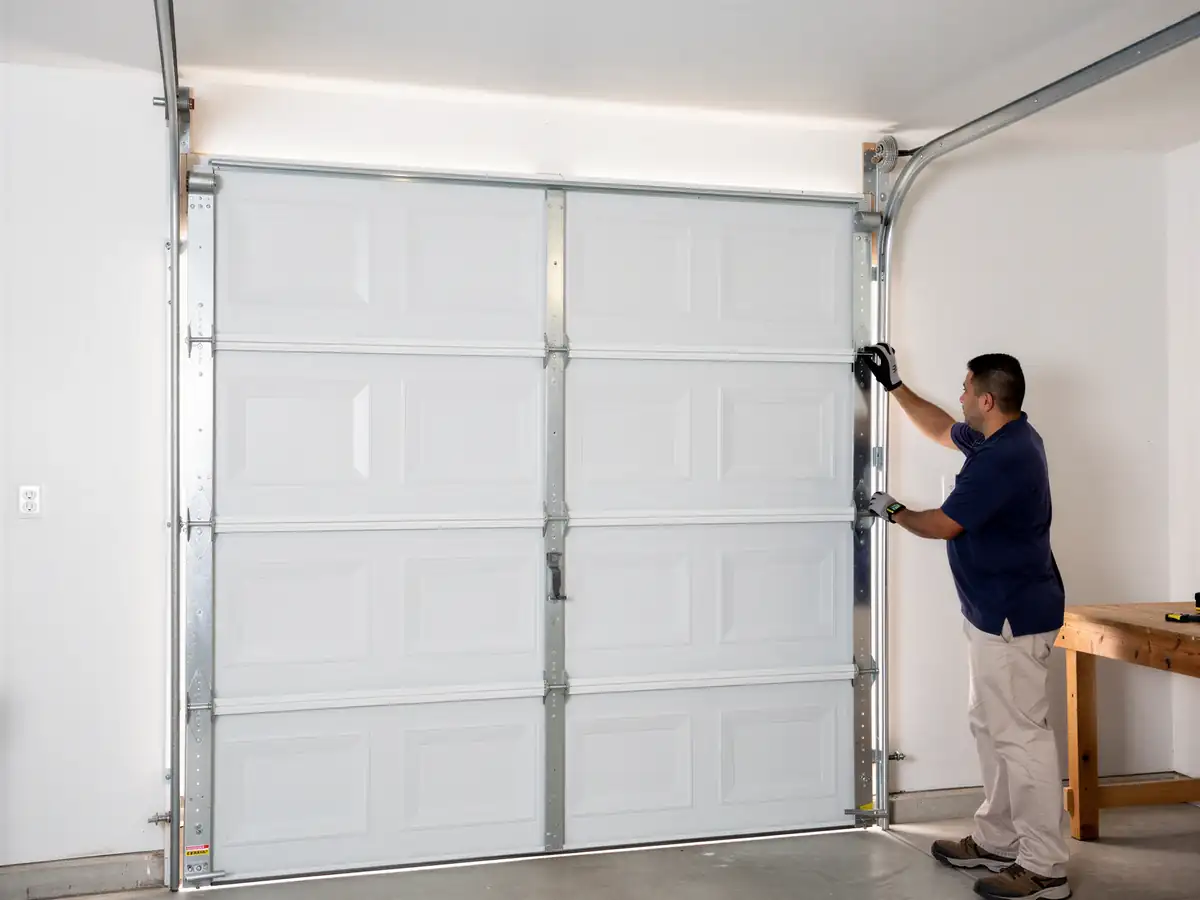
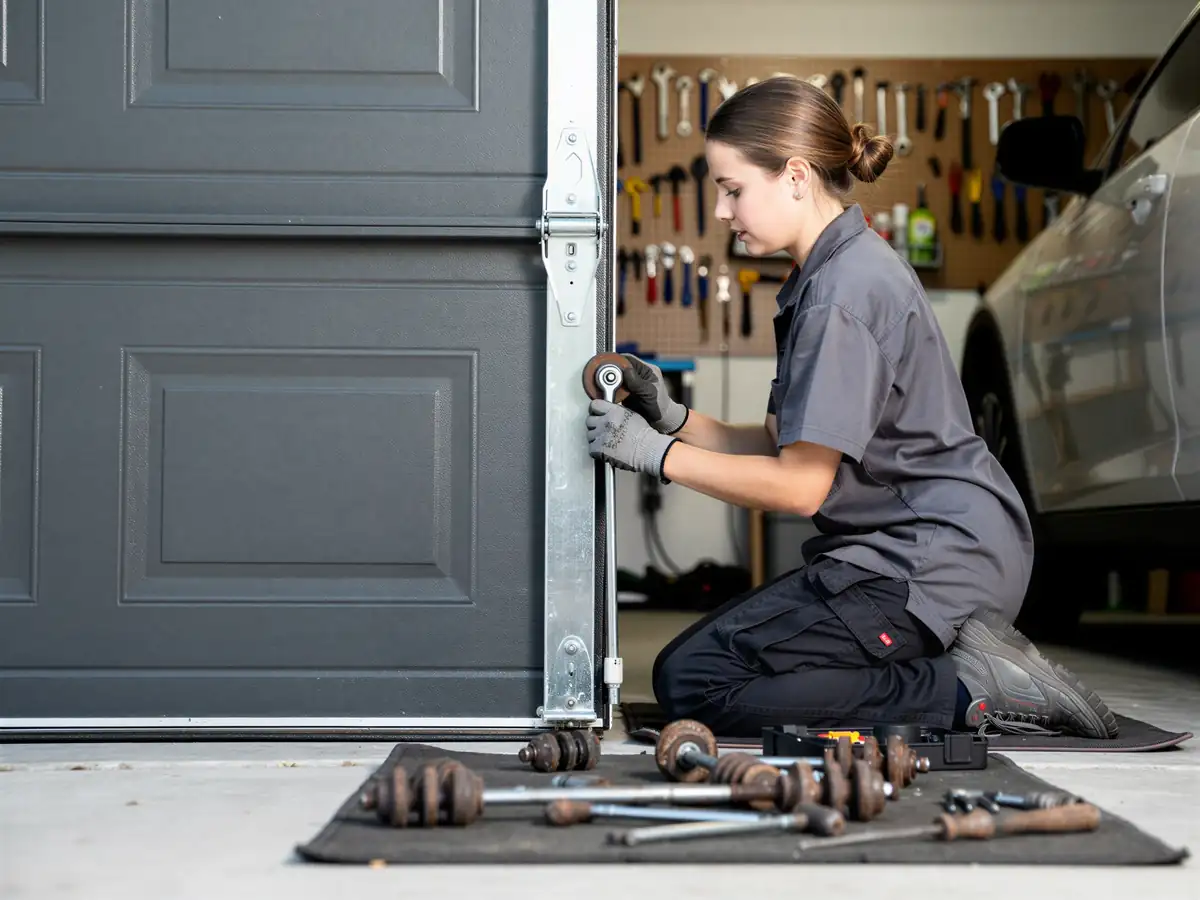
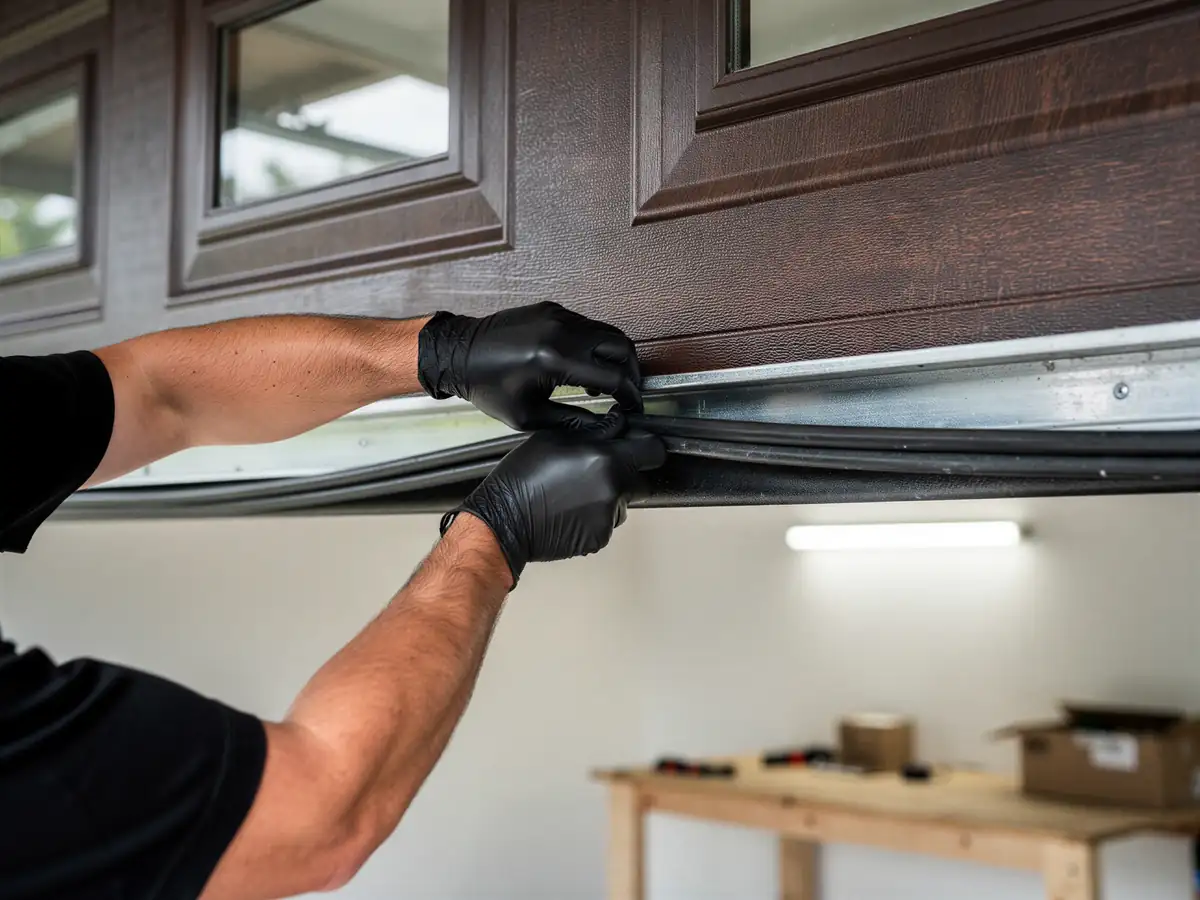
We also see a lot of warped panel sections from the mild temperate climate putting steady humidity on wood-composite doors that were never meant to last fifty years. It's not catastrophic weather damage - this region doesn't get the freeze-thaw cycles that crack concrete footings up north - but steady moisture does its own slow work on cheaper panel materials from that build era. Track alignment issues show up more here too, since original framing from 1978 has had decades to settle slightly, enough to throw a track out of plumb by a quarter inch, which is more than enough to make a roller bind.
What We Will Not Take On
We don't carry parts for doors from before the mid-1960s, and while Margate's housing stock mostly postdates that, if you've got an older door moved from elsewhere or a custom build outside the 1978 era, we may not have the hardware on the truck. We also won't tell you a repair makes sense on a door that's cheaper to replace outright - if the track, spring, and panel all need work at once, we'll say so instead of nickel-and-diming a door that's done.
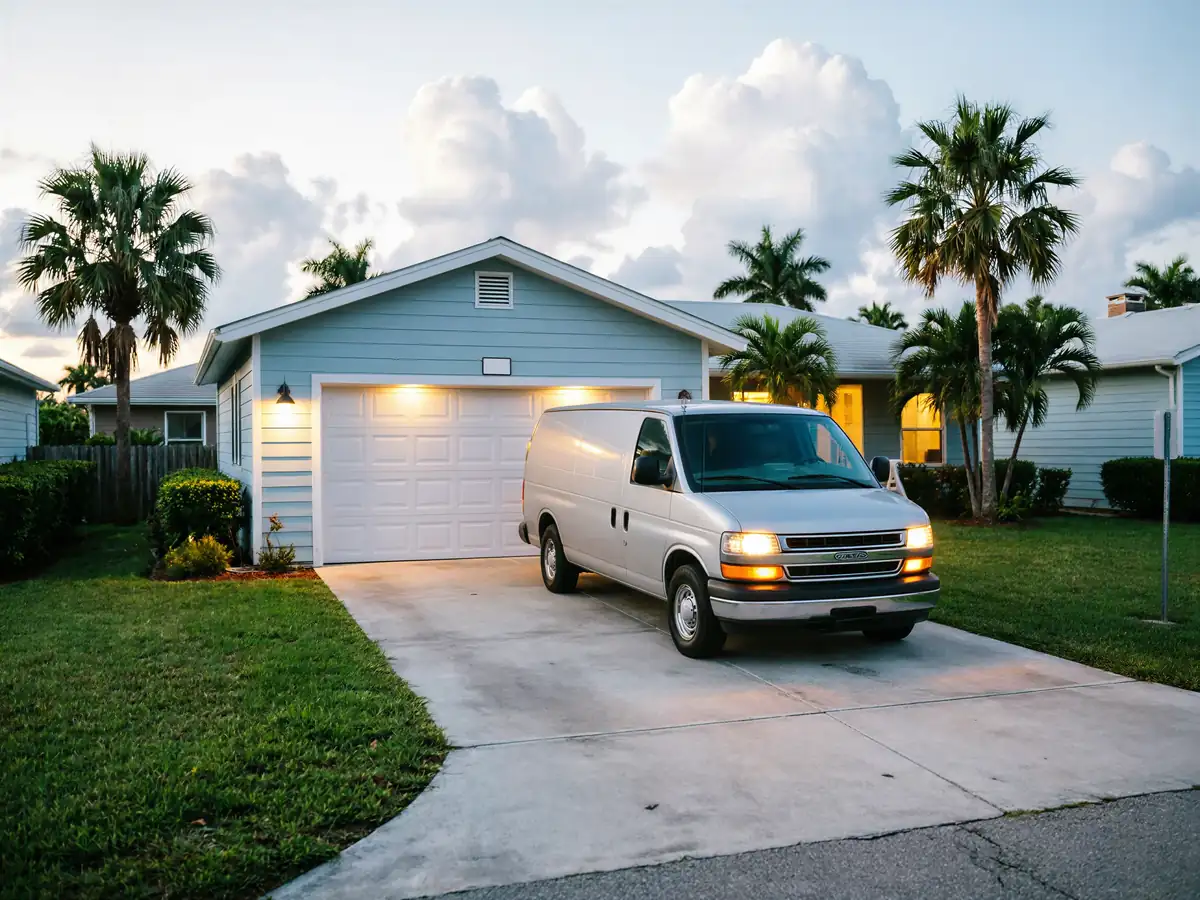
We travel from Plantation to reach Margate, about 9 miles, so this isn't a same-day walk-in shop - we schedule the trip, we don't keep a standing crew parked in the area. That's a fair tradeoff for most people but worth knowing up front.
What We Do Most in This Area
Given the 1978 median build year, the most common calls in Margate are spring replacements on doors that were never upgraded when a heavier insulated panel went in
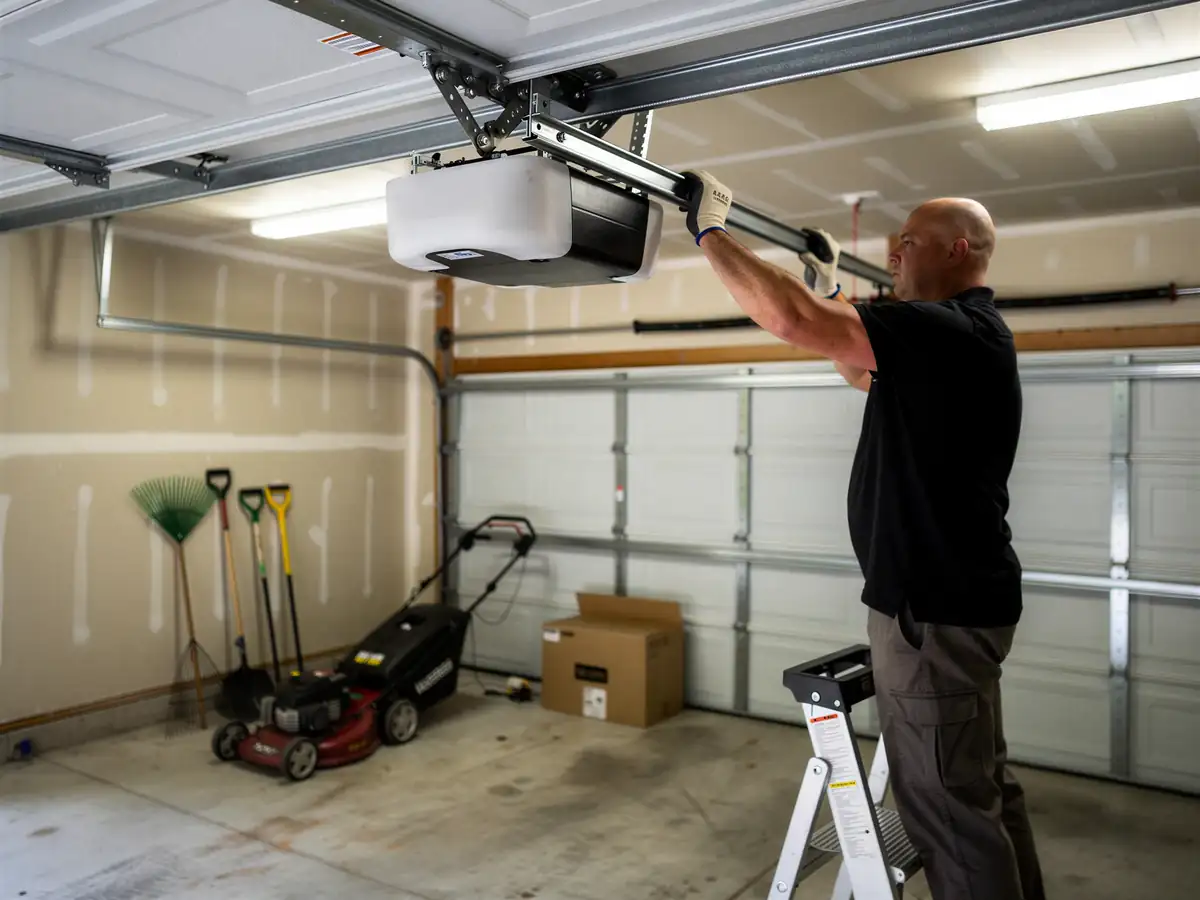
Opener swaps on units that have outlasted two or three motor generations, and track realignment on frames that have settled over four and a half decades. We also do a fair number of roller and cable jobs on original hardware that's simply worn past its service life.
Replacement jobs tend to be steel sectional doors going in where a single-panel or early sectional door has finally failed past the point of economical repair
Given the income profile in this area, most owners want a door that lasts another few decades rather than the cheapest option on the lot, and we size the spring and opener to match.