What to Look At First
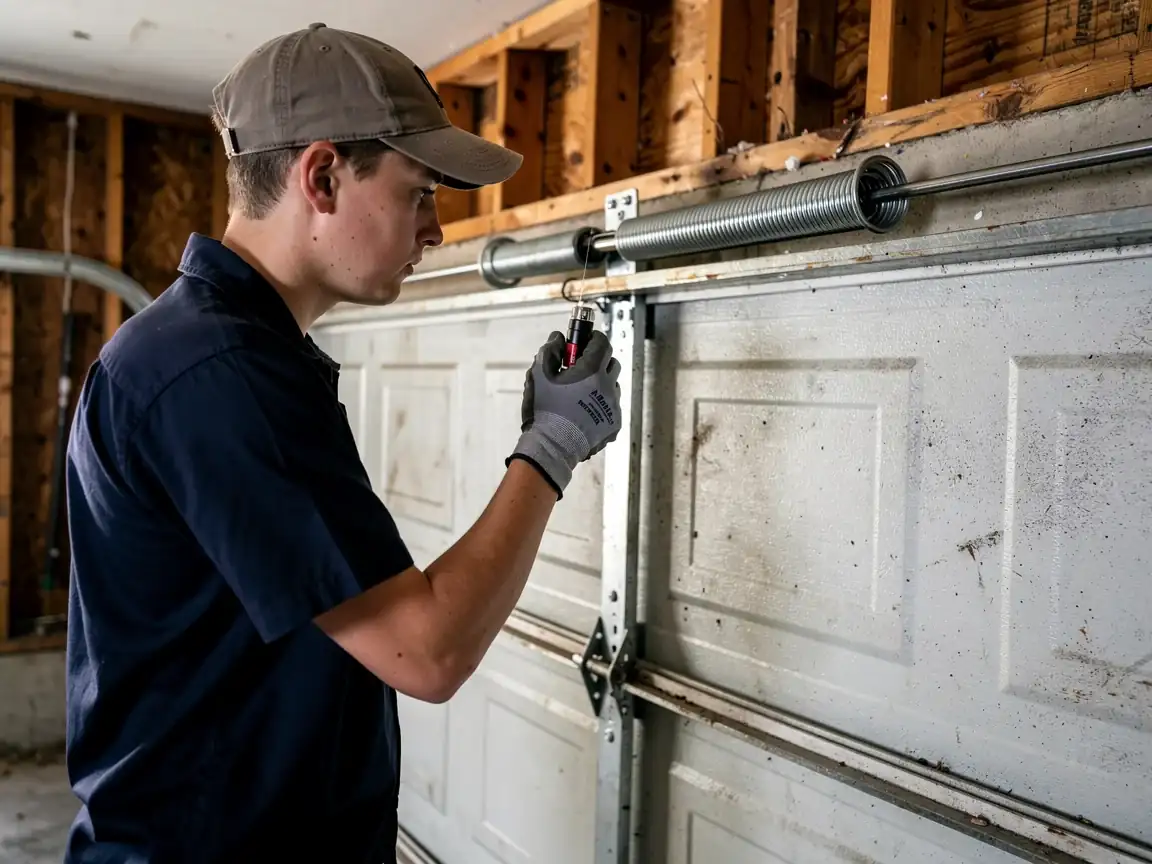
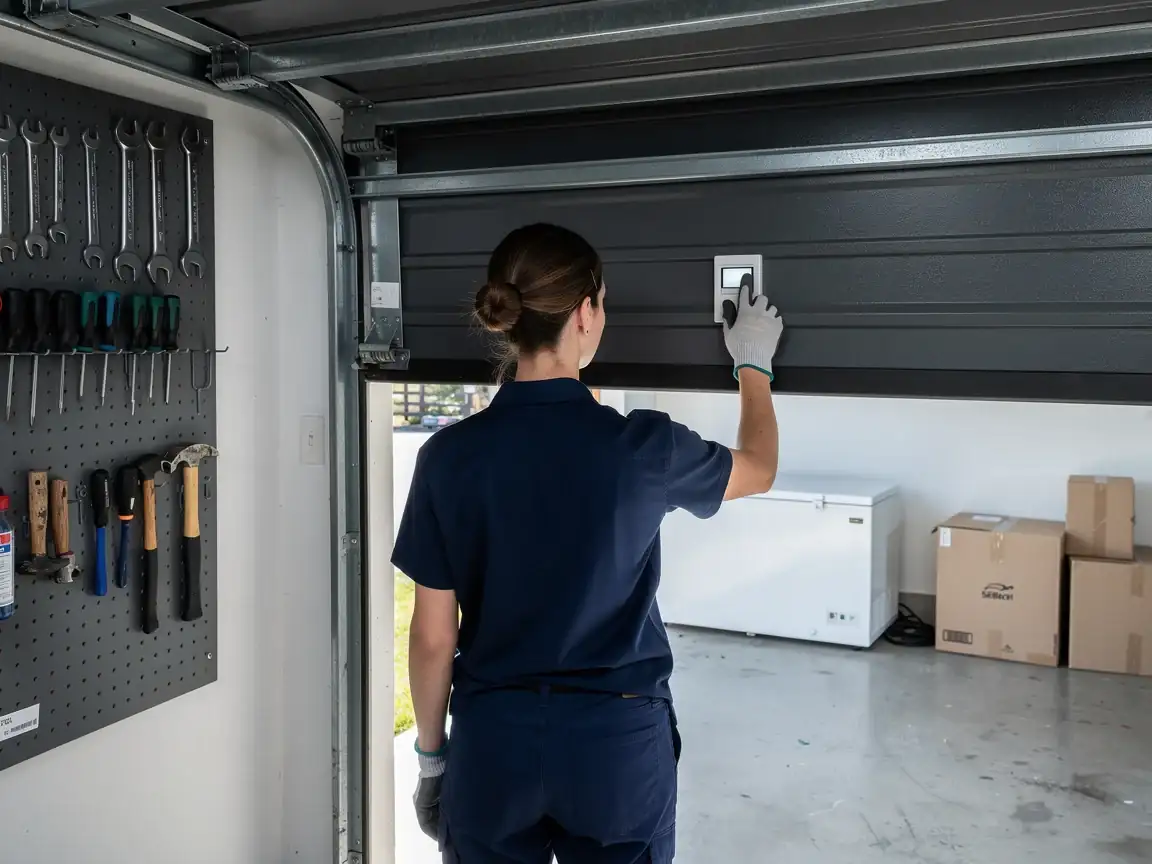
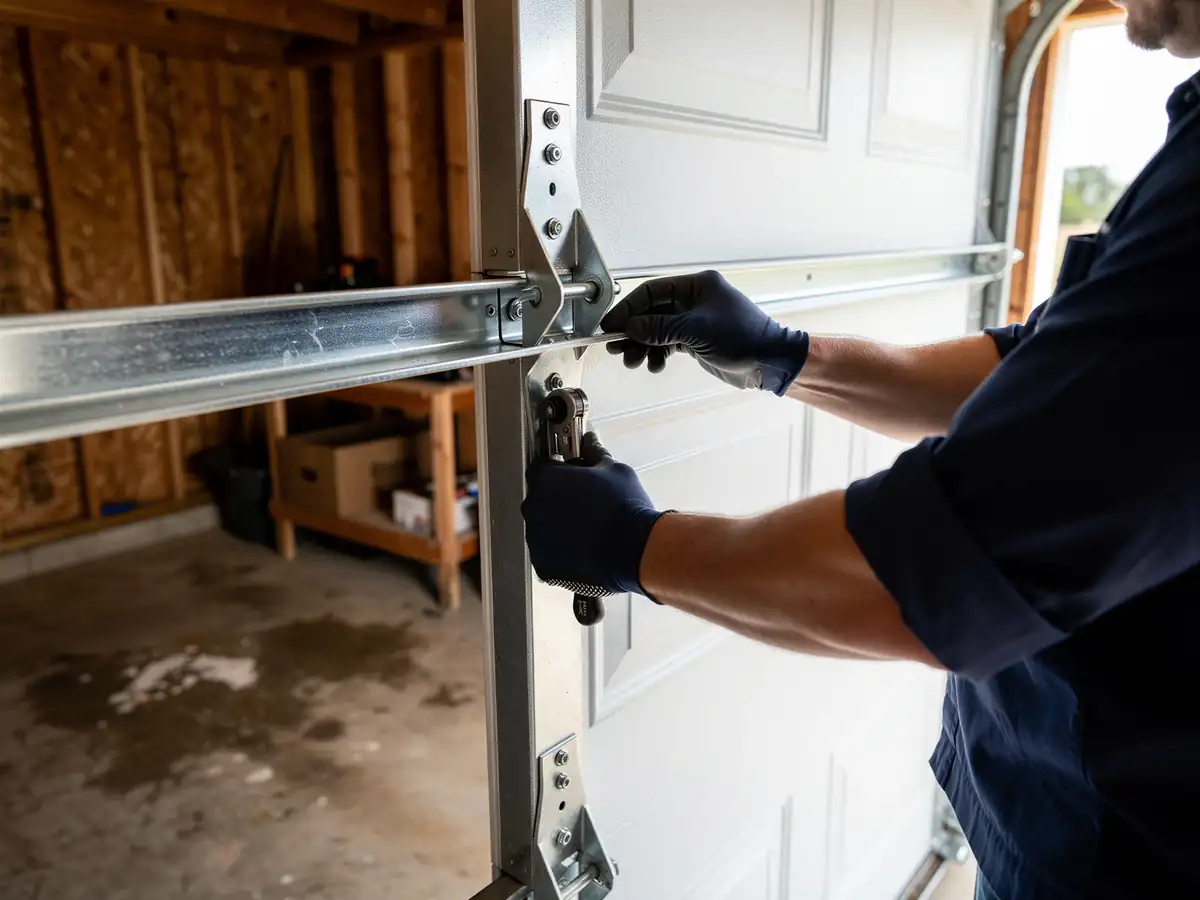
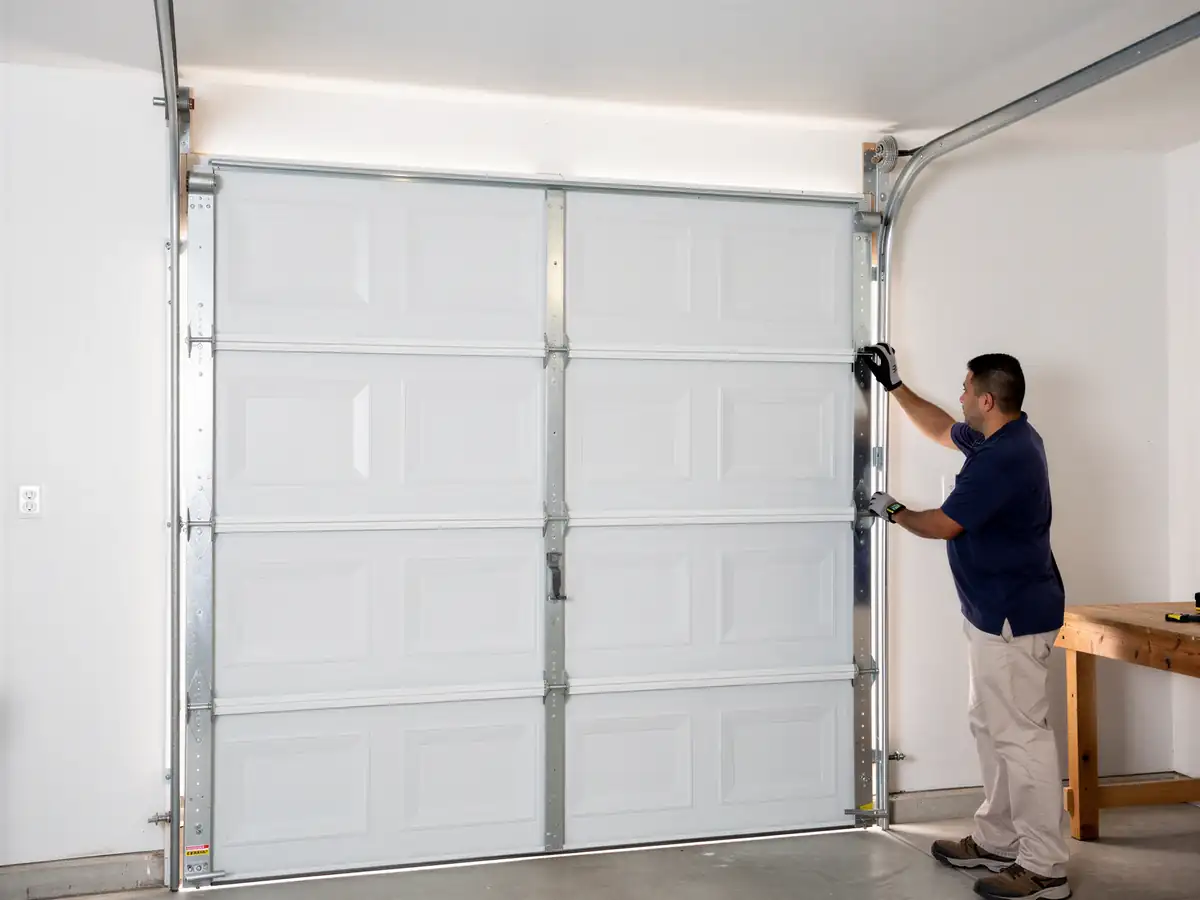
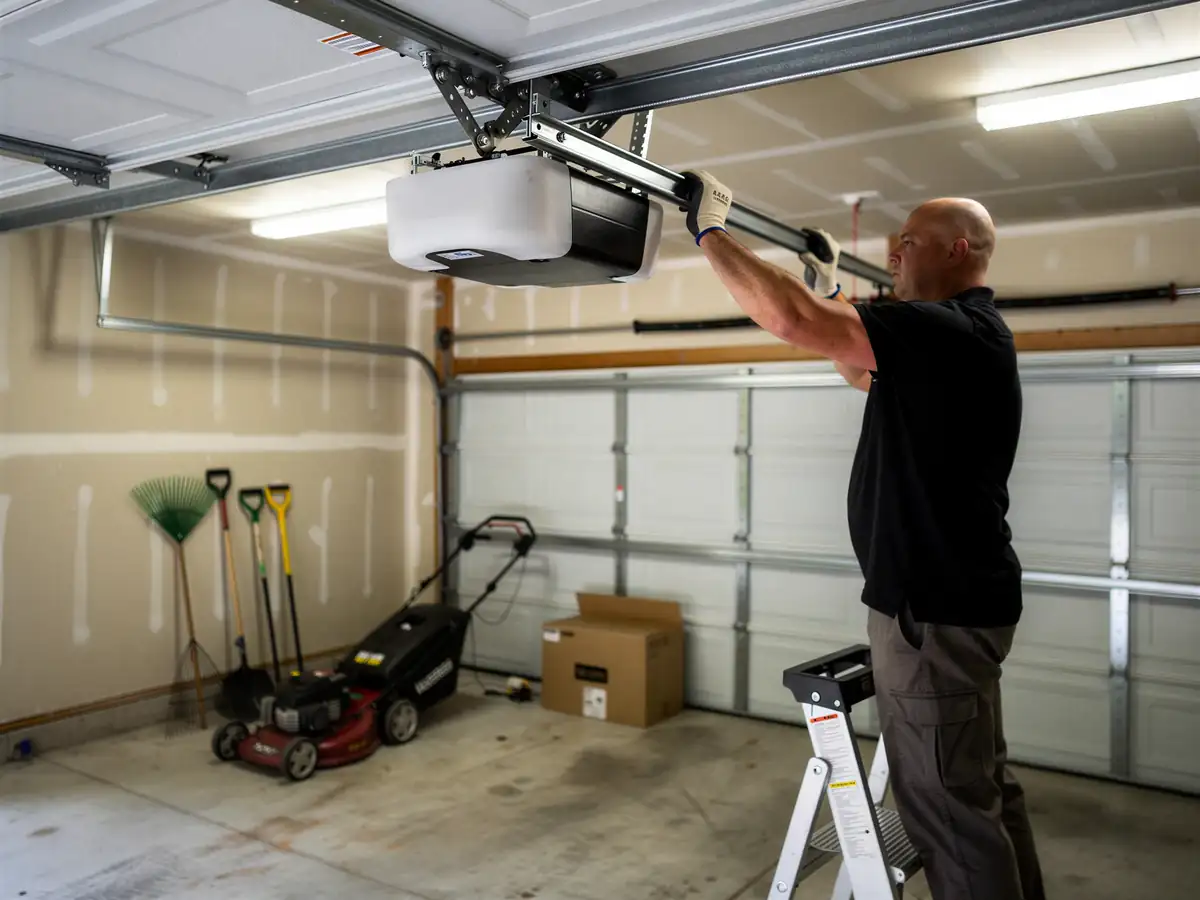
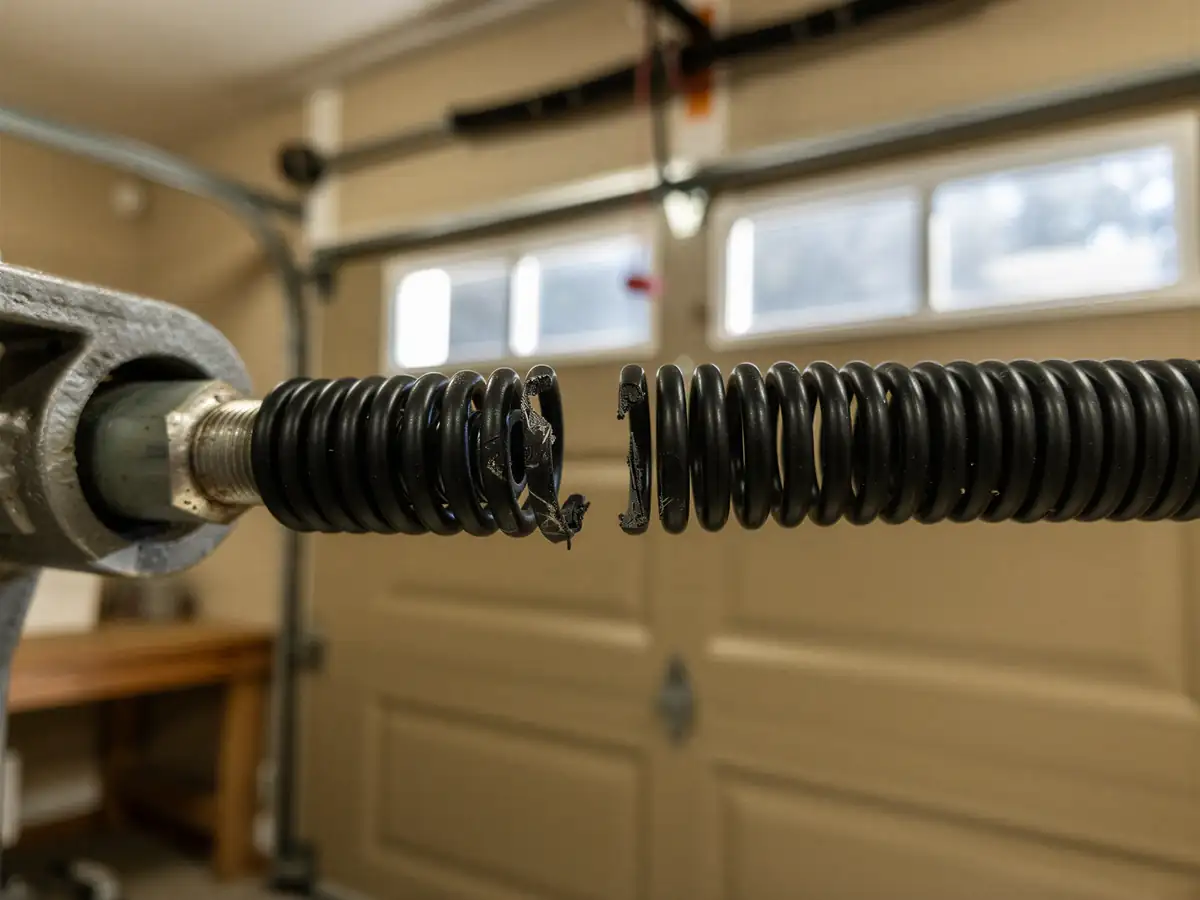
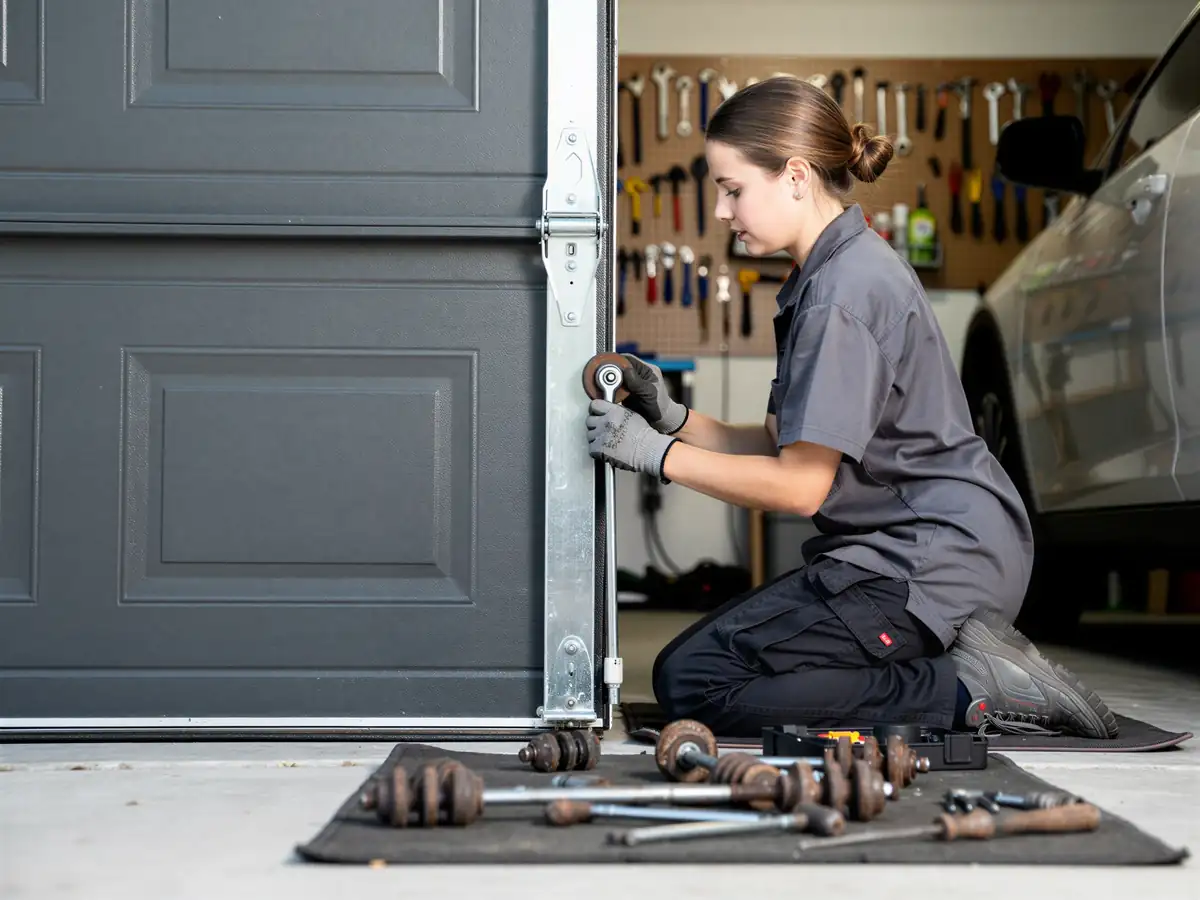
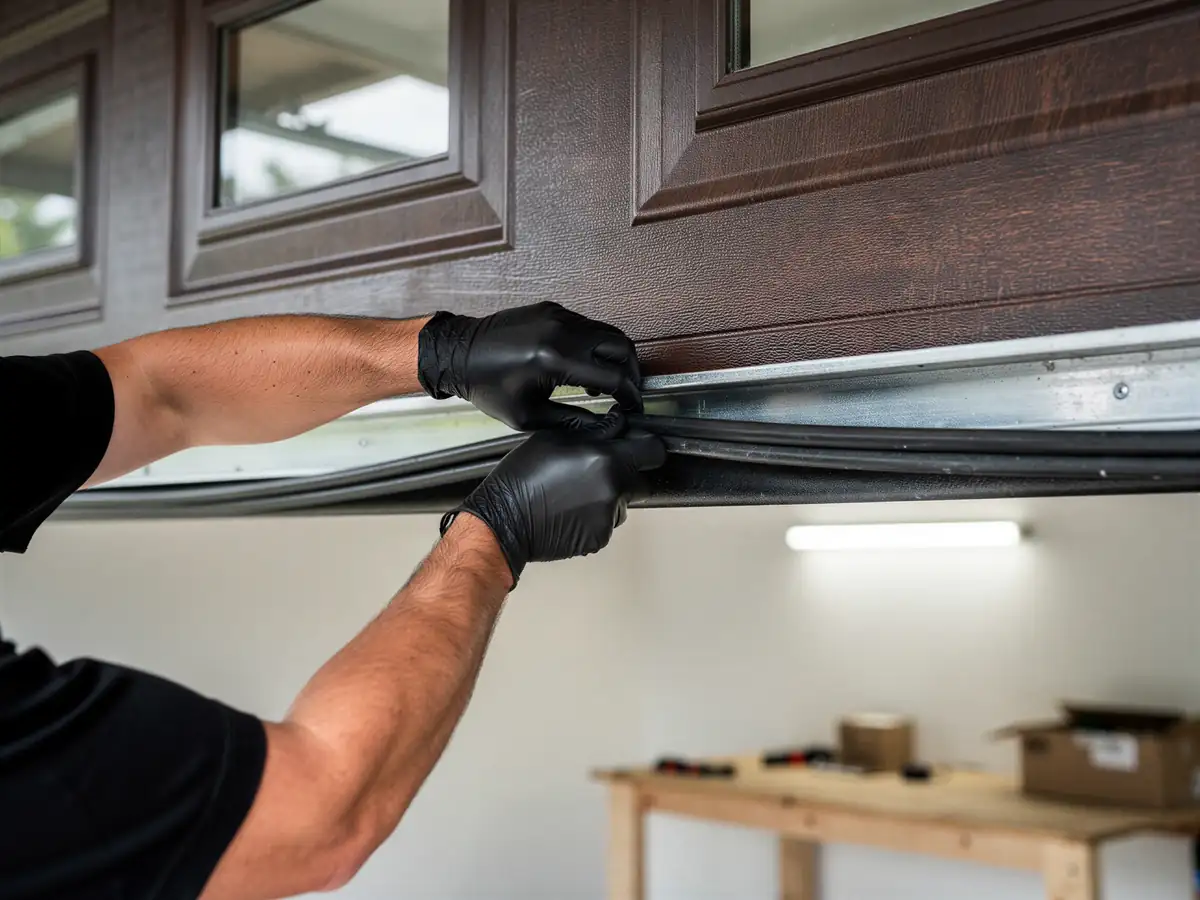
Start at the bottom panel. Houses from the 1960s and 70s stock that makes up most of this area's 36 named neighborhoods often have steel doors with narrower hinge spacing than current sectional models, and that panel is usually the first to show rust or denting because it takes the most ground moisture. Next, check the torsion spring - if the door feels heavier on one side when you lift it by hand with the opener disconnected, that spring is on its way out, and on an older door the replacement spring may need to be special-ordered rather than pulled off a shelf. Look at the track alignment too; decades of small shifts in a slab foundation can leave the vertical track slightly out of plumb, which wears rollers faster than it should. Last, the opener - if it's a chain-drive unit original to a house built before the mid-1980s, the gears inside are likely nylon and brittle by now. None of this tells you to replace the whole door. It tells you which of these four things is actually failing, so you're not paying for a new door to fix a fifteen-dollar roller.
What the Weather Here Does to It
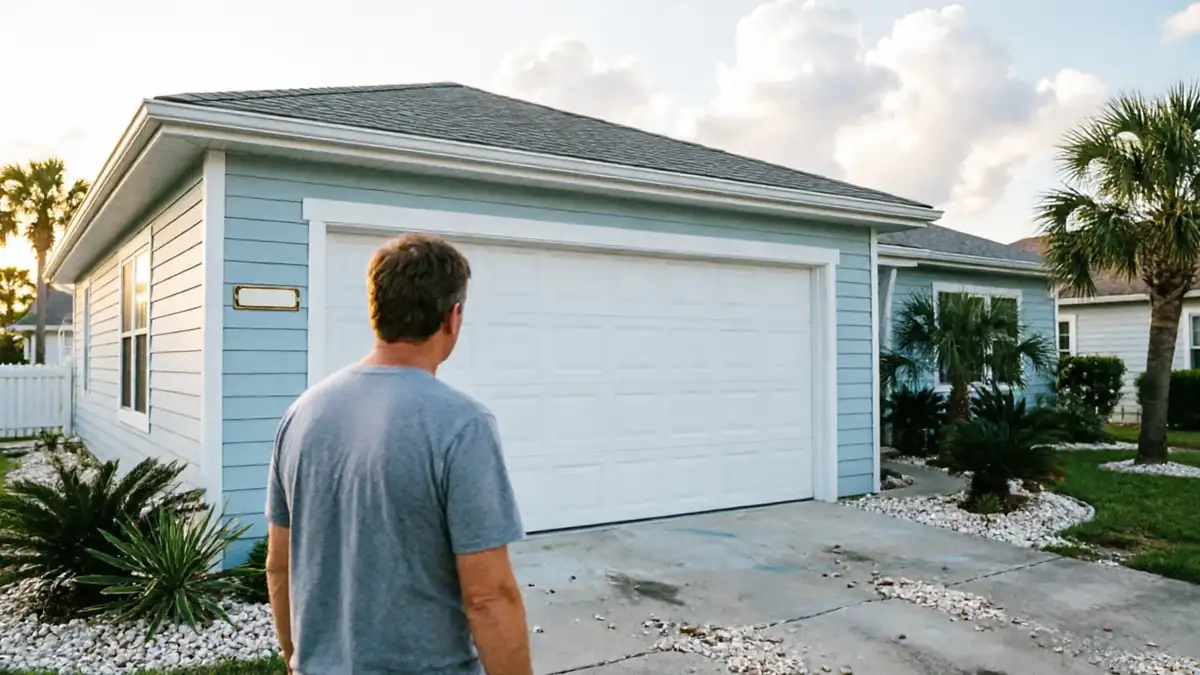
Plantation sits in a mild temperate band, which changes what actually wears a door out compared to colder parts of the country. There's no freeze-thaw cycle cracking panel seams or shrinking a torsion spring's steel overnight, the way you'd see in a place with hard winters. What you get instead is steady humidity and heat working on the hardware year-round - galvanized coating on springs and cables wearing down from constant moisture exposure rather than sudden cold snaps, and nylon rollers or idler bearings drying out and cracking under sustained heat rather than seizing from frost. That means failures here tend to be gradual: a spring that loses tension bit by bit over several seasons instead of snapping after one hard freeze. It also means the repair-versus-replace call is less about storm damage and more about accumulated cycle wear - how many times has that door opened and closed since it went up, and how much of the original coating is left on the parts doing the work. A door here rarely fails all at once. It tells you for months beforehand, if you're looking.