How We Fix It
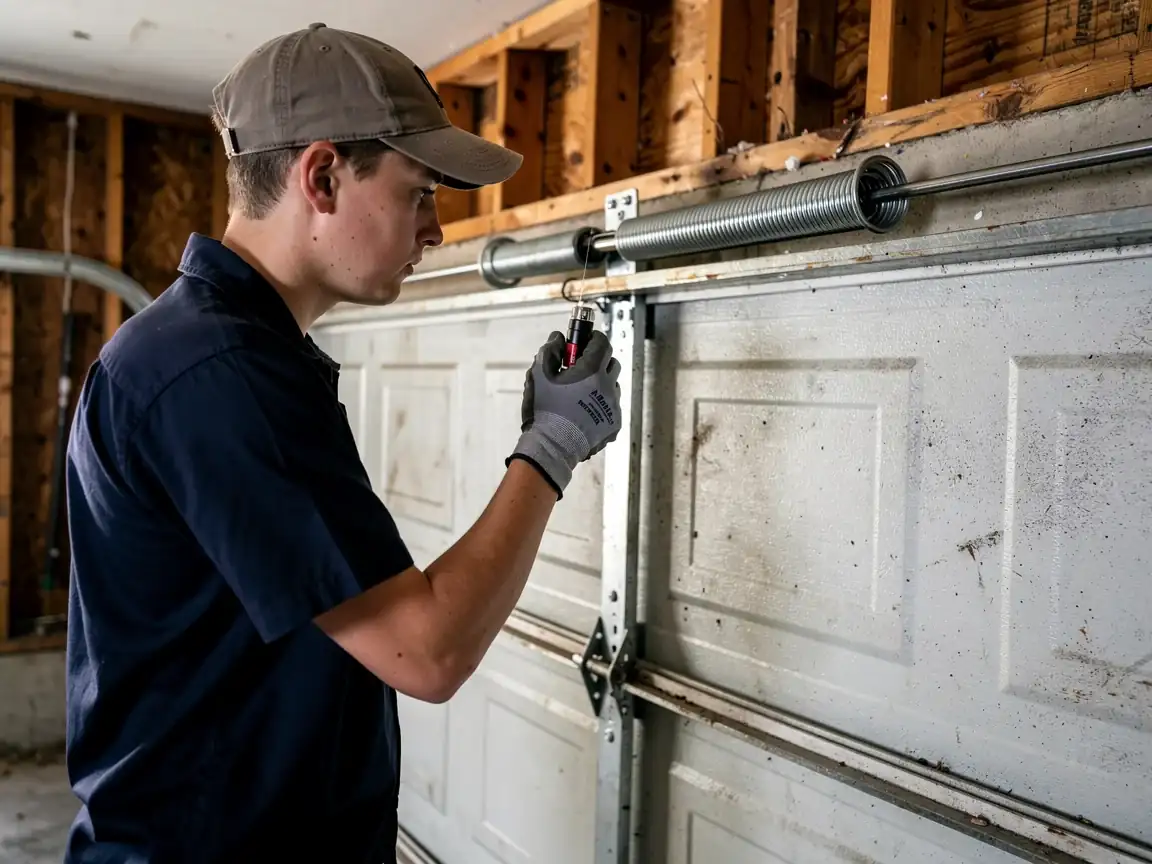
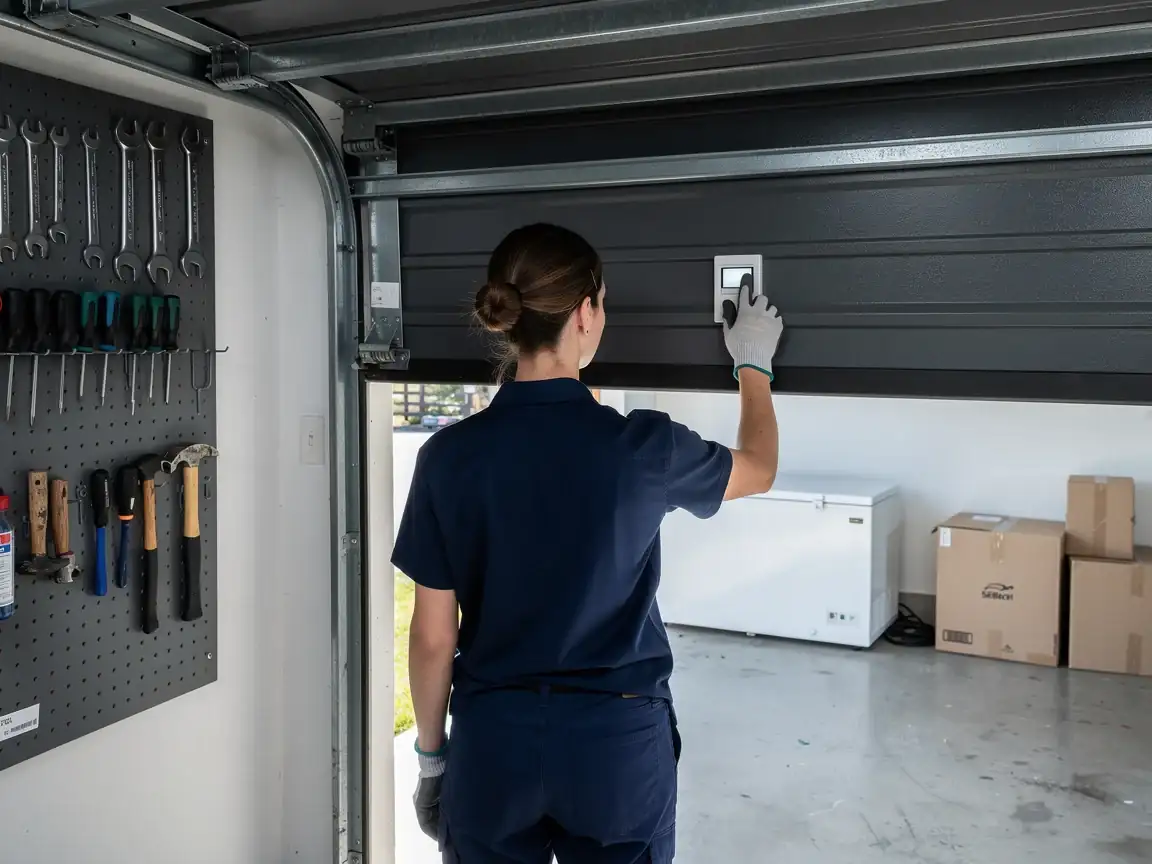
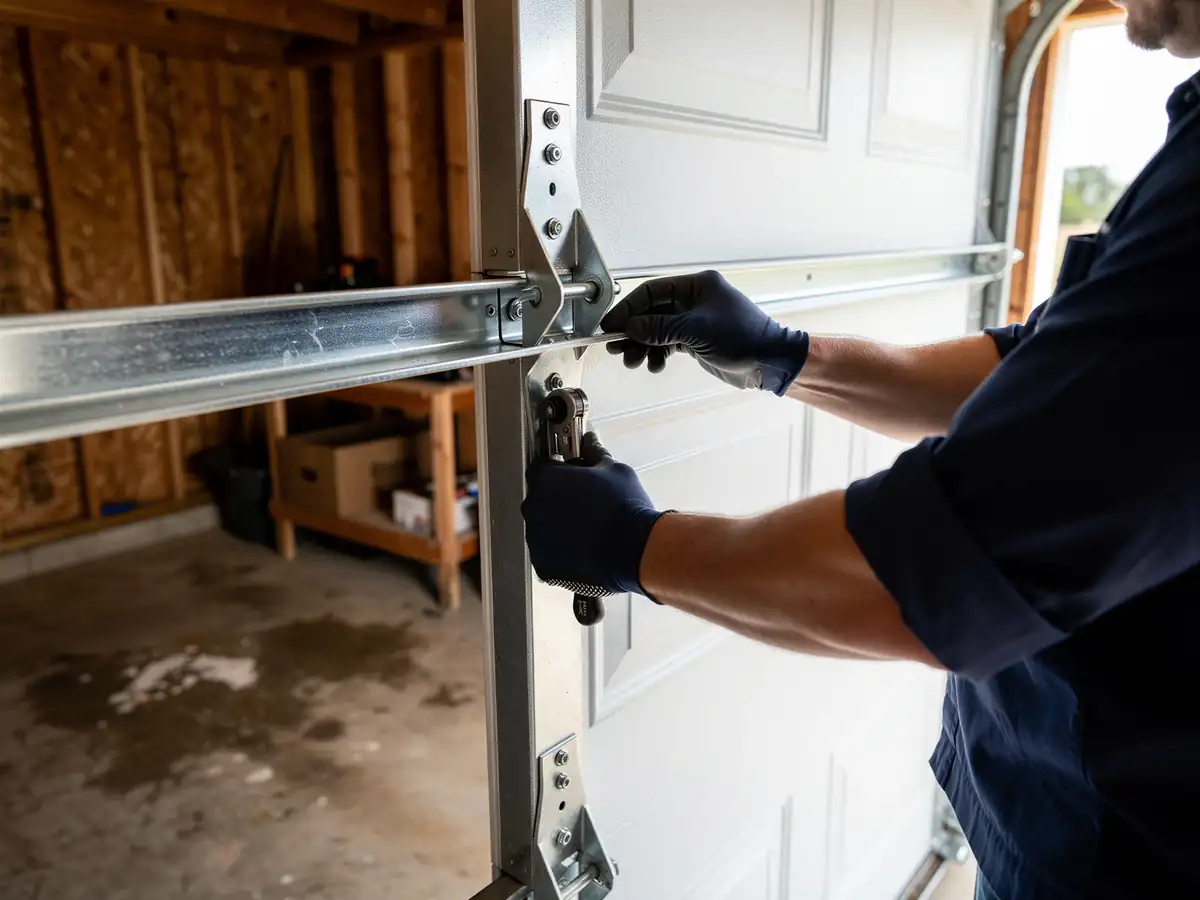
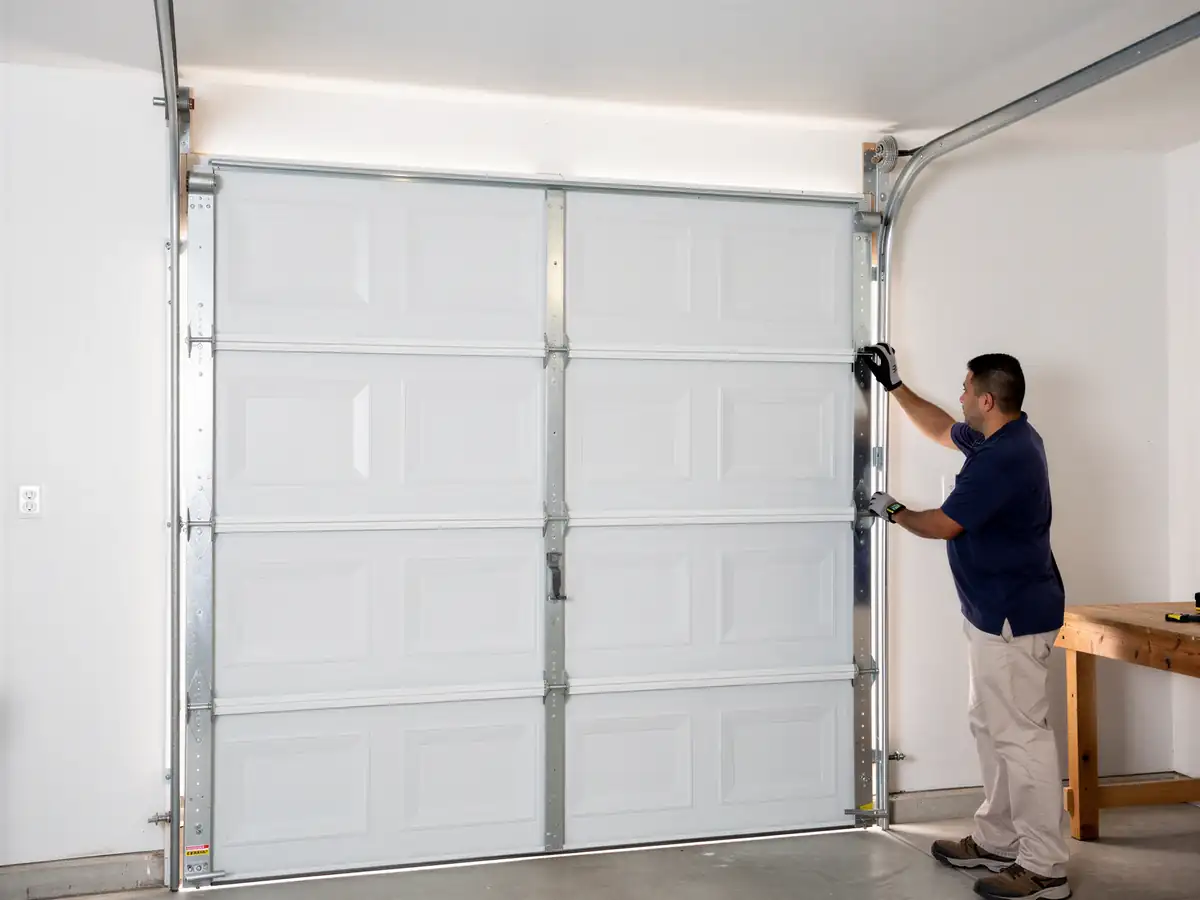
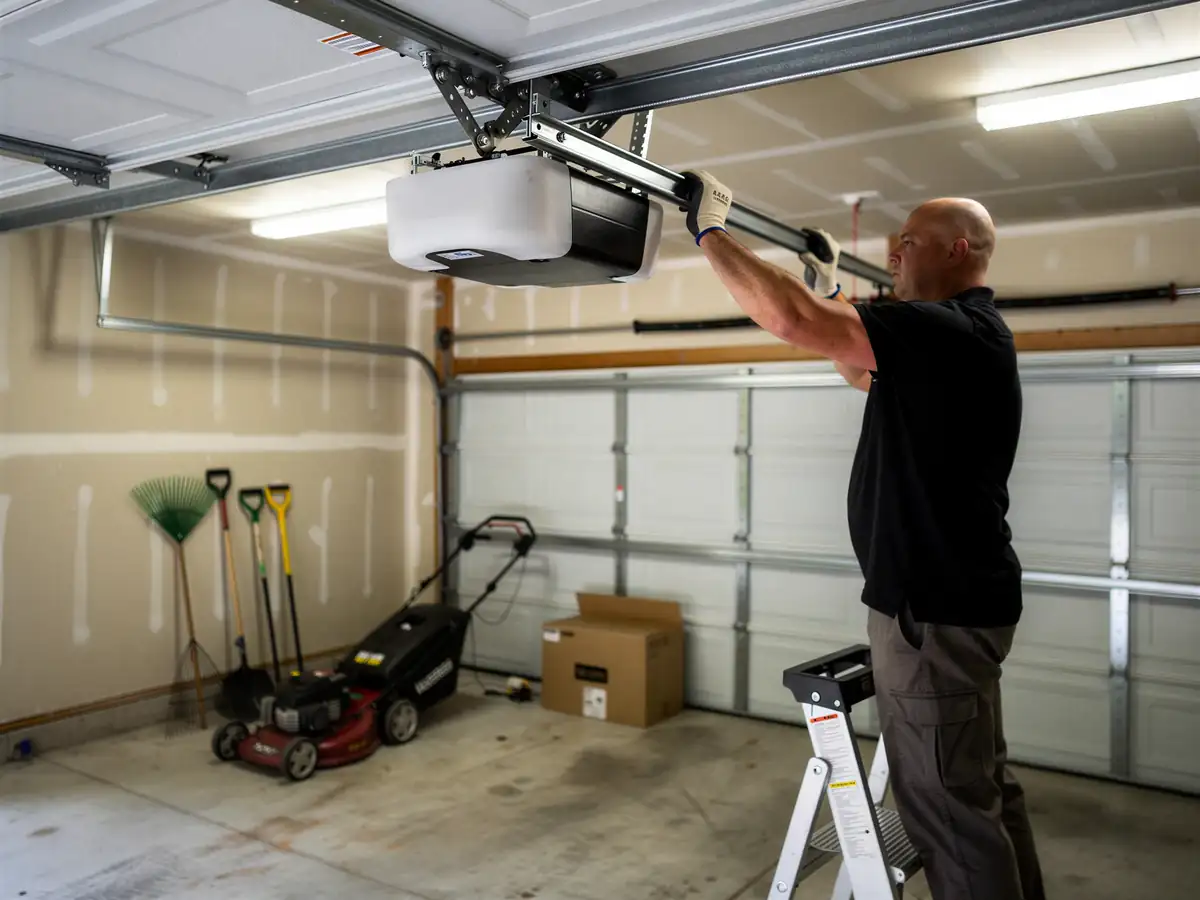
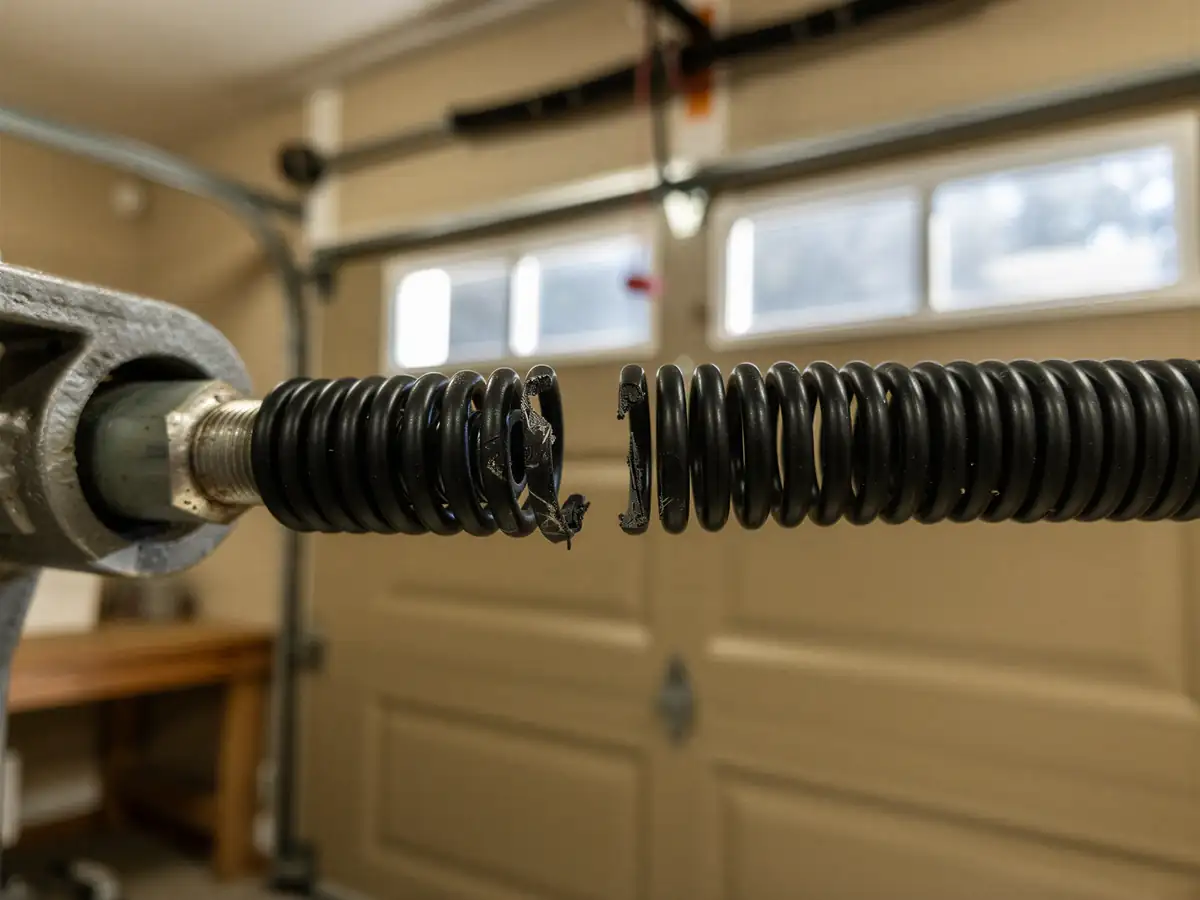
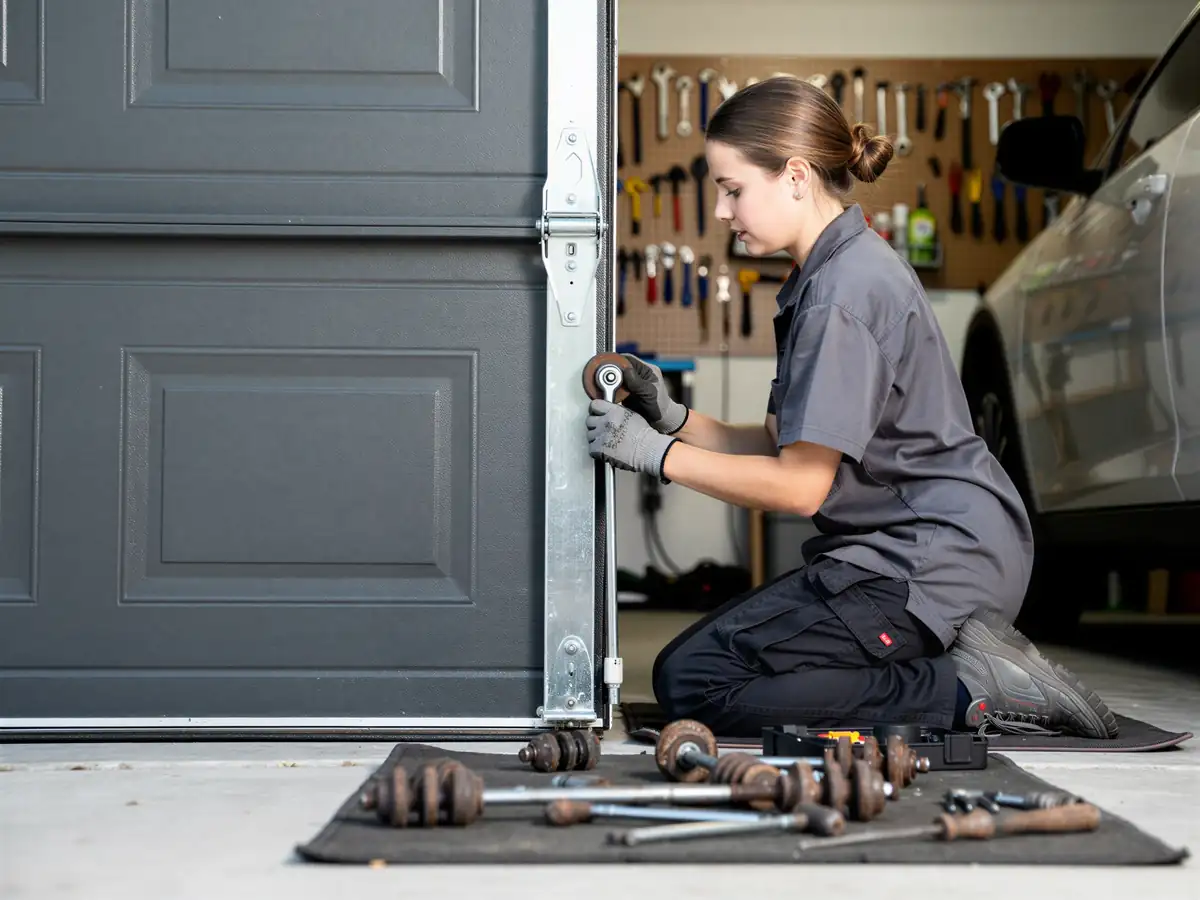
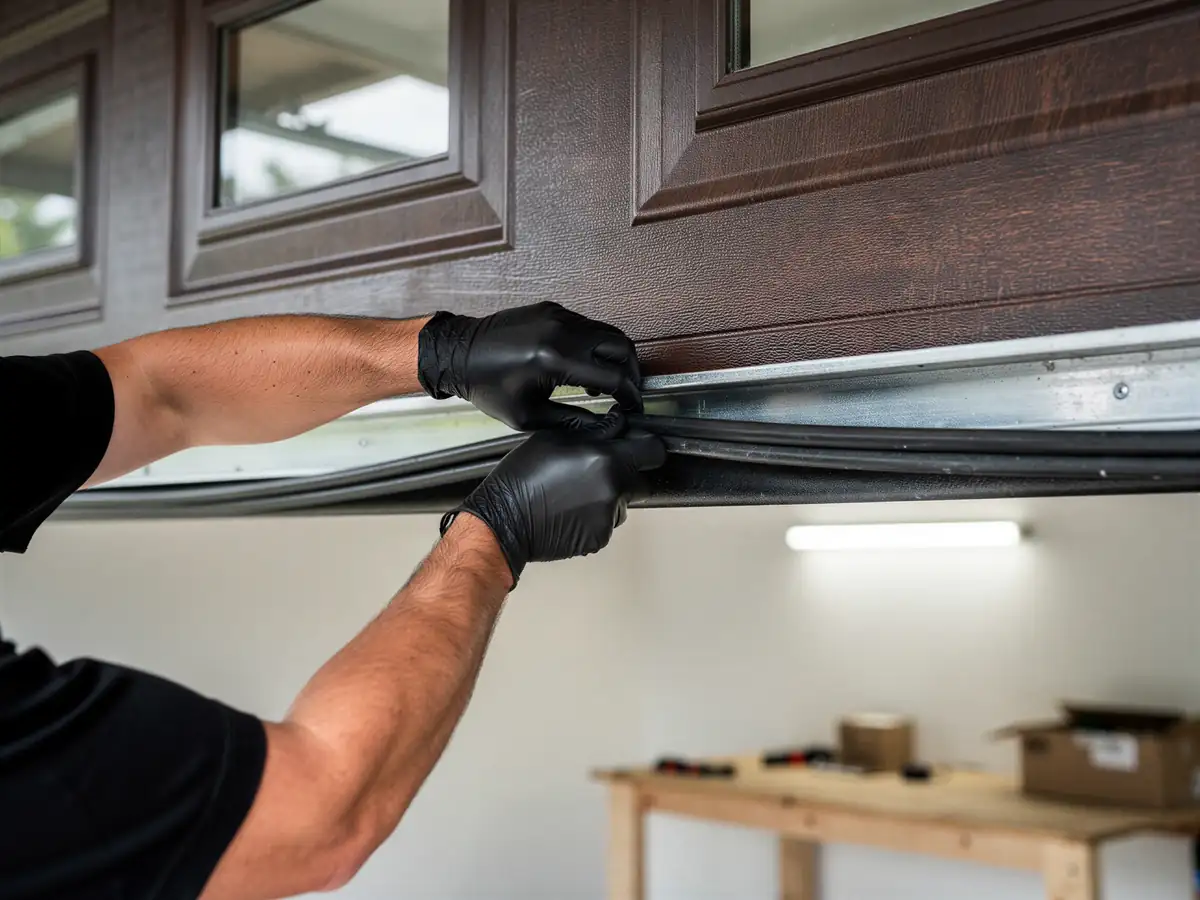
We come out from Plantation, about 14 miles away, so a Parkland call isn't a same-block visit - we plan the truck route and bring parts sized for what's typical in a 2000s-era build rather than guessing. Doors from this period usually run on torsion springs mounted on a single shaft above the opening, not the older side-mounted extension springs you'd find in a house built in the 1960s. That changes which spare parts we load before we leave the shop. We check the opener's circuit board and safety reversal system first, since post-2000 openers are required to have working auto-reverse and photo-eye sensors - a fault here is often electronic, not mechanical, and it's the kind of thing a homeowner can't always diagnose by looking at the door itself. If the spring itself failed, we measure wire gauge and coil diameter rather than assuming a standard size, because builders in this price bracket often installed heavier-duty springs rated for larger, heavier insulated doors. We also check for an insulated door's thicker panel skin, which puts more load on the same rollers and hinges than an older single-layer door would.
Why This Fails Locally
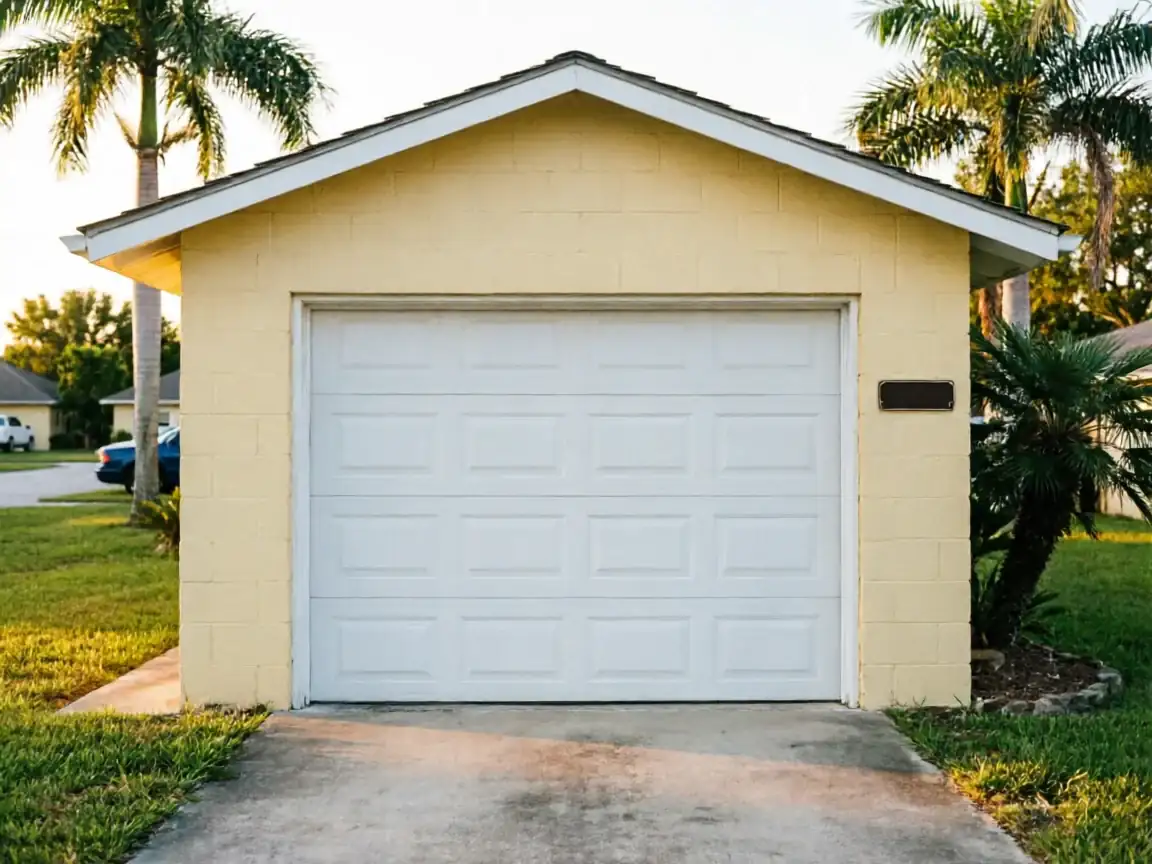
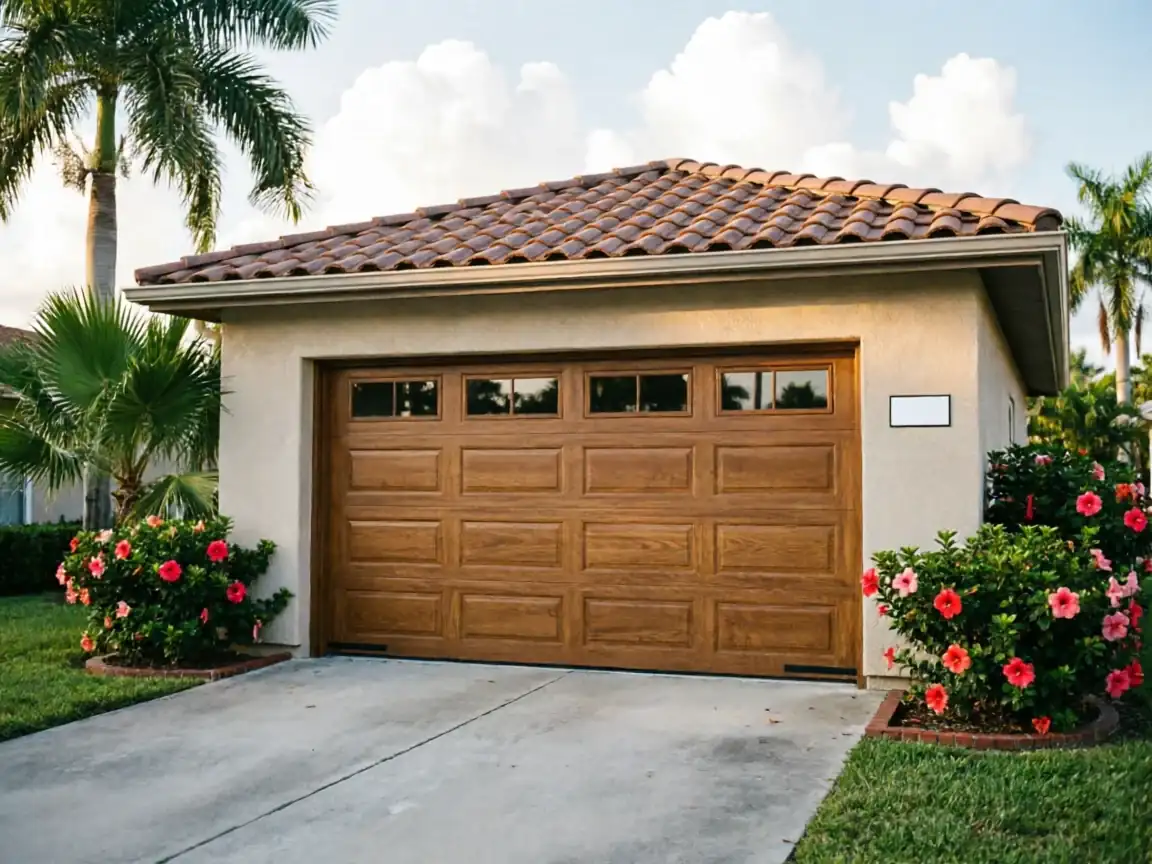
The mild year-round climate across this part of the service area means garage doors here don't fail from freeze-thaw cracking or snow-load stress the way they might further north. What we see instead in Parkland is wear tied to the age and spec of the build itself: factory torsion springs reaching the end of their rated cycle count, nylon rollers in composite-panel doors wearing faster than steel rollers would, and opener logic boards failing from years of humidity exposure rather than cold. Median household income here runs well above the $60,853 median for the broader area we serve, and homes built around 2005 commonly shipped with heavier insulated doors and belt-drive openers rather than the bare steel doors and chain-drive openers common in older stock elsewhere in our coverage. That combination means a failed spring here is often supporting more door weight than a same-symptom failure in an older neighborhood, and the fix needs a spring rated for that heavier door rather than a generic replacement.
How Long It Takes
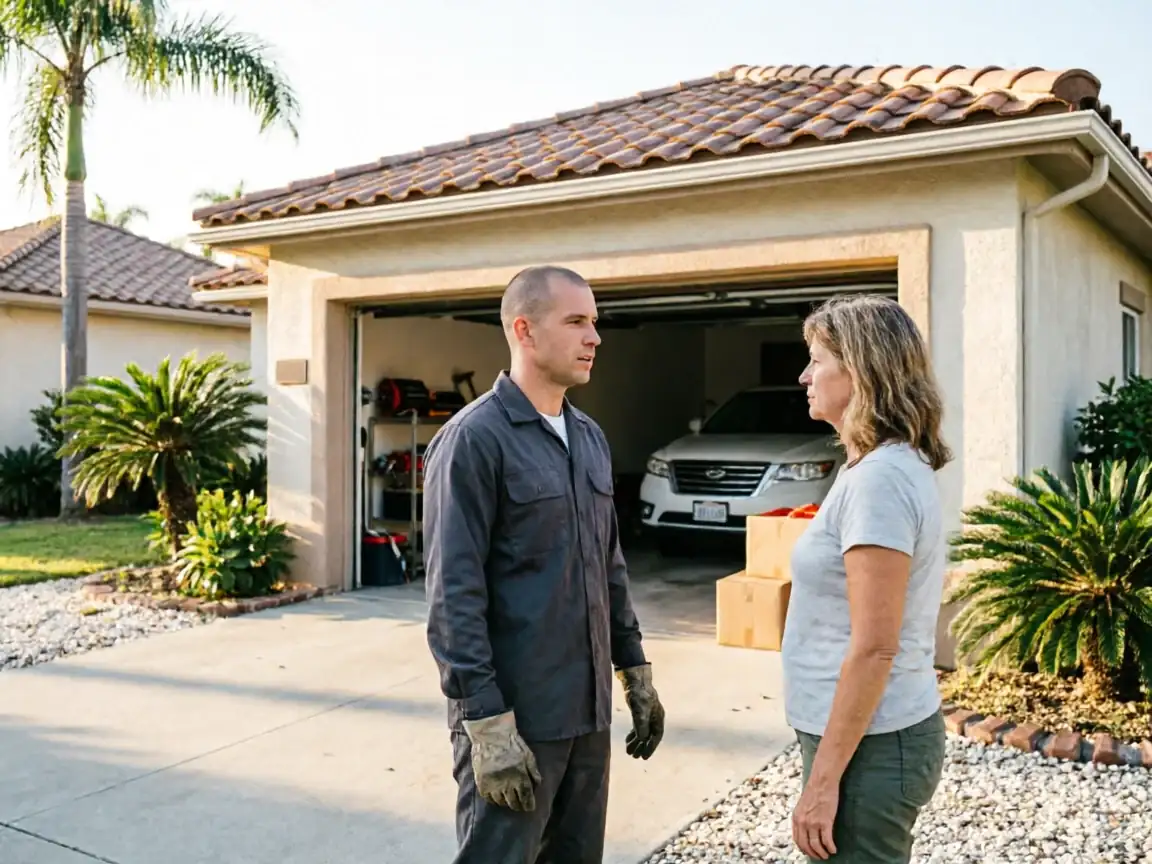
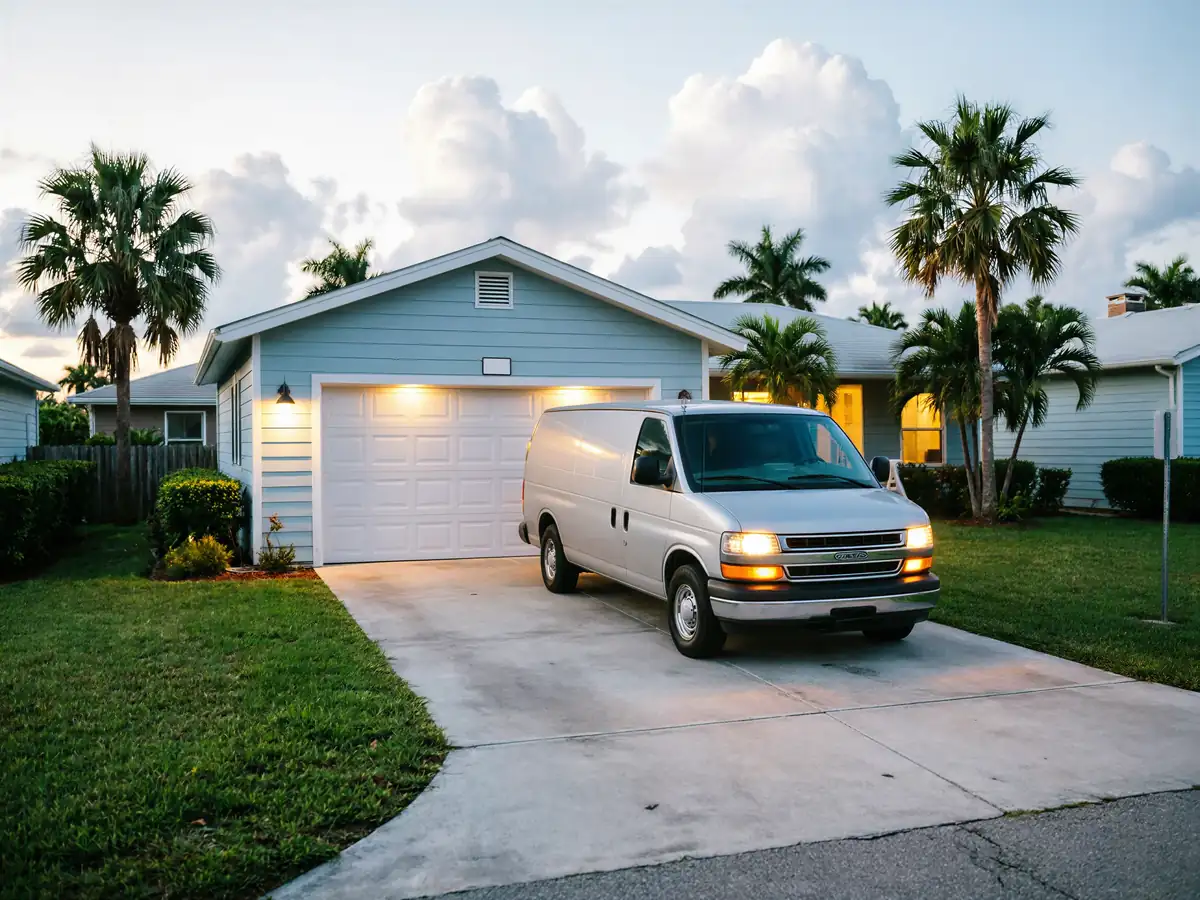
Because we're coming from Plantation, roughly 14 miles out, a Parkland job starts with that drive, so we schedule the visit rather than drop in same-hour. Once on site, a torsion spring swap on a standard double door usually runs under two hours if the part is in stock on the truck; if it's an uncommon spring size for a heavier insulated door, we may need to confirm the measurement before we commit to carrying it. Opener board or sensor diagnostics are usually quick to identify but can take longer to resolve if a replacement part isn't something we stock for that specific model, given how many builder-installed opener brands went into homes constructed in this era. We'd rather tell you a part needs ordering than rush a mismatch onto your door.