Leaving It Alone
A lot of homeowners let a new noise ride for months because the door still opens
In most of Plantation that's a bad bet, not because every sound is an emergency, but because of what's actually installed. Housing here went up mostly between 1953 and 2005, with the median sitting at 1975, and that means a huge share of doors in this part of town are running original or close-to-original torsion hardware from a build era when springs, rollers, and track brackets were made to a different standard than what goes in today. A grinding or screeching sound on a door that old isn't cosmetic - it's a part that's been doing its job for forty-plus years finally saying so. We're not telling you to panic at every squeak. We are telling you that "it's always done that" is a different statement on a 1975-built door than on a door installed last year, and in Plantation, the odds say you're closer to the first case than the second.
If the noise is new and the door is original to a house from that build window
That's the one combination worth treating as a call, not a watch-and-wait.
What to Look At First
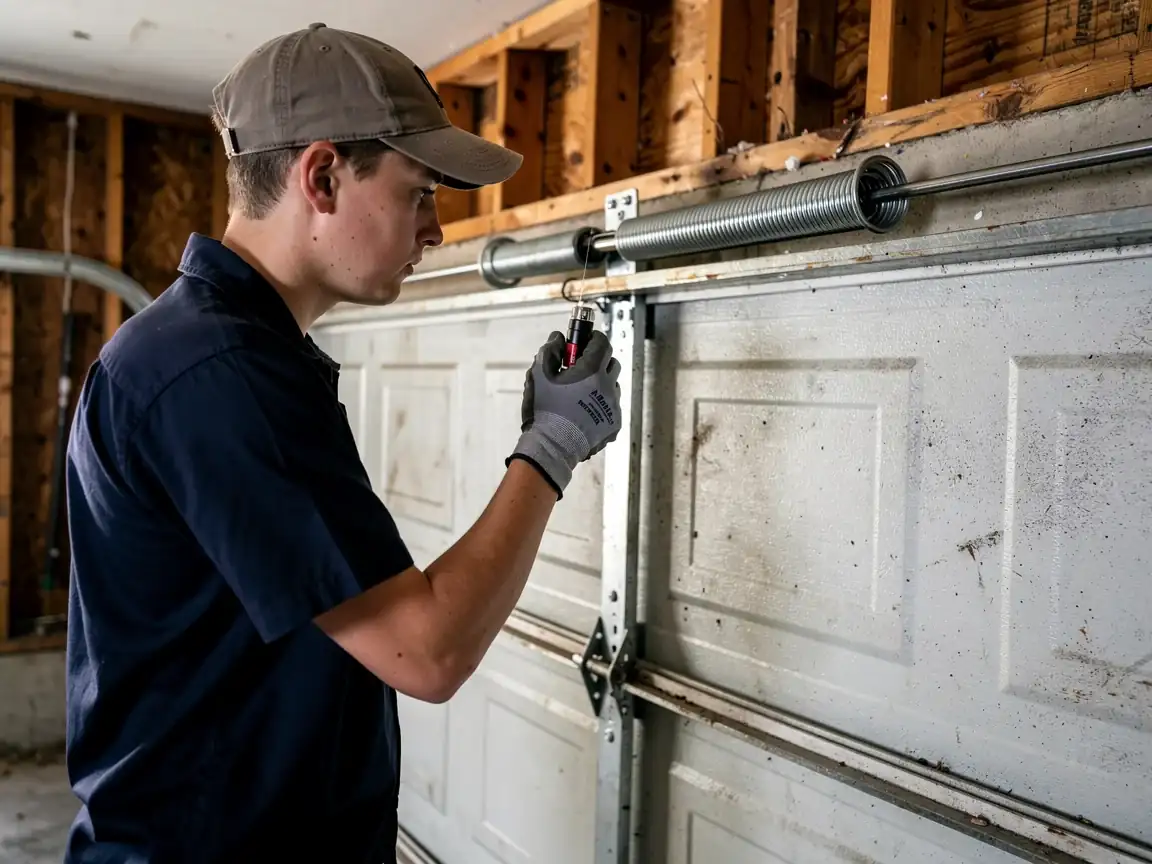
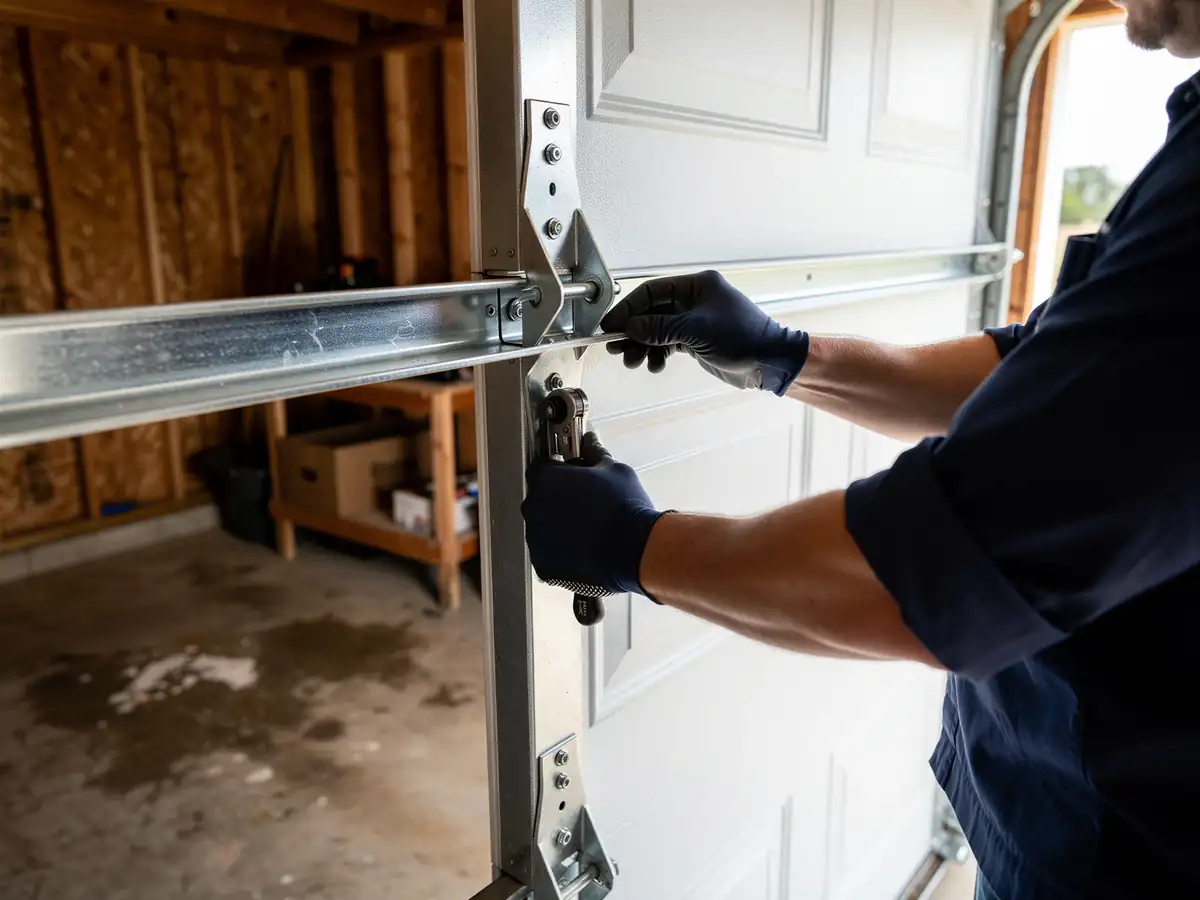
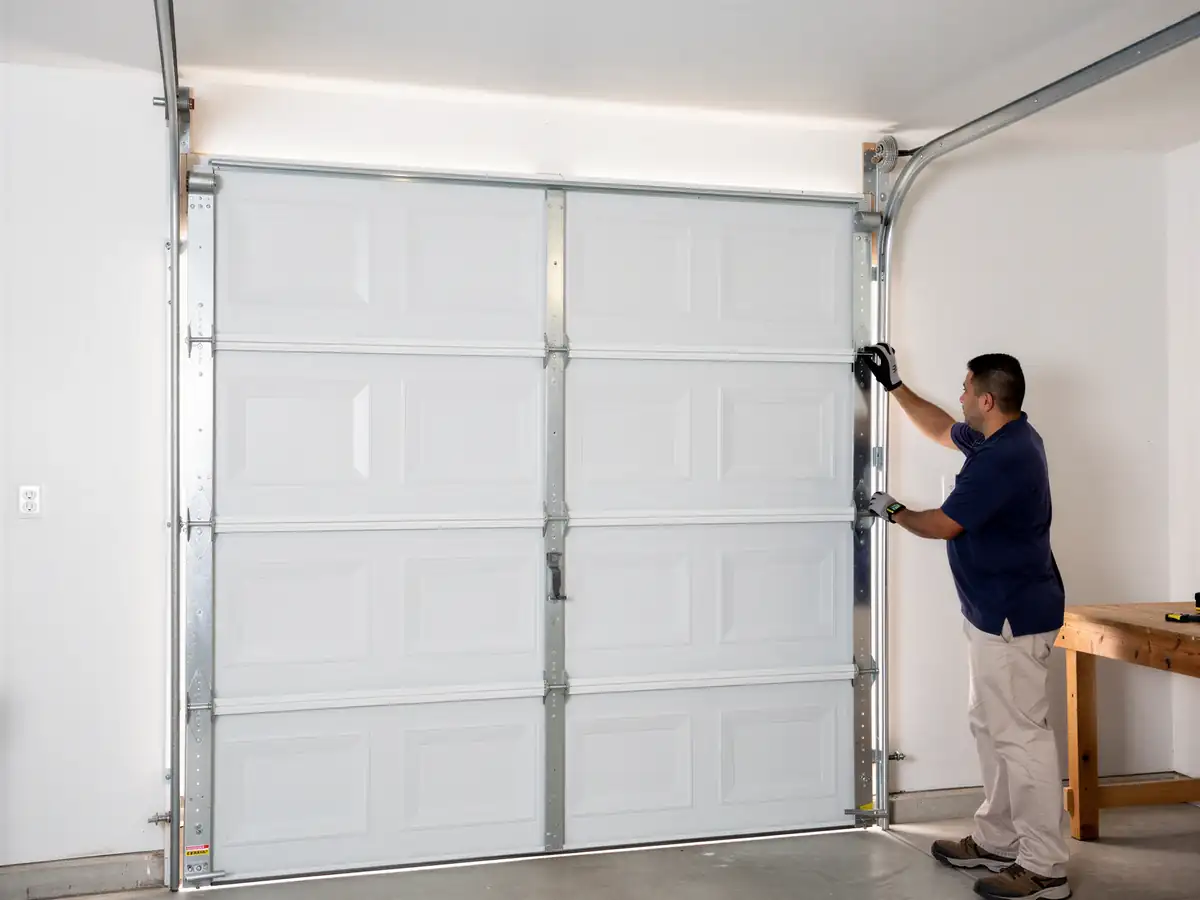
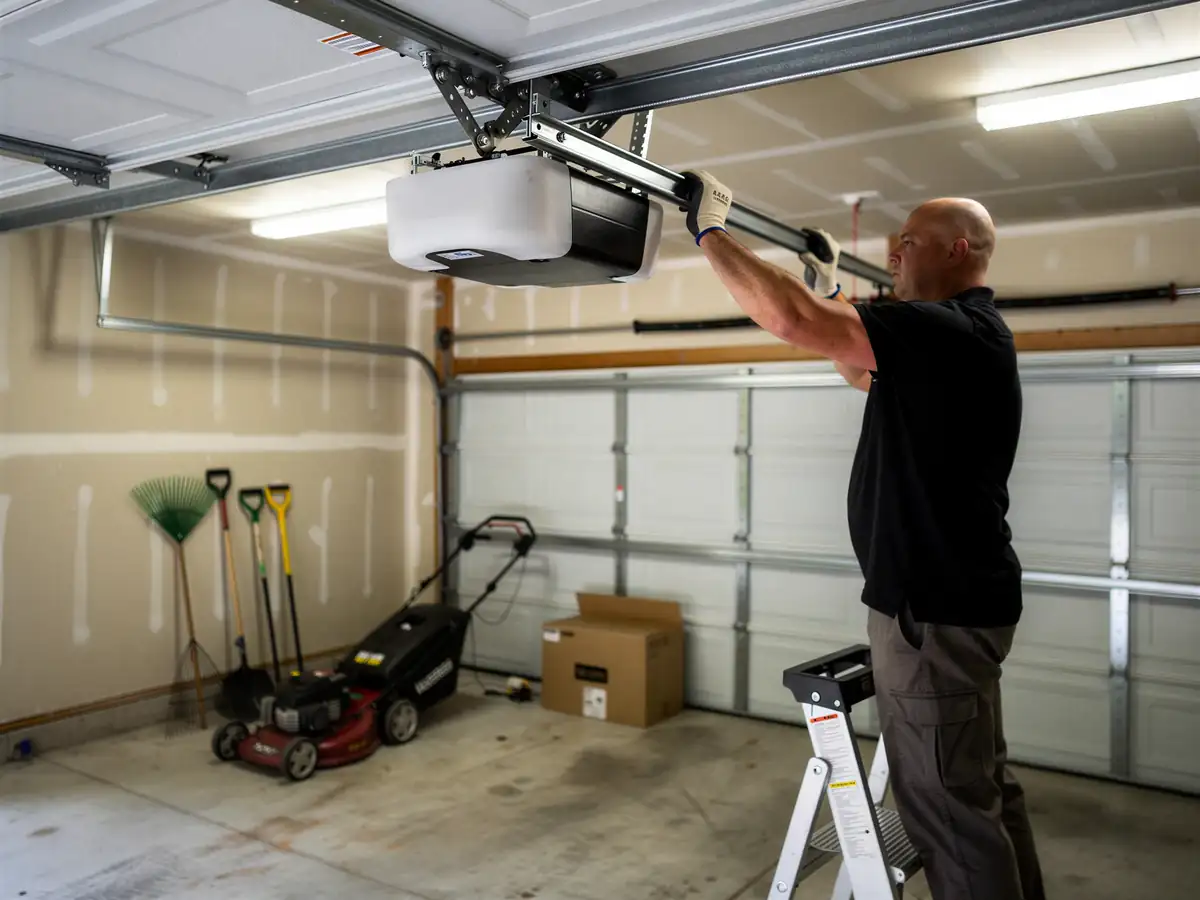
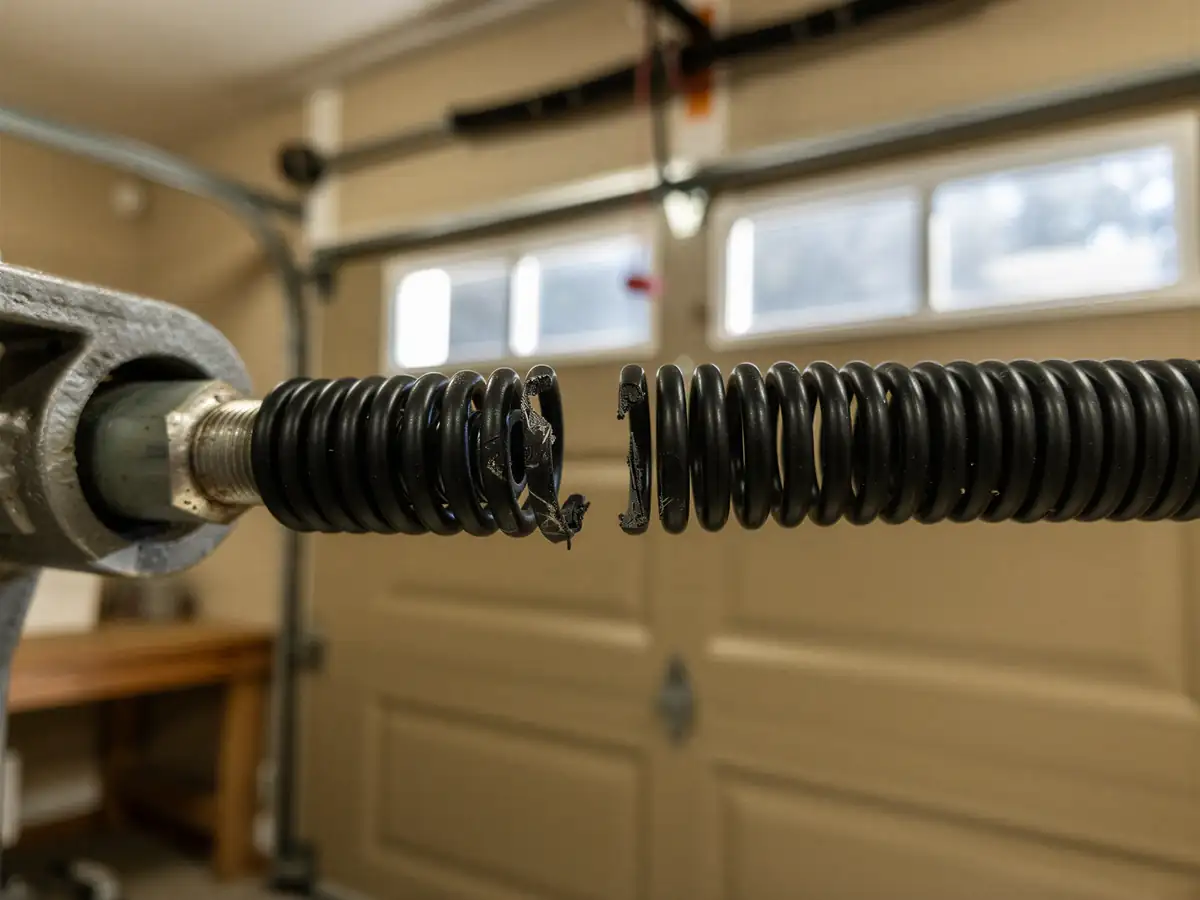
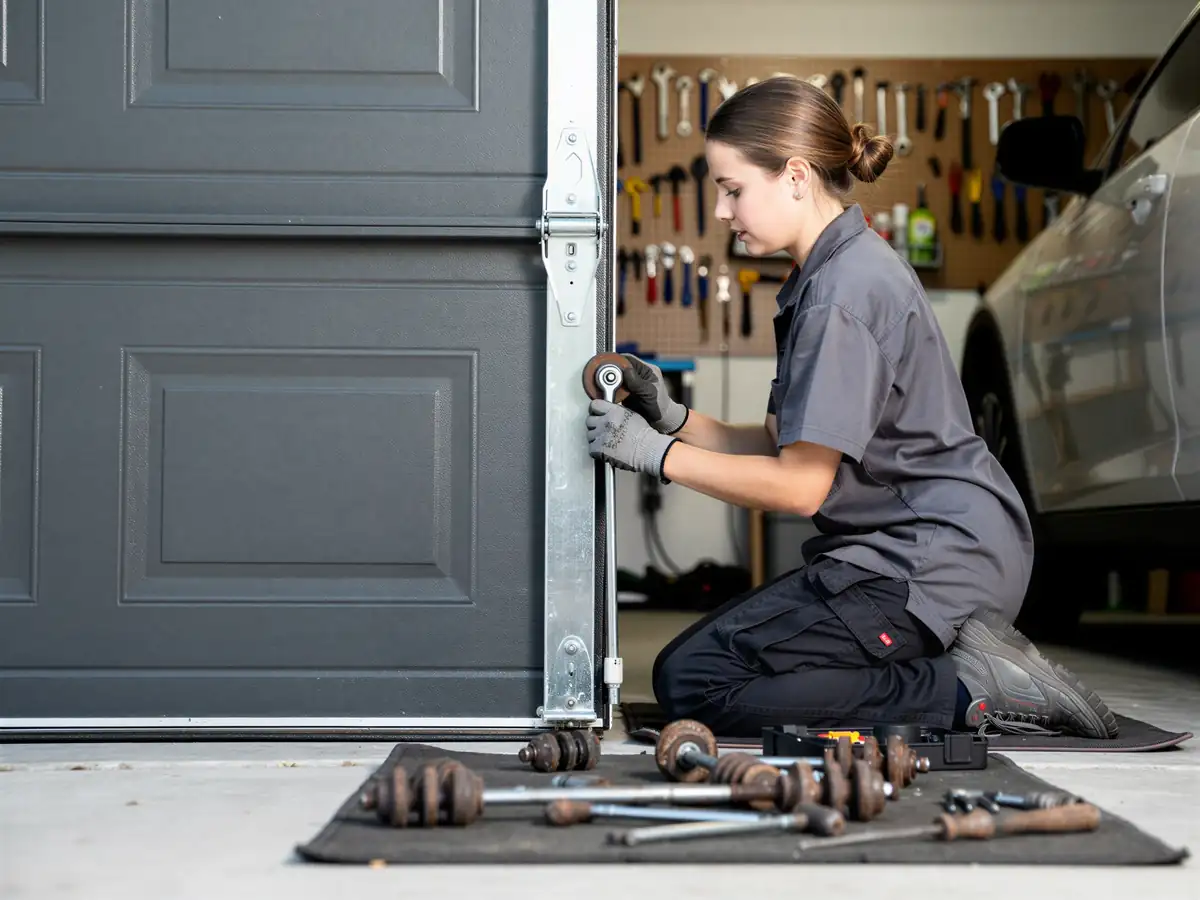
Before you call anyone, stand next to the door while it runs and separate the sound into where it's coming from. A rattle at the rollers against the track usually means worn rollers - common on the 1960s-70s stock that makes up most of this side of Plantation, where steel rollers were standard and plastic retrofits never happened. A deep thump near the top of the door on the way up is often a spring losing tension, which on original torsion hardware from that era is wear, not misuse. A grinding sound from the opener head itself, separate from the door, usually points to the gear set inside the unit rather than the door hardware at all.
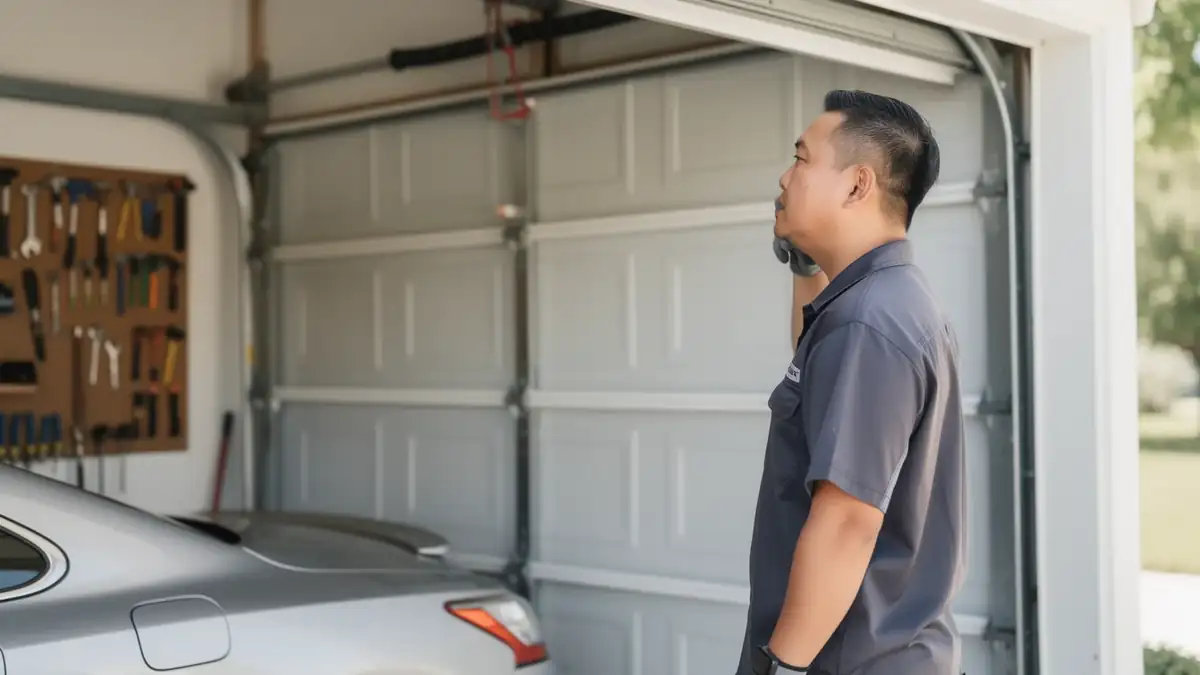
What you're listening for is location, not loudness. A quiet but new clunk at one specific point in the travel is more worth a look than a door that's always been a little noisy start to finish. Across the 36 named pockets of 1960s and 70s construction that make up this part of Plantation, we see the same small set of worn parts causing the same noises, which is exactly why the sound itself is diagnostic if you know where to listen.
What the Weather Here Does to It
Plantation sits in a mild temperate band, which actually works in your favor compared to places that deal with hard freezes. You're not going to get the frost-cracked brackets or the metal contraction pops that show up up north when steel hardware swings through a 60-degree temperature range overnight. That's one less thing to chase.
What the mild climate does mean is that a noise here is less likely to be weather-driven and more likely to be plain wear-and-use, which actually makes diagnosis simpler, not harder. If your door is quiet in the morning and starts groaning by afternoon, in a lot of climates that's thermal expansion in the track. Here, with no sharp daily temperature swing to speak of, that pattern points instead to a spring or roller that's degrading under load, independent of the weather. One honest limitation: we can tell you what a sound usually means on hardware from this era, but we can't diagnose a specific door over the phone - some sounds that seem alike (a bad roller versus a bent track) need eyes on the actual part before we'll commit to a repair plan.
The Situation
Put it together and the picture for Plantation is pretty consistent
Housing built mostly between 1953 and 2005, median year 1975, climate that isn't adding its own stress to the hardware, and a service area of over 410,000 households where a large share of the 114,663 owner-occupied houses are carrying doors from that same build window. A noisy door here is, more often than not, an aging-hardware story rather than an installation defect or a weather event.
- 410,000 households
- 114,663 owner-occupied
That doesn't mean every sound needs a truck out
A door that's always squeaked a little and still opens smooth is a lubrication job, not a repair call. But a new noise on a door from that 1960s-70s stretch, especially anything with a thump, grind, or snap in it, is worth a look before it becomes a stuck door on a weekday morning. We'd rather tell you it's a $20 roller now than have you find out it's a spring at the worst possible time.