How to Book
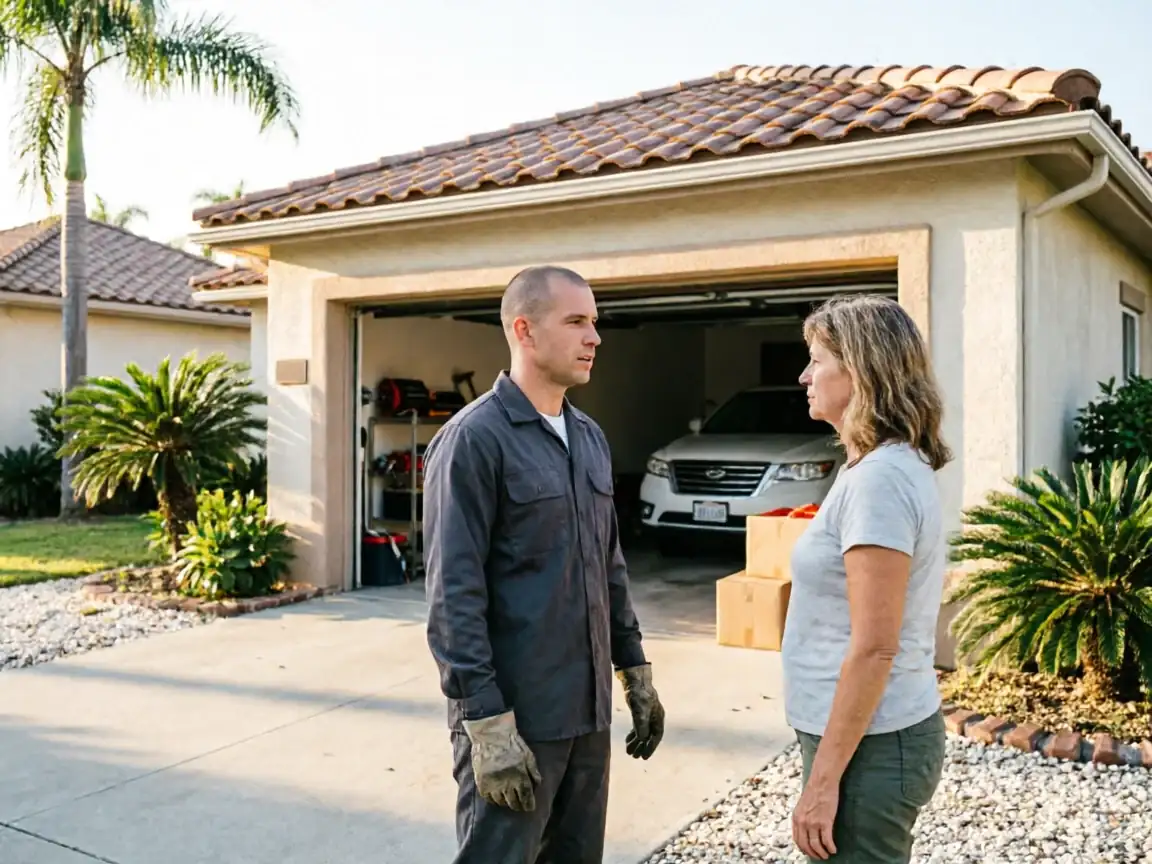
Call us and tell us what the door is doing
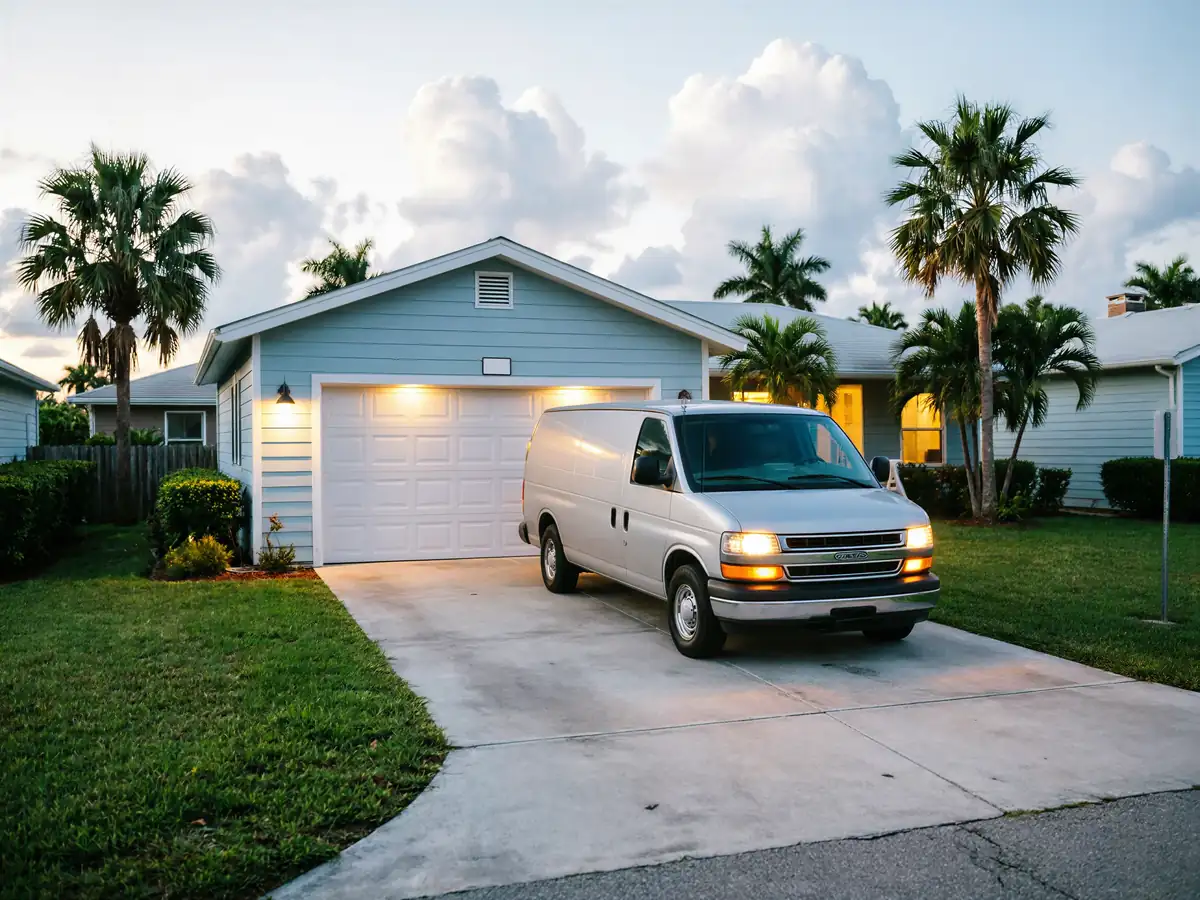
Won't open, opens then stops, makes a bang and drops, or the opener runs but nothing moves. That alone tells us most of what we need before a truck leaves. We work out of the Plantation area and cover the surrounding communities too: Lauderhill sits about 3 miles out, Lauderdale Lakes and Tamarac around 5, North Lauderdale about 6, and we reach as far as Margate and Coconut Creek on the far side of that range. If you're near any of those, say so when you call so we can route the right truck with the right parts.
- 3 miles
We ask for the brand on the opener if you can read it
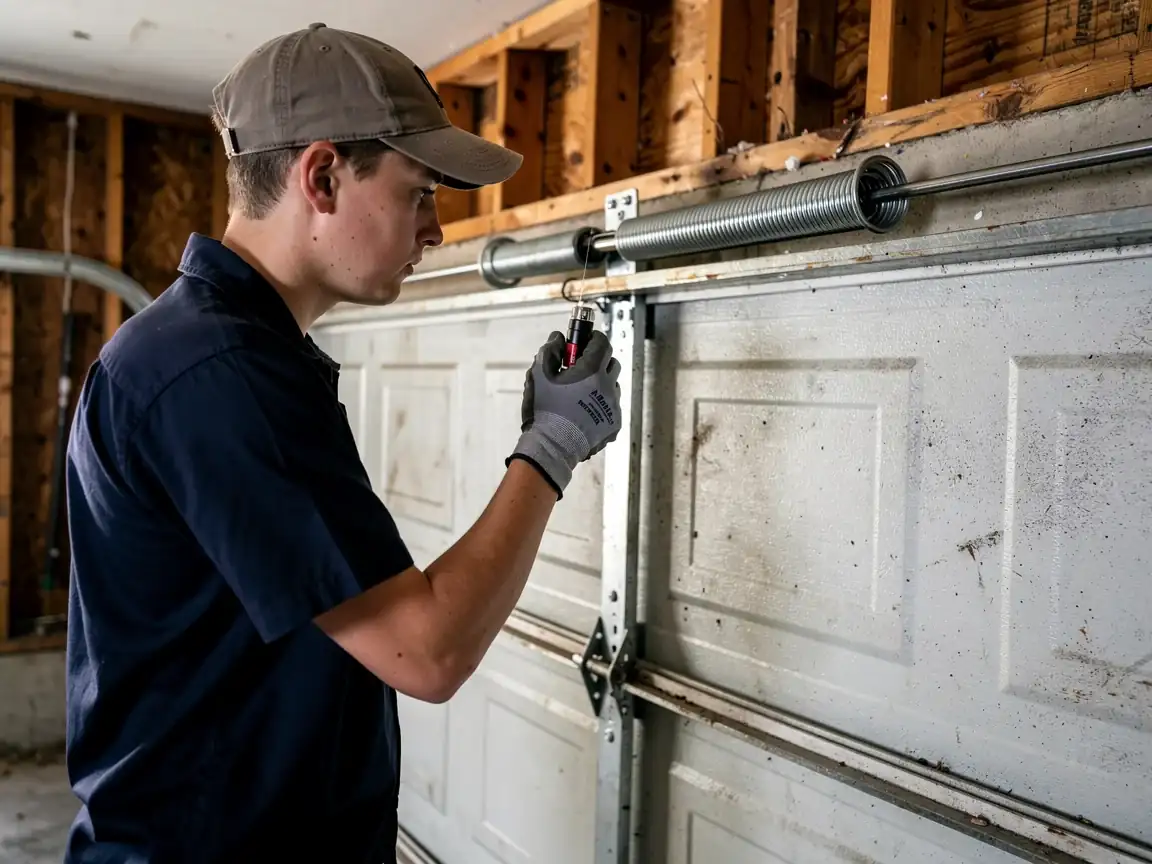
And whether the springs are the kind that wrap around a shaft above the door (torsion) or stretch along the tracks (extension). You don't need to know for sure - a photo of the top of the door from inside the garage usually settles it. That's the single biggest time-saver in this job: knowing the spring type before the truck rolls means we show up with the right spring already on board instead of guessing and coming back twice.
The DIY Question
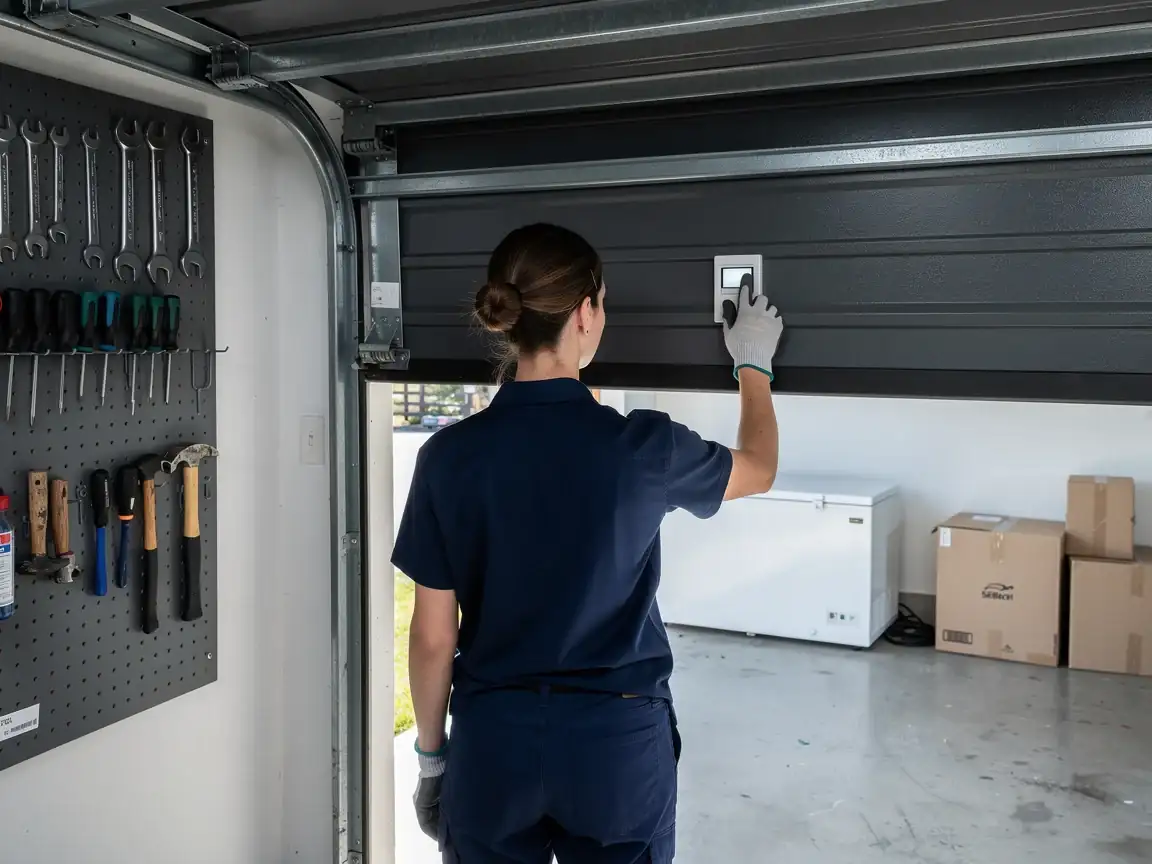
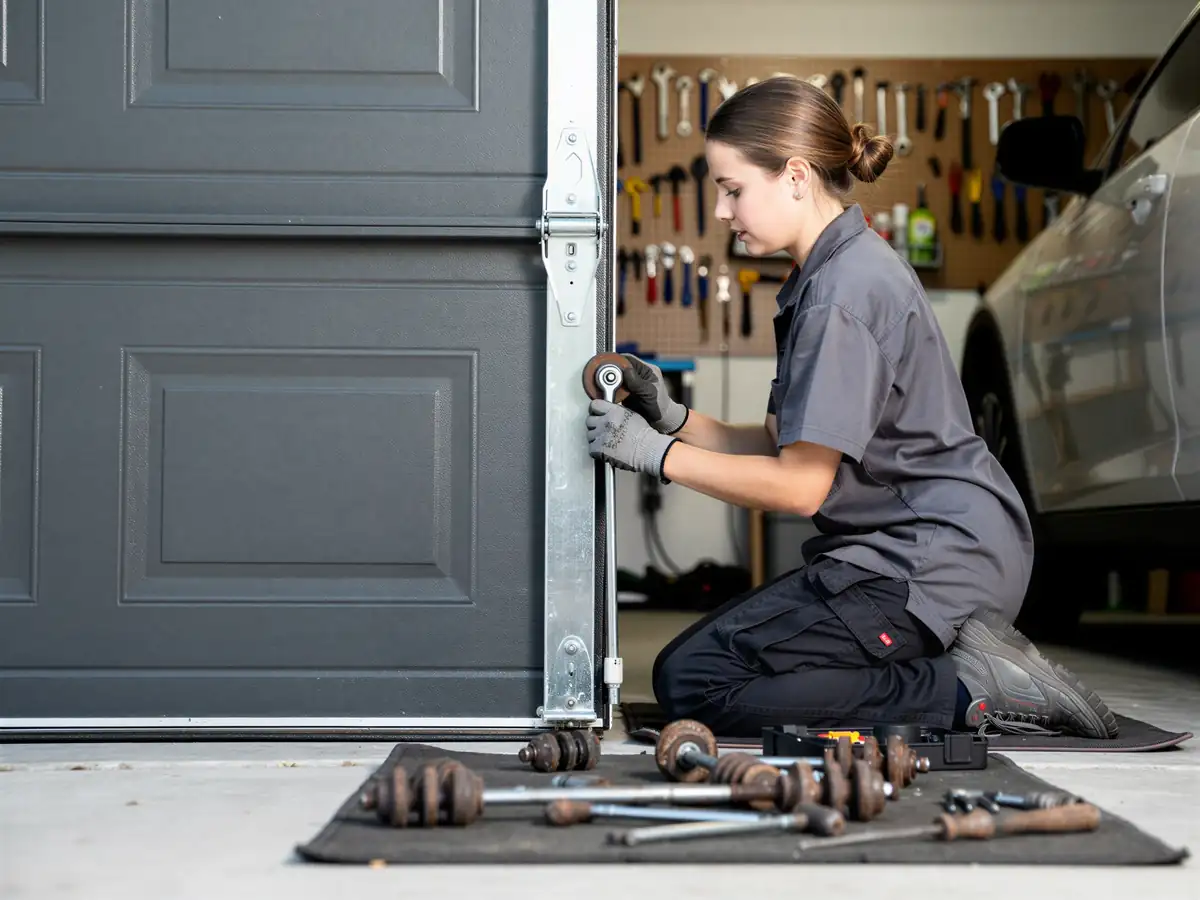
A torsion spring under load can put someone in the hospital, so we're not going to walk you through replacing one over the phone - that's the honest limit here, and any company telling you otherwise is selling you something that ends badly. What you can safely check yourself: the sensor eyes near the floor (clean them, make sure nothing's blocking the beam), the track for visible dents or a roller sitting outside it, and whether the opener's travel limits need a small adjustment because the door is reversing before it touches the floor.
If the door is heavy to lift by hand with the opener disconnected, that's a spring problem, not an opener problem, and no amount of opener troubleshooting fixes it. Swapping a broken torsion spring on a double door without the right winding bars and a clamp is how people lose fingers. Past that point, it's a call, not a weekend project. We'd rather tell you that up front than have you order the wrong part and wait on it.
What You Are Seeing
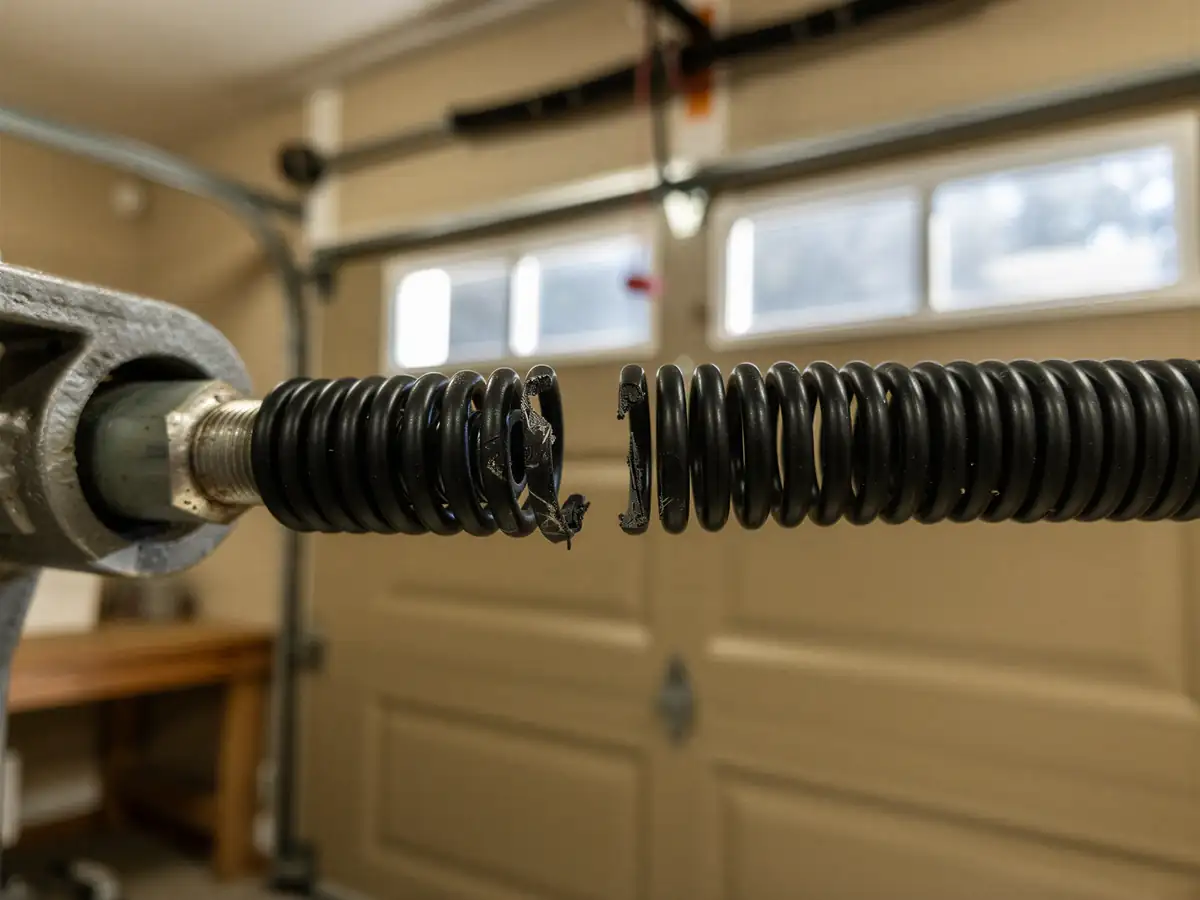
The most common call we get is a door that won't budge and an opener motor that hums or clicks without moving the door - that's almost always a broken torsion spring, and on a lot of these homes it's the original spring never having been replaced. Close behind that: a door that slams down the last foot instead of settling, which points to a spring that's lost tension but hasn't fully snapped yet.
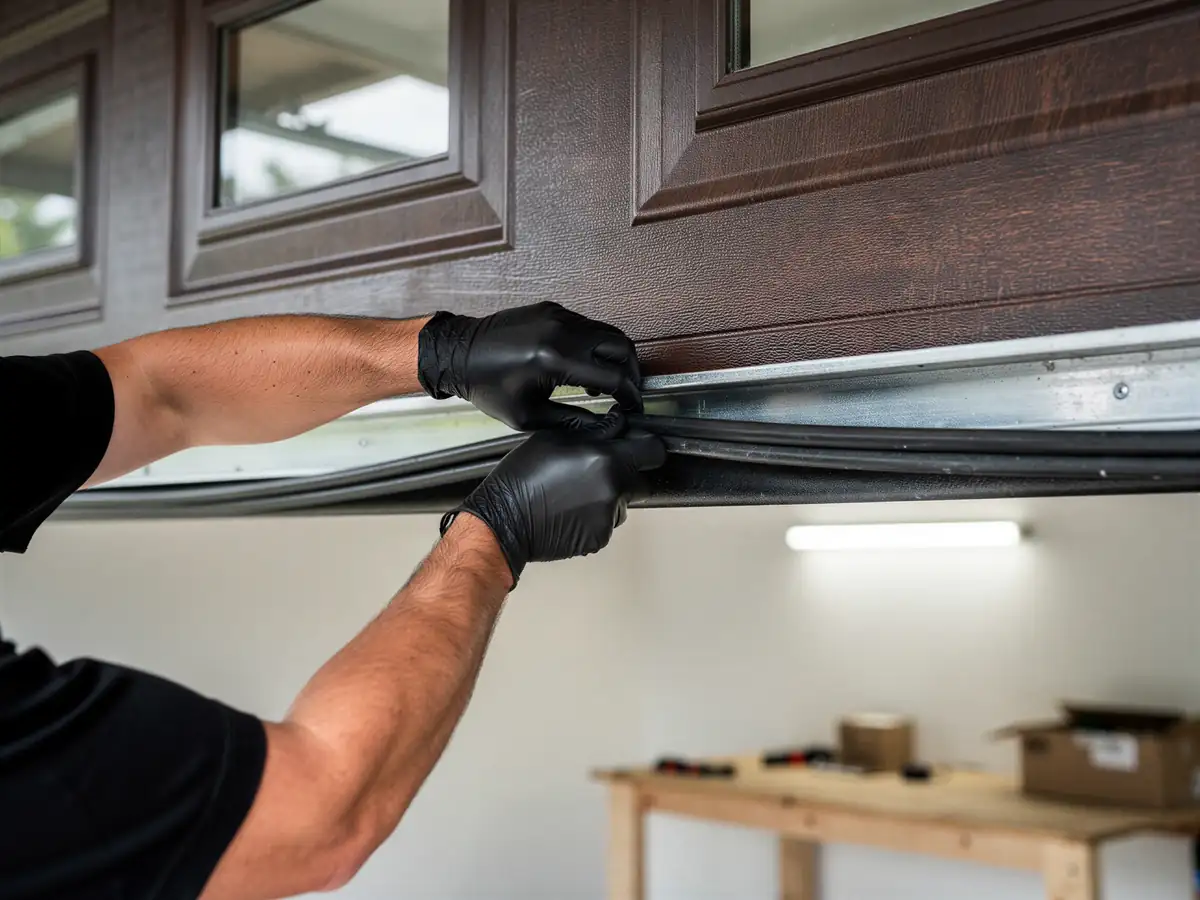
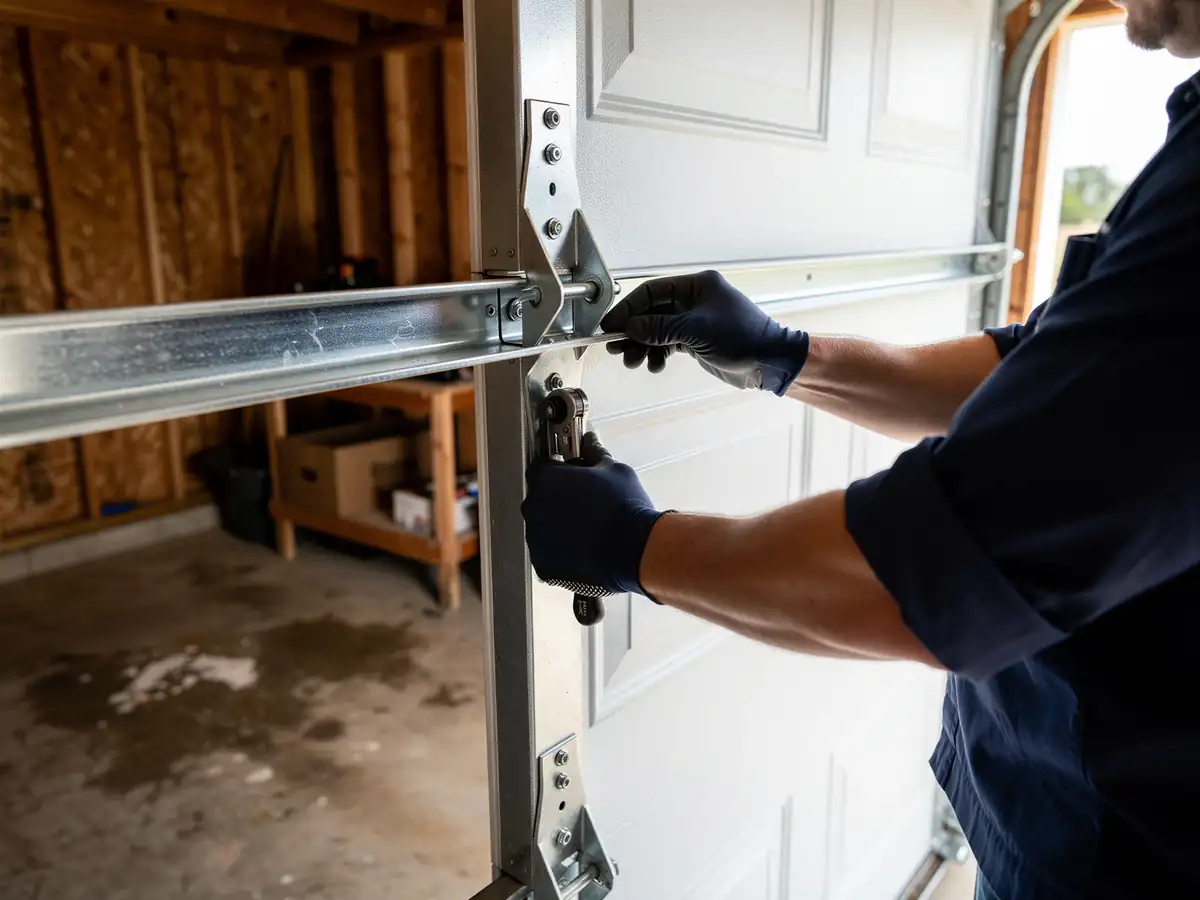
On opener-side calls, the pattern is a unit that runs the motor but the door doesn't move, or lights blink and nothing happens at all - often a stripped gear or a capacitor on its way out rather than anything wrong with the door itself. Cables that look frayed near the bottom bracket, or a roller that's worked loose from the track, show up often enough on doors that get used daily and haven't had a tune-up in years. None of these are exotic failures. They're the ordinary wear you'd expect on hardware that's been doing the same job twice a day for decades.
Why This Fails Locally
Housing in this area runs from 1953 through 2005
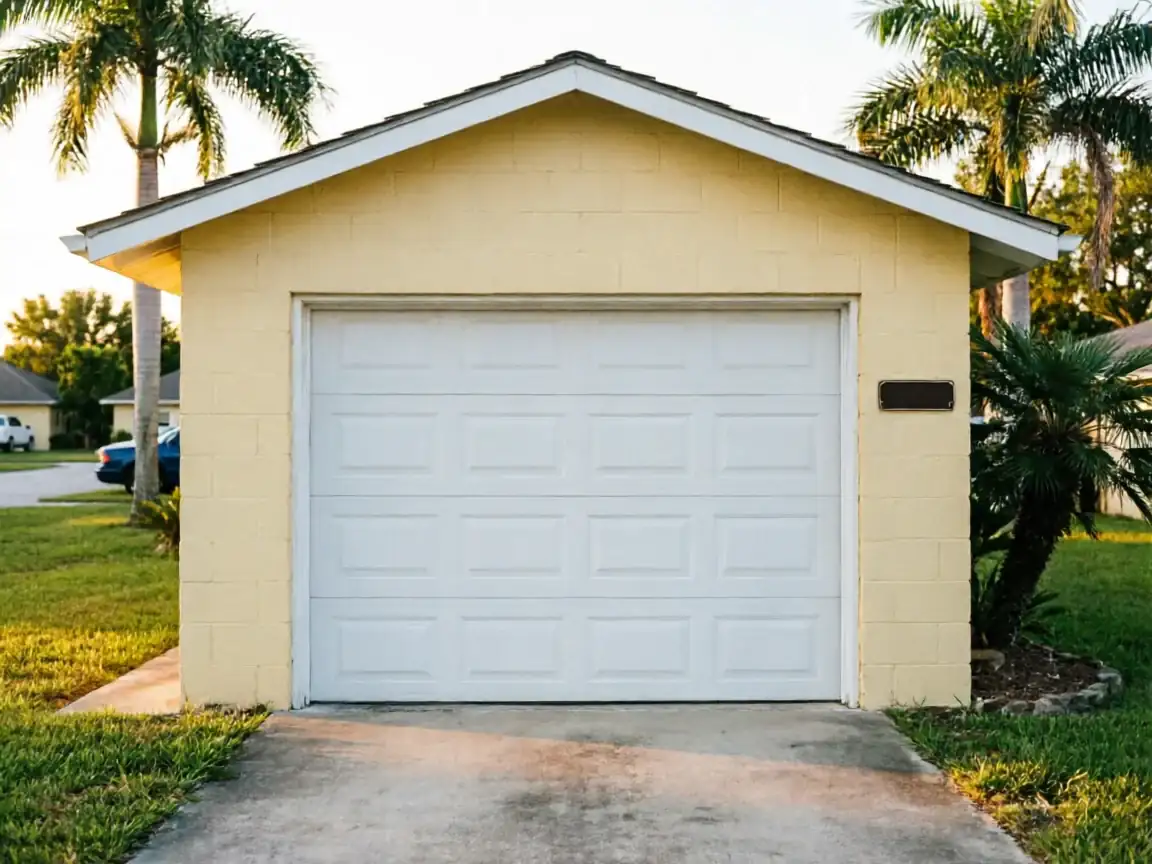
With the median build year landing around 1975, and the bulk of the stock across the 36 named communities we cover dates to the 1960s and '70s. That matters because a spring or opener installed when a house was built in 1968 is not a part anyone is still stocking off the shelf - a lot of what we replace is original hardware that's simply run its full working life.
The climate here is mild temperate
So we don't get the freeze-thaw cracking that tears up doors in colder regions. But mild doesn't mean gentle on hardware: steady heat and humidity keep metal expanding and contracting year-round with no winter lull to slow corrosion on cables and spring coils. A door that would get a seasonal break up north just keeps cycling here, which is part of why springs on 1970s-era torsion hardware tend to go without much warning. With 410,276 households and 114,663 owner-occupied houses across this service area, most built in that same window, this isn't an occasional issue - it's the predictable failure mode of the housing stock itself.
- 410,276 households
- 114,663 owner-occupied