The DIY Question
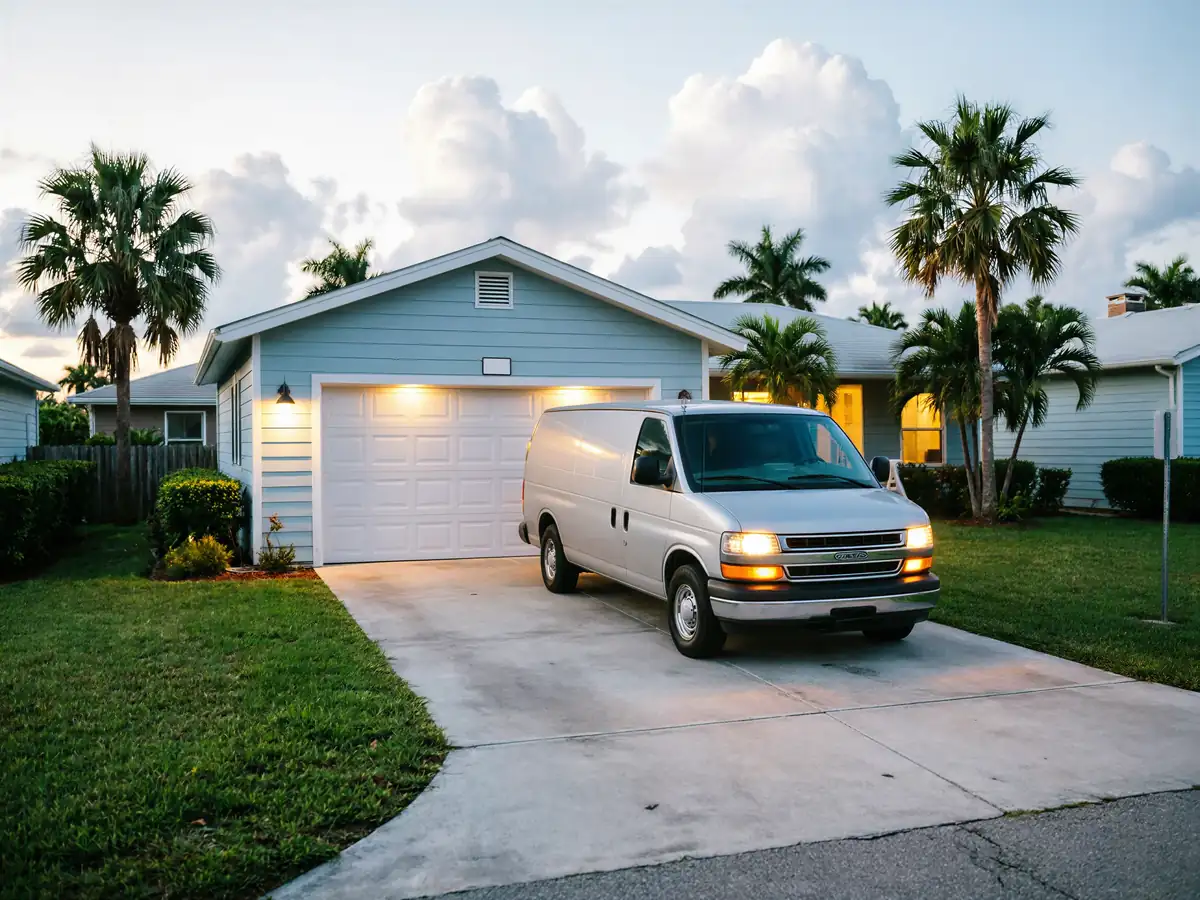
Parkland sits about 14 miles from our shop in Plantation
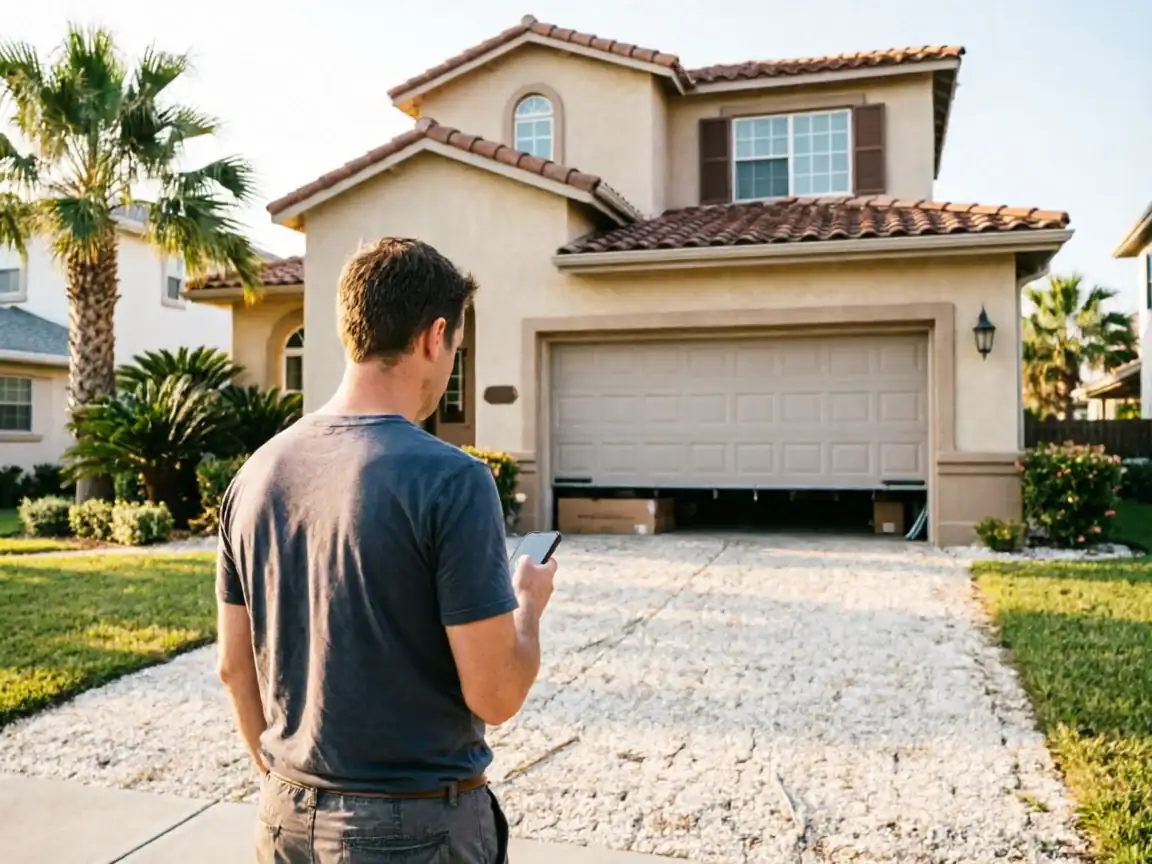
And the question we get on the phone is usually some version of: is this worth a truck, or can I handle it myself? For a lot of the 1960s and 70s houses closer to us, the answer is often "call someone" because the hardware is old enough that a wrong move snaps something expensive. Parkland is a different case. The housing here runs newer - the typical home was built around 2005, decades after most of the rest of our service area. That means you're usually dealing with a factory opener that's still within its expected service life, steel insulated panels instead of thin single-layer steel, and safety sensors that were standard equipment, not retrofits.
- 14 miles
That actually makes some DIY diagnosis more reasonable here
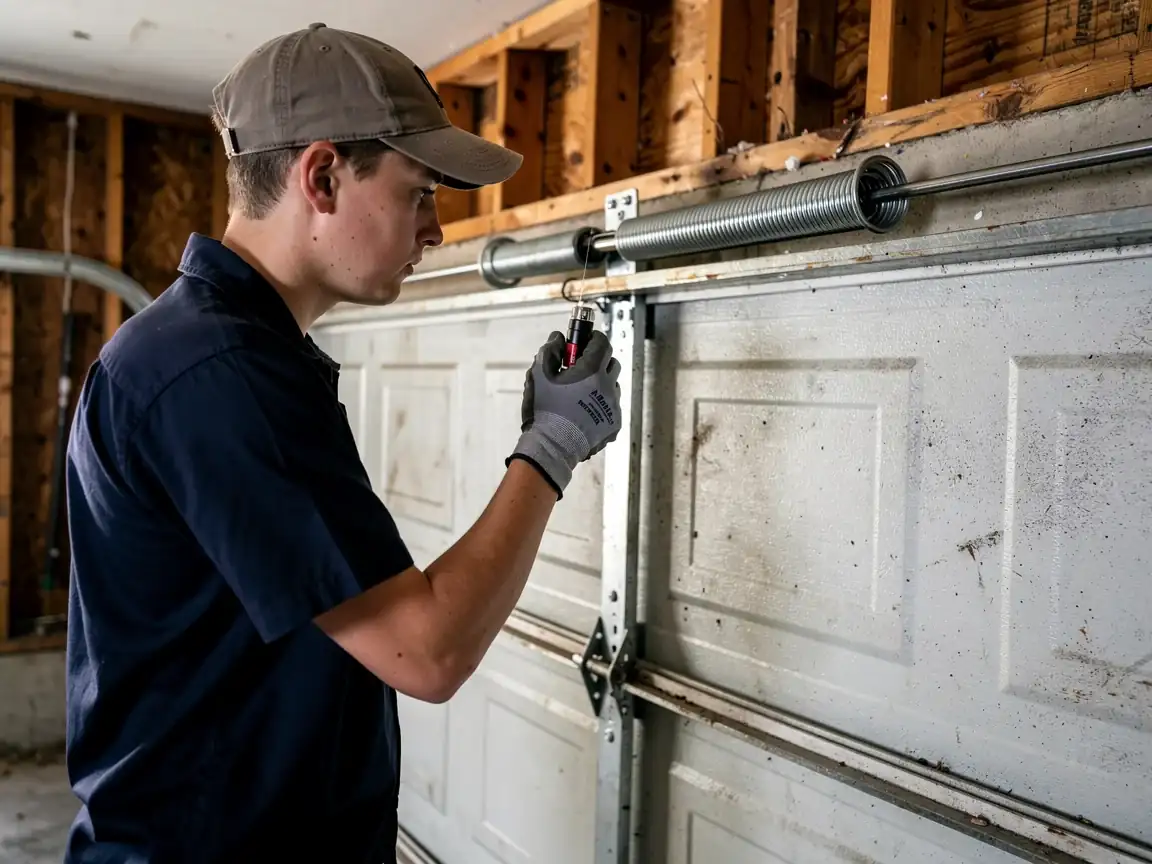
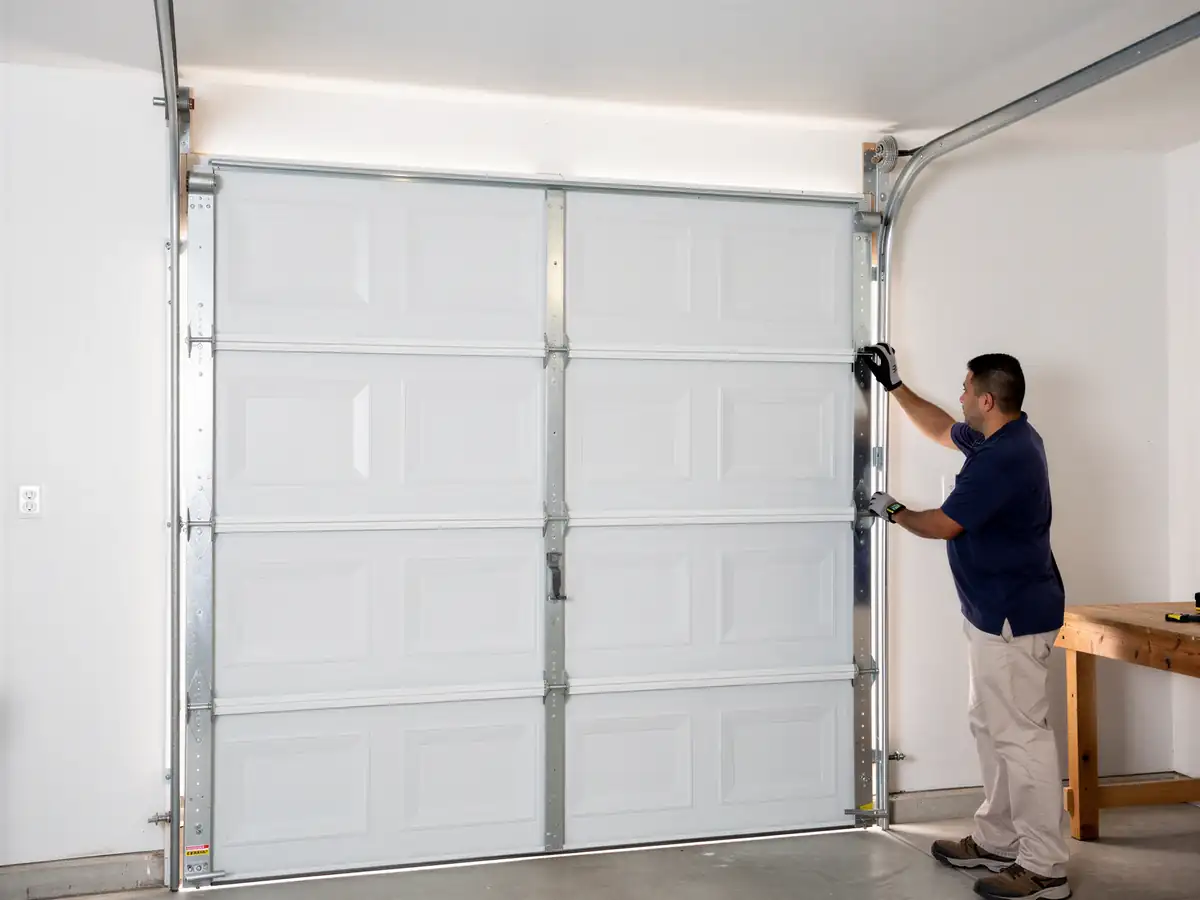
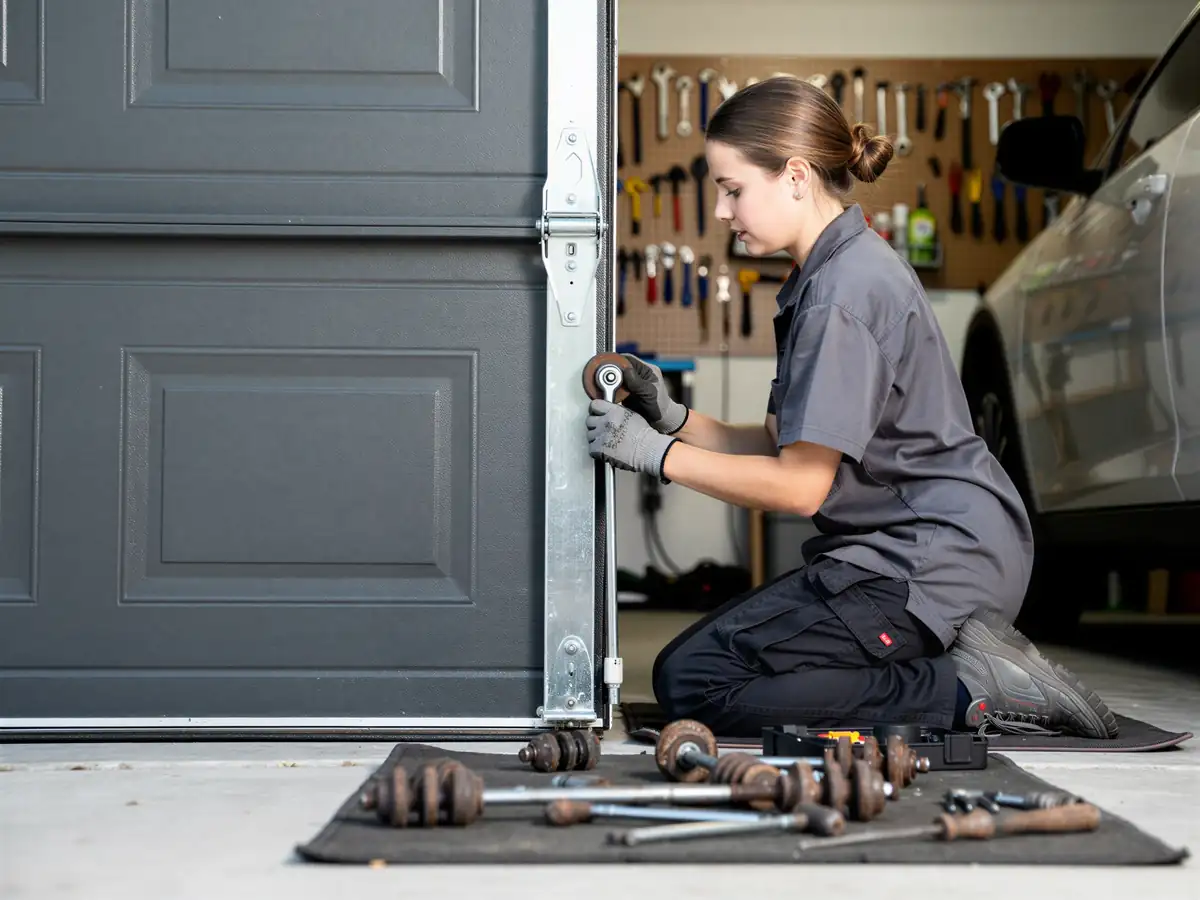
A dead remote, a sensor knocked out of alignment, a keypad that needs a battery - those are things an owner can often rule out before booking a visit. What you shouldn't touch yourself is anything involving the torsion spring or the cable drums. Those parts carry real tension regardless of the house's age, and a newer door with a heavier insulated panel often means a higher-wound spring, not a lighter one. That part of the job stays a call, not a project.
How We Fix It
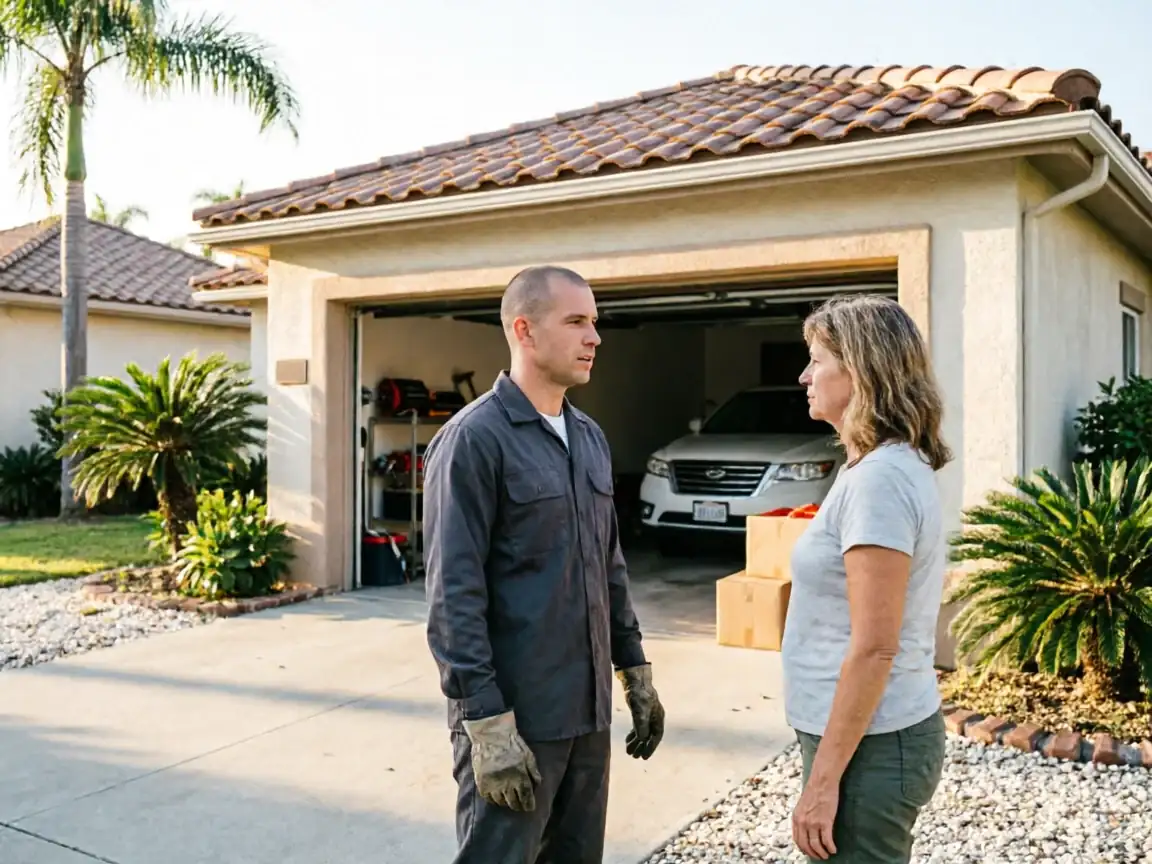
Because the truck is coming from Plantation, 14 miles out, we try to get as much information as possible before the drive - what the door does or doesn't do, whether it's one panel or the whole assembly, whether the opener light blinks or stays dark. That lets us bring the right spring size and the right opener parts instead of showing up twice.
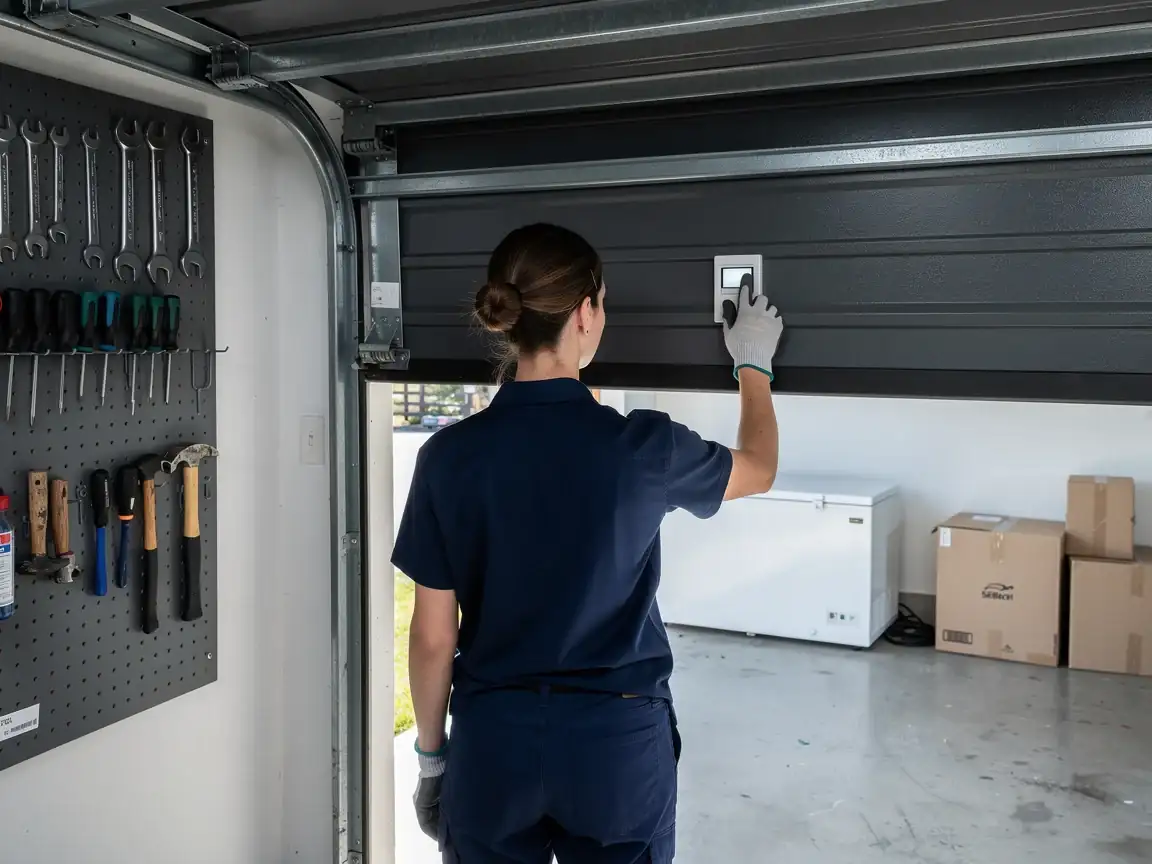
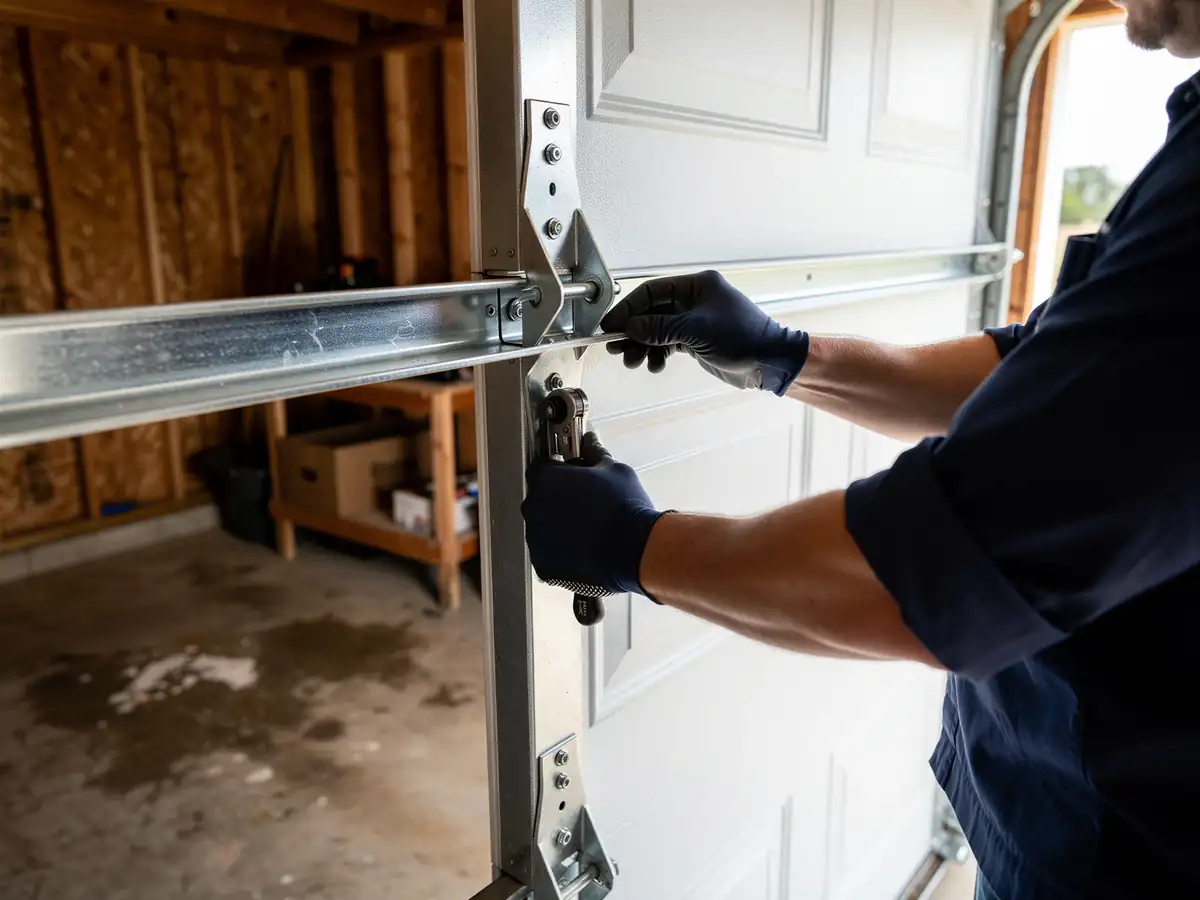
On site, the process doesn't change because the town changes: we check spring tension and balance first, since an unbalanced door is what wears out openers early no matter the house's age. On a 2005-era build, the opener itself is more often the actual point of failure than on older stock, since circuit boards and logic boards have a service life measured in years of use, not decades, and many of these units are now old enough to be hitting it. We test the board, the sensors, and the drive mechanism separately rather than assuming a spring problem is the whole story, because on newer doors it frequently isn't.
Why This Fails Locally
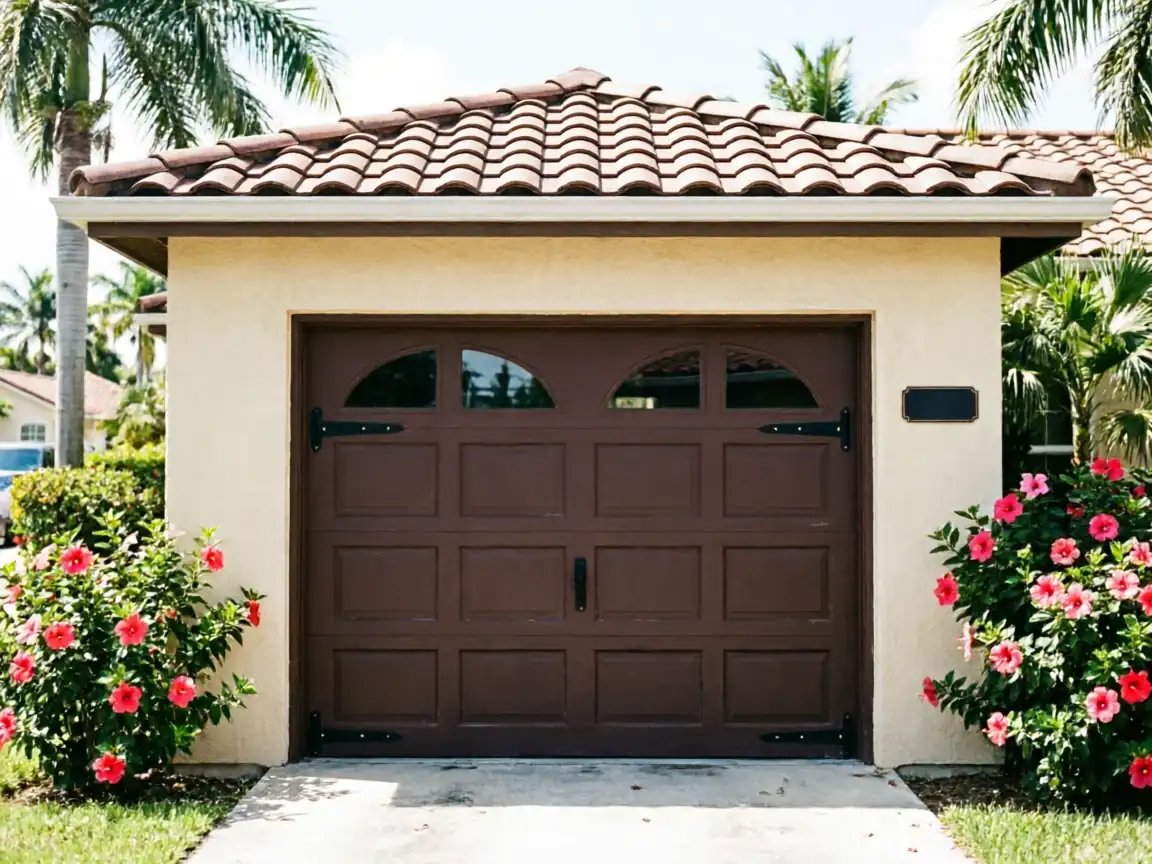
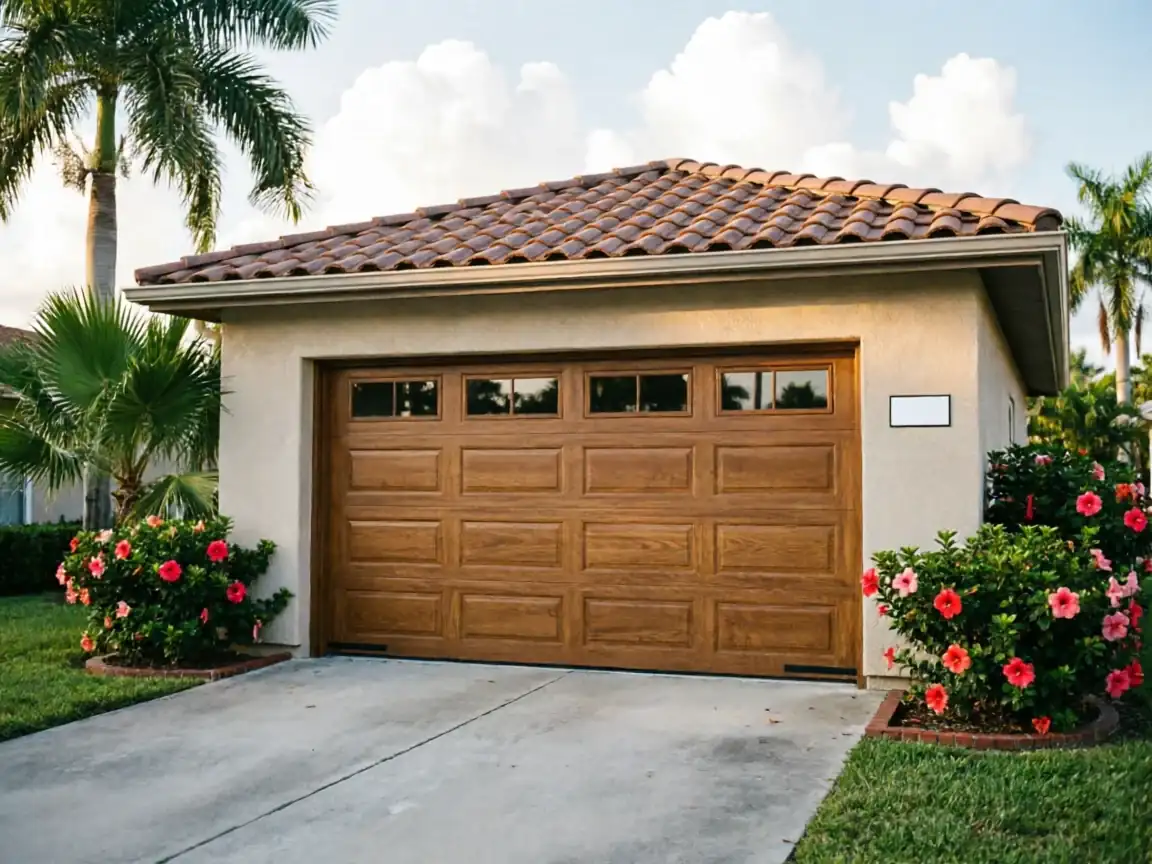
The median household income across our broader service area is about $60,853, but Parkland's own number runs closer to $200,156. That gap matters for the repair, not just the real estate. Higher-value homes built in this era more often carry upgraded door packages - thicker insulated panels, sometimes wood-overlay or carriage-style doors - that weigh more than the basic steel doors common in older, lower-cost housing nearby. A heavier door needs a spring rated for that weight. Put a standard-duty spring on a door it wasn't sized for and you get premature failure, sometimes within a year.
The climate band here is mild temperate, same as the rest of the area we cover, so humidity and heat cycling aren't unique to Parkland. What is specific to Parkland is the combination of a newer build date with heavier hardware - a pairing that's less common on the older, lighter-door housing closer to Plantation. That's the local failure mode: not age-related wear, but hardware mismatched to the door it was never meant to carry.
What Can Go Wrong
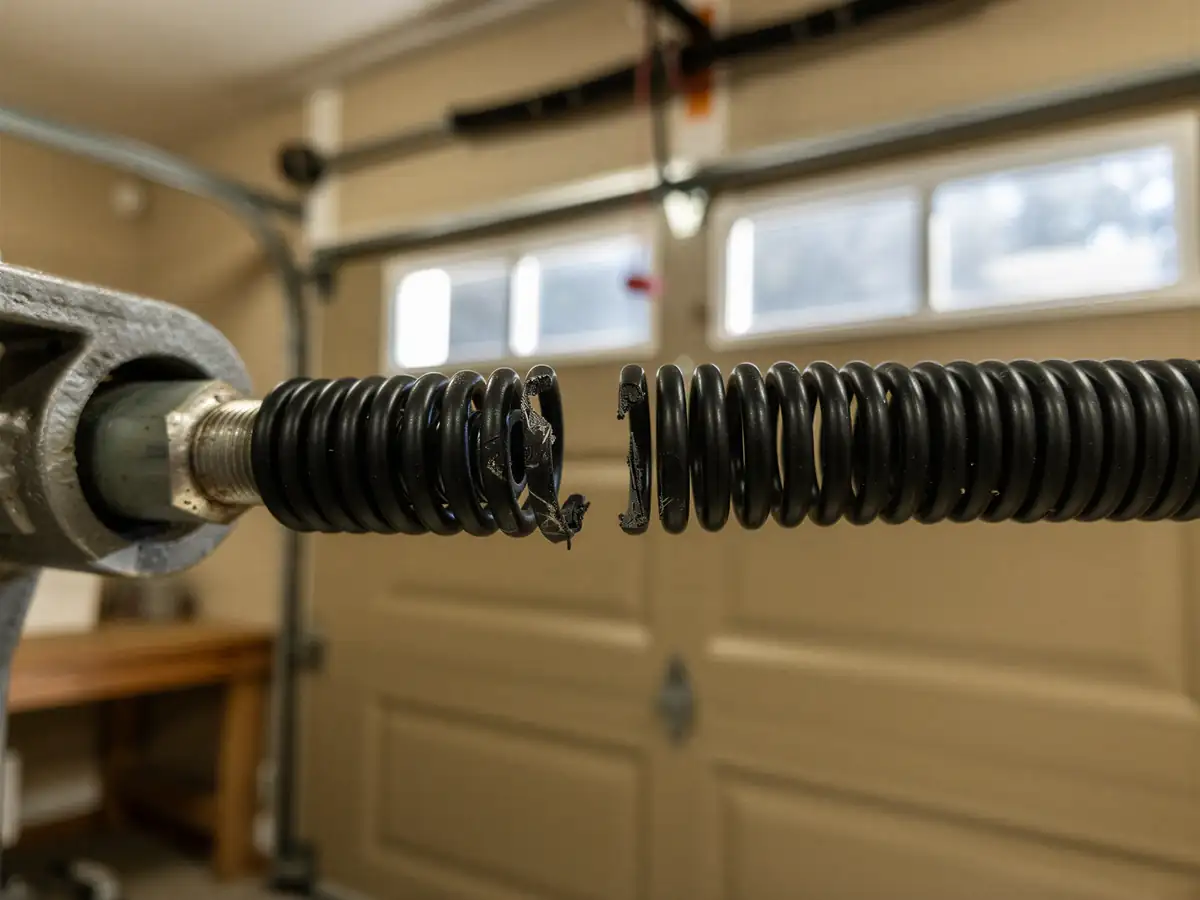
On a home built around 2005, the two most common calls are a broken torsion spring on a double door with an insulated panel
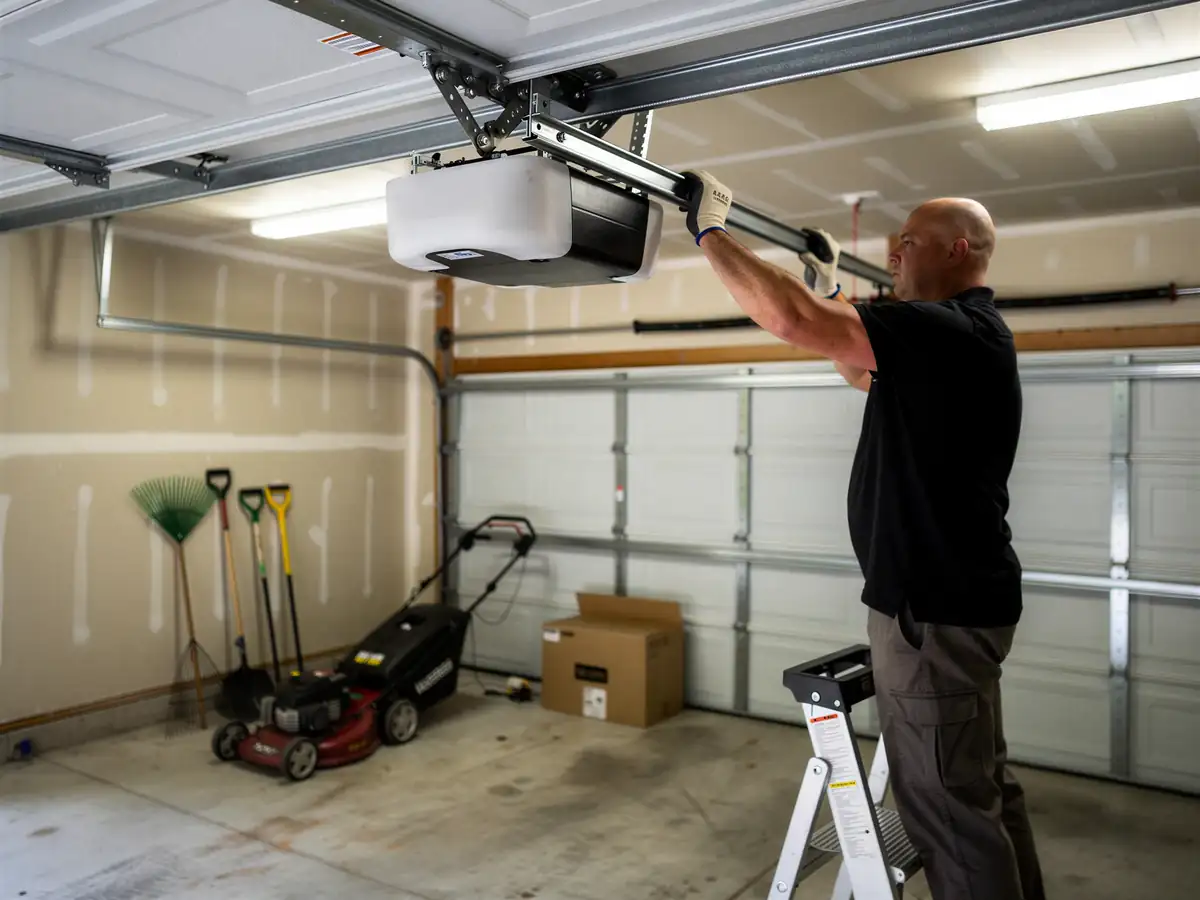
And an opener that's reached the end of its circuit board's working life. The first shows up as a door that won't lift, or lifts a few inches and stops. The second shows up as an opener that hums, clicks, or runs but the door doesn't move.
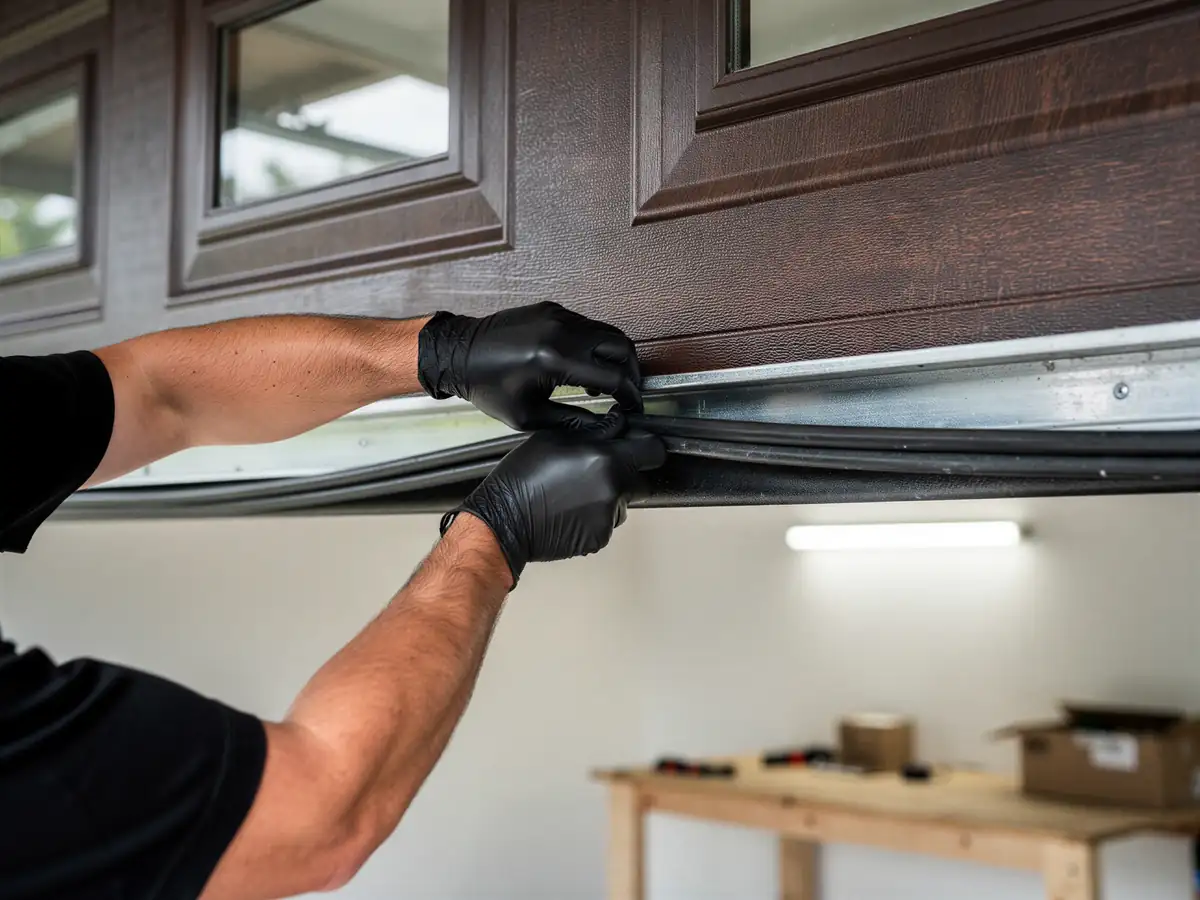
We also see sensor misalignment more than you'd expect on newer builds
The brackets get bumped during yard work or a parked car, and the door reverses or won't close at all. That one's often a five-minute fix once we're on site, not a parts replacement.
Here's the honest limit
If the opener board has failed and the model is old enough that the manufacturer no longer makes that exact board, we're looking at a full opener replacement, not a repair. We'll tell you that straight rather than trying to source an obsolete part that may take weeks to find, if it's available at all.
How Long It Takes
We don't run a branch in Parkland - every job here starts with the drive from Plantation, about 14 miles. That travel time gets built into scheduling, so a Parkland call isn't handled the same way as a job five minutes from the shop. Once the truck is there, most spring and sensor repairs are done in a single visit. Opener board or full opener replacement takes longer on-site simply because there's more to disconnect and remount, and if a specific part isn't on the truck, that adds a second trip.
For general background on how we work and what we cover, see our Plantation garage door repair page. For more on what we see across Parkland specifically, visit our Parkland garage doors page.