Worn or cracked rollers on a Plantation garage door usually trace back to 1960s-70s era hardware and year-round humidity. Here's what we look at and how to book.
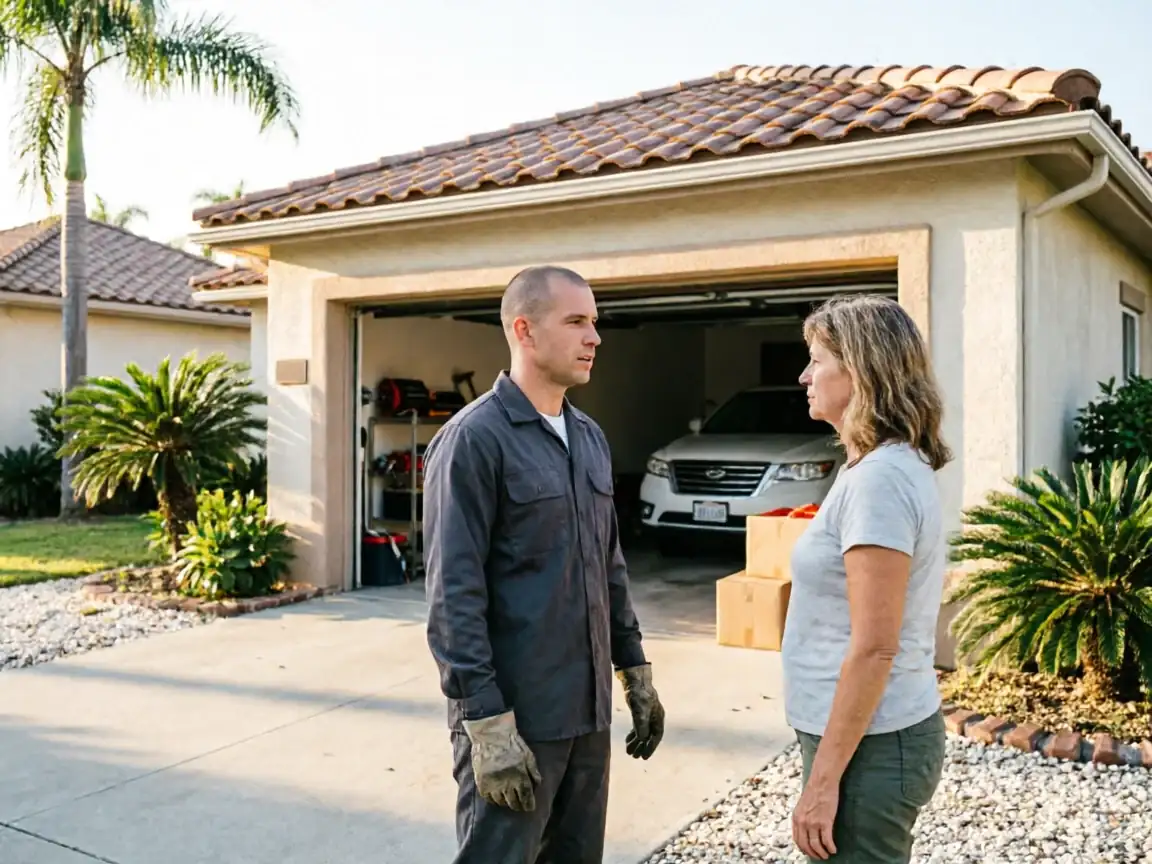
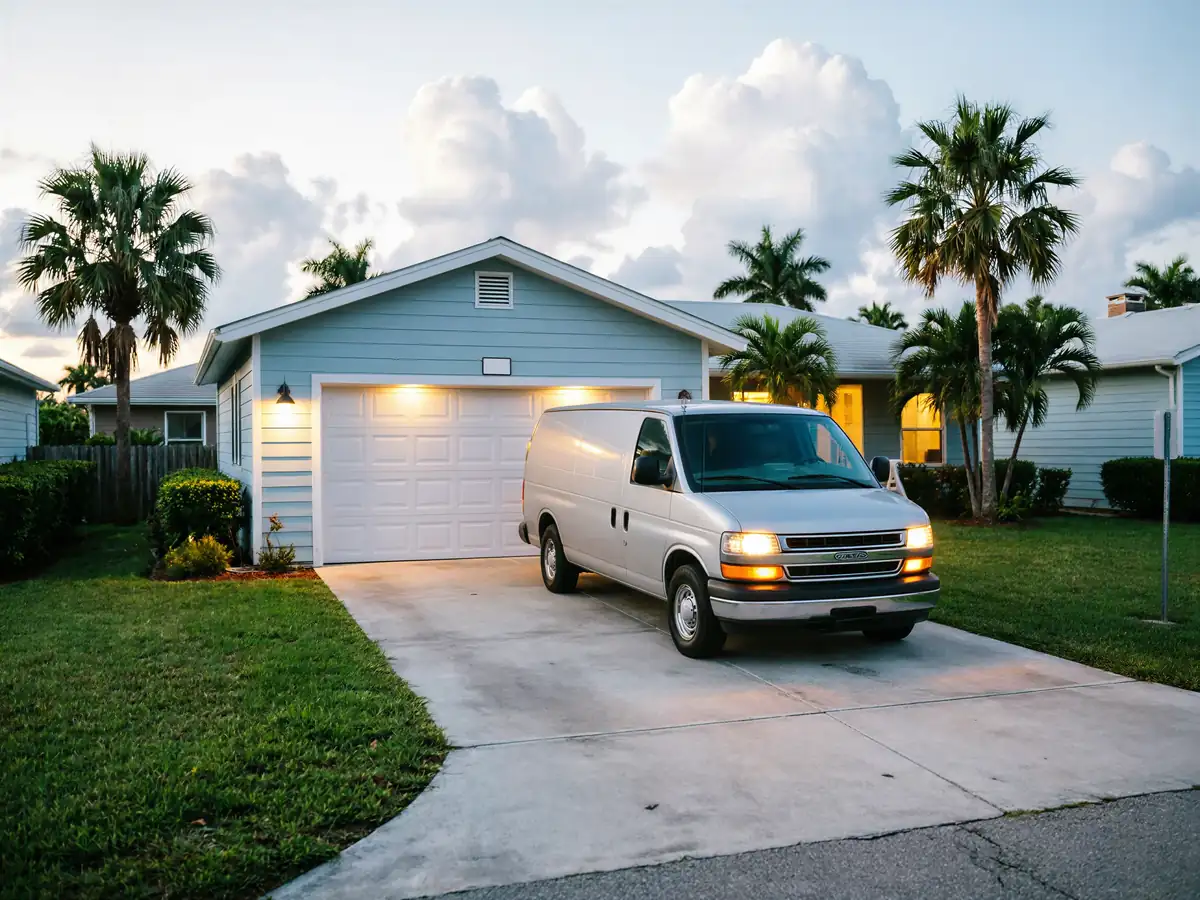
Call or use the contact page and tell us what the door is doing: grinding when it opens, a panel that jumps in the track, or a roller you can already see is cracked. We'll ask the age of the house if you know it, since homes built in this area between 1953 and 2005 carry a wide mix of original and replaced hardware, and that changes what we bring on the truck. If you can get a phone photo of the roller and track before we arrive, that saves a diagnostic trip. We work across the service area, not just the Plantation city limits, so when you call, say which part of town you're in - it helps us route the right truck with the right stock of roller sizes, since 36 named areas in this region each lean on slightly different door vintages. One limit worth saying up front: if the track itself is bent or the opener's drive gear is also failing, roller replacement alone won't fix the symptom, and we'll tell you that on site rather than swap rollers and send you a second bill later.
The DIY Question
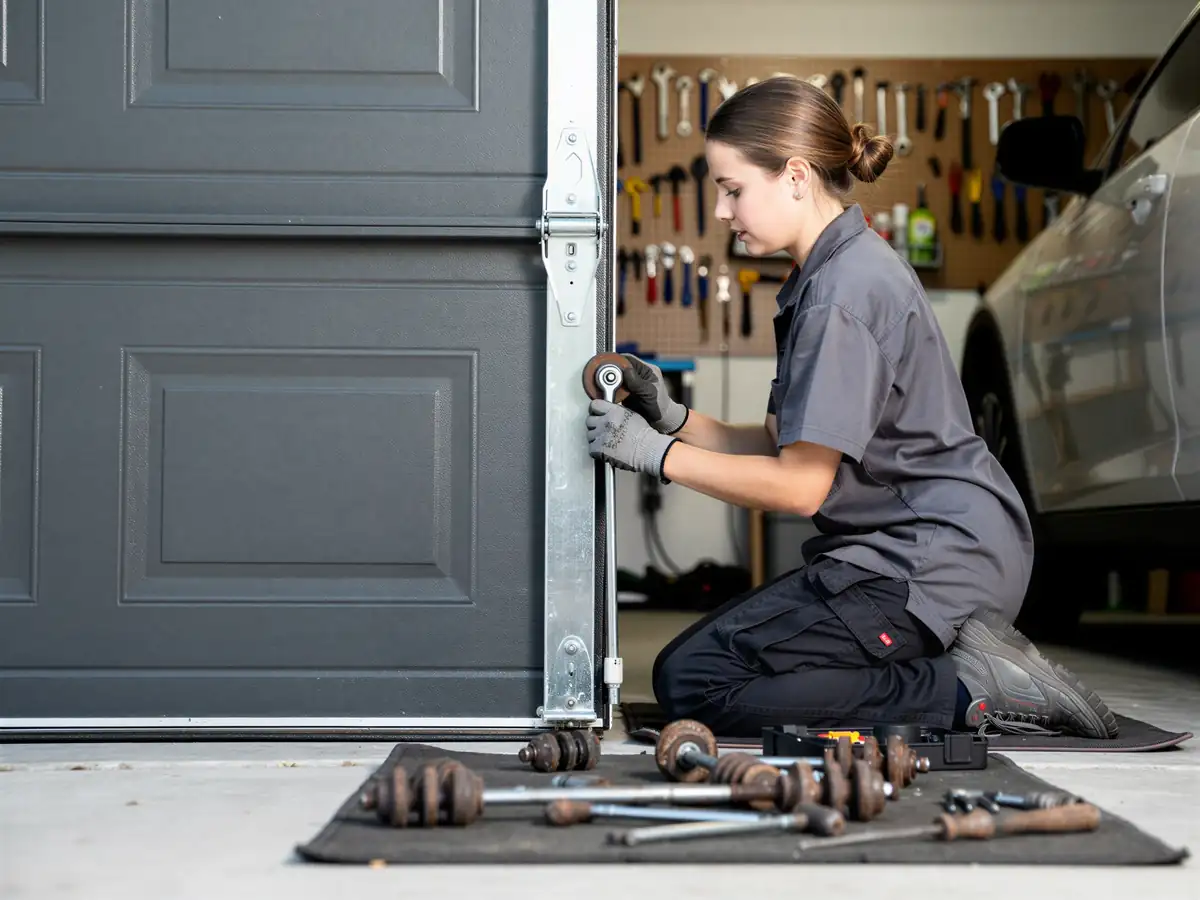
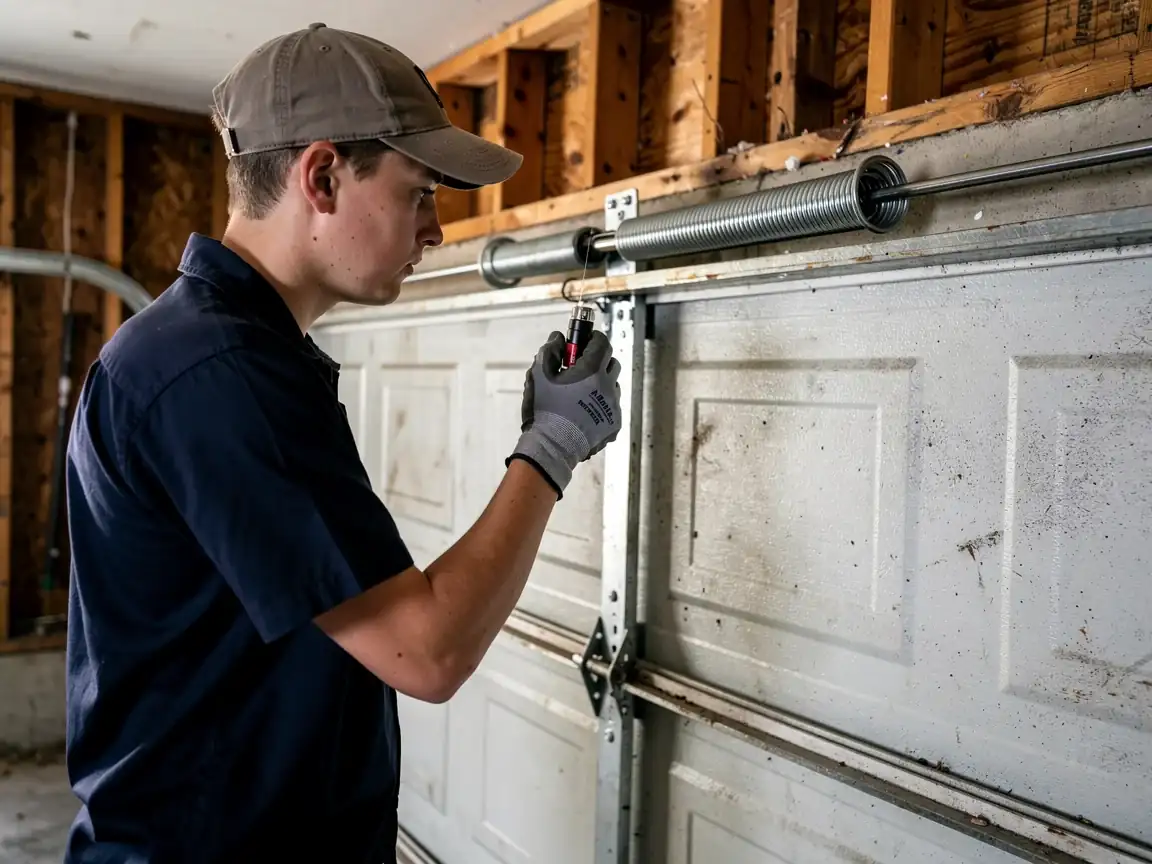
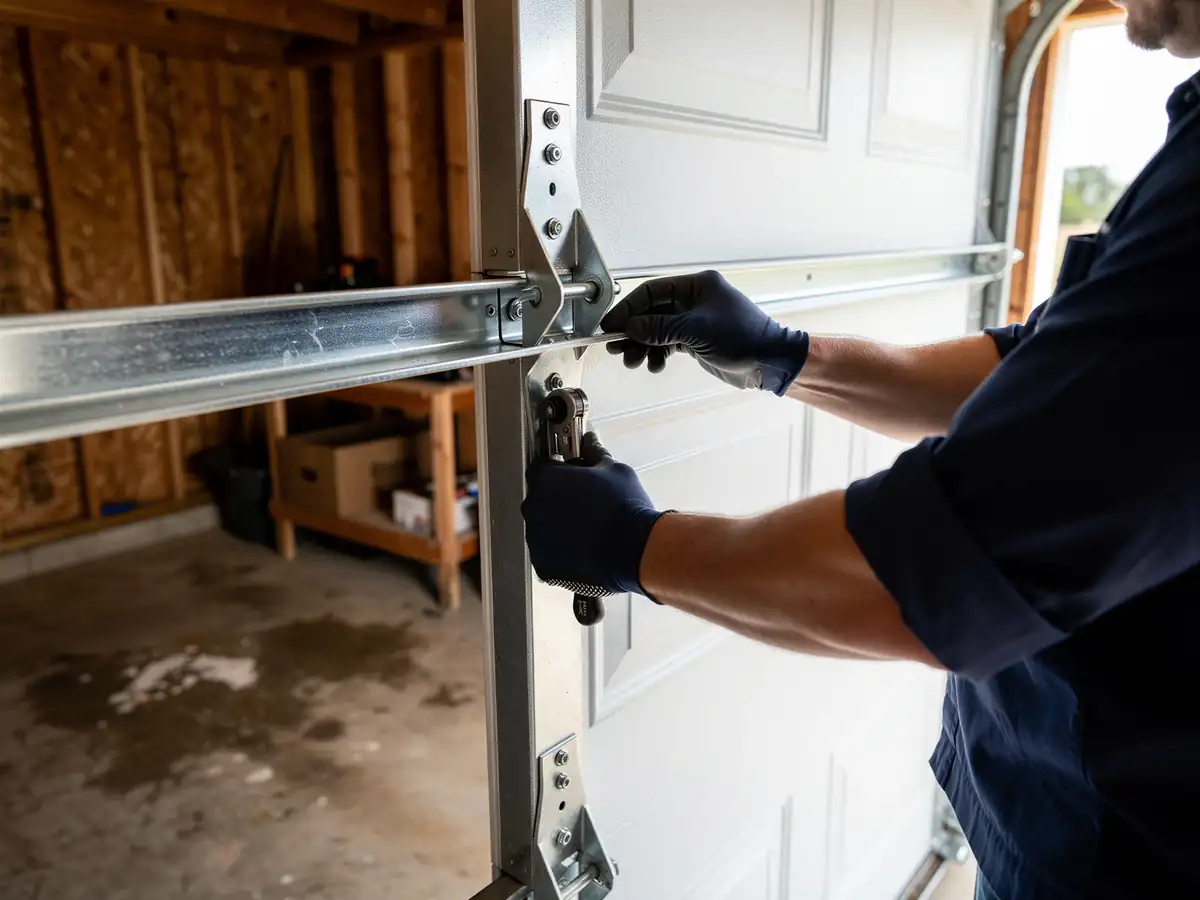
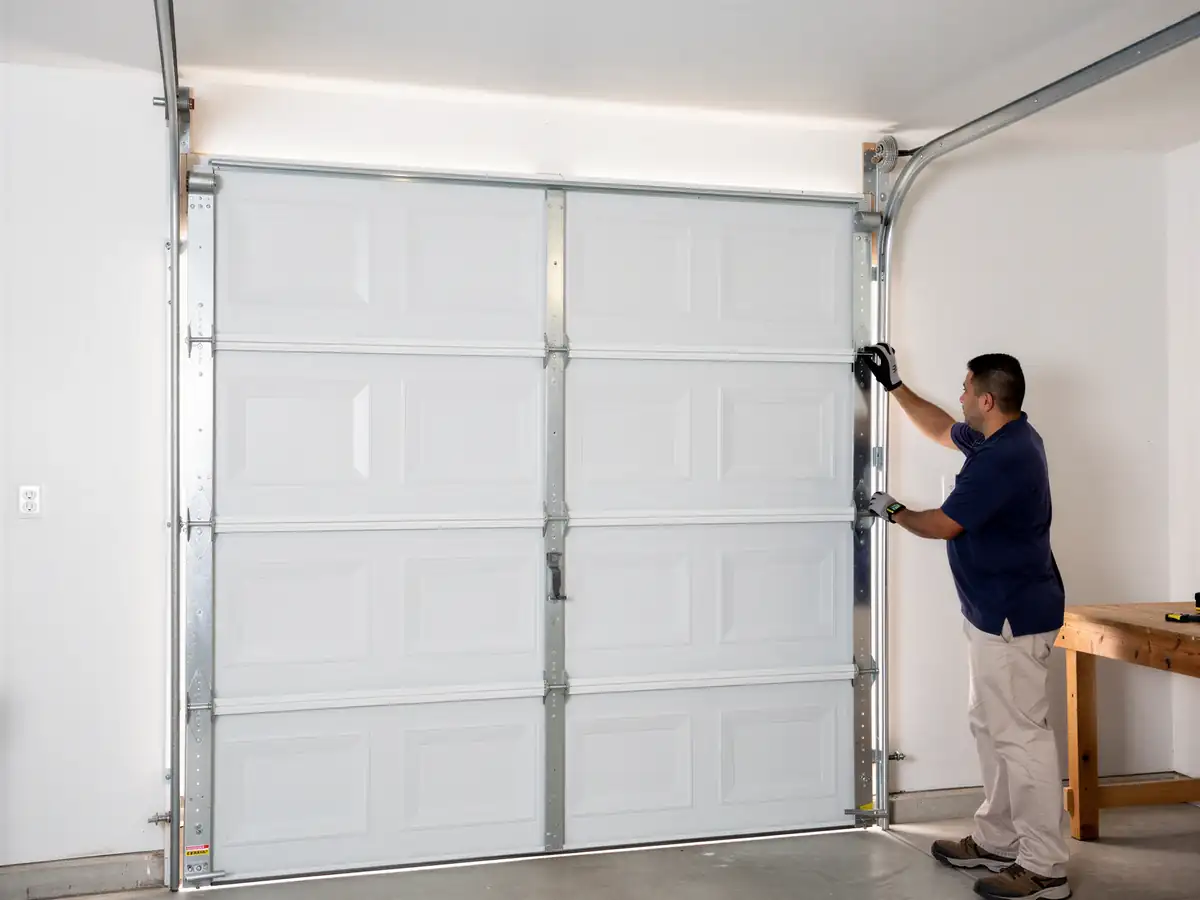
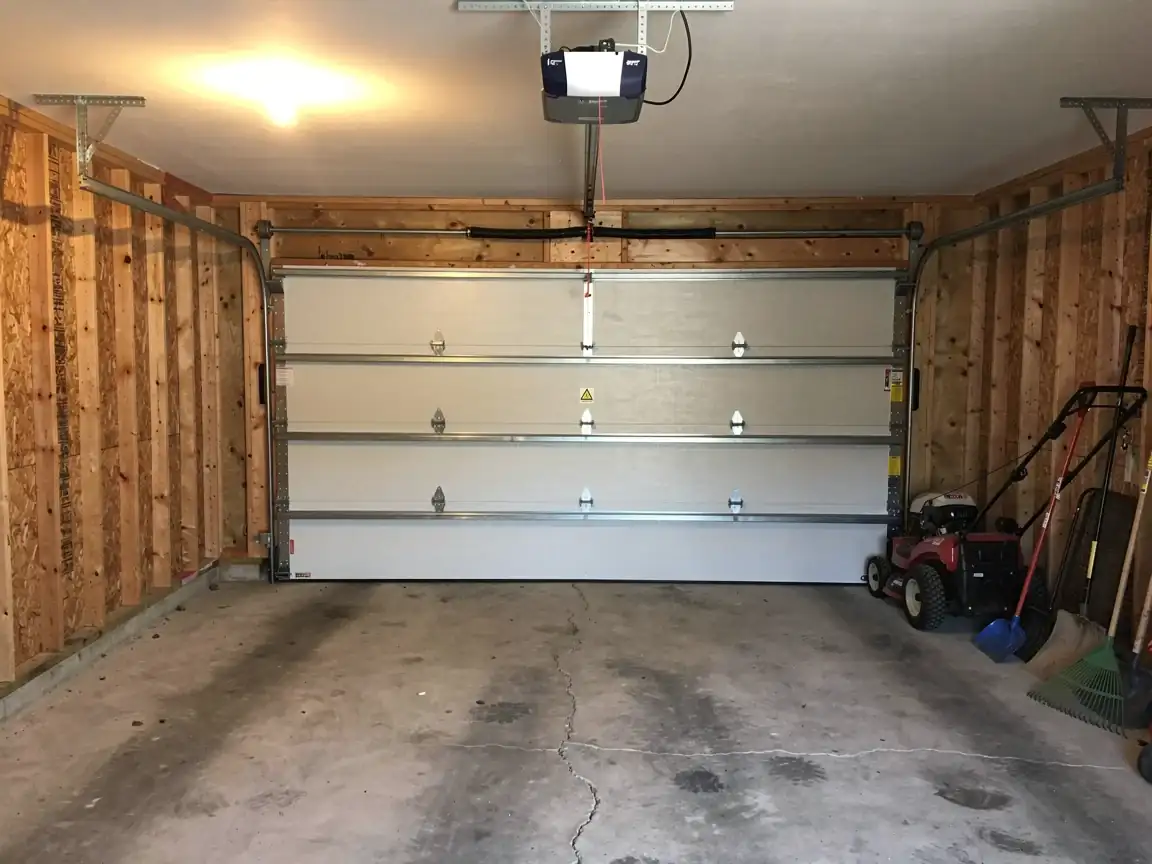
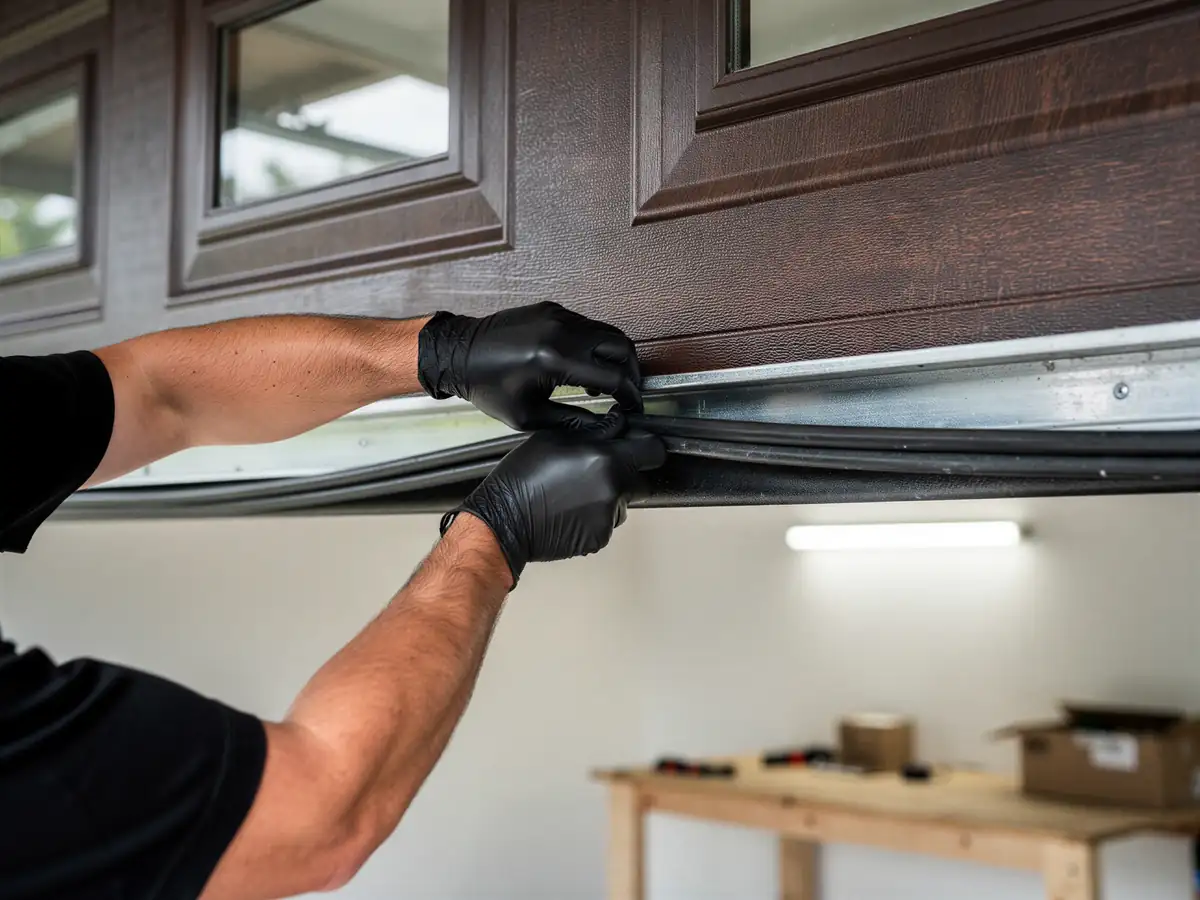
Swapping a plastic roller for a nylon one is within reach for a lot of homeowners - it's a bolt, a bracket, and a bit of patience. What trips people up is the bottom roller near the spring-loaded cable drum, where the cable is under tension and a slipped hand can put a finger in a bad spot. If your door is a double, galvanized-steel panel on the original torsion hardware - common in the 1960s and 70s stock that makes up most of this area's housing - the roller housings are often riveted rather than bolted, and a swap means drilling and re-securing, not just unscrewing. We're honest that a single top roller on a light single-car door is a reasonable weekend job. A full set of 10 on a heavier double door, especially with a worn track alongside it, is where most of our service calls start as a DIY job that got stuck halfway.
What You Are Seeing
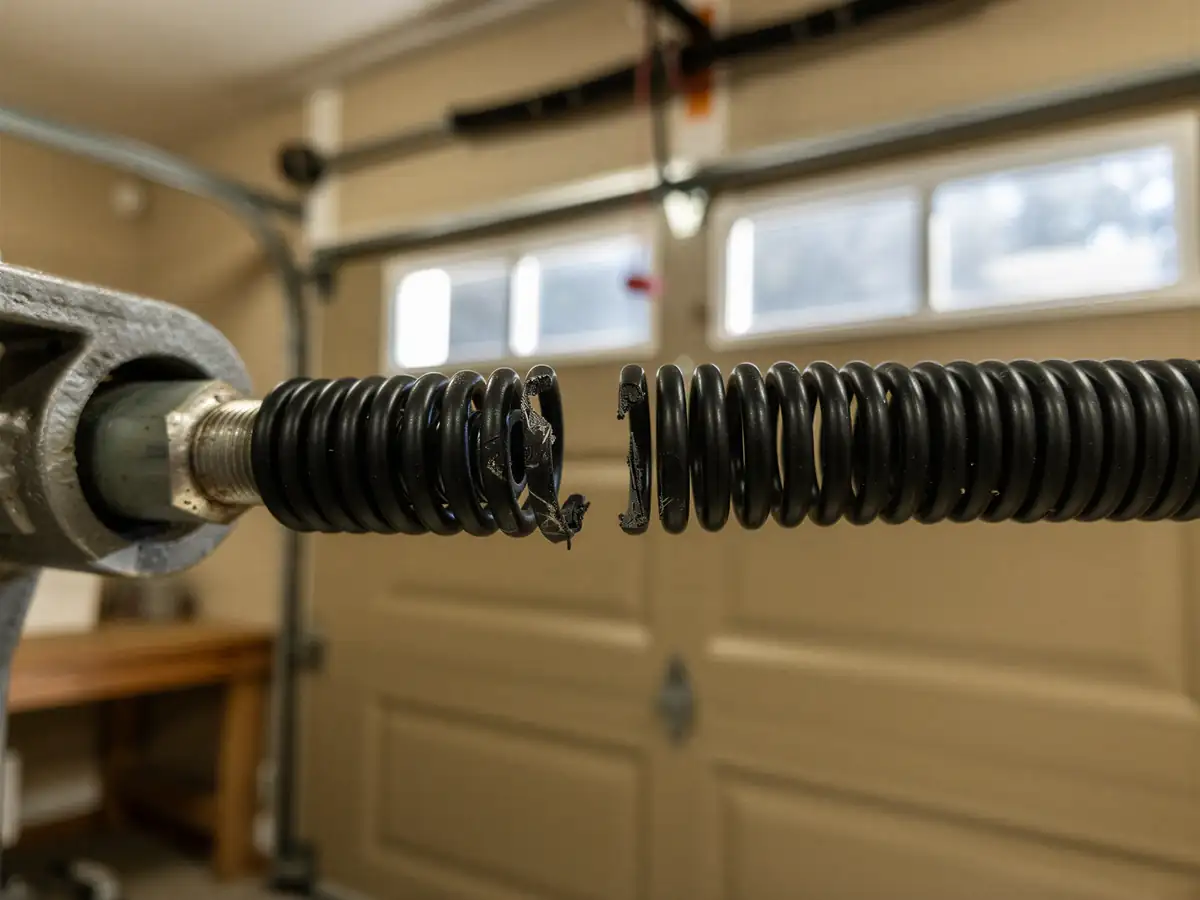
A roller that's failing shows up as a specific noise, not a generic one: a rhythmic thunk-thunk-thunk as the door travels, timed to how many rollers have gone flat-sided or cracked. You might also see the door hesitate or catch at the same spot in the track every time - that's usually one bad roller snagging on a track seam rather than the whole track being bent. On houses built mid-century through the 1970s, which describes most of the stock across the 36 named communities this area covers, the original steel rollers were never built for 50-plus years of daily cycling, and a lot of them are still running on bearings that were never replaced. If the roller has visibly split or the wheel has gone oval instead of round, that's end-of-life, not a lubrication problem - WD-40 buys you a week, not a fix.
Why This Fails Locally
Two things push roller wear faster here than in a drier, colder climate. First is the housing stock itself: with homes built between 1953 and 2005 and most of the area's doors dating to the 1960s and 70s mechanical generation, a huge share of the rollers in service were installed with steel wheels and open bearings, a design that was standard then and is outdated now. Second is the mild, humid year-round climate - there's no deep winter freeze that forces an annual hardware check the way colder regions get, so a roller can quietly degrade for years without anyone noticing until it's grinding loudly or the door binds. With 114,663 owner-occupied houses across this service area and a median household income of $60,853, we see a lot of houses where the roller swap is the first garage door repair anyone's done since the house was built - the hardware simply outlasted its design life without anyone realizing it needed attention.
How it works
From “it’s stuck” to “it’s fixed”
1
Tell us what’s wrong
Describe the symptom - won’t open, loud bang, opener runs but the door won’t move.
2
On-site diagnosis
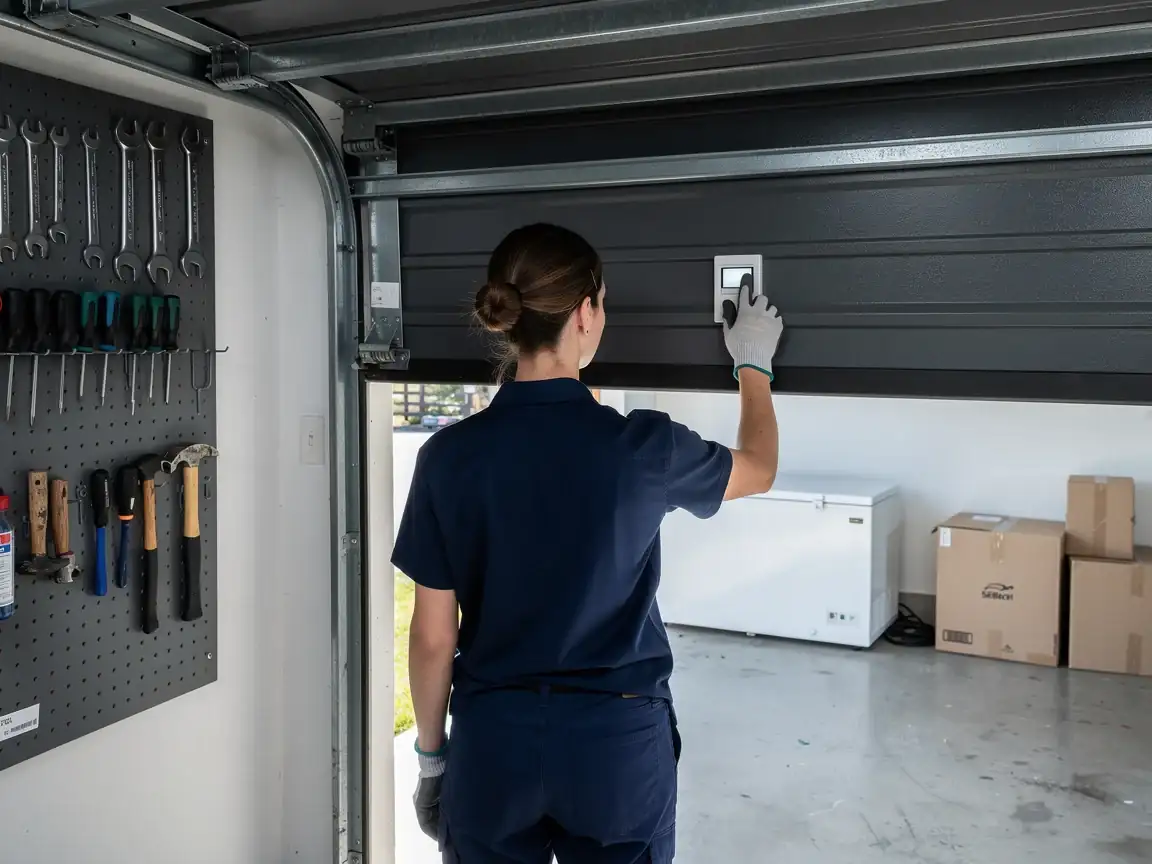
A technician tests the door under power and by hand and finds what actually failed.
3
Clear, up-front plan
You get the fix that’s needed and what drives the cost - before any work starts.
4
Repaired & tested
The repair is done, the door is set true and tested, and the work area left clean.
Not sure which repair your door needs in Plantation, FL? Describe what it’s doing - every job starts with a diagnosis.
How many rollers does a typical garage door need replaced at once?
Most residential doors run 10 to 12 rollers total. If one has failed from age, the rest are usually close behind on the same timeline, so we typically recommend replacing the full set rather than doing one at a time and making repeat trips.
Will a roller replacement fix a noisy door completely?
If the rollers are the actual source of the noise, yes. But on older torsion hardware common in this area, a worn roller sometimes hides a worn track or a hinge going bad at the same time - we check those while we're already in there.
Can I just lubricate the rollers instead of replacing them?
Lubrication helps a roller that's still round and intact. Once a wheel has gone oval, cracked, or chipped, no amount of lubricant restores the shape, and running it longer just accelerates wear on the track it rides in.
Ready to get your garage door sorted?
Tell us what it’s doing and where you are in Plantation - we’ll take it from there.