The DIY Question
The median house in Parkland was built around 2005
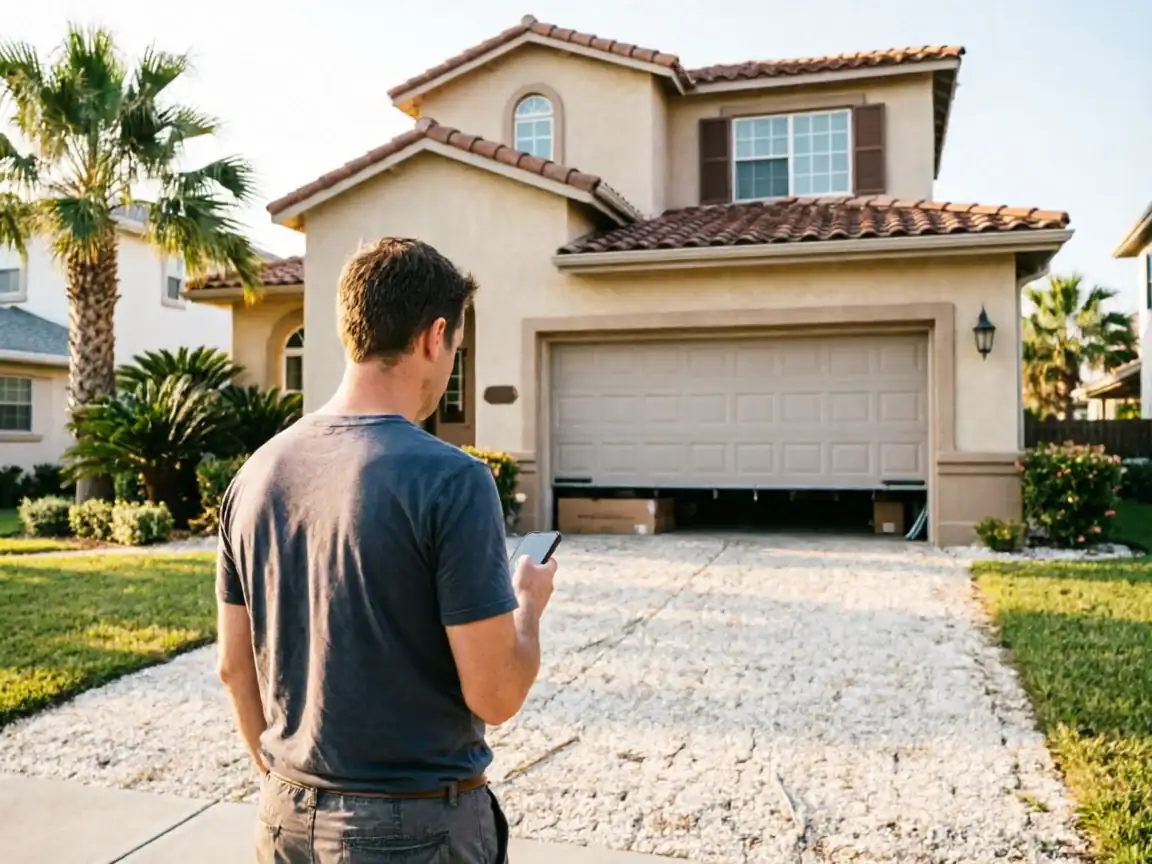
Which puts a lot of original garage door openers in the 15-to-20-year range right now. That's the age where the drive gear is plastic and worn thin, the logic board has a handful of failing capacitors, and the wall button still works fine while the remote has gone flaky. None of that is because anyone neglected the door. It's just what a motor does after two decades of daily cycling in a mild, humid climate.
A fair amount of what's wrong is DIY-fixable
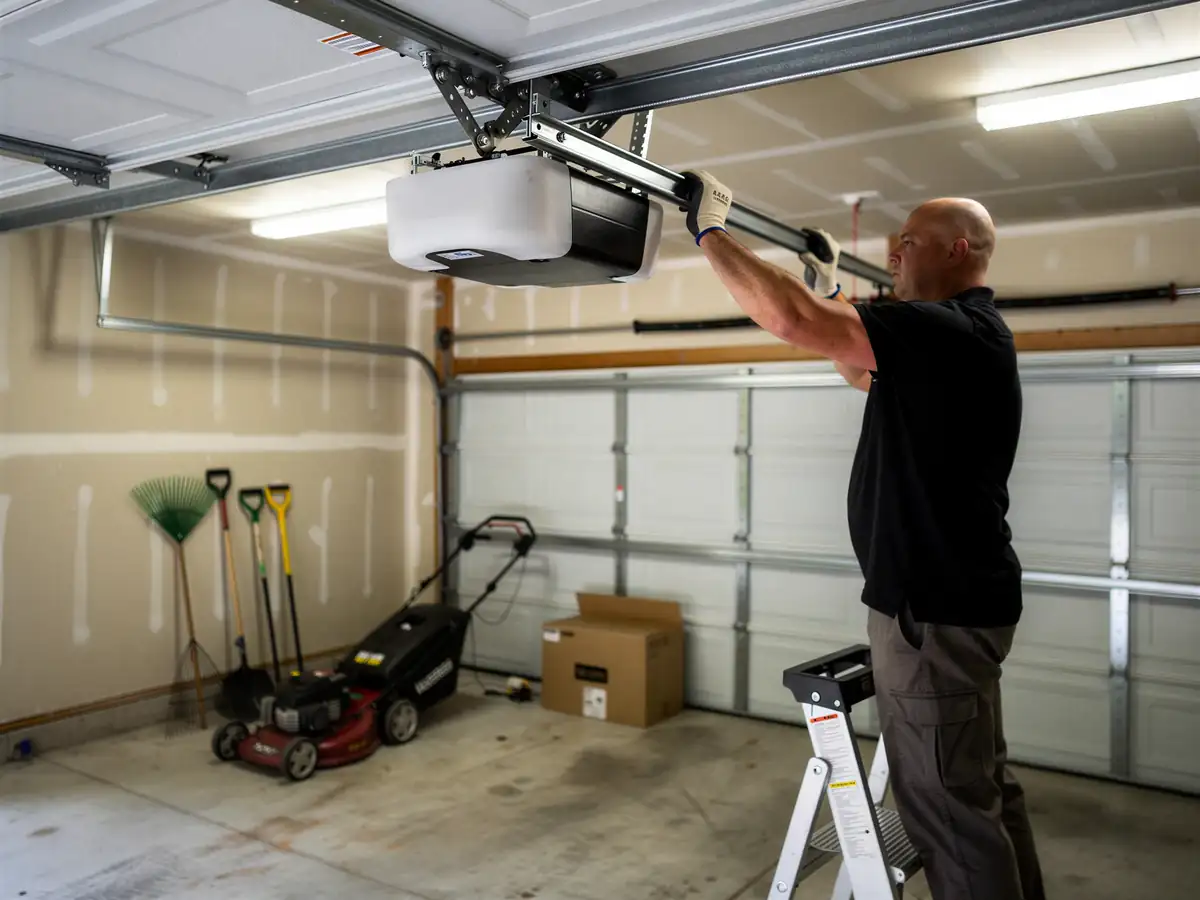
Reprogramming a remote, cleaning the photo-eye lenses, tightening a loose sprocket. Replacing the main drive gear or swapping a logic board is a different job. You're pulling the motor housing apart, and on a belt or chain unit from that era, parts aren't always a snap-in swap. If you're not sure which kind of problem you've got, the honest answer is to open the housing and look before you order anything.
How We Fix It
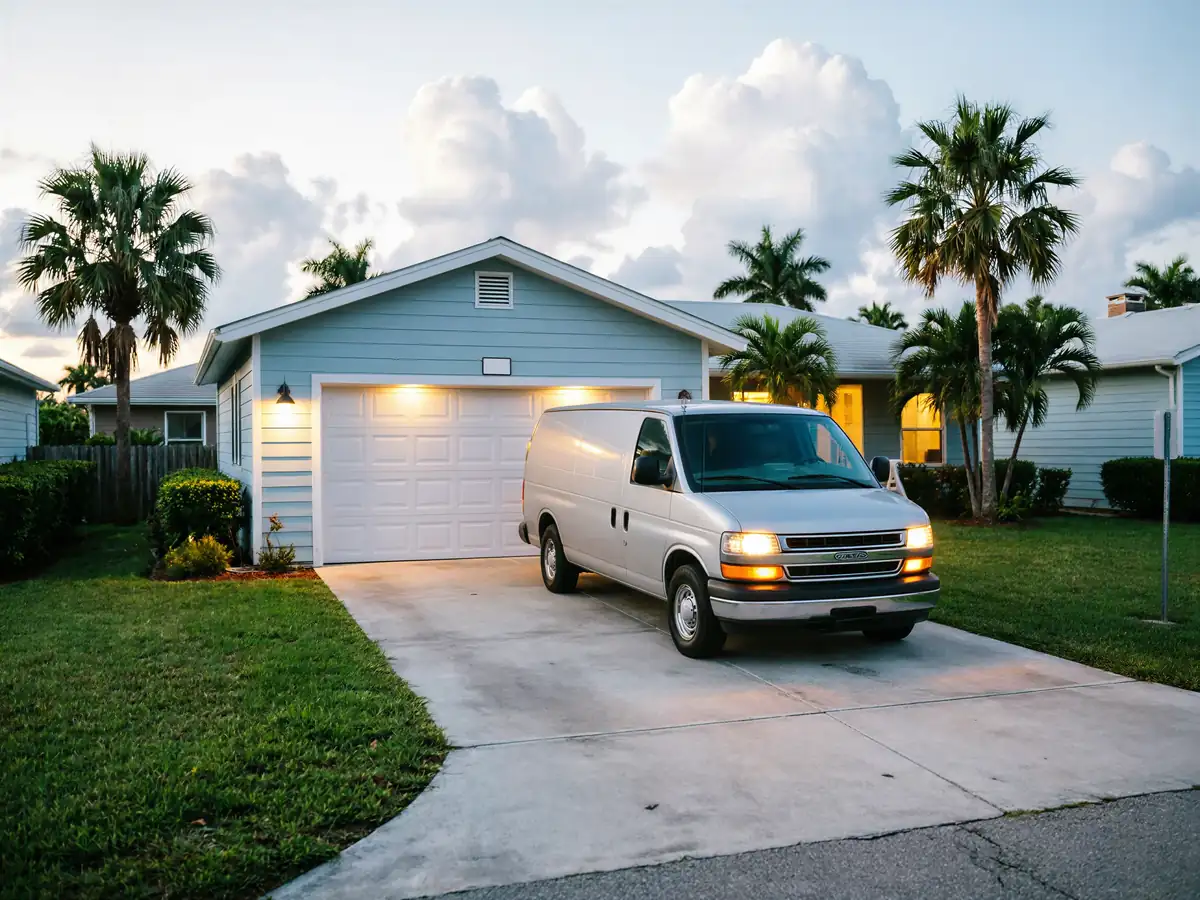
We come from our shop in Plantation, about 14 miles out, so when we get the call for a Parkland opener we build the visit to be one trip. That means bringing drive gears, logic boards, and photo-eye sensors suited to the mid-2000s openers that are common on this side of the county, not showing up to diagnose and coming back next week with the part.
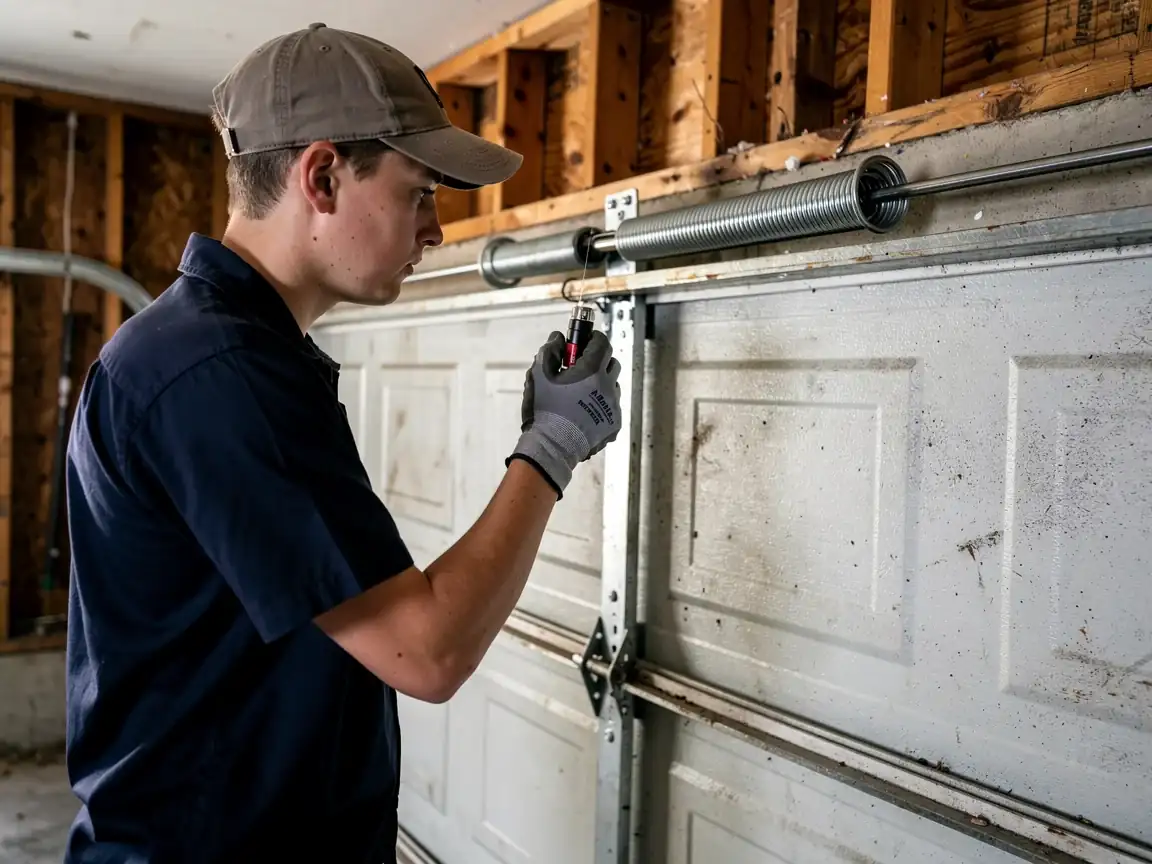
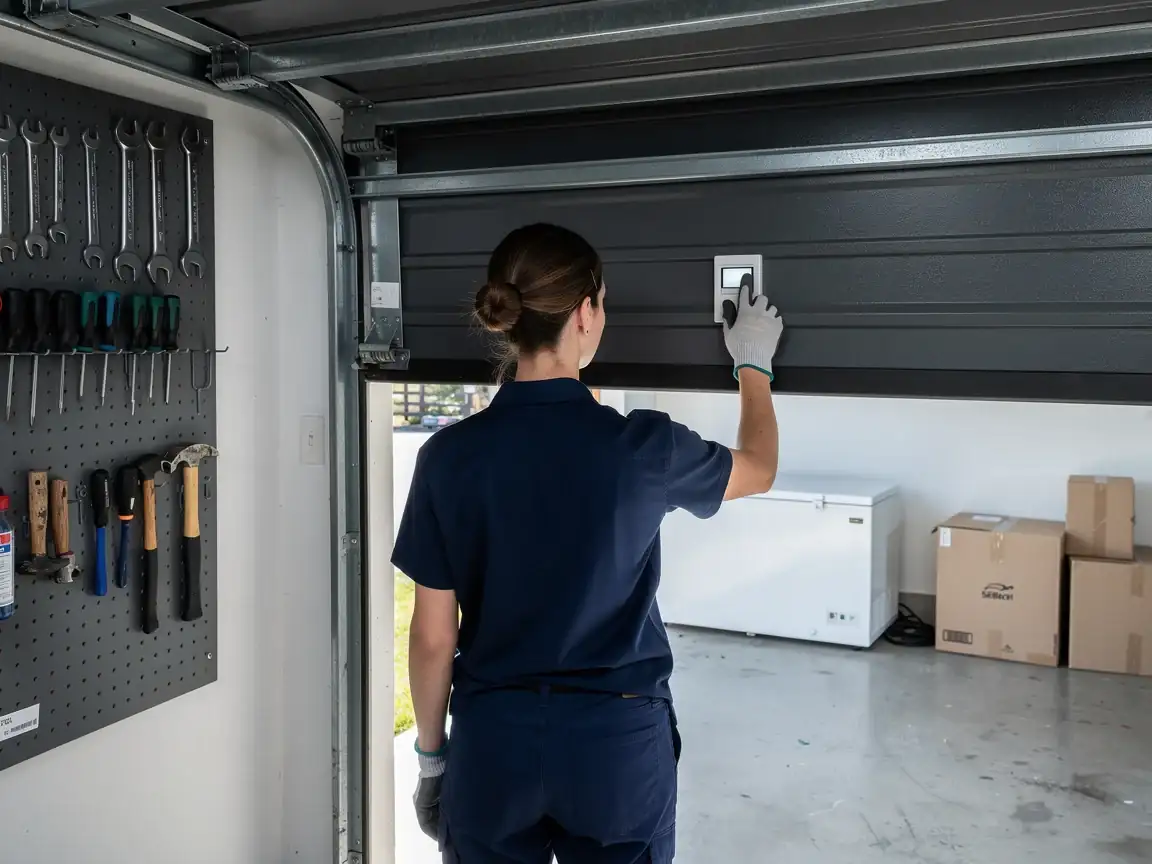
Most of what we see on a 2005-build opener falls into three buckets: a stripped drive gear (the door won't move but the motor hums), a dying logic board (random reversals, lights that won't stop blinking), or failed photo-eye sensors (door won't close at all, or closes and immediately reverses). We test which one it is on-site, replace the failed part, and run the door through a full open-close cycle before we leave. We don't guess and swap the whole unit unless the motor itself is the problem.
Why This Fails Locally
The reason this opener generation fails the way it does here comes down to the build year and the climate together. A 2005 opener was built with the capacitors and lubricants standard for that decade, and twenty years of a mild, humid coastal climate works harder on copper contacts and rubber seals than a dry climate would. Humidity gets into the logic board enclosure slowly, over years, corroding solder joints long before anything looks visibly wrong.
With median household income in Parkland running near $200,000, we also see more owners choose to replace the whole opener rather than keep repairing a 20-year-old chain drive piece by piece - which is a reasonable call once you're replacing the second or third part on the same unit. We'll tell you straight when you're at that point instead of selling you another gear for a motor that's on its way out anyway.
What Can Go Wrong
On an opener this age, the failures compound
A worn drive gear left alone eventually strips the motor shaft key, turning a $40 part into a full motor swap. A logic board that's throwing intermittent faults will often pass a quick test and then fail again a week later, because the corrosion causing it is progressive, not constant. Photo-eye sensors that have drifted out of alignment over the years can make a door reverse at random, which some owners mistake for a spring problem and call about the wrong thing entirely.
Here's the limitation
If the motor housing itself has cracked or the main gear has stripped the output shaft, we're not going to force a repair that won't hold. At that point replacing the opener costs less over a year than a second service call for the same unit, and we'll say so rather than patch it.
How Long It Takes
A drive gear, logic board, or sensor replacement on a standard residential opener is usually a same-visit repair once we're on-site - we carry the common parts for 2005-era units. What adds time is diagnosis when the symptoms are vague, like a door that works most days but not every day; that kind of intermittent fault takes longer to pin down than a dead motor does. We won't rush that part, because a wrong diagnosis means a second trip from Plantation that nobody wants to pay for twice.