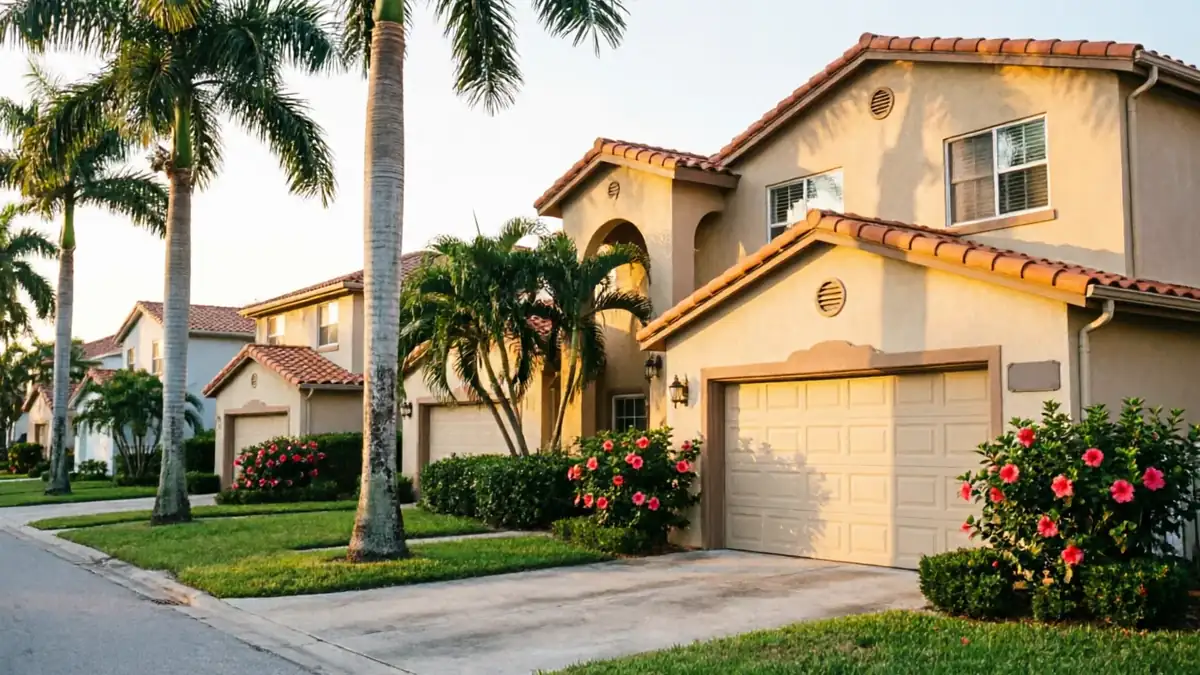
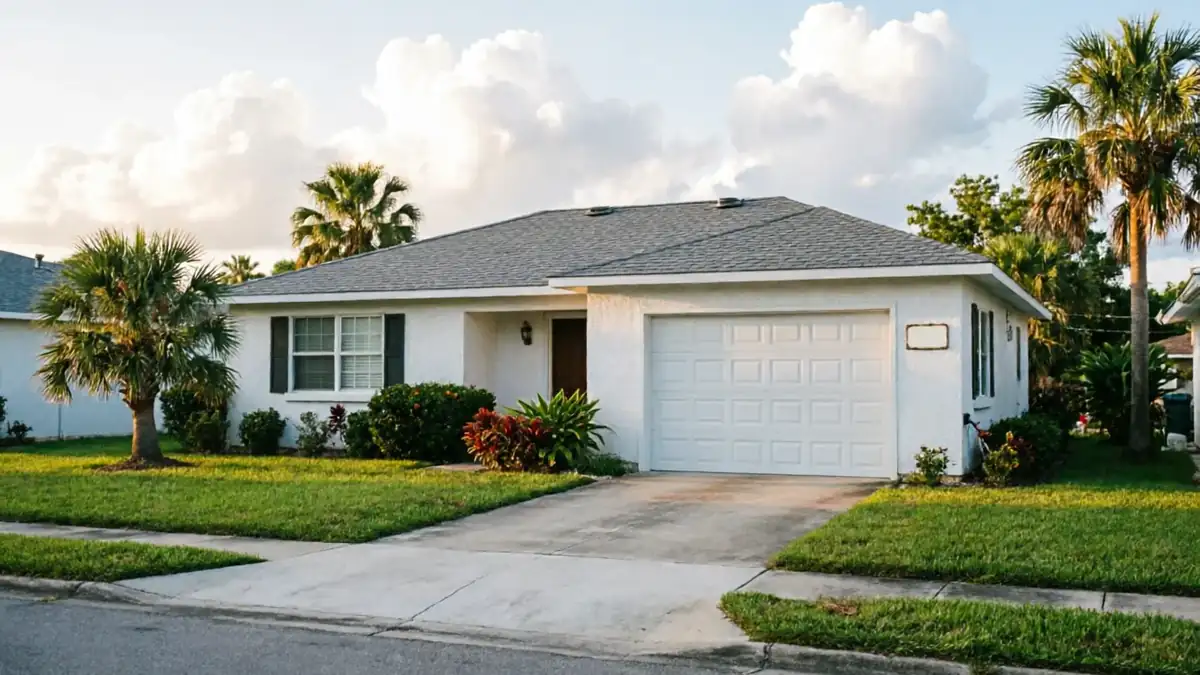
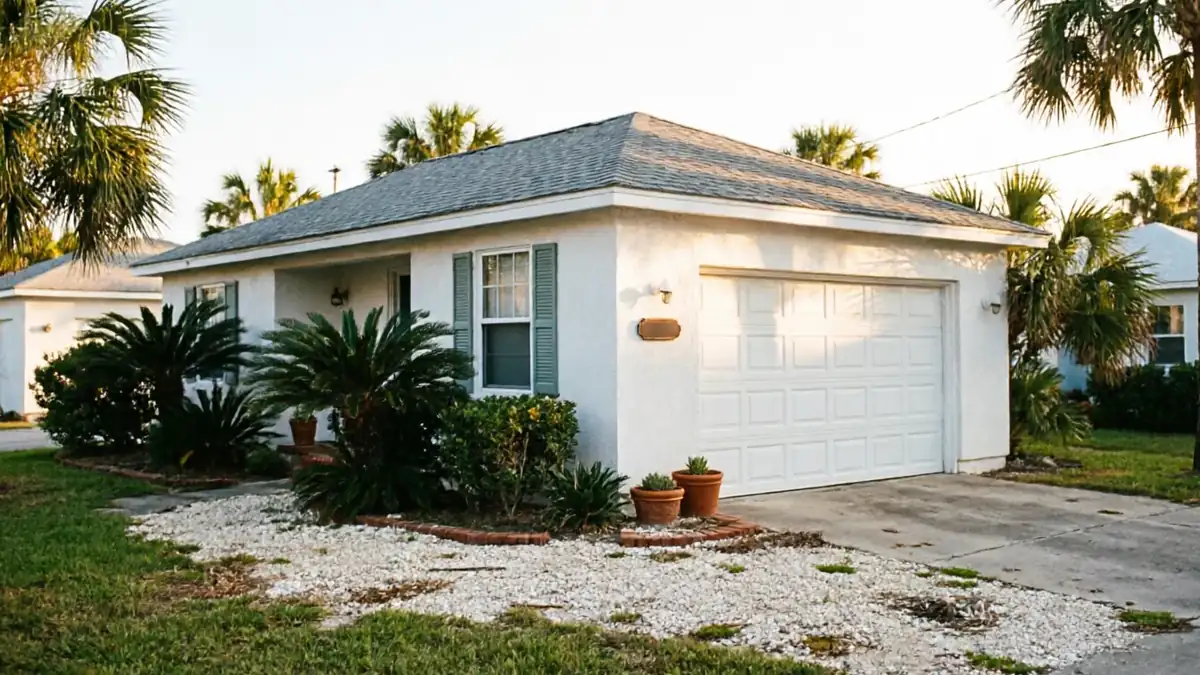
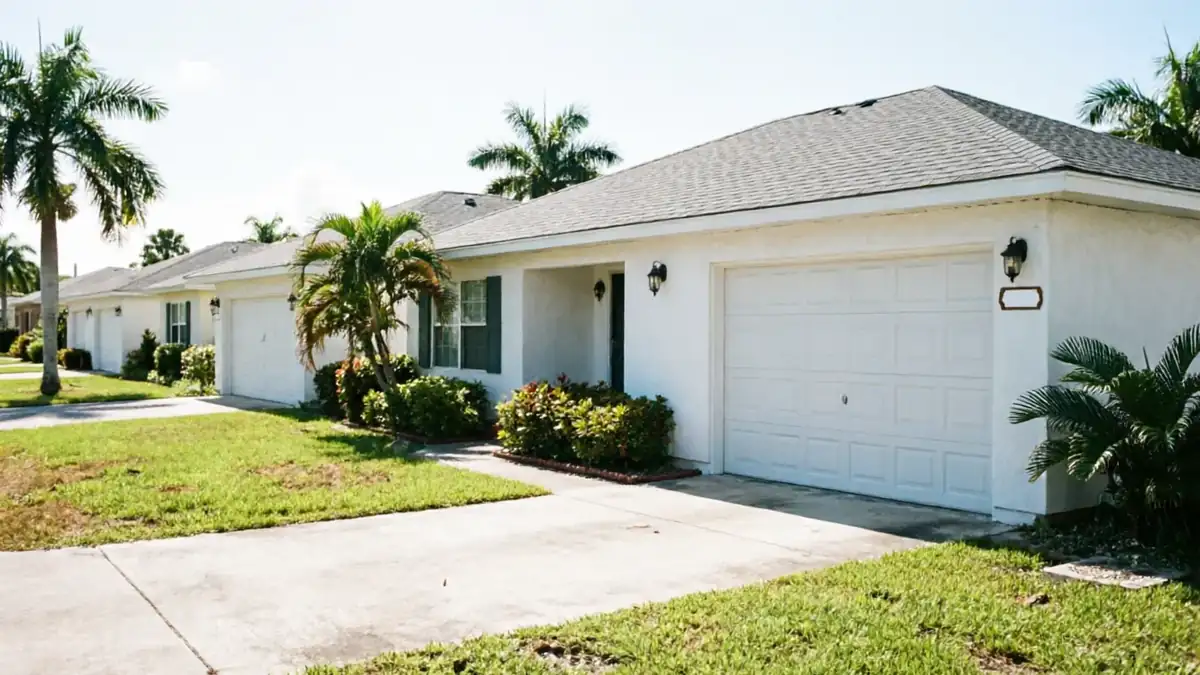
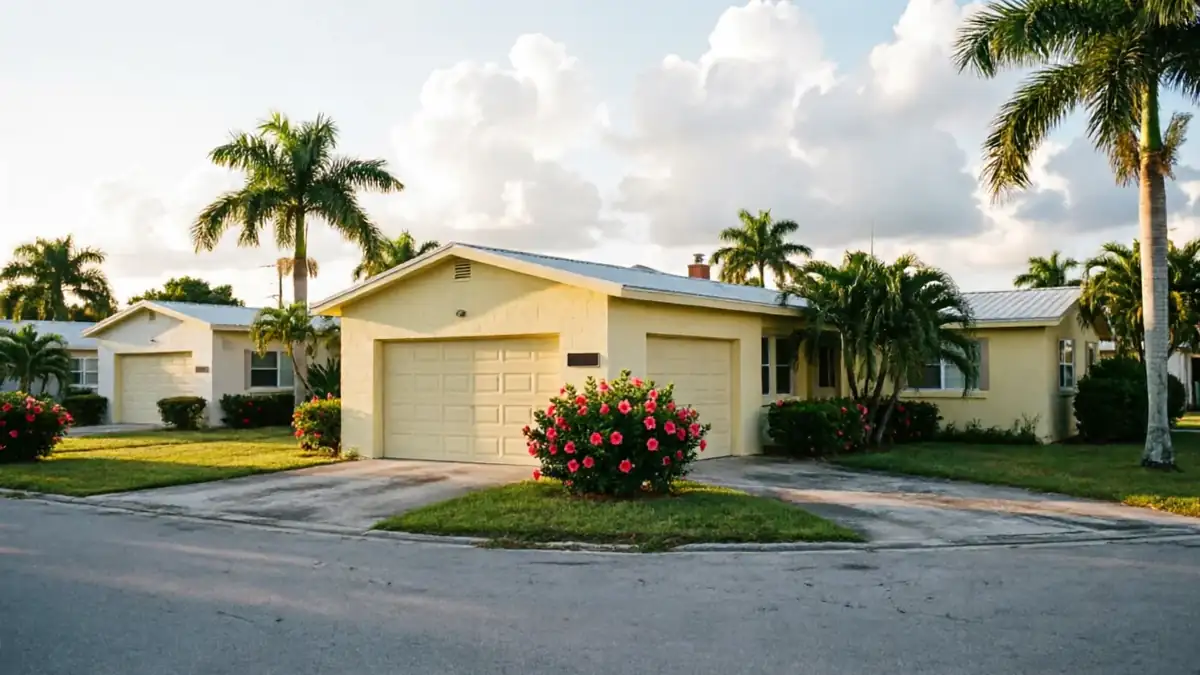
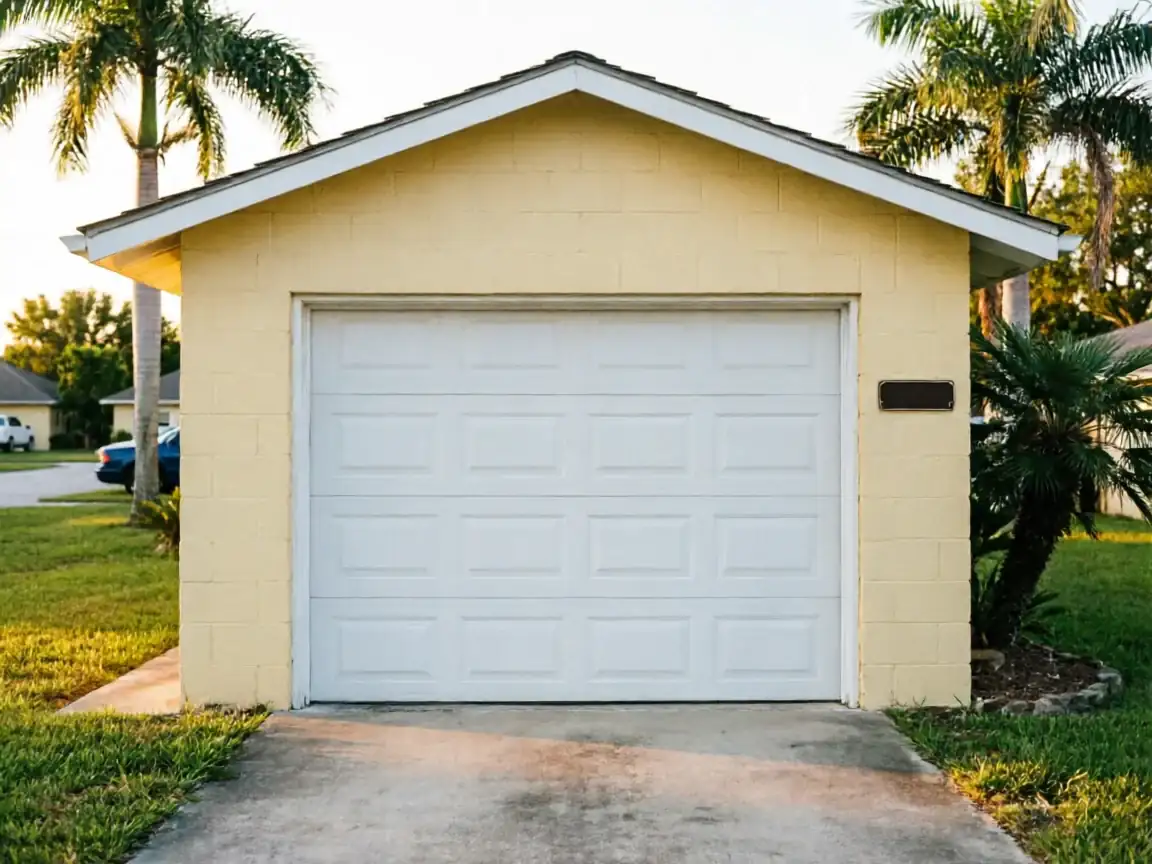
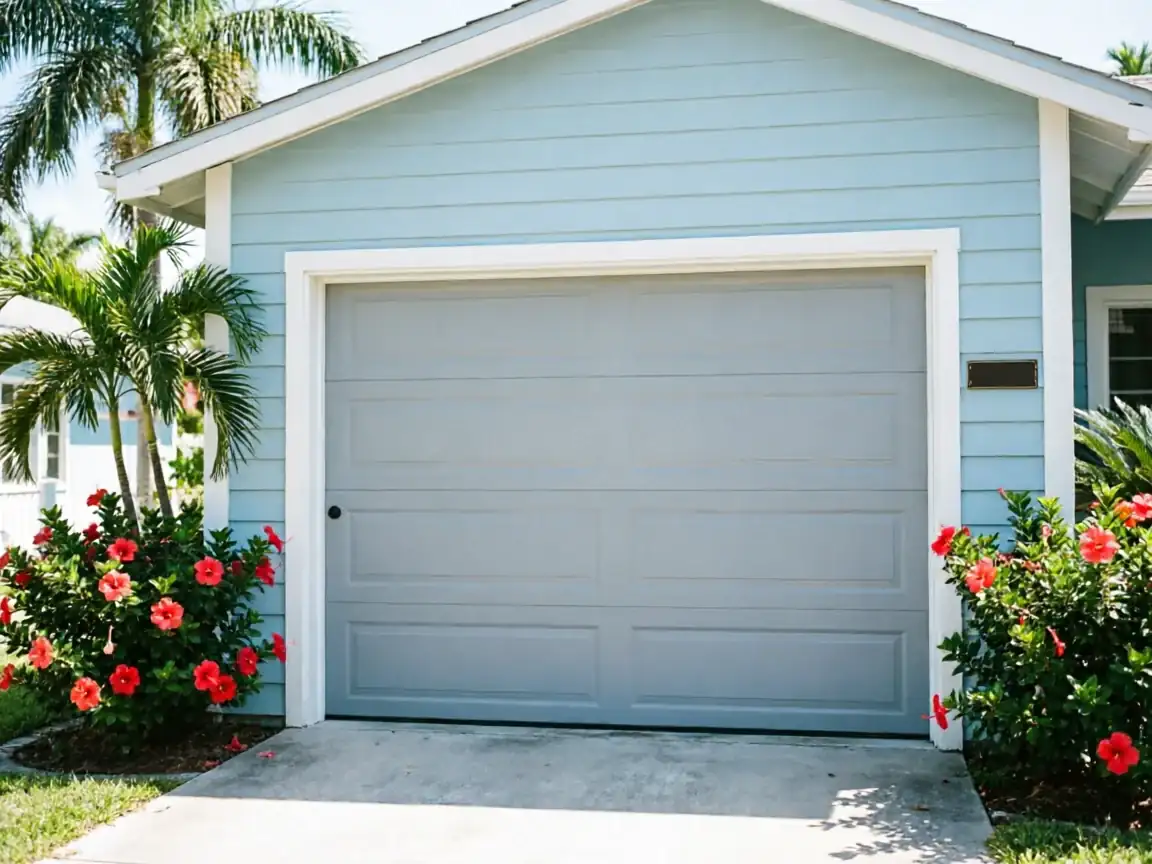
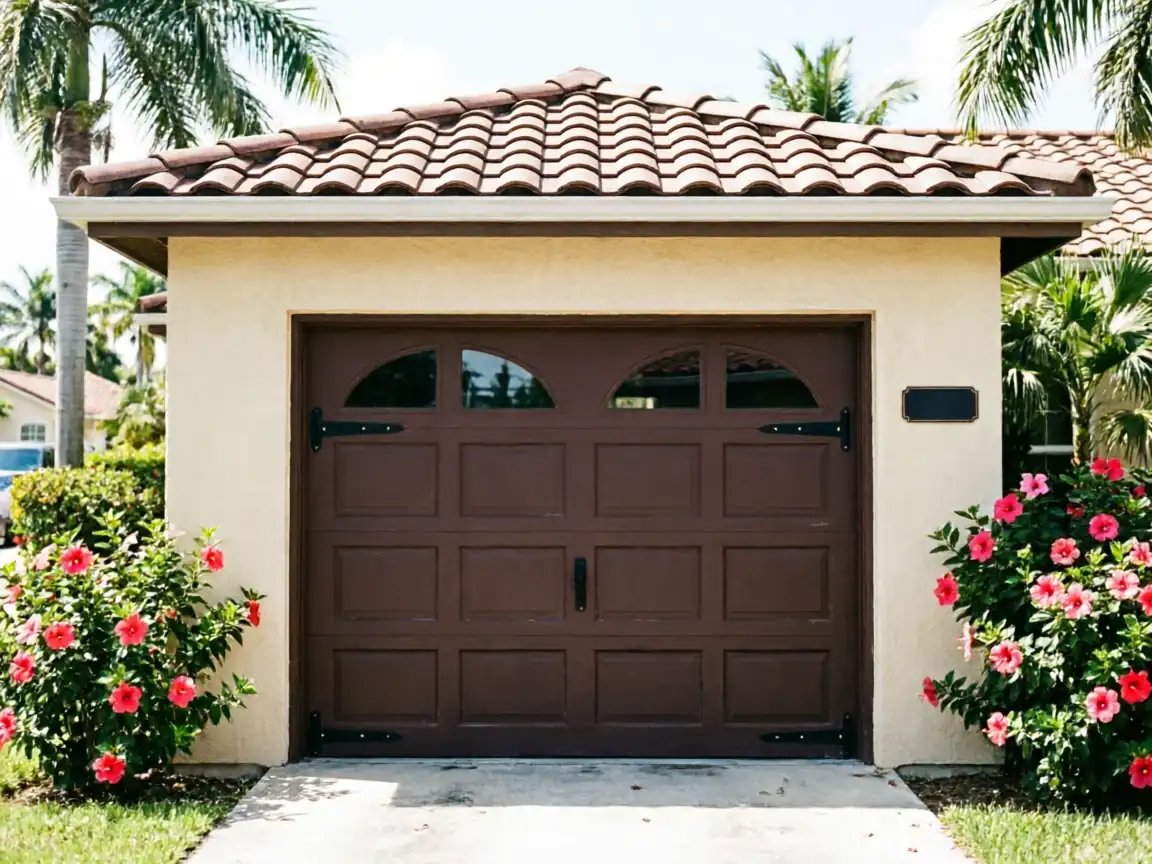
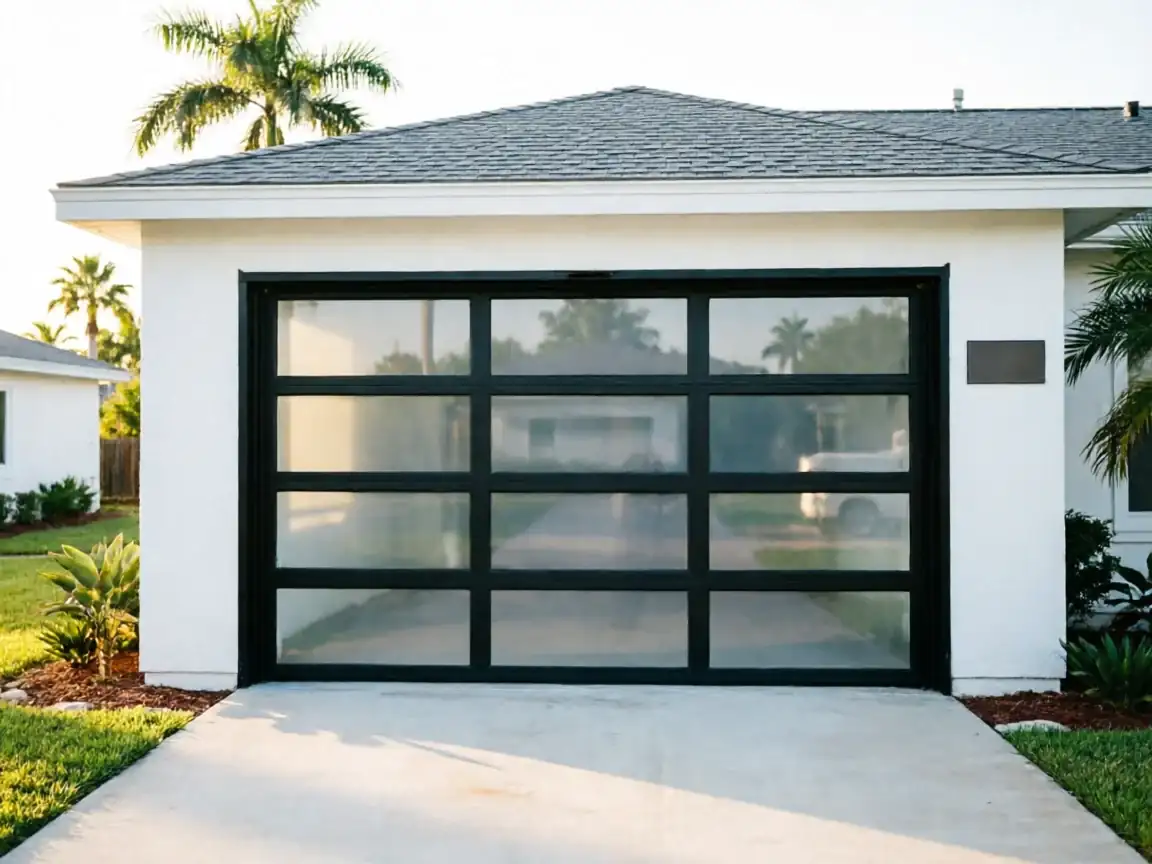
Lauderhill homes mostly date to the mid-1970s, which means specific spring and track wear. Plantation Garage Door Pros covers Lauderhill from 3 miles away.
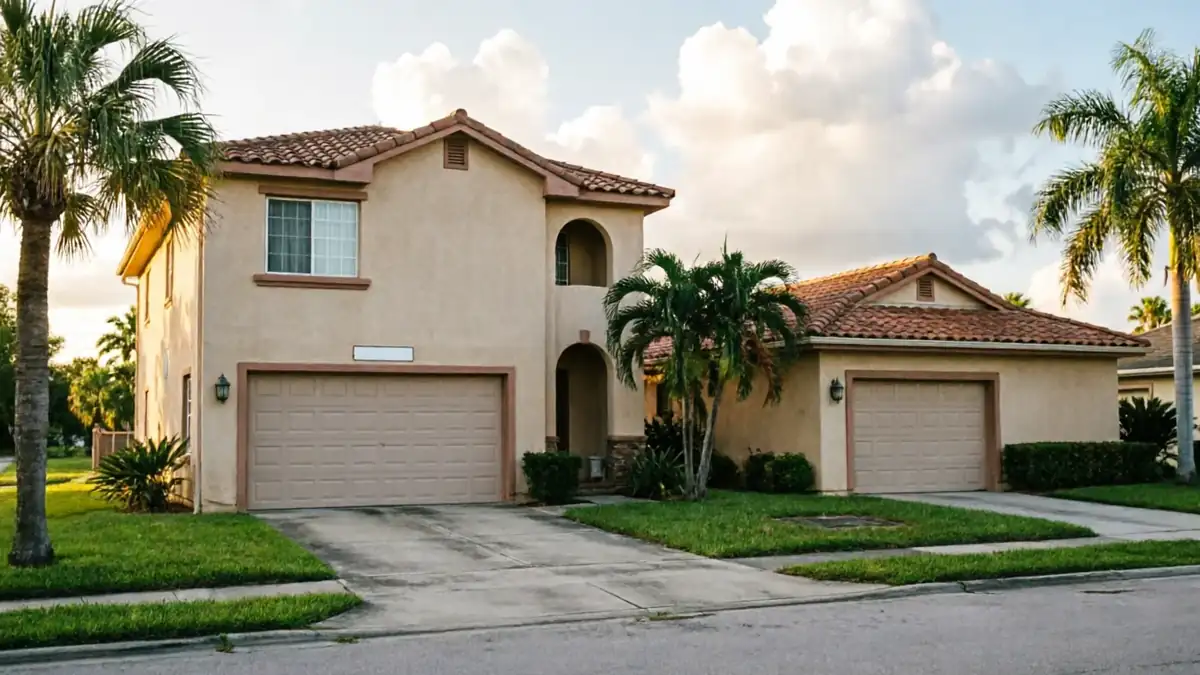
Lauderhill's housing stock centers on 1976, which puts it toward the older end of the 1953-2005 range we see across the wider service area. That's a meaningful detail, because a door and opener installed in the mid-70s is a different animal from one installed in 1995. With 26,539 households in Lauderhill, you've got a lot of garages that were built when steel sectional doors were just becoming standard and extension springs mounted along the horizontal track were still common before torsion setups took over. The area sits inside the broader pattern we see across the region's older neighborhoods, where 1960s and 70s construction dominates. Median household income here runs $49,685, which tends to track with homeowners holding onto original doors and openers longer rather than replacing on a schedule - meaning more repair calls on hardware that's been in service thirty-plus years and fewer calls on newer stock that just needs a tune-up. None of that is a knock on the area. It just changes what we expect to find when we open the panel.
What the Housing Means for Your Door
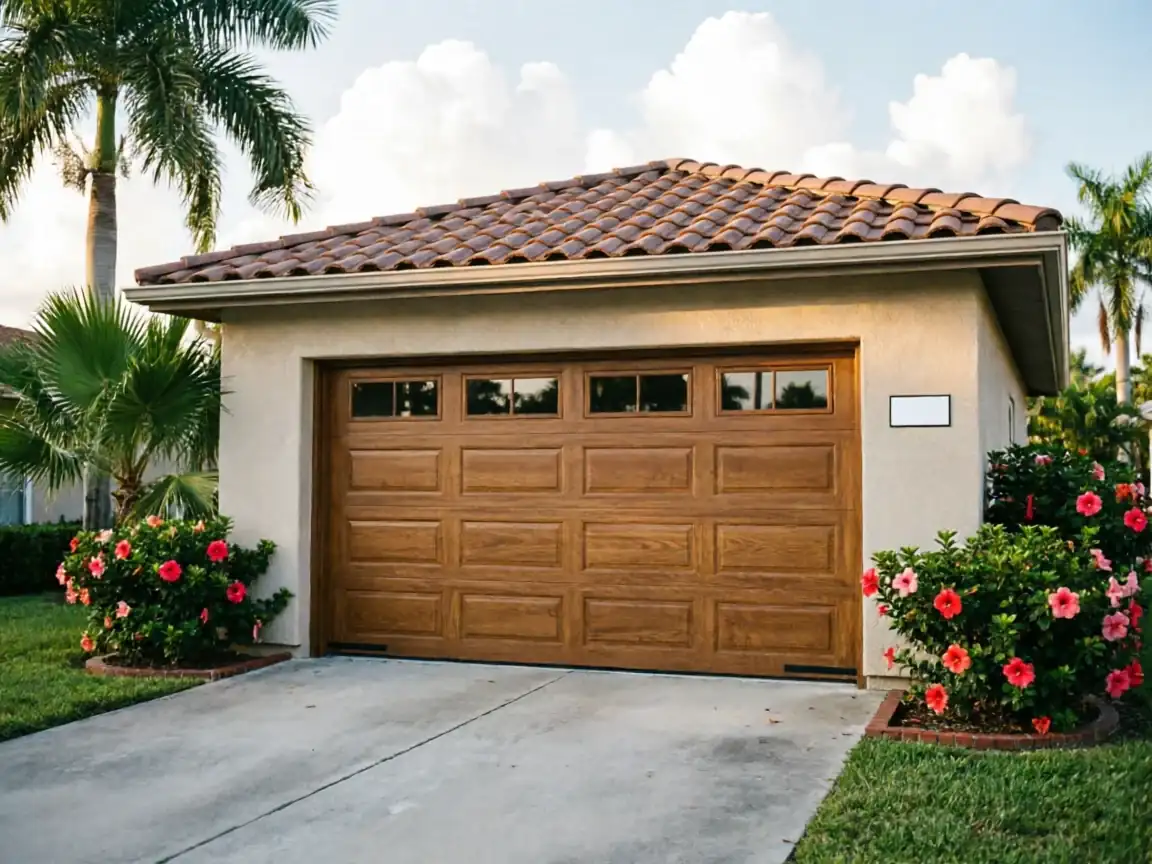
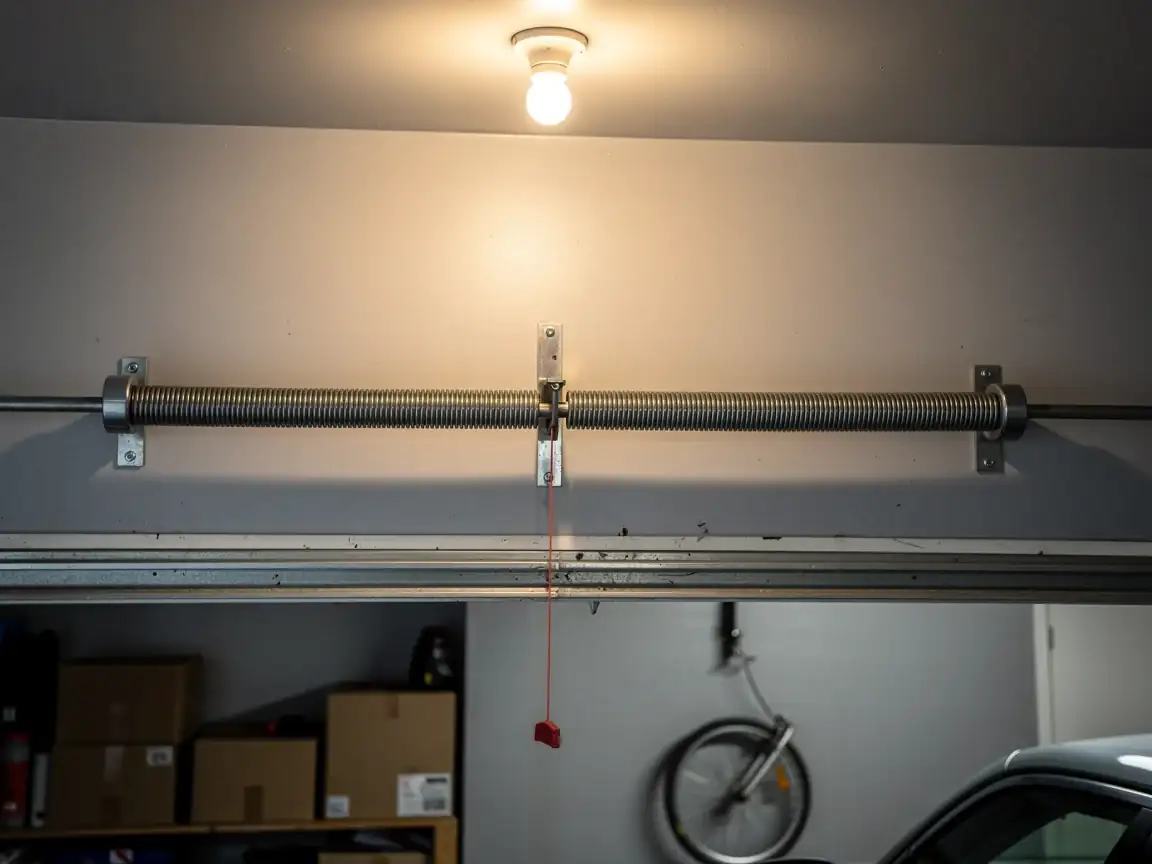
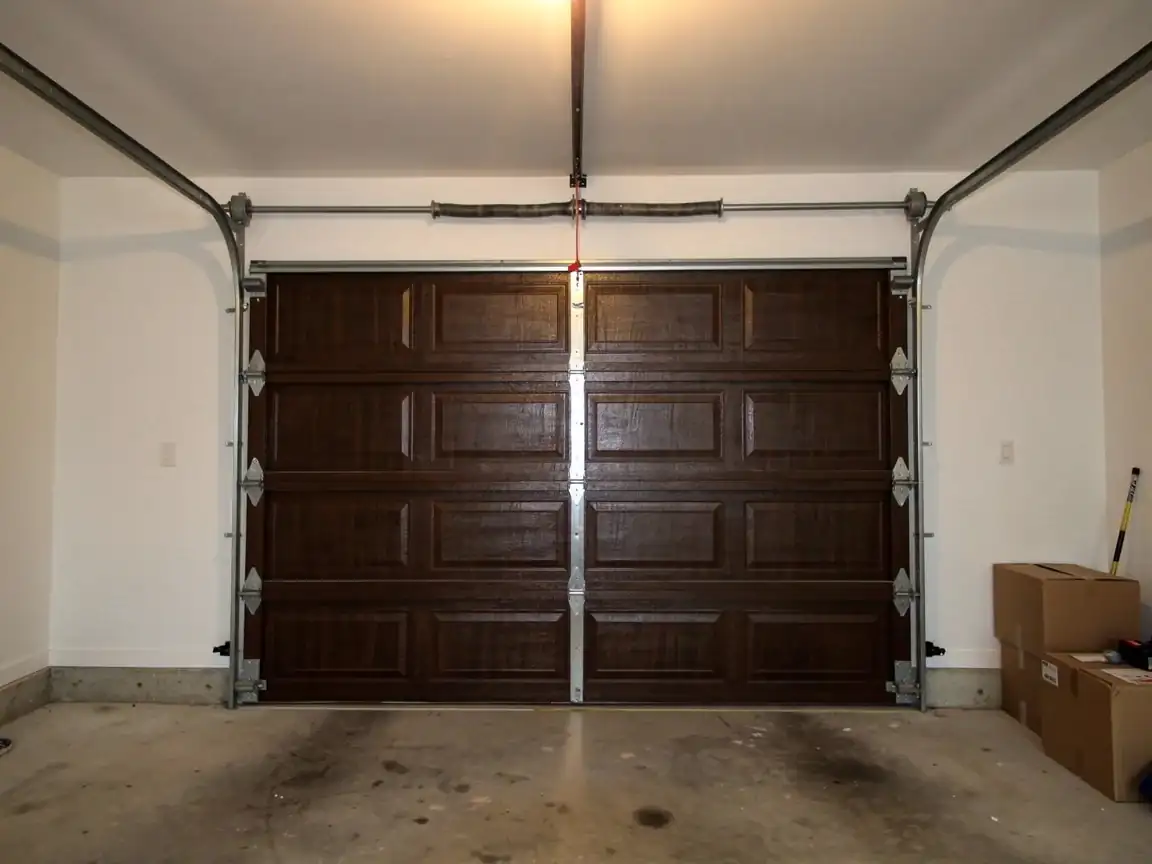
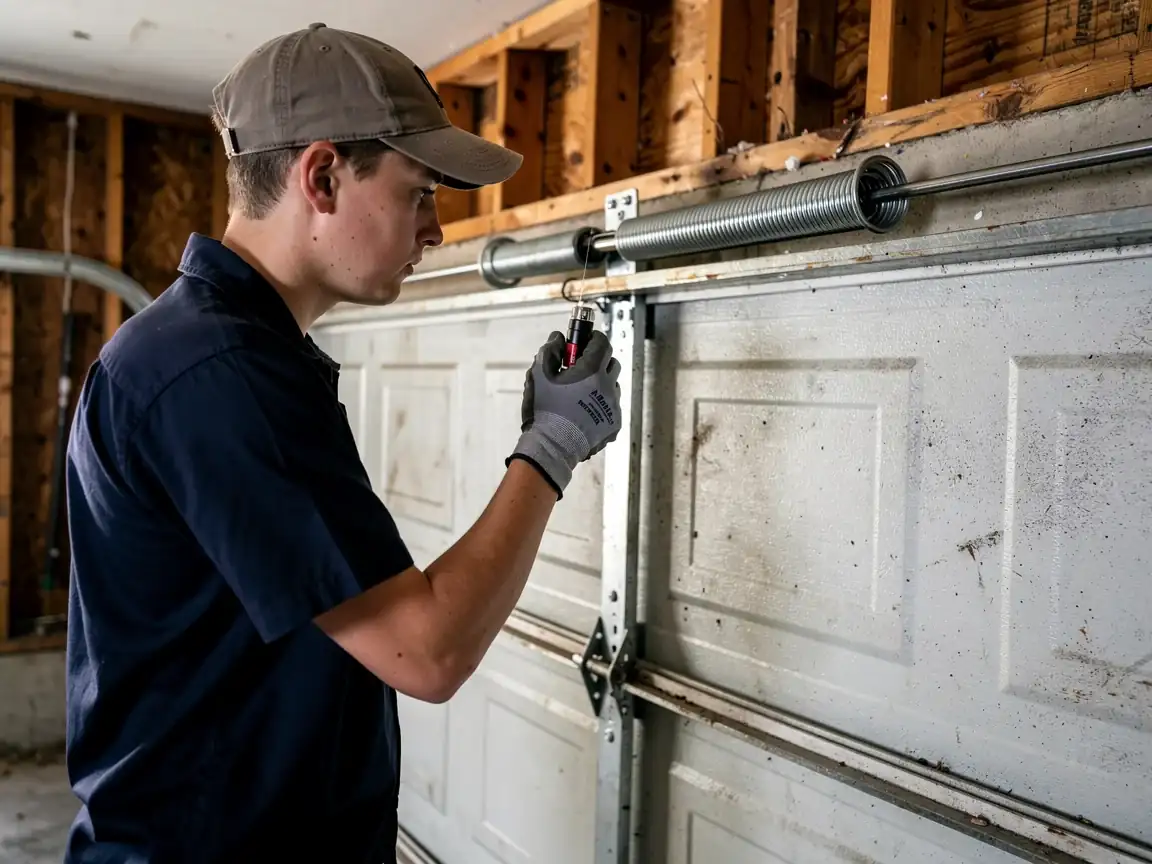
A door from the 1976 era usually means one of two things on arrival: an extension-spring system that was never upgraded, or an early torsion conversion done at some point in the decades since with hardware that doesn't match current spring sizing charts. Either way, the rollers are almost always steel on these jobs, not the nylon rollers that quiet things down on newer installs, and the track is often the narrower gauge that was standard before doors got heavier with added insulation. South Florida's mild temperate climate is kind to these doors in one sense - no freeze-thaw cycle snapping brittle plastic parts - but humidity still works on the galvanized coating over fifty years, and we see more surface rust on cable and spring coils here than you'd expect from age alone. If your opener is original to the house, it's a chain-drive unit with a mechanical limit switch, not the modern belt-drive setups with electronic limits. That matters for parts availability and for how we diagnose a no-close or no-open call.
What We Will Not Take On
We don't carry every obsolete bracket or drum size that a 1970s door might need, and if your track hardware is a discontinued pattern from a manufacturer that's been out of business for decades, we'll tell you that up front rather than stringing out a repair with a mismatched part. We also won't push a spring replacement on a door that's structurally failing - if the panels are rusted through or the frame has shifted, a new spring just delays a door replacement you'll pay for anyway. And since we run out of Plantation, about 3 miles away, we don't maintain a same-day guarantee for every call; we schedule Lauderhill jobs on the route we're already running that day. If your job needs a part we don't stock on the truck, we'll say so instead of guessing at a fix.
What We Do Most in This Area
Given the age of the stock, the most common call in Lauderhill is a broken extension or torsion spring on a door that's never been serviced - the cable snaps or the spring lets go and the door won't lift. Second most common is roller and track wear: steel rollers on fifty-year-old track bind, bind harder, and eventually jump the rail. We also get a steady run of opener calls where the original chain-drive unit's gears have stripped or the limit switch has drifted, which looks like a dead opener but is usually a $30 part, not a $300 replacement. Panel damage shows up too, mostly from a car bumping a door that's already sagging on worn hardware. We size the fix to the door in front of us: sometimes that's a spring and a set of rollers, sometimes it's telling you the door's had a good run and replacement makes more sense than another patch.
How it works
From “it’s stuck” to “it’s fixed”
1
Tell us what’s wrong
Describe the symptom - won’t open, loud bang, opener runs but the door won’t move.
2
On-site diagnosis
A technician tests the door under power and by hand and finds what actually failed.
3
Clear, up-front plan
You get the fix that’s needed and what drives the cost - before any work starts.
4
Repaired & tested
The repair is done, the door is set true and tested, and the work area left clean.
Not sure which repair your door needs in Plantation, FL? Describe what it’s doing - every job starts with a diagnosis.
Why does my garage door in Lauderhill need different parts than my neighbor's newer house in another area?
It comes down to build year. Lauderhill's housing centers on 1976, so a lot of doors still run original or early-replacement hardware - narrower track, steel rollers, sometimes extension springs instead of torsion. Newer construction elsewhere in the service area often has different spring sizing and nylon rollers, so the same symptom can need a different fix.
Do you have a shop in Lauderhill?
No. We run out of Plantation, about 3 miles away, and schedule Lauderhill calls on our regular route through the area. We don't keep a local depot here.
Will the humidity here shorten my spring's life?
The mild temperate climate means you're not dealing with freeze-thaw cracking, but humidity does work on galvanized coating over years. On older springs and cables, especially anything past 20-30 years old, we see surface rust that weakens the metal faster than age alone would.
Is it worth replacing an old opener instead of repairing it?
Depends on what's broken. A stripped gear or drifted limit switch on an older chain-drive unit is usually a cheap part swap. If the motor itself is failing or the circuit board is shot, repair parts for decades-old units get hard to find, and replacement often costs about the same as chasing parts.
Ready to get your garage door sorted?
Tell us what it’s doing and where you are in Plantation - we’ll take it from there.