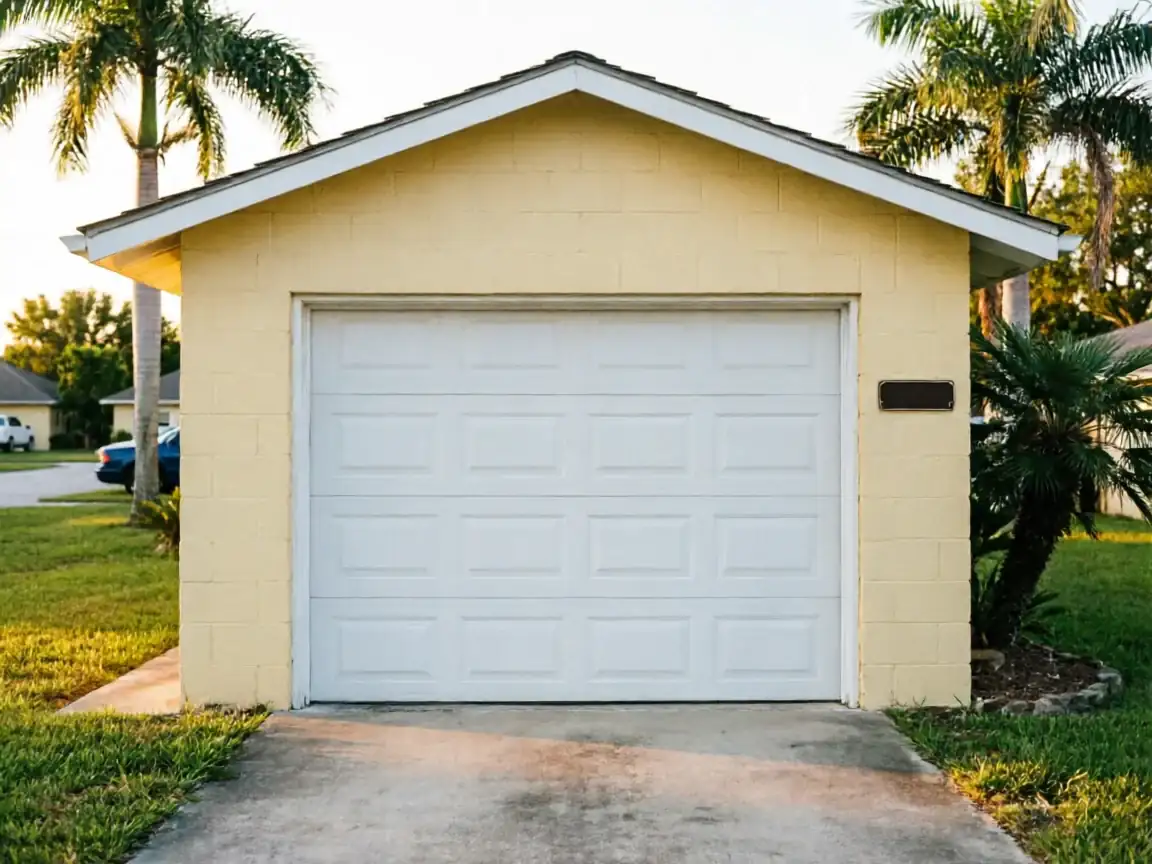
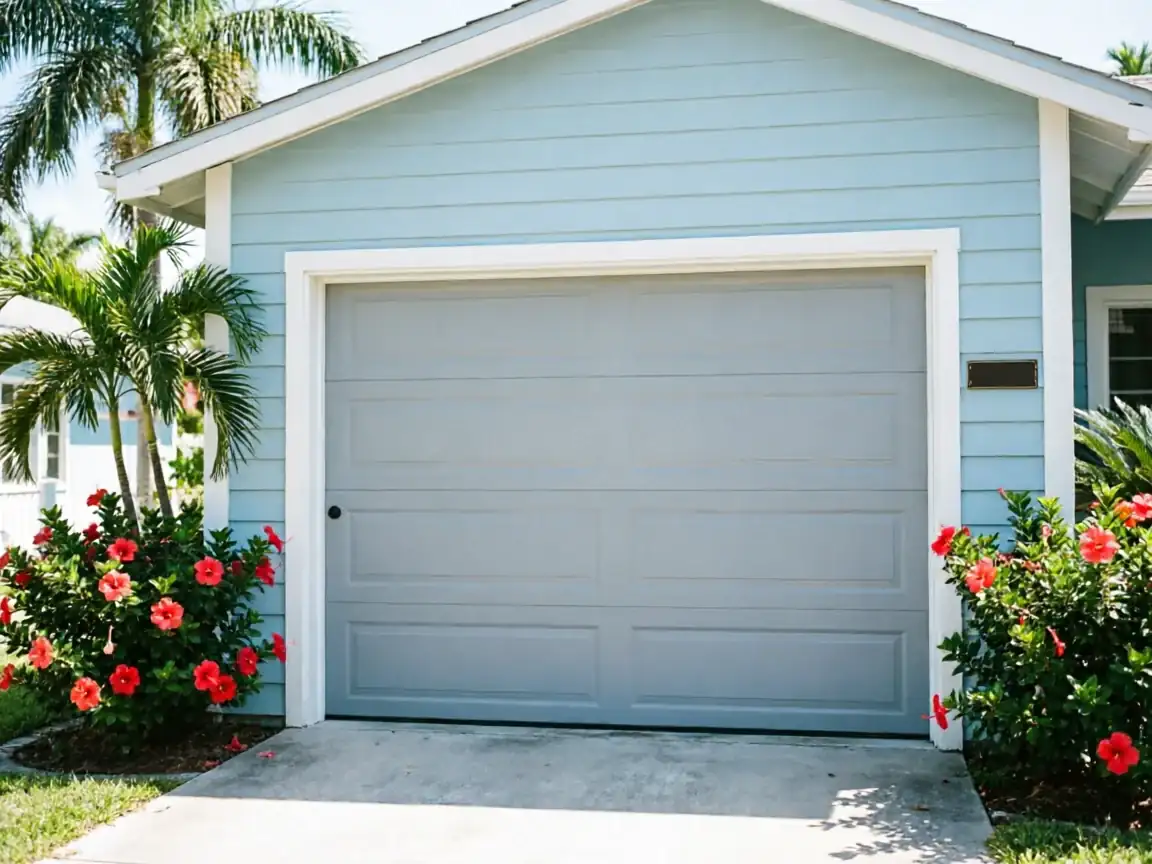
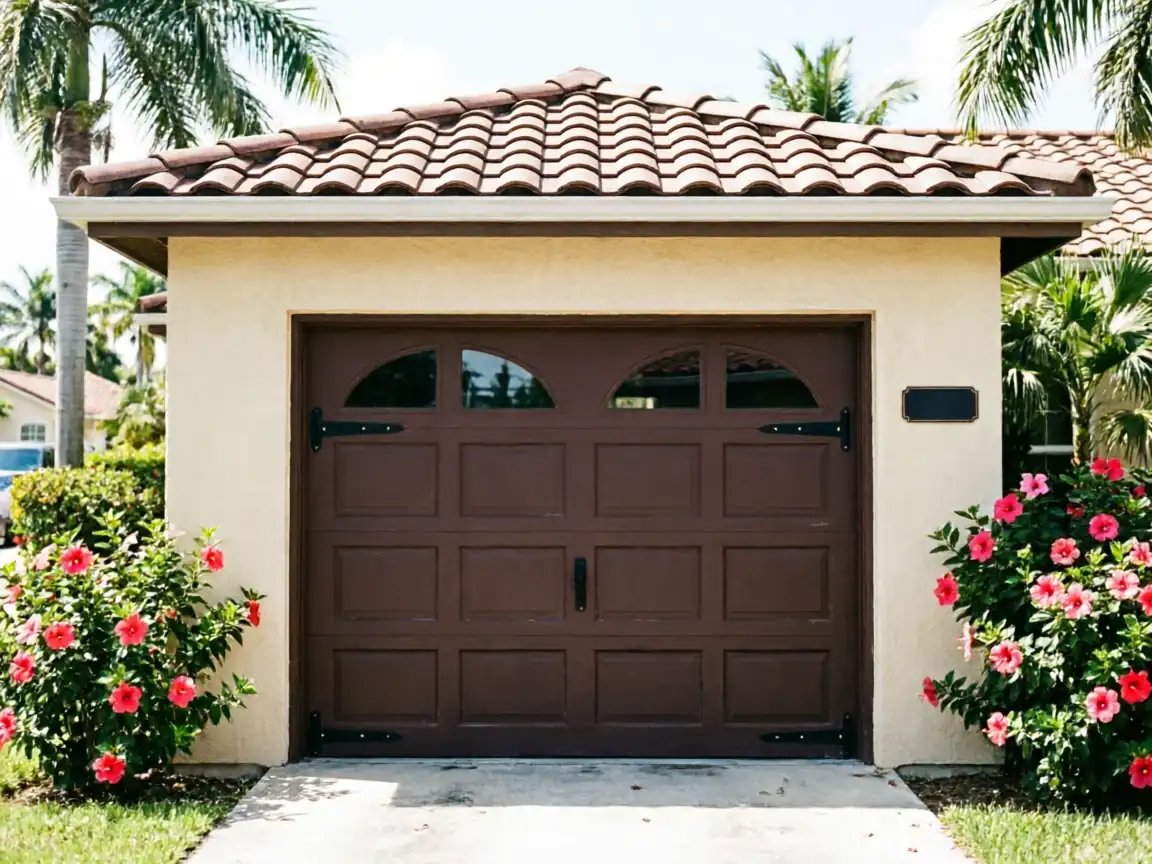
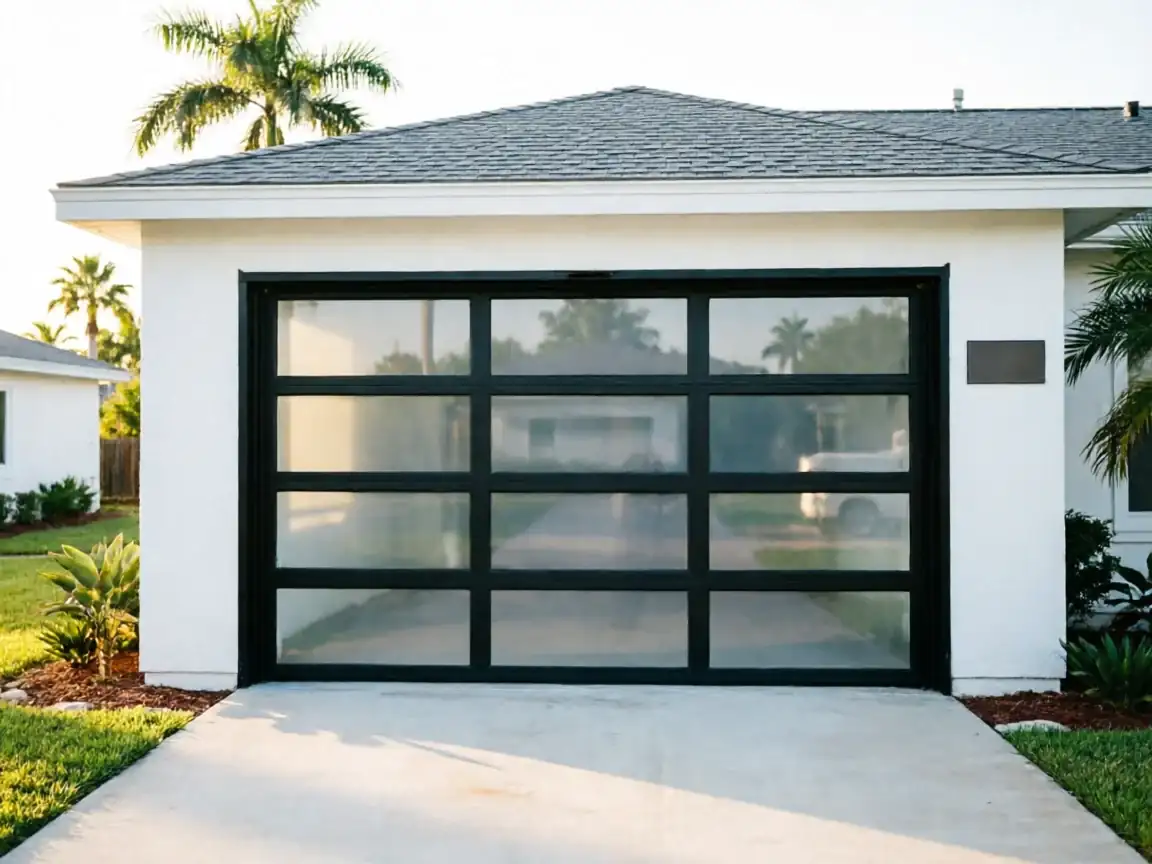
Garage Door Installation, Done for Plantation's Housing Stock
Replacing a garage door in Plantation means matching new hardware to houses built mostly between the 1950s and 2000s. Here's what that install actually involves.
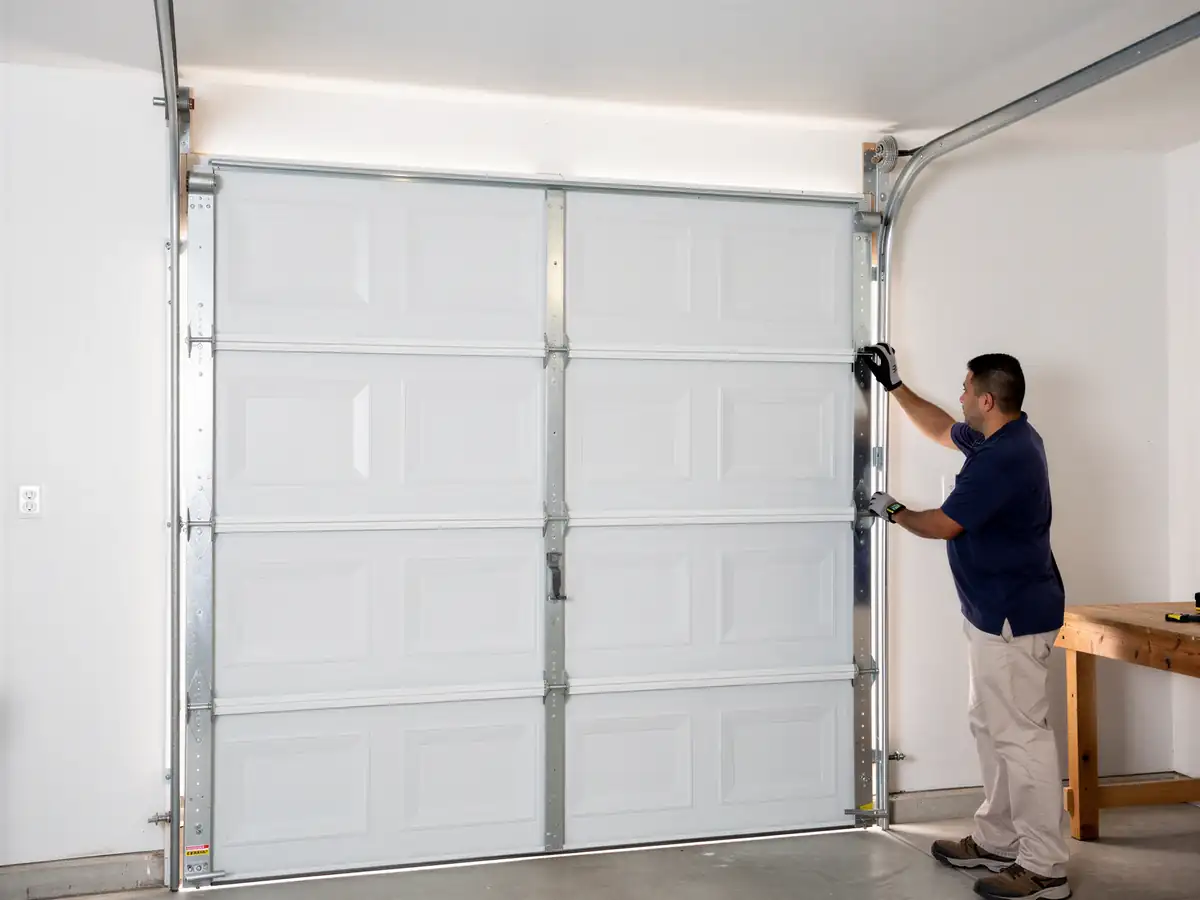
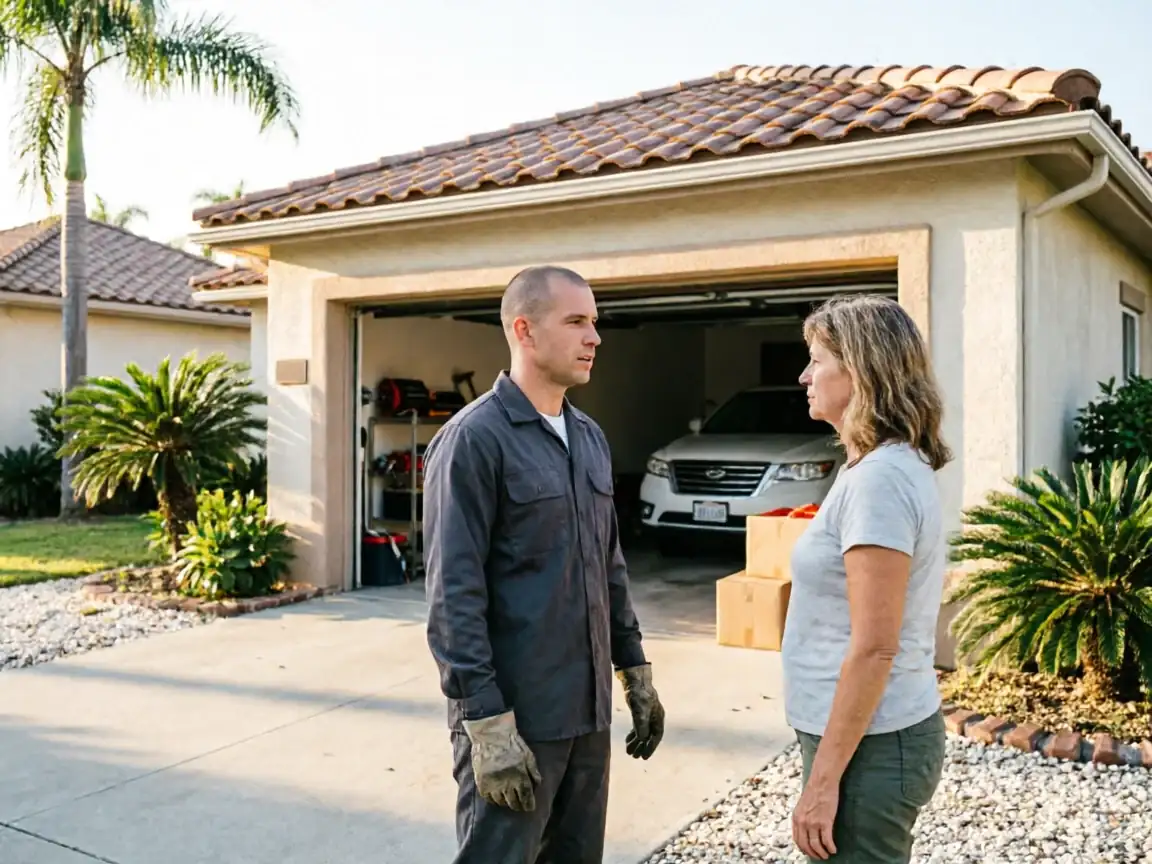
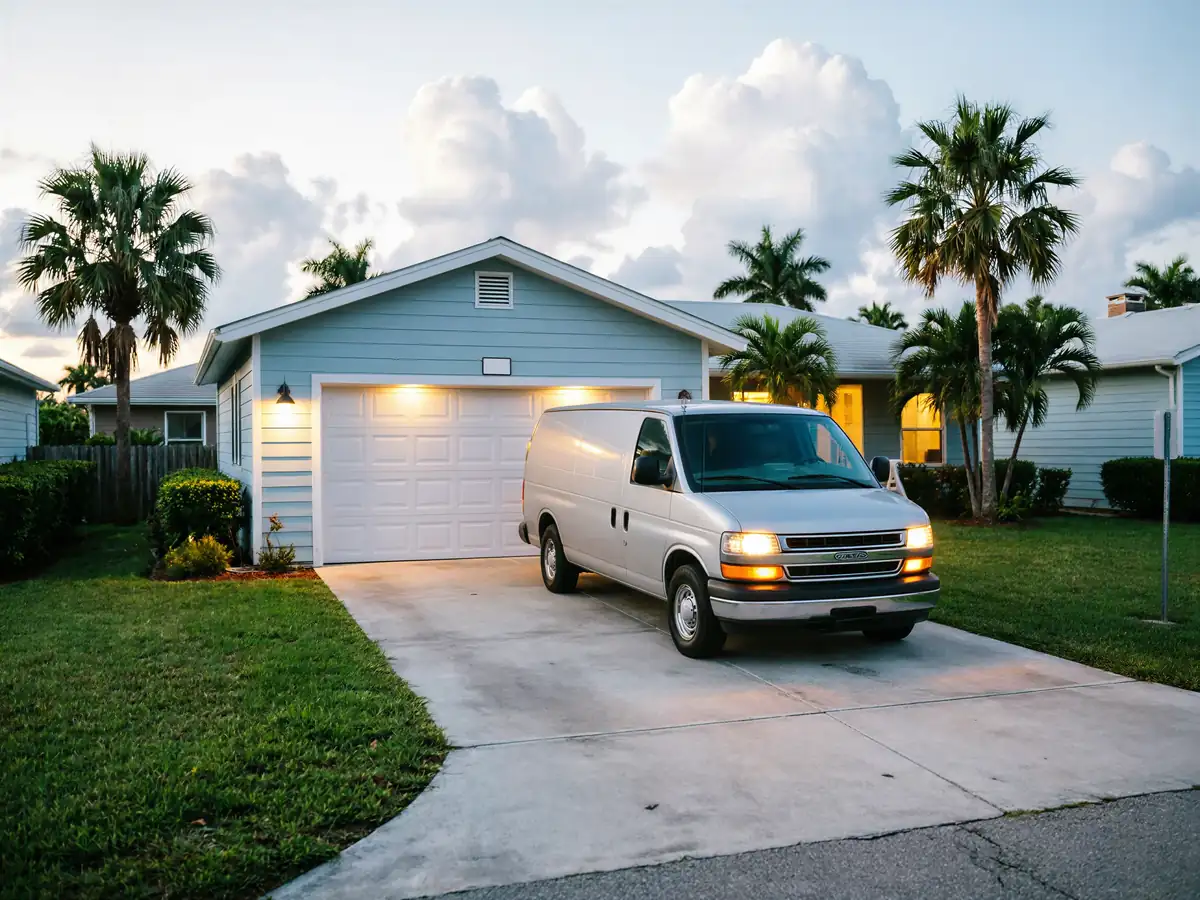
Call or send a message through the site and tell us the make and rough age of your current door, if you know it. If you don't, that's fine - we can usually tell from a photo of the track and spring setup. We'll set a time to come look at the opening, the headroom, and the condition of the jamb before we quote anything. A garage door installation isn't a stock part swap; the track length, spring size, and opener bracket all depend on what's already bolted into the framing. We measure on site rather than quote off a phone call, because a door that's off by half an inch on track height won't roll right no matter how good the panel is. Once we've measured, you get a firm number before anything gets ordered. Start at the home page and reach out from there.
The DIY Question
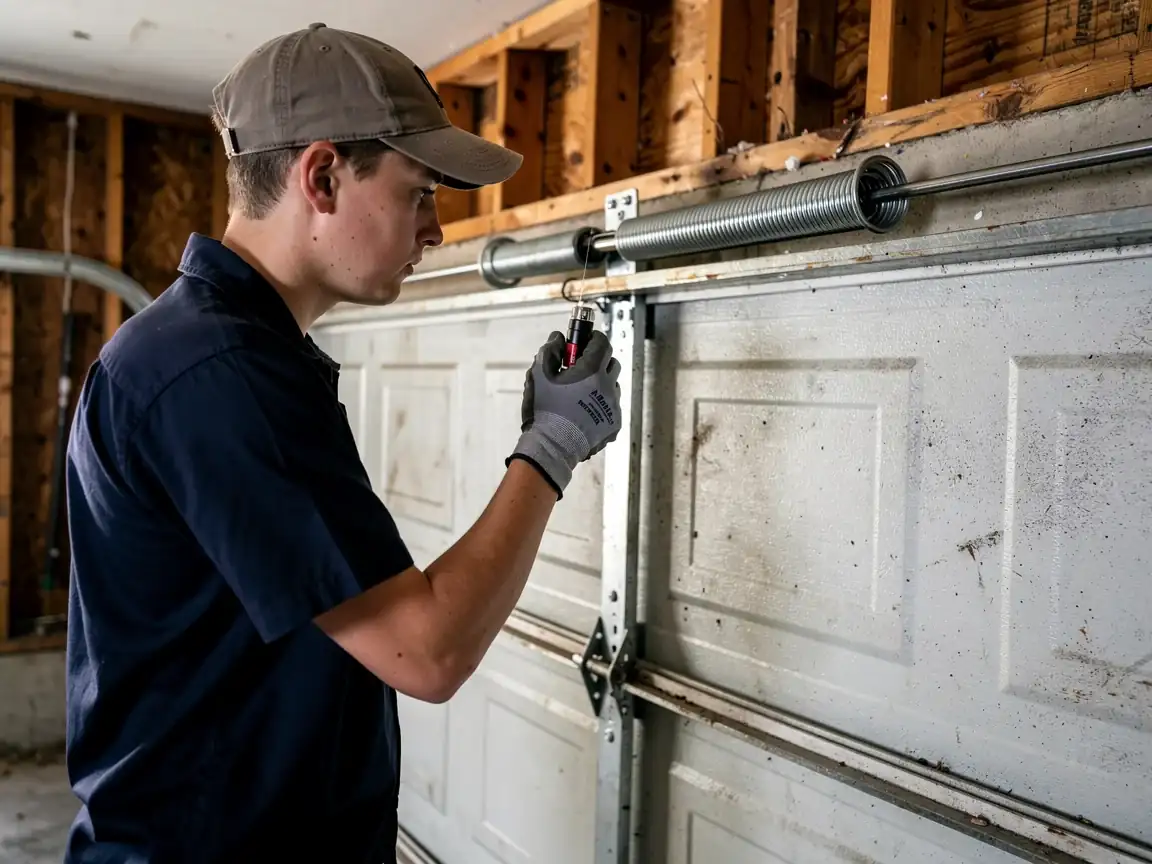
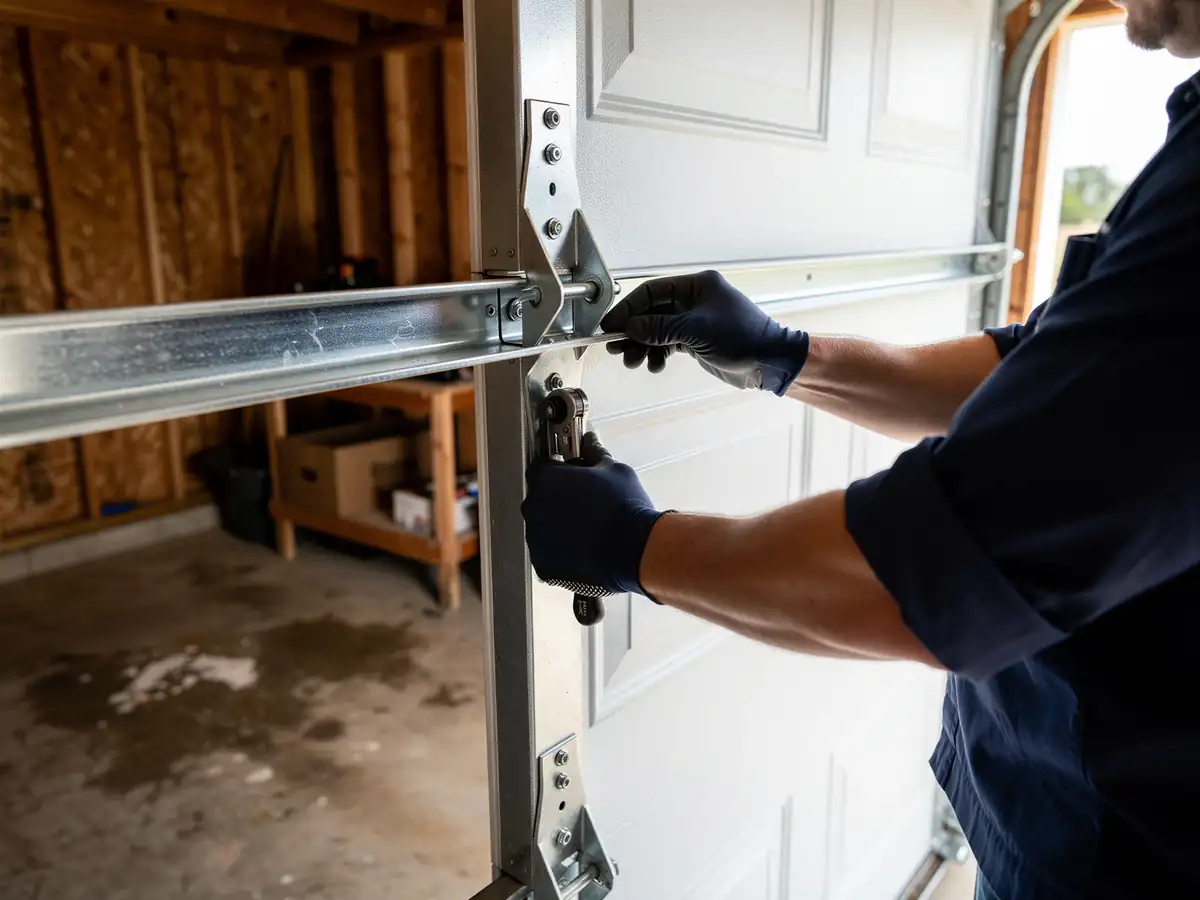
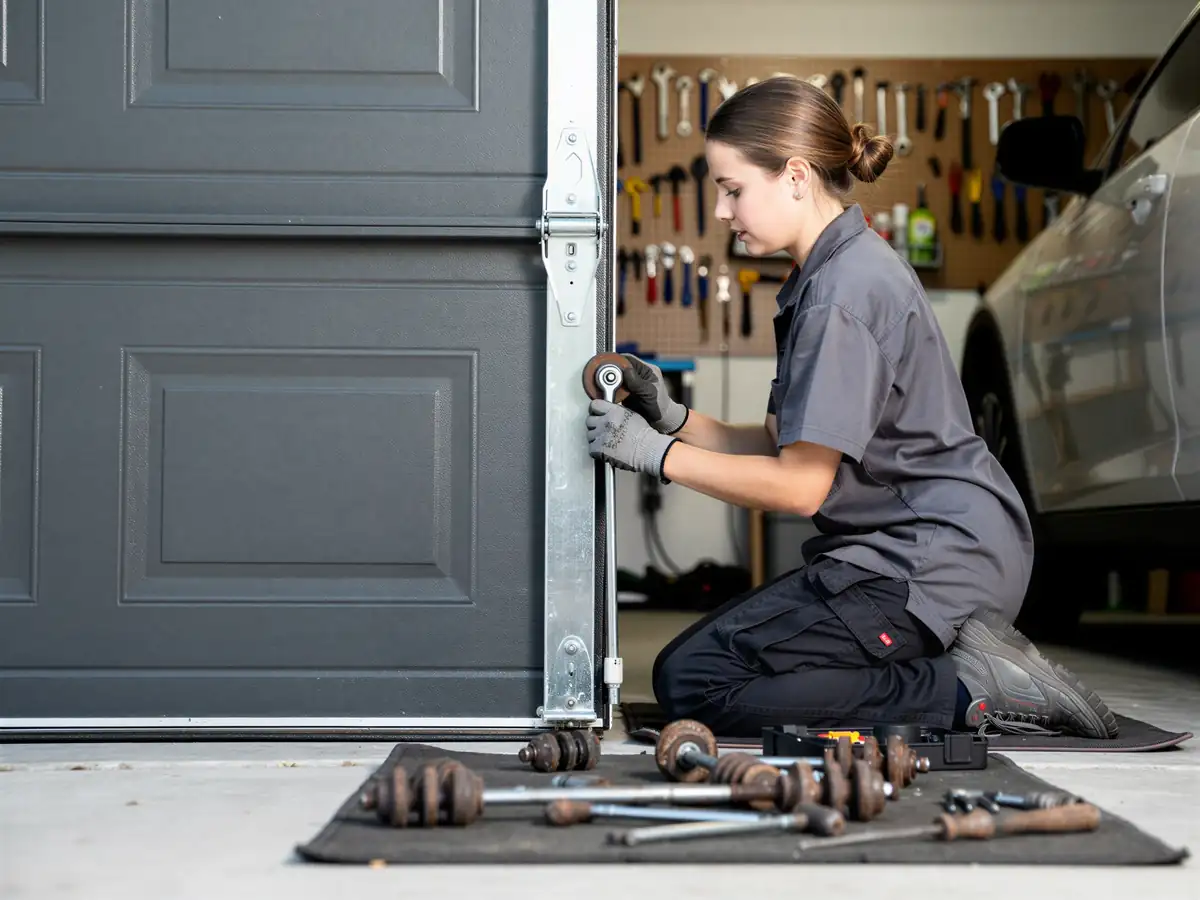
A lot of homeowners ask if they can install a new door themselves and save the labor cost. Hanging panels is doable for someone handy. Setting spring tension on a torsion system is not - a wound torsion spring under load has put people in the hospital, and it's the part most DIY installs skip or get wrong. If you're swapping a single panel on an existing track and keeping the old spring and opener, that's a smaller job and some owners manage it. If you're replacing the whole door, track, and spring together, which is what most installs here actually are, we'd rather you call us for that part even if you handle trim and paint yourself. That's not a sales line - it's where the injury reports come from.
What You Are Seeing
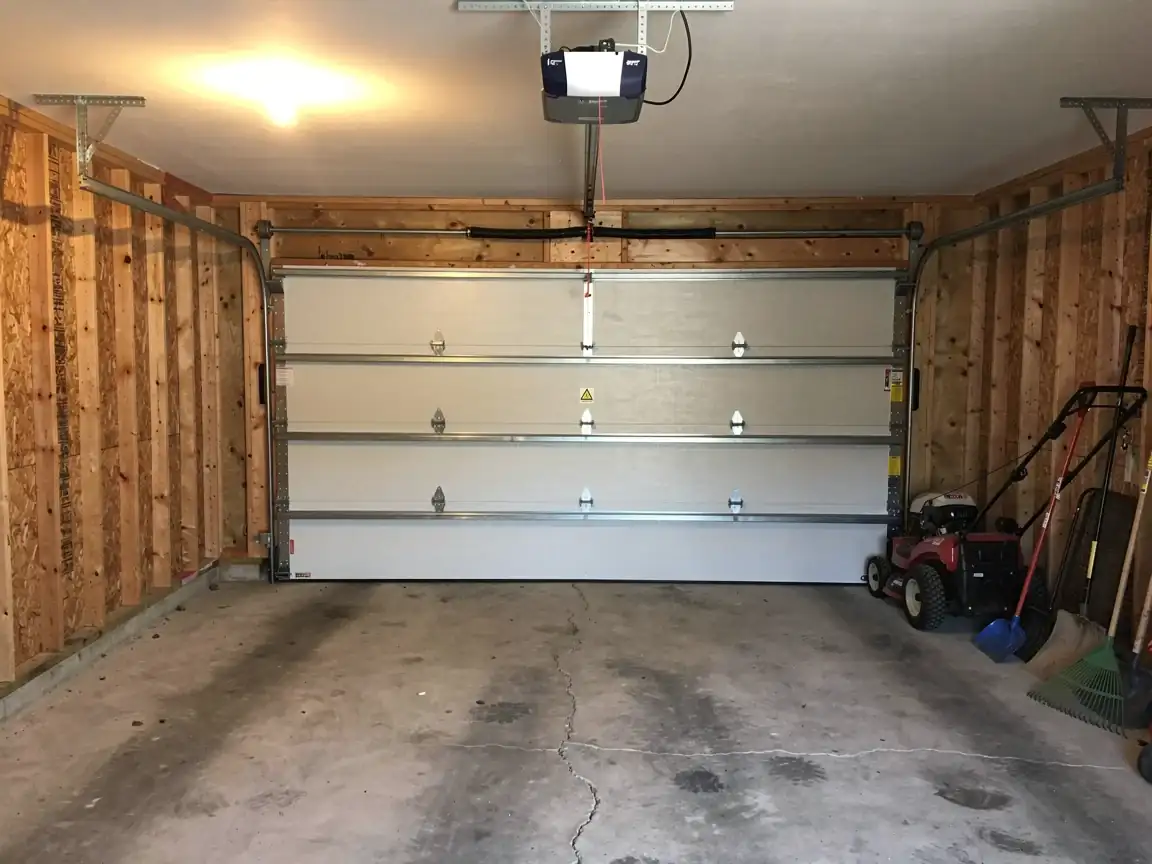
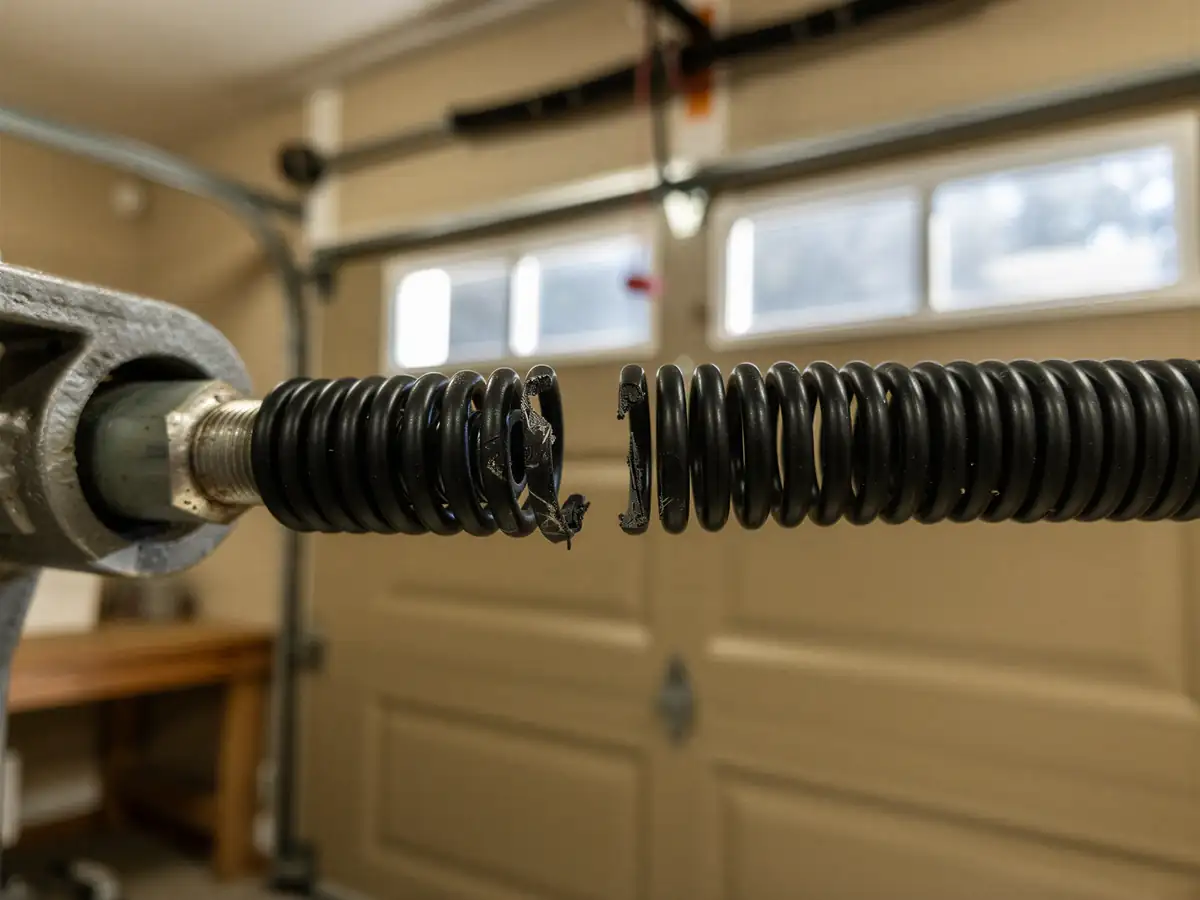
Houses in this area were mostly built between 1953 and 2005, with the bulk of the stock going up in the 1960s and '70s. That means a lot of original one-piece or early sectional doors still running on side-mounted torsion hardware that nobody manufactures replacement parts for anymore. If your door is sagging in the middle, binding halfway up the track, or the opener strains and reverses before it latches, you're not looking at a tune-up fix - you're looking at hardware that's older than the warranty on anything we'd sell you today. Rust bleed at the bottom panel, a track that's pulled away from the jamb, or a spring that's visibly stretched past its coil spacing are all signs the whole assembly is due, not just the symptom you called about.
Why This Fails Locally
This area sits in a mild temperate band - no freeze-thaw cycle to crack concrete or seize steel the way colder climates do, but steady humidity does its own damage over decades. Galvanized coatings on 1960s and '70s hardware thin out faster in sustained moisture than they would somewhere dry, and once that coating goes, the spring wire and roller shafts corrode from the inside of the coil out, which is why a spring can look fine and still snap. Combine that with housing stock built between 1953 and 2005 - median year 1975 - and you get a lot of doors running original or near-original hardware that was never rated for this many years of humid exposure. A straight panel replacement on top of that corroded track and spring just buys you a few more months before the next call. The honest fix, most of the time, is replacing track, spring, and door together rather than patching one piece and leaving the rest to fail next.
How it works
From “it’s stuck” to “it’s fixed”
1
Tell us what’s wrong
Describe the symptom - won’t open, loud bang, opener runs but the door won’t move.
2
On-site diagnosis
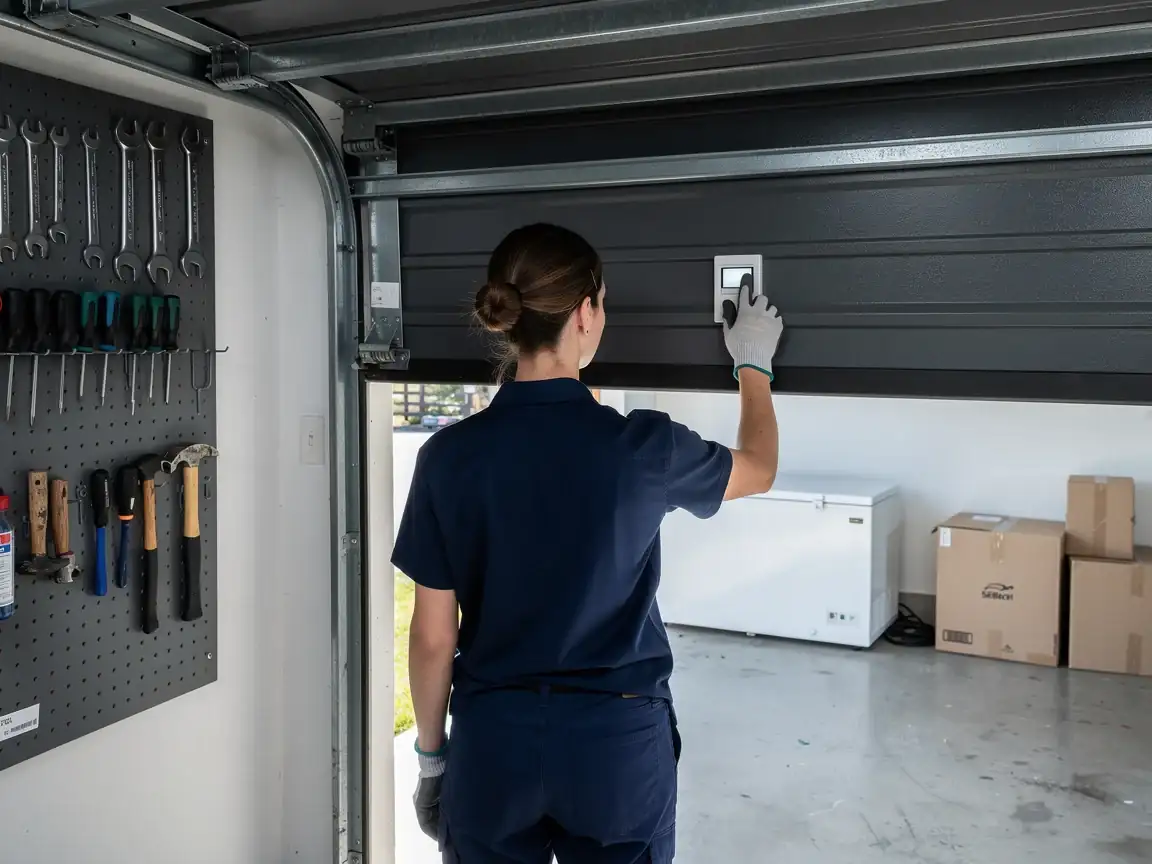
A technician tests the door under power and by hand and finds what actually failed.
3
Clear, up-front plan
You get the fix that’s needed and what drives the cost - before any work starts.
4
Repaired & tested
The repair is done, the door is set true and tested, and the work area left clean.
Not sure which repair your door needs in Plantation, FL? Describe what it’s doing - every job starts with a diagnosis.
How long does a full garage door installation take in Plantation?
Most single-door installs run half a day once the old door, track, and spring are stripped out. If the jamb needs rebuilding because of rot or an out-of-square opening - not unusual in houses from the 1960s and '70s - add time for that framing work before the new door goes in.
Do I need a new opener with a new door?
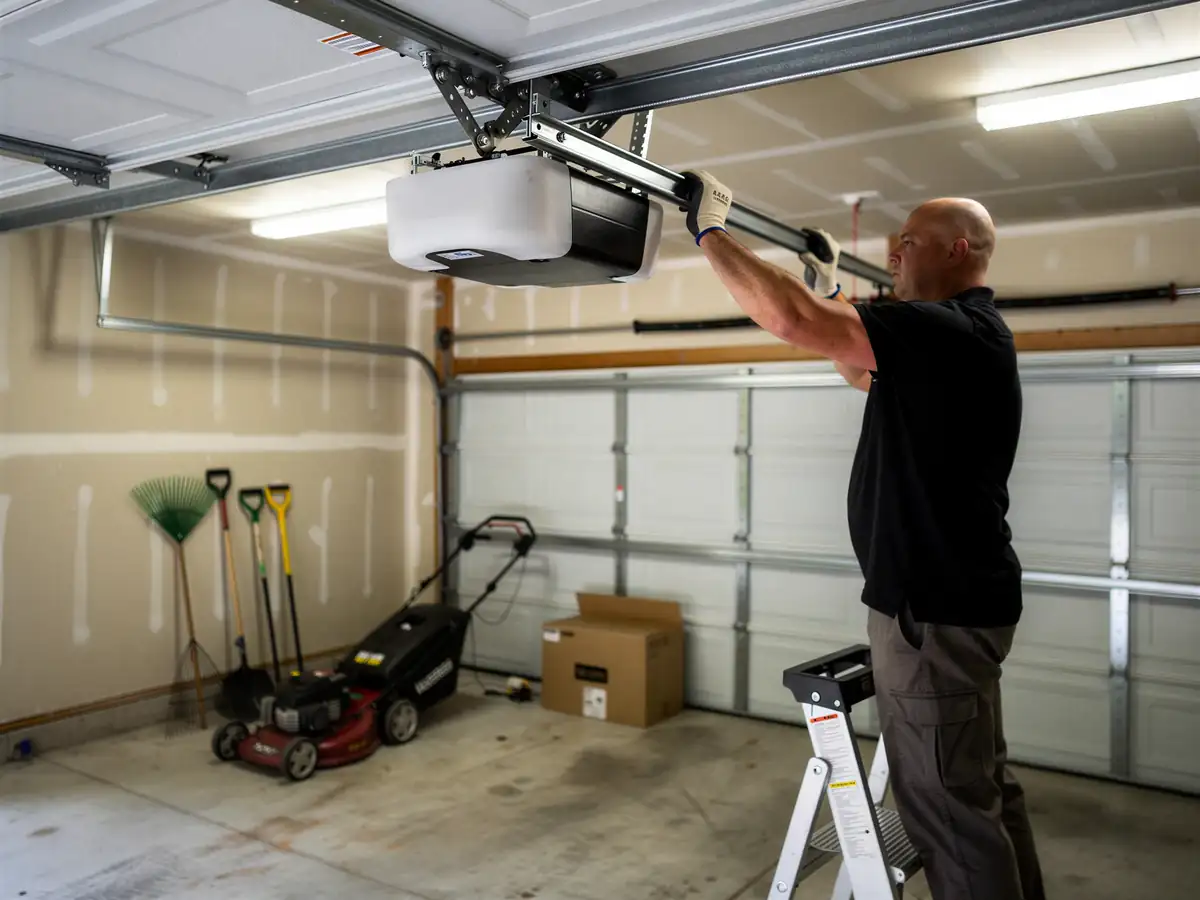
Not always. If your opener is newer than the door and still has the torque to lift the new panel weight, we can reuse it. We'll check the lift capacity against the new door's weight before we recommend keeping or replacing it - we won't sell you a new opener you don't need.
Why does my old door feel heavier than it should?
On houses from this era, that's usually a spring that's lost tension from years of humidity exposure, not a problem with the door itself. The opener is doing work the spring used to do, which is why it strains and sometimes won't close all the way.
Ready to get your garage door sorted?
Tell us what it’s doing and where you are in Plantation - we’ll take it from there.