The DIY Question
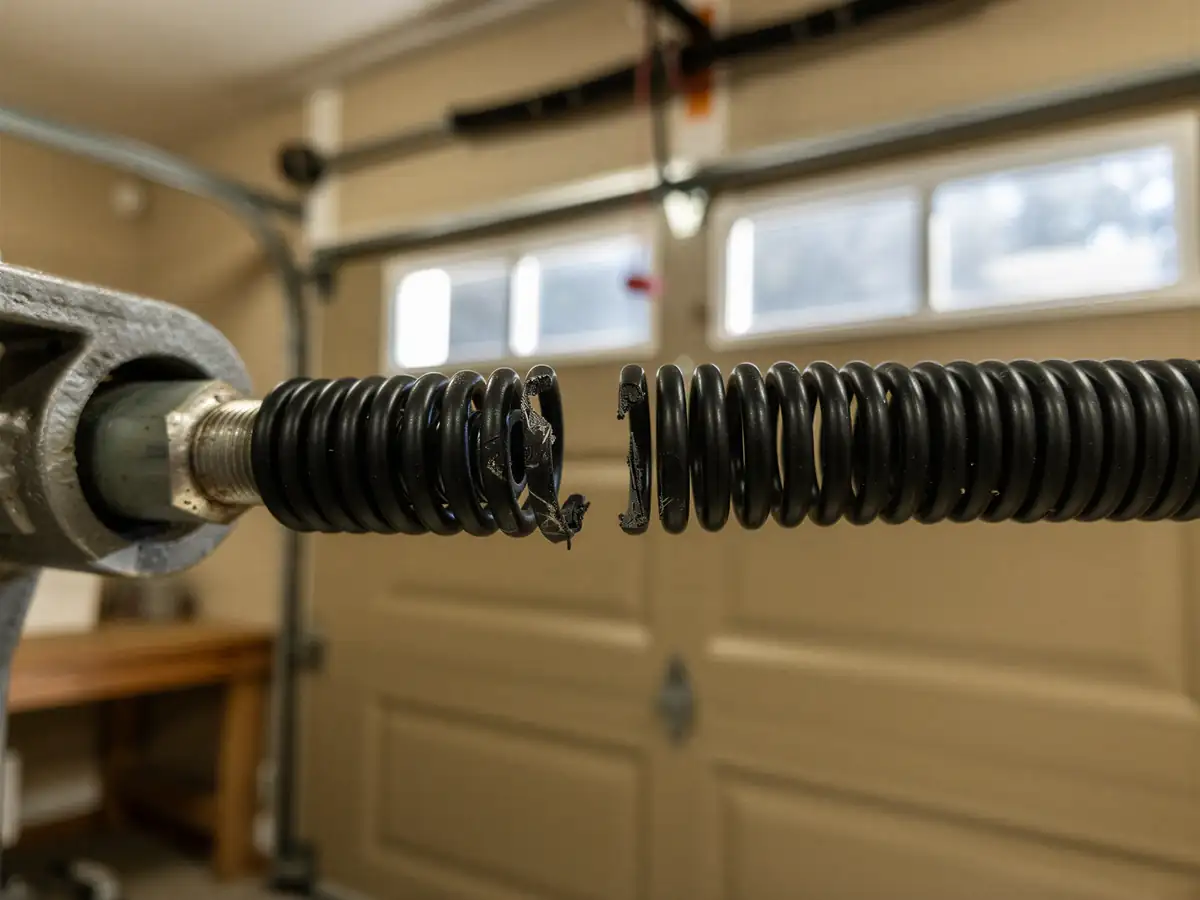
A torsion spring holds the full weight of your door under tension
And that tension doesn't care how handy you are. We understand the pull to try it yourself, especially on a door that's otherwise in good shape, but this is the one garage door job where a mistake doesn't mean a redo - it means a trip to urgent care. The winding bar, the unwinding cone, the clamping of the shaft before you touch a bolt: none of it is forgiving.
It matters more here than it would on an older door
Parkland's housing stock has a median build year of 2005, right at the newer edge of the broader 1953-2005 range across this service area. That means most garages still have their original builder-grade torsion hardware, now pushing twenty years of daily cycles. A spring that old doesn't always fail with a loud bang - sometimes it just loses enough tension that the opener starts straining, which fools people into thinking it's an opener problem and not a spring that's quietly dying. If your door feels heavier than it used to, or the opener groans on the way up, that's the spring, not the motor.
How We Fix It
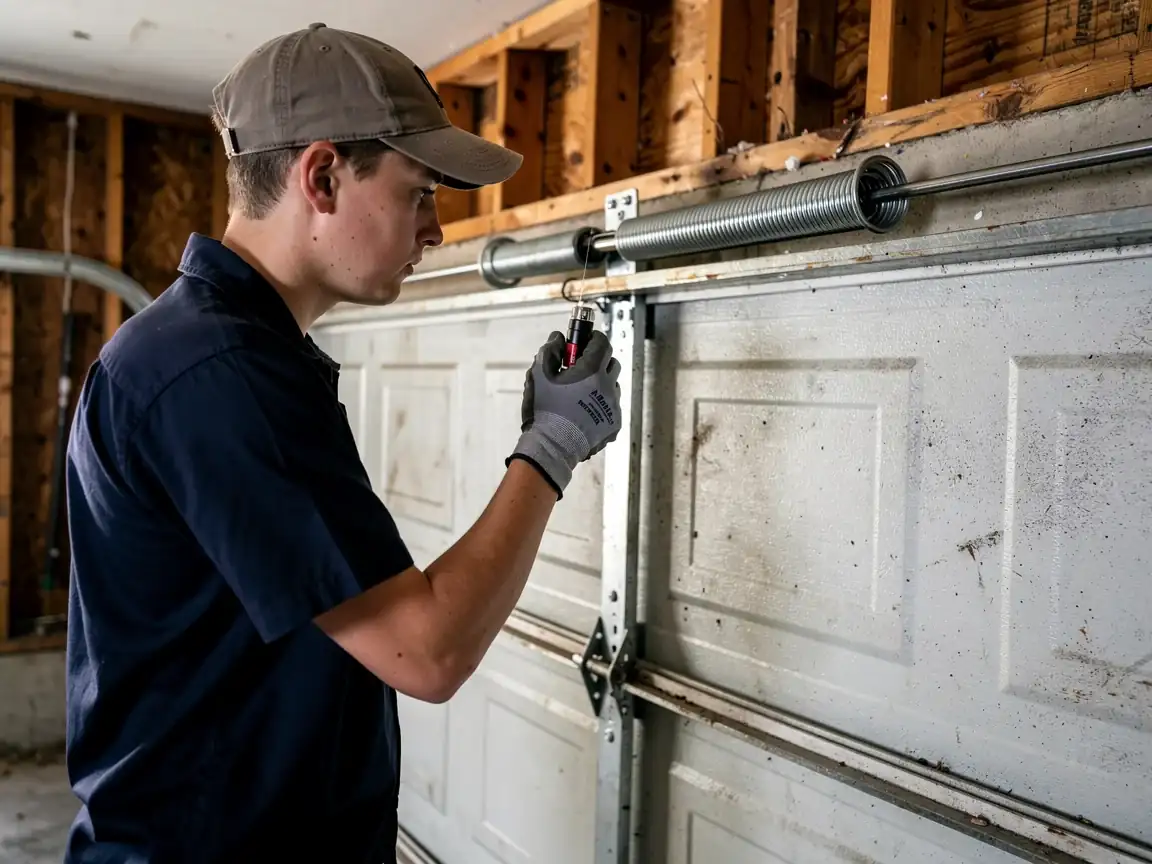
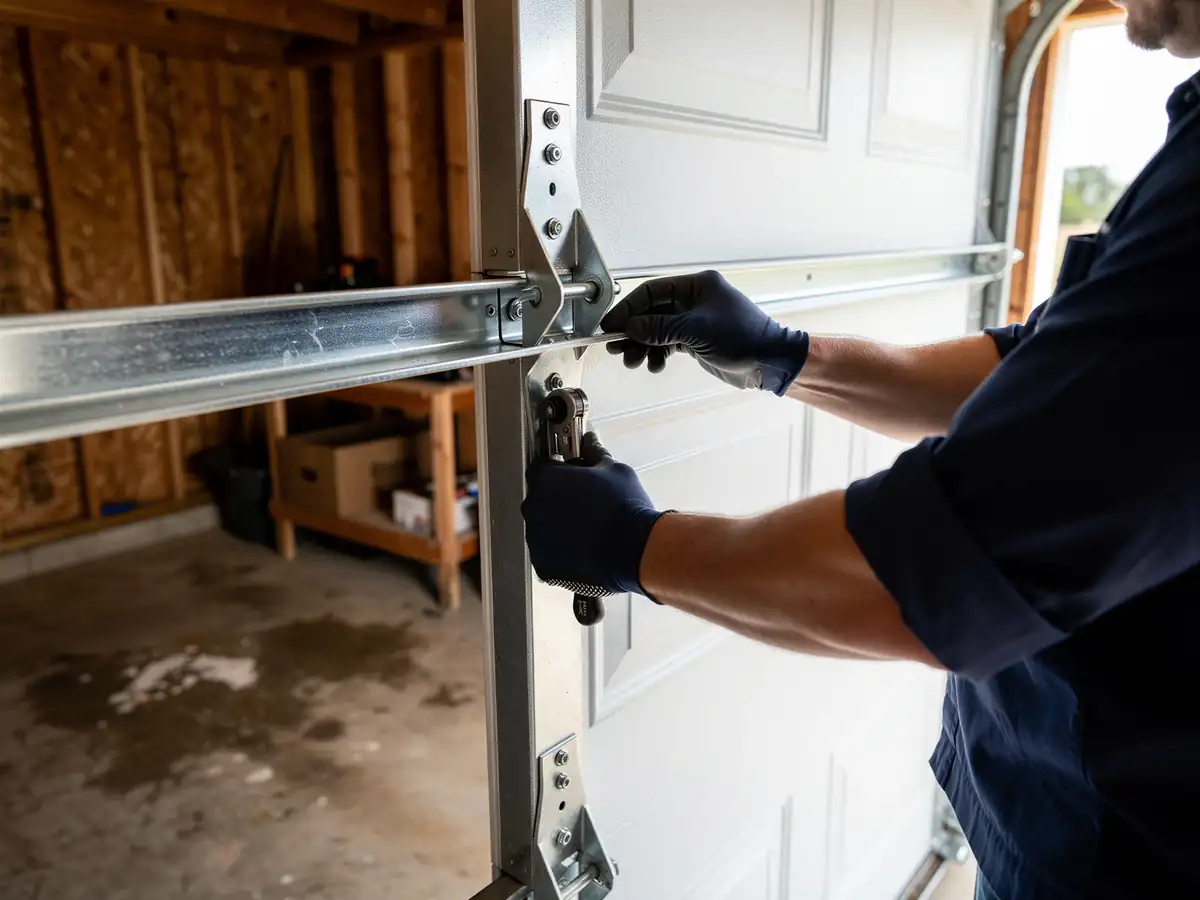
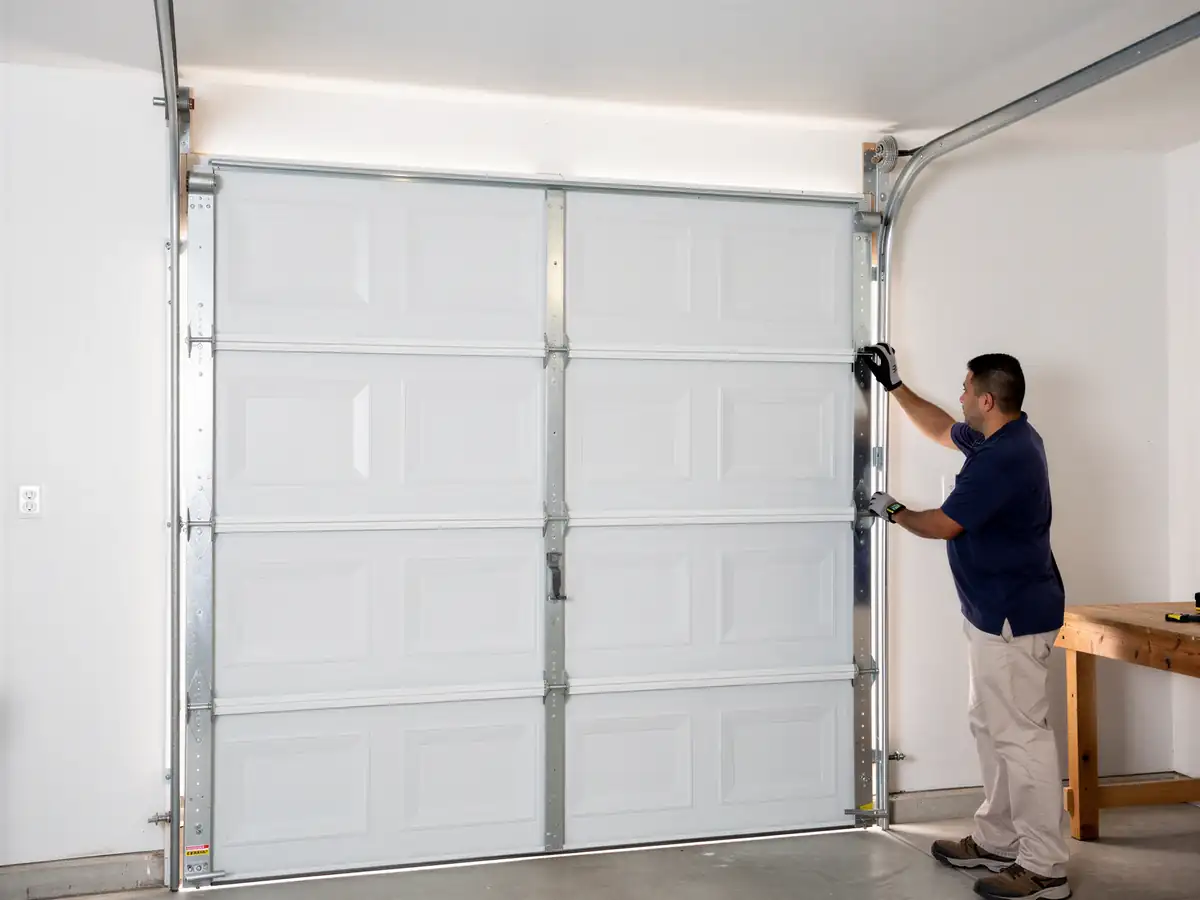
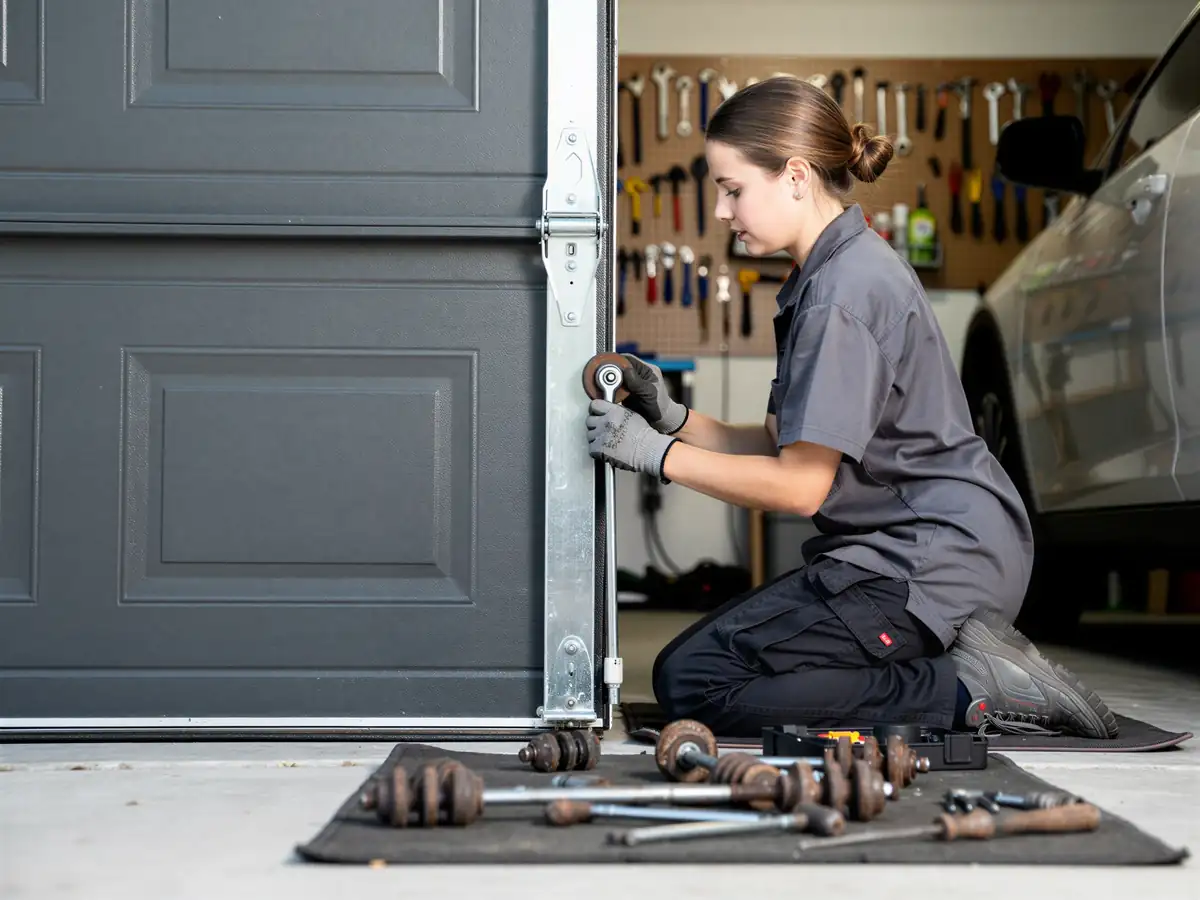
We pull the door's weight and current spring wind before touching anything, because builder-grade springs from 2005 were sized for the door that shipped with the house - not necessarily the door that's on the track now. We replace the broken or worn spring with one matched to the actual door weight, set the correct number of turns on the winding cone, and check the cable drums and bearing plates while the system is open, since a spring failure often stresses those parts too.
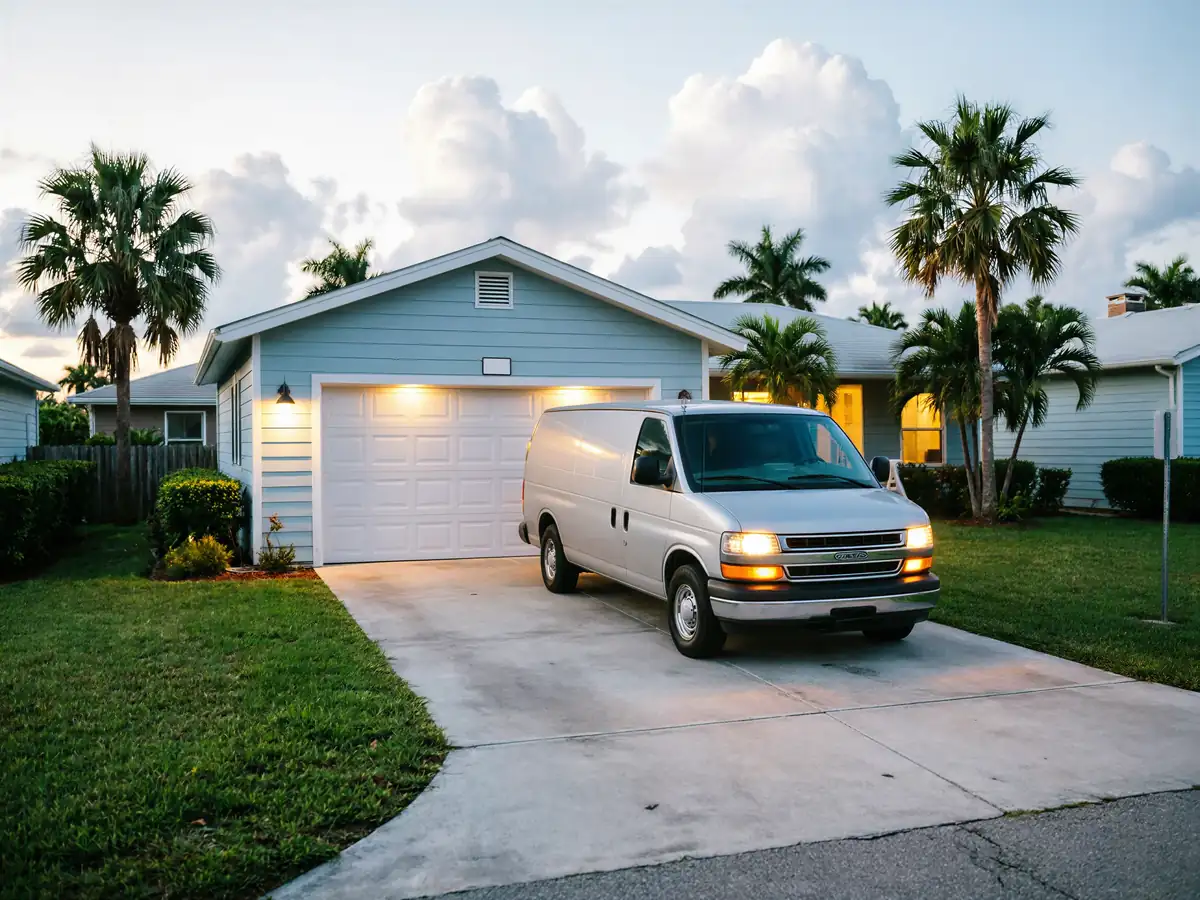
We make the drive out from Plantation, 14 miles, carrying stock sized for the torsion setups common on doors from this build era rather than a one-size default. If the drums or the torsion tube show wear from the old spring's imbalance, we'll say so before we close it back up - we're not going to quietly replace a spring and leave a bent tube rattling under it.
Why This Fails Locally
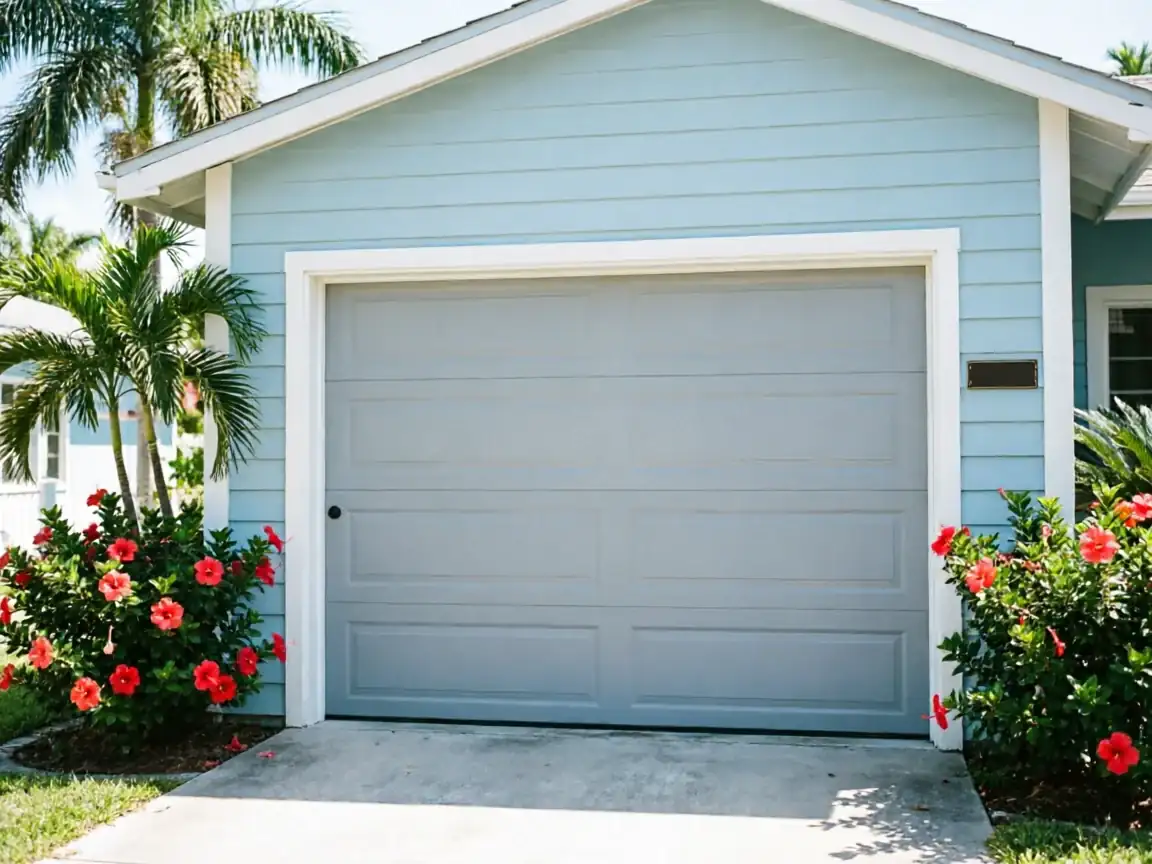
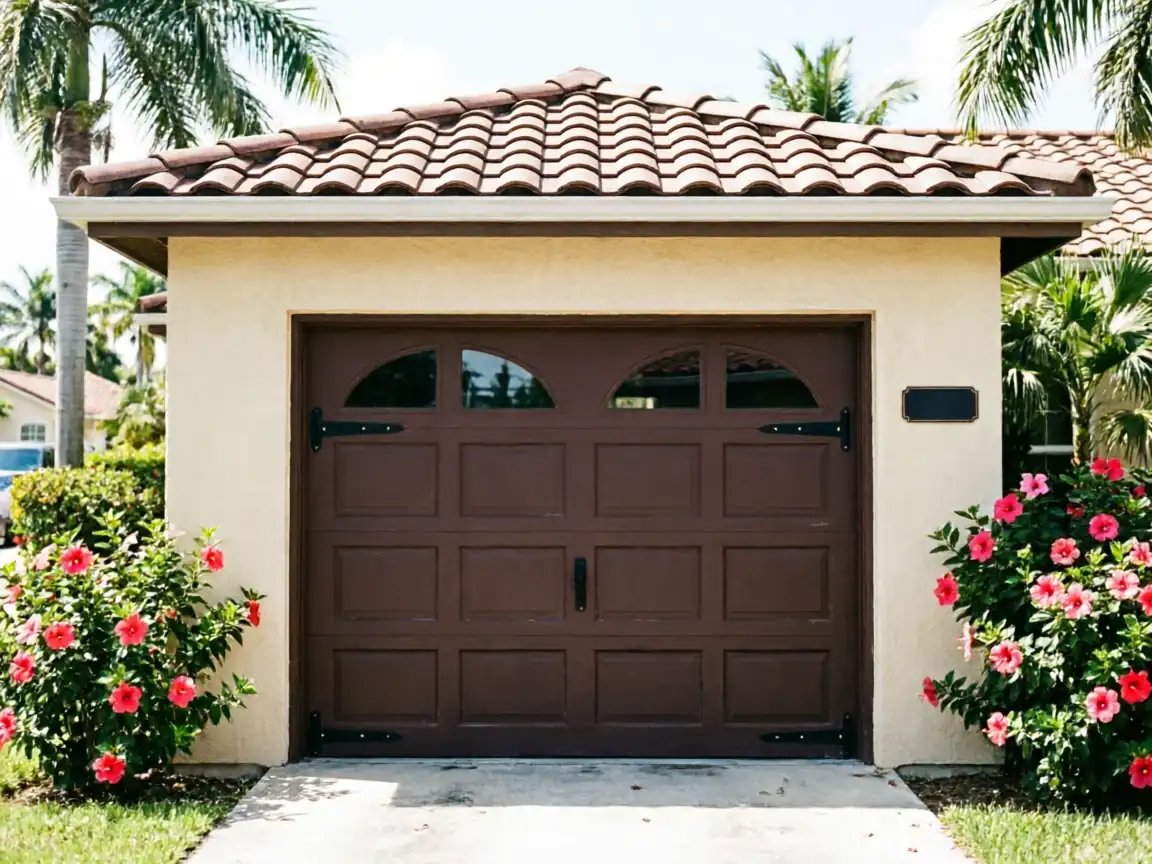
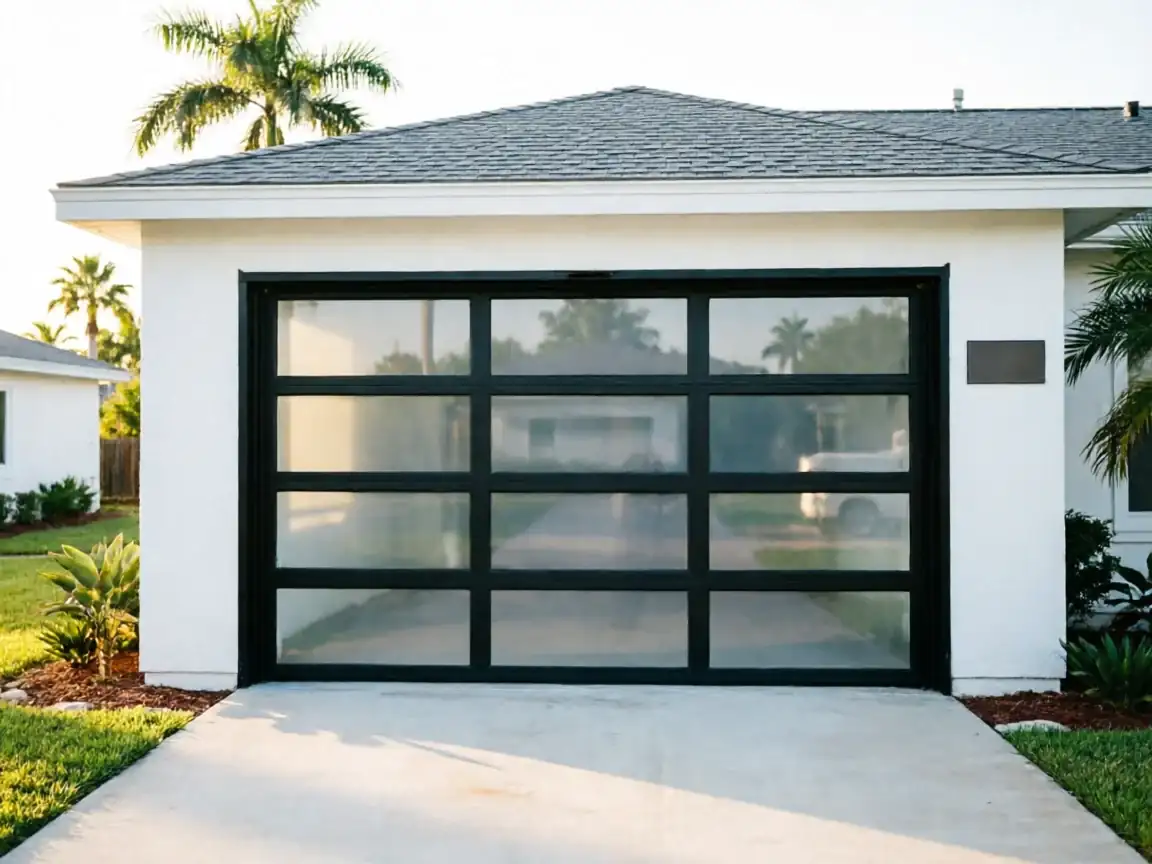
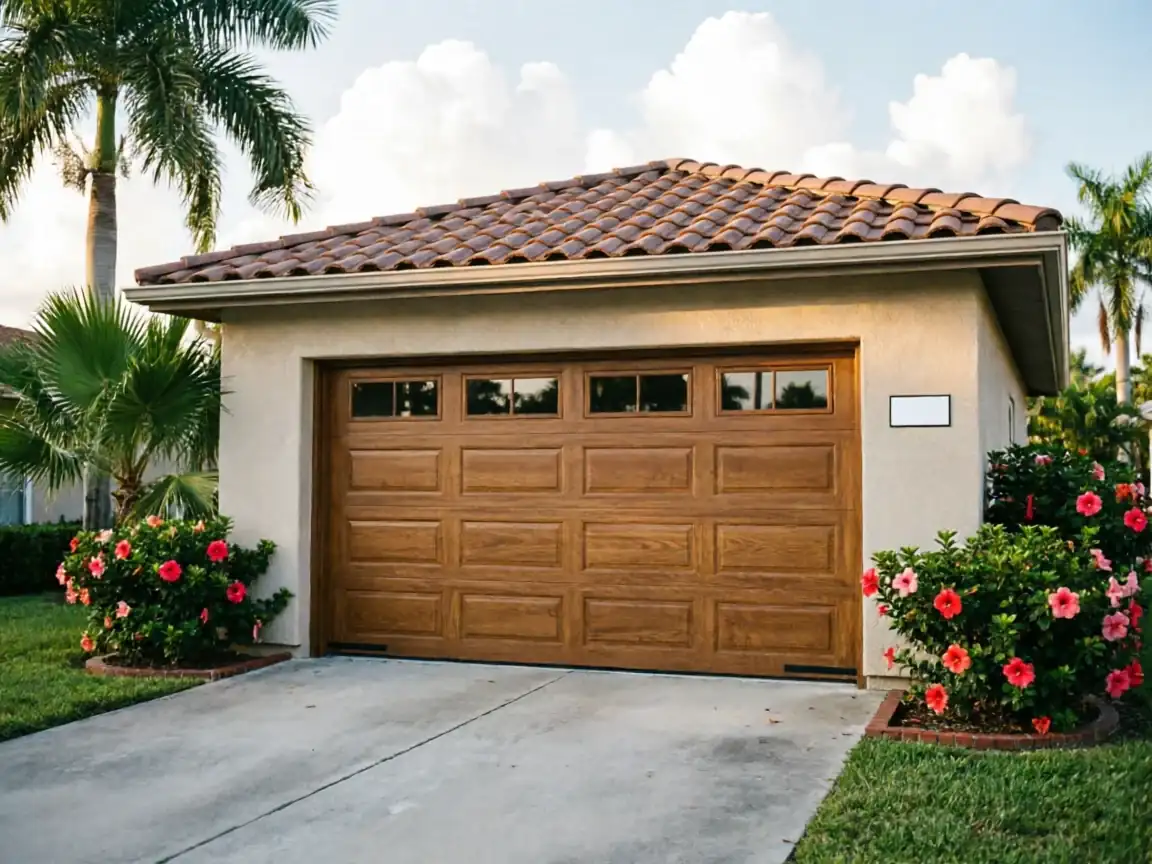
Parkland's median household income sits at $200,156, well above the $60,853 median across the wider service area. In practice that shows up on the garage door itself: a lot of these houses have had their original flat steel door swapped for a heavier insulated or carriage-style door at some point after 2005, without anyone checking whether the torsion spring underneath got upgraded to match. The spring keeps working for a while under the added weight, then wears out faster than it should have.
The climate here is mild temperate, so Parkland springs aren't snapping from a hard freeze the way they might somewhere with real winter. What kills them is cycle fatigue and heat-cycling on the galvanized coil, day after day, for twenty years. With roughly 10,828 households in Parkland - a small, newer slice of the territory we cover from Plantation - this isn't a huge call volume for us, but it's a predictable one: original-era springs reaching the end of their rated life around the same stretch of years.
What Can Go Wrong
A spring that finally lets go doesn't always do it cleanly
On a double door, if one of the two torsion springs breaks and the other is still under full tension, the door can rack sideways on the tracks as it comes down unevenly. We also see cables jump their drums when a spring snaps mid-cycle, which can bend the drum or chew up the cable itself - a cheap part that turns into a bigger repair if it's ignored.
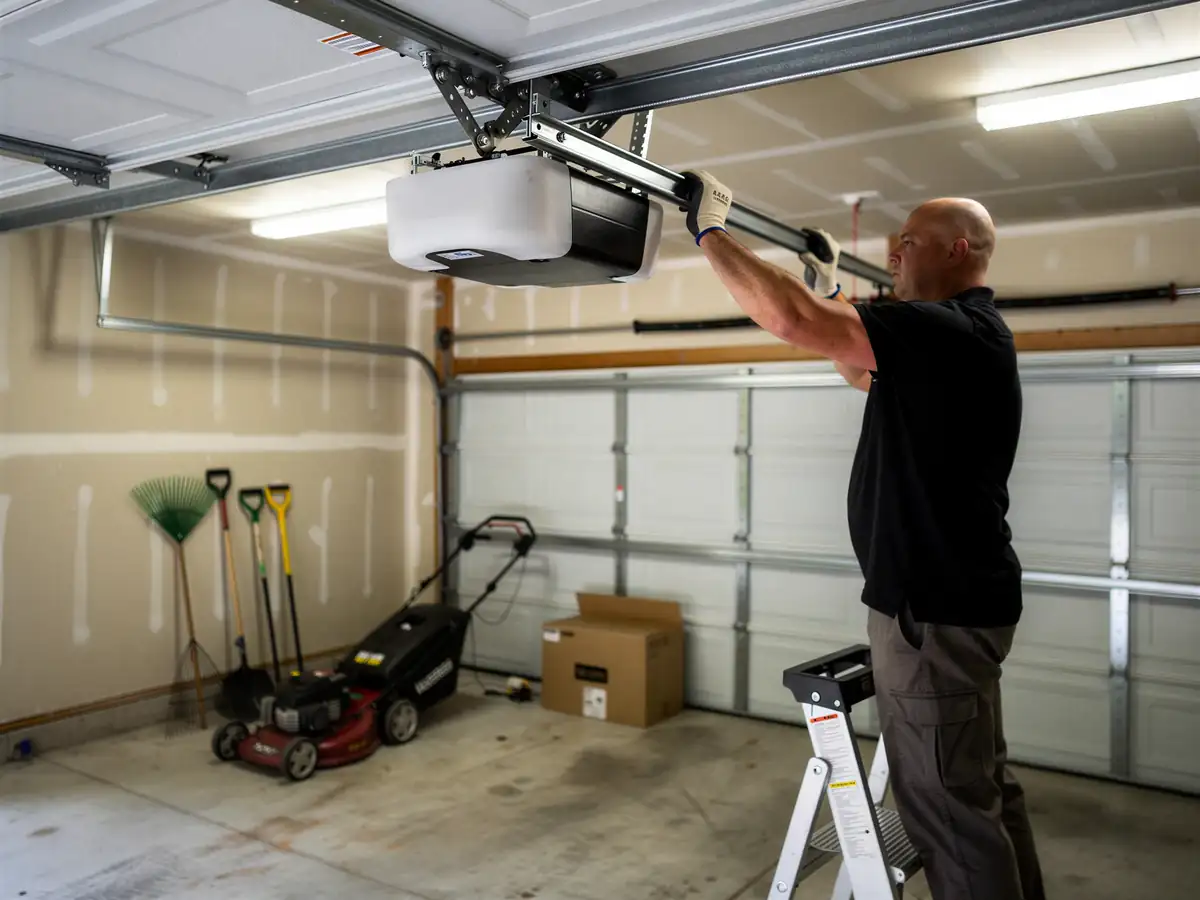
If the door's been running on a weak or failing spring for a while, the opener's gears take the extra load instead
And we've seen that wear down a drive gear that otherwise had years left in it. We'll flag any of this during the visit rather than assume the spring was the only problem.
How Long It Takes
A straight spring swap on a standard torsion setup is a same-visit job once we've confirmed the door weight and the right spring size - we don't guess on that step, which is the one honest place a job can run long if the original hardware turns out to be nonstandard. If the drums, cables, or torsion tube need replacing alongside the spring, that adds time and parts aren't always something we carry on the truck for less common setups, which can mean a short wait. We'll tell you up front if that's the case rather than start a job we can't finish that day.