How to Book
Booking starts with a few basic details
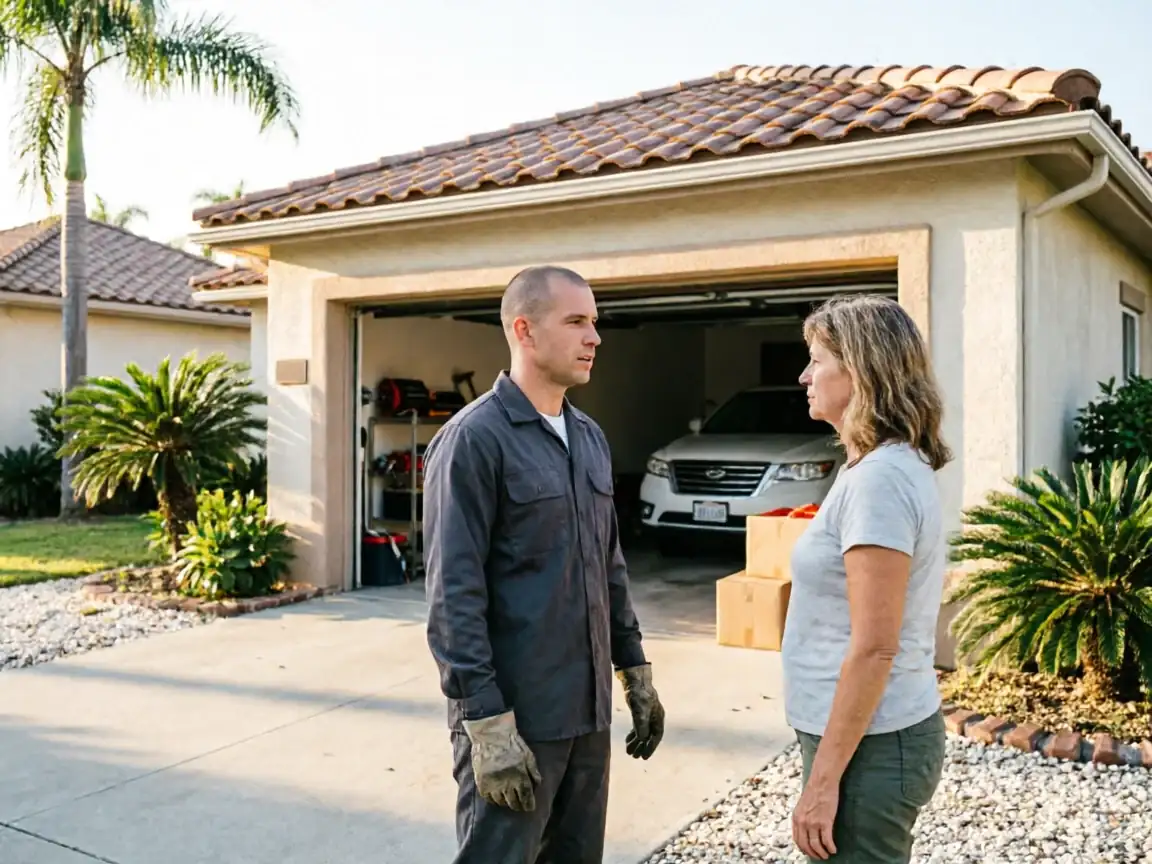
The door's brand if you know it, roughly how old the house is, and what the door is doing wrong - won't open, drifts sideways, makes a bang when the spring lets go. You can send that through the site and we'll get back to you with a time.
We ask about the house's age because it tells us most of what we need before we even pull into the driveway
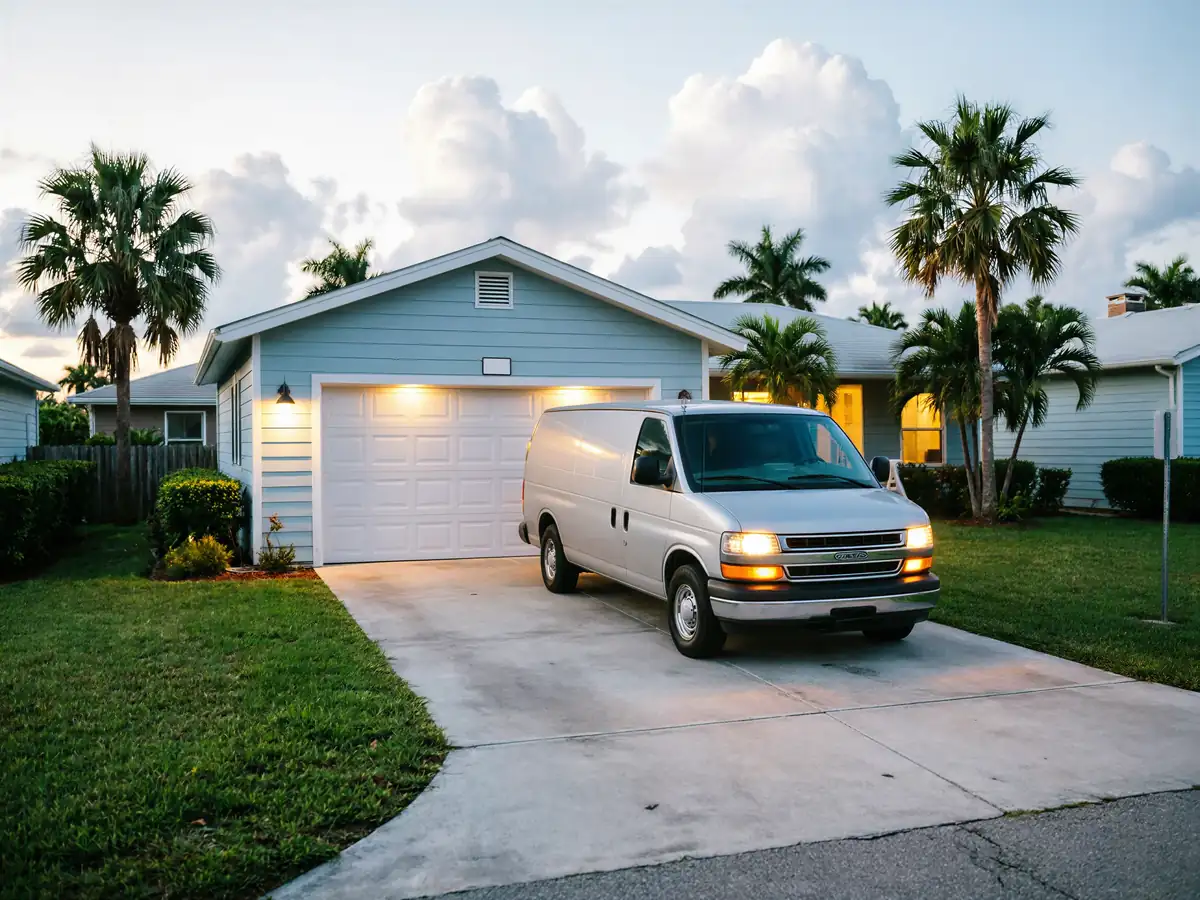
A door installed when the house was built in the 1960s or 70s is a different job than one replaced ten years ago. Knowing that up front means the truck shows up with the right torsion spring size and the right opener parts instead of a guess.
If you're not sure of the age, check your last home inspection report or county property record
Most owners in this part of Plantation can pull that in a minute. We don't do emergency dispatch outside scheduled visits, so if the door is stuck open with a car trapped inside, say so when you reach out and we'll prioritize accordingly within our booking slots.
One limitation worth stating plainly: we don't stock every opener model on the truck
If your unit is an older or less common brand, there may be a short wait on a specific part.
The DIY Question
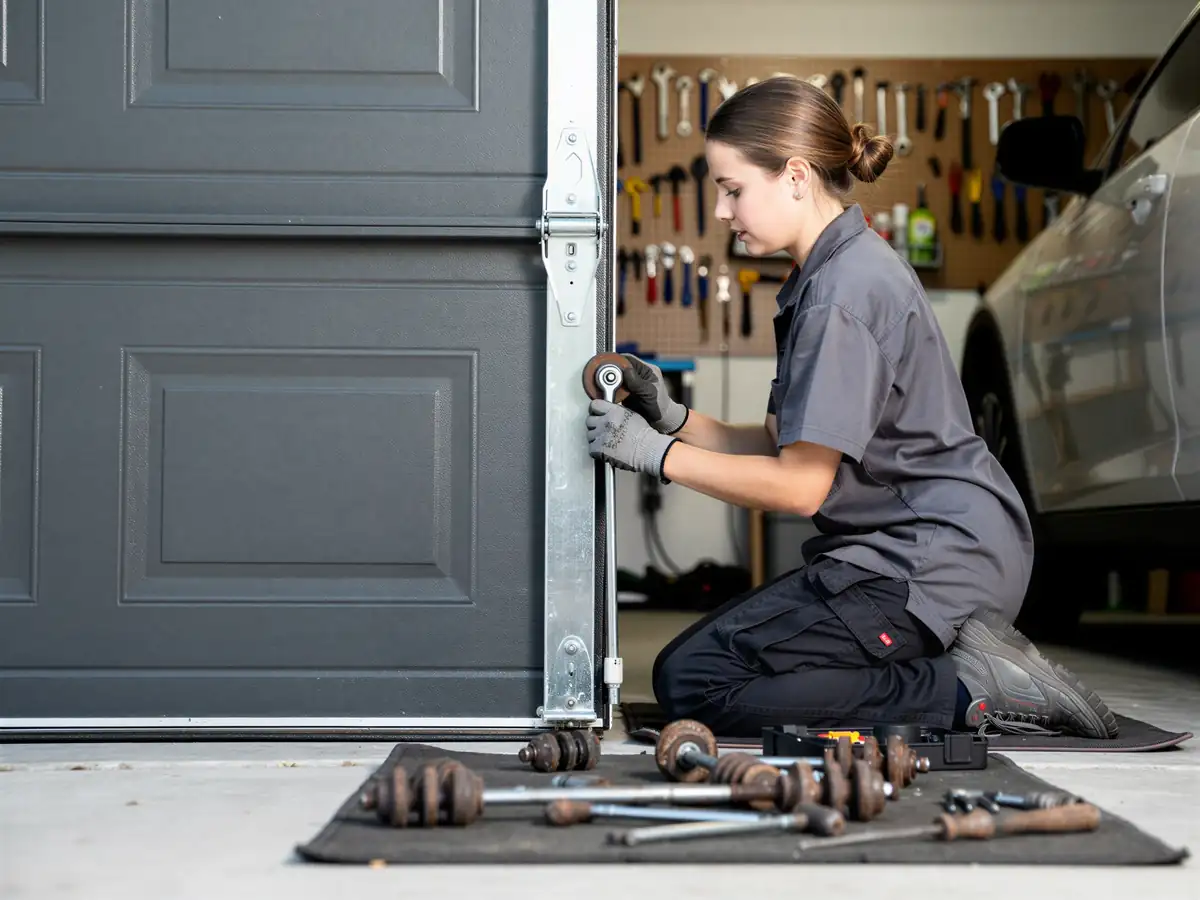
Some of this is fair to do yourself. Tightening loose hinge bolts, lubricating rollers, clearing track debris - none of that needs a technician. If your door is noisy but still opens and closes evenly, a can of garage-door lubricant and twenty minutes will fix more than people expect.
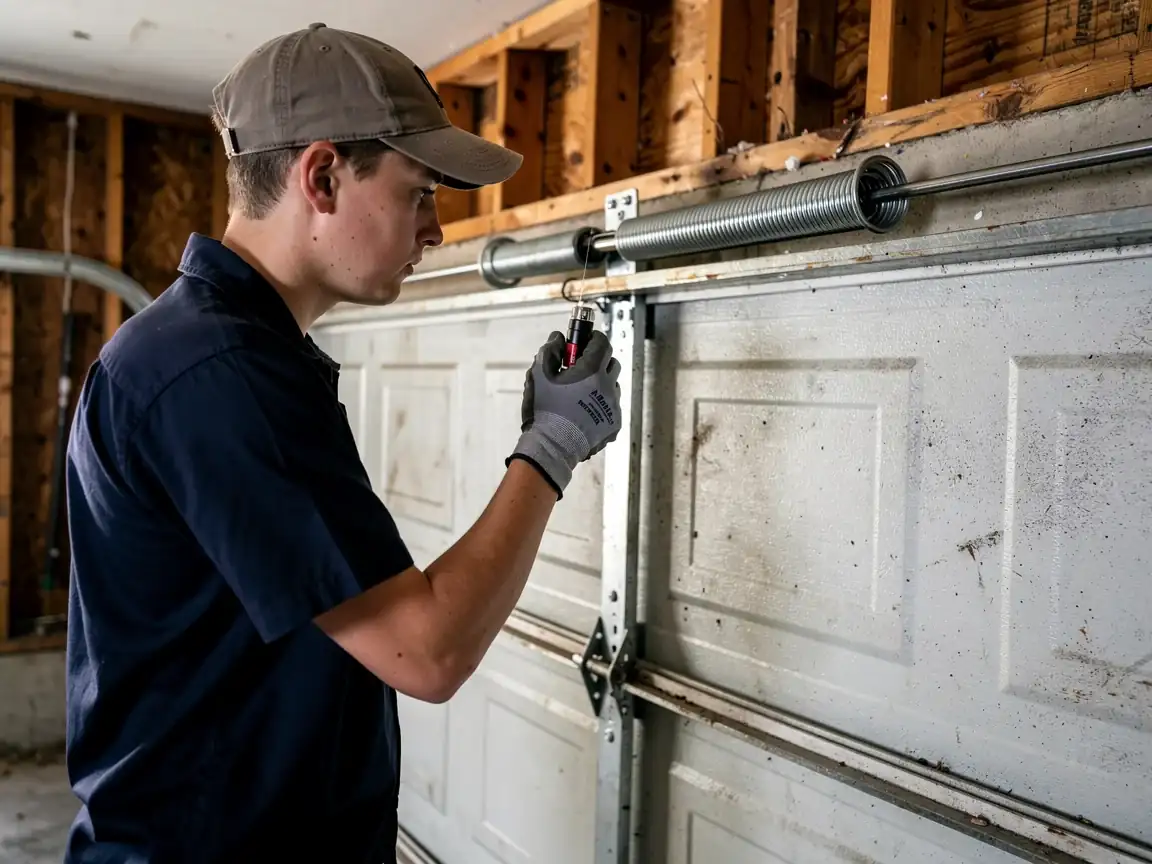
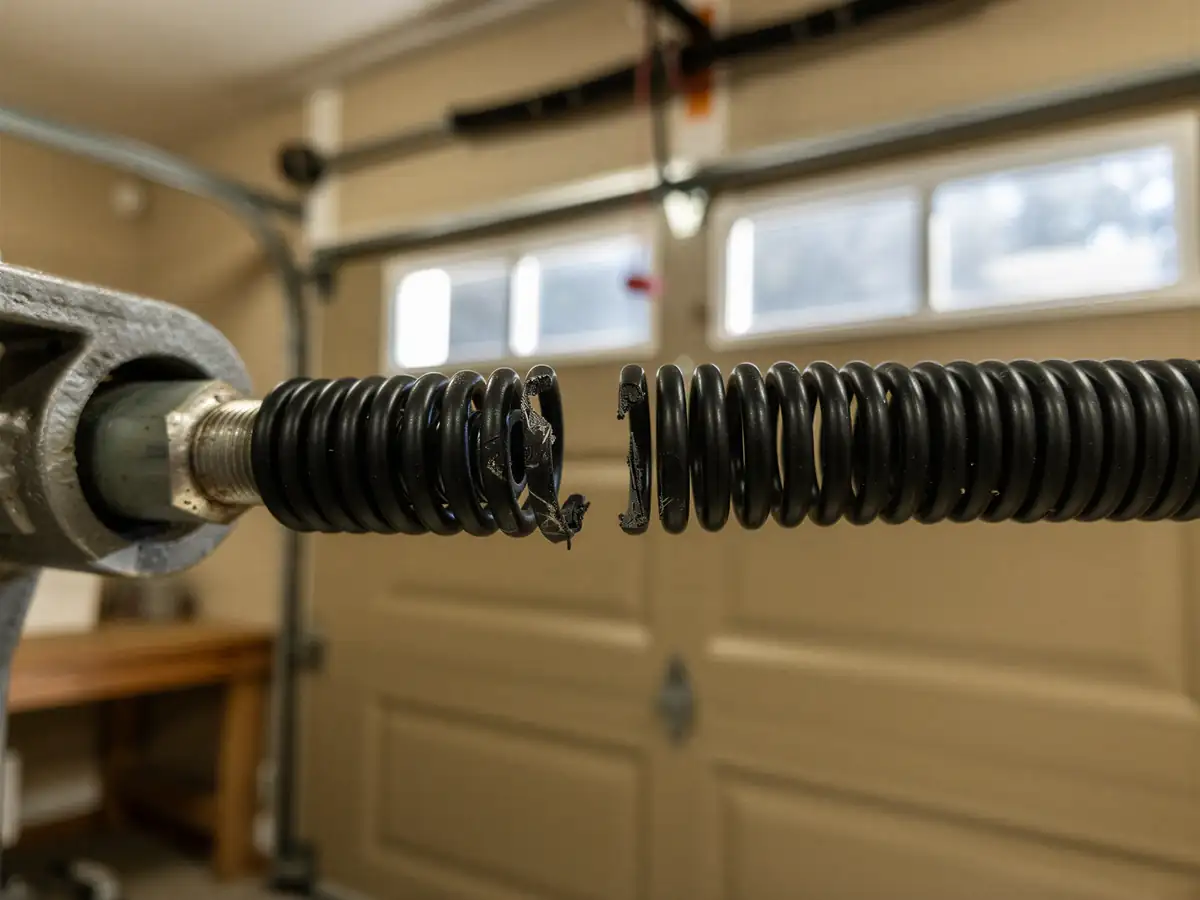
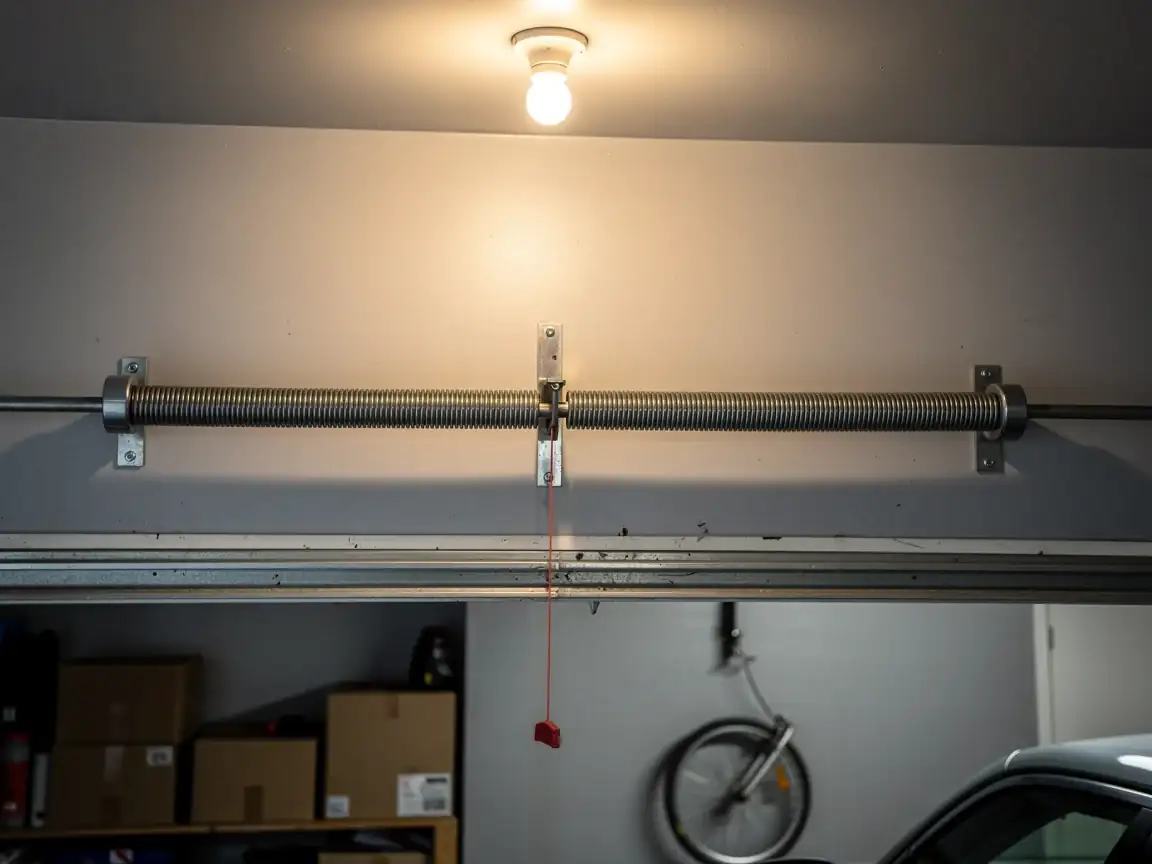
What you should not touch is the torsion spring. It's wound under enough tension to break a wrist or worse, and the tools to do it safely aren't the ones sitting in a typical garage. If the door won't budge, or one side is noticeably lower than the other when it's halfway up, that's spring tension doing something it shouldn't, and it's not a project for a Saturday afternoon.
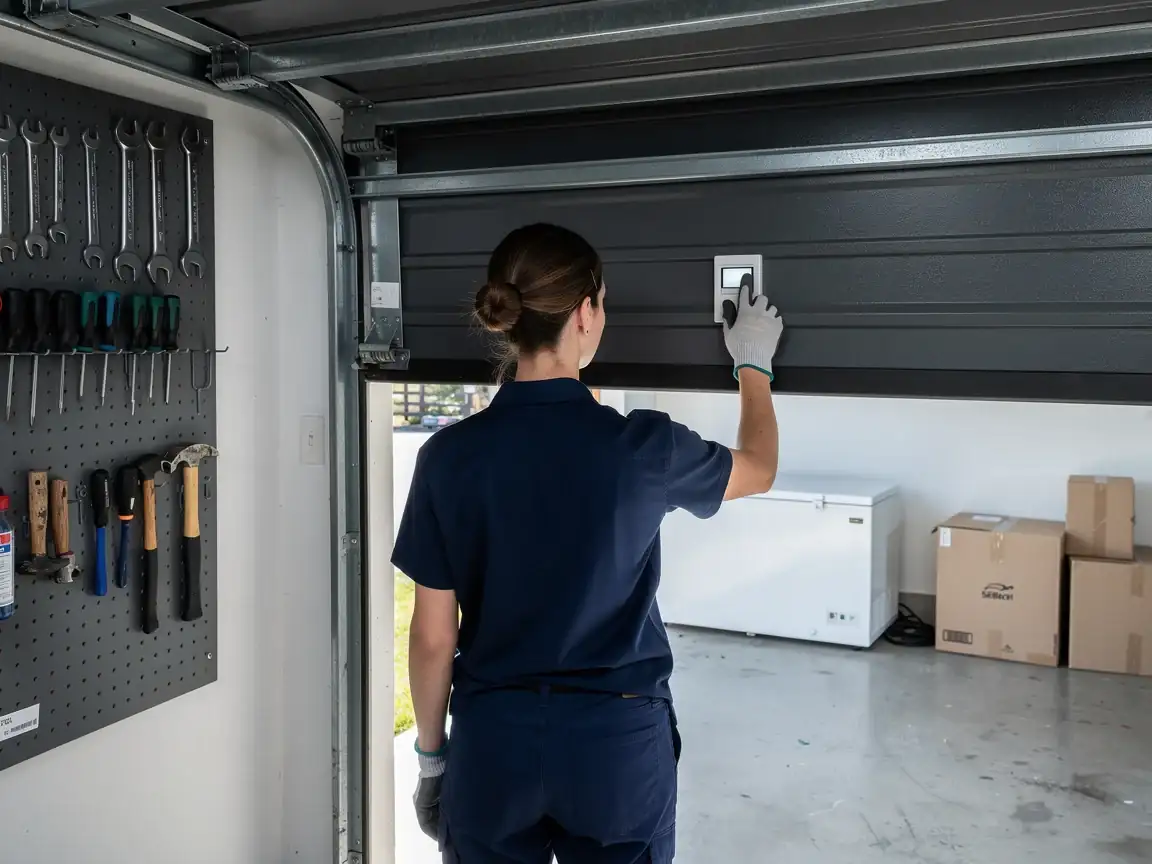
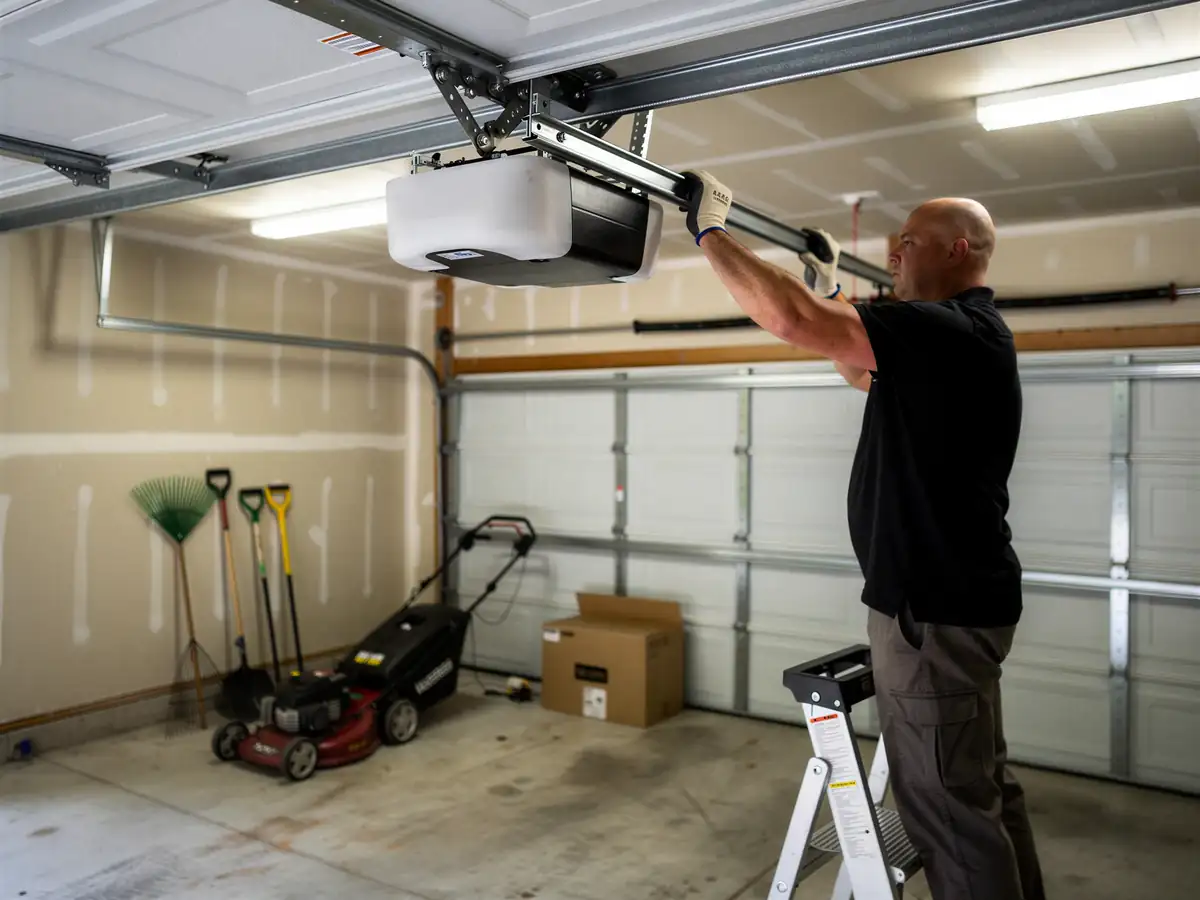
The honest middle ground is the opener logic board. Owners sometimes swap it themselves after watching a video, and about half the time the real problem was a misaligned safety sensor or a worn limit switch, not the board at all. You end up buying a part you didn't need.
If you're the kind of owner who already has a torque wrench and a winding bar and knows how to use them, that's a different conversation - but for most houses in this area, the spring and the opener's internal wiring are the two things worth calling in for.
What You Are Seeing
A lot of what we get called out for in Plantation falls into a narrow pattern: a torsion spring that's lost tension gradually rather than snapping outright, so the door feels heavier every month until one day the opener can't lift it at all. Houses here were mostly built between 1953 and 2005, with the typical build year landing around 1975, and that means a sizable share of the garage hardware out there is original or close to it - springs, drums, and center brackets that have been doing the same job since before most of today's owners bought the house.
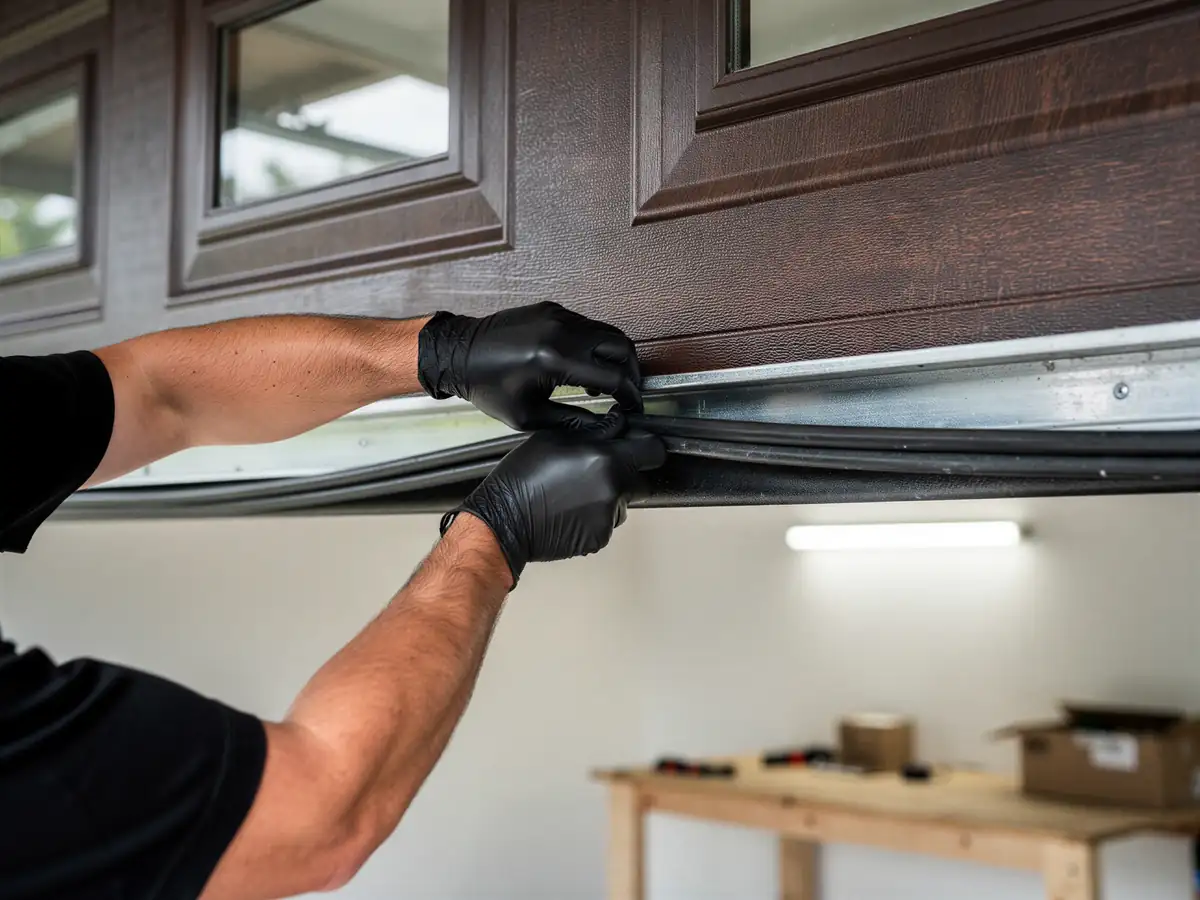
The other thing we see constantly is track hardware with surface rust at the bolts and hinges, even on doors that otherwise look fine. That's not neglect. It's the climate. Plantation sits in a mild, temperate band - no hard freezes, but steady humidity all year that slowly works on unprotected steel fasteners. On a door that's twenty or thirty years old, that shows up as a track bolt that's seized rather than snapped, which changes how we approach the repair.
Opener boards from the 1980s and 90s show up too, usually with a sensor that's drifted out of alignment rather than failed outright - a five-minute fix once we're there, but hard to diagnose over the phone.
Why This Fails Locally
This isn't a generic garage door problem
It's tied directly to when and how this area was built. With housing stock running from 1953 through 2005 and a median build year around 1975, Plantation has a deep pool of doors that were installed with hardware standards from decades ago: lighter-gauge torsion springs, fewer safety cable retrofits, openers without modern auto-reverse logic. None of that was wrong when it went in. It's just old now.
Across the roughly 114,663 owner-occupied houses in this broader service area
A large share were built in that same 1960s-to-70s window, which is why we see the identical spring-fatigue pattern on one street after another rather than as an isolated fluke. The mild climate compounds it in a quieter way - without freeze-thaw cycles, people assume their hardware ages slowly, but constant humidity corrodes fasteners and dries out factory lubricant on its own timeline, independent of temperature swings.
- 114,663 owner-occupied
With a median household income of $60,853 across the area
Most owners we talk to want a clear repair-versus-replace number before committing, not an upsell. On a door from the 1975 era with original springs, a spring replacement usually makes more sense than a full door swap - the panel steel is often still sound even when the lift hardware isn't.
- $60,853 median household income