How to Book
A maintenance visit isn't an emergency call, so you don't need to treat it like one
Head to our booking page (/) and pick a day that works for your schedule. We ask a few questions up front about the door's age and whether it's making noise, sticking, or just overdue for a look, so the truck that shows up has the right springs and rollers on it instead of guessing.
If you've never had the door serviced since it was installed, say so when you book
A door that's gone 15 or 20 years without a tune-up needs a longer visit than one we've already seen every year or two, and we'd rather plan for that than rush it.
- 20 years
We cover the full service area out of this location, not just the immediate neighborhood
So if you're not sure whether your address falls inside it, ask when you call rather than assume either way. One honest limit: we don't do same-day emergency spring replacement as part of a maintenance booking - if the door is already off its track or the spring has let go, that's a separate call, not a tune-up.
The DIY Question
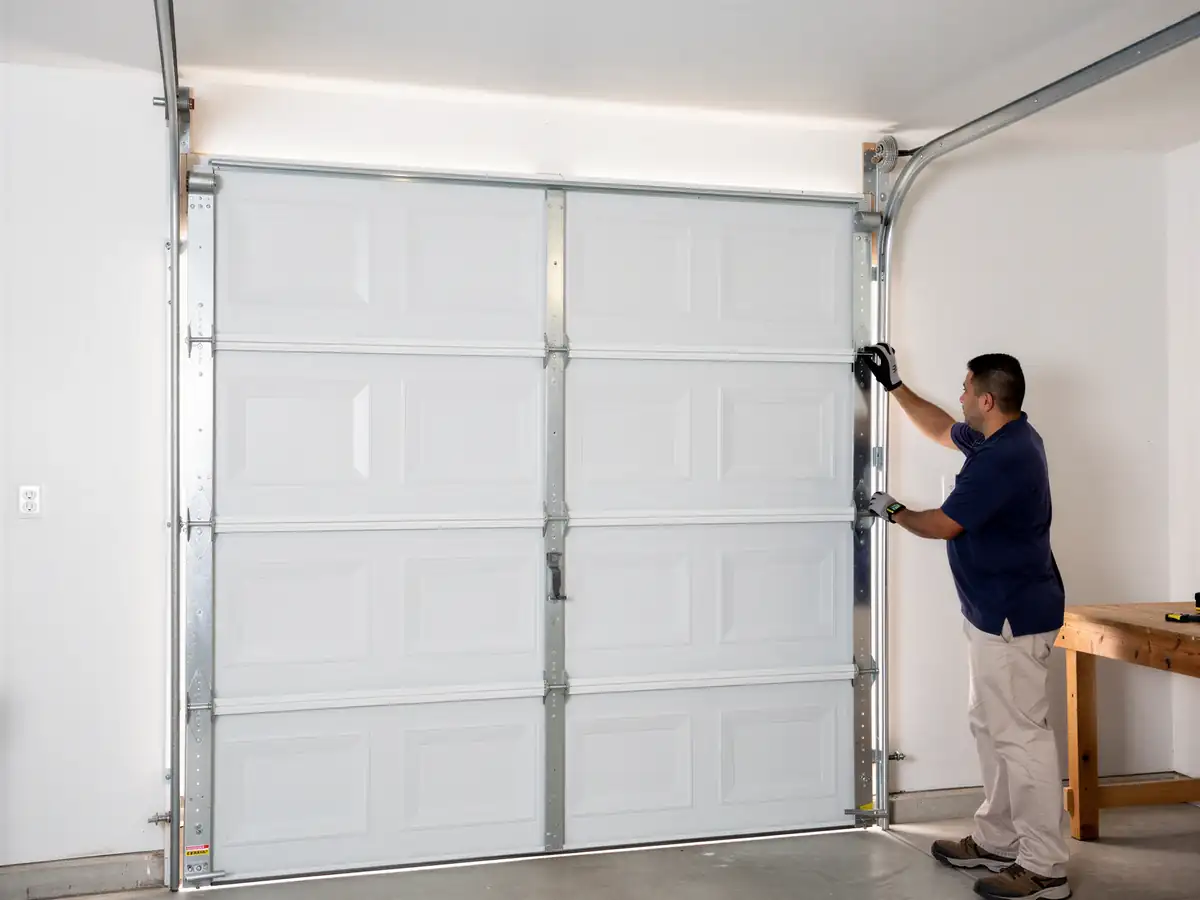
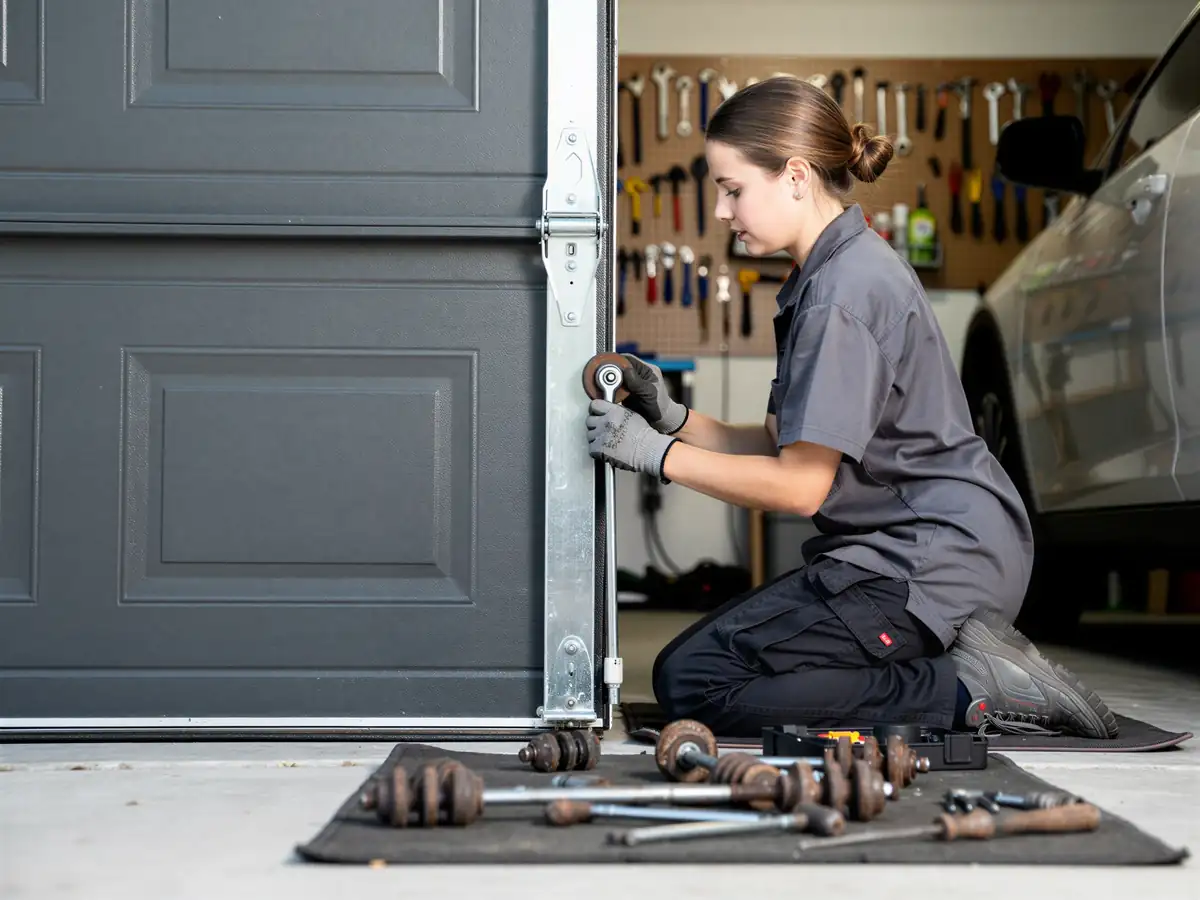
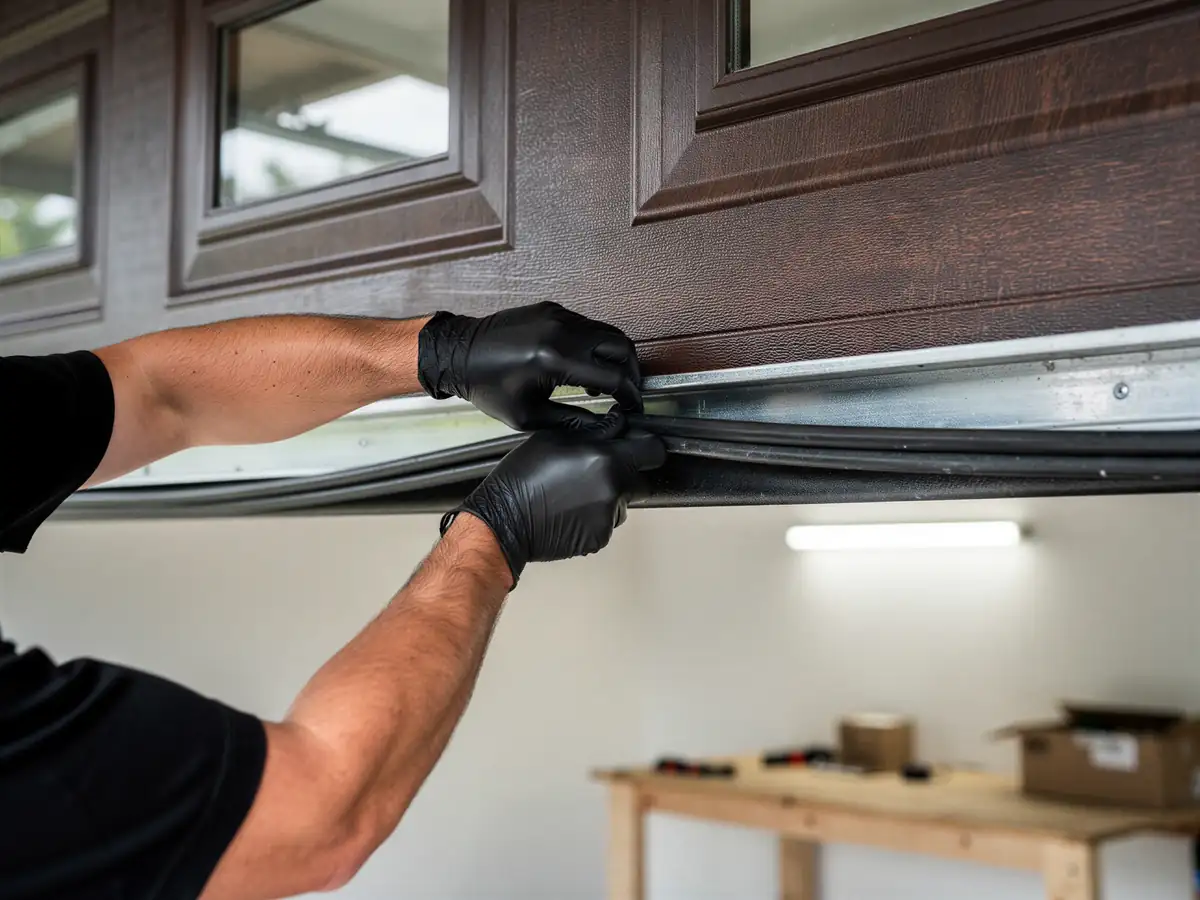
There's a real list of things an owner can check without a technician. Pull the manual release and see if the door moves evenly by hand - a smooth, balanced lift means the springs are still doing their job. Wipe down the tracks and look for rust or debris, and check that the photo-eye sensors near the floor are aligned and clean. A can of the right garage door lubricant on the rollers and hinges, not WD-40, handles a lot of the noise complaints we hear about.
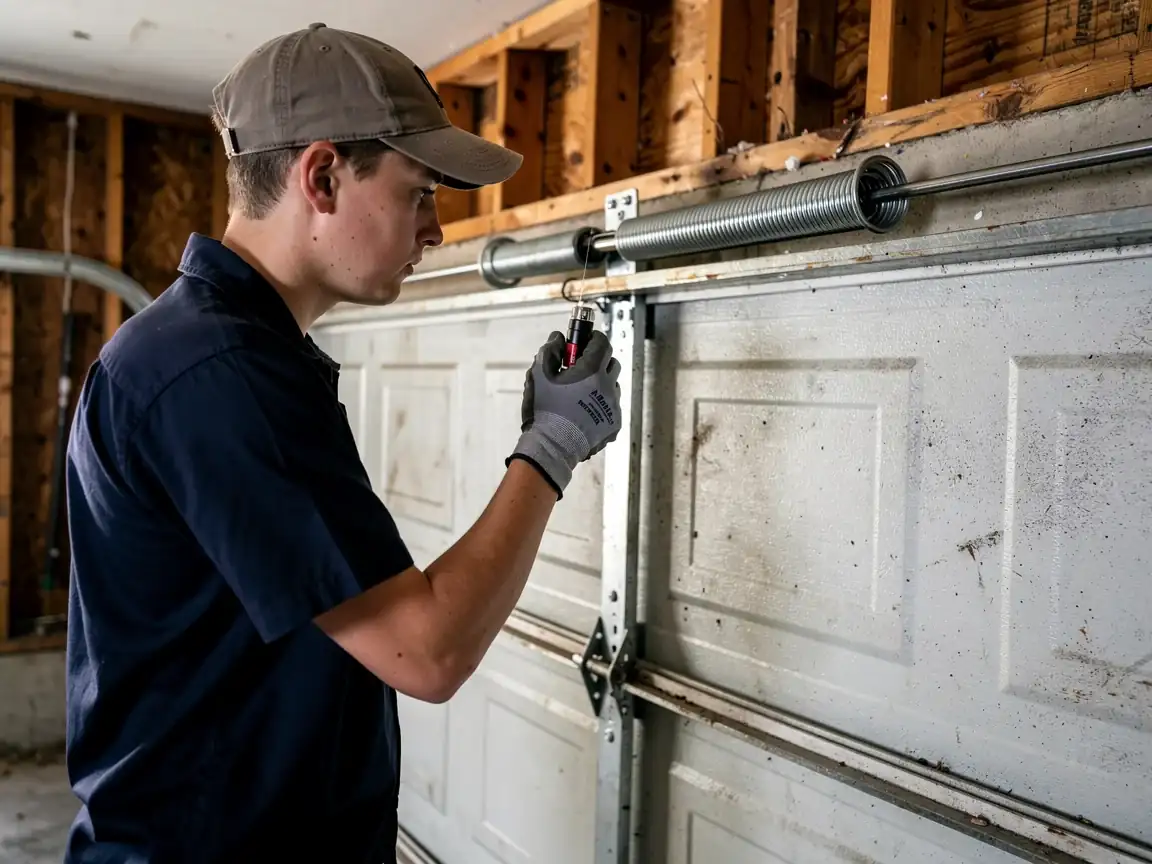
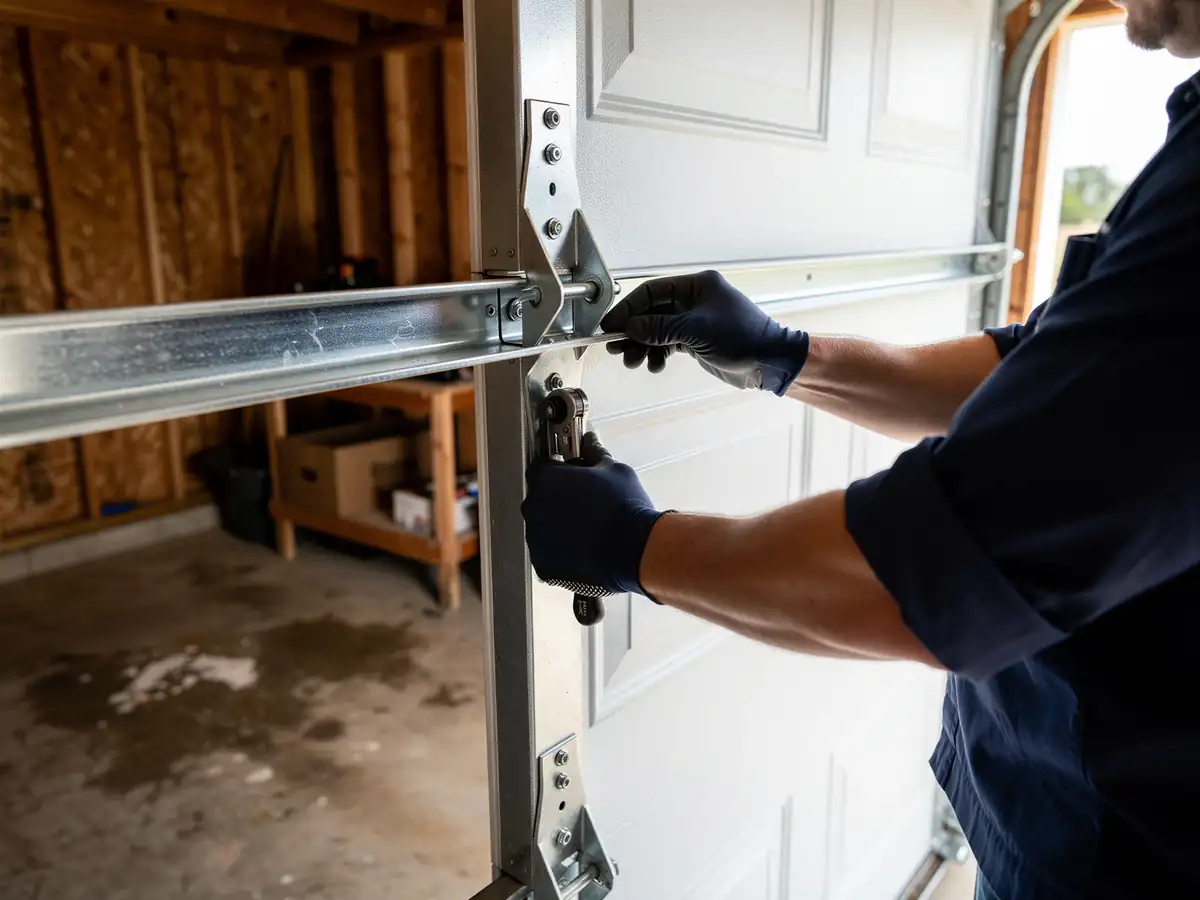
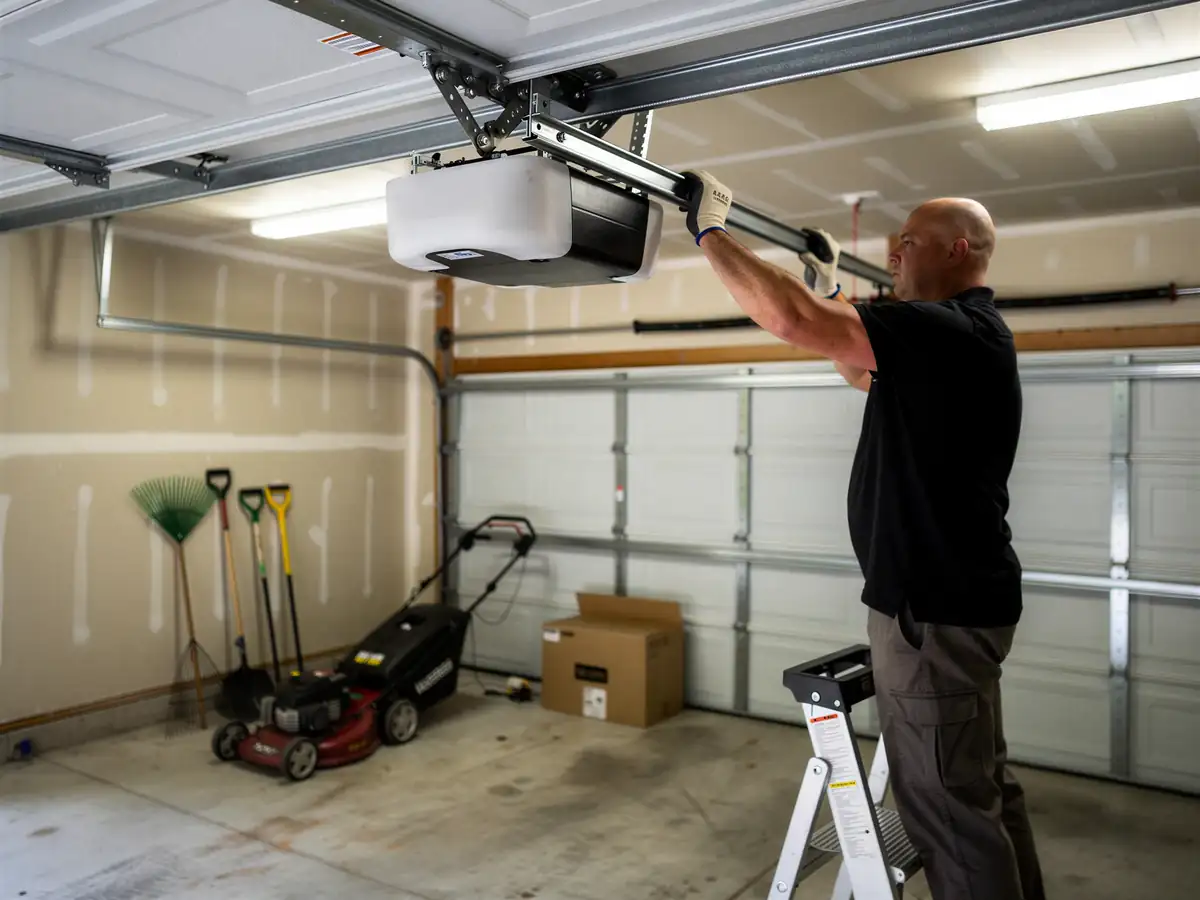
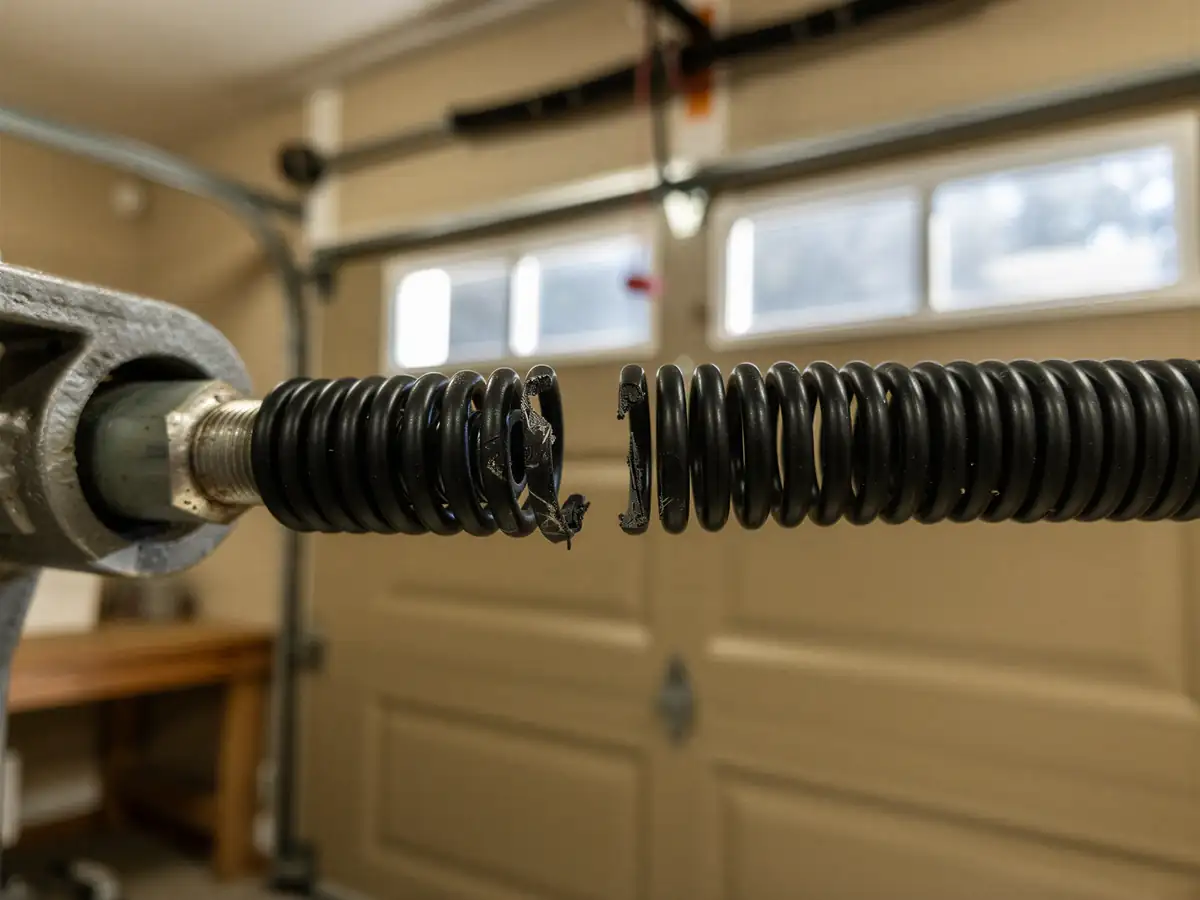
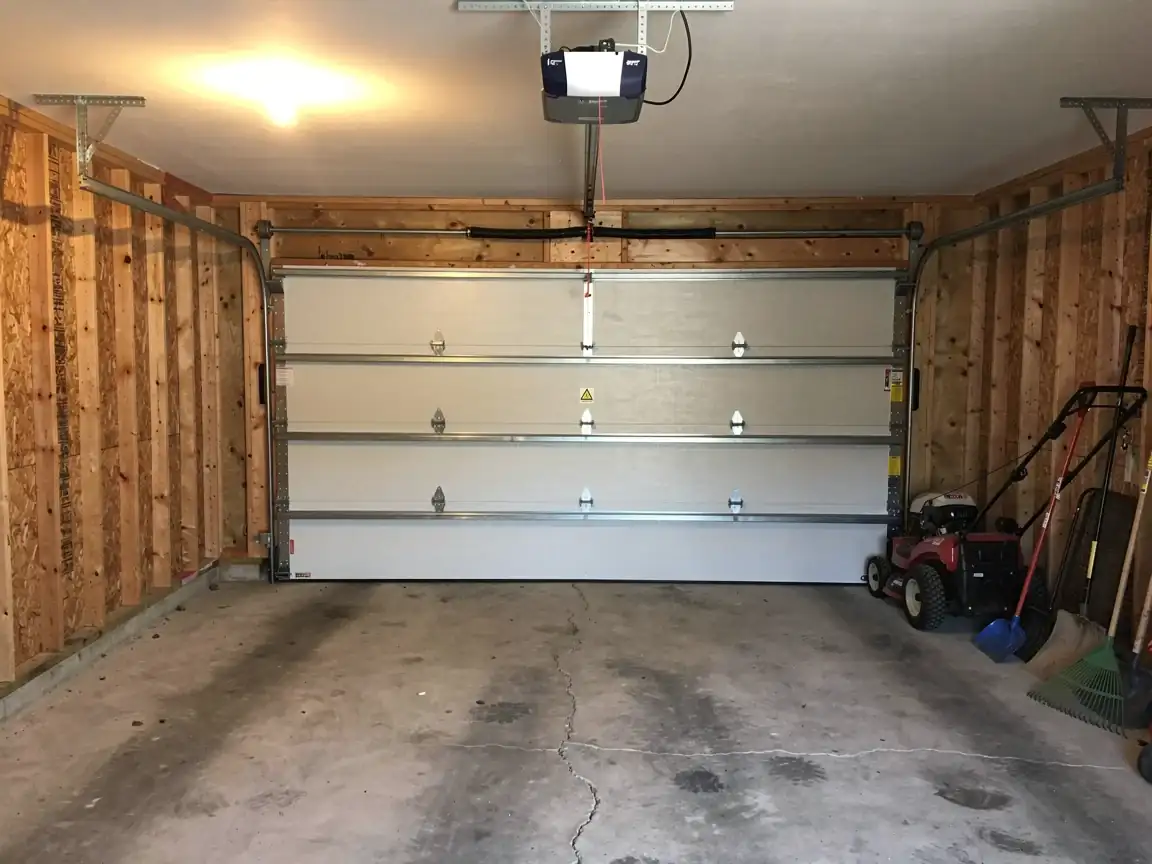
What you shouldn't touch is the torsion spring itself, or anything bolted to the header above the door. Those springs hold enough tension to cause a serious injury if they let go while you're working near them, and on the original 1960s and 70s hardware still mounted in a lot of houses here, the brackets are old enough that they don't always behave the way a new one would. If a cable is frayed, if a spring is visibly coiled wrong, or the door drops instead of lowering smoothly, that's a call, not a weekend project.
What You Are Seeing
Most of what we get called out for starts small: a door that's a little louder than it used to be, a slight shudder when it opens, a remote that needs two tries instead of one. None of that means the door is failing today, but it's usually the first sign that grease has dried out, a roller has flat-spotted, or the opener's travel limits have drifted out of adjustment.
Given that the typical house in this service area was built around 1975, with most of the stock dating to the 1953-2005 range, a lot of what's on these garages is original equipment that's simply aged past its lubrication cycle rather than something that's broken outright. The symptoms show up as noise and stiffness well before they show up as a door that won't move at all, which is exactly the window where a tune-up is worth more than a repair.
Why This Fails Locally
This area sits in a mild temperate climate band
Which sounds like an advantage and mostly is - no hard freezes to crack seals, no snow load on the track. But mild and humid year-round does its own damage: lubricant on rollers and hinges breaks down faster in constant warmth, and hardware that never gets a dry, cold snap to reset also never gets a natural pause in corrosion. A spring that would last a decade in a drier climate can gum up or rust at the coil ends sooner here.
Pair that with housing stock mostly from the 1960s and 70s across the named areas in this service area
And you've got a lot of original torsion hardware and early steel track still in service decades past when a newer system would have already been swapped out. With a median household income of $60,853 across roughly 410,276 households and 114,663 owner-occupied houses in the area, a lot of owners reasonably stretch a repair rather than schedule a tune-up ahead of a failure - which is understandable, but it's also why so many service calls here turn out to be a $20 lubrication problem that became a $300 spring problem.
- 410,276 households
- 114,663 owner-occupied