What the Housing Means for Your Door
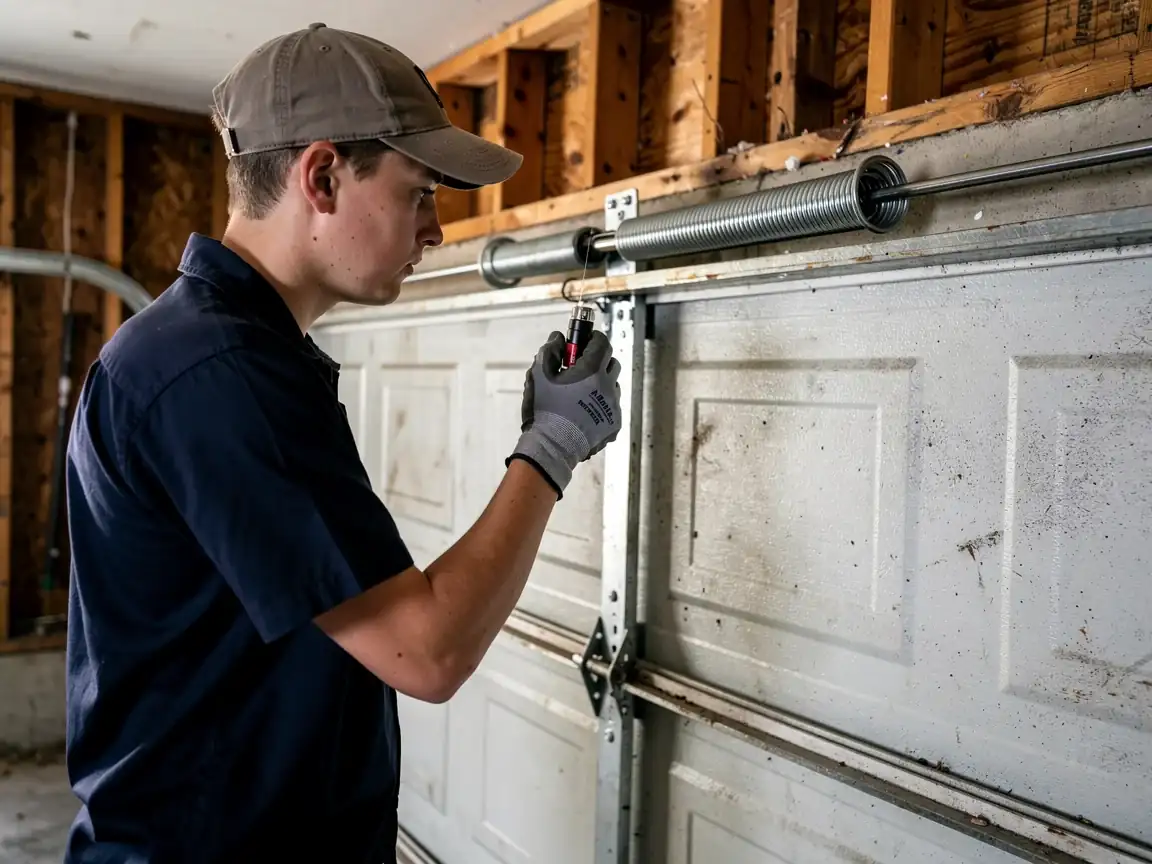
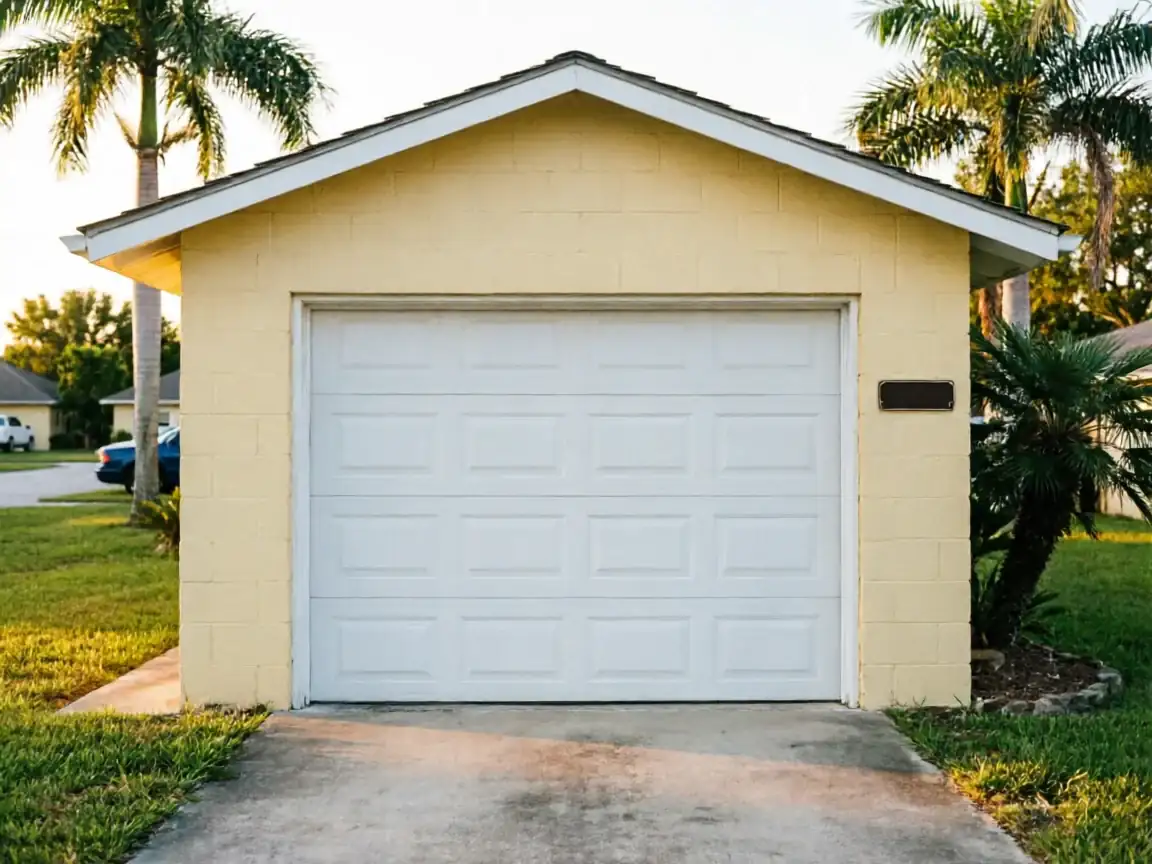
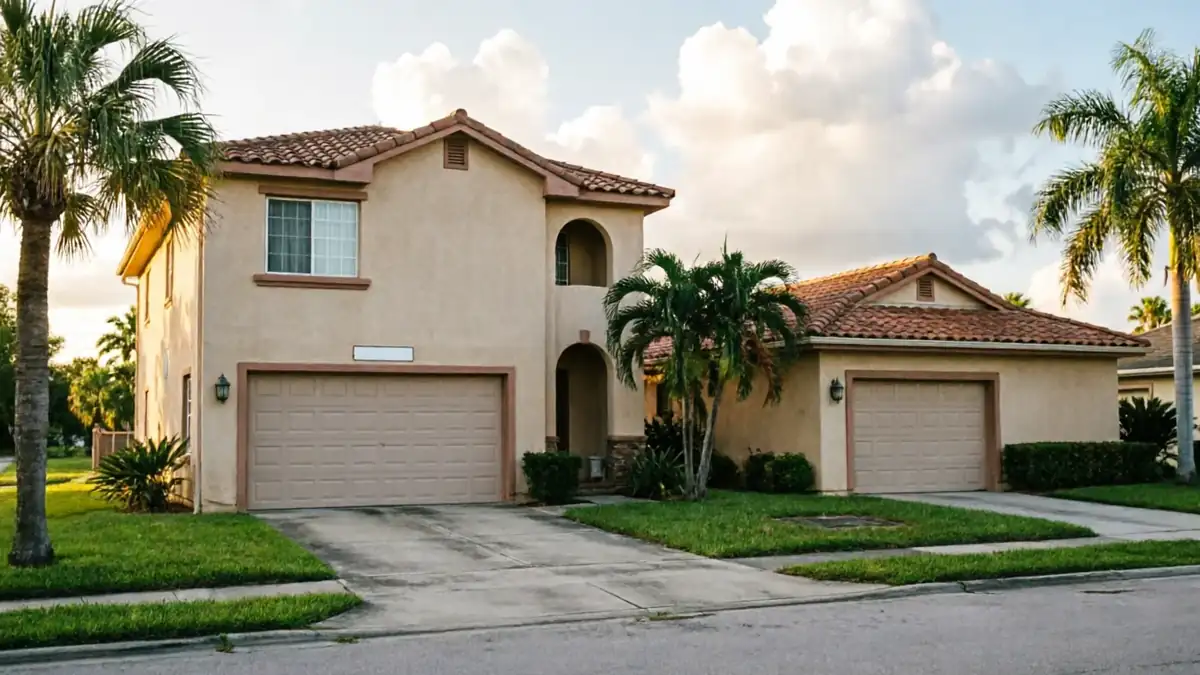
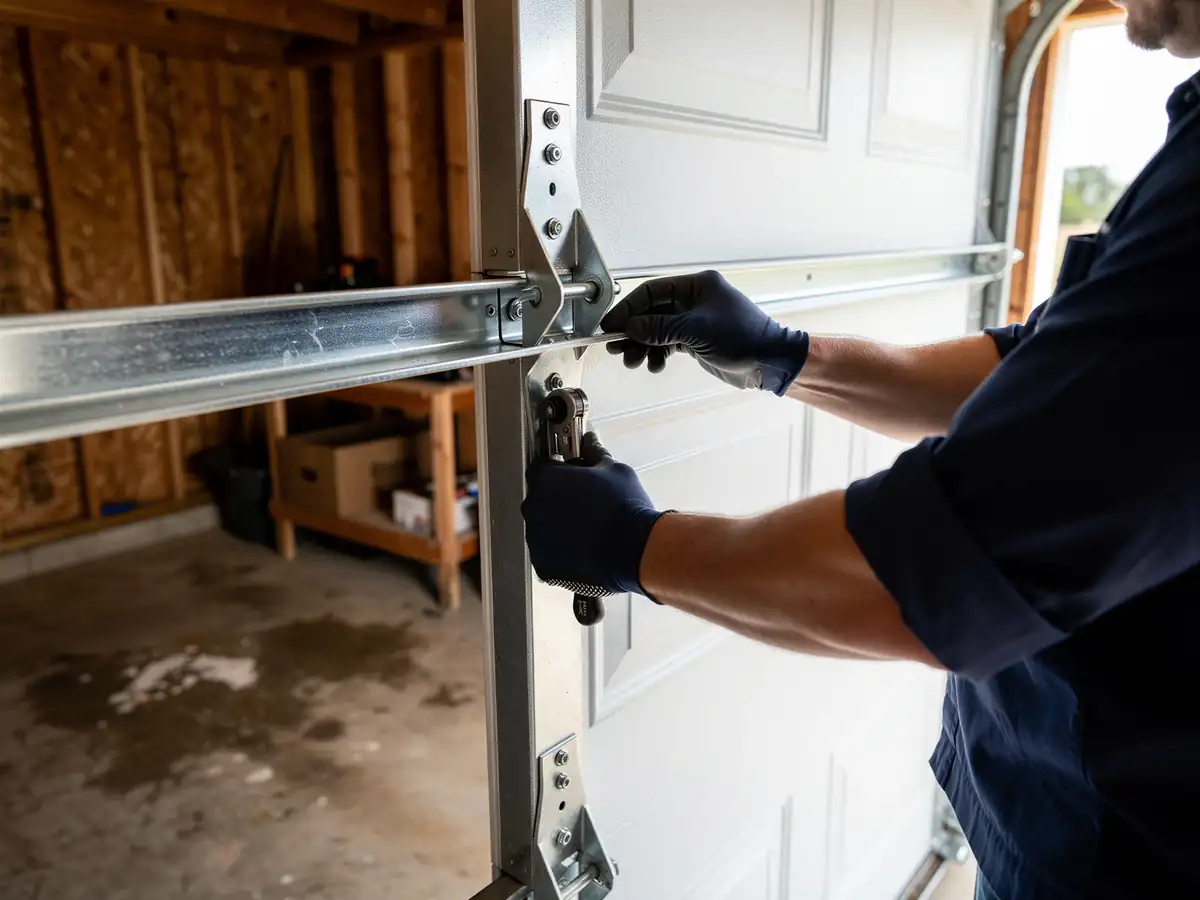
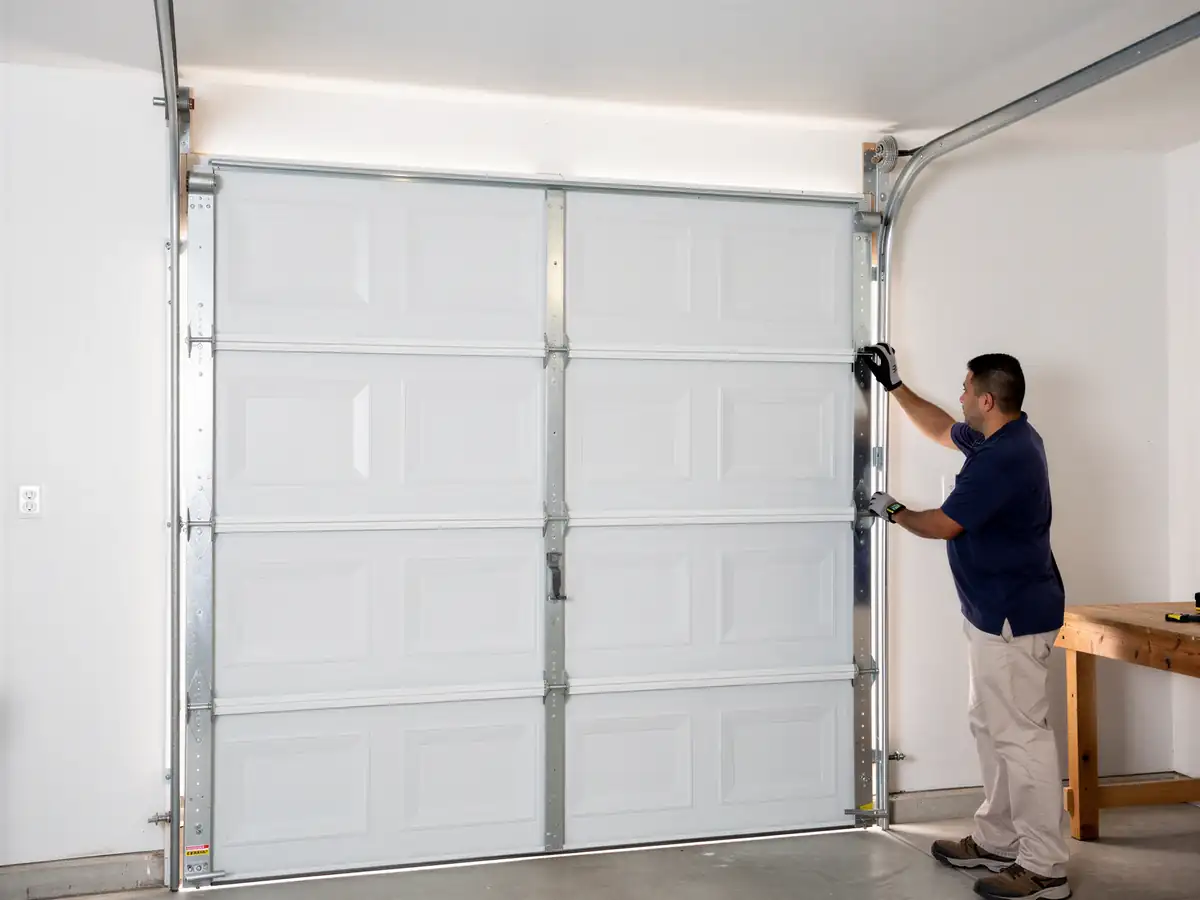
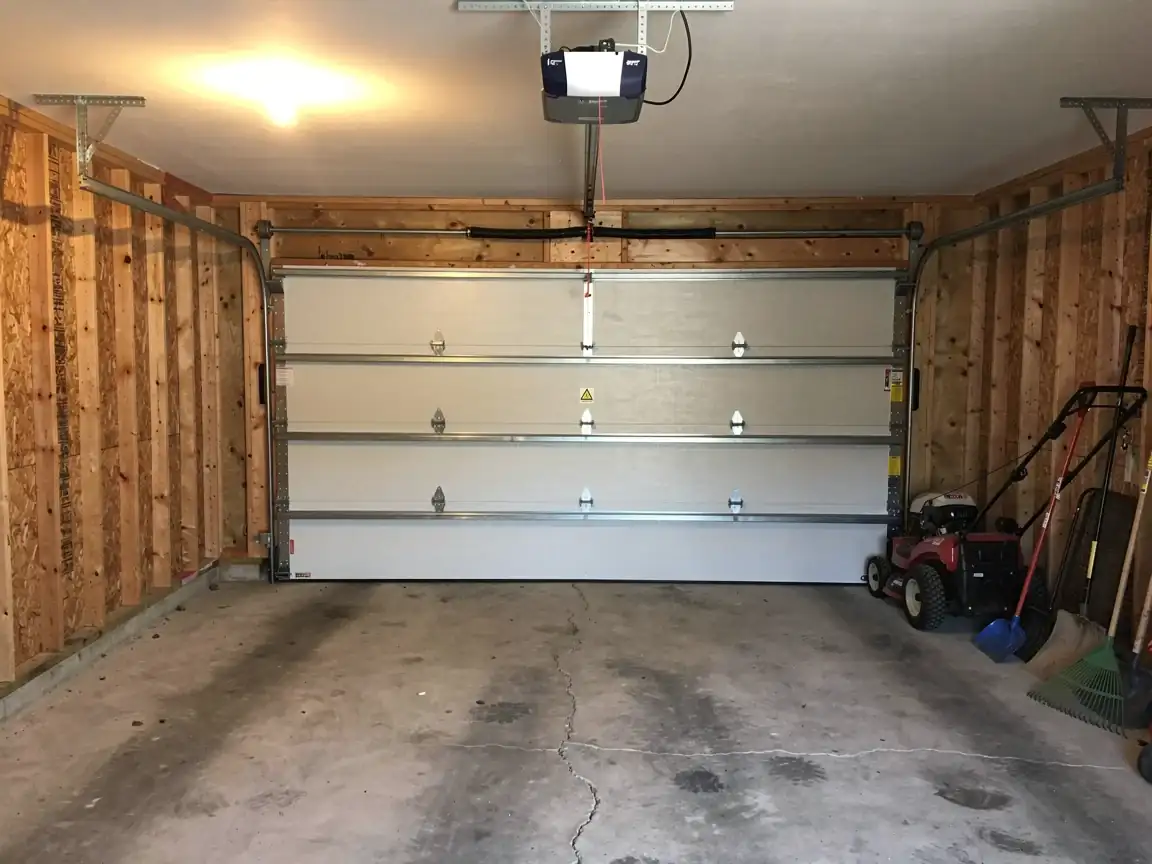
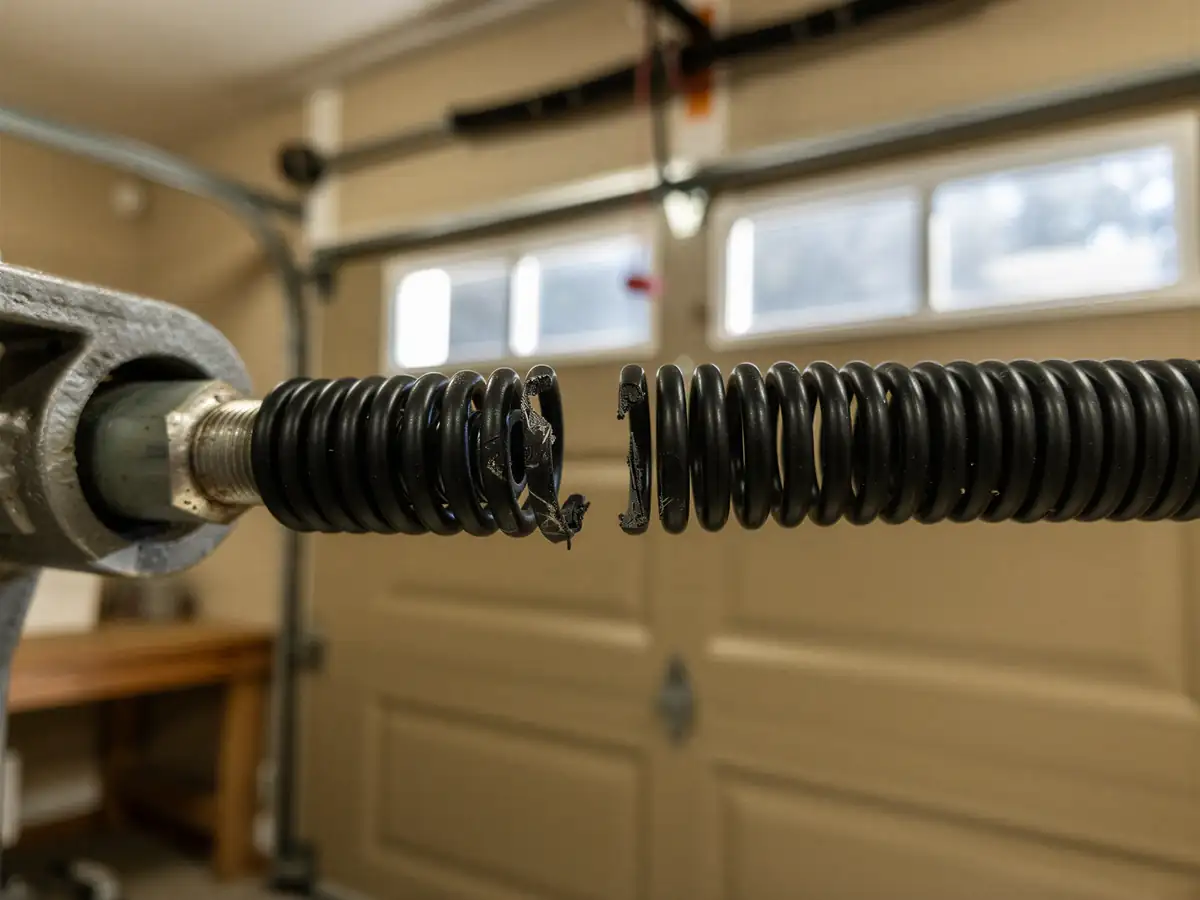
A door installed in 1976 is not a door installed in 2005, and the difference matters more than people think. Homes from this era in Lauderdale Lakes typically came with steel sectional doors on extension spring systems rather than torsion - simpler hardware, but it ages differently and the safety cables that should be run through those springs often got skipped or degraded decades ago. We also see a lot of original openers that have long since been swapped for newer units bolted onto rail systems that were never upgraded to match. The mild temperate climate here means we're not fighting frozen tracks or ice-choked rollers like a contractor up north would, but humidity and salt air over 45-plus years still take a toll on springs, hinges, and exposed hardware. On a lot of these jobs, the panel is fine - it's the spring, the cable, or a track that's worked its way out of alignment that's causing the real problem.
What We Will Not Take On
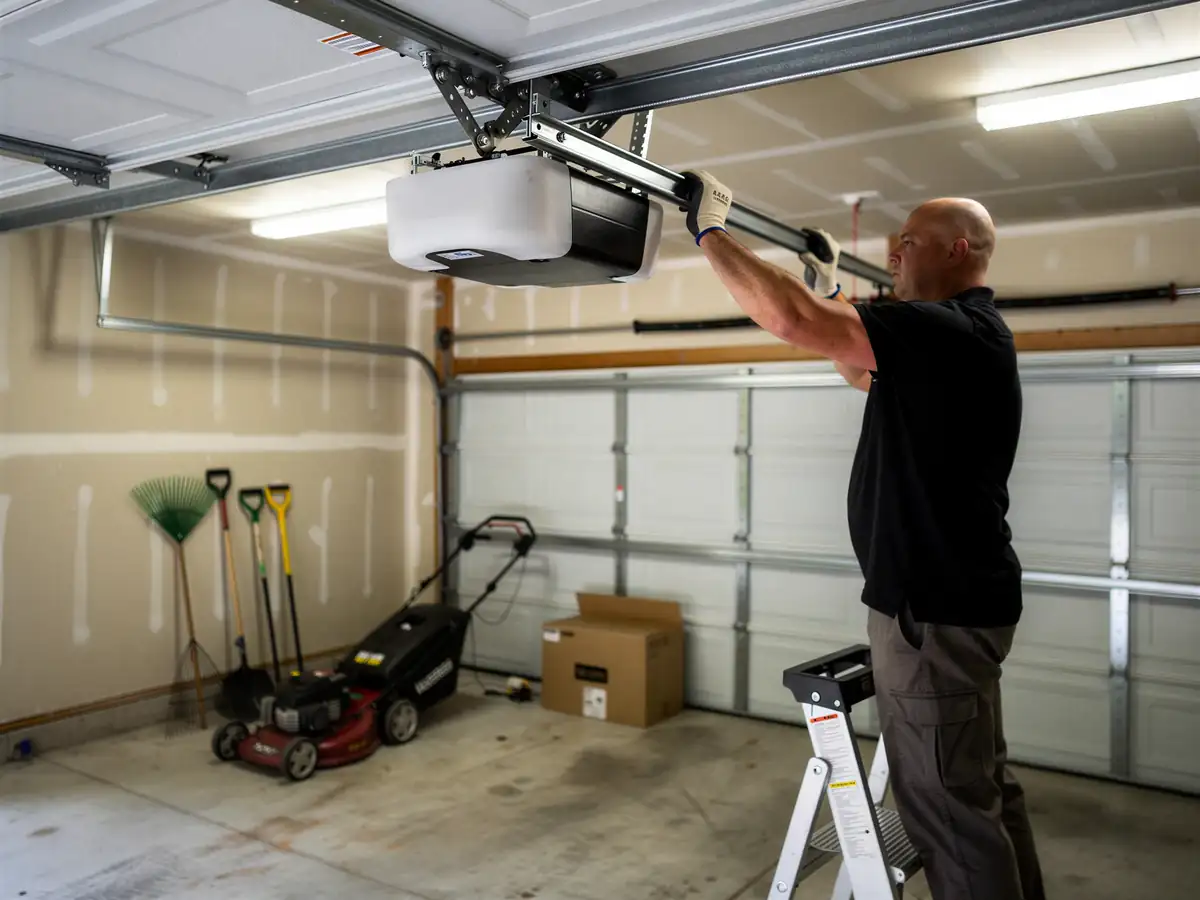
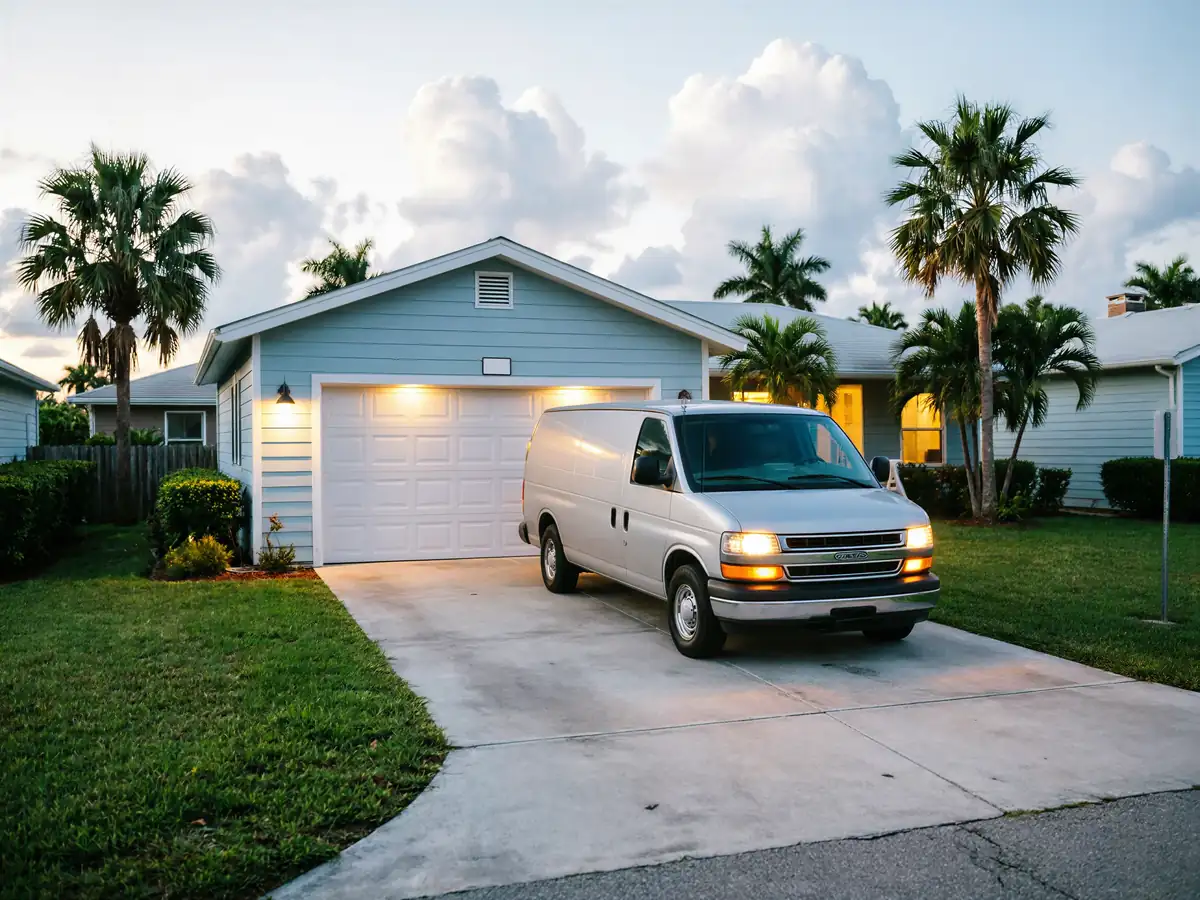
We don't carry replacement parts for every obsolete opener model still bolted to the wall in homes built in the 1970s. If your opener is a model that hasn't been manufactured in decades and the motor housing itself is cracked, we're not going to chase down a part that doesn't exist - we'll tell you straight that a new opener is the better call. We also won't recommend a full door replacement just because a panel is dented if the spring and track are sound; that's money you don't need to spend. And travel from Plantation means we're not a same-day emergency outfit for every call - we book routes, so if your spring lets go on a Saturday night, we're not promising to be there in twenty minutes.