What an Uninsulated Garage Door Means for a Plantation House
Most Plantation homes went up between 1953 and 2005, median 1975, before current insulation codes applied to garage doors. Here's what that means for your door.
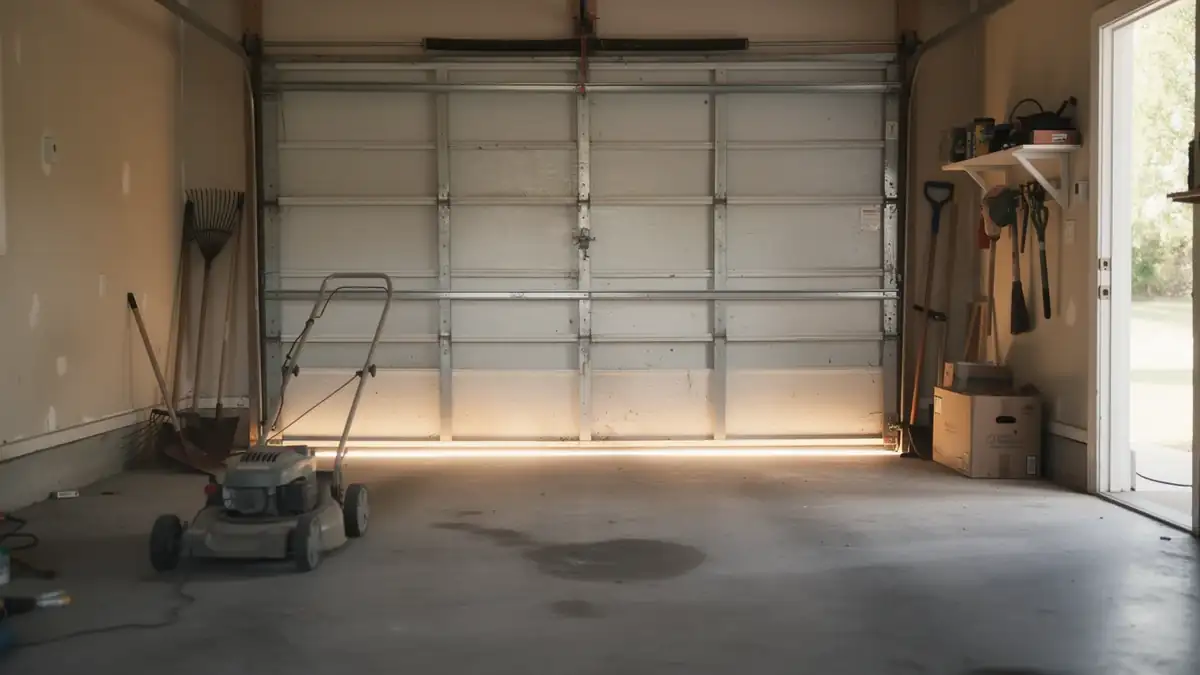
If your house in Plantation was built anywhere near the median year of 1975, the garage door that came with it was never required to meet an insulation standard, because none existed yet for this kind of opening. That door is a single layer of steel or aluminum with no foam core, no thermal break, nothing between the outside air and your garage. For a lot of owners, that's fine to leave alone. If the door still opens and closes square, the panels aren't rusted through, and you're not running the garage as a workshop or a room you sit in, there's no code requiring you to upgrade it and no safety reason to touch it. Plantation's climate is mild temperate, not the kind of extreme heat or cold swing that cracks an uninsulated panel from thermal stress the way it would in a place with hard freezes or triple-digit summers. So the honest answer for most of these houses is: the door is doing its job as a door. Insulation only starts to matter once you're using the garage for something that cares about temperature, and plenty of owners here aren't.
What to Look At First
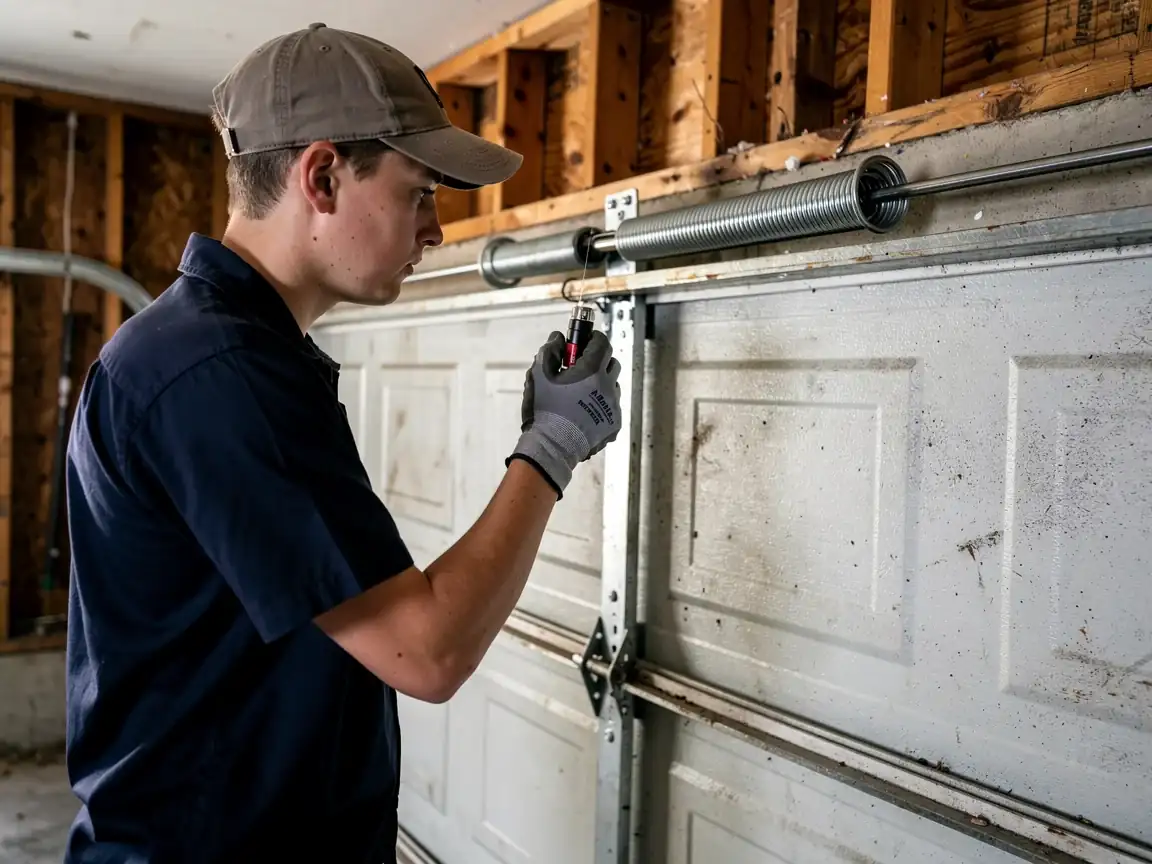
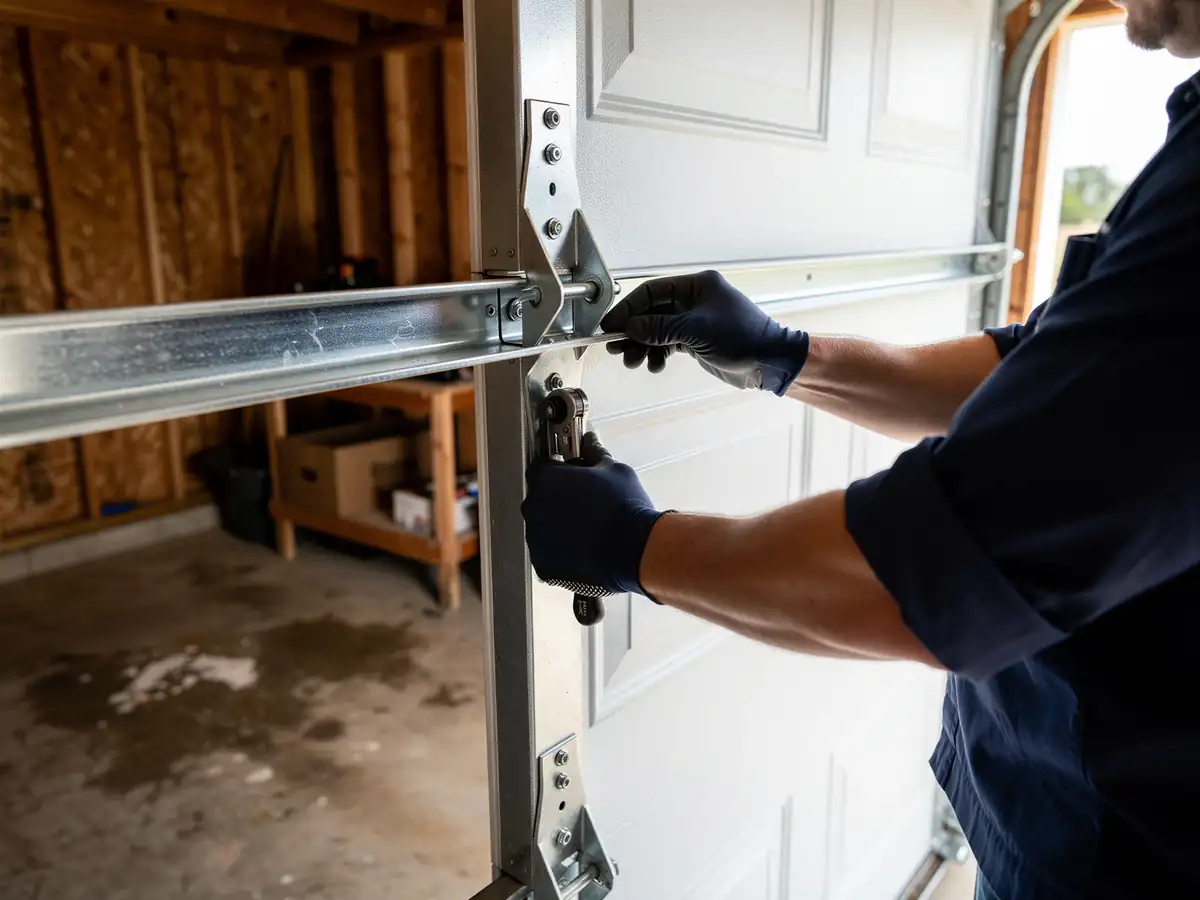
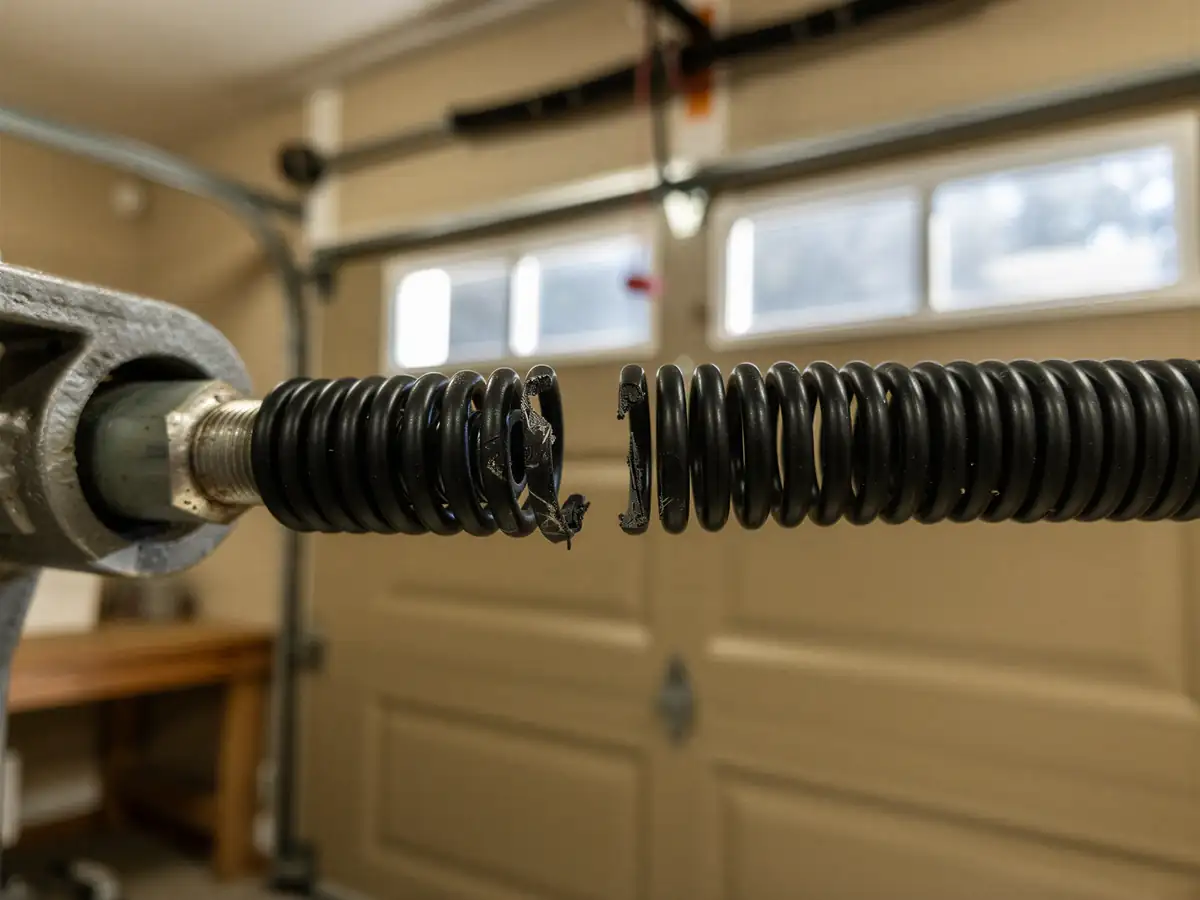
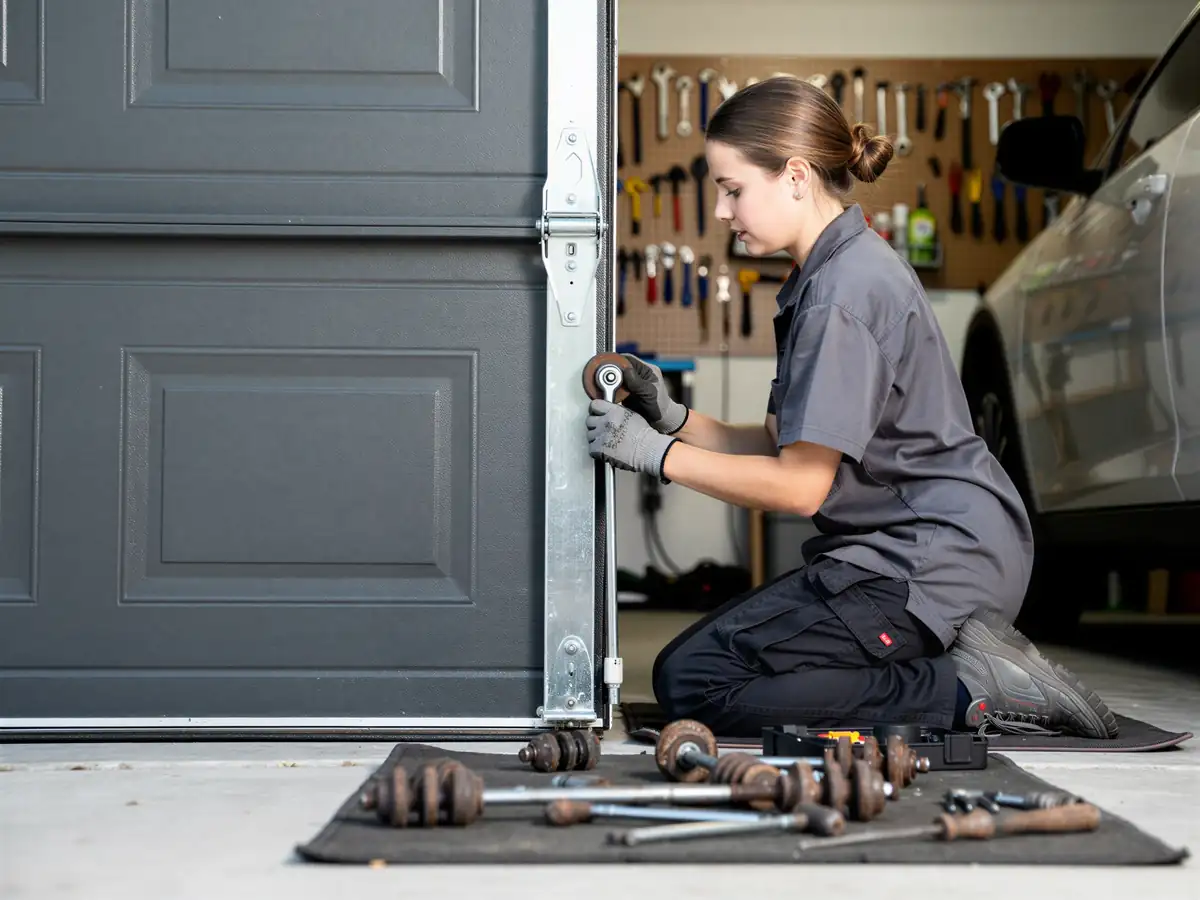
Because so much of the local stock dates to the 1960s and 70s, the thing that fails first usually isn't the panel skin, it's the hardware around it: torsion springs rated for a lighter original door, rollers that have outlived three or four lubrication cycles, and tracks bent slightly out of plumb from decades of settling on a Florida slab. On a house built in that window, I check the spring size against the door weight before I check anything cosmetic, because an undersized spring on an old steel door is the most common reason these doors start dropping unevenly or refusing to latch. If your house falls later in the 1953-2005 range, closer to a 1990s build, you may already have a door with a thin foam layer added as a retrofit upgrade rather than a factory standard, and that's worth identifying before you assume you're dealing with bare steel.
What the Weather Here Does to It
Plantation sits in a mild temperate band, which is mostly good news for an old uninsulated door. You're not getting the freeze-thaw cycling that pops seams on a door up north, and you're not getting the kind of heat swing that warps a thin steel panel the way a desert climate would. What you do get is humidity, consistently, and that's the thing an uninsulated 1970s-era door actually has to deal with. Without a vapor barrier or foam backing, condensation forms on the inside face of the panel on cooler mornings, and over years that moisture is what rusts out the bottom section and corrodes hardware fasteners faster than the weather itself would. It's a slower failure than what colder climates see, but it's steady, and it's the main reason a 50-year-old door in this area dies at the bottom corners first.
The Situation
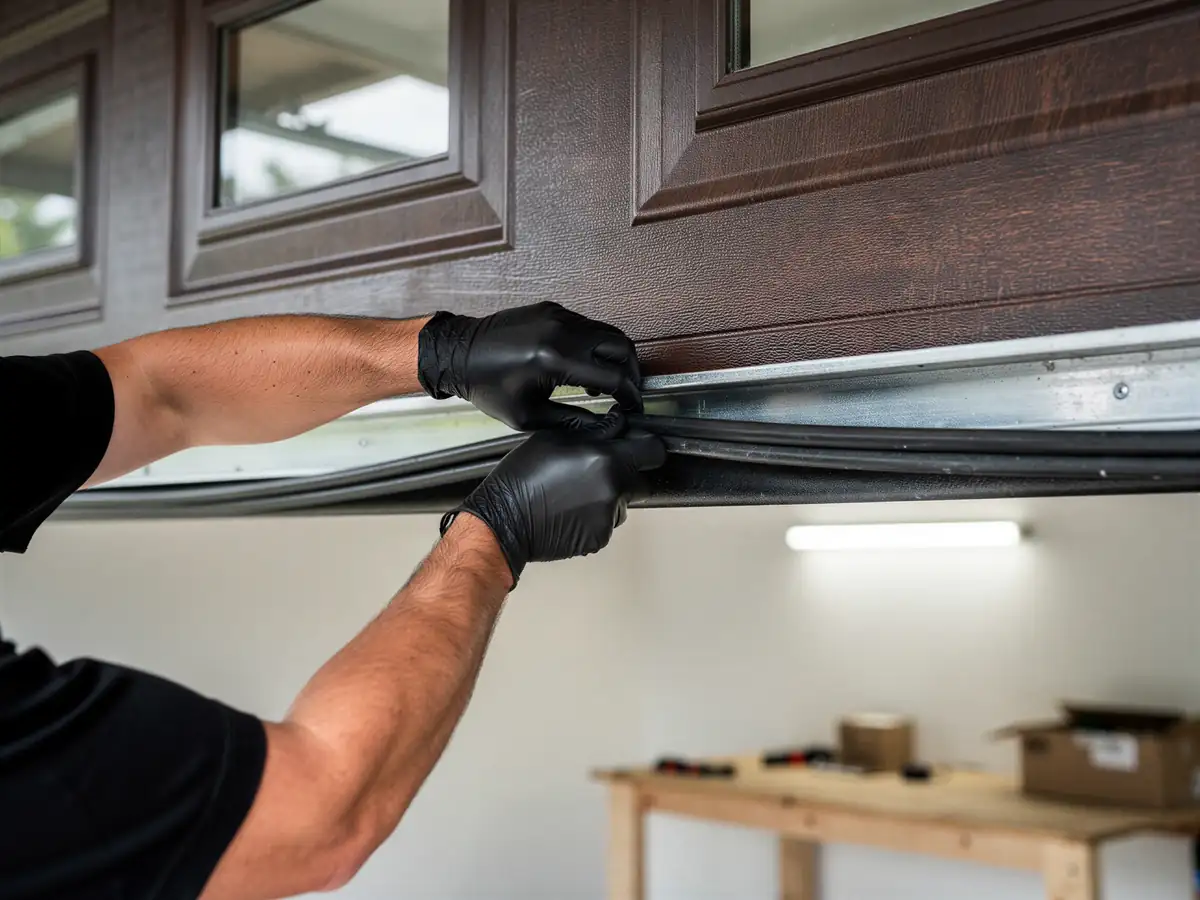
Here's where I'll give you the limitation straight: insulating an existing uninsulated door after the fact, with foam-board kits or spray fill, is a real option but it doesn't fix hardware that's already undersized or tracks that are already out of alignment, and it won't stop bottom-corner rust that's already started. If the door is original to a house from the 1953-2005 range and the bottom panel is already rusted through or the springs are visibly mismatched to a heavier replacement slab, retrofitting insulation into that door is money spent on a door you're going to replace within a few years anyway. I'd rather tell a Plantation homeowner that upfront than sell a foam kit for a door that's on its way out. If the door is sound and you just want it quieter and less humid-feeling in the garage, that's a different, much smaller job.
Does my garage door need to be insulated to meet code in Plantation?
No. Insulation requirements for garage doors came after most of this area's housing stock was built, which runs 1953 to 2005 with a median around 1975. An original uninsulated door on a house from that era isn't a code violation, it's just older technology. Nothing requires you to upgrade it unless you're replacing the door anyway.
Is Plantation's climate hard on an old uninsulated door?
Not in the way cold climates are. The mild temperate conditions here don't put uninsulated panels through the freeze-thaw stress that cracks seams elsewhere. The real wear comes from humidity causing slow condensation and bottom-corner rust over years, not from extreme heat or cold swings.
Should I insulate my old door or just replace it?
Depends on condition. If the panel and hardware are sound, adding insulation can make the garage quieter and less damp-feeling for less money than replacement. If the bottom panel already shows rust or the springs don't match the door's weight, insulating it is a short-term fix on a door you'll likely replace soon anyway.
Ready to get your garage door sorted?
Tell us what it’s doing and where you are in Plantation - we’ll take it from there.