Serving Plantation, FL & nearby
(954) 459-3987
Plantation, FL

What We Check First on a Plantation Garage Door

A look at what a tech checks on a Plantation garage door first, tied to the town's 1960s-70s housing stock and mild coastal climate, not generic tips.

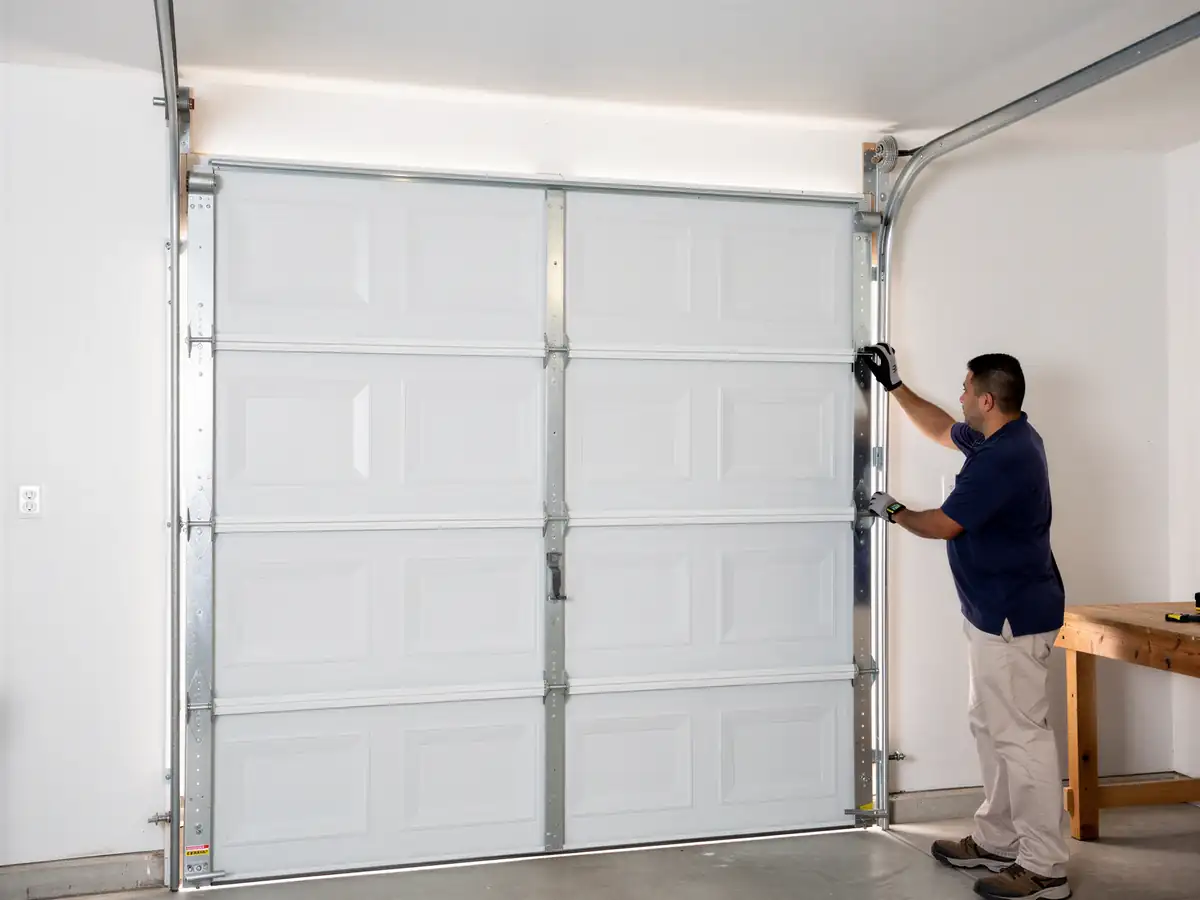
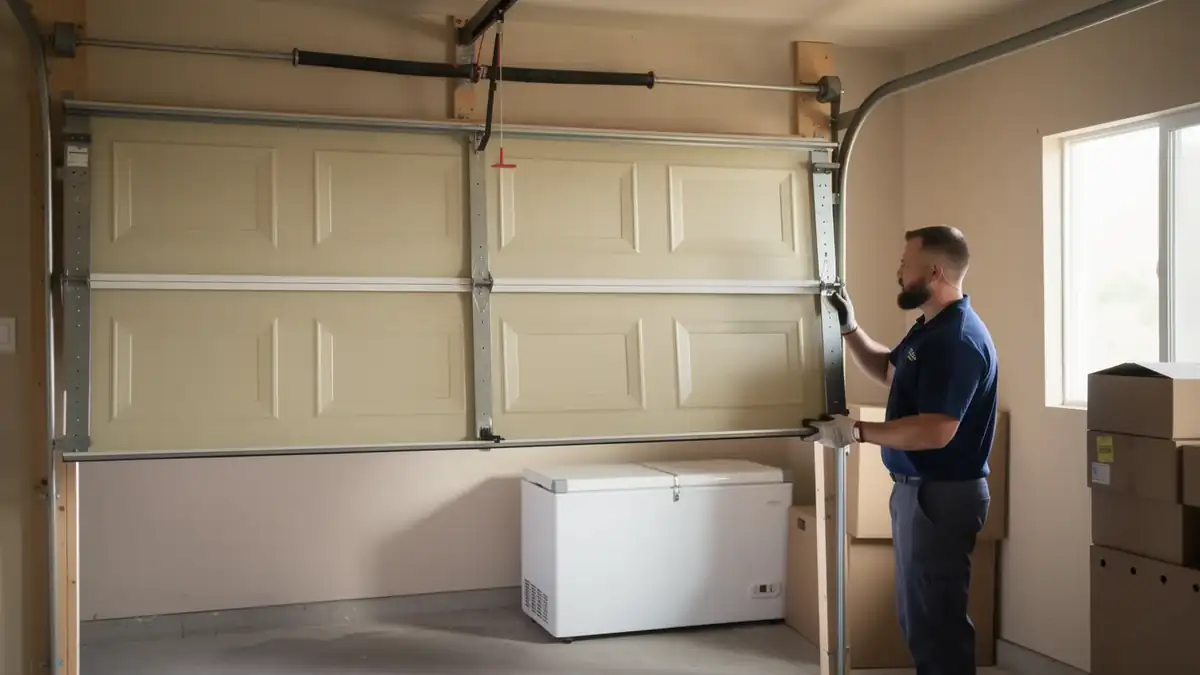
A technician in a blue shirt and gloves works on a beige garage door.

Leaving It Alone

A door that opens, closes, and reverses when it hits something doesn't need a visit. Most of what people call us for turns out to be noise, not failure - a dry hinge pin, a roller that's been squeaking since the Clinton administration. If the door is quiet enough, balanced enough, and the opener still reverses on contact, we'll tell you to save the money. That's not us being modest. Plantation's housing stock runs from 1953 up through 2005, with the bulk built in the 1960s and 70s, and a door on a well-kept 1975 house with its original torsion hardware can still be doing its job fine if nobody's touched the tension in years and it's holding steady. Where we draw the line: if the door drops instead of lowering, if you hear a bang before it stops, or if one cable looks frayed at the drum, that's not a leave-it-alone situation anymore. Everything else - the odd groan, the slight hesitation on a humid morning - we'd rather look at it once and tell you no charge than sell you a service call you didn't need.

What to Look At First

On a house from Plantation's main building era - 1960s and 70s stock, sitting on the older end of that 1953-2005 range - the first thing we check is the spring, because that's the part that was sized for a lighter, thinner door than whatever's hanging there now if it's ever been swapped. Second is the track mounting: older jambs in this housing stock were framed for narrower door widths, so a replacement door installed without reworking the track brackets is a common source of the binding people call about. Third is the bottom bracket and cable drum, since those wear fastest in this climate - more on that next. We also check the opener's force setting, not because it's exotic, but because a door that's been resprung once without resetting the opener travel will fight itself every cycle. None of this is a secret checklist; it's just the order that catches the actual failure points on houses built when Plantation was still mostly getting developed, rather than the failure points you'd find on a house built last year with different hardware spacing and a heavier steel door from the start.

What the Weather Here Does to It

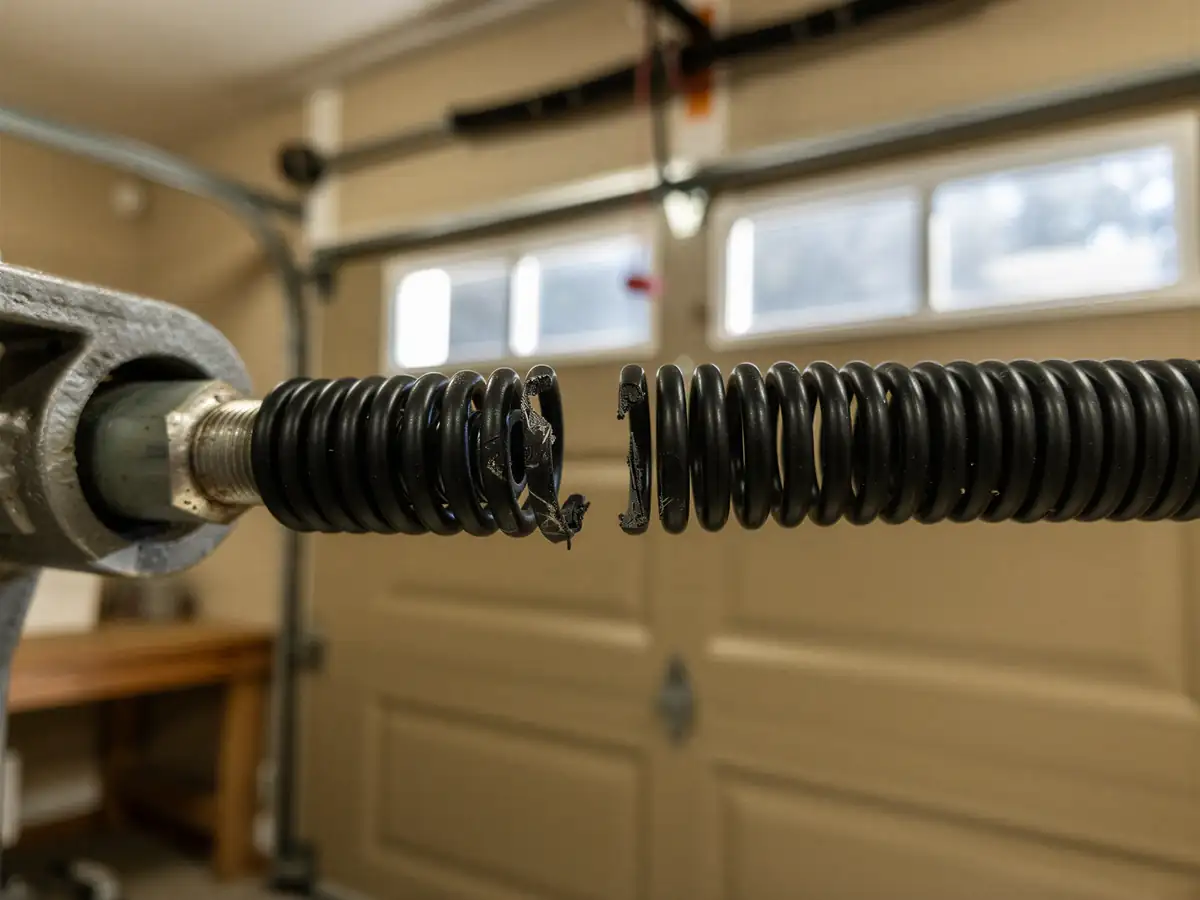
Plantation sits in a mild temperate band - no freeze-thaw cycle splitting a wood jamb, no snow load bending a track. That's the good news, and it means we don't see the cracked panel or frozen-shut door that techs further north deal with every winter. The quieter problem is humidity and salt air working on hardware that was never going to see a hard freeze anyway. Galvanized springs and exposed cable ends corrode from the inside of the coil outward in this kind of air, slowly, without ever looking dramatic until the spring lets go mid-cycle. On a door from the 1960s-70s stock that makes up most of this area, that corrosion has had decades to work, even on hardware that looks fine from six feet away. We don't find rust streaks on the floor as often as we find pitting on the torsion bar itself, which you only catch by hand, not by eye. So the climate here doesn't destroy doors fast - it just means the failure mode is quiet rust fatigue instead of a sudden crack, and it shows up on schedule regardless of how new the paint looks.

The Situation

Put those two things together - a housing stock centered on the 1960s and 70s with some as old as 1953, and a climate that corrodes slowly instead of cracking fast - and the typical service call here isn't a dramatic failure, it's a part that's been quietly weakening for years and finally lets go on an ordinary Tuesday. We can't tell you over the phone whether your spring has ten years left or ten days; that's the honest limit of what a description gives us. What we can tell you is that on a door this old, in this air, waiting for a visible sign before calling usually means waiting for the spring to snap. We'd rather look at the coil pitting now than replace a cable the spring took out with it later. If your house falls in that main build window and nobody's touched the hardware, that's worth a look before it decides for you.

How it works

From “it’s stuck” to “it’s fixed”

  1. 1
    A man stands in a driveway looking at his phone, with a partially open garage door behind him.

    Tell us what’s wrong

    Describe the symptom - won’t open, loud bang, opener runs but the door won’t move.

  2. 2
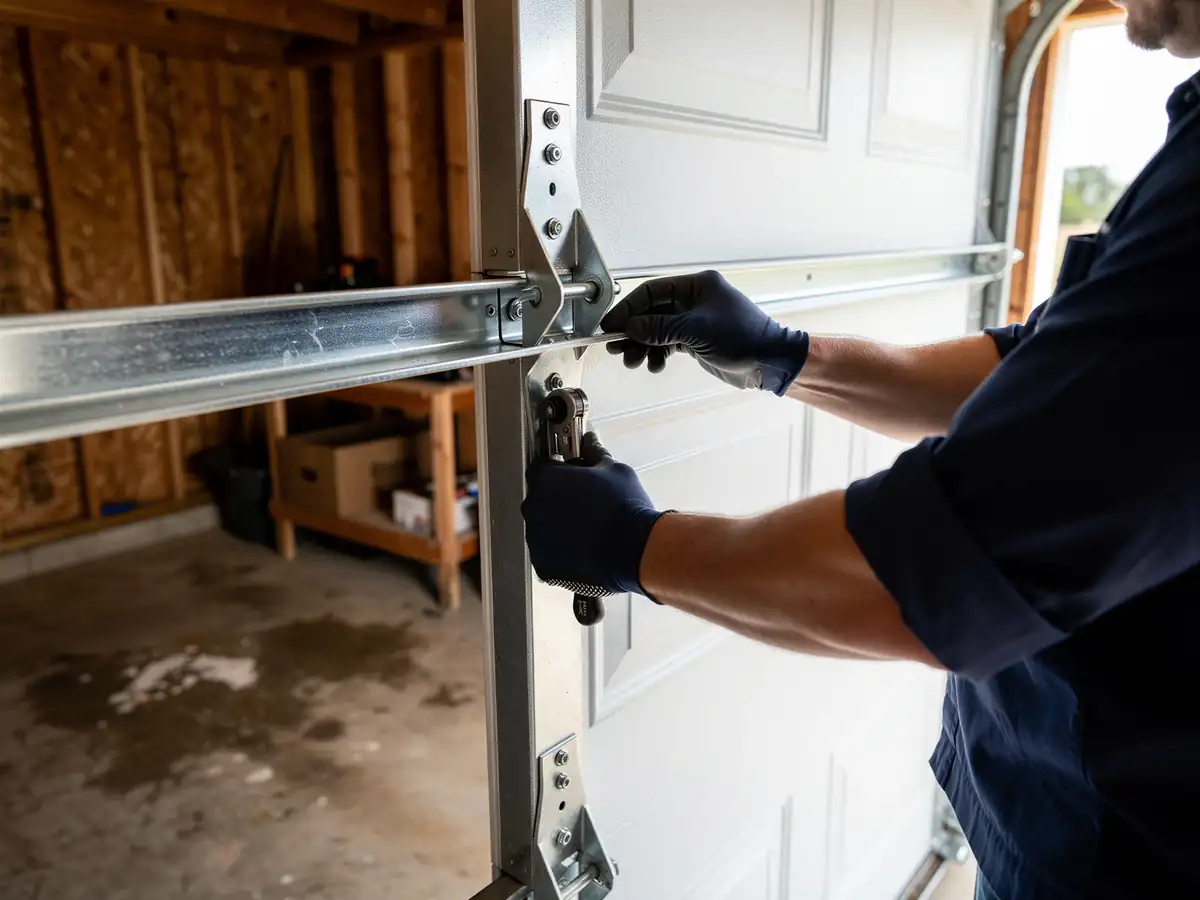
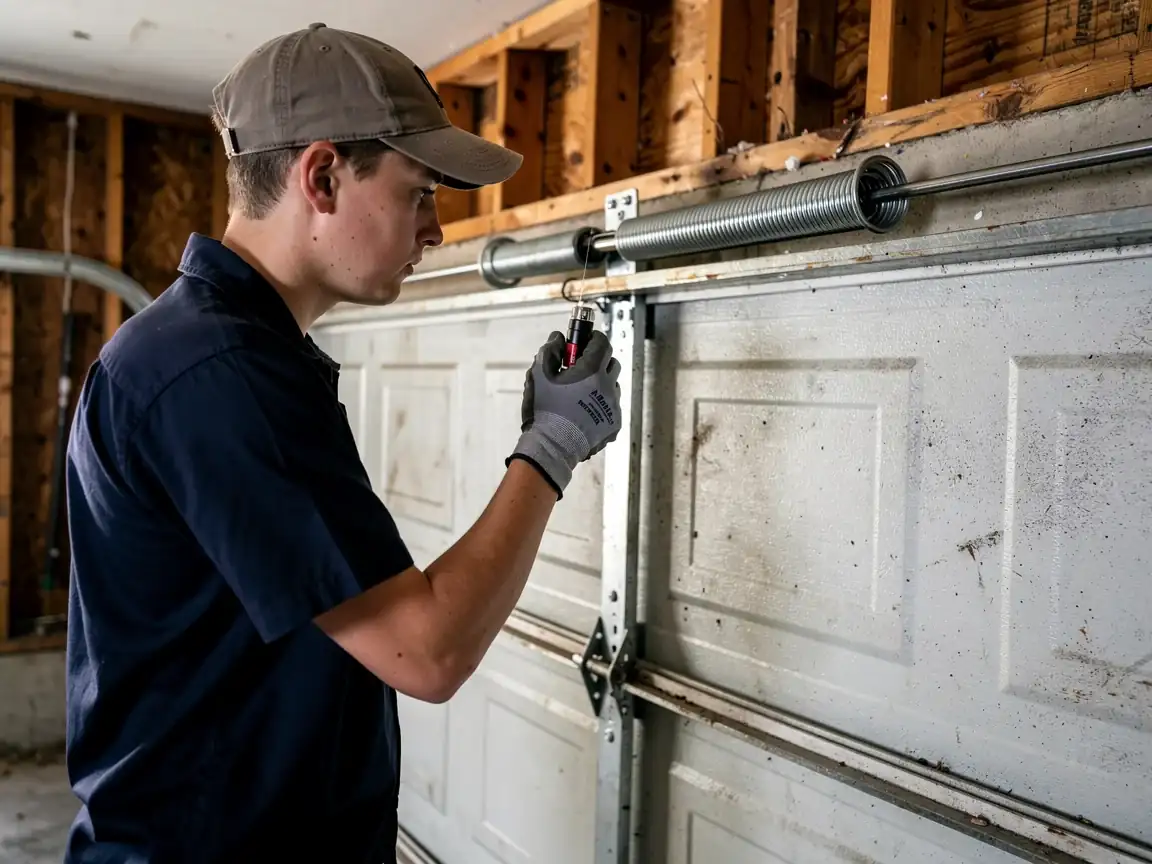
    A technician in a cap and gloves works on a garage door torsion spring.

    On-site diagnosis

    A technician tests the door under power and by hand and finds what actually failed.

  3. 3
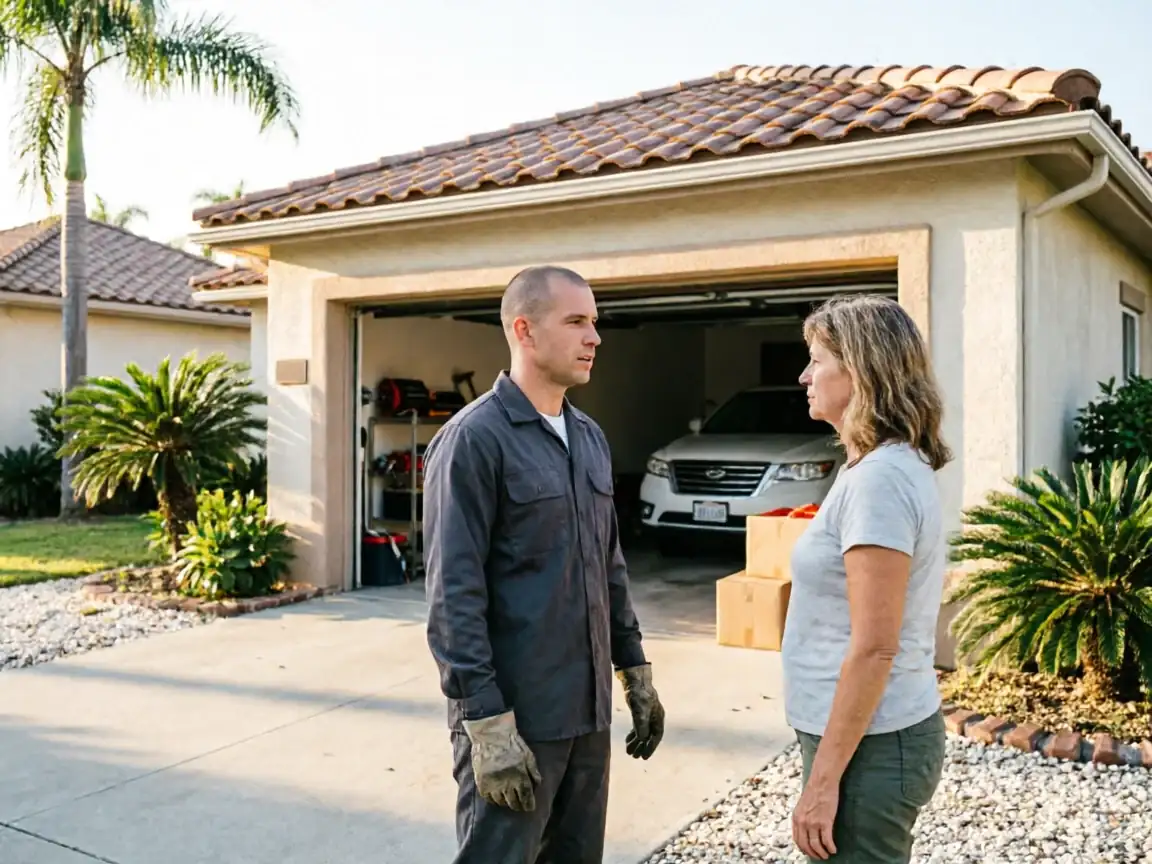
    A technician and a woman stand in a driveway in front of an open garage.

    Clear, up-front plan

    You get the fix that’s needed and what drives the cost - before any work starts.

  4. 4
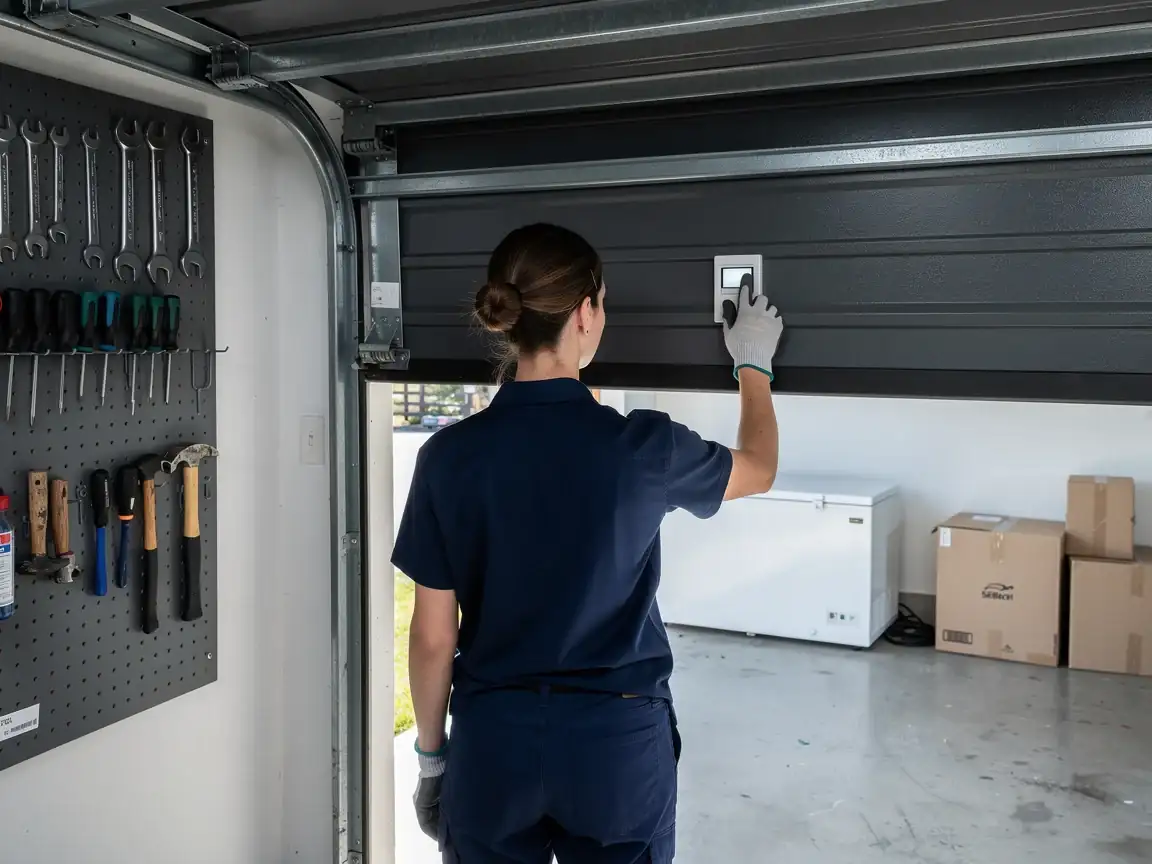
    A technician in a blue uniform adjusts a wall-mounted control panel on a gray garage door.

    Repaired & tested

    The repair is done, the door is set true and tested, and the work area left clean.

Not sure which repair your door needs in Plantation, FL? Describe what it’s doing - every job starts with a diagnosis.

6areas covered
How we work

What to expect

Diagnosis firstEvery visit starts by finding what actually failed - not a pre-written parts list.
The right part for the doorSprings and openers matched to the door’s weight and age, so the fix holds up.
Straight answersWhen a repair makes more sense than a replacement - or the reverse - you hear it plainly.
Clean, careful workTension released safely, hardware set true, the door tested under power before we leave.
What we do

Garage Door Services

Repair and installation work for Plantation homes and businesses.

Questions

Frequently asked

Straight answers about garage door repair in Plantation. Still unsure? Ask us directly.

My garage door is from the 1970s and still works fine - do I need to replace it?

Not necessarily. Plenty of doors built when most of Plantation went up are still balanced and quiet if the hardware was ever serviced. We'd check the spring coil for pitting and the cable ends for corrosion before recommending anything, since this climate wears hardware slowly rather than failing it outright.

Why would a door from a house this old suddenly start acting up with no warning?

In this climate, springs and cables corrode from the inside of the coil, which doesn't show on the surface. On hardware that's been in place since the 1960s or 70s, that wear has had decades to build before it finally gives, so it often looks sudden even though it wasn't.

Does Plantation's weather cause different garage door problems than up north?

Yes - no freeze-thaw cracking or snow load here, since the climate band is mild temperate. The trade-off is slower, quieter corrosion on springs and cable ends from humidity and salt air, which is why we check hardware by hand rather than relying on a visual pass.

Ready to get your garage door sorted?

Tell us what it’s doing and where you are in Plantation - we’ll take it from there.

Request a QuoteCall