How to Book
If the door won't lift, sags on one side, or you heard a bang followed by the door going dead weight
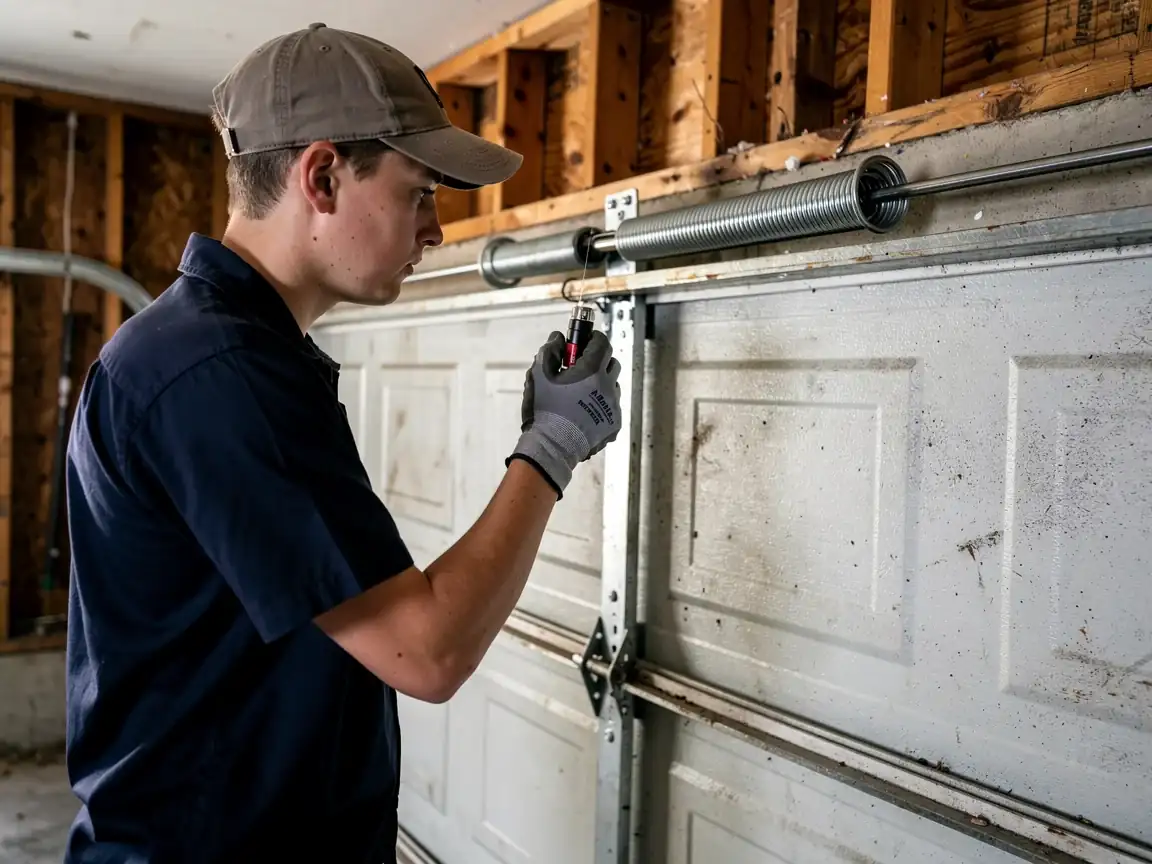
That's almost always a spring problem, not the opener. Call or use the booking link on the home page and describe what you're seeing: did the door drop suddenly, is there a gap in the coil on top of the door, does the opener strain and reverse. That tells the tech what to bring before the truck leaves the shop, which matters because torsion springs come in different wire sizes and wind directions and a mismatch means a second trip.
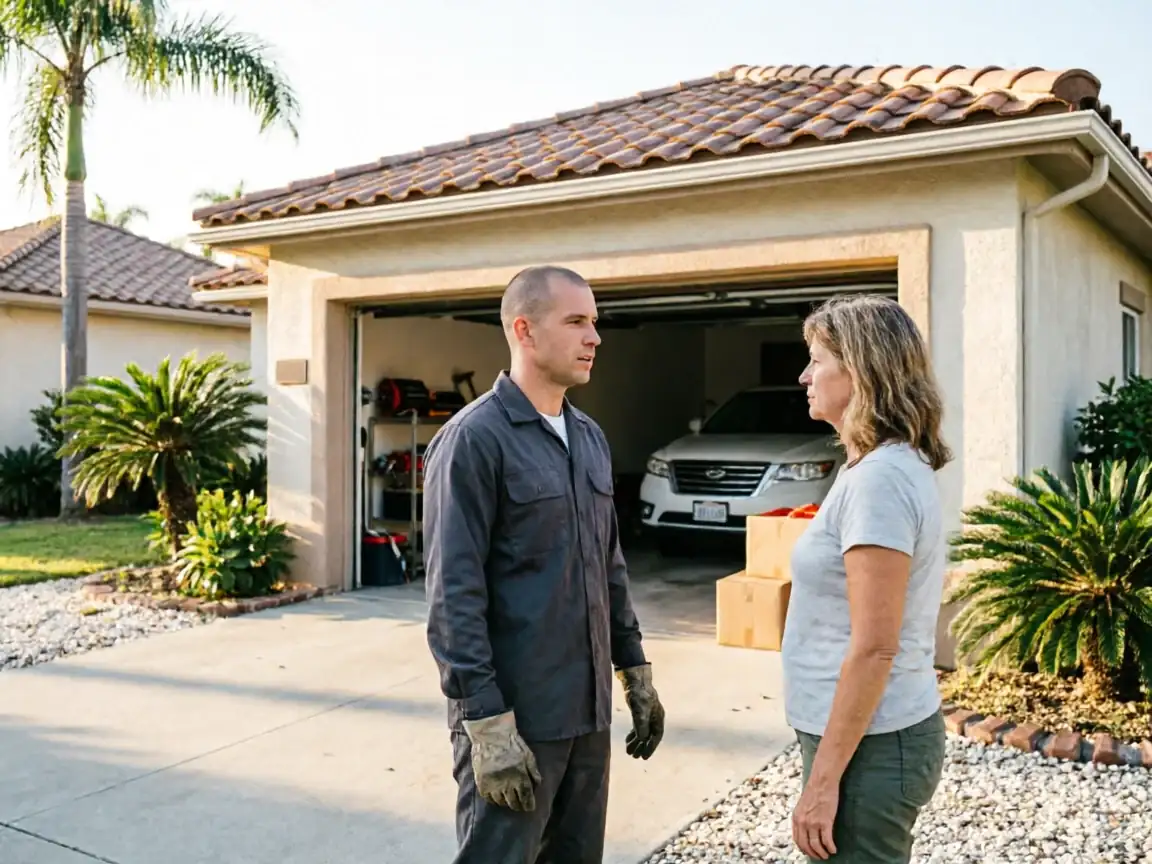
We quote the repair over the phone once we know the door size and spring type
And we confirm it on site before any work starts, since a spring that looks fine from the garage floor can still be undersized for the door it's holding. If you've got a two-spring torsion setup and only one has broken, we replace both anyway and explain why when we're there. We don't do the free-estimate-then-upsell routine - the number we give you over the phone is the number on the invoice unless something changes once the door's open.
The DIY Question
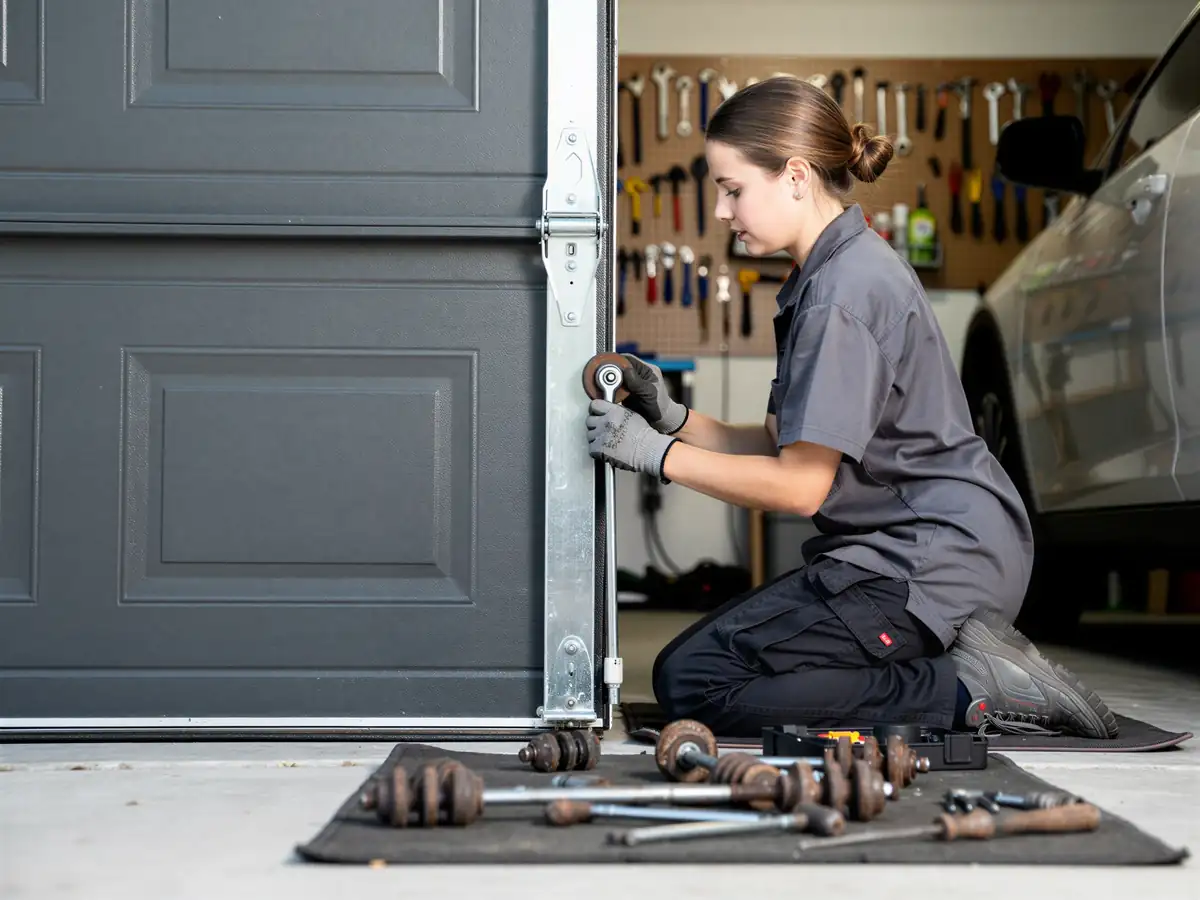
A torsion spring is wound under enough force to break bones or worse if it lets go while you're working on it. We don't recommend homeowners replace one themselves, full stop. The winding bars and the sequence matter, and there isn't a safe shortcut for either.
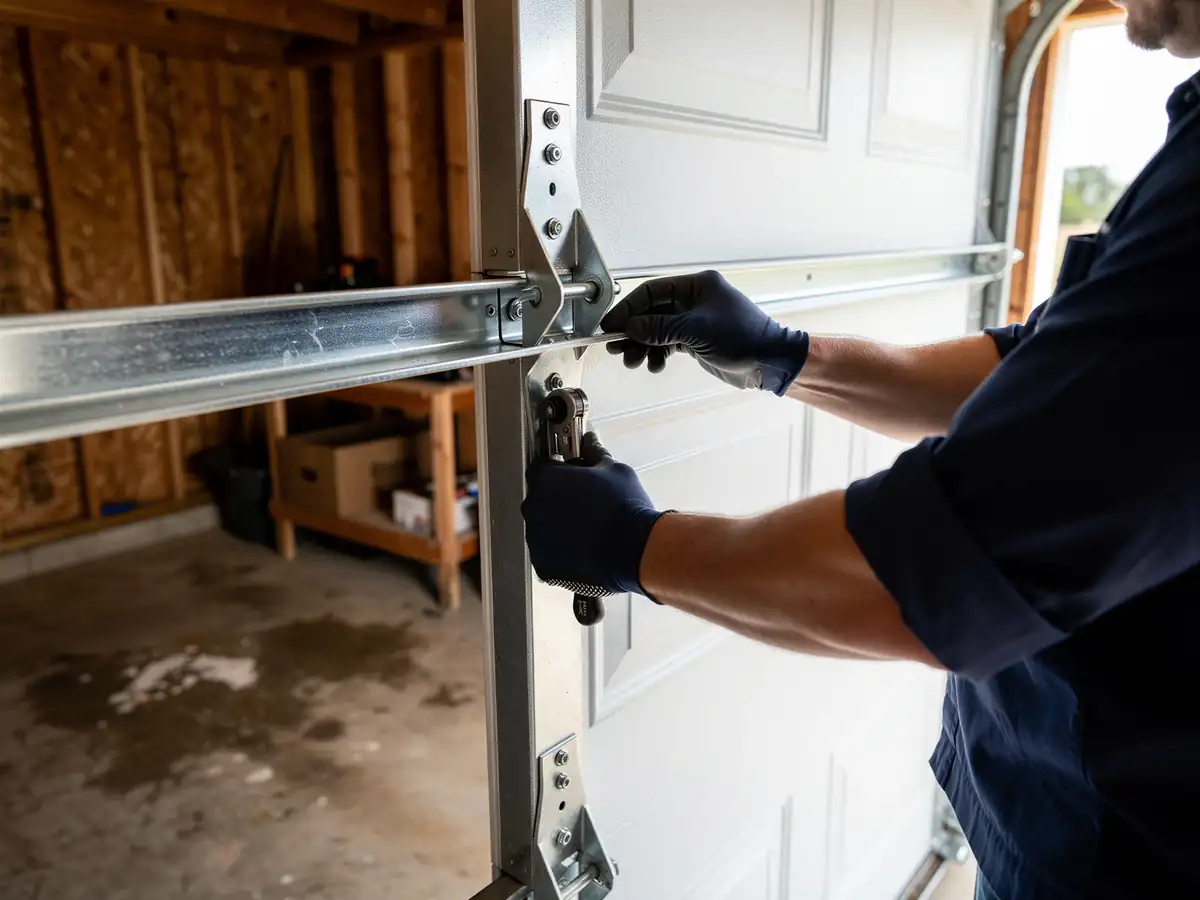
Where there's room for a homeowner to do their own work: tightening loose hardware, lubricating hinges and rollers, or replacing a snapped extension spring on a lighter single-car door with the garage door disconnected from power and the opener arm removed - that's a different risk level, and some owners handle it fine. If you're not sure which kind of spring you have, that uncertainty is itself the answer. Call it in.
What You Are Seeing
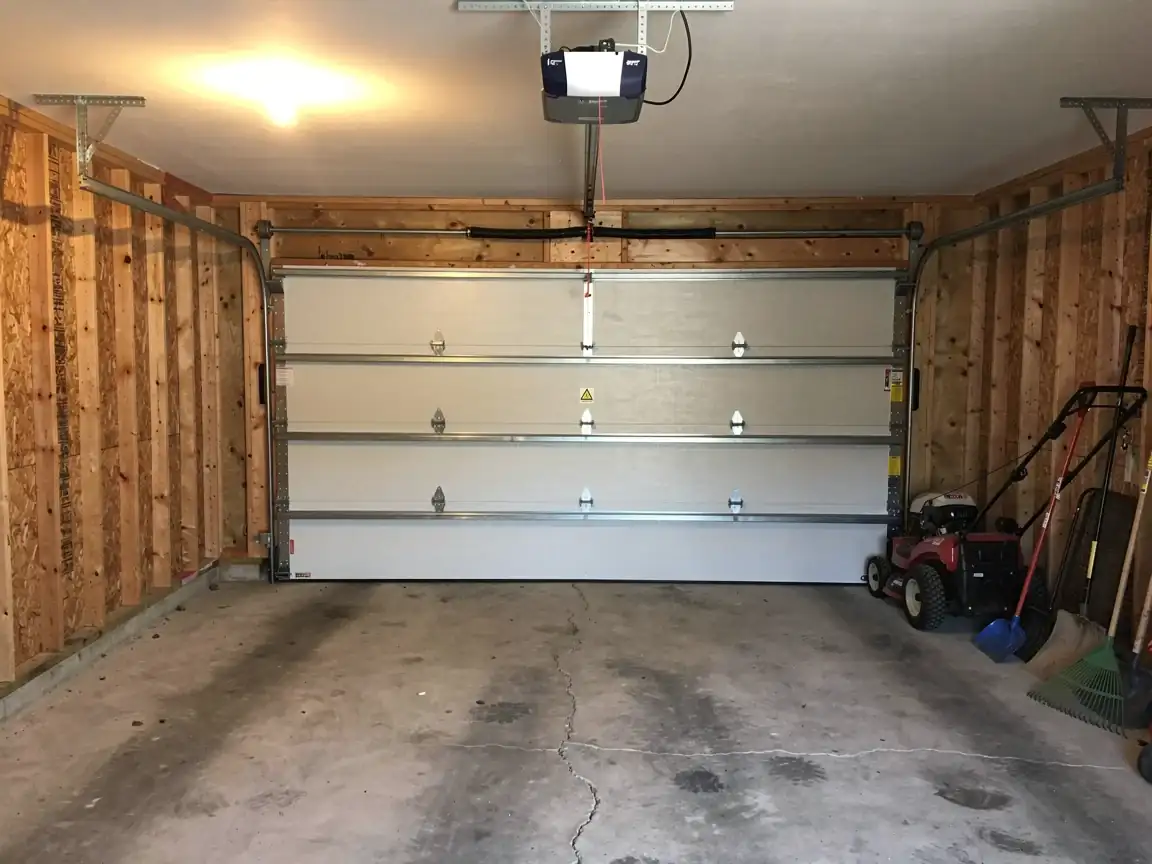
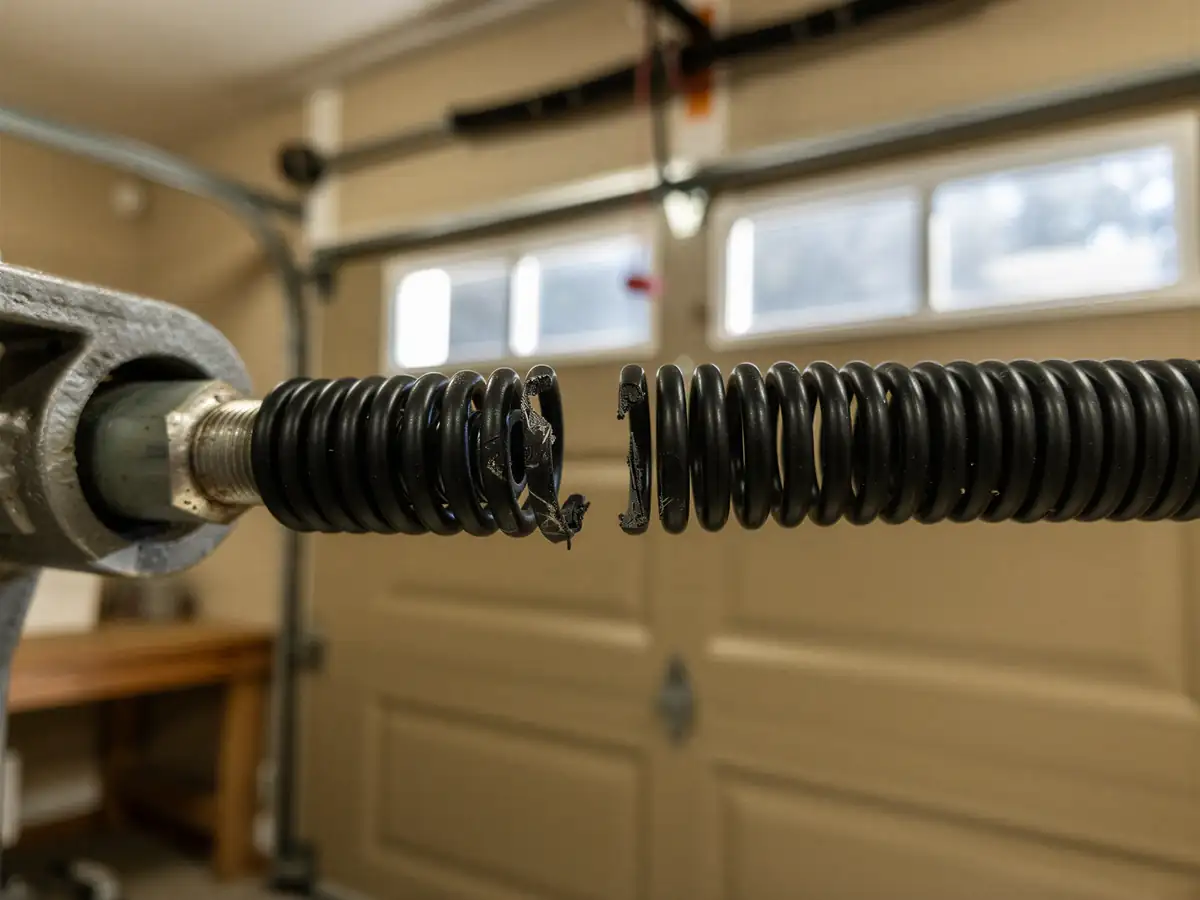
Most spring calls in Plantation start one of two ways. Either the door comes down and stays down - heavy, won't budge by hand, opener groaning and tripping its breaker - or it's already broken and you can see the gap in the torsion coil above the door, or a snapped extension spring dangling along the track. Sometimes it's quieter: the door closes unevenly, one corner dropping faster than the other, which usually means one spring on a two-spring system has already gone while the other is still holding on.
Cables fraying near the bottom bracket is another sign worth catching early, since a cable failure under spring tension can bend a track or crack a panel on the way down. None of these are opener problems even though the opener is what strains and trips. Springs lift the door's weight - the opener just triggers the lift.
Why This Fails Locally
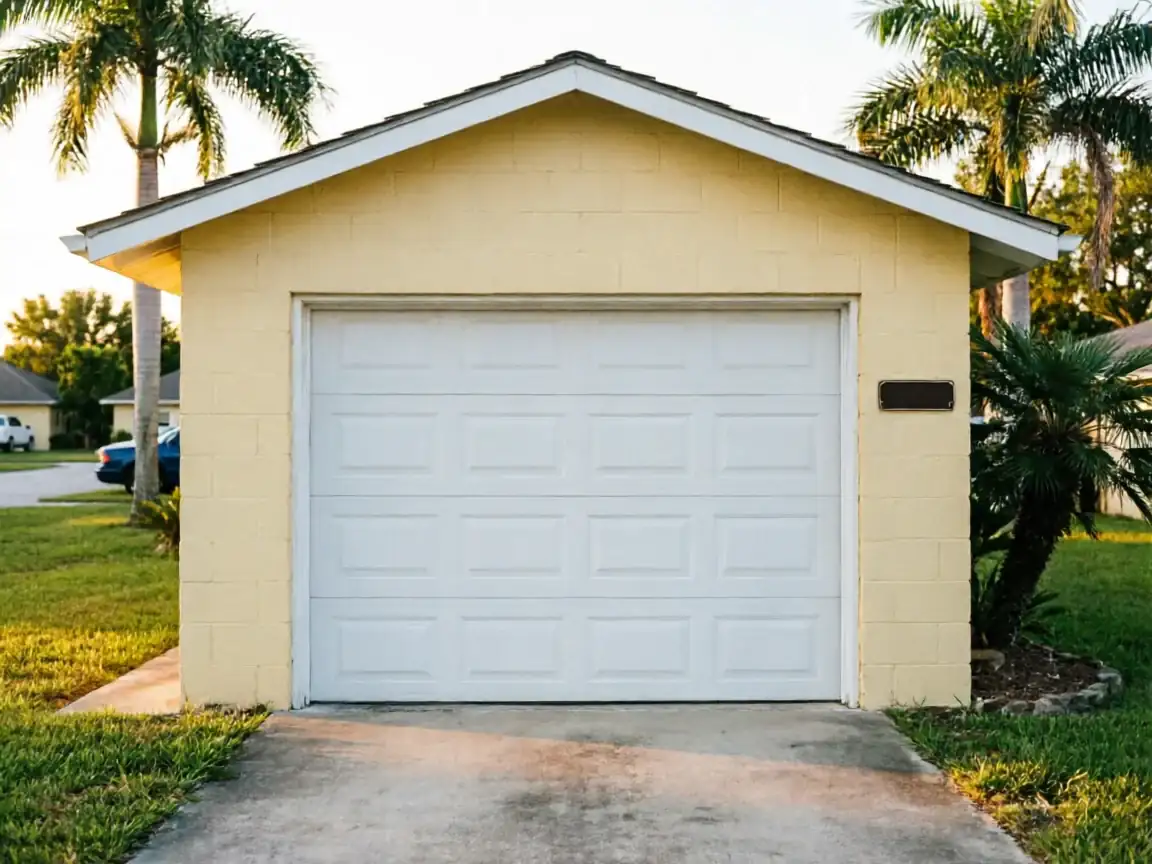
Most of the houses on this side of the county went up between 1953 and 2005
With the typical build year sitting around 1975, and the stock across the 36 named pockets of this service area runs mostly 1960s and '70s construction. A torsion spring is rated for a cycle count, not a calendar date, but houses that age have been through several spring replacements already, and a lot of that hardware is a mismatch of whatever was in stock at the time it was last swapped.
The climate band here is mild temperate, not the freeze-thaw cycling that snaps steel through ice elsewhere
That doesn't mean springs last forever - year-round heat and humidity work the galvanized coating differently, and a door that runs daily in warm, humid air puts more wear cycles on a spring over a year than one that sits idle through a hard winter. With 114,663 owner-occupied houses in this service area, most built before 2005, a large share of the torsion springs out there are well past the point where 'it's been fine so far' stops meaning anything.
- 114,663 owner-occupied