The Cost of This Job
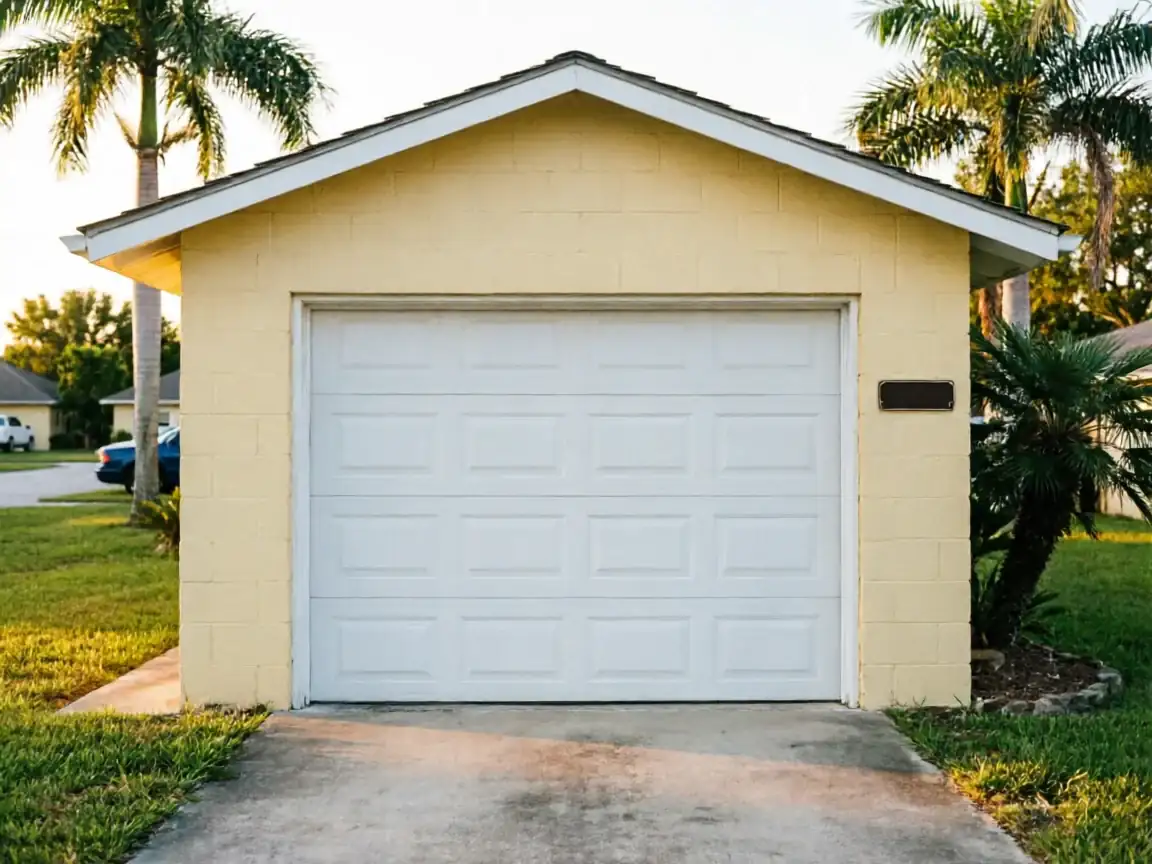
A garage door in Miami Gardens that went up around 1969 is almost always a single steel or wood-panel door on a center-mounted torsion spring
Not the dual-spring setup you see on newer two-car doors. That matters for cost before anything else: a single spring job on an older, narrower door takes less hardware and less time on the truck than a double door with two springs and a heavier torsion bar.
We don't post a flat number here because the real driver isn't the town, it's the door in front of us
Spring wire gauge, drum size, whether the torsion tube has been swapped before, and whether the opener's been fighting a half-broken spring long enough to strain the gears too. What we can tell you is that in a house built in 1969, that spring has had decades to work-harden and fatigue, so we're usually replacing a spring that was never upgraded, not patching one from a recent remodel.
We won't quote a price sight unseen
And we won't pretend every job in Miami Gardens costs the same as the one down the street. If your door is original to the house, expect to replace the spring outright rather than adjust it - at that age, adjusting buys you a few more weeks, not a fix.
What You Are Seeing
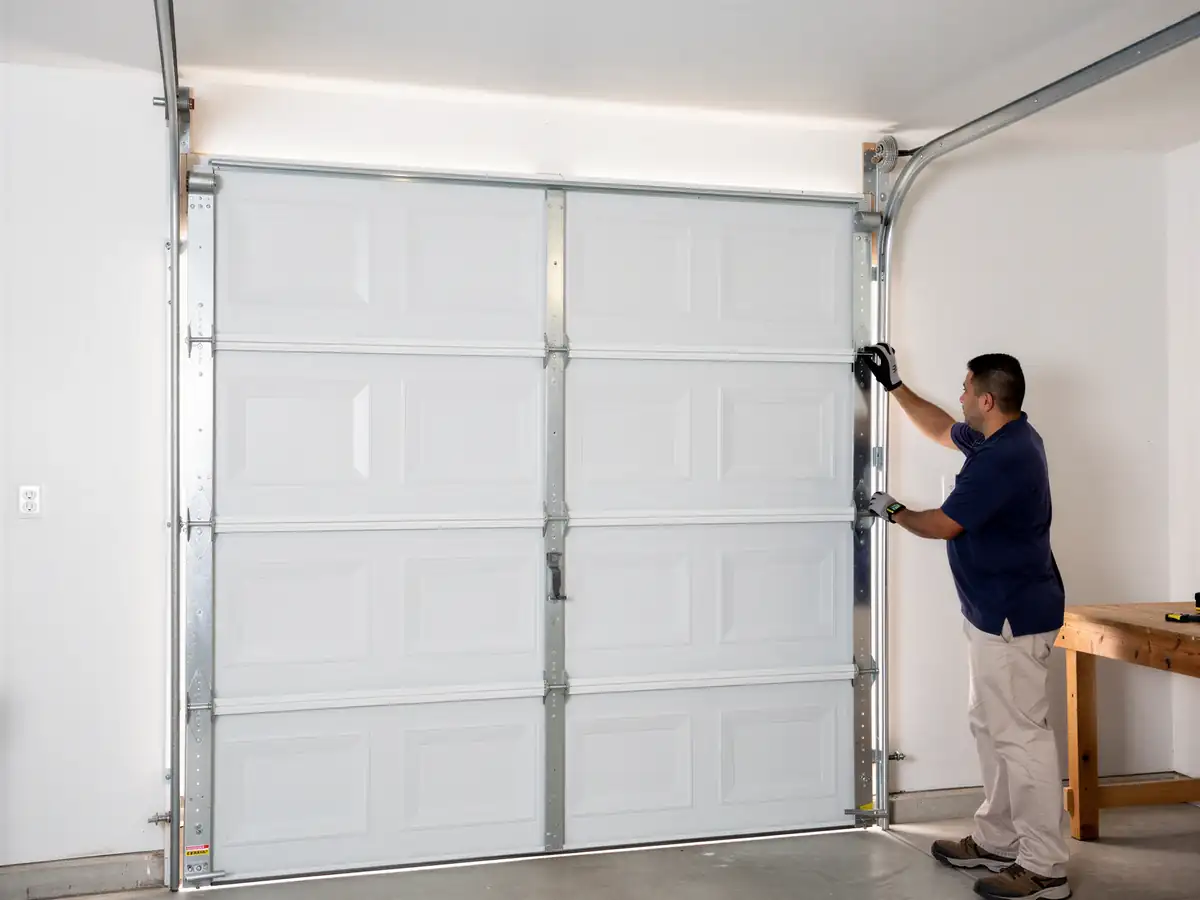
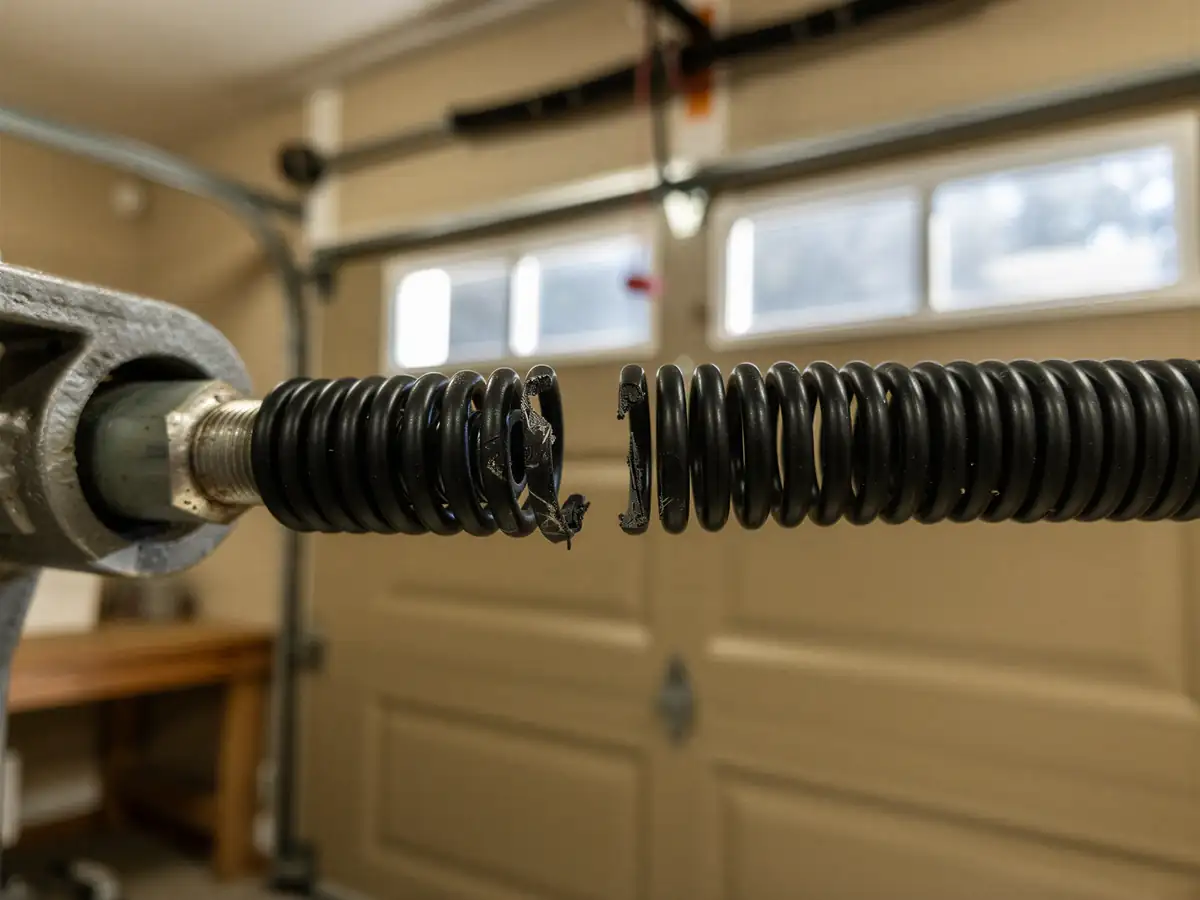
The door won't lift, or it lifts a few inches and stalls. Sometimes there's a loud bang from the garage - that's the spring letting go, not the opener failing. On a 1969-era door, the cable on one side often looks loose or frayed where it rode a spring that had already lost tension for months before it snapped.
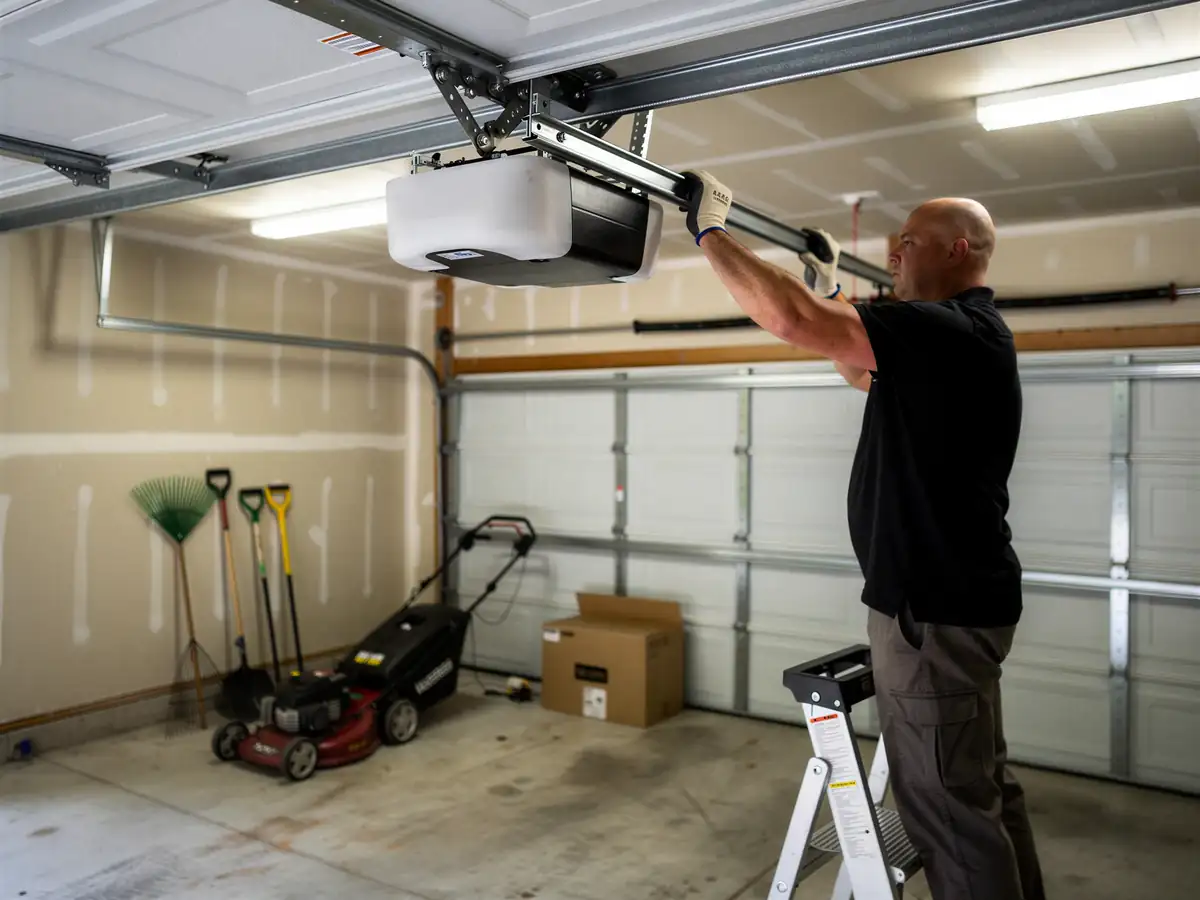
If you try the opener and it just hums or clicks without the door moving, the opener is trying to lift dead weight it was never built to carry alone - garage door openers are designed to assist a properly sprung door, not replace the spring's job. Forcing it repeatedly is how you burn out a gear set that was otherwise fine.
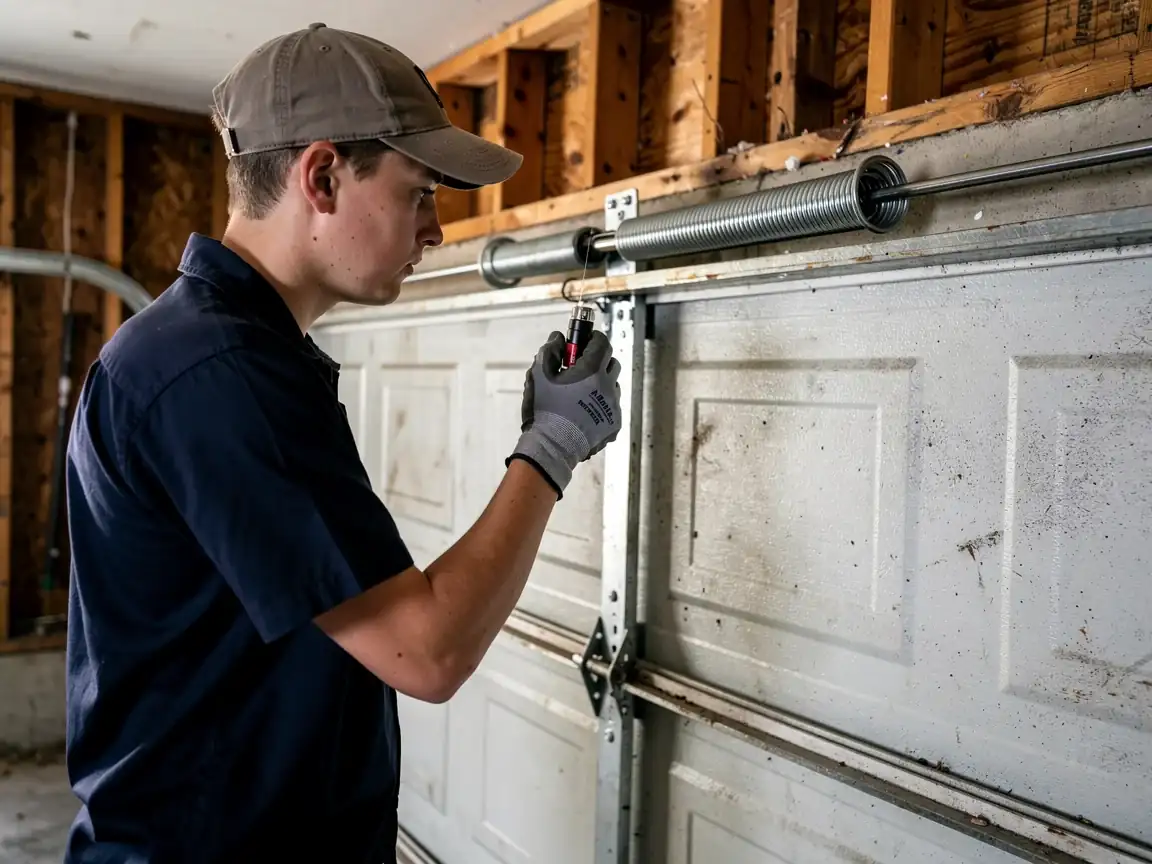
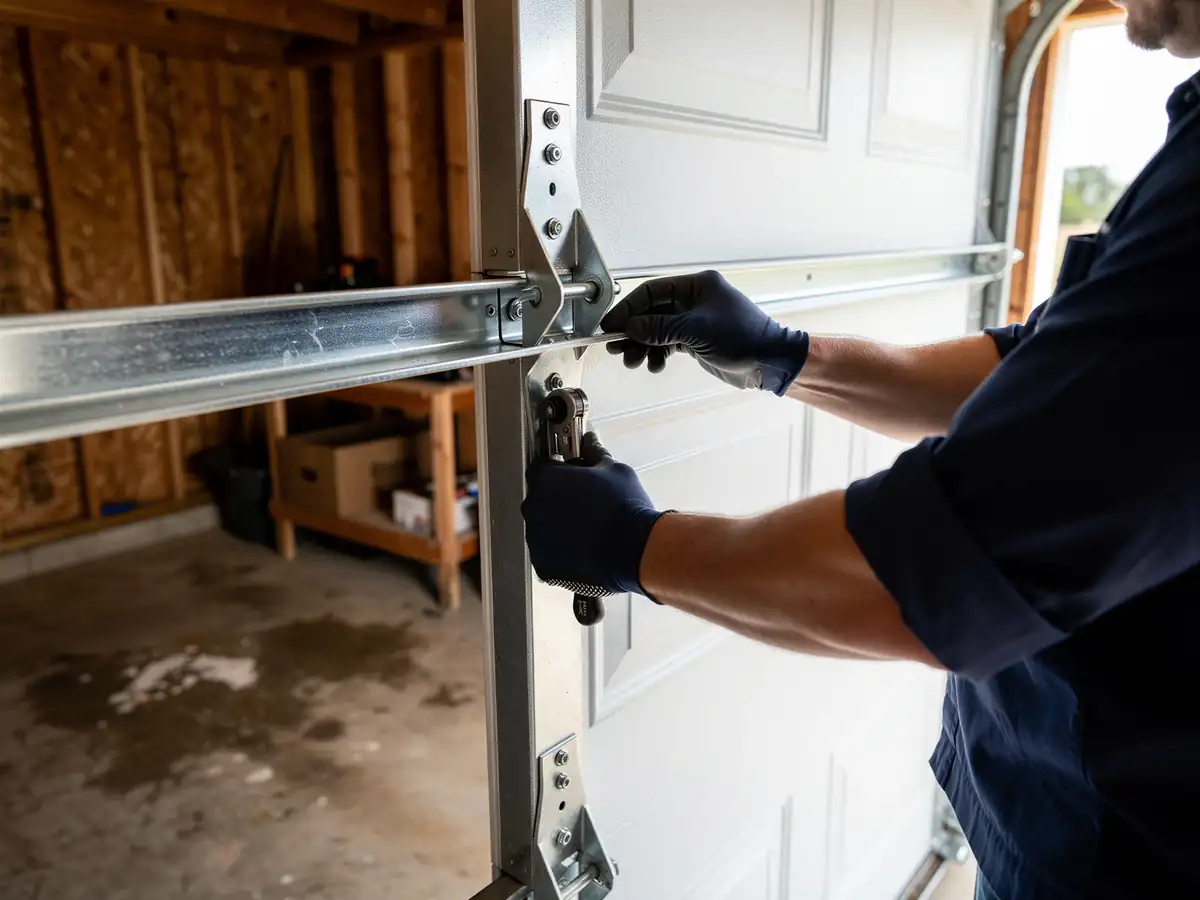
On some of these older single-spring setups we still find in Miami Gardens, the torsion bar has a visible gap where the spring used to sit coiled tight. That gap alone tells us which side broke before we even open the door.
Why This Fails Locally
The broader service area this company covers has housing stock running from 1953 up through 2005, with 1975 as the rough midpoint. Miami Gardens sits on the older side of that range at 1969, which means the springs on these doors have had more cycles and more years of South Florida humidity working on the coil than homes built in the newer pockets of the service area.
A torsion spring doesn't fail from one bad lift. It fails from the thousands of lifts before it, and a spring installed when the house went up in 1969 has had roughly five decades to get there if nobody's touched it. Across the 34,515 households in Miami Gardens, a lot of those original or first-replacement springs are well past the point where tension adjustment helps.
Mild year-round temperatures here mean the coil isn't cracking from freeze-thaw the way it might further north - it's simple fatigue and rust at the coil ends from humidity, which is a slower failure but not a smaller one.
Stocked Parts
We carry torsion springs sized for the single-door
Center-mount setups that were standard builder spec in 1969, along with the more common double-spring hardware for later two-car doors. For a house with original hardware, that usually means we can do the swap on one visit rather than ordering a part that doesn't exist on the shelf anymore.
What we don't stock is every obsolete torsion drum or oversized commercial spring
If a previous repair put in a mismatched or oddball part, that one may need an order, and we'll tell you that up front rather than force a part that's close enough. That's the one honest limit here: a correct spring match matters more than a fast one, and sometimes fast isn't available.
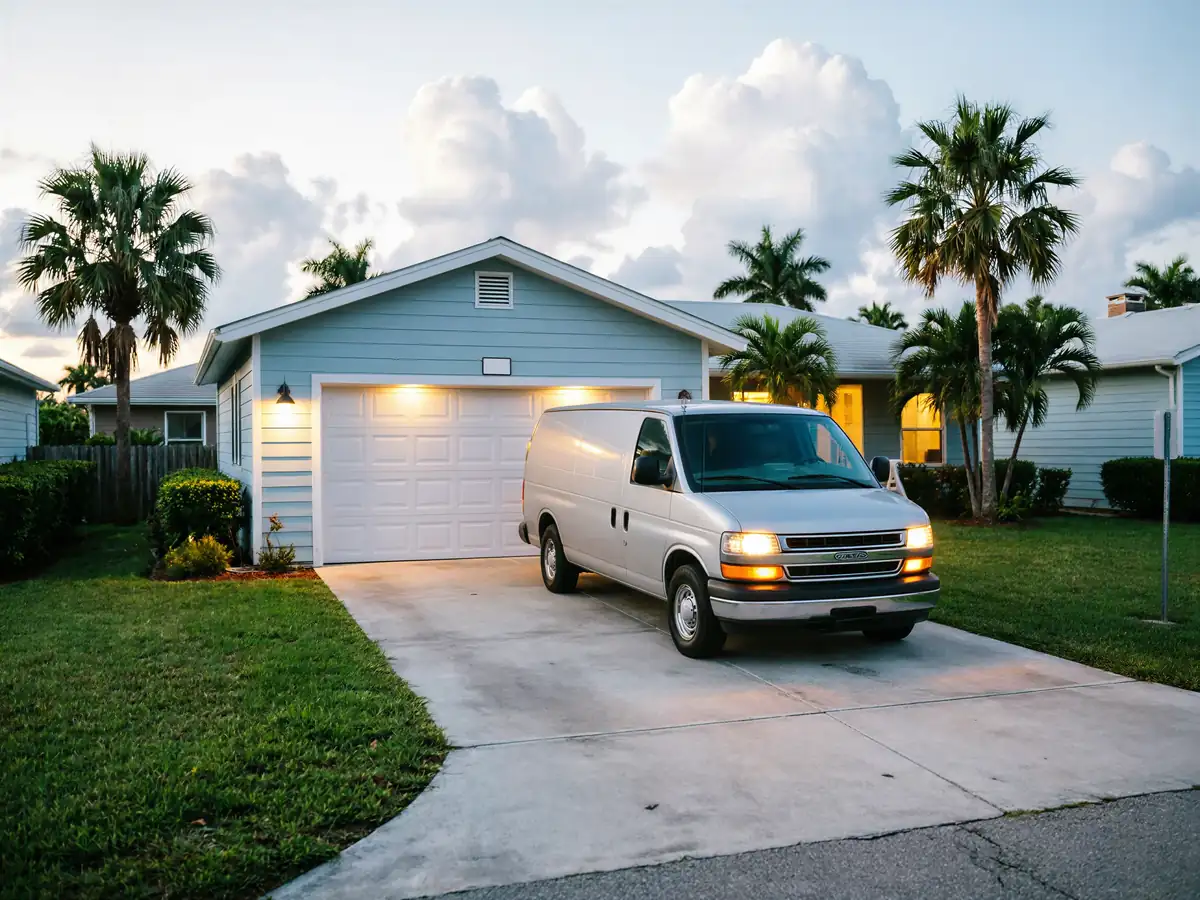
We drive the 12 miles out from Plantation with the common sizes already on the truck
Which covers the great majority of what we see on 1969-era Miami Gardens doors.
- 12 miles
What Can Go Wrong
The biggest risk on a door this age isn't the spring itself, it's what's attached to it. Cables stretched thin by a failing spring can snap under load, and a torsion bar that's been running unbalanced for months can bend at the bearing plate. If the opener's been straining against a broken spring for a while, the drive gear can strip, turning a spring job into a spring-plus-opener job.
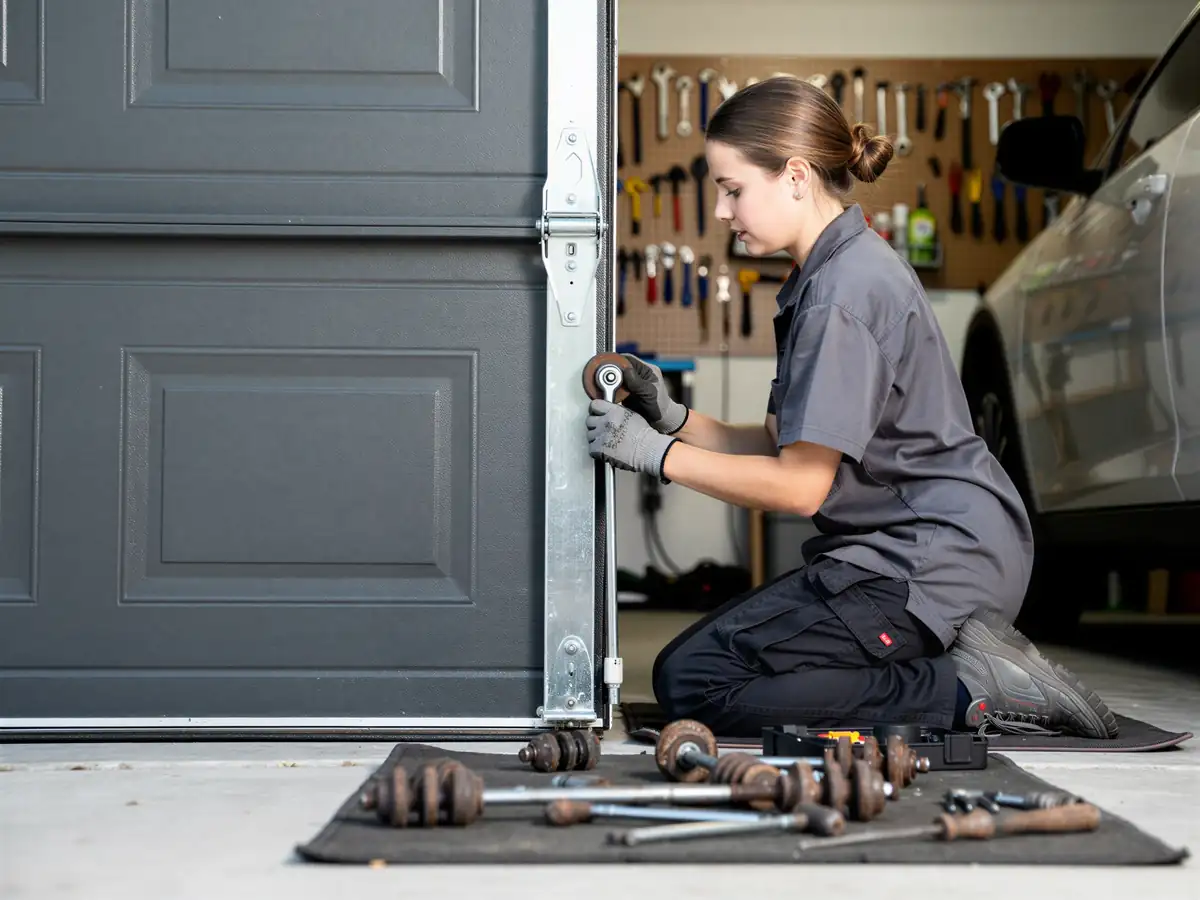
We also see brackets and end bearing plates on original 1969 hardware that have rusted or loosened from decades of use - swapping the spring without checking those means the fix doesn't hold.
The one thing we won't do is adjust tension on a spring that's already cracked or unwound past safe limits, just to save a visit. That's a shortcut that ends in a cable whipping loose, and it's not worth the risk to anyone standing near the door.