The Cost of This Job
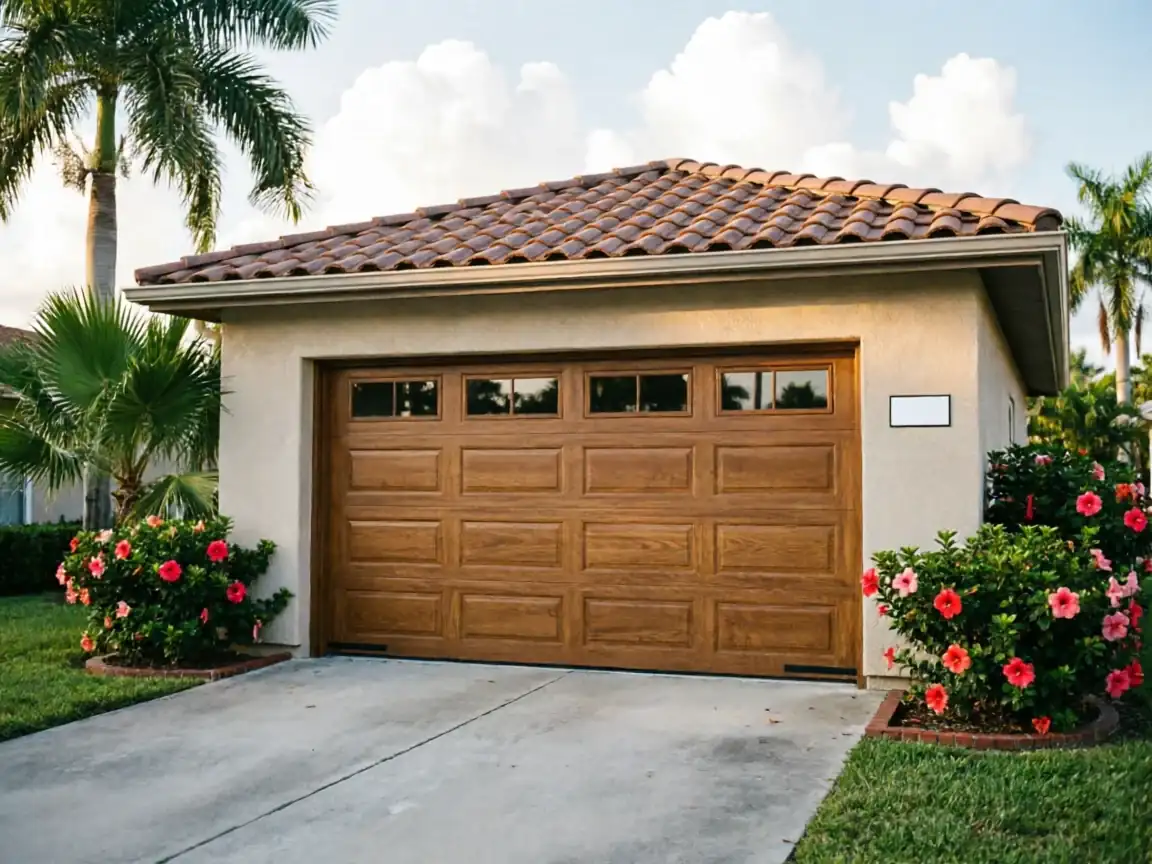
We don't post a flat number for opener repair here because what's actually broken in a Miami Gardens house isn't the same as what breaks in a house built ten years later
Most of this area went up around 1969, and a lot of those openers have been swapped once already - sometimes twice - by the time we get the call. The job cost depends on whether we're replacing a logic board, a drive gear, a capacitor, or the whole unit, and we won't quote blind over the phone.
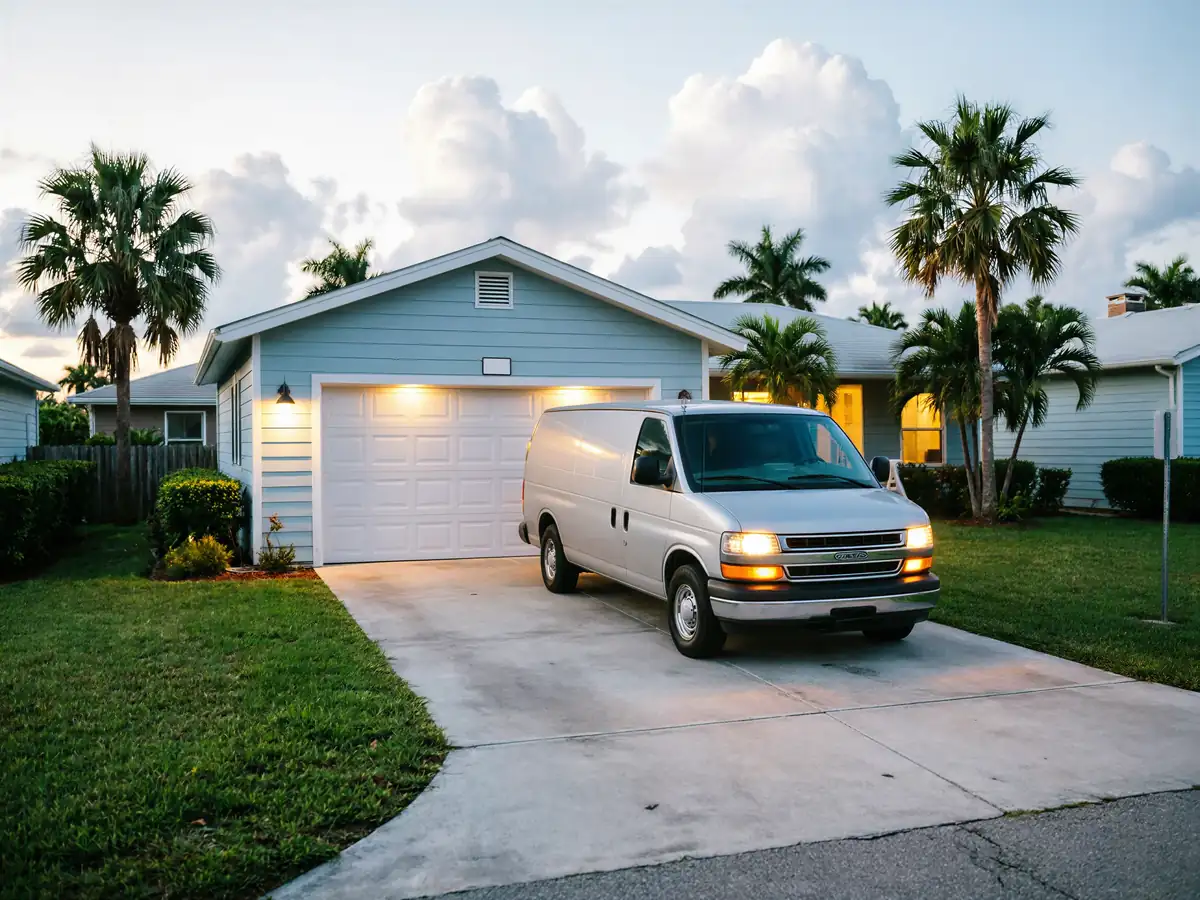
What we can tell you is that we travel from our shop in Plantation, about 12 miles out, to reach Miami Gardens
So any quote includes that trip - we don't keep a branch or a depot here, and we're not going to pretend otherwise. If your opener is original to a 1969-era build, or close to it, there's a real chance repair costs more in parts and labor than a new unit, and we'll tell you that straight rather than keep billing you for patchwork on a dying motor.
- 12 miles
What You Are Seeing
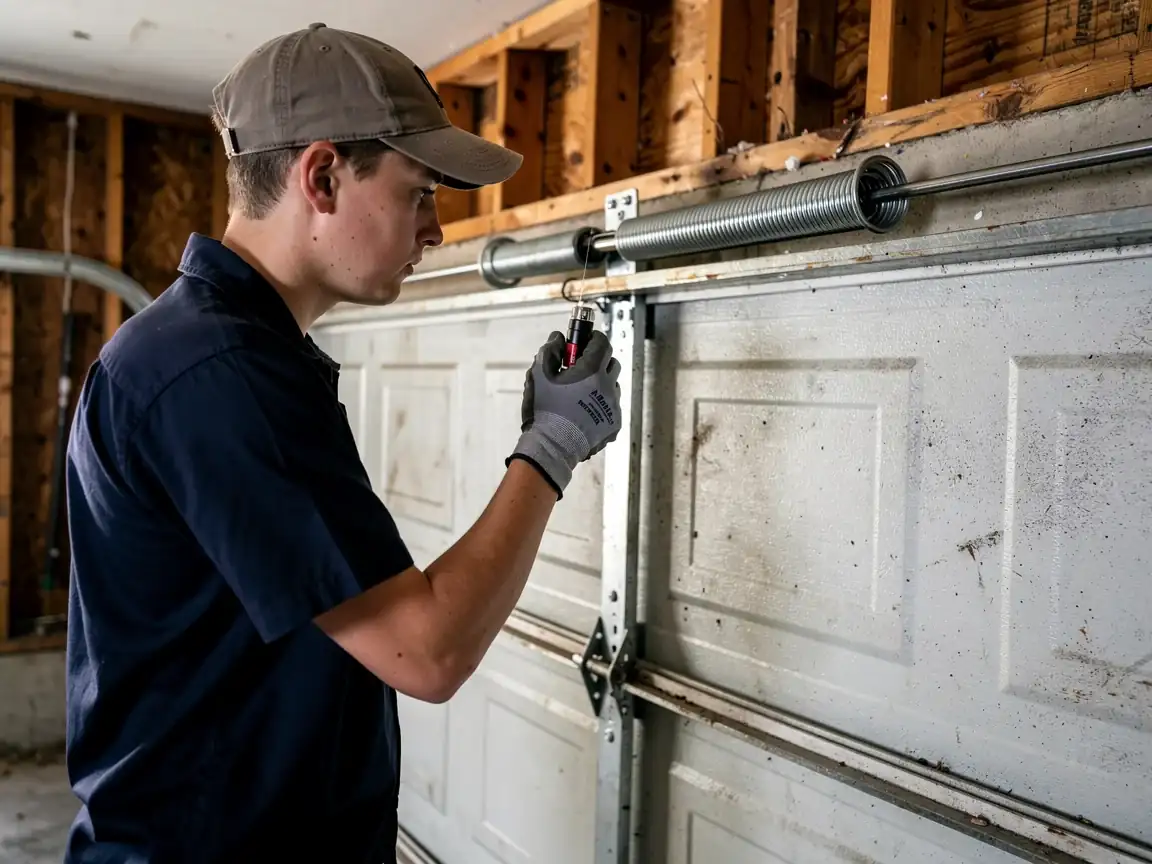
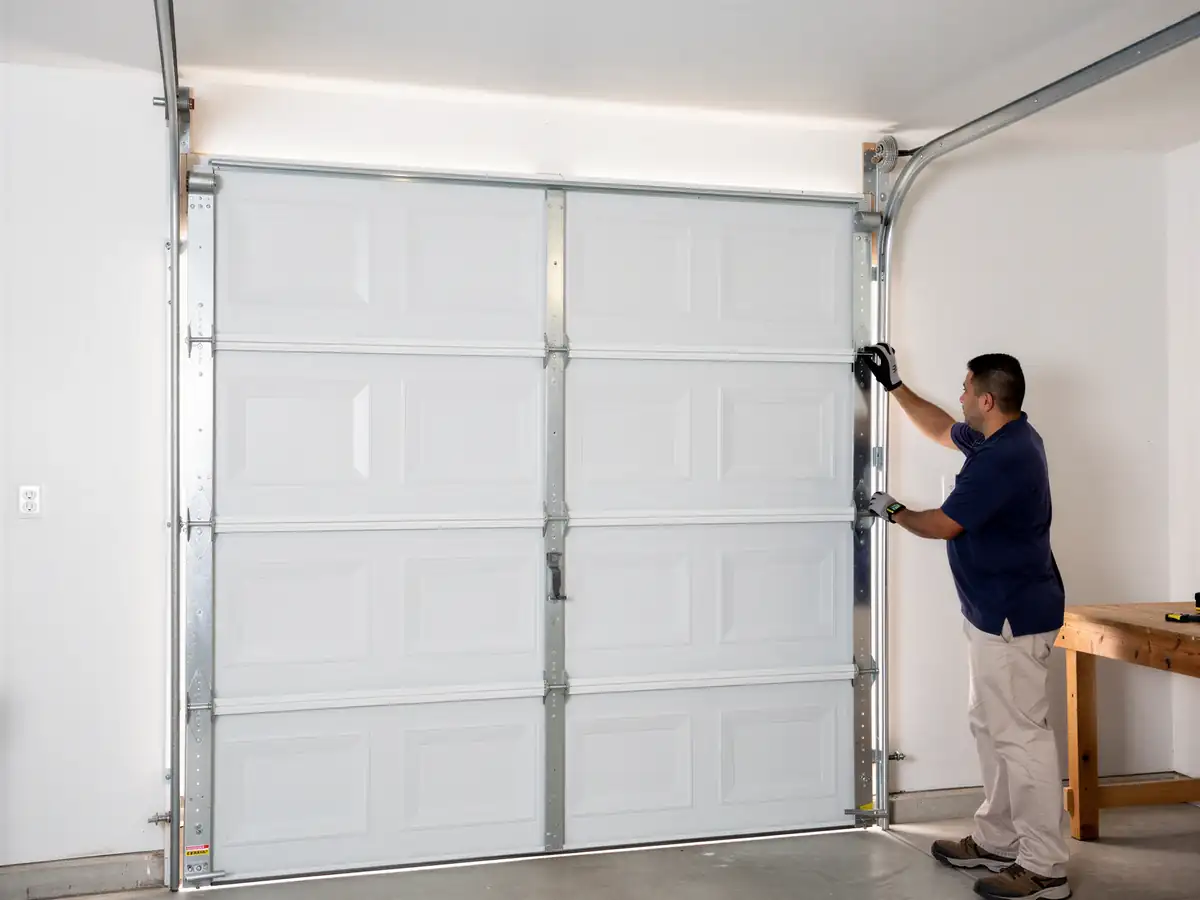
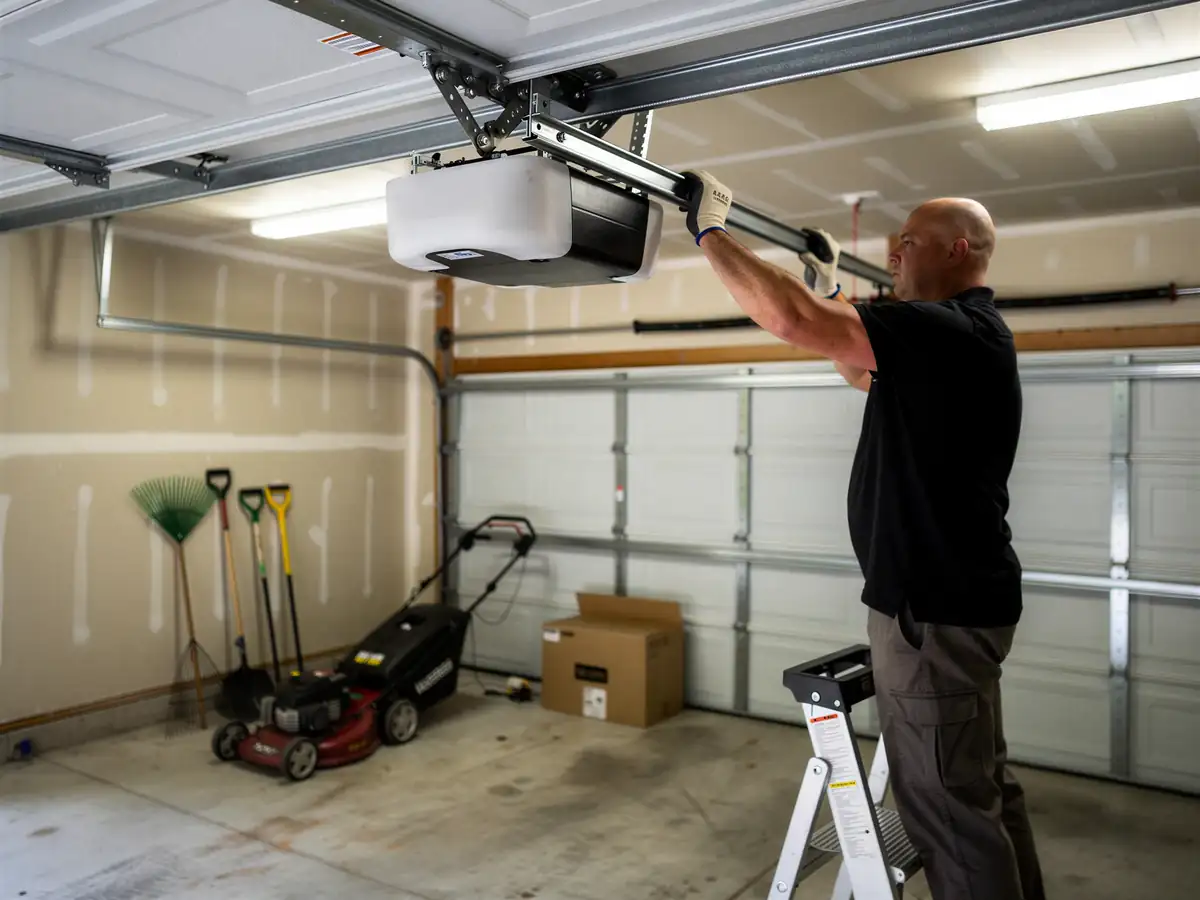
In a Miami Gardens house from this era, the opener usually isn't the first thing installed - it's the second or third, bolted onto original rail hardware that was never sized for today's heavier insulated doors. The symptoms we see most: the door reverses for no reason, the remote works from six feet away but not from the driveway, or the motor hums and the door doesn't move at all.
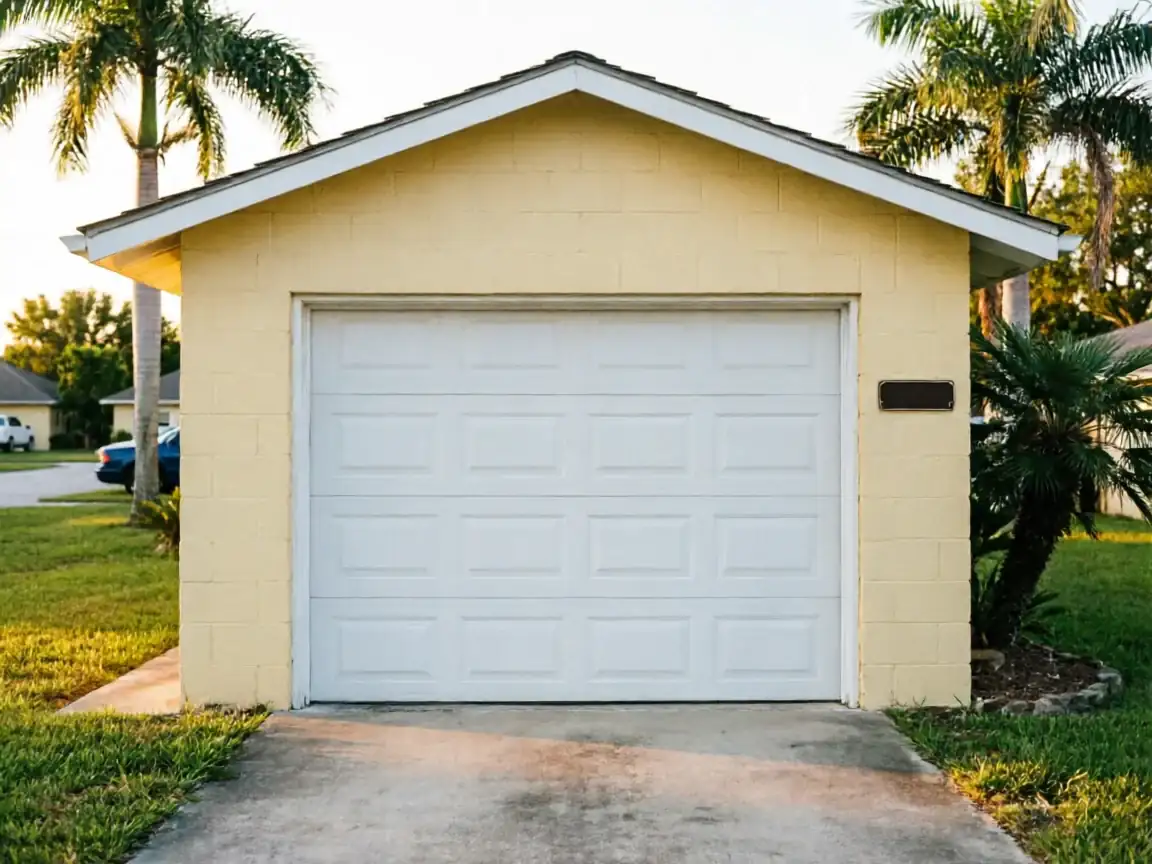
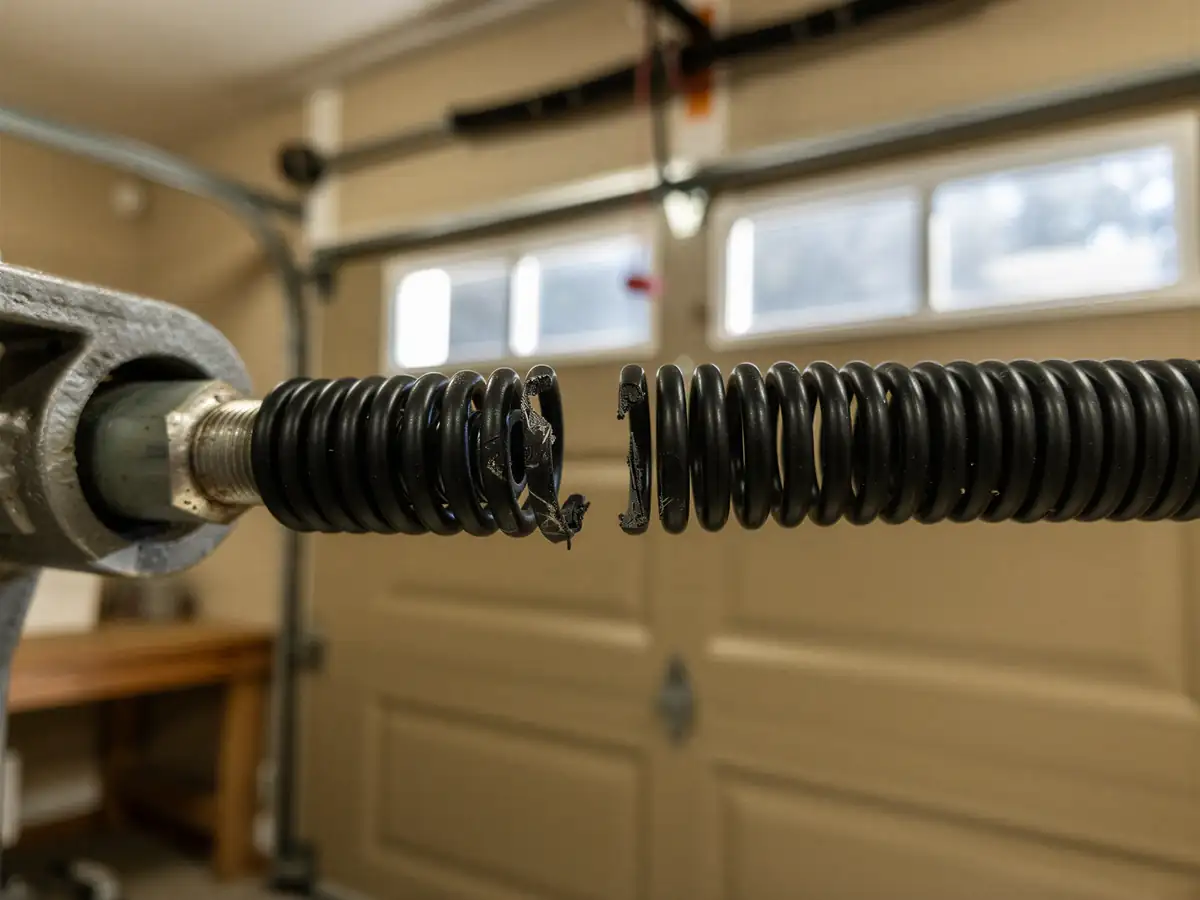
With 34,515 households in this part of our service area, and a lot of that housing stock dating to the late 1960s, the pattern repeats: a chain-drive unit that's been re-greased by hand more than once, a logic board that's taken on moisture over the years, and a safety sensor pair that's been knocked out of alignment by a car bumper or a stored bike. None of that is dramatic. It's just thirty-plus years of ordinary wear on hardware that was never meant to last past the first opener swap.
Why This Fails Locally
South Florida's mild, humid air doesn't freeze anything, but it does something slower and just as costly - it works into open-frame circuit boards and corrodes contact points over years, which is exactly the kind of failure we find in openers original or close to original on 1969-built homes in Miami Gardens. A board that looks fine from outside can have green corrosion on the solder joints underneath.
Median household income in this part of the service area runs around $60,979, which matters here because it shapes a decision we see a lot: repair the board one more time, or replace the whole unit. We're not going to tell every homeowner to replace - sometimes a $40 board swap buys another five years. But on a unit this old, with chain and gear wear on top of the electrical issues, repair-and-repeat stops making sense fast.
Stocked Parts
We carry the parts that fail most often on openers from this era
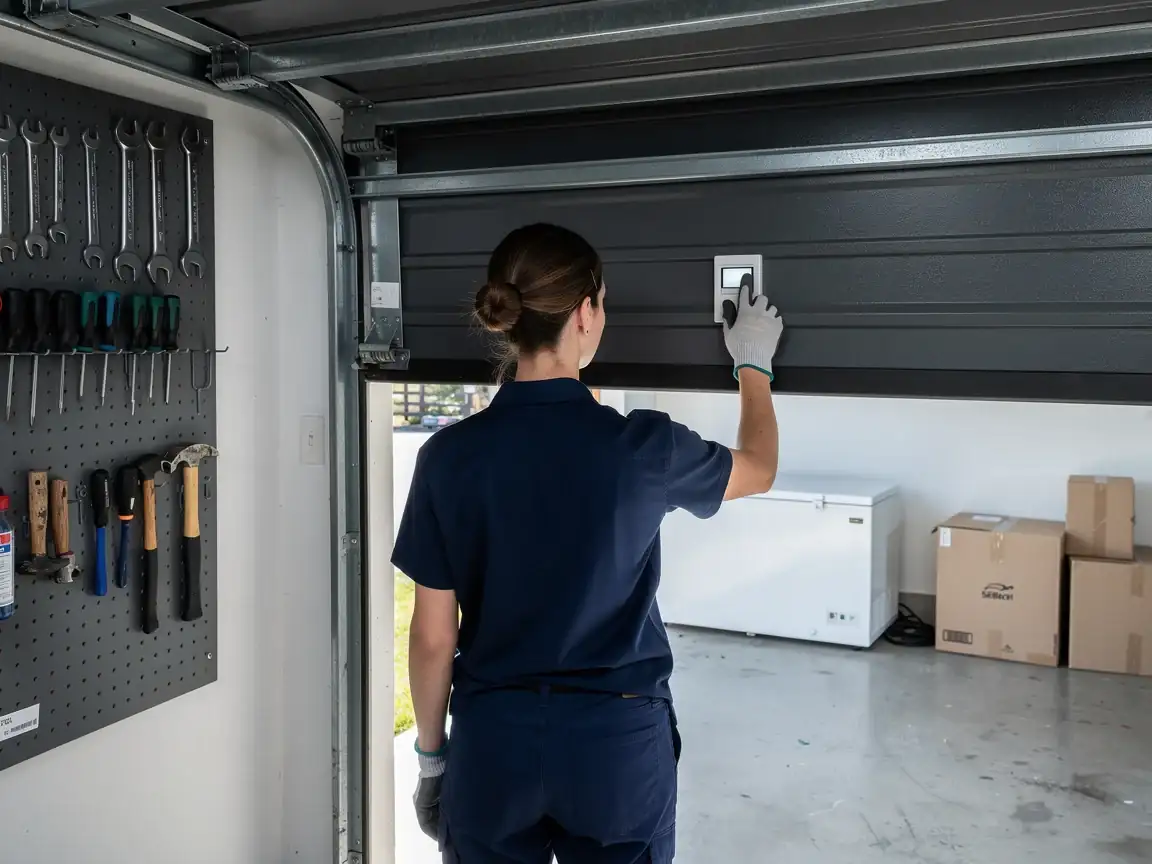
Drive gears and sprockets for chain and belt units, standard logic boards for the major opener brands still in service on homes this age, wall control stations, and photo-eye sensor pairs. Those cover the bulk of what breaks on a 1969-era Miami Gardens opener.
What we don't stock on the truck is anything proprietary to a discontinued model
Some openers from decades back used housings and boards that the manufacturer stopped making years ago. If your unit falls into that category, we'll tell you on the spot rather than order a part that may take weeks, and we'll walk you through whether replacement makes more sense than waiting.
What Can Go Wrong
The most common mistake we see in this area is a homeowner replacing the remote or the wall button first, assuming that's the fix, when the real fault is a cracked logic board that's been slowly failing for months. That delays the real repair and sometimes costs the door itself if the opener fails mid-cycle and the door comes down on something.
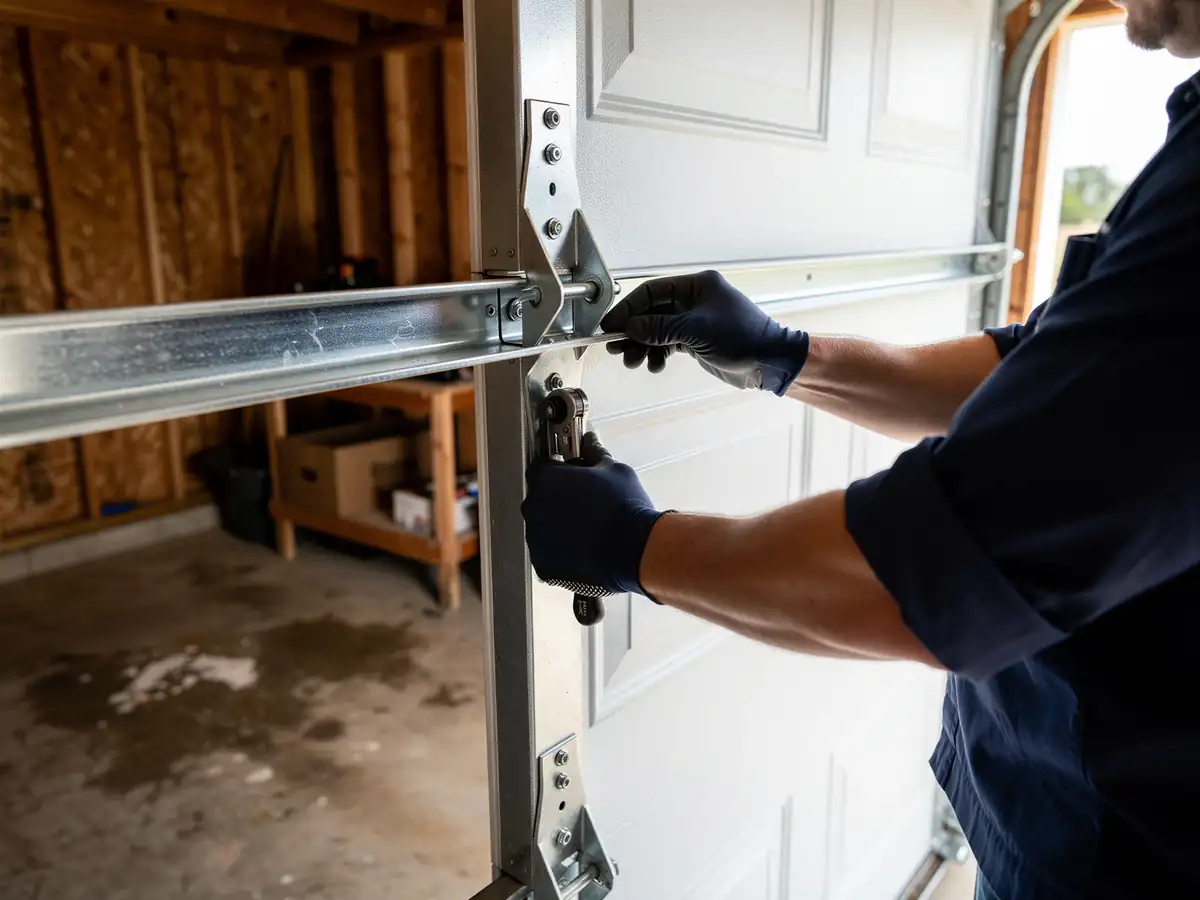
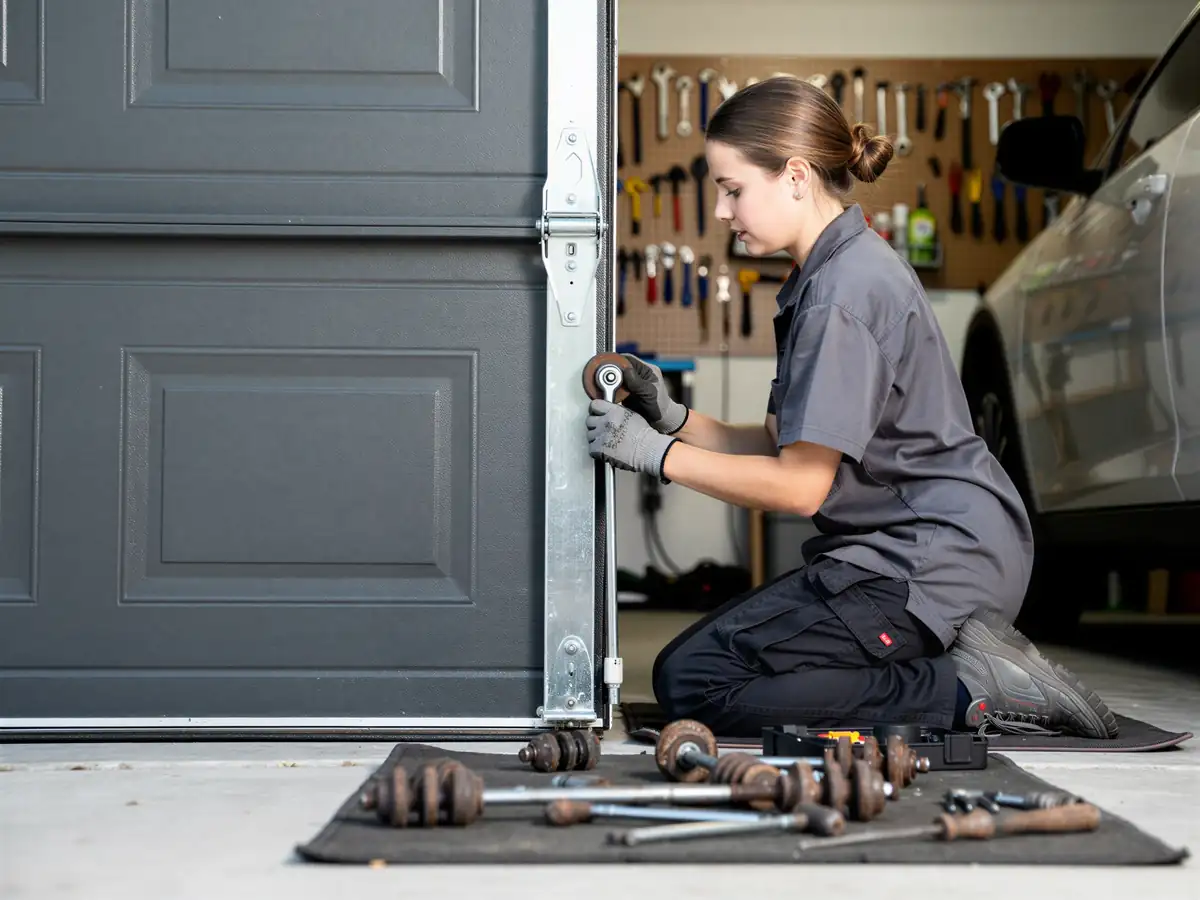
The other risk is specific to the age of this housing stock: rail and hardware from a 1969 build often isn't rated for the heavier doors installed since, which puts extra strain on a new opener motor even after a clean repair. We'll flag that mismatch when we see it, because fixing the opener without addressing the rail just moves the failure point somewhere else on the same door.