What You Are Seeing
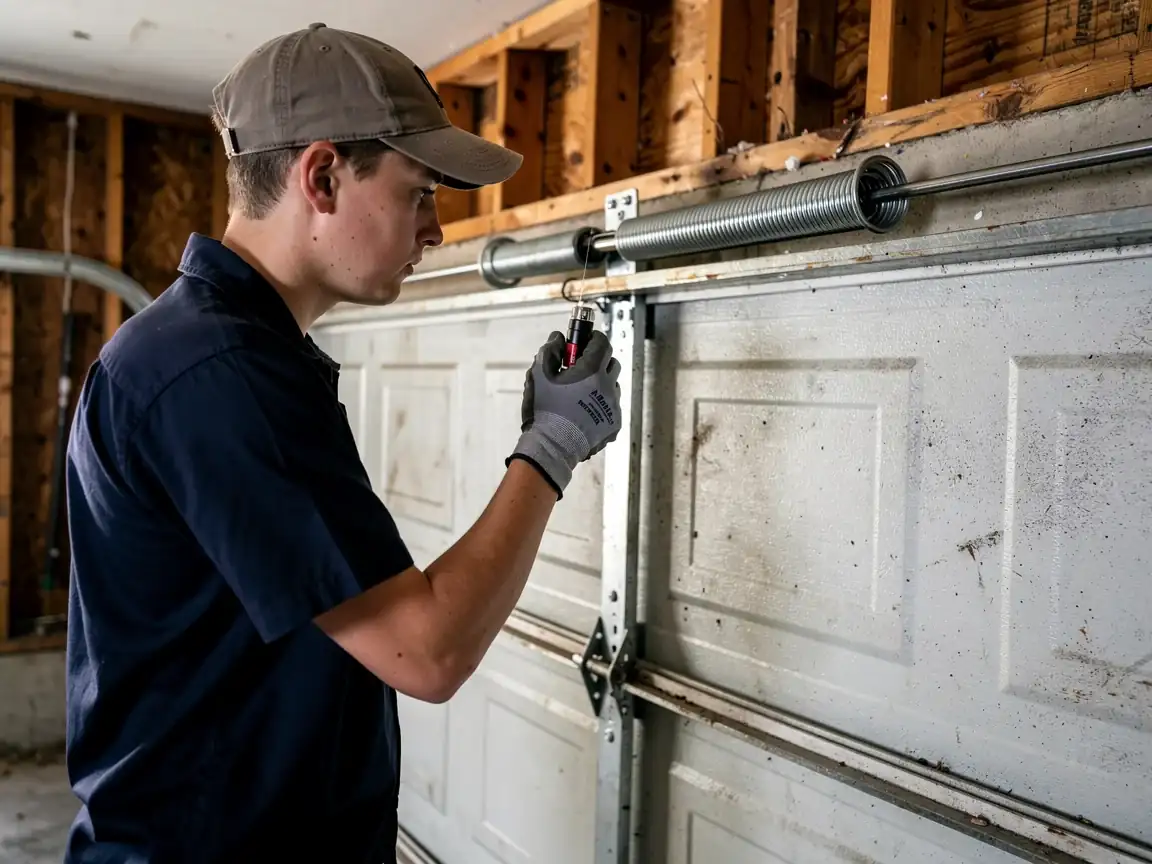
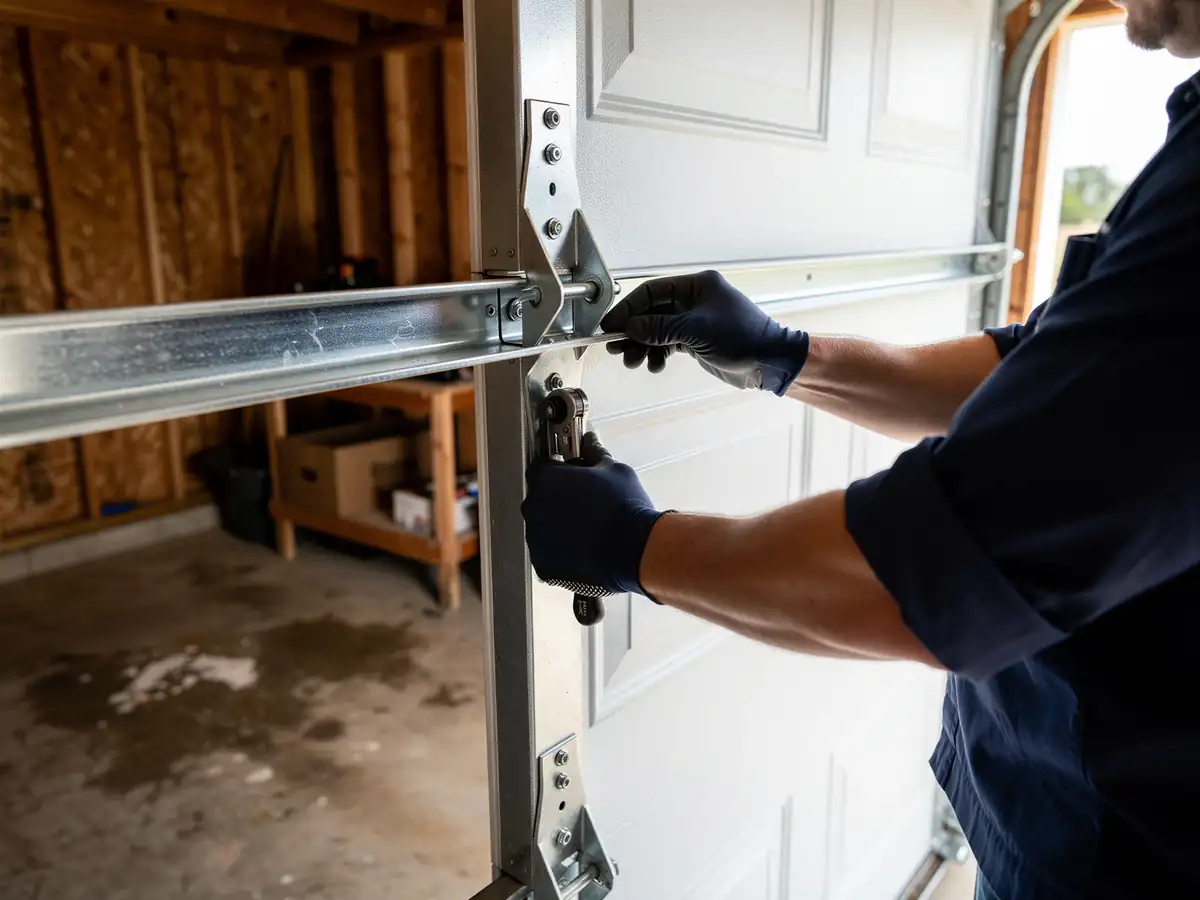
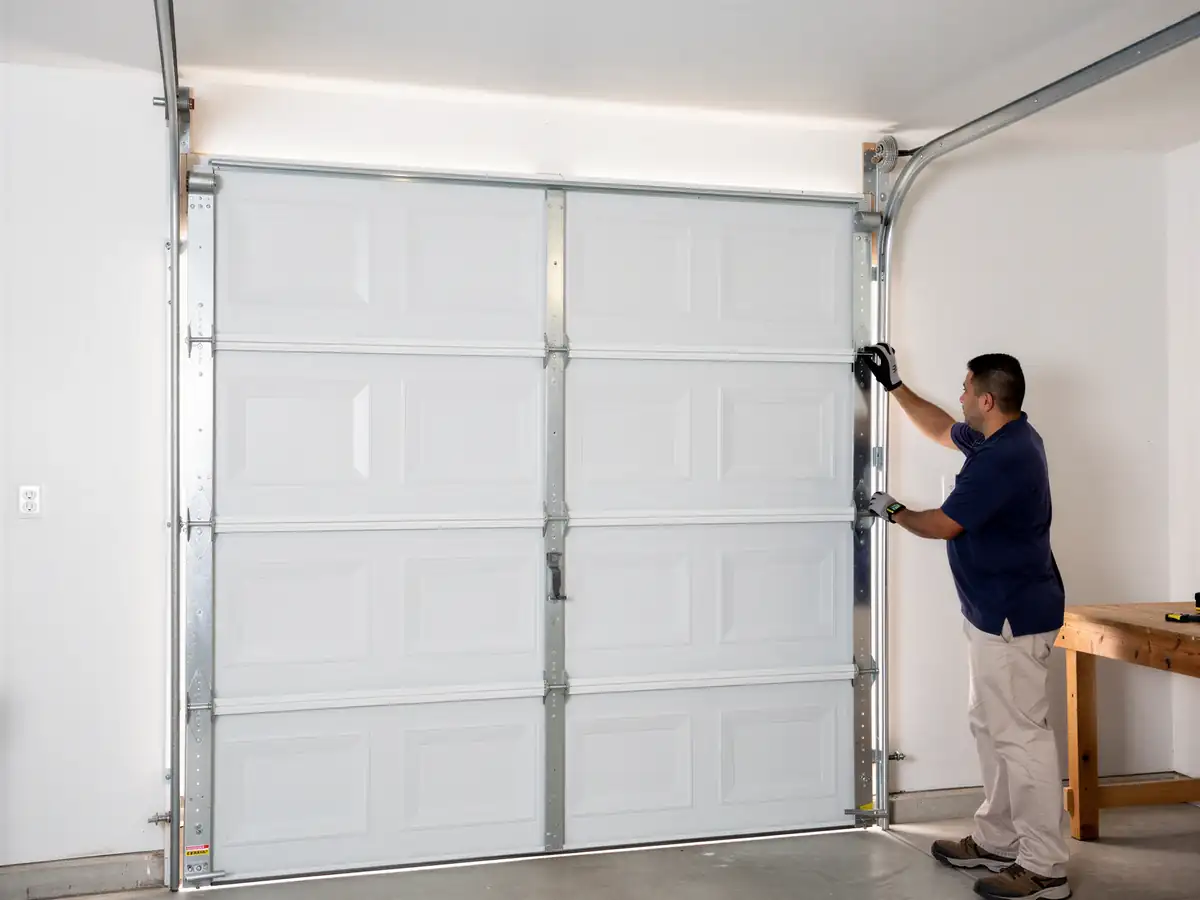
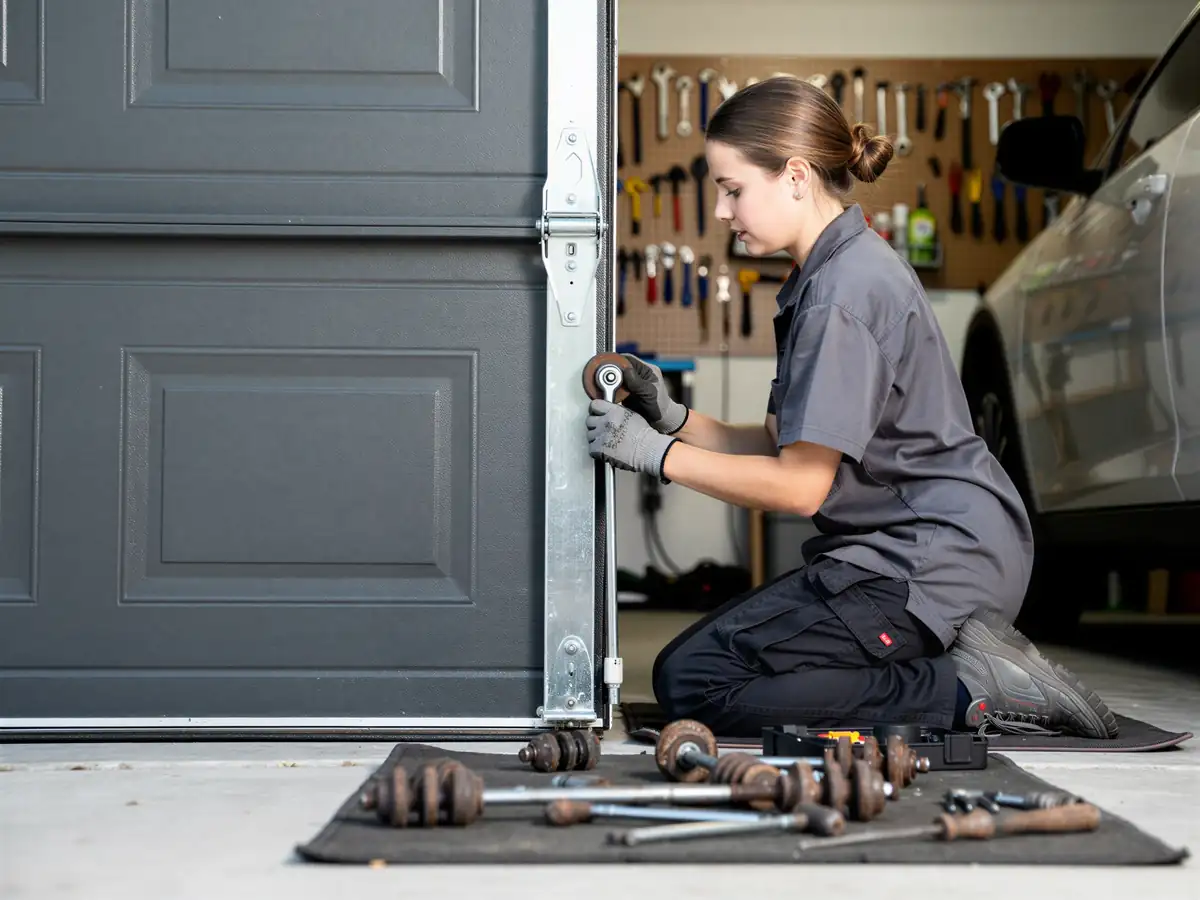
A door that groans low and steady, not the metallic crack of a snapped spring, usually means the rollers are the problem. On the 1969-era houses that make up a good share of Miami Gardens' stock, that groan often comes from steel rollers running in steel stem brackets with no nylon bushing between them - the original setup for that build year. Fifty-plus years of opening and closing wears a dry groove into the roller stem, and the door starts to hitch at the same spot on the track every time, usually right where it crosses from the curved section into the horizontal run. Some owners describe it as the door 'catching' partway up. It's not catching on anything external - it's the roller itself losing its round shape.
Why This Fails Locally
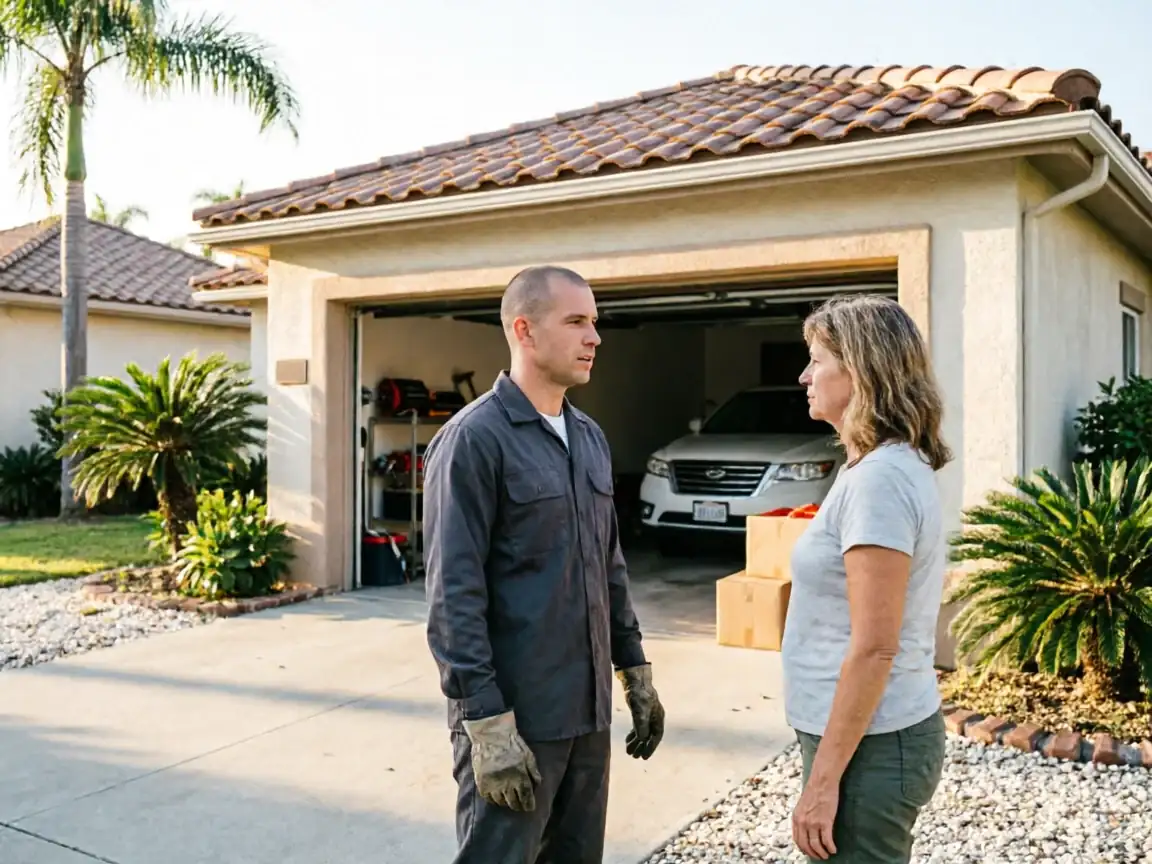
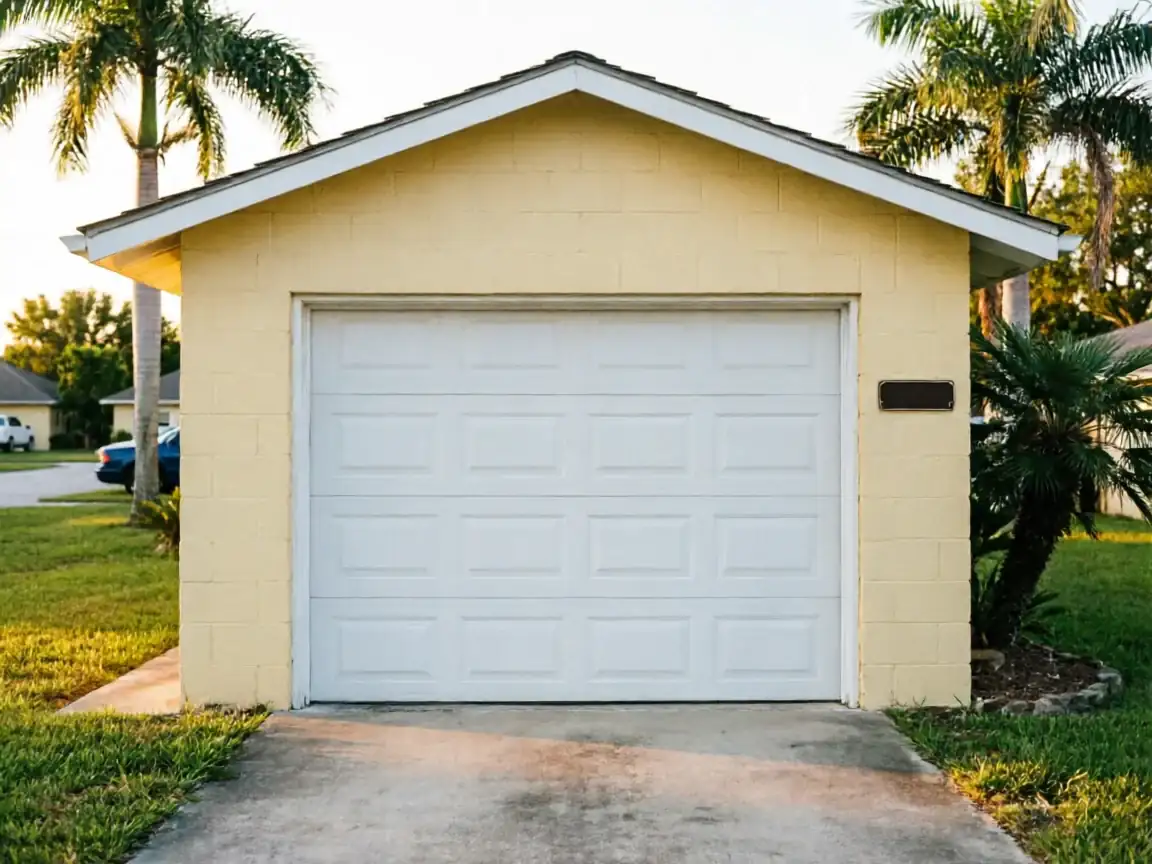
Houses in Miami Gardens cluster around 1969, a few years ahead of the 1975 median build year for the rest of the service area we cover out of Plantation. That earlier date matters because doors from that stretch of the late 1960s almost never had their roller hardware upgraded unless a spring failure forced a tech to touch the whole assembly. Across the 34,515 households here, a large share are original owners or long-tenure owners who never had a reason to call anyone - the door worked, slowly getting louder, until it didn't. We're not dealing with a newer subdivision where half the doors have already had one owner-driven replacement cycle. We're dealing with hardware that's been in place since the Johnson administration, on track radii and roller sizes that current big-box doors don't use.
What Can Go Wrong
The biggest risk on a roller job this old is what you find once the door's open and the rollers are out: a track that's worn an oval groove instead of a round one, from years of a flat-spotted roller riding through it. Replacing the roller on a worn track just moves the noise six months down the road. Cables can also be original to the door, and pulling rollers means the door is briefly supported differently than usual - not a moment to have a frayed cable let go. On a mild-climate stretch like this one, the hardware doesn't fight rust the way it would further north, so when we do see corrosion on a 1969 bracket, it usually means water's been sitting somewhere it shouldn't, which is worth mentioning to the homeowner even if it's outside the roller job itself.