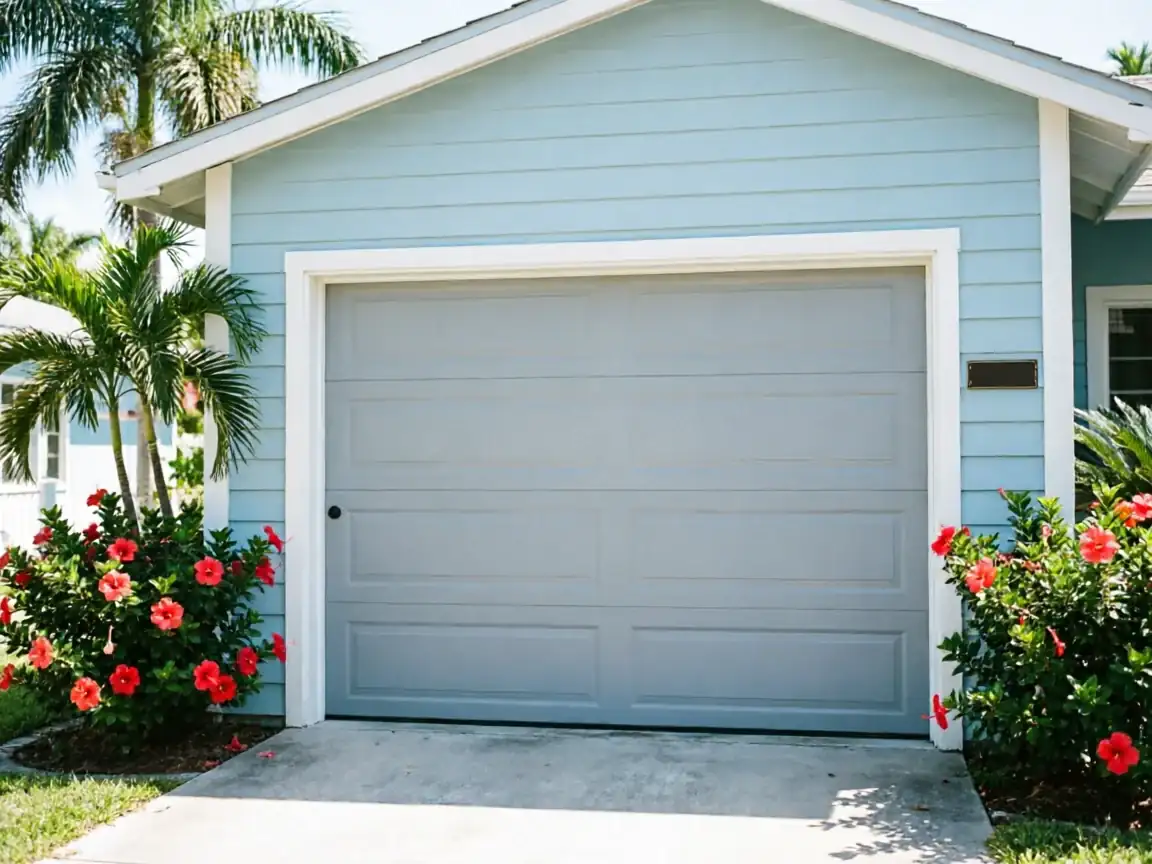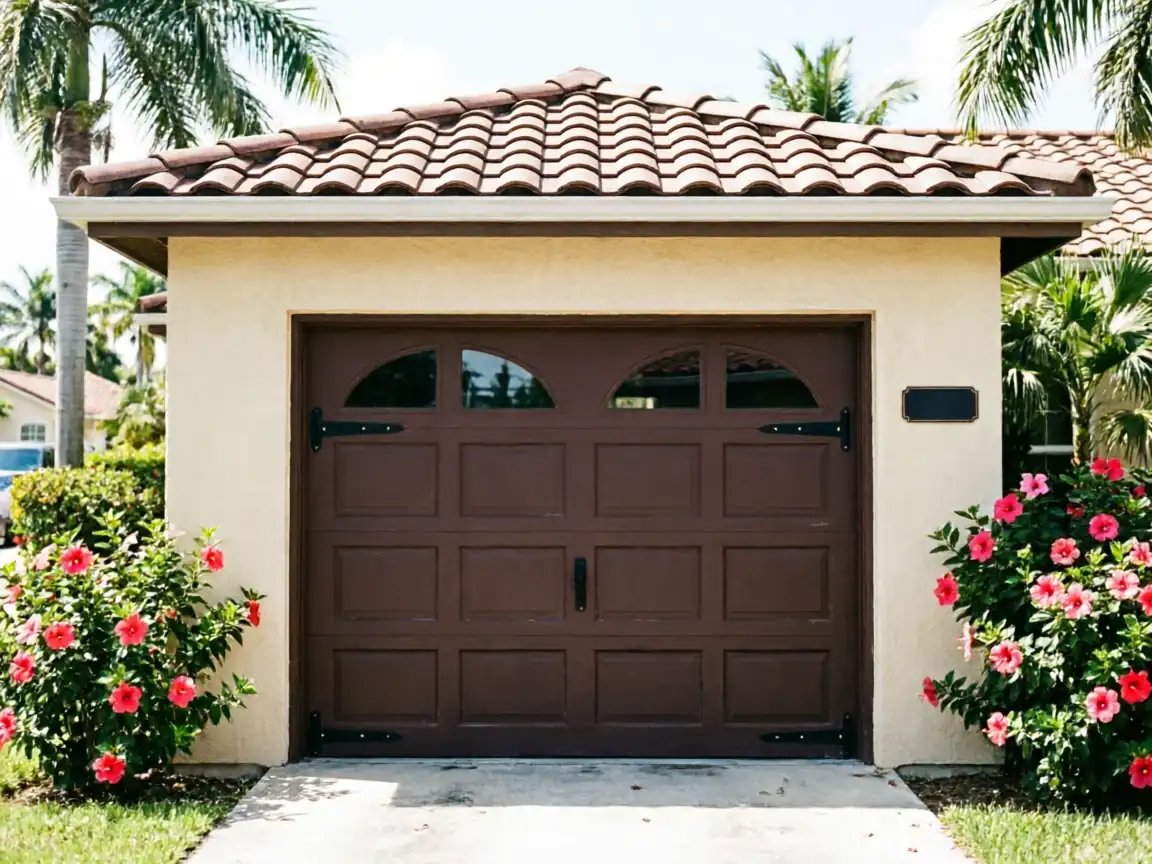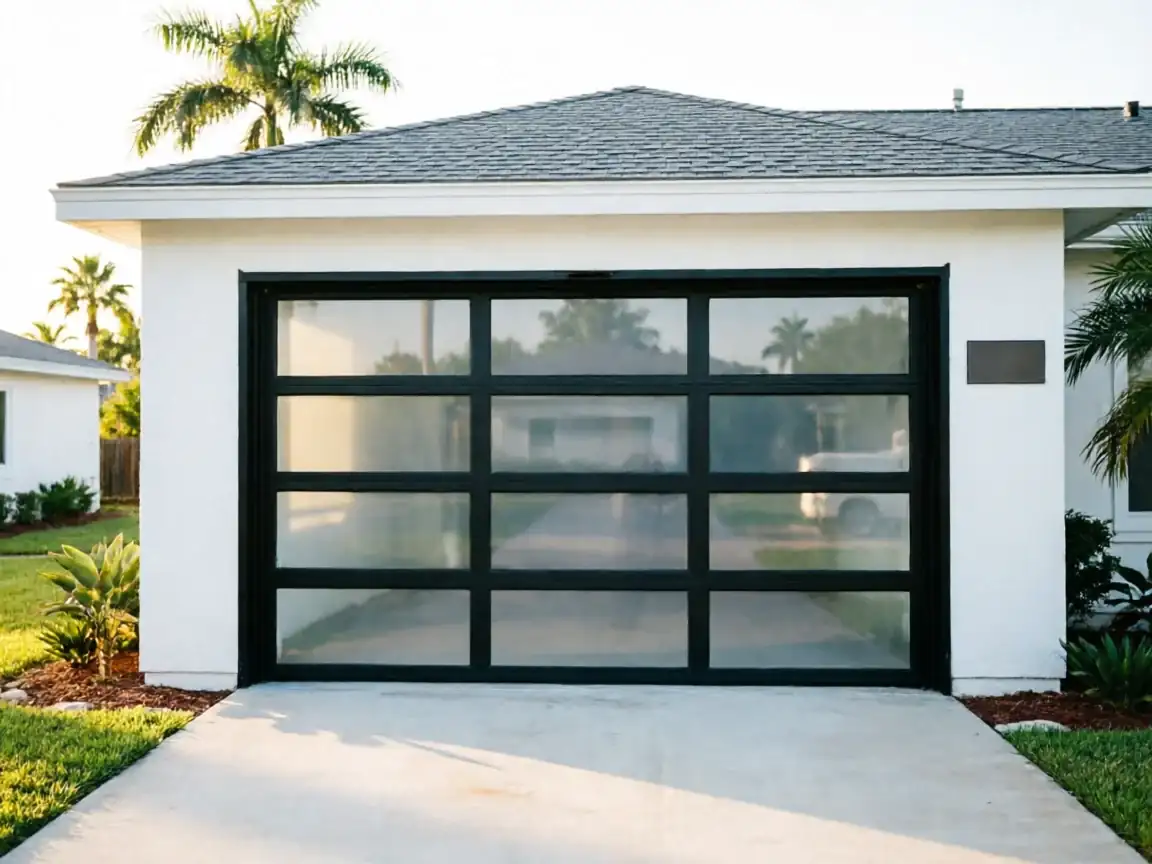
What You Are Seeing
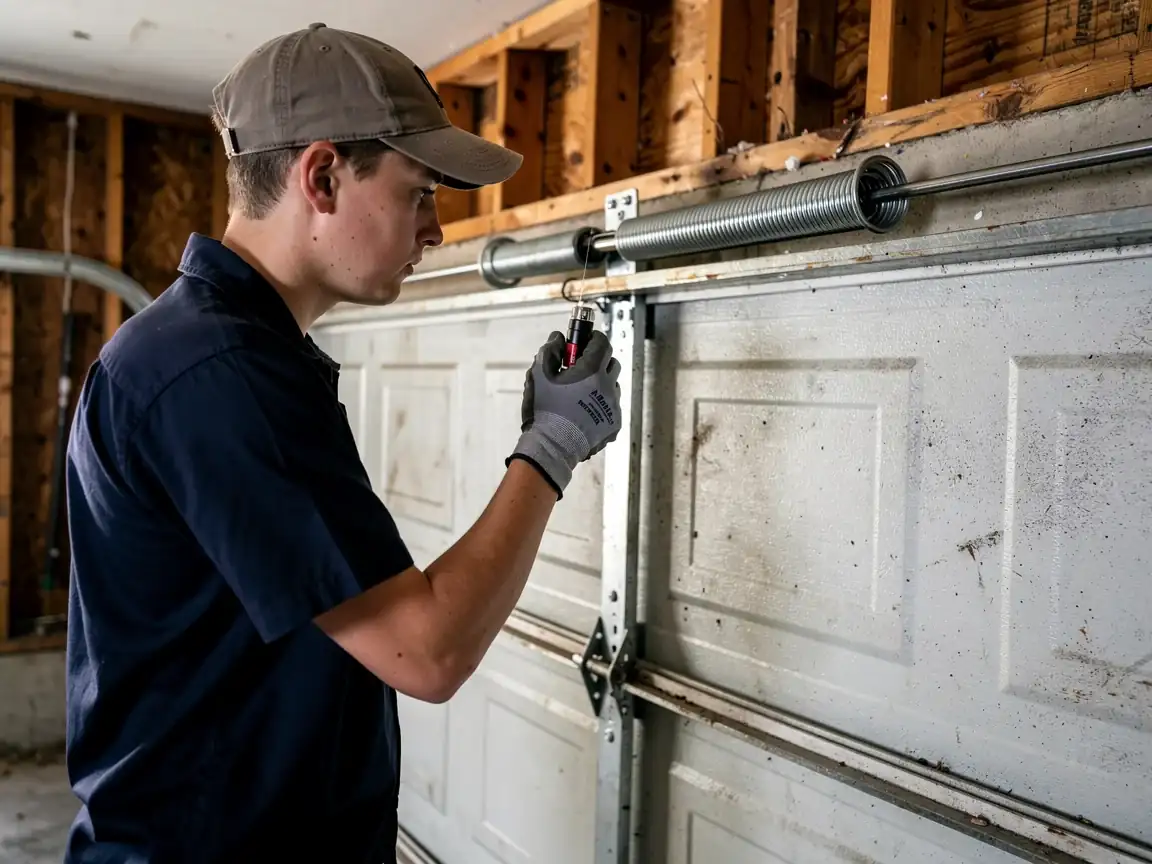
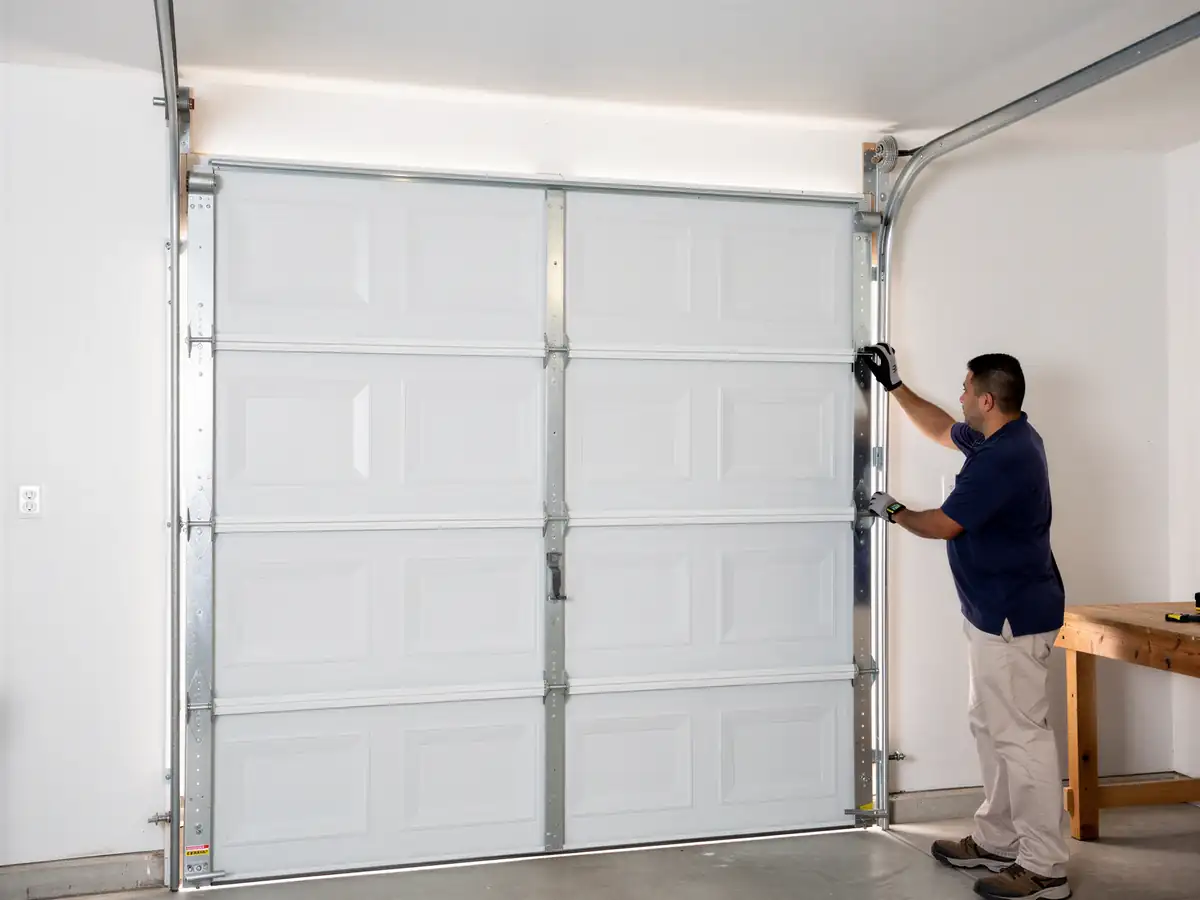
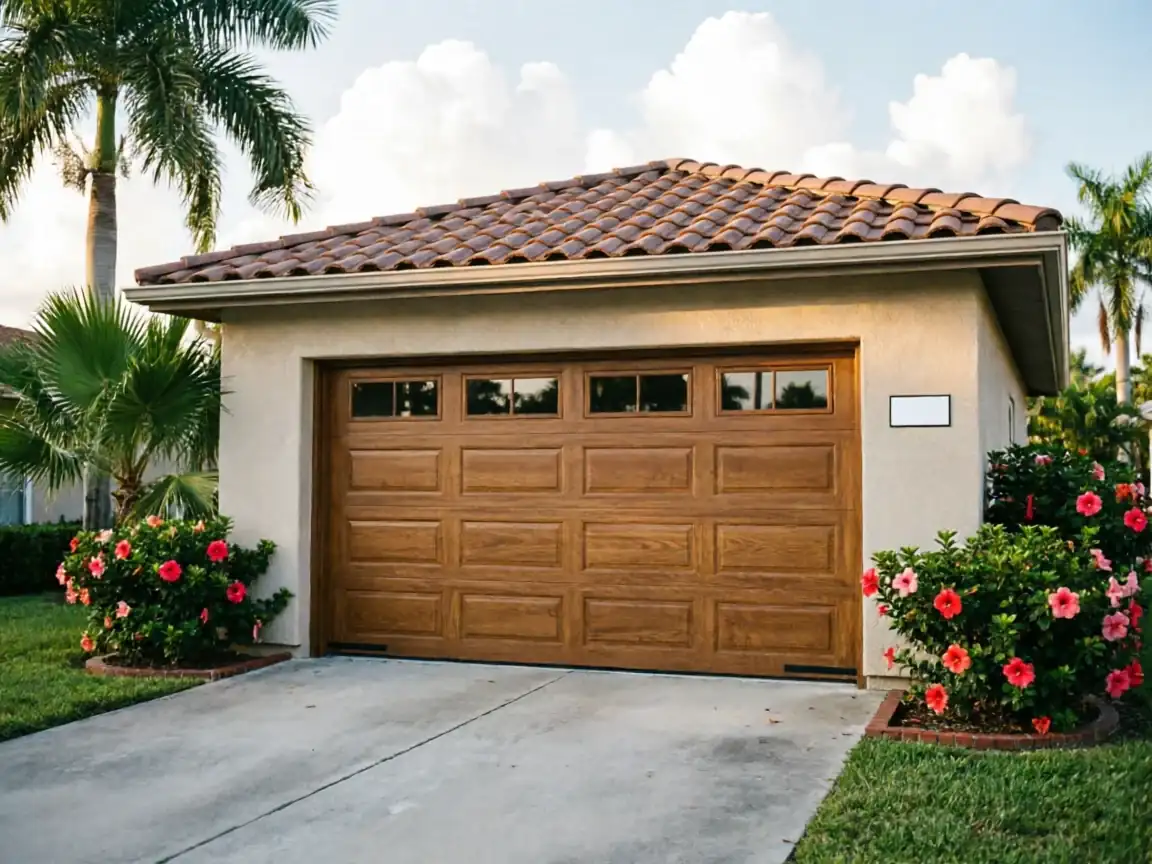
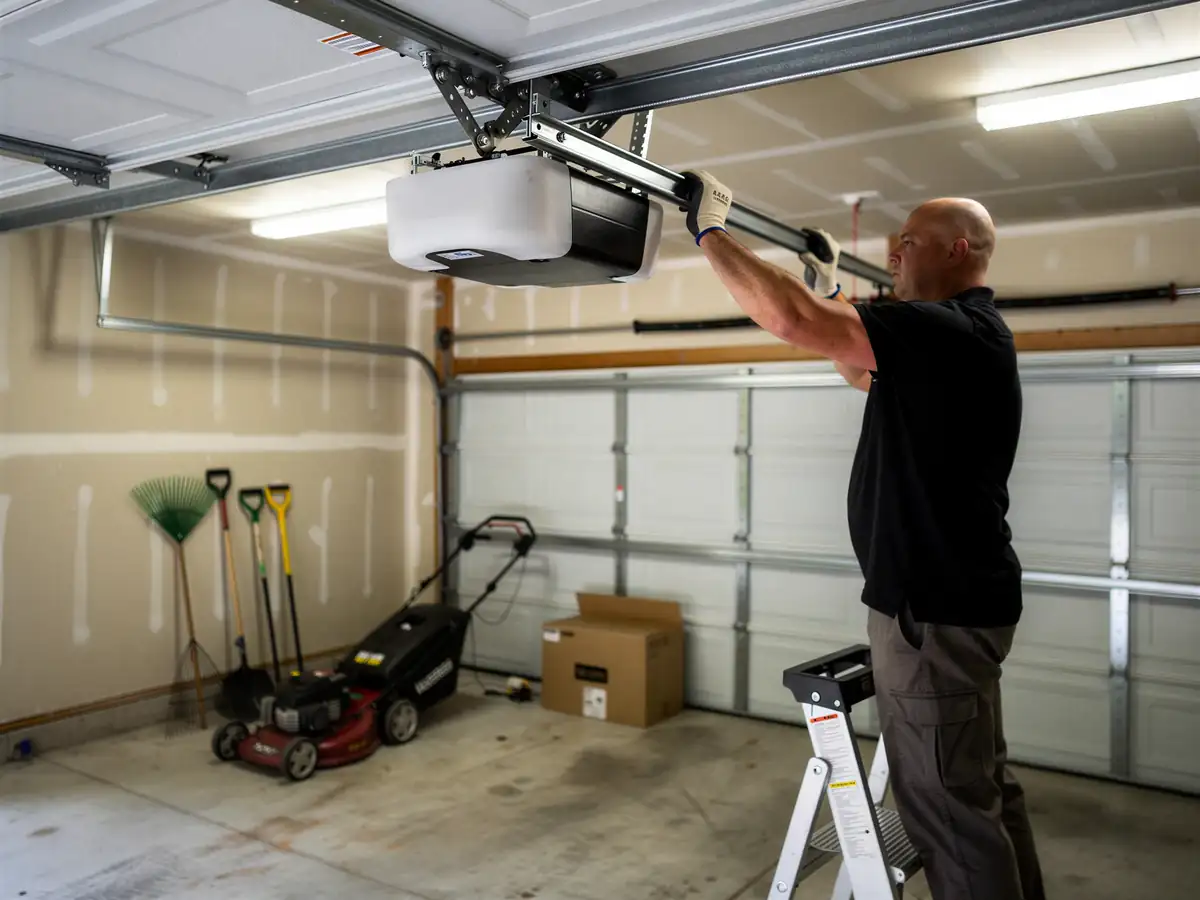
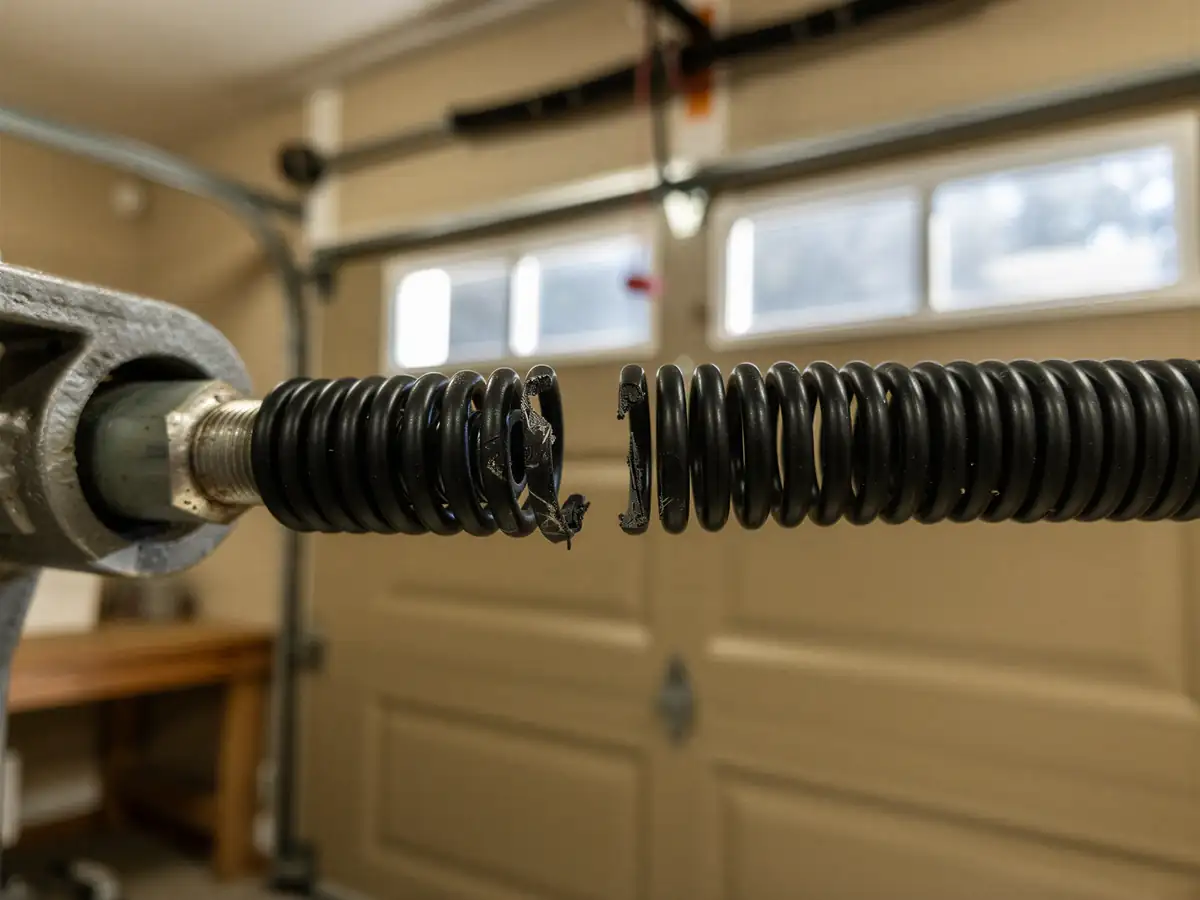
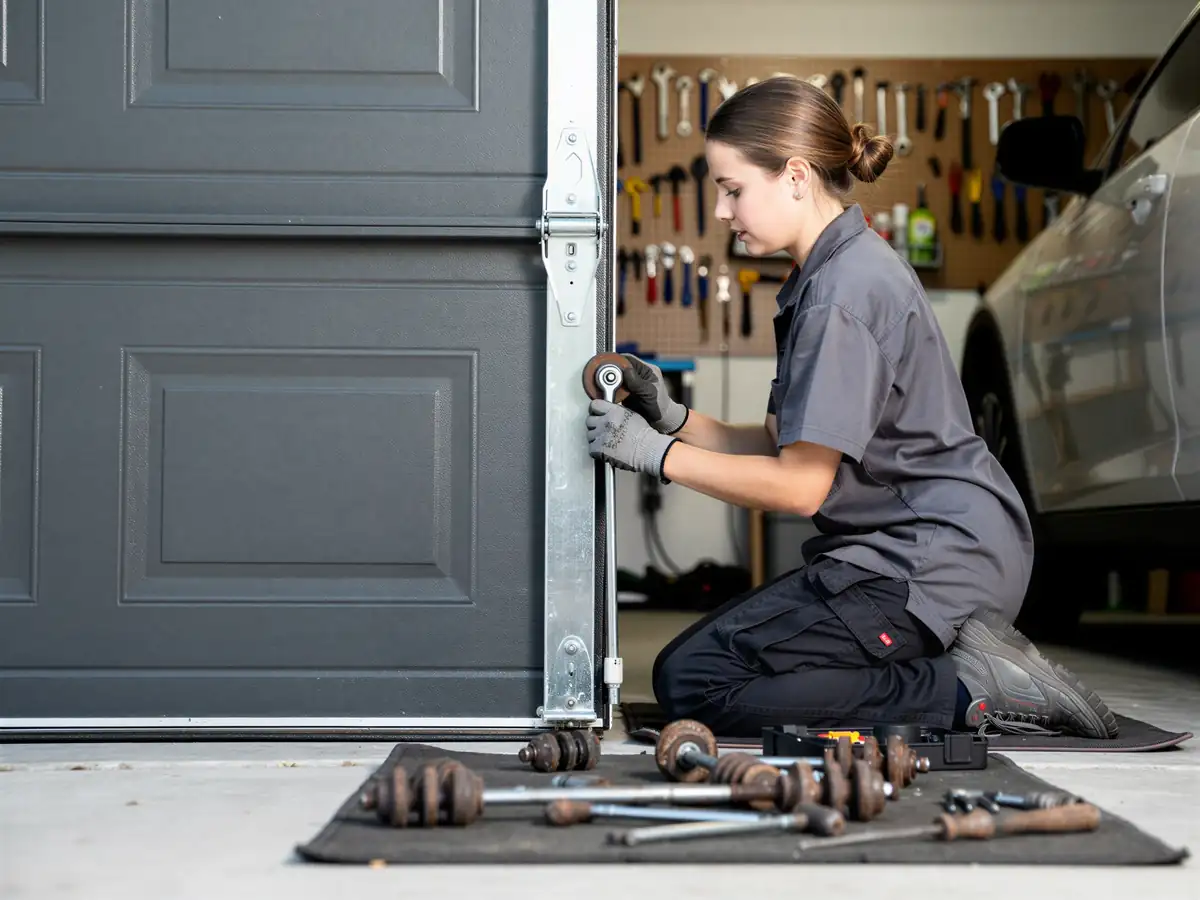
Miami Gardens carries a median build year of 1969, which puts a lot of this area's original garage doors and openers into their fifth decade of service if nobody's touched them. That shows up as chain-drive openers that grind before they catch, torsion springs that let go without warning on a door that's been opening fine for years, and steel tracks that have slowly racked out of true from decades of humidity and heat cycling. With 34,515 households in Miami Gardens, a good share of them are running hardware original to a house built in that era - not broken yet, but due. The failures we see most aren't dramatic. A cable frays and jumps the drum. A roller seizes and the door starts binding on one side. None of it looks urgent until the morning the door won't move at all.
Why This Fails Locally
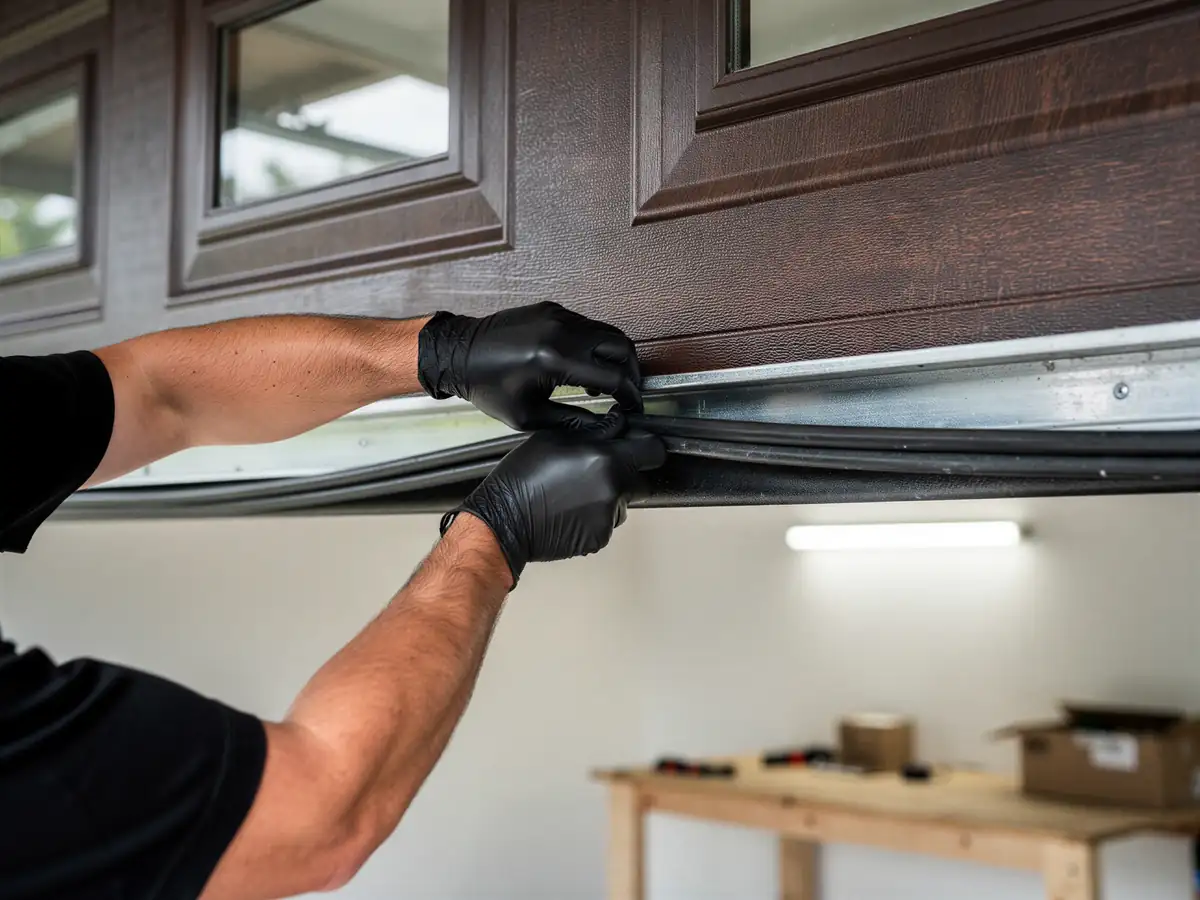
Mild temperate conditions don't put the stress on doors that freeze-thaw climates do, but humidity and heat do their own slow damage here - galvanized coatings pit, lubricant on rollers and hinges gums up faster, and steel hardware corrodes quietly for years before it fails all at once. On a house with a 1969 median build year, that means the springs, cables, and track brackets have had roughly five decades of that cycle working on them, longer than almost anything else on the house. The opener usually isn't original - most have been replaced at least once - but the track, the drum, and the spring anchor points often are. That's where we find the real problem: not a dead motor, but hardware that's been quietly fatiguing since before most current owners bought the house.
What Can Go Wrong
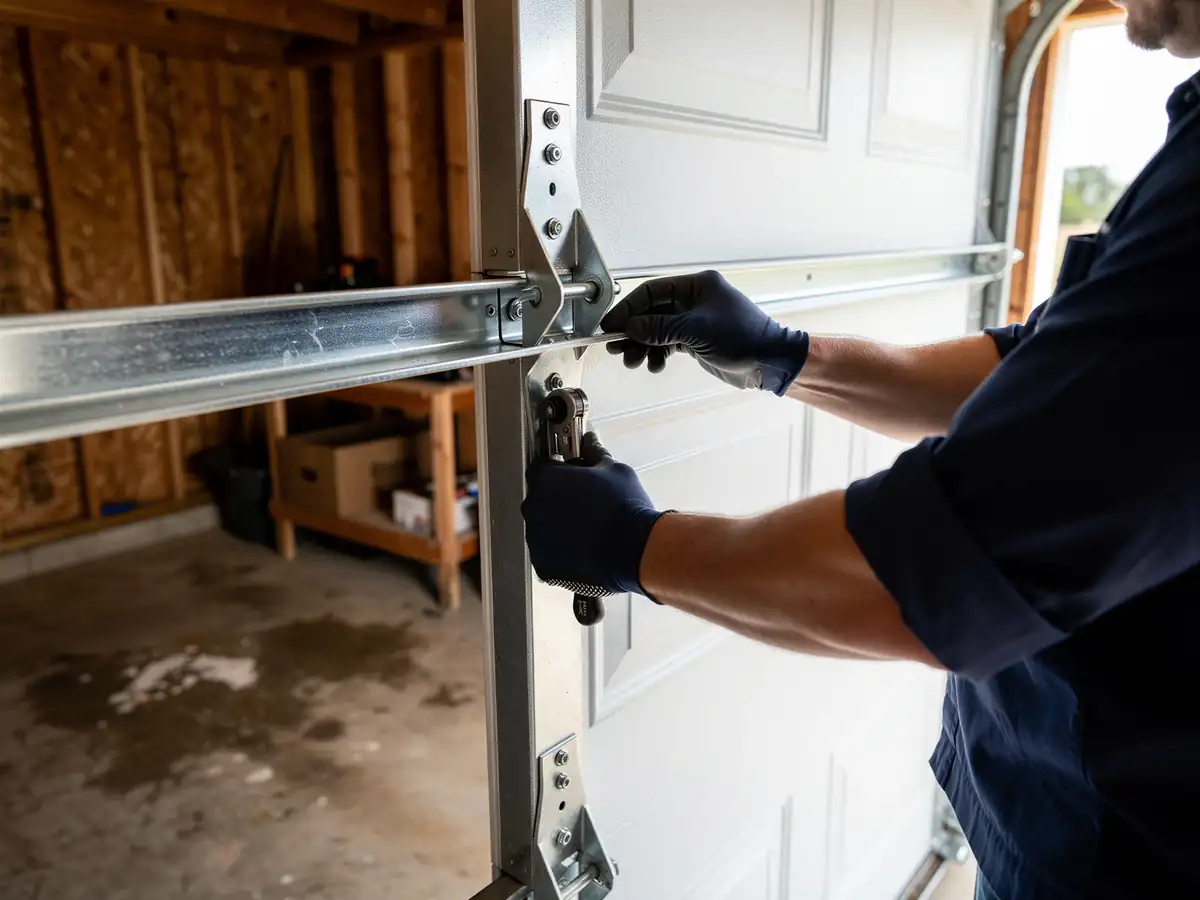
The failure we worry about most on older hardware is a torsion spring letting go while someone's hand or head is near the door - that's a safety call, not a convenience one, and it's why we don't recommend DIY spring work on a door that's original to a 1969-era build. Bent tracks are the other recurring issue: once a track racks even slightly out of plane, the door starts fighting itself every cycle, and forcing it with the opener just strips the next weak part, usually the gear or the belt. On a handful of jobs the door itself turns out to be the real limit, not the hardware - at that point replacement is the honest call, and we'll say so instead of patching a door that's going to need the same repair again in a year.