The Cost of This Job
Miami Gardens is a big place to cover from one shop
34,515 households, which is enough volume that we see the same handful of door problems over and over rather than a grab bag of one-offs. That matters for pricing: when a failure pattern repeats across thousands of similar houses, we're not guessing at what parts and labor a new install needs, we're quoting off what the last dozen jobs on the same street grid actually took.
- 34,515 households
We don't have a branch in Miami Gardens
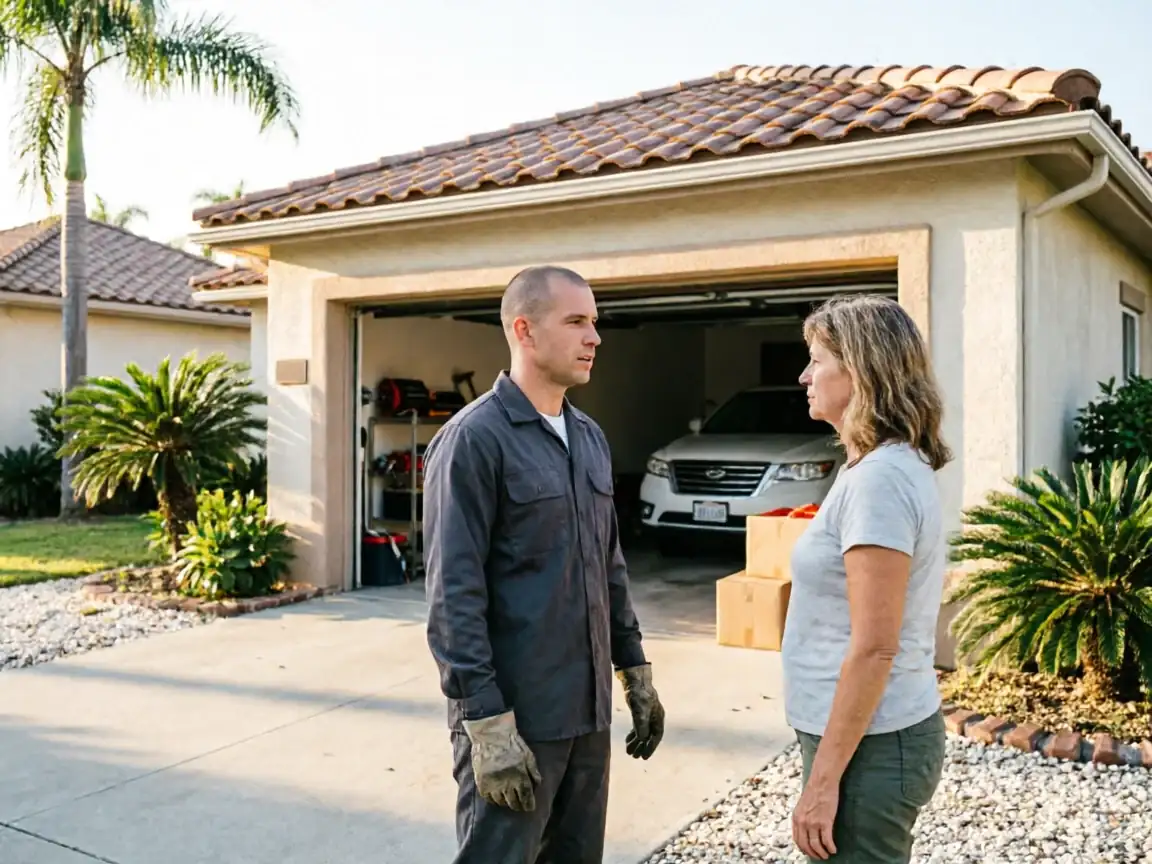
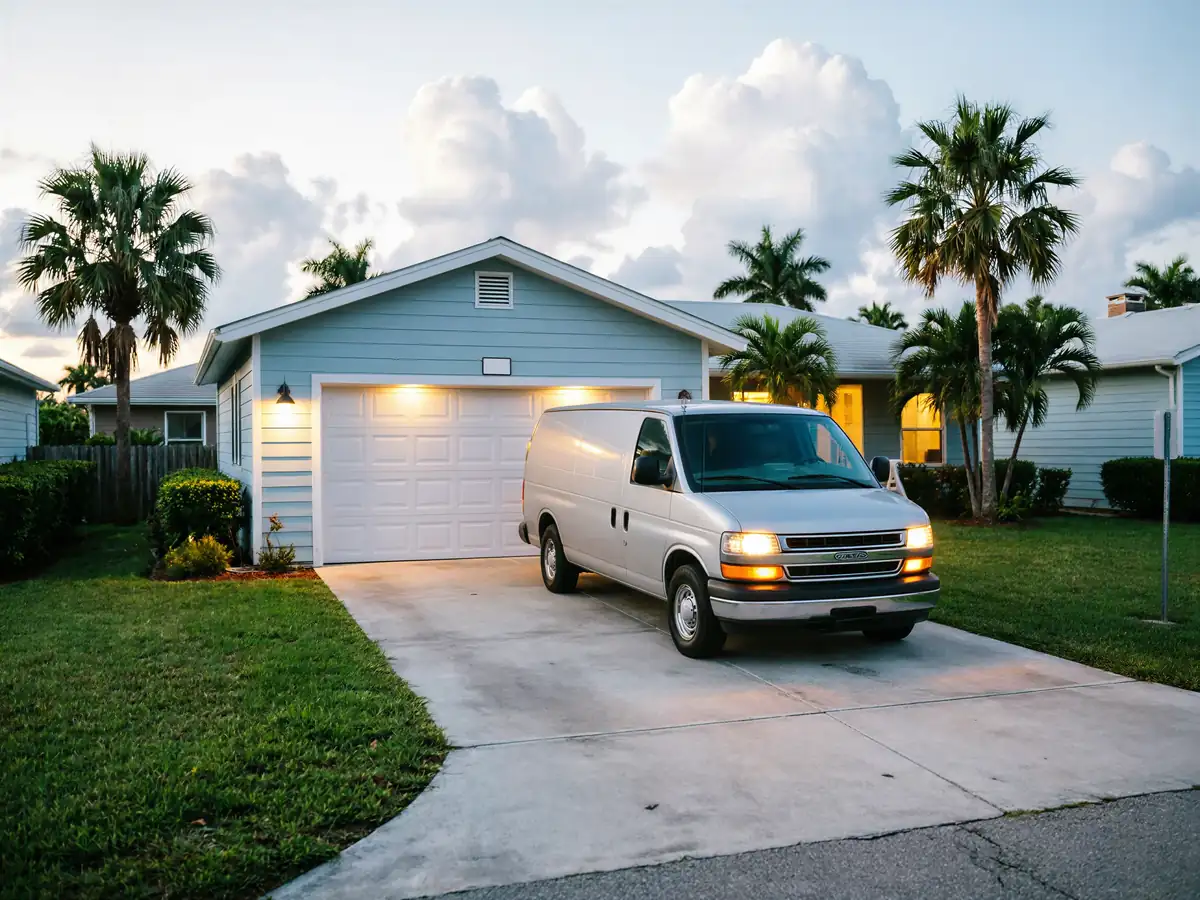
Every job is a 12-mile drive from our Plantation shop, so we book installs ahead rather than treat this as a walk-in service area. That's the honest limitation: if you need someone on-site in an hour, we're not that company for this town. If you're planning a door replacement and can give us a scheduling window, the drive doesn't change the price or the work.
What does change the price is door size and the state of the opening
Standard single doors cost less in parts and labor than wide double openings, and if the header or jamb needs rebuilding because the old frame was never square, that's additional carpentry, not just a door swap.
What You Are Seeing
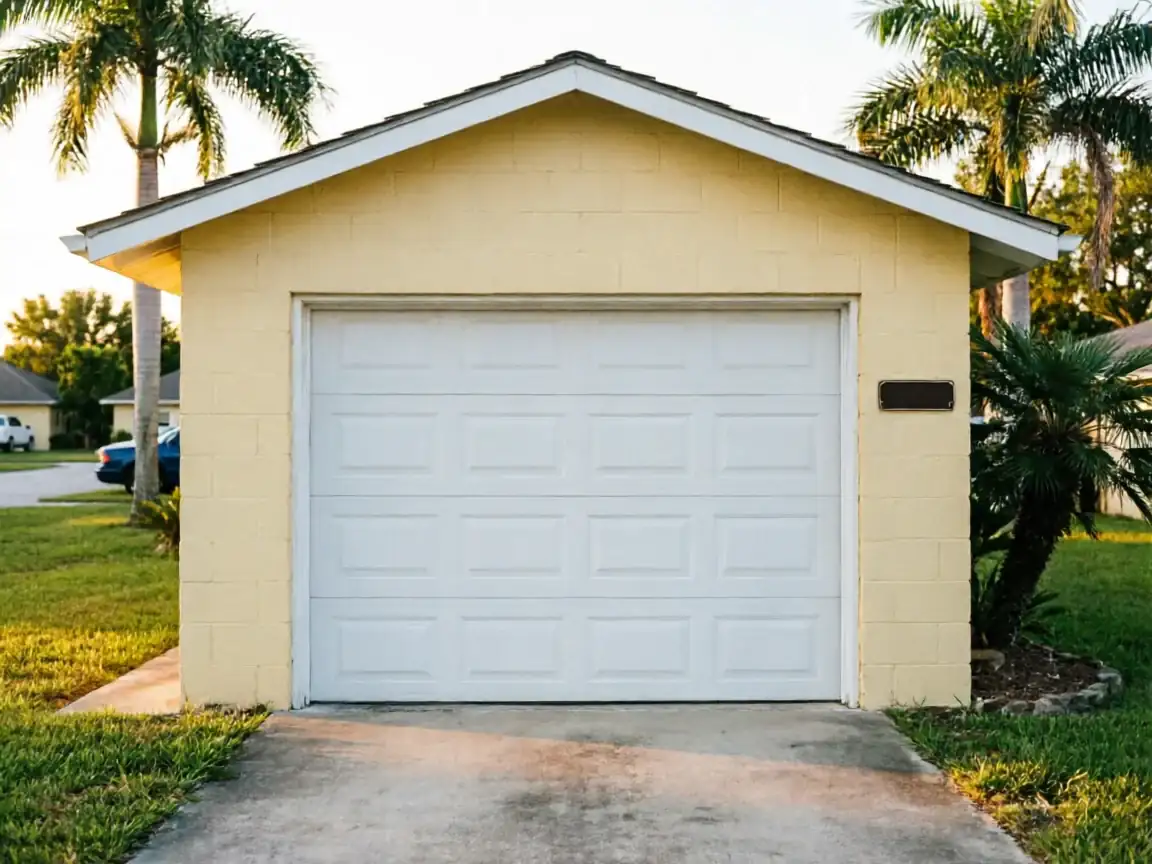
The typical Miami Gardens house dates to around 1969, which puts it earlier than the median for our broader service area (1975) and well before the newer builds that round out that 1953 to 2005 range. A late-1960s garage here was built for a door that's nothing like what's sold today - thinner steel or even wood panel, light-duty hinges, and often a single torsion spring sized for a much lighter door than modern insulated models.
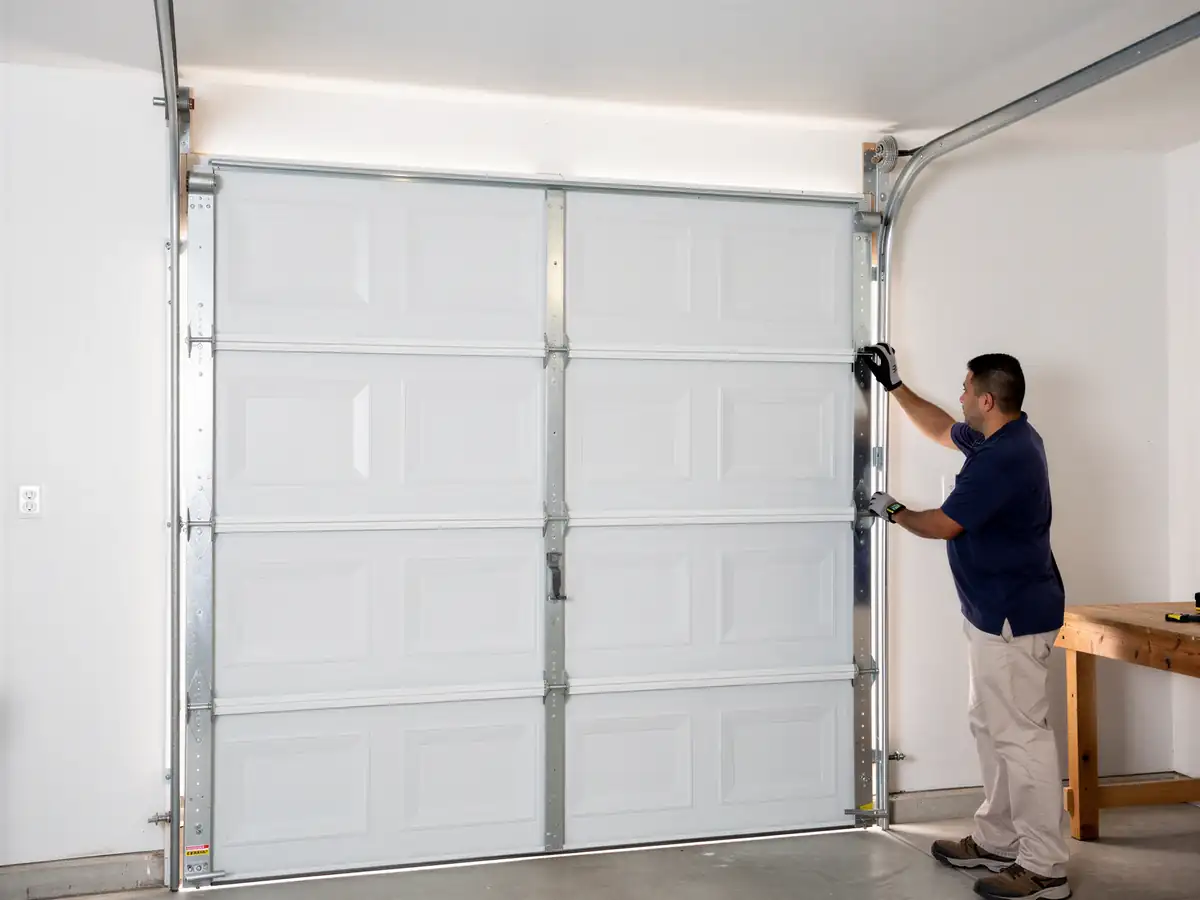
If you're looking at a new install rather than a repair, you're probably looking at one of two things: the original door finally failing after decades of South Florida humidity and heat cycling, or an owner upgrading from a single uninsulated panel door to something with better wind resistance and insulation. Either way, the opening itself is the same age as the house - meaning the track, jambs, and header were sized for 1969 hardware, not 2024 hardware.
Why This Fails Locally
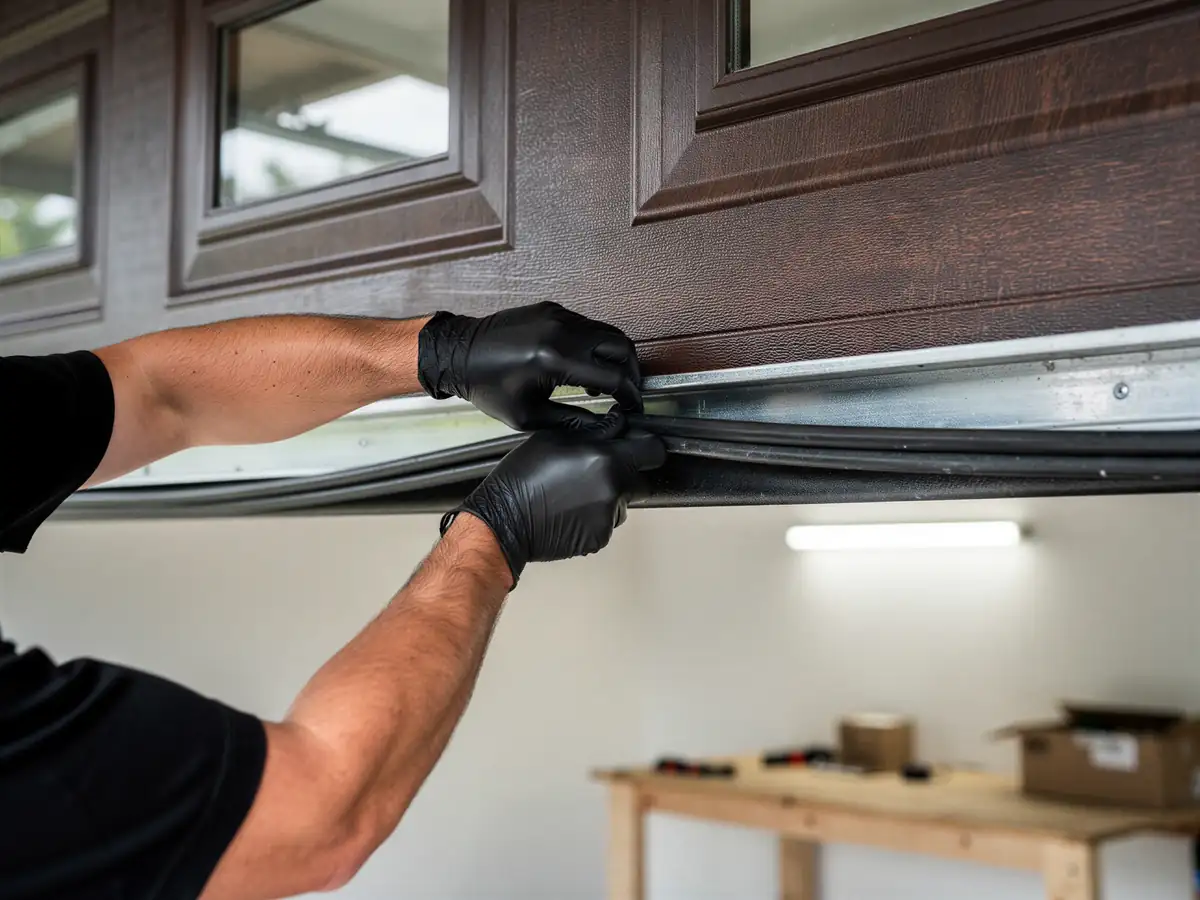
Mild temperate climate sounds easy on a door, and compared to a region with hard freezes or heavy snow load, it is - you're not fighting ice-locked tracks or snow-weighted panels. But the same year-round heat and humidity that spares you those problems works steadily on steel and on the rubber seals around an older door, and on 1969-era hardware that was never rated for the stronger springs modern insulated doors need.
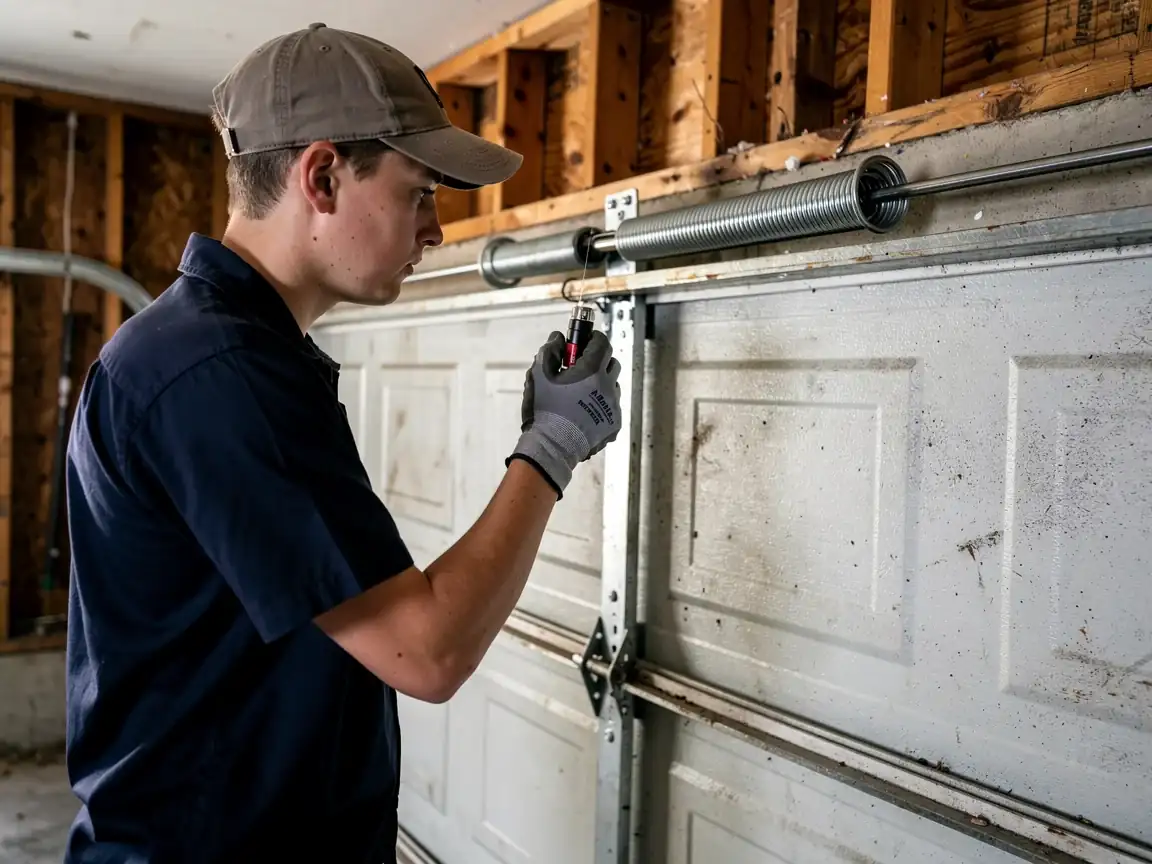
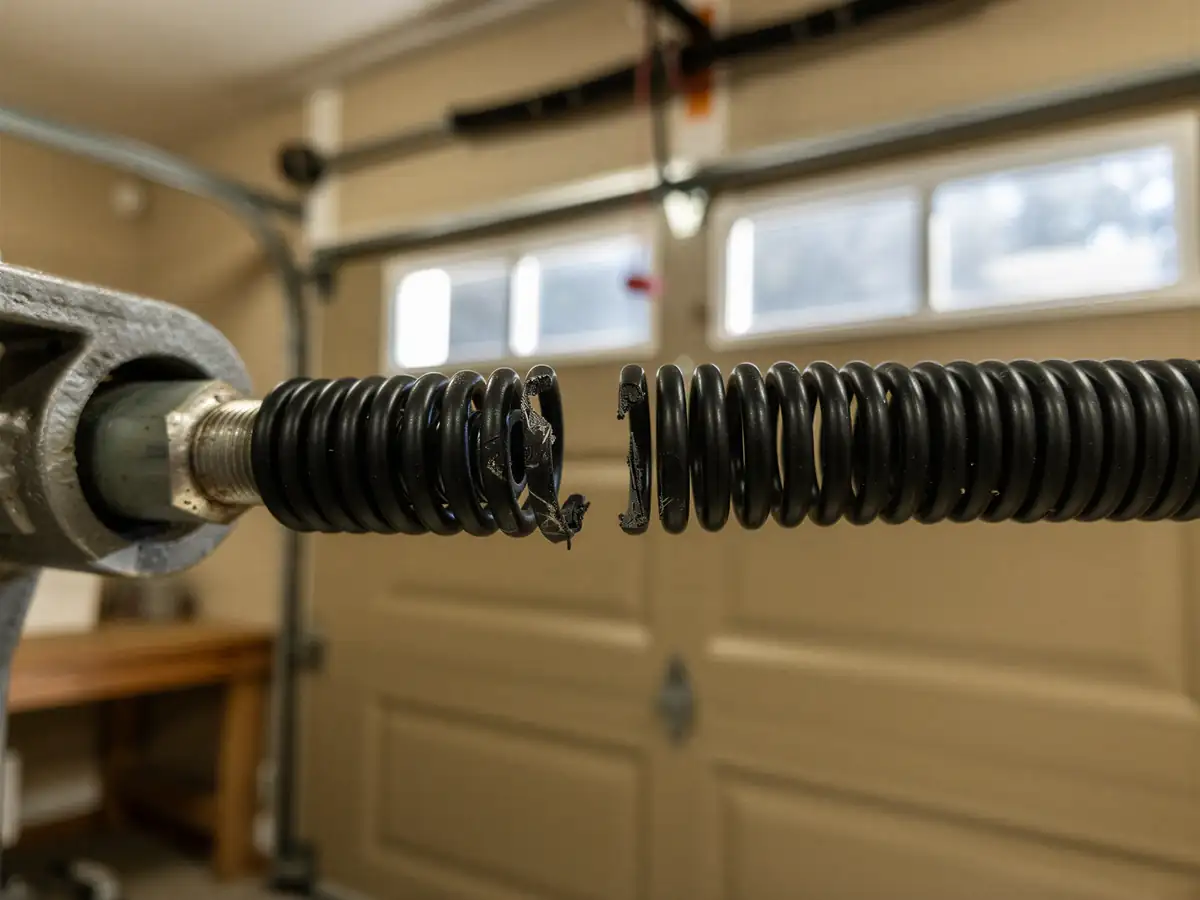
When a homeowner in a house this age swaps in a new, heavier insulated door without upgrading the spring and the opener mount to match, the door works for a while and then the opener motor burns out early, or the old spring system - sized for the lighter original panel - fails under a load it was never built to carry. That's the local failure pattern: new door, old bones underneath it.
Stocked Parts
Because so much of the housing stock in this part of our service area is similar in age, we carry the torsion springs, tracks, and mounting hardware sized for late-1960s and 1970s openings on the truck, not just parts for brand-new construction
That's not a Miami Gardens-specific stock list - it's built off the 1953 to 2005 range across the 36 areas we cover - but Miami Gardens sits right in the older end of that range, so it's a frequent match.
What we don't stock on the truck is custom millwork for a non-standard opening or a specialty door color that has to come from the manufacturer
If your opening was altered at some point - widened, lowered, reframed - expect us to measure first and order rather than install off the shelf that same visit.
What Can Go Wrong
The most common issue on an install here isn't the door itself, it's discovering mid-job that the header or the side jambs were never built square to begin with, which is common in houses from this era that have settled over fifty-plus years. We catch that at the measure, not after the door's hung, but it does mean the quote can shift once we're inside the opening.
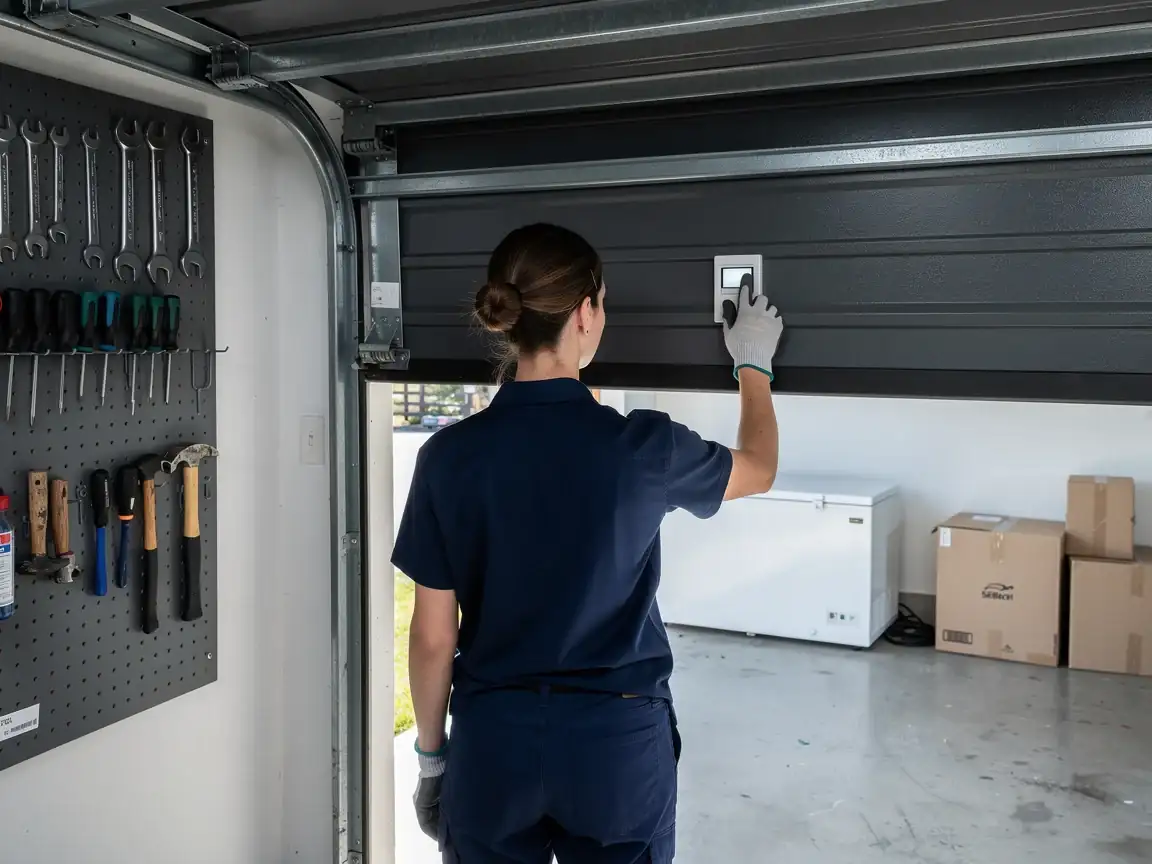
Second most common: an owner wants a new insulated door but wants to keep the old opener to save money. On a house built around 1969, that opener and its mounting bracket were almost never engineered for the added weight, and we'll tell you when that combination isn't worth doing - sometimes the honest answer is spend the extra now on a matched opener rather than replace the spring system twice in three years.