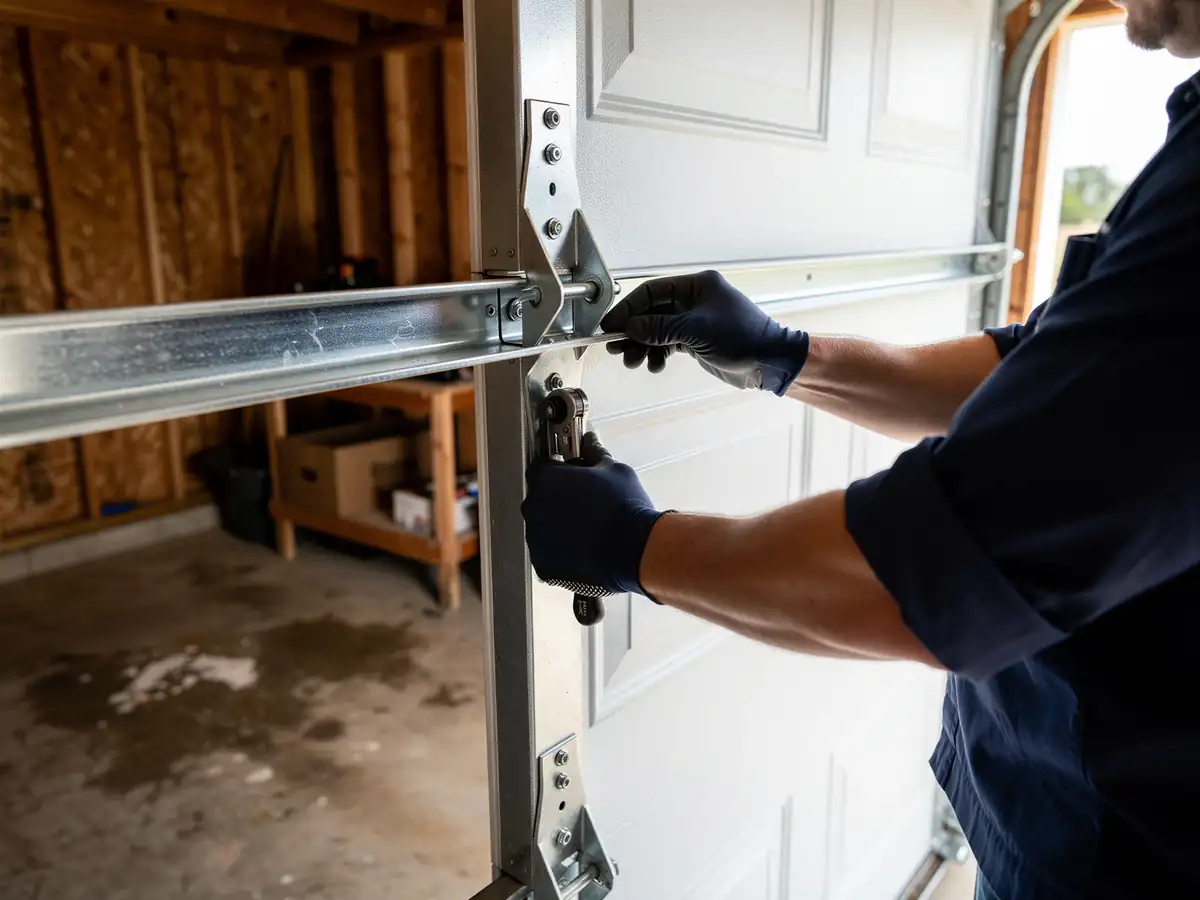
What You Are Seeing
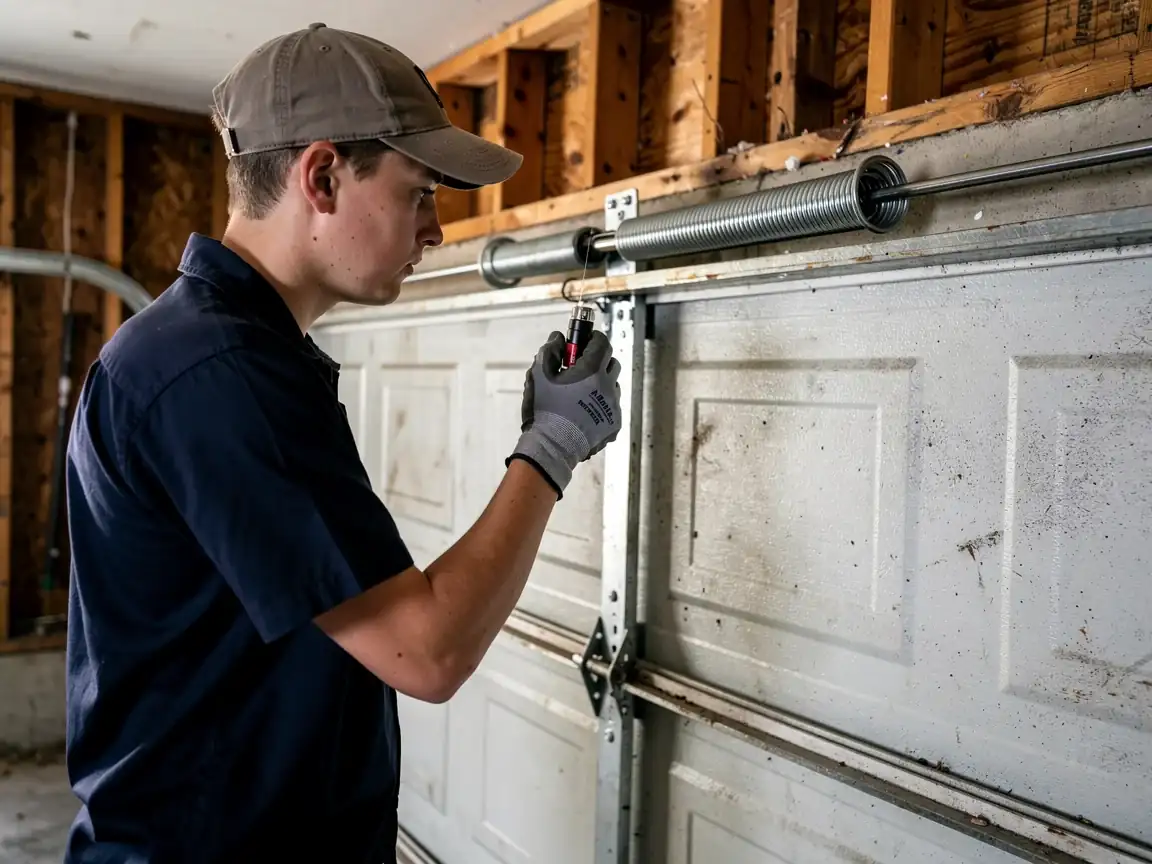
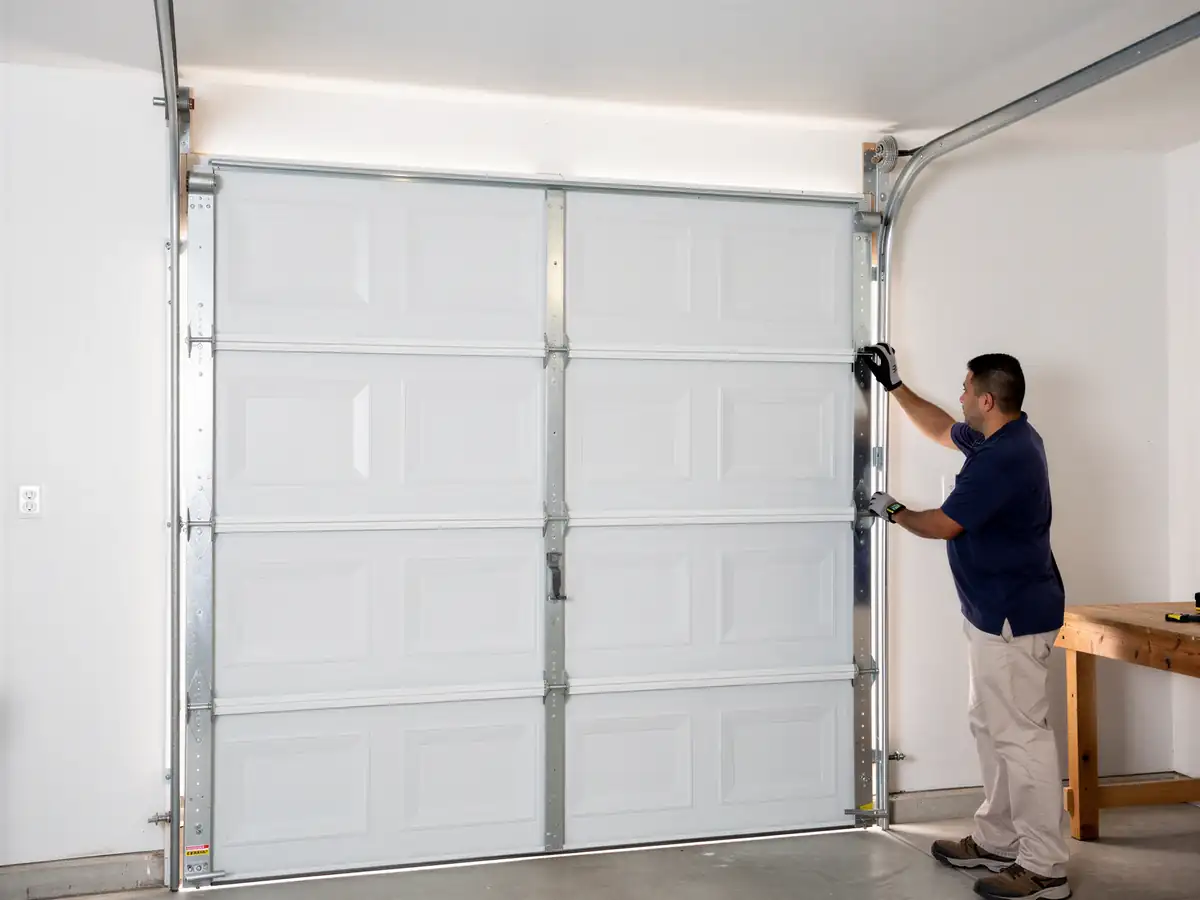
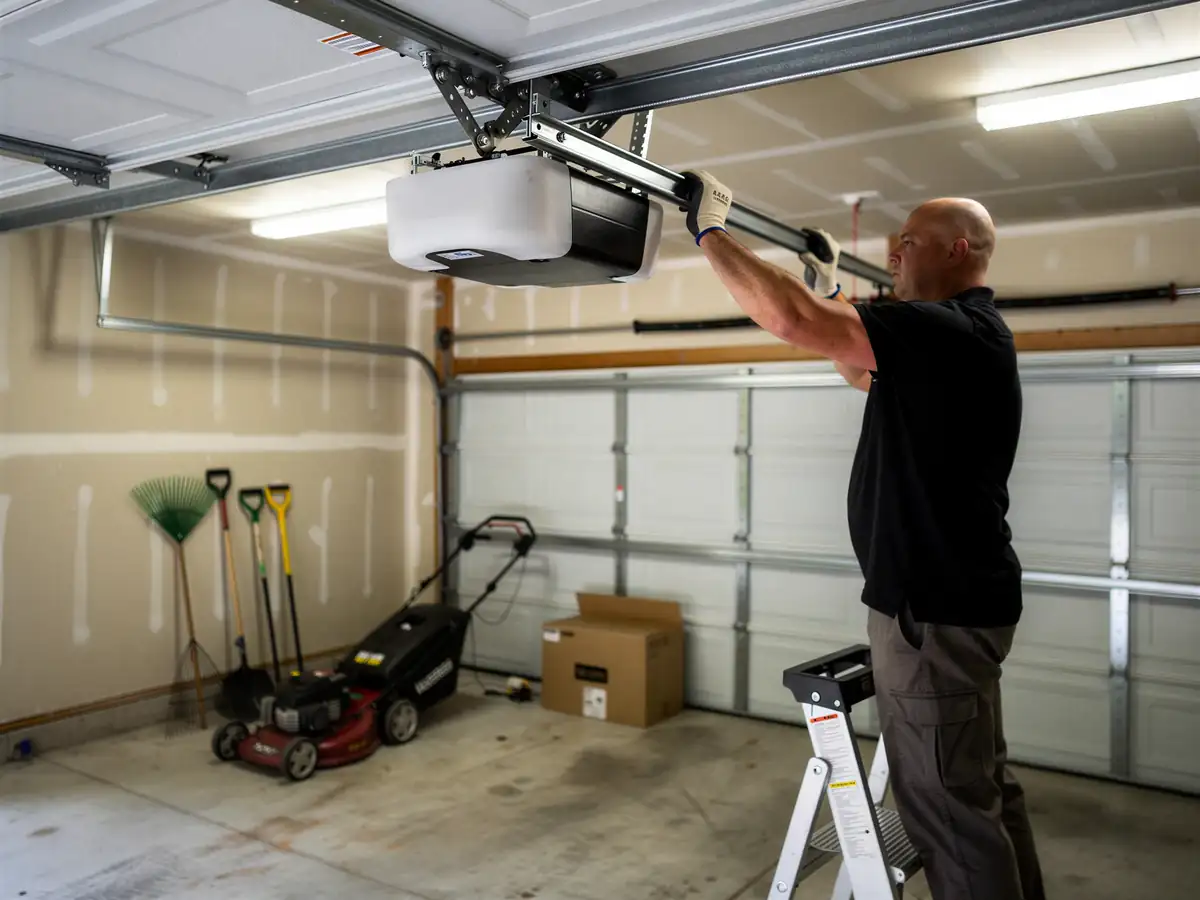
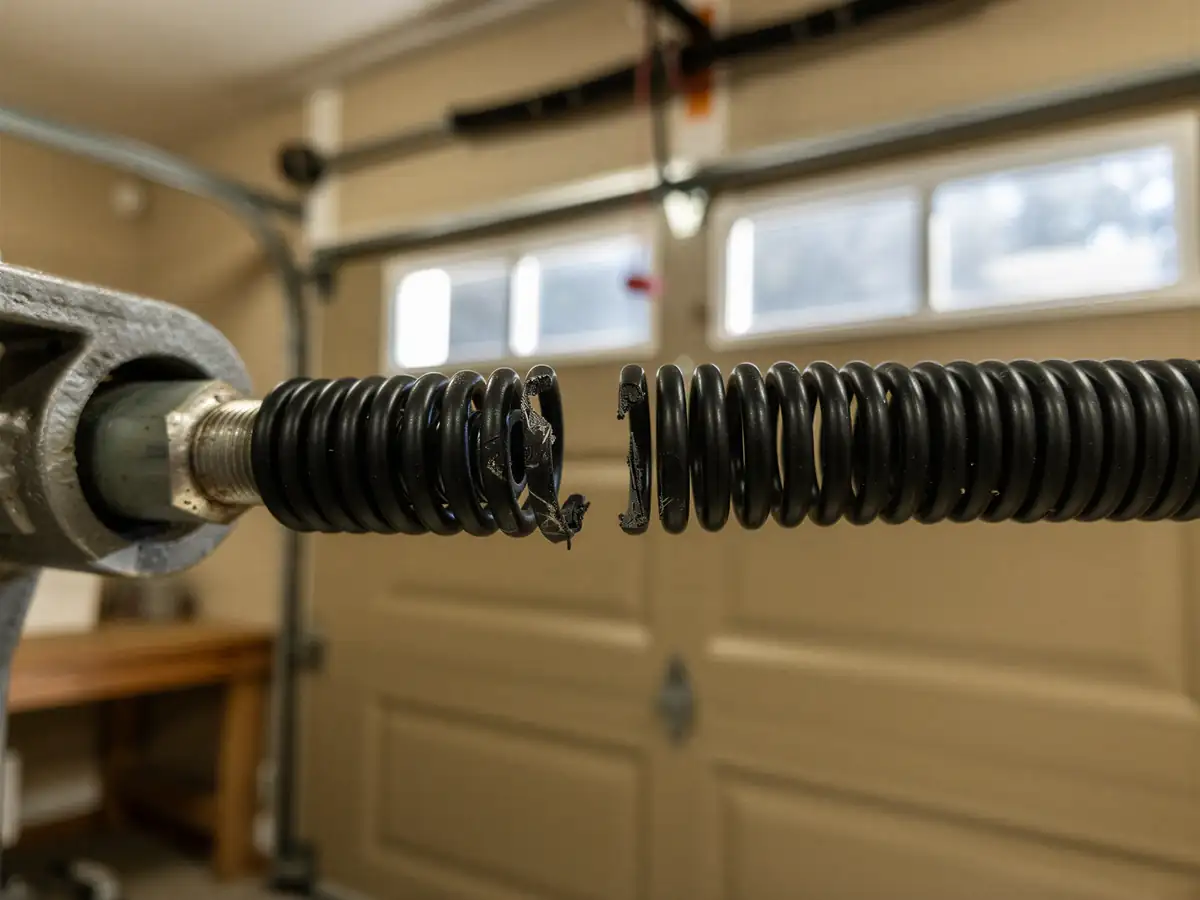
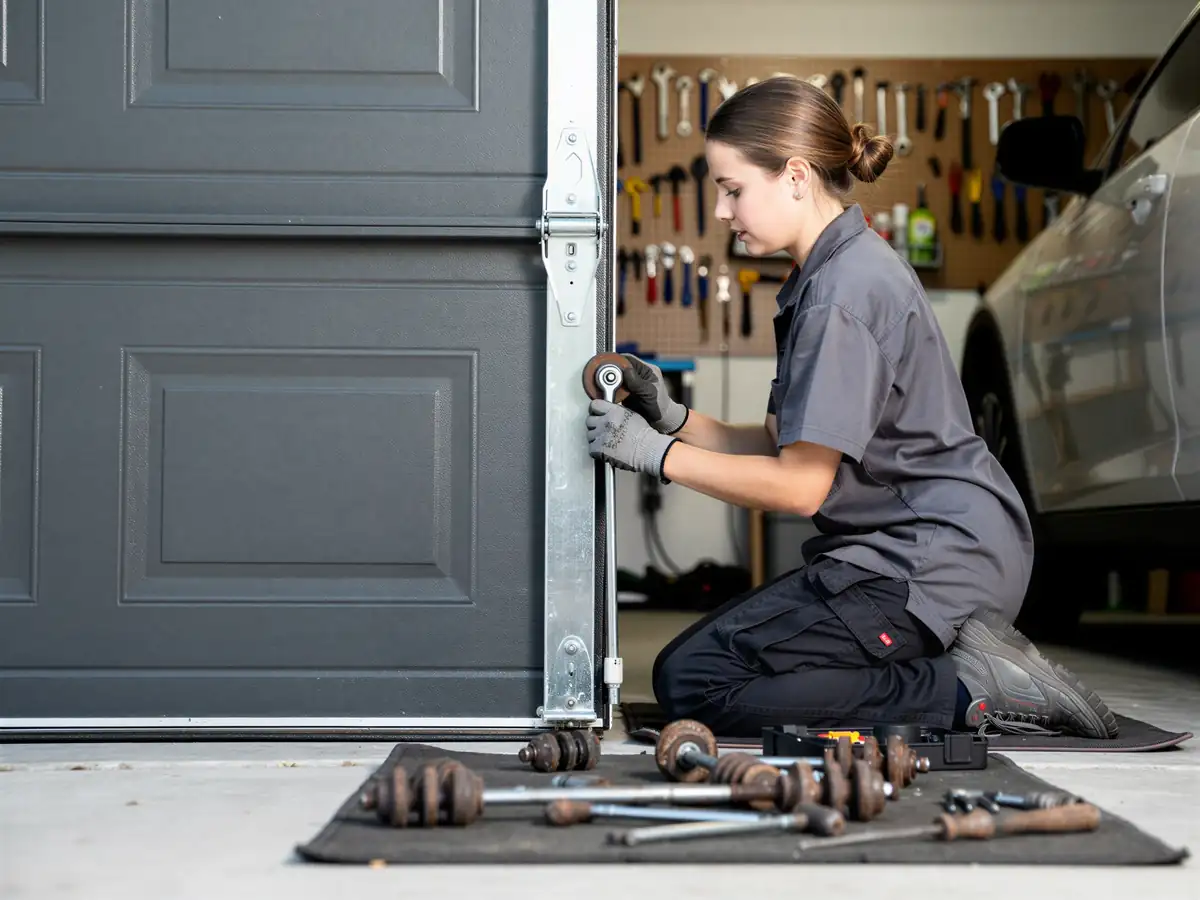
If your door is slow to close, drops the last foot, or reverses for no reason, on a house this age the first suspect is the spring system, not the opener. Extension springs stretched over steel or plastic pulleys lose tension gradually, so the door gets heavier to lift by hand well before the opener starts straining and burning out. You might also notice the door racking sideways in the track, which on original 1960s-and-70s hardware usually means a bent track bracket that was never upgraded when the rest of the house was. None of this is dramatic. It shows up as the door being a little off, week after week, until one day a cable jumps the drum and the door won't move at all.
Why This Fails Locally
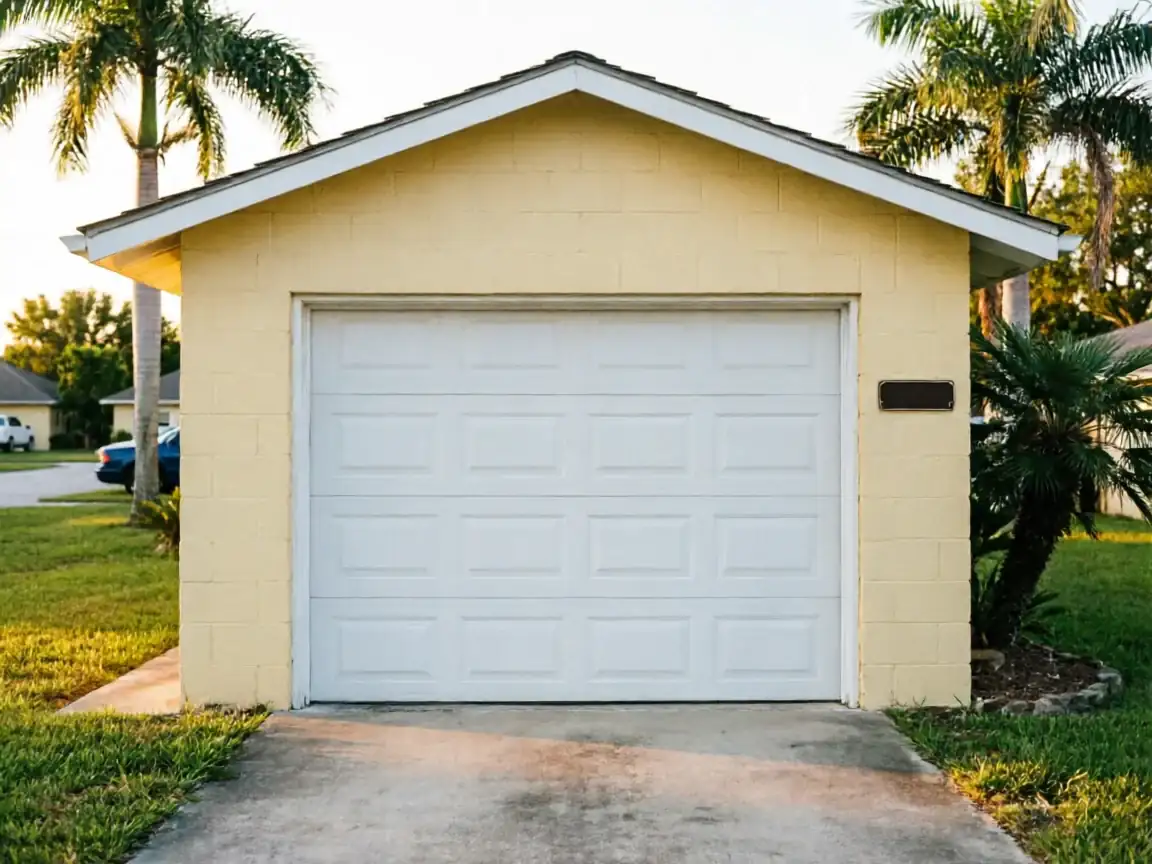
Miami Gardens falls in a mild, temperate climate band with no hard freeze to worry about, so the failure pattern here isn't about cold snapping metal the way it would further north. It's humidity and years. Doors going up in the late 1960s and through the 1970s came with galvanized hardware that wasn't built for 50-plus years of damp air cycling through an unconditioned garage. Springs stretch out of spec, lag screws back out of softened wood jambs, and the roller tracks pit faster than they would in a dry climate. With roughly 34,515 households in Miami Gardens, a lot of garages are running on hardware that predates the opener by decades, and the opener isn't the part that's actually tired.
What Can Go Wrong
The honest limitation: if the track brackets are rusted into the framing or the jamb wood underneath has gone soft, a spring or cable swap won't hold for long, and we're not going to sell you a repair that fails in six months. At that point replacement is the straighter path, and we'll tell you that instead of patching it twice. With median household income in Miami Gardens at $60,979, close to the $60,853 median across the whole service area, most of the repairs we do here are the kind worth fixing rather than replacing outright - but a door that's been racked and re-racked for years is the exception, not the rule.