Why This Fails Locally
Tamarac has roughly 31,115 households
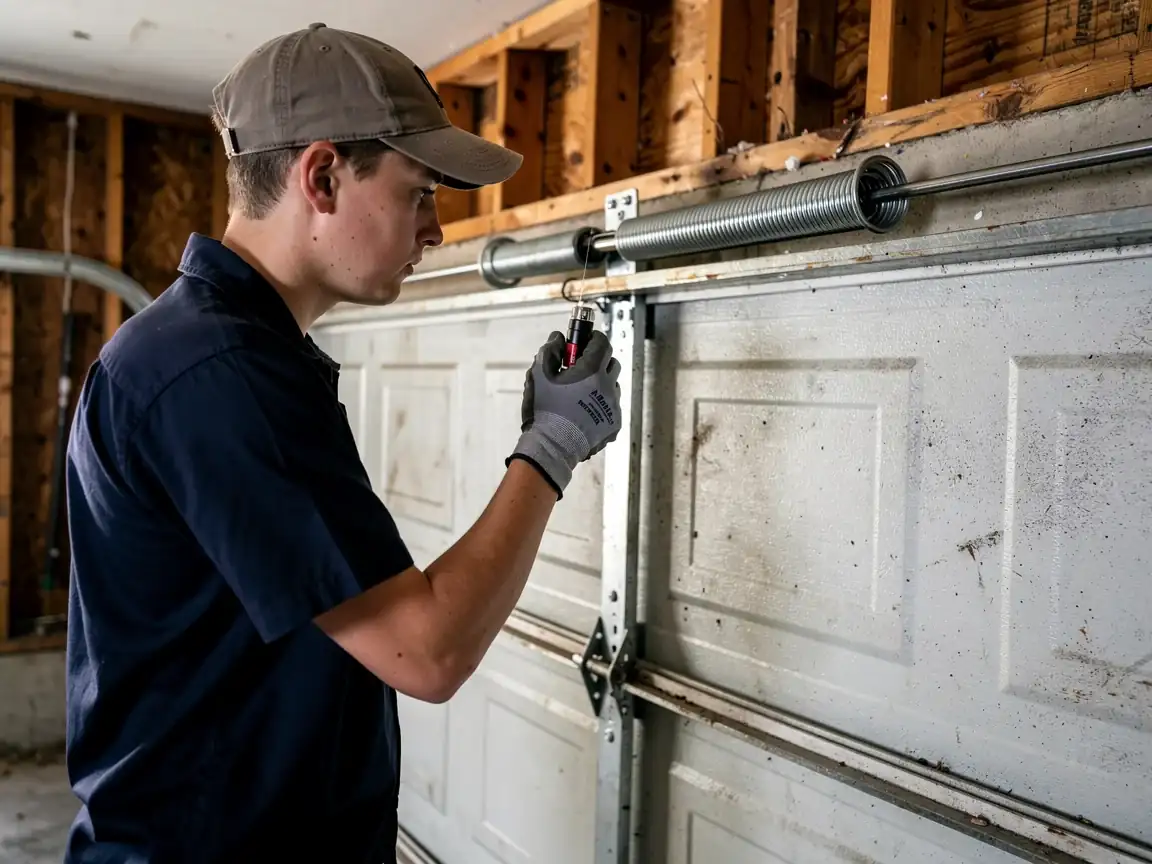
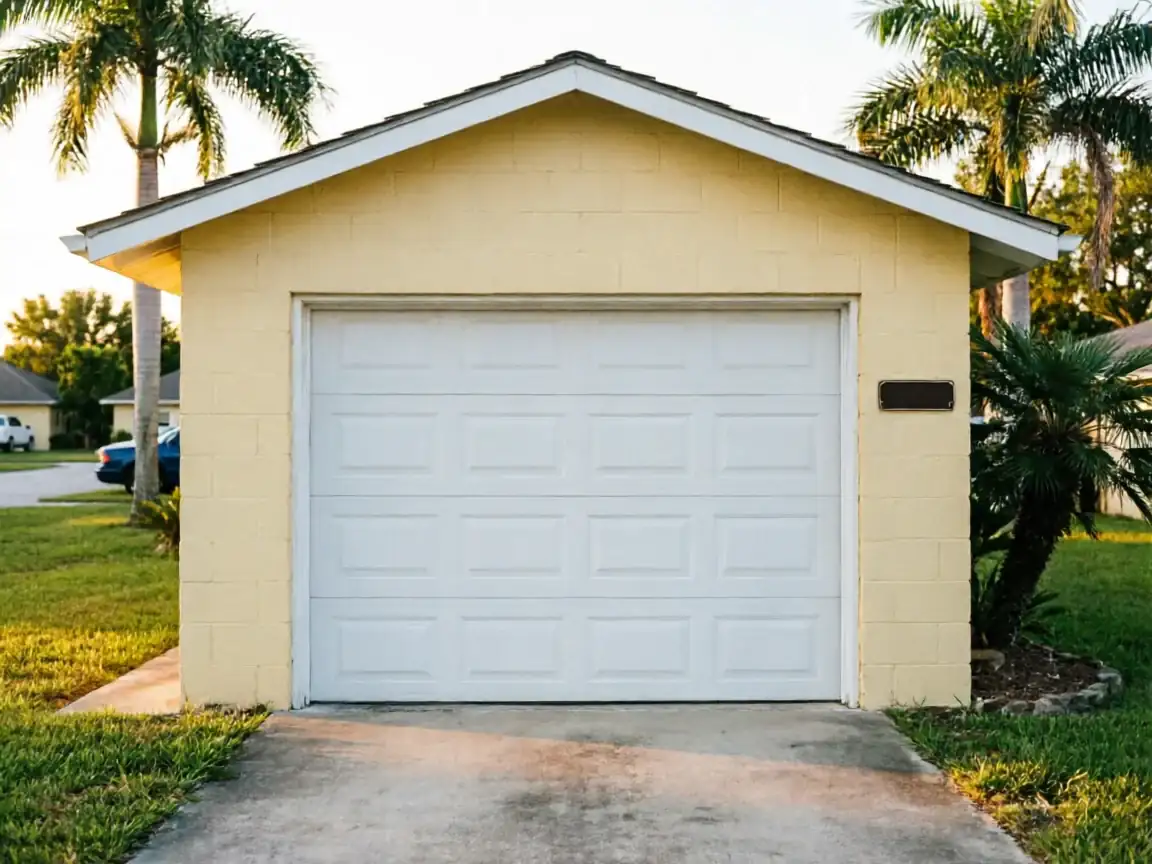
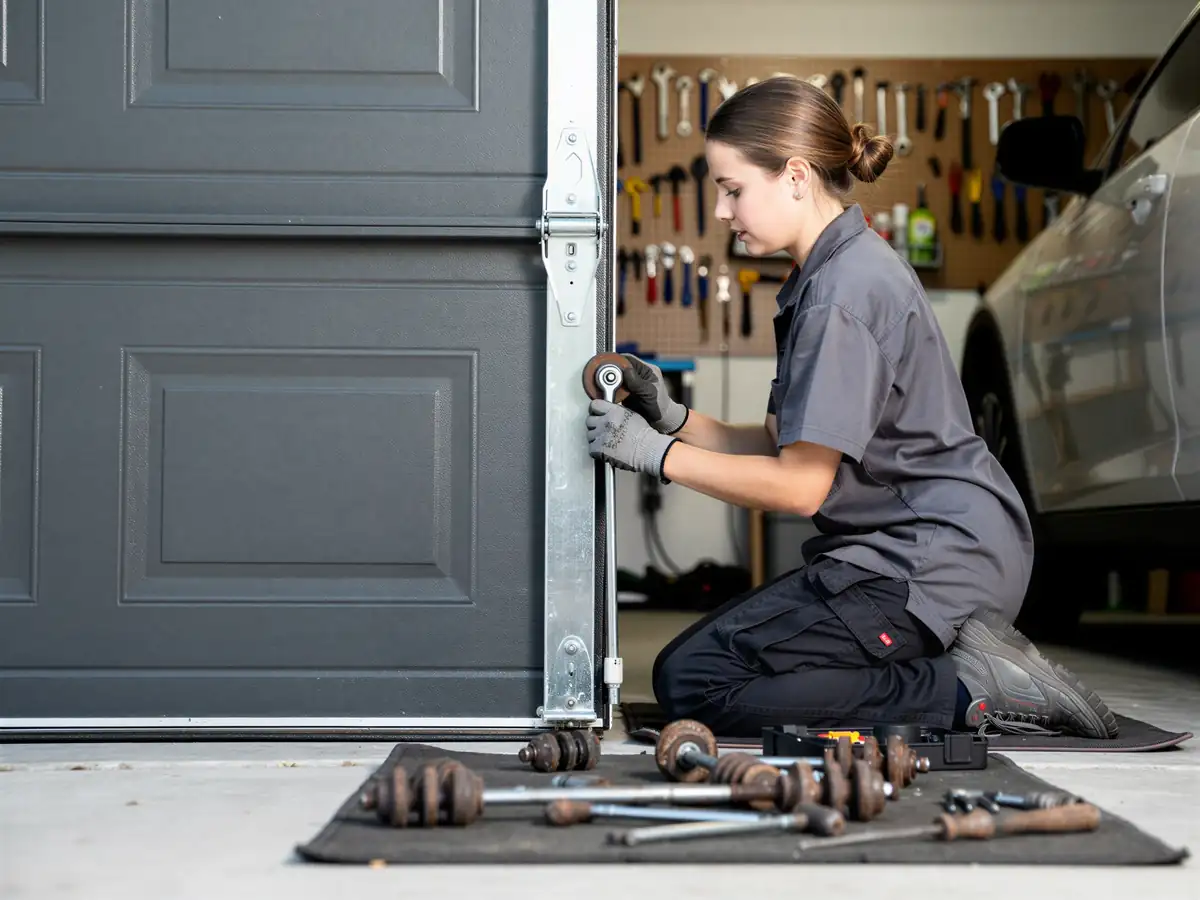
And that's enough volume that patterns show up fast once you've worked a few streets. The one we see most: doors installed when the neighborhood was built out, with a median year built around 1981. That's a door pushing forty-plus years old, and the rollers on it are almost never the originals' equal. Builders in that era leaned on plain steel rollers riding in galvanized steel track - cheap, loud, and fine for the first decade or two. After that, the roller stems wear oval instead of round, the wheel edges chip, and the door starts riding rough even though the spring and opener are fine.
- 31,115 households
The county-wide housing stock runs 1953 to 2005 with a median around 1975
So Tamarac sits a bit newer than the oldest pockets in the service area but still well past the point where steel rollers age out. Income here runs a median of $59,216, which tracks with what we see on the truck: most owners want the roller assembly swapped, not a full door replacement, as long as the track itself hasn't bent. That's usually the right call, not an upsell.
How Long It Takes
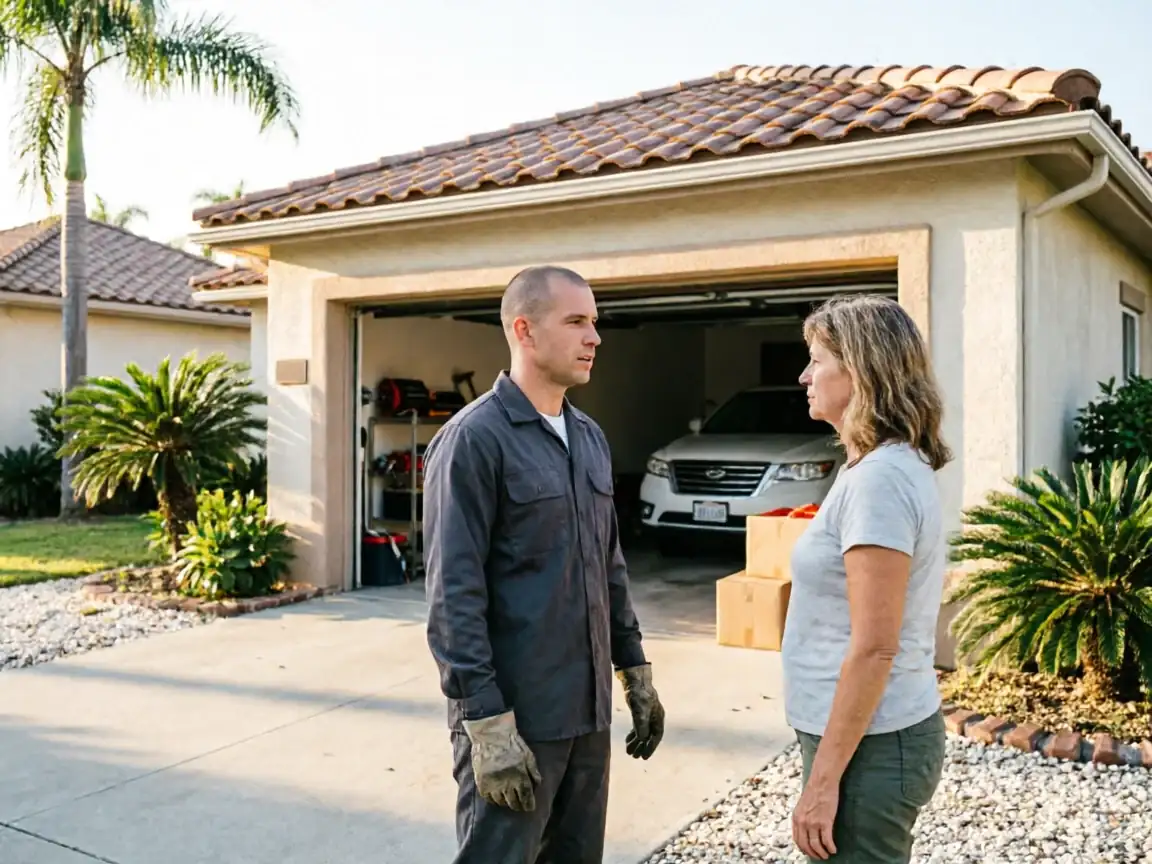
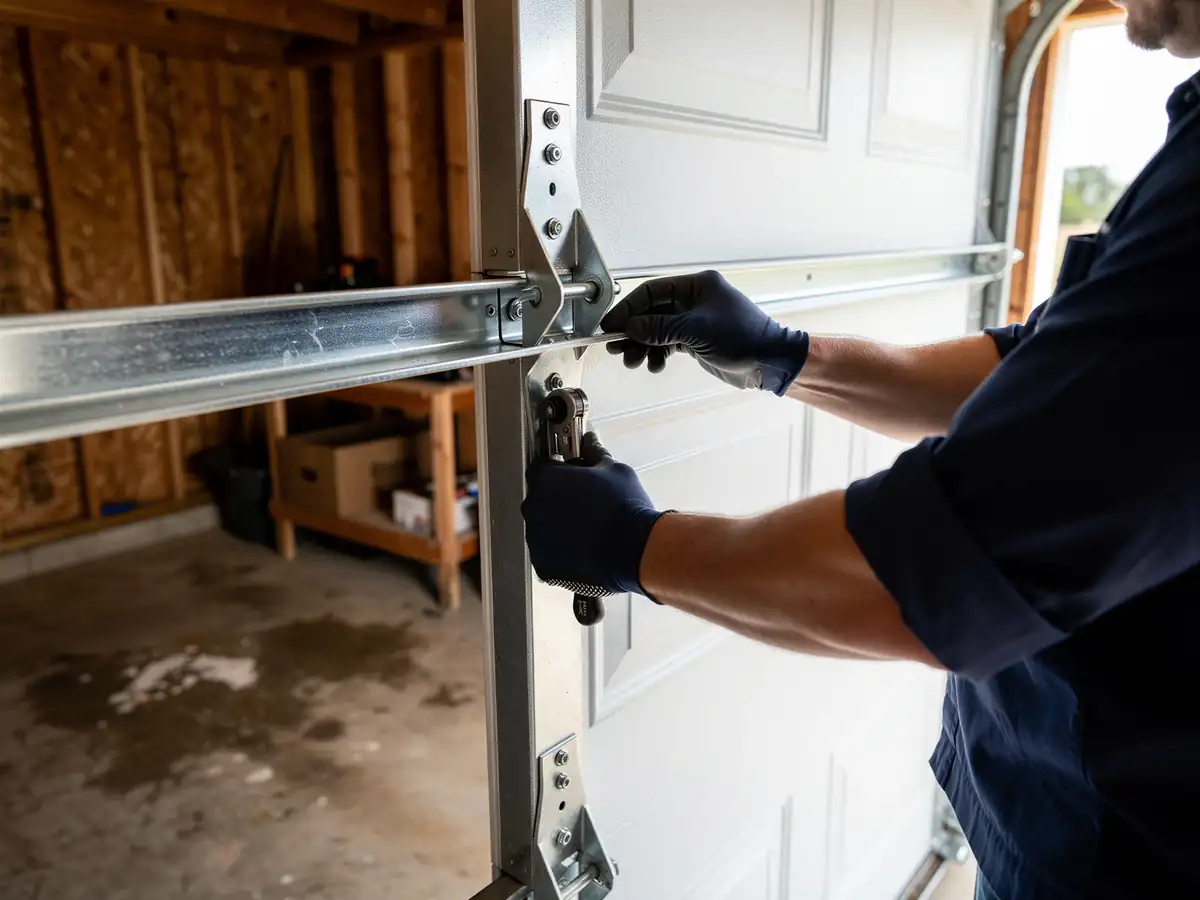
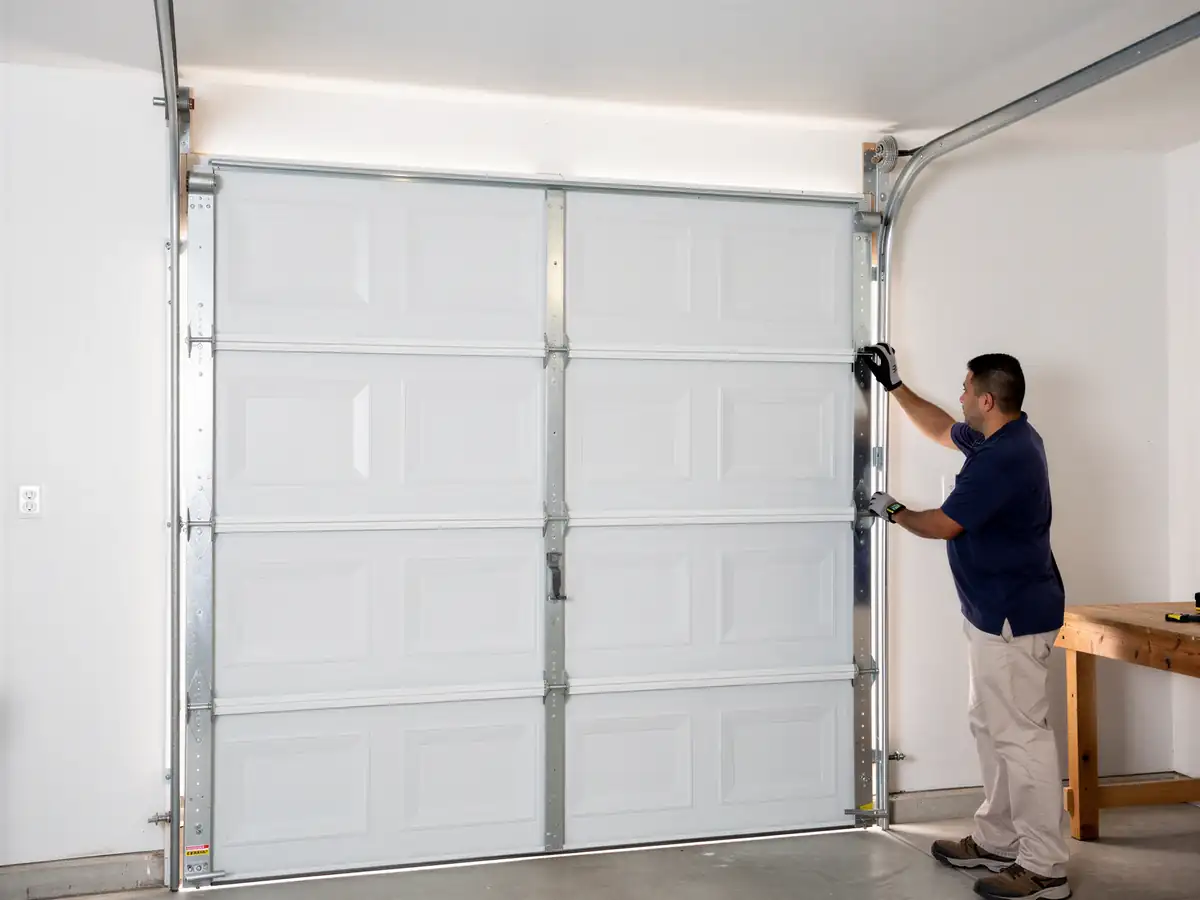
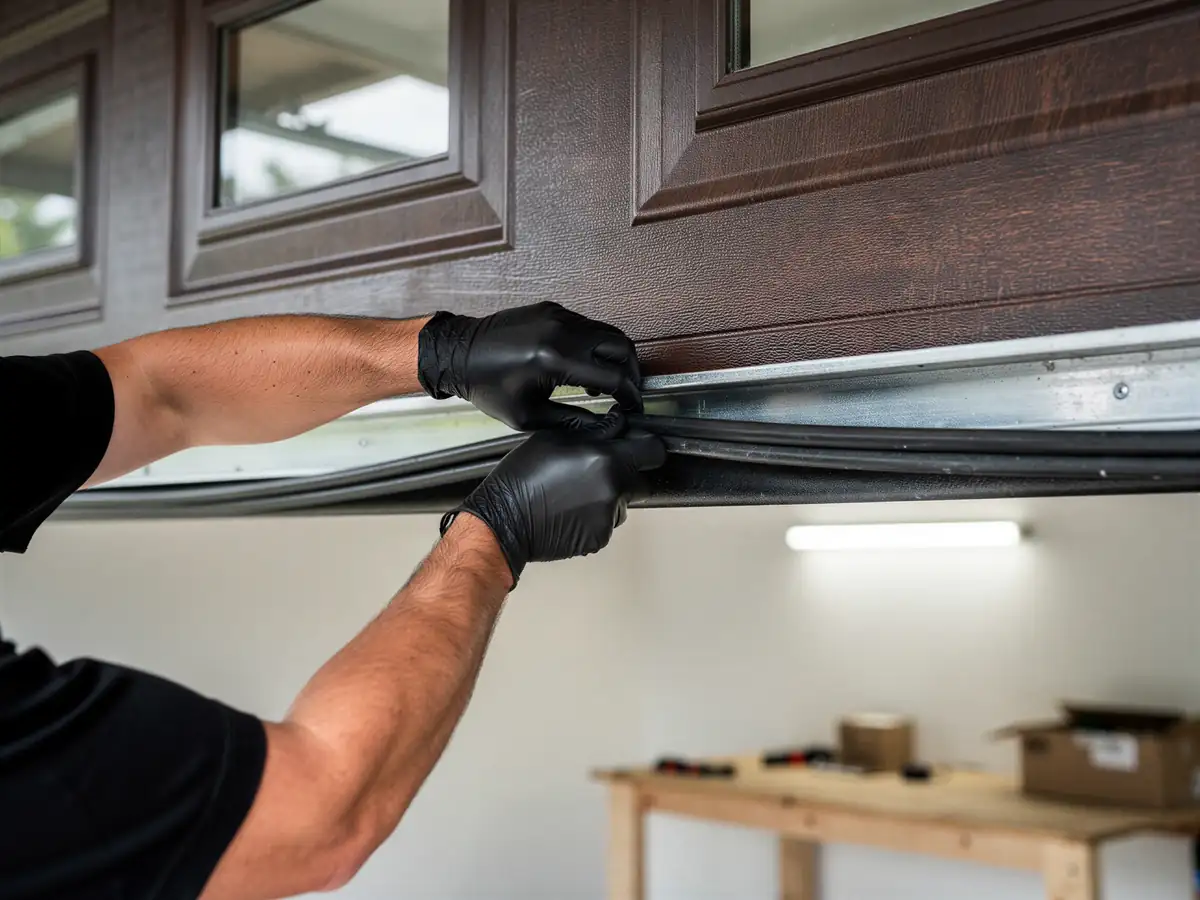
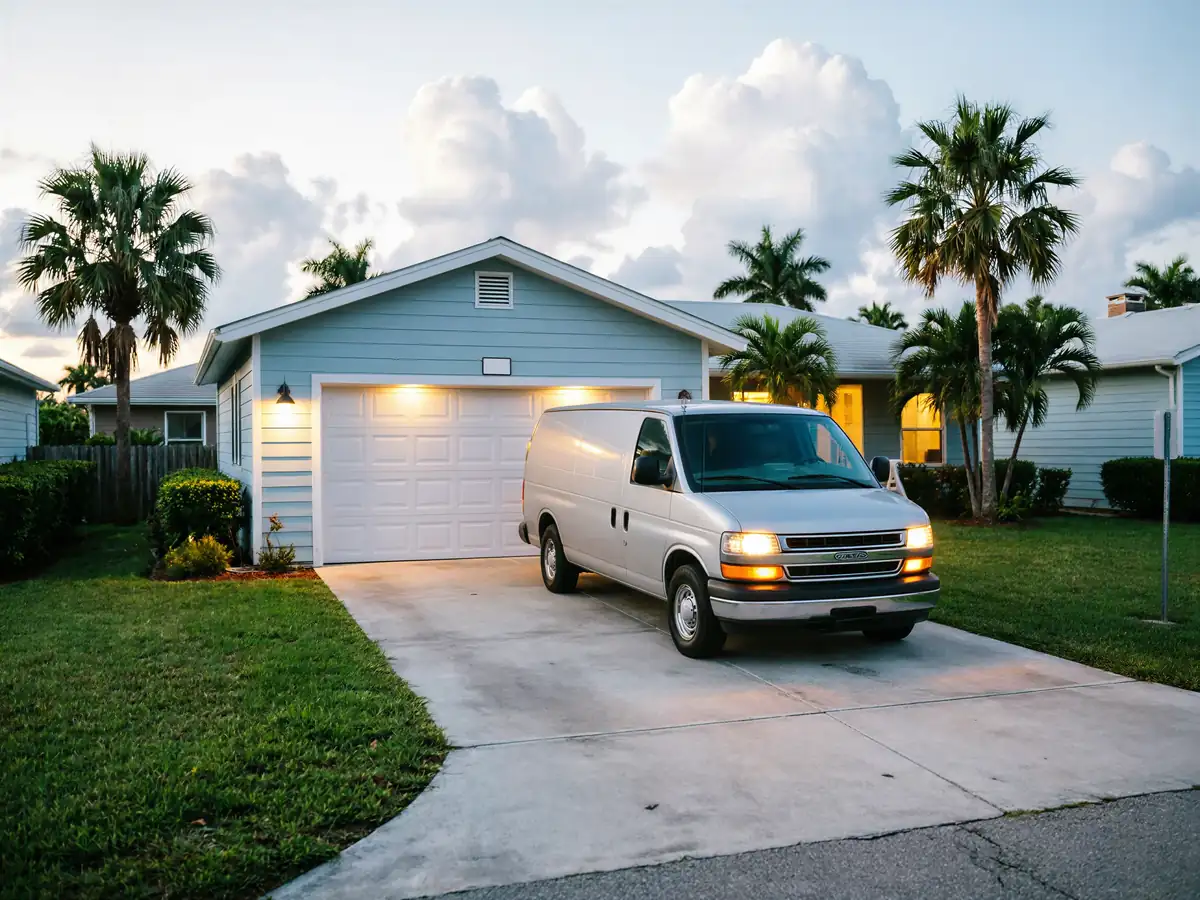
A straight roller swap on a double door, done after the diagnosis is confirmed, is a short job - most of the time on site goes into pulling the old roller stems out of worn hinges and checking that the track hasn't bowed from all that friction. We don't carry a storefront in Tamarac; the crew comes from Plantation, about 5 miles out, so the only variable in your timeline is when the truck is routed to your call, not how long the repair itself runs once we're there.
Where it stretches out is when the rollers have been bad long enough to chew up the track or the hinges along with them. At that point we're not swapping ten rollers, we're straightening or replacing track sections too, and that's a longer job because the door has to come off the track partway through. We'll tell you up front which one you're looking at before we start pulling anything apart.
What Can Go Wrong
The honest limitation first: if the rollers have been grinding against bent track for a while, a roller-only fix won't quiet the door down. You'll pay for new rollers and still hear the same scrape, because the real problem moved to the track. We'd rather tell you that before the swap than after.
Past that, the common failure on 1980s-era Tamarac doors is nylon or steel rollers with no bearing, which means the stem itself is doing all the work of pivoting. Over enough open-close cycles - and in this mild temperate climate there's no winter slowdown to give the hardware a break - that stem wears thin and eventually snaps mid-cycle, usually on the roller nearest the bottom corner where the door takes the most twist on opening. When that happens on an older door, the hinge it was seated in is often worn too, so we replace both rather than put a new roller into a stretched-out hinge hole that will just chew through it again in a year.
What You Are Seeing
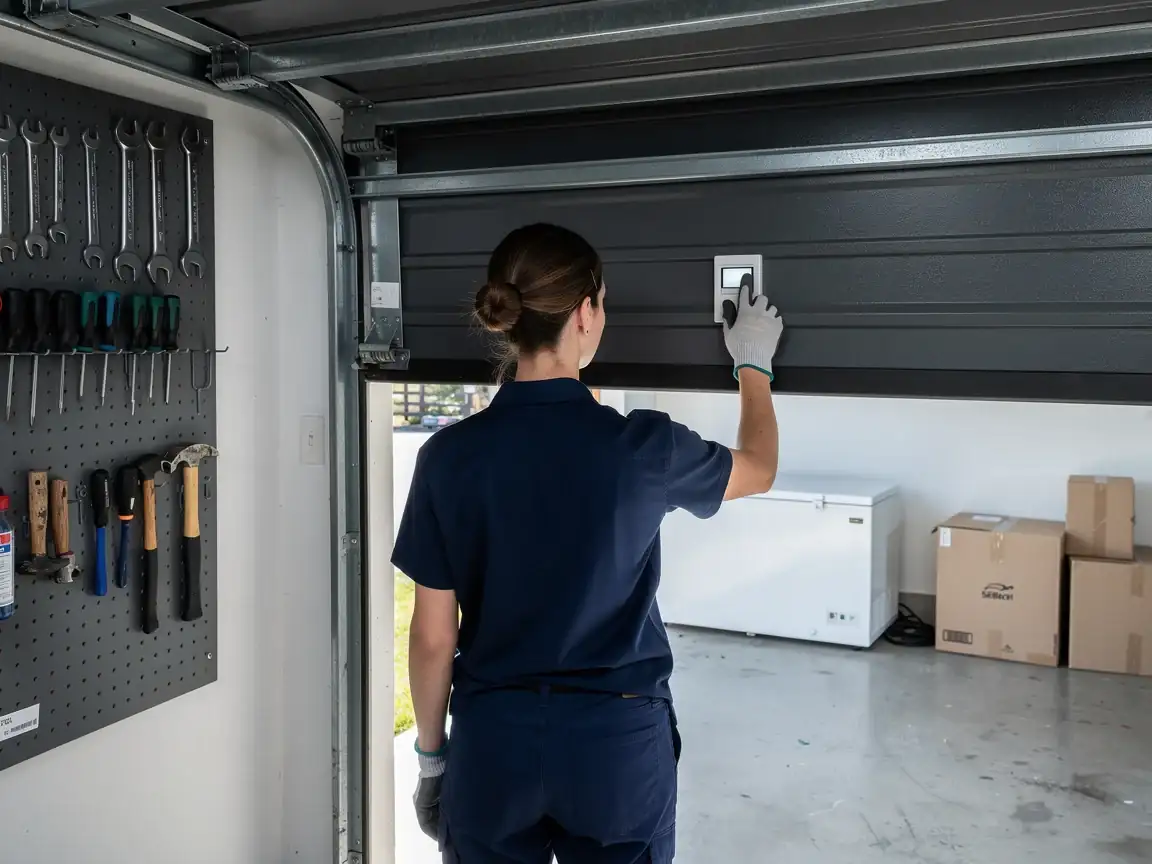
If your door grinds, grates, or sounds like it's dragging gravel through the track on its way up, that's rollers, not springs
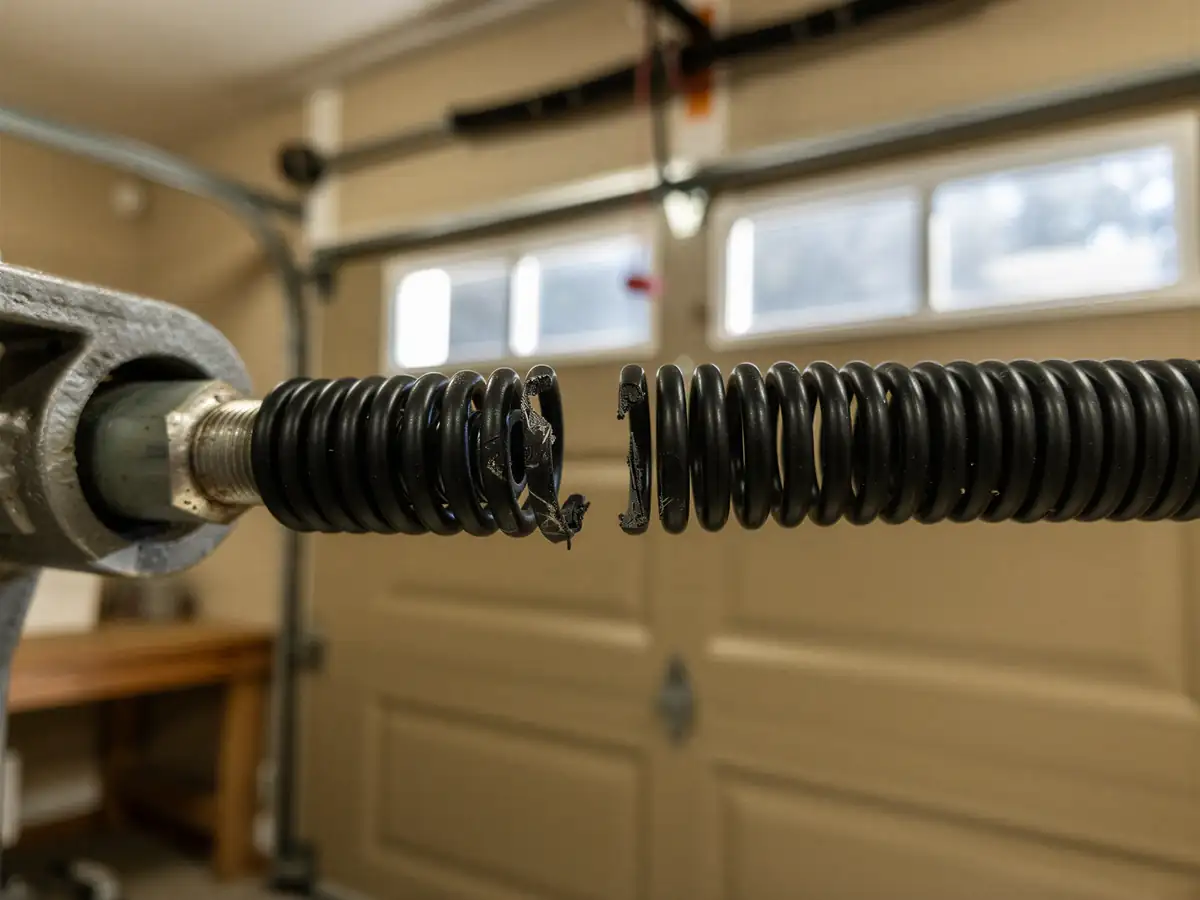
A spring problem shows up as the door feeling heavy or refusing to stay up; a roller problem shows up as noise and a jerky, stop-start motion even though the door still moves fine once it's going. On a lot of the doors we see in Tamarac, built in the era they were, that grinding starts around the bottom two rollers first, since they carry more load and more side-to-side play.
Another sign: the door looks like it's walking sideways in the track a little as it travels
Instead of running dead straight. That's usually a worn roller wheel letting the panel wander off-center before the track corrects it back. Left alone, that wander wears the track itself, which turns a cheap roller job into a track repair. Catching it at the noise stage, before the wander starts, is the difference in cost.