Why This Fails Locally
The fault we see most in Tamarac isn't weather damage or impact - it's fatigue
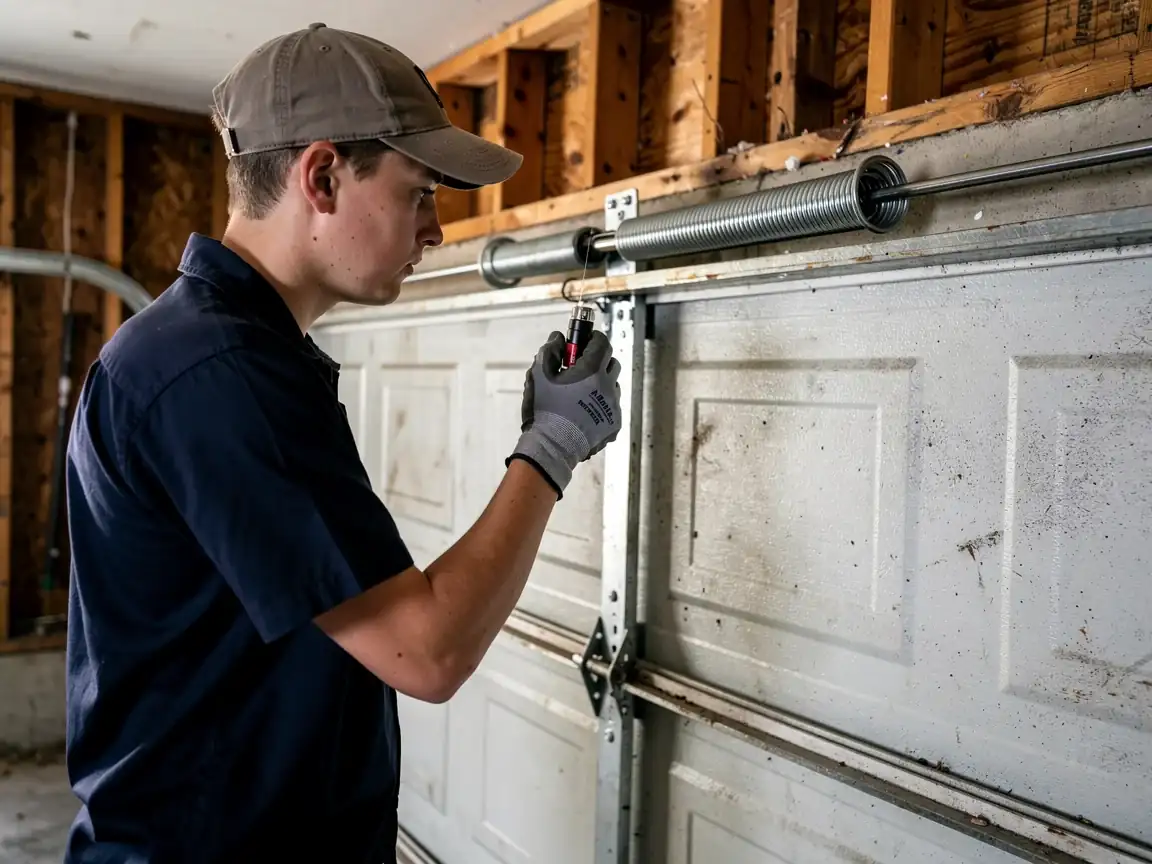
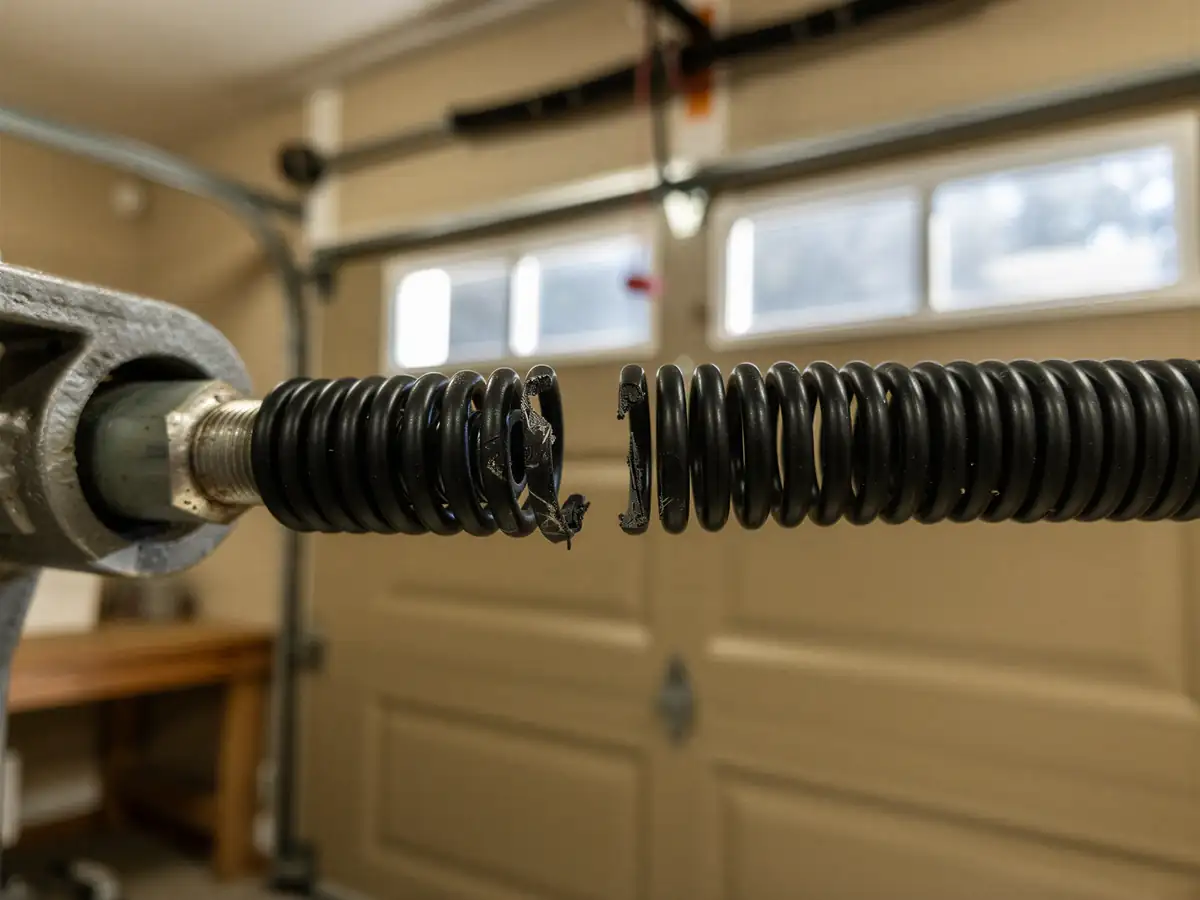
Homes in this part of the service area went up around 1981, and that number matters more than it sounds. A torsion spring is rated for a set number of open-close cycles, usually somewhere between 10,000 and 15,000 depending on the coil. A door opened twice a day for over forty years has burned through that rating long ago, often without anyone noticing until the spring snaps or the opener starts straining to lift a door that used to feel balanced.
That 1981 median also puts Tamarac a bit newer than the 1960s-70s stock that makes up most of the wider service area
It's a small gap, but it shows up in the doors themselves - slightly heavier gauge steel, double-torsion setups more common than single-spring extension systems from the earlier era. The hardware is still old, just old in a specific way. We don't guess at what's behind the panel before we look; we open it up and check the spring size, the drum, the cable condition, before quoting anything.
How Long It Takes
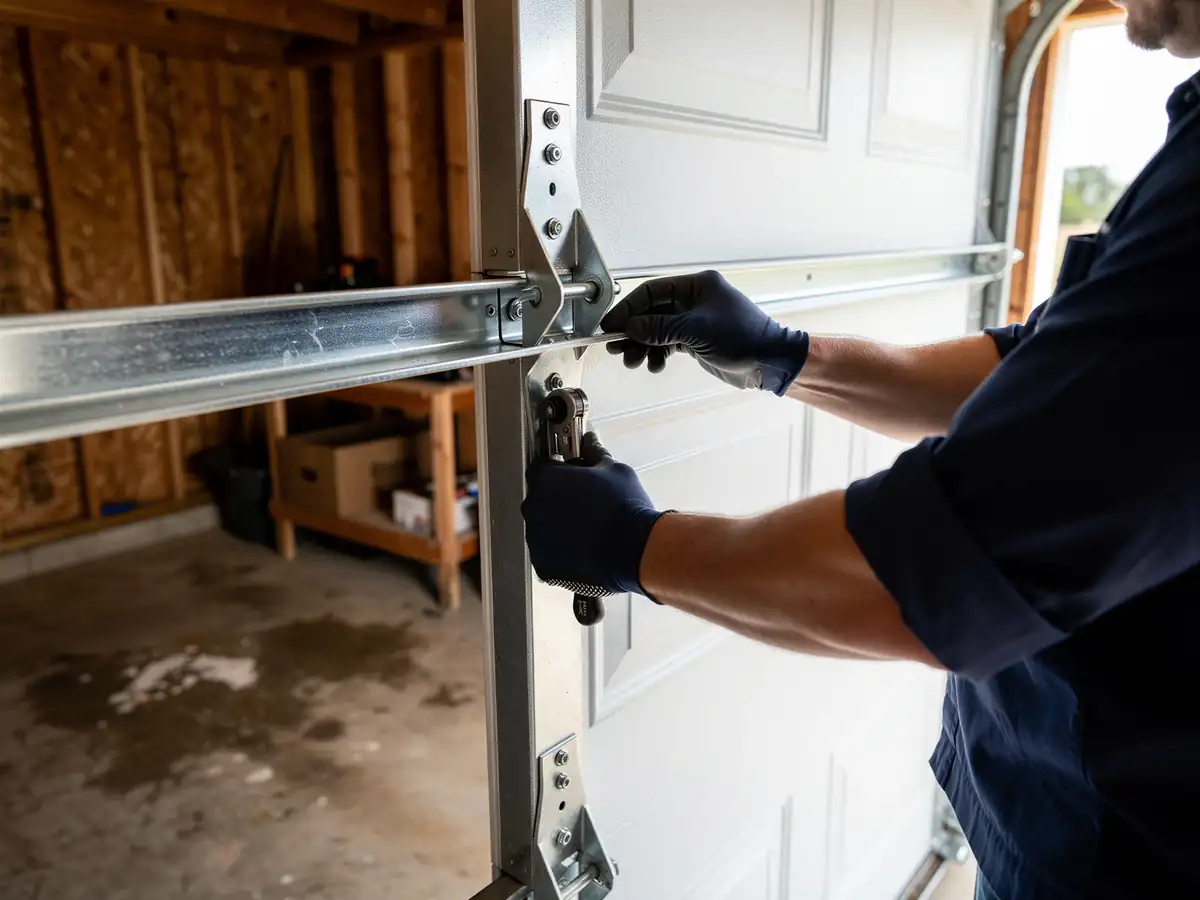
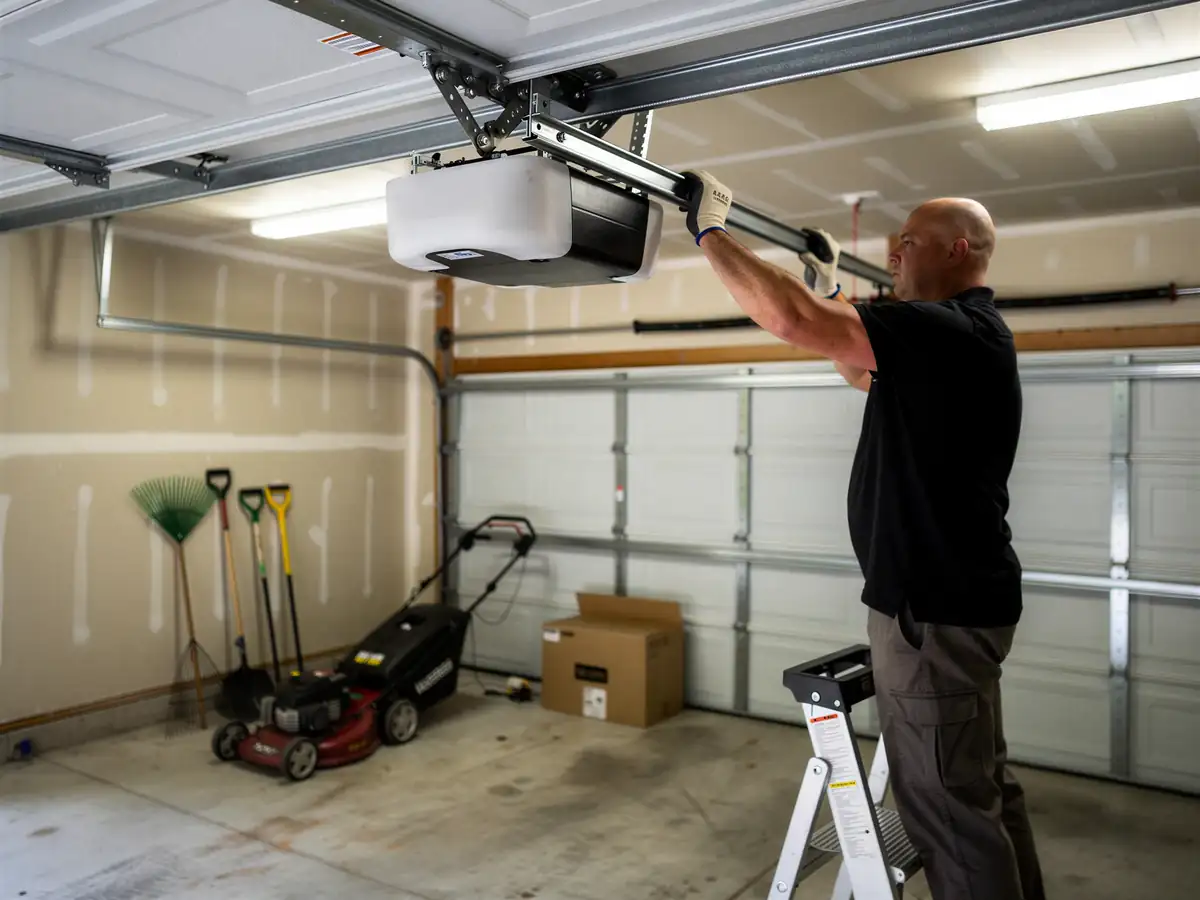
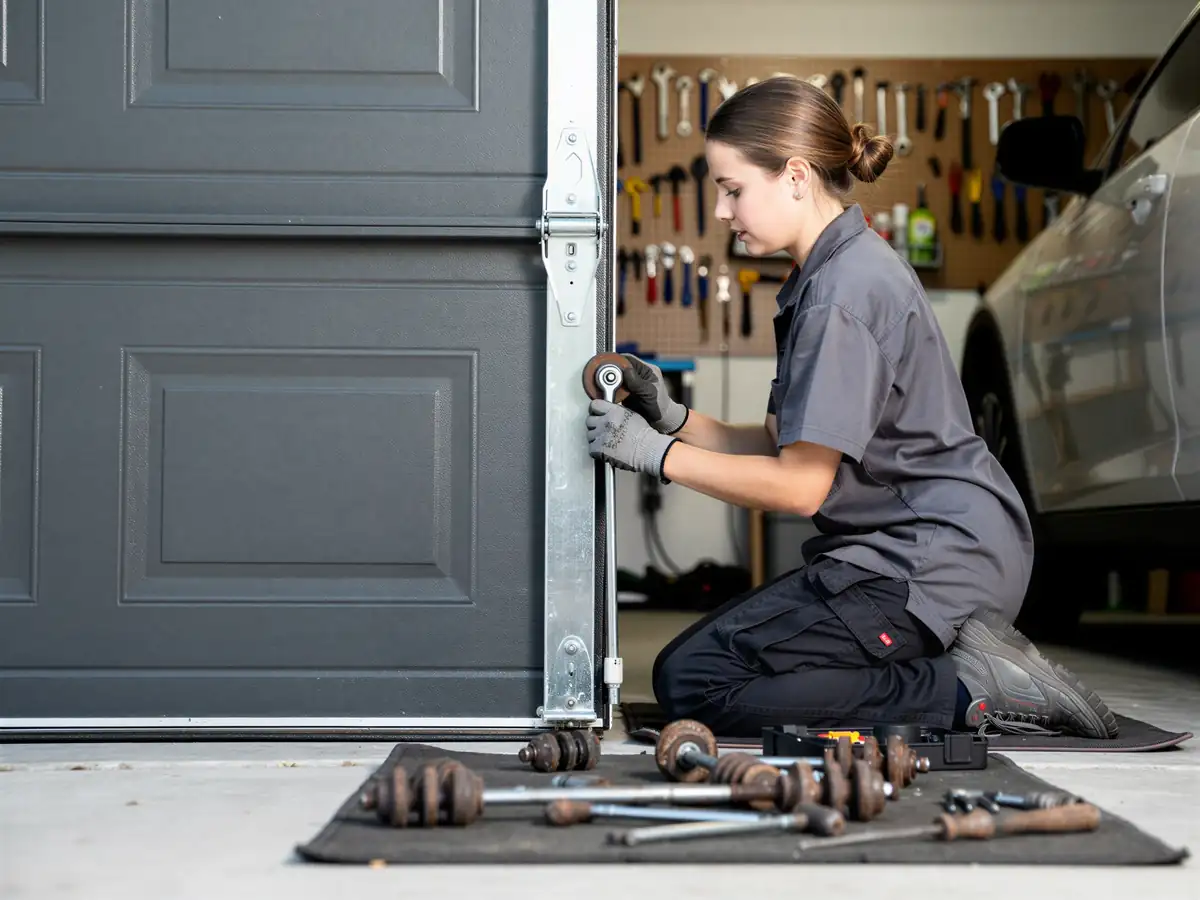
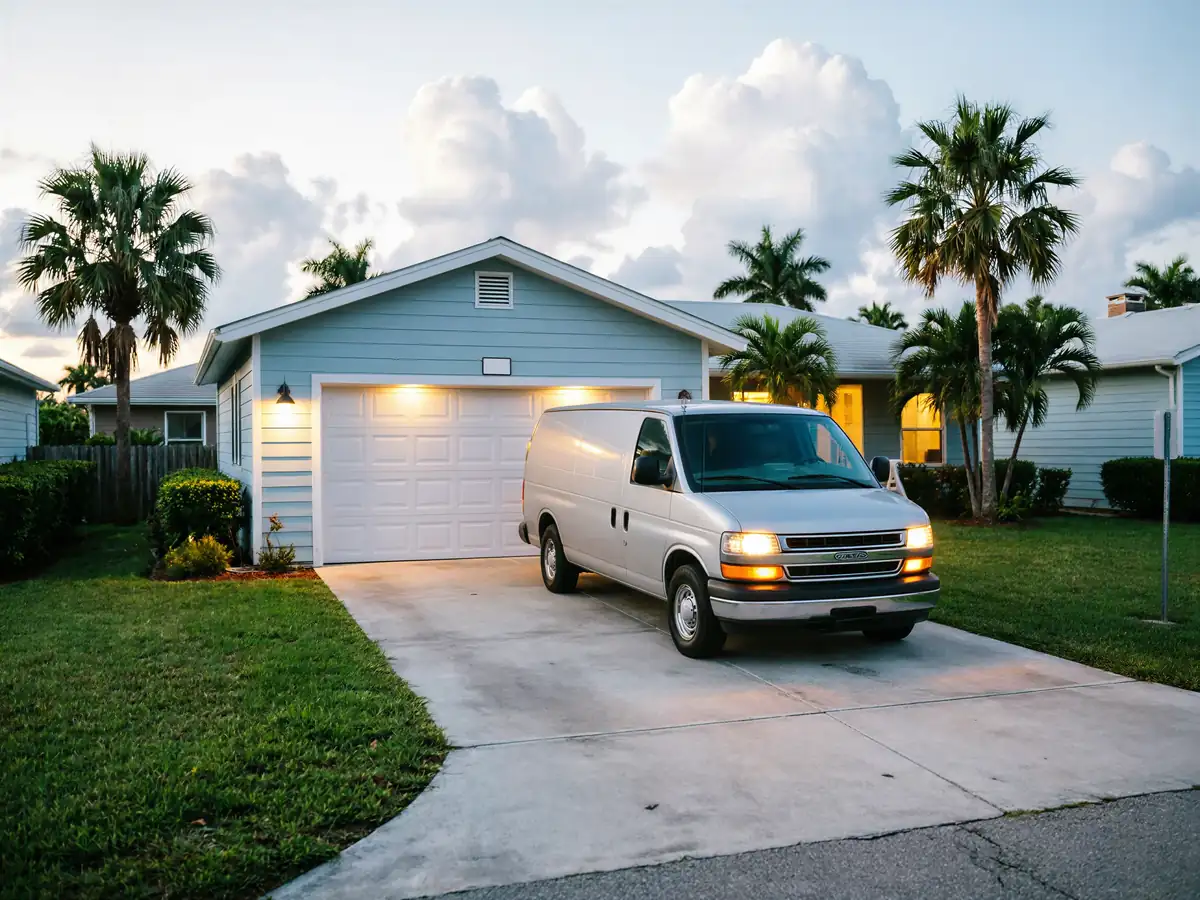
We travel from Plantation, about five miles to this side of Tamarac, so the trip itself isn't the bottleneck. What slows a job down is parts. A torsion spring sized for a door built in 1981 isn't always the same stock size we'd pull for a 2005 build, and if the track or drum has been modified over the decades - a replacement opener bolted onto original hardware, say - matching the spring to the setup already on the door takes an extra look before we cut anything.
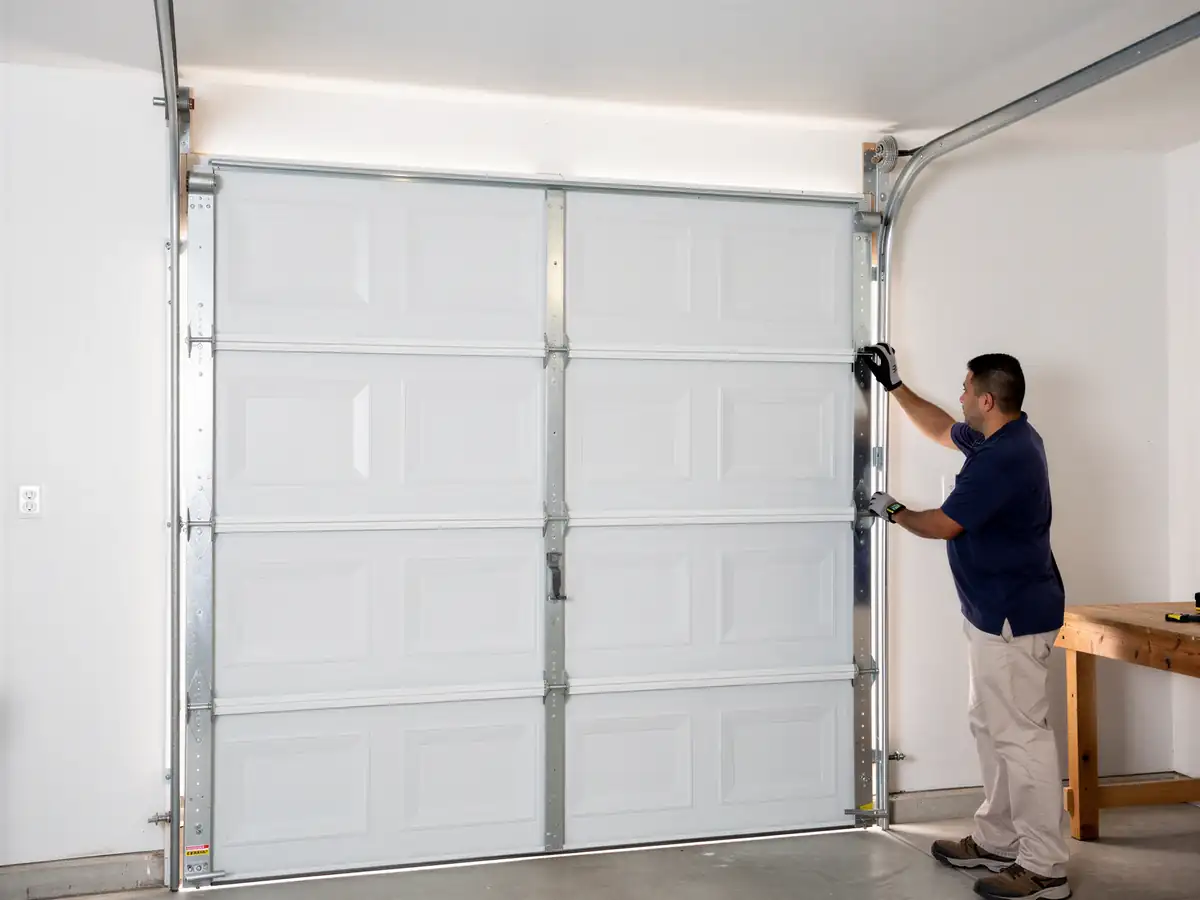
Most spring and roller jobs on a standard double door finish in one visit once we're on site and have confirmed the part. Where it stretches out is a less common spring size or a drum that's been swapped at some point and doesn't match what the rest of the hardware expects. We won't pretend every job is routine - some of this neighborhood's older doors have been patched by more than one previous repair, and sorting out what's original versus retrofit takes time before the actual fix starts. We'd rather tell you that up front than promise a number we can't hold to.
What Can Go Wrong
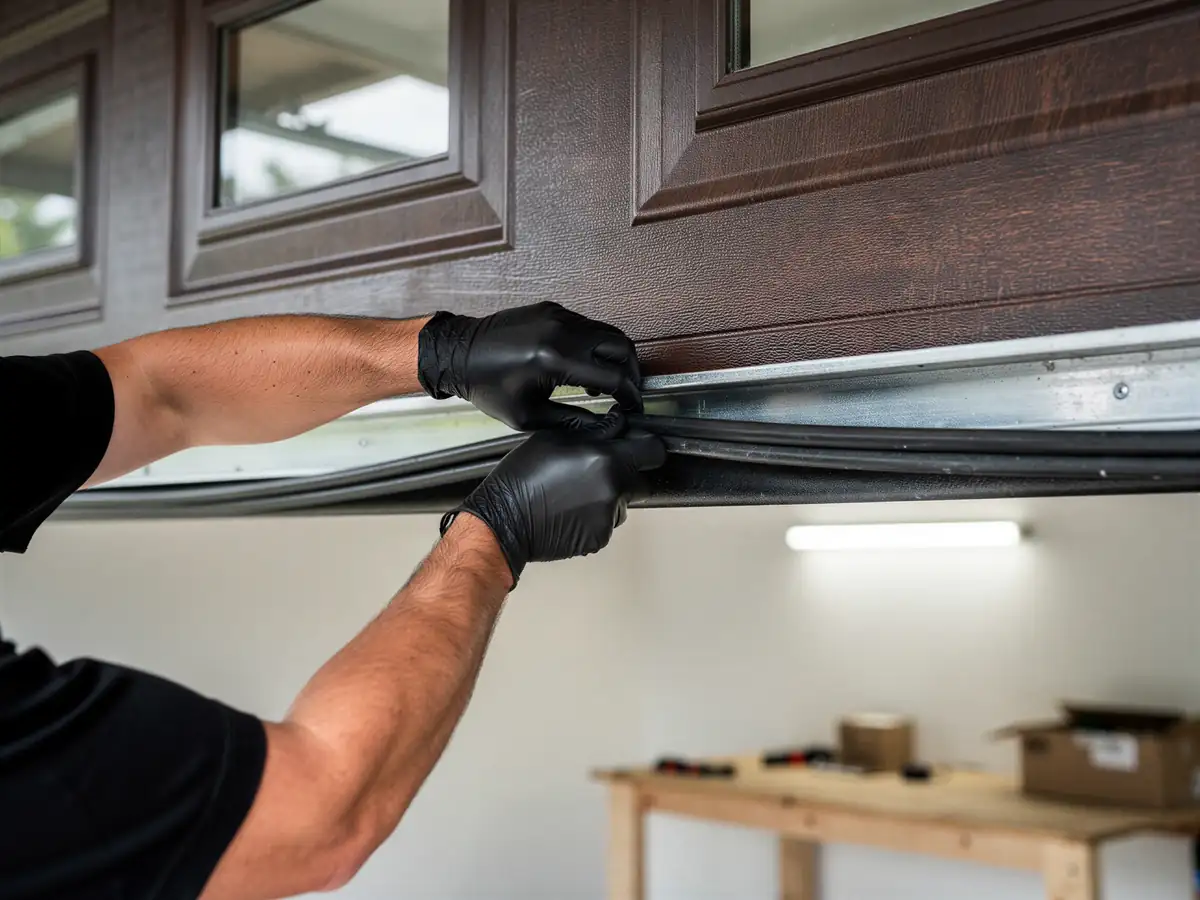
With roughly 31,115 households in this stretch, a lot of doors from the same build era are aging out of their spring life around the same time, which is why we get similar calls in clusters here. The most common failure is a torsion spring letting go entirely - a loud bang, then a door that won't lift past a few inches because the opener alone can't carry the weight. Close behind that: worn rollers dragging in the track, pulling the door off-square and chewing at the weatherstrip along the edge.
On some of the older extension-spring setups still running here, we also see cables that have stretched or frayed at the drum, which is a safety issue more than a convenience one - a cable failure under tension can let a panel drop fast. We check cable condition any time we're already in for a spring call, because replacing one without checking the other usually means a second visit within the year. We don't replace springs or cables that still test sound just because they're old; age alone isn't a reason to swap a part that's doing its job.
What You Are Seeing
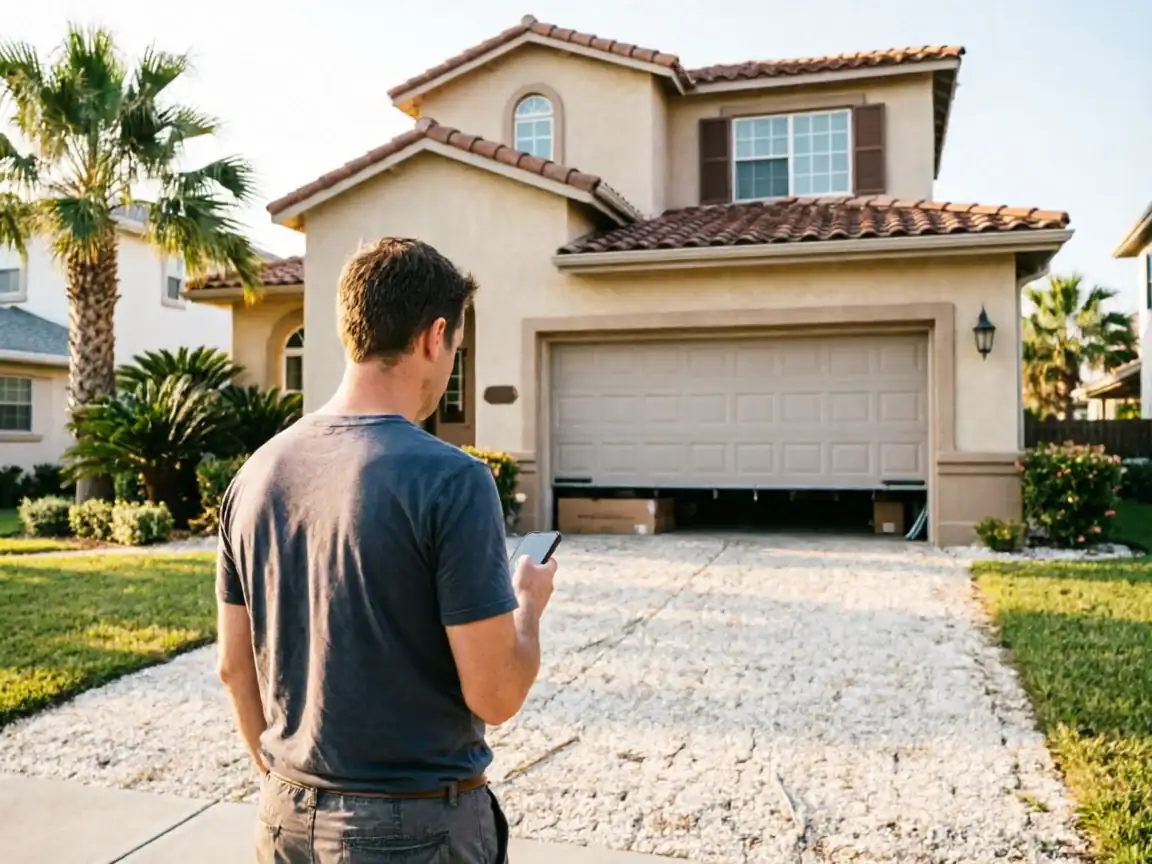
If the door in this part of Tamarac is hesitating a few inches off the ground, reversing on its own partway up
Or the opener is making a straining sound it didn't used to make, that's spring fatigue showing up before full failure. A door that looks crooked going up, lower on one side than the other, points to a roller that's worn through or a cable that's lost tension on one track - not something to force through with the opener, since that strains the motor and can bend the track further.
A grinding or popping sound from one spot along the track as the door passes usually means a roller that's cracked rather than just worn
And it'll get louder over a few weeks before it seizes. If the door dropped suddenly and won't move at all, don't try the opener again - that's almost always a torsion spring that's let go, and running the motor against dead weight can damage the opener on top of the spring. The median household income on this side of the service area runs $59,216, and we see that reflected in the calls: more spring and roller repairs, fewer full door replacements, than in areas with newer housing stock.