Why This Fails Locally
The median home in Tamarac went up around 1981
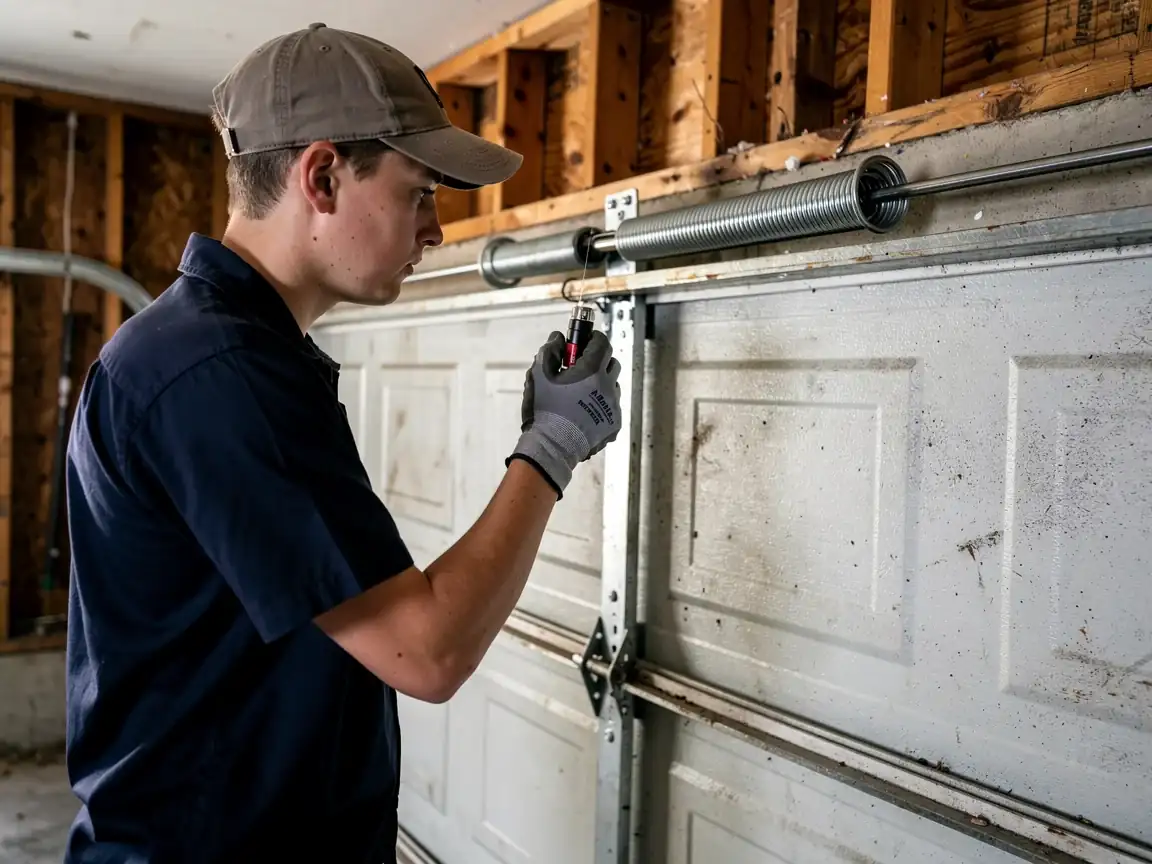
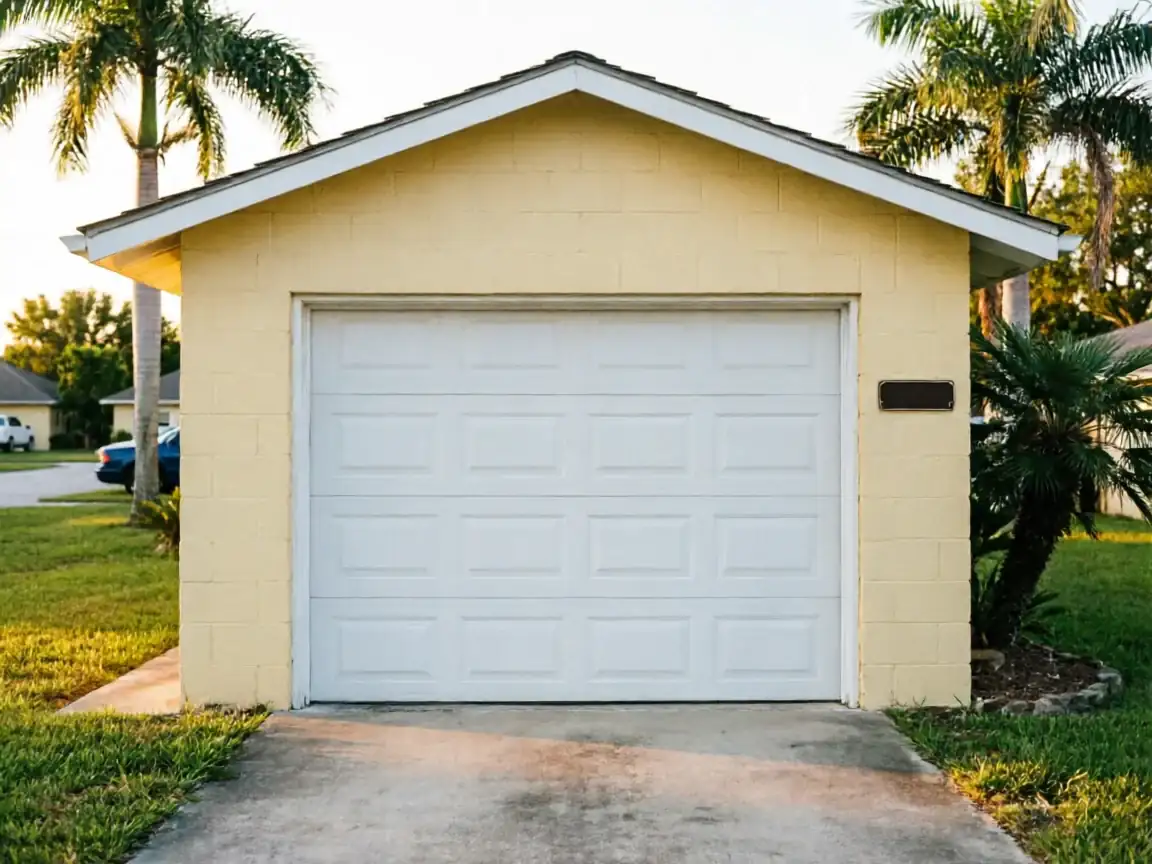
Which means a lot of garage doors here are the ones that came with the house. Forty-plus years on a steel door isn't unusual on its own, but it's what's behind the door that tends to give out first: the original torsion spring, a chain-drive opener from a build era before anyone worried much about insulation, and galvanized hardware that's spent four decades in a mild, humid climate without a hard freeze to slow down corrosion. Nothing forces that hardware to fail on a schedule, so a lot of these doors are still running on parts nobody's touched since the house was framed.
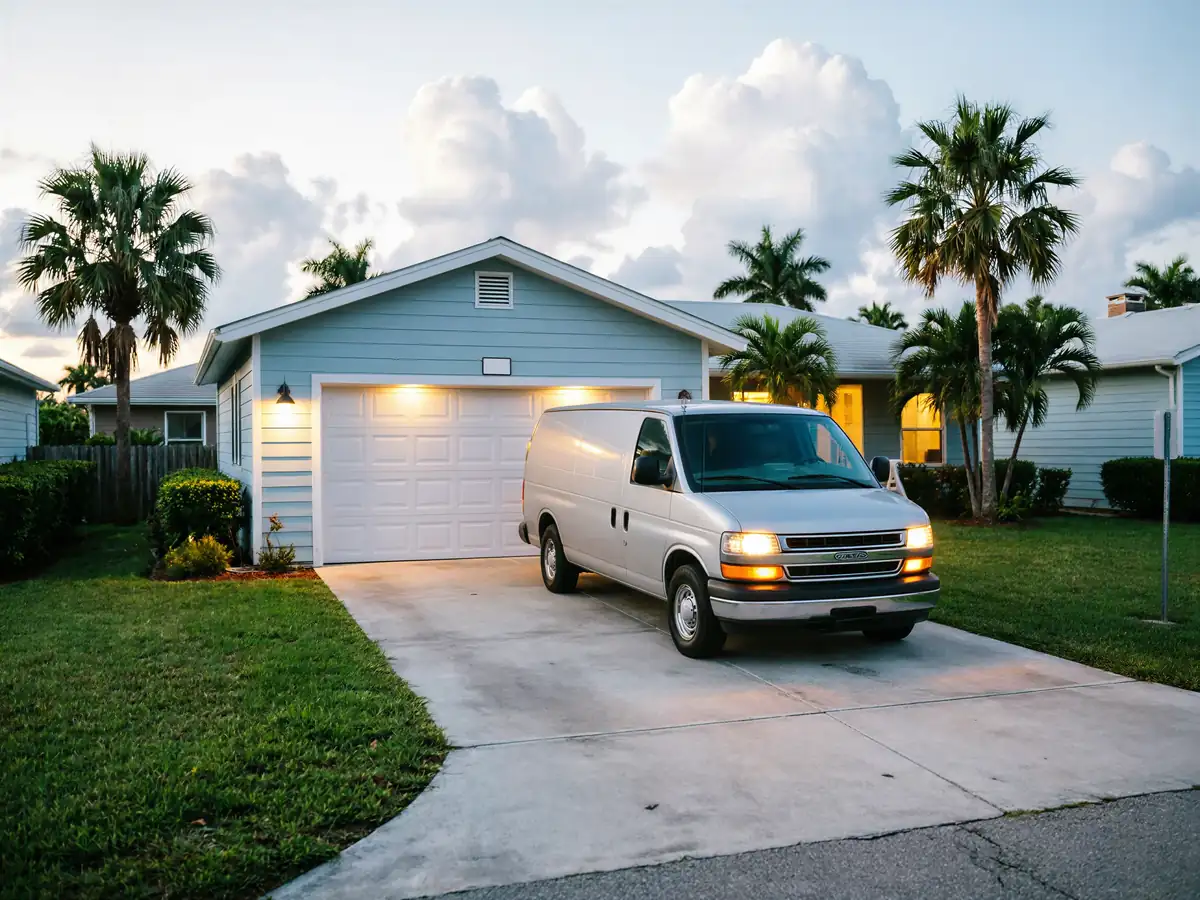
We work out of Plantation, about 5 miles from Tamarac
And the difference in housing stock matters for how we quote the job. A door built to 1981 rough framing doesn't always take a modern off-the-shelf panel without some adjustment at the jamb or header. That's not a defect in the house - it's just what happens when a home is older than most of the doors sold to fit it.
- 5 miles
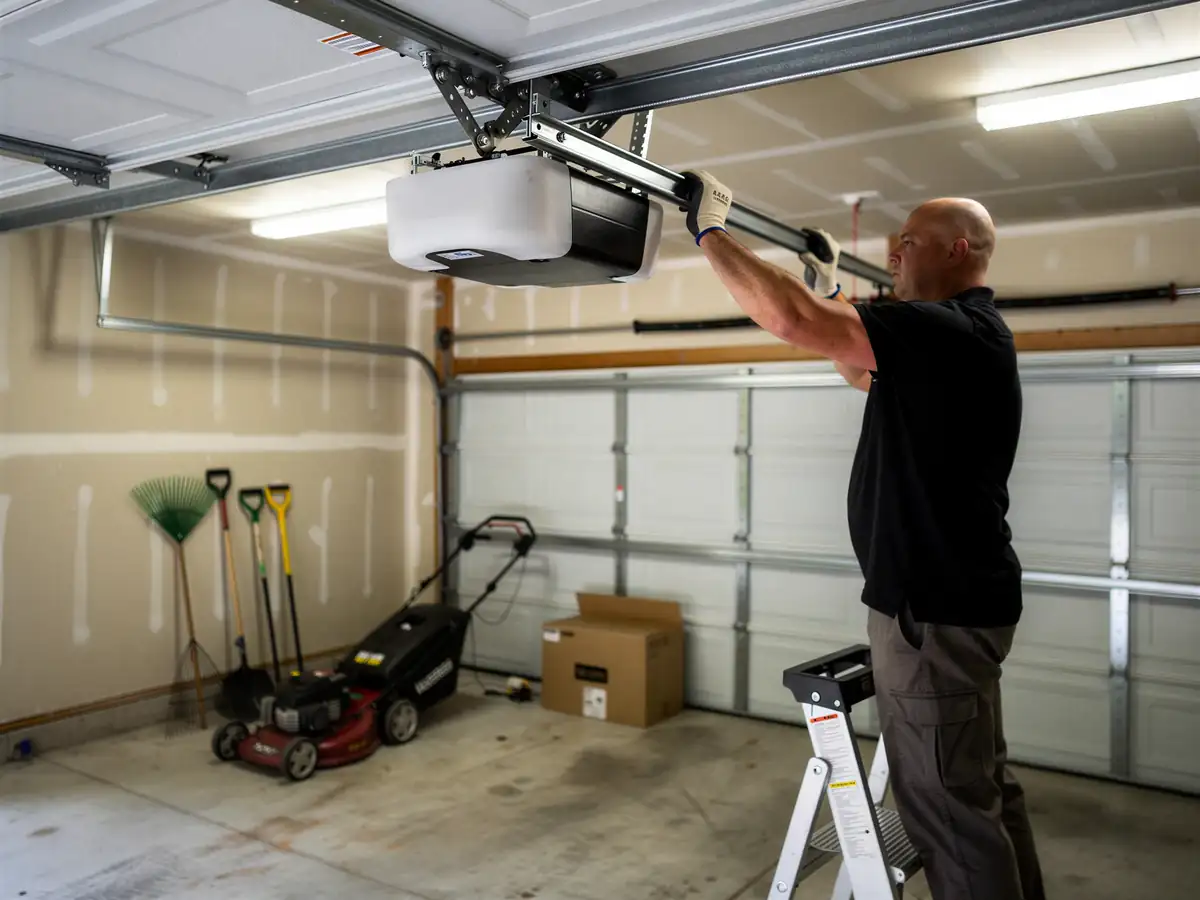
If your opener still has a manual-reverse mechanism instead of a photo-eye safety sensor
That alone tells you it predates current safety standards and is a candidate for replacement, not repair.
How Long It Takes
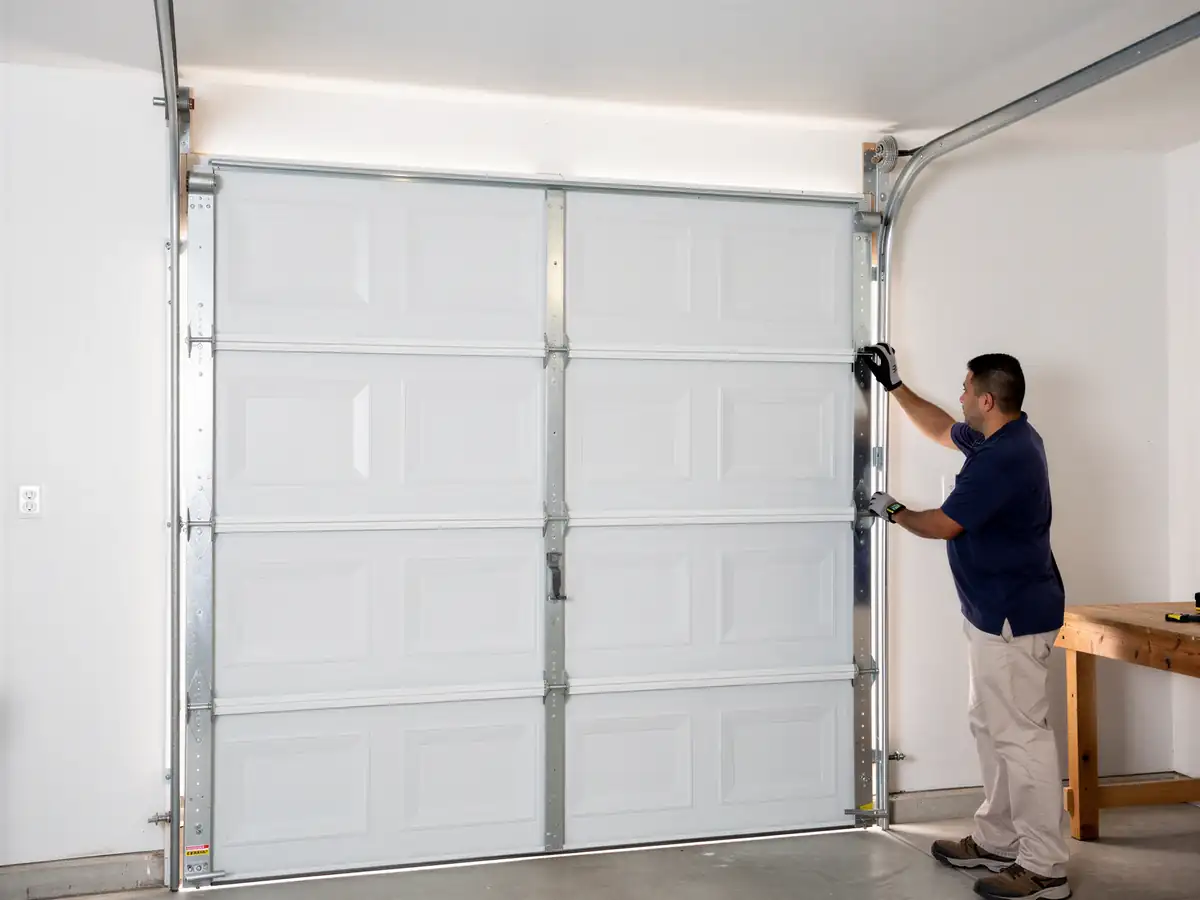
A straightforward swap - same size opening, new steel door, new opener - is usually a one-day job once the door is on the truck. What takes longer is getting there: if your opening is slightly out of a standard size, which shows up more often in Tamarac's older construction than in newer subdivisions, we need to confirm measurements before ordering, which adds time on the front end rather than the install day itself.
We don't keep a stocked branch in Tamarac - the crew and the doors come from Plantation - so scheduling runs on order lead time, not proximity. A standard-size door in a common color is faster to get than a custom width or a specialty insulated panel. If your original opening is non-standard, which happens on some of the 1970s-80s stock in this area, tell us that up front so we're not guessing on-site.
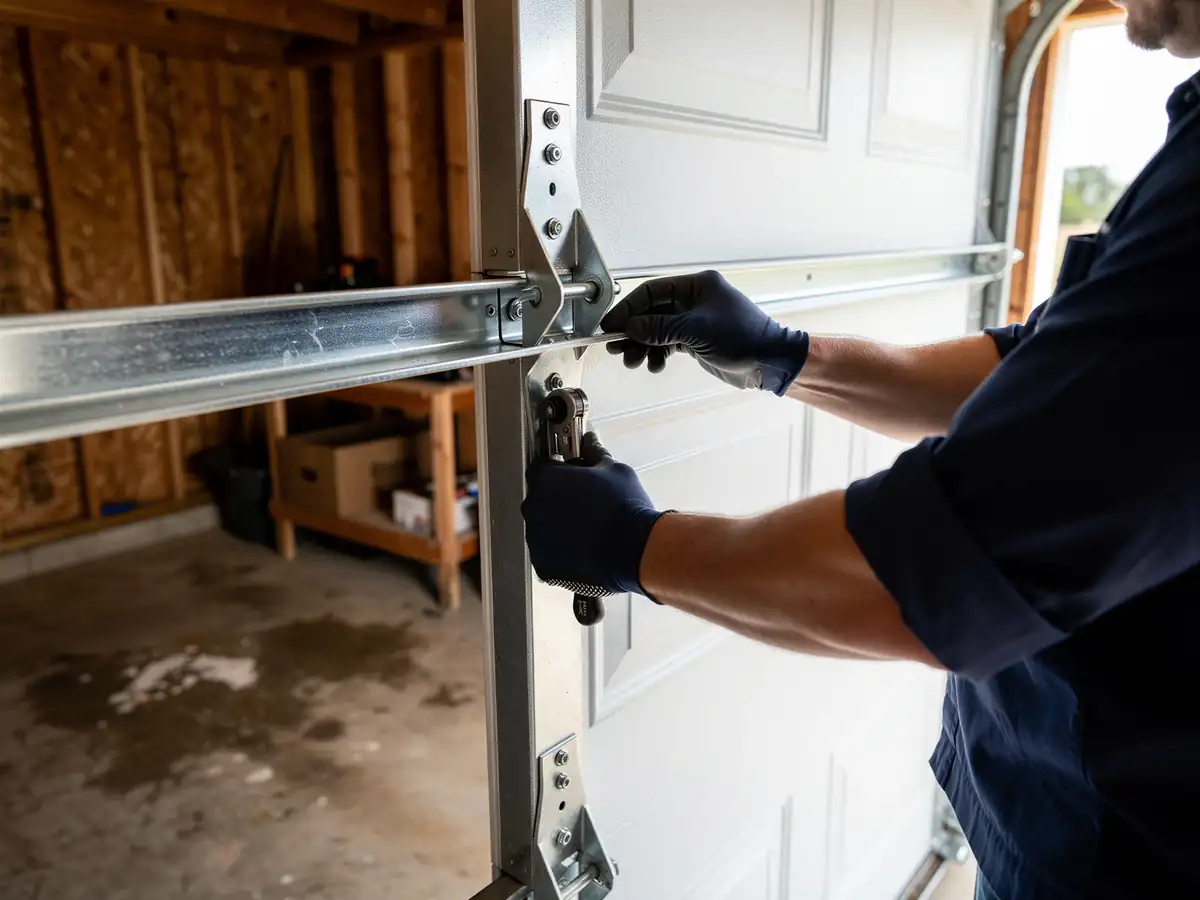
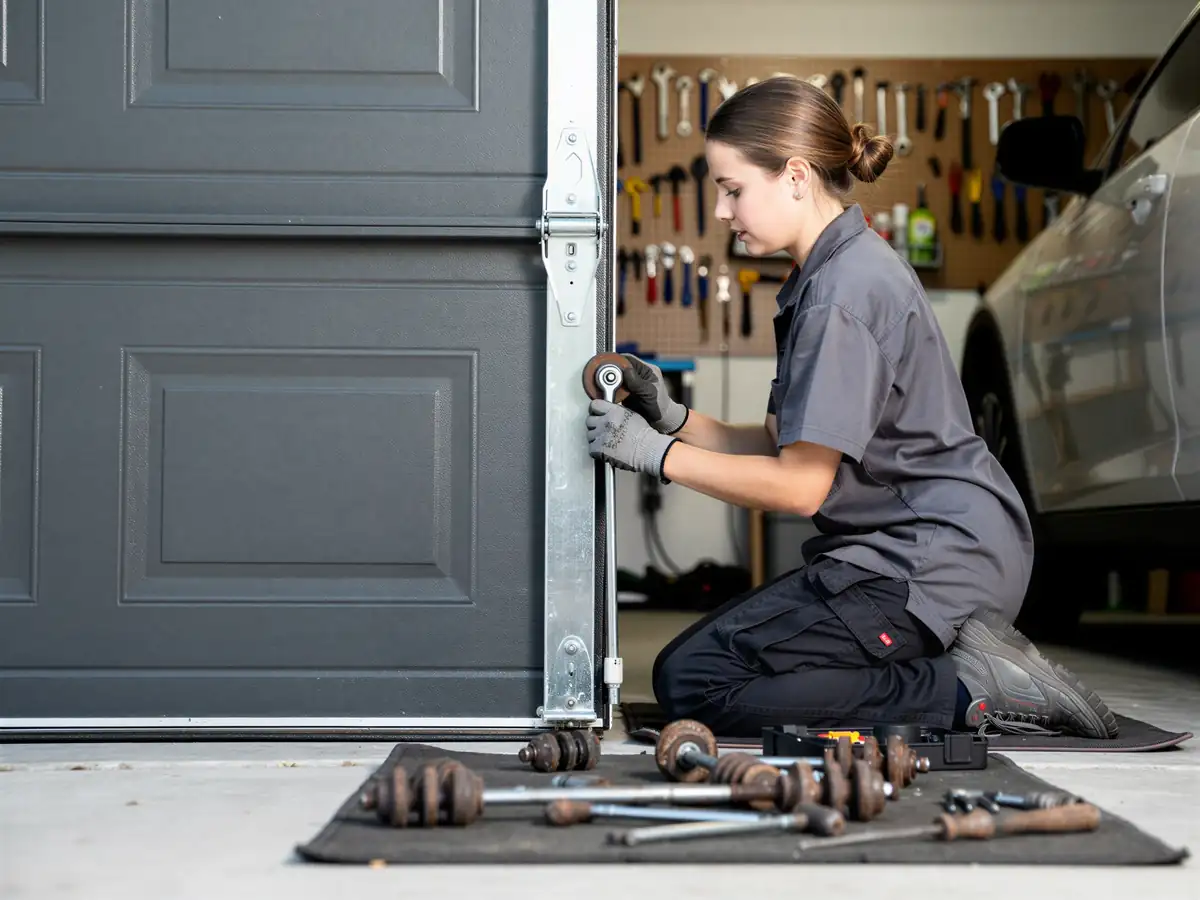
Old hardware removal is usually the quickest part of the day. Taking out a 40-year-old torsion spring and track system that's never been serviced takes less time than most homeowners expect - it's the measuring and ordering that sets the real timeline, not the swing of a wrench.
What Can Go Wrong
The most common surprise on a 1981-era Tamarac install is framing that's shifted slightly out of square over four decades, which means a new door sized to spec on paper doesn't sit flush without shimming at install. That's a normal part of the job, not a sign anything's wrong with the house, but it does mean install day can run longer than the quote implied if nobody caught it beforehand.
The second issue is insulation mismatch. In a mild temperate climate like this one, insulation isn't about keeping heat in the way it would be further north - it's more about noise, garage temperature swings, and panel rigidity in direct sun. Homeowners sometimes order a basic uninsulated panel because it's cheaper, then find the garage runs hotter than expected if it's attached to living space.
We'll say the honest part here: if your opener is original and your door is original, replacing just the door and leaving a 40-year-old opener running the show is usually a mistake. The opener's gears and safety sensors age out long before most people notice, and pairing a new door to old opener hardware is a common source of early callbacks. We'll flag it if we see it, but we won't swap a working opener just to sell a matched set.
What You Are Seeing
If your garage door in Tamarac is dragging on one side
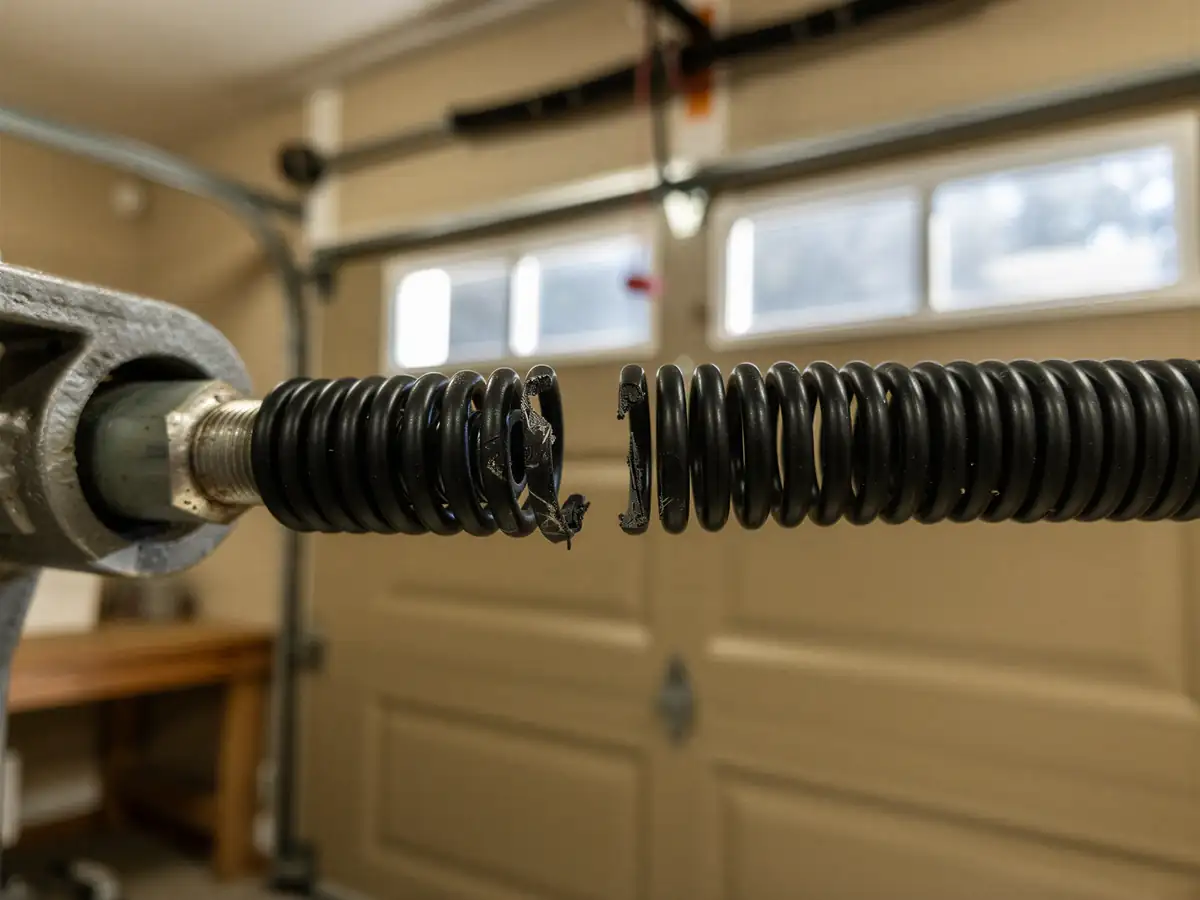
Or the opener strains and groans before it lifts, that's usually the original torsion spring losing tension - expected on hardware this old, not a sign of poor maintenance. A door that's visibly sagging in the middle of the bottom panel, especially on a single wide door, is often a sign the original steel has started to flex after decades in the sun, since standard panels from that era weren't reinforced the way current ones are.
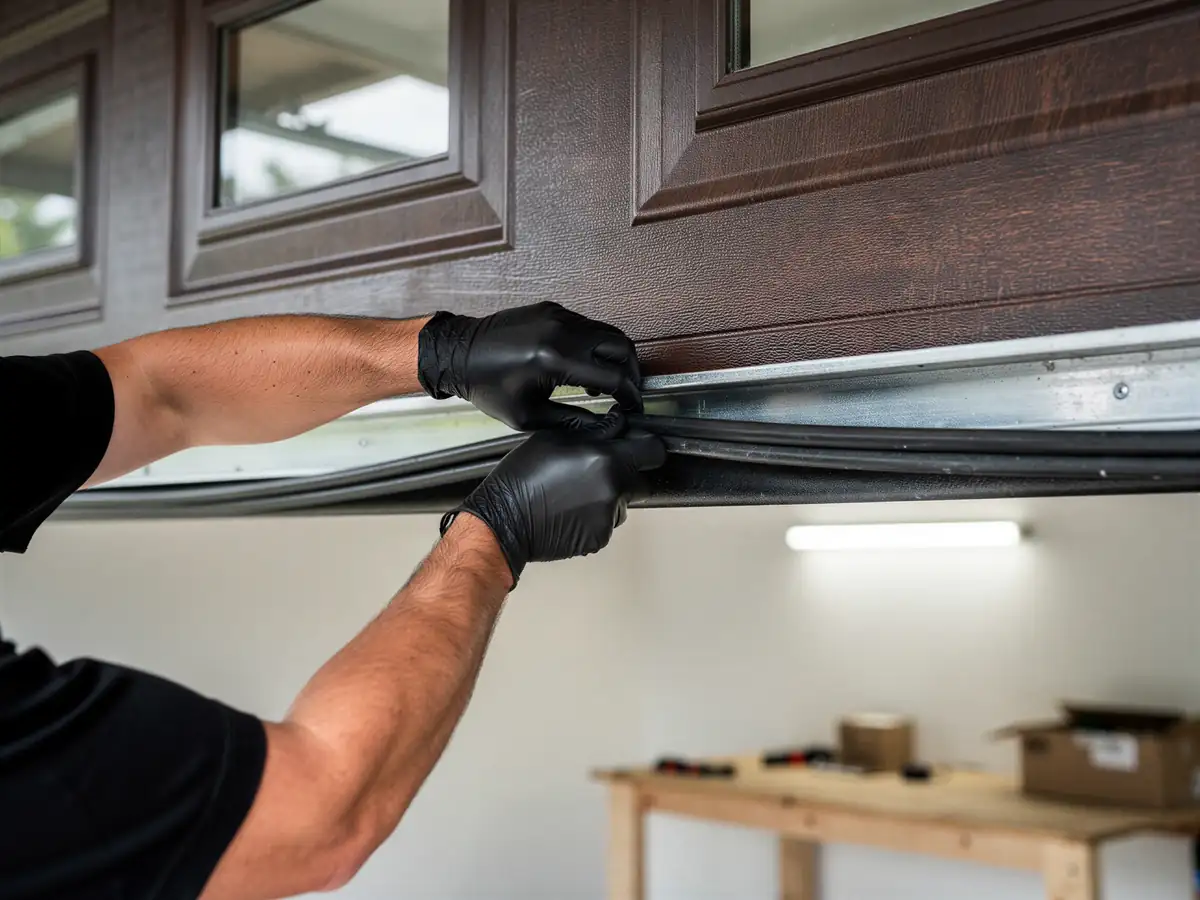
Rust at the bottom roller tracks or around the bottom bracket is common on original hardware here, given the humid, mild climate
It's not dramatic failure, it's slow wear that eventually needs a full hardware swap rather than a spot fix.
If your opener still uses a manual-reset or lacks a modern photo-eye sensor near the floor
That's original equipment talking, and it's worth planning a replacement rather than waiting for it to fail outright. None of this is urgent in the way a snapped cable is, but it's the kind of thing that's easier to schedule on your terms than to fix after it jams the door shut.