Why This Fails Locally
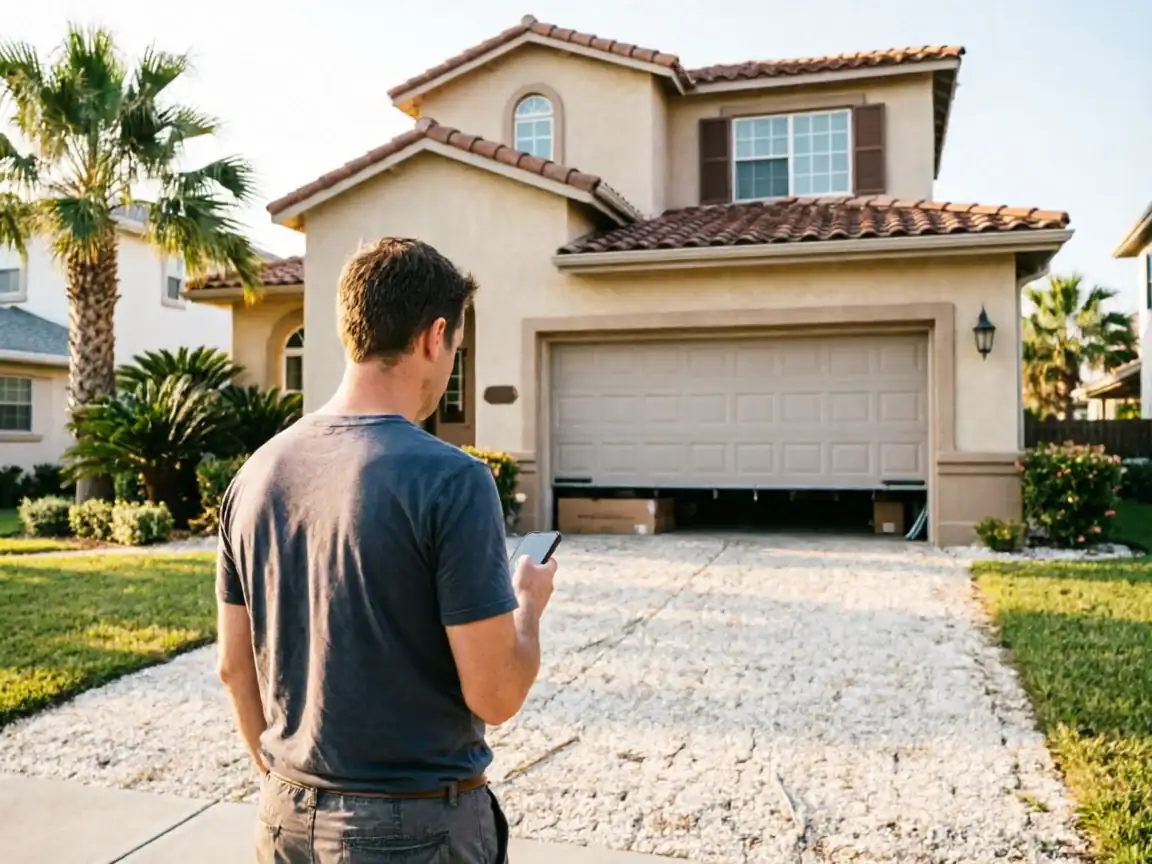
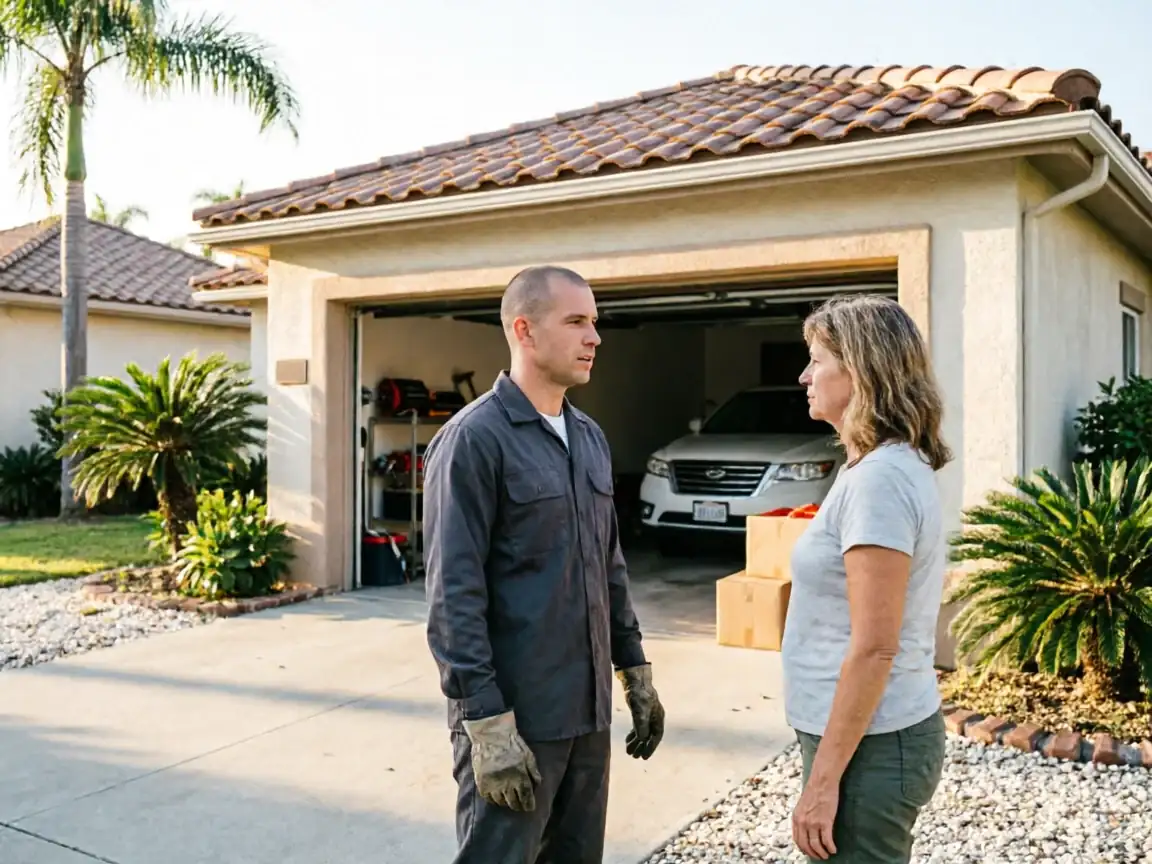
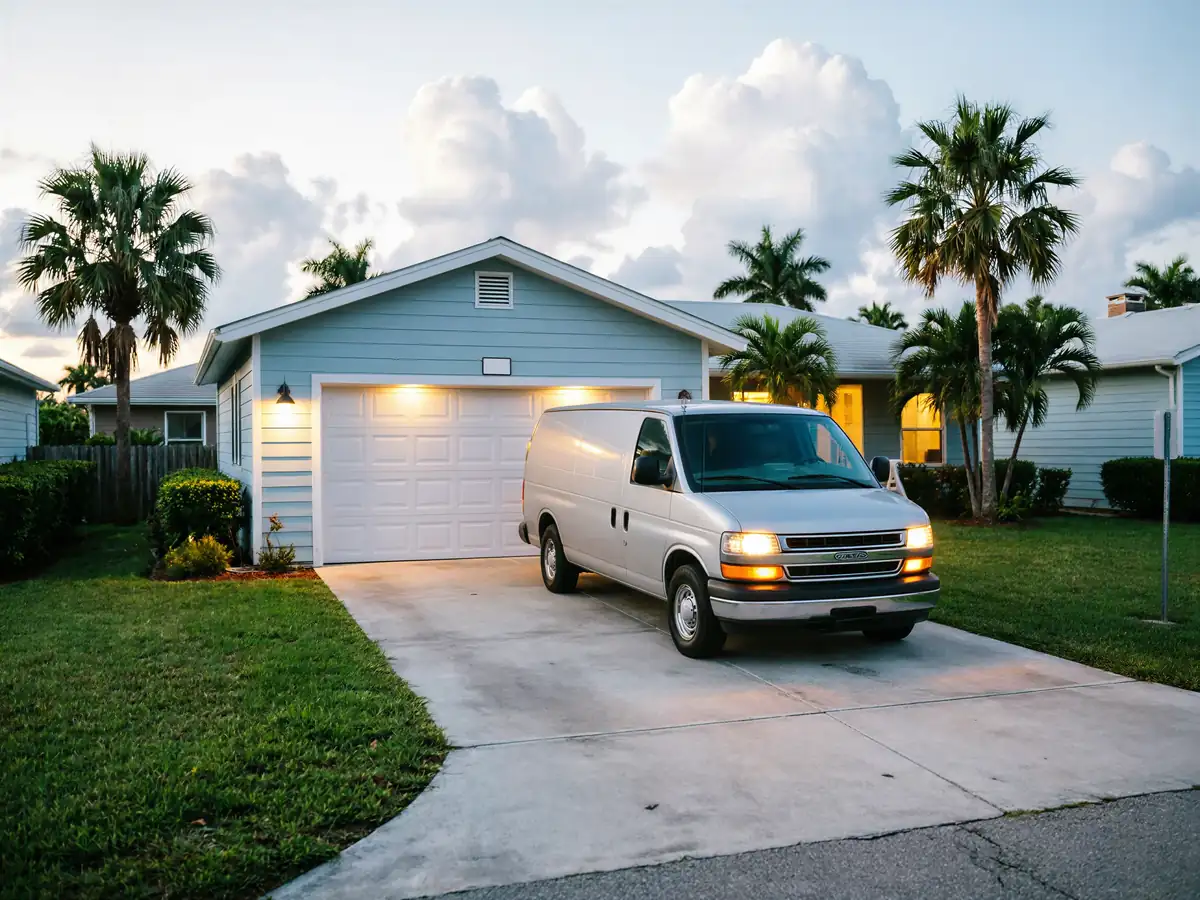
The drive from our shop in Plantation to Tamarac is short, about five miles
Which matters more than it sounds. A five-mile run means we can carry the board, the sensor pair, and the gear kit most Tamarac calls actually need, instead of guessing and coming back. That changes how the call runs, not just how fast we show up.
It also matters what's waiting at the other end of that drive
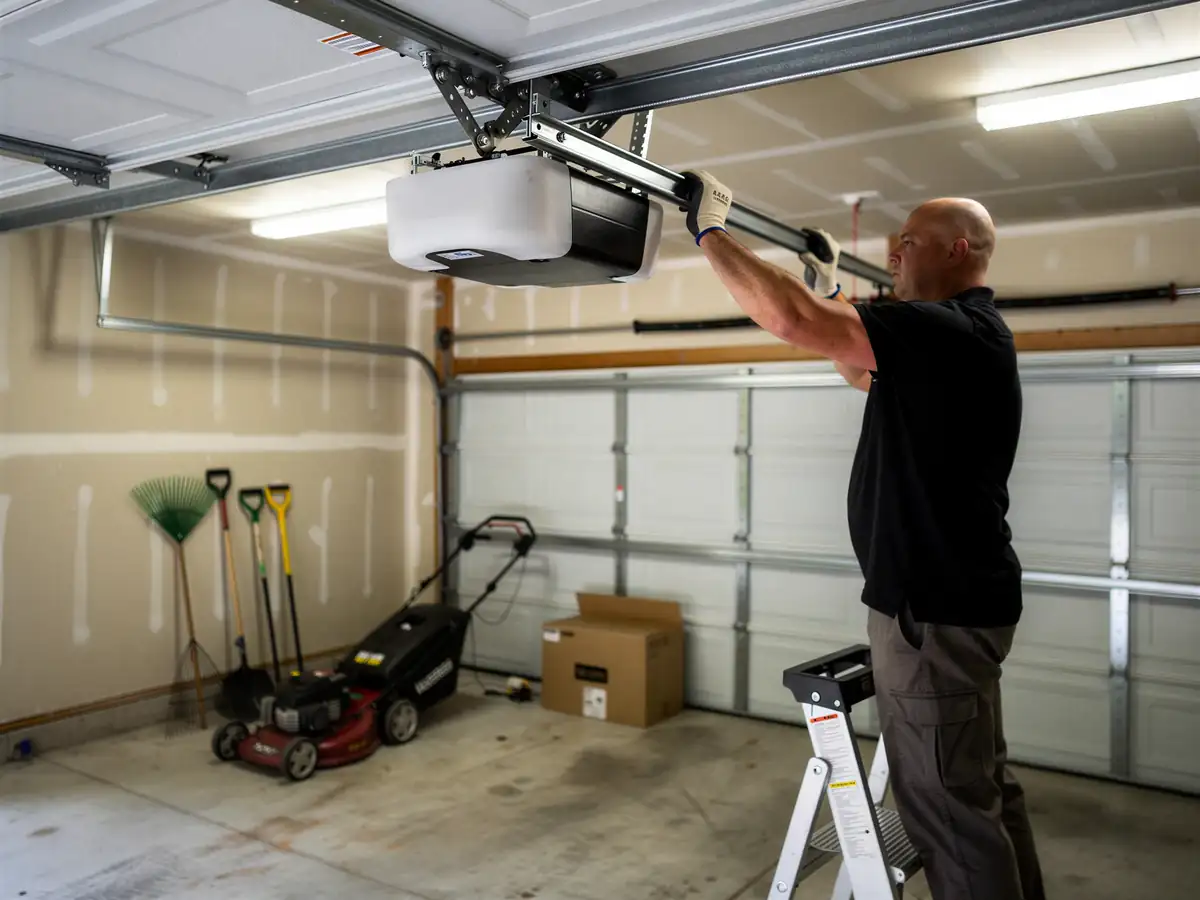
Most houses in Tamarac went up around 1981, which puts this suburb a good decade ahead of the 1960s and 70s stock that makes up most of the rest of this service area. That gap sounds small until you're looking at the opener. A chain-drive unit installed when a 1981 house was built, or replaced once in the 90s, is now old enough that the circuit board, the logic that runs the safety reversal, and the drive gear are all original or close to it. The failure you're calling about usually traces back to one of those three, not to the door itself.
We don't stock a depot in Tamarac - we come from Plantation
The honest version of that is: we bring what the call needs based on what we hear on the phone, and most of the time that's enough.
How Long It Takes
Five miles is a quick drive in mild South Florida traffic, and the climate here doesn't add the kind of delay you'd get somewhere with real winters - no frozen track lubricant, no ice on the rail, nothing seasonal slowing the job down. That's one thing working in your favor.
What slows a job down is the part. If your opener is original to a house built in 1981, or close to it, the logic board or the specific sensor pair may not be a stock item anymore. We carry common replacement boards and universal sensor kits on the truck, and those cover most calls the same visit. A board for a long-discontinued chain-drive unit sometimes has to be ordered, and that's the one honest limitation here - we're not going to pretend a 40-year-old board is sitting on every truck.
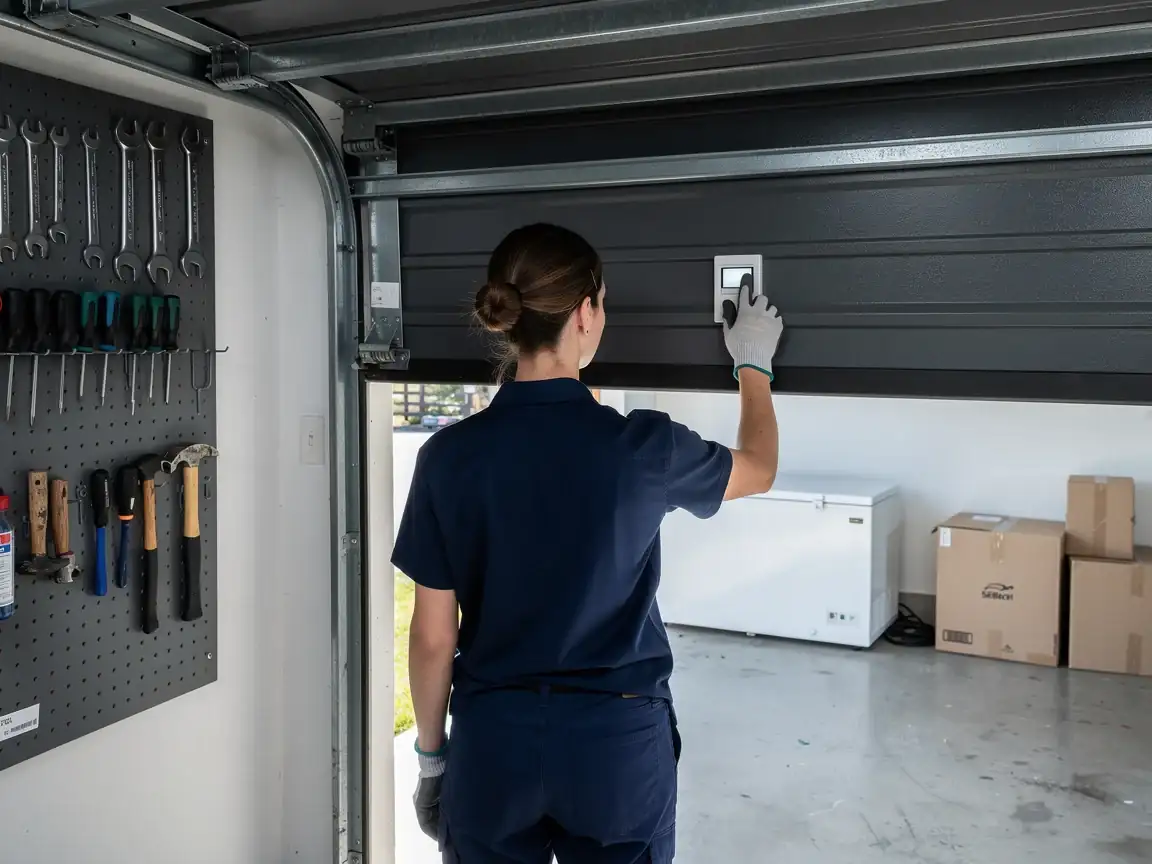
For straightforward faults - a bad capacitor, a stripped drive gear, a dead sensor, a remote that's lost its code - the repair itself is usually quick work once we're on site. The travel time from Plantation isn't the bottleneck. The part is.
What Can Go Wrong
With roughly 31,115 households in Tamarac, a lot of garage openers out there are now pushing close to forty years of service if they've never been swapped. The failures we see cluster around a few parts that wear out in that timeframe rather than the opener dying all at once.
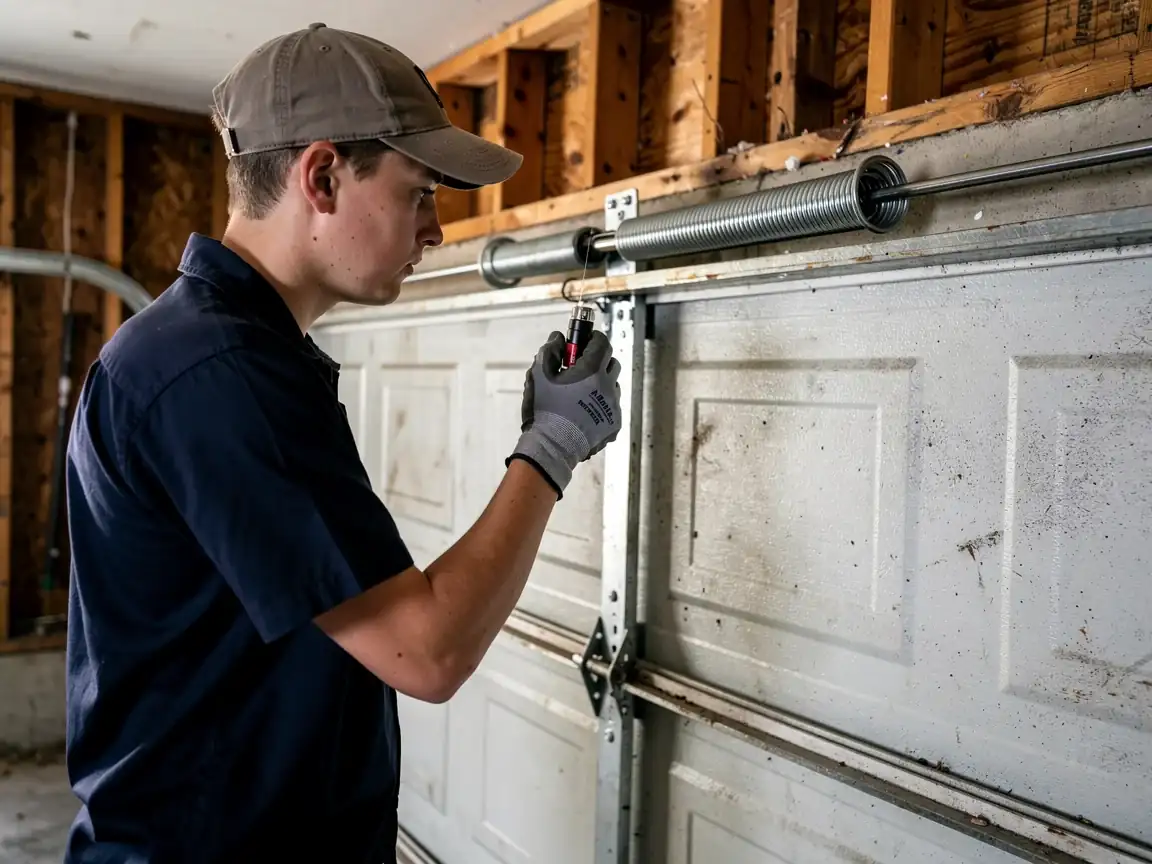
The drive gear - the small nylon gear inside the unit that actually pulls the chain or belt - wears down from friction and heat and eventually strips, which is why an opener can run (you hear the motor) while the door doesn't move. Circuit boards in units from that era use capacitors that dry out over time, which shows up as an opener that hums, trips the breaker, or works only sometimes. Photo-eye sensors lose alignment or corrode at the wiring connection, which trips the safety reversal and the door won't close at all.
What we don't do is replace a whole opener for a fix that's really a ten-dollar sensor or a gear kit. If the motor and board are sound, we repair. Replacement only makes sense once the board itself is failing or the unit is discontinued and parts aren't coming.
What You Are Seeing
If you're calling about this, you're probably seeing one of a short list of things
The door doesn't move but you hear the motor running - that's almost always the drive gear, worn down to the point it's spinning without catching the chain. The opener runs partway then reverses - that's the safety sensors, either misaligned or wired to a failing board. Lights flash a set number of times and nothing happens - that's a diagnostic code from the board itself, and the count tells us what to check first.
Some homeowners describe a grinding or clicking noise from the unit that wasn't there before
That's usually the gear again, right before it finally strips. Others say the remote works from across the yard but not from inside a car in the driveway - that's a dying remote battery or a logic board losing its receiver range, not a door problem at all.
Across the 30 communities we cover, 114,663 houses are owner-occupied
And the opener behind a typical Tamarac door tends to be a decade newer than the openers common in the older 1960s-70s stock elsewhere in that count - which means the fault pattern here skews toward board and gear wear rather than the structural door issues older openers mask.
- 30 communities
- 114,663 houses