Garage Door Maintenance for Tamarac's 1981-Era Doors
Tamarac homes mostly went up around 1981, newer than much of the service area, with steel sectional doors on torsion springs. Here's what regular maintenance actually finds.
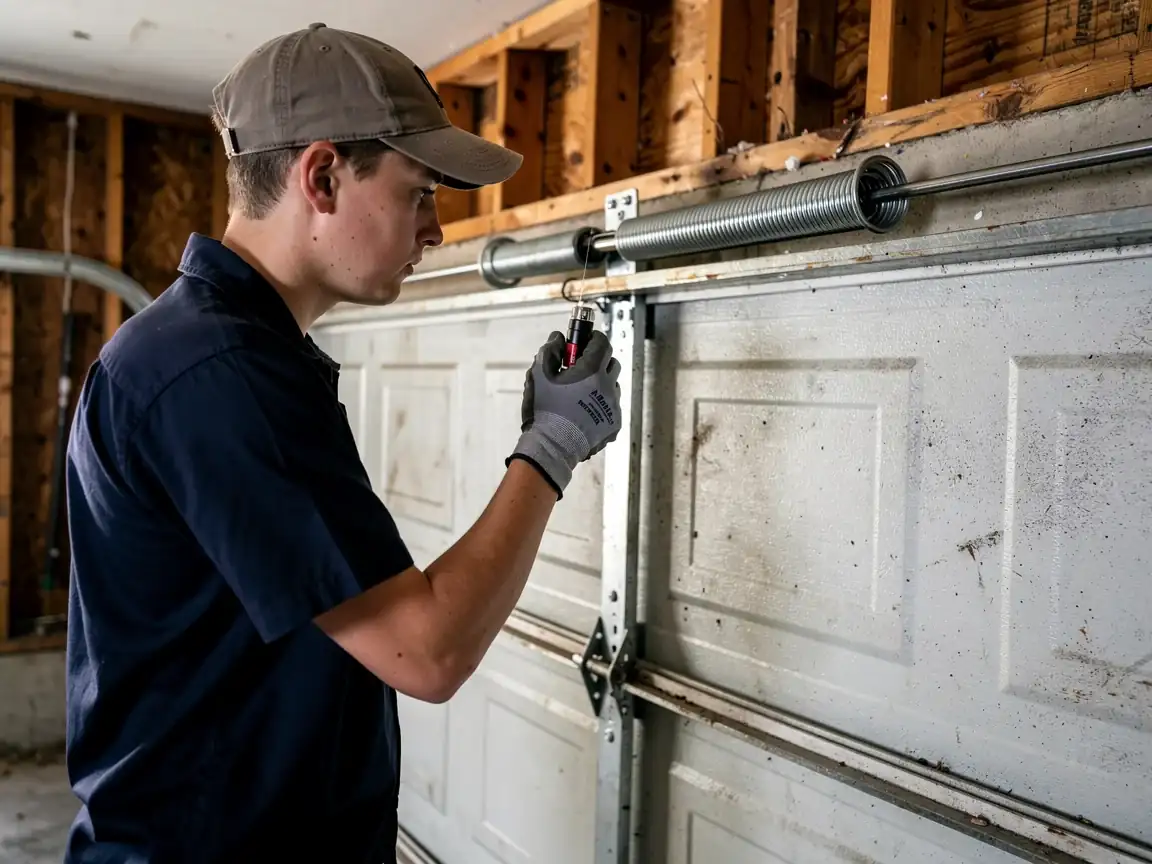
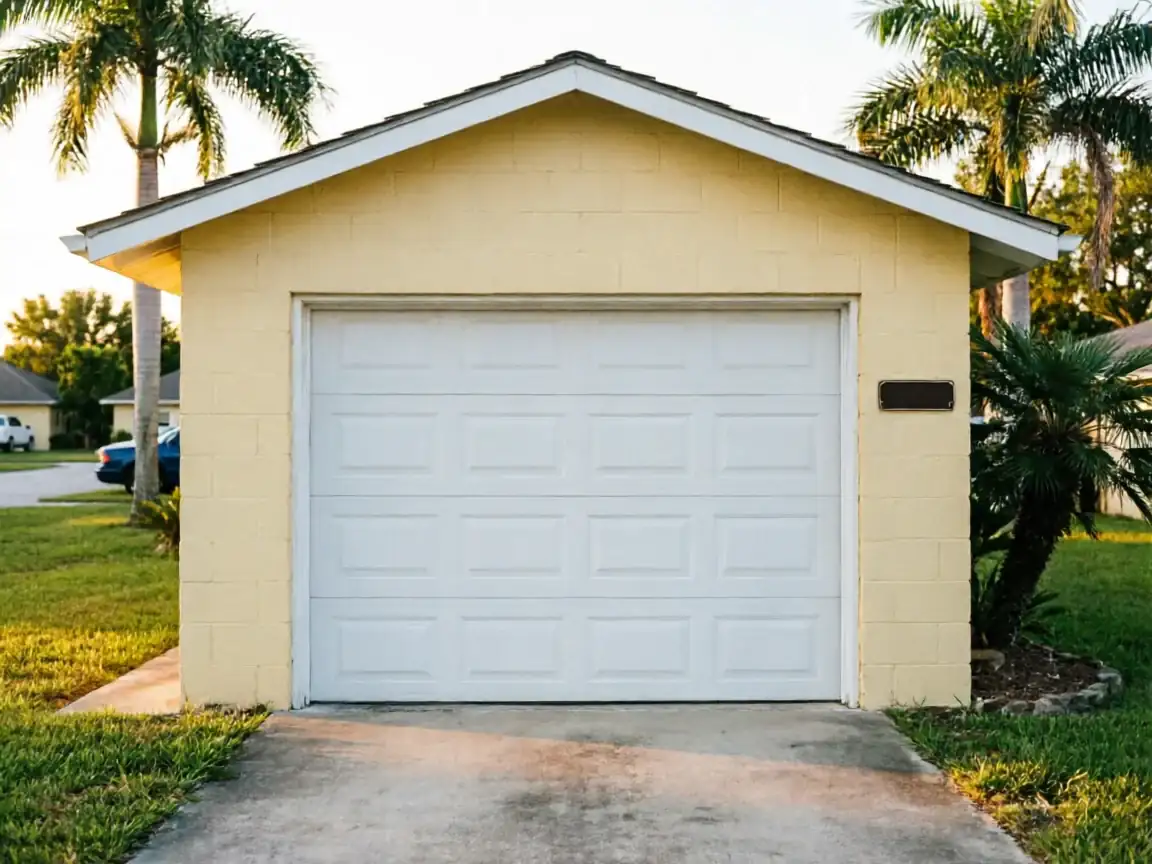
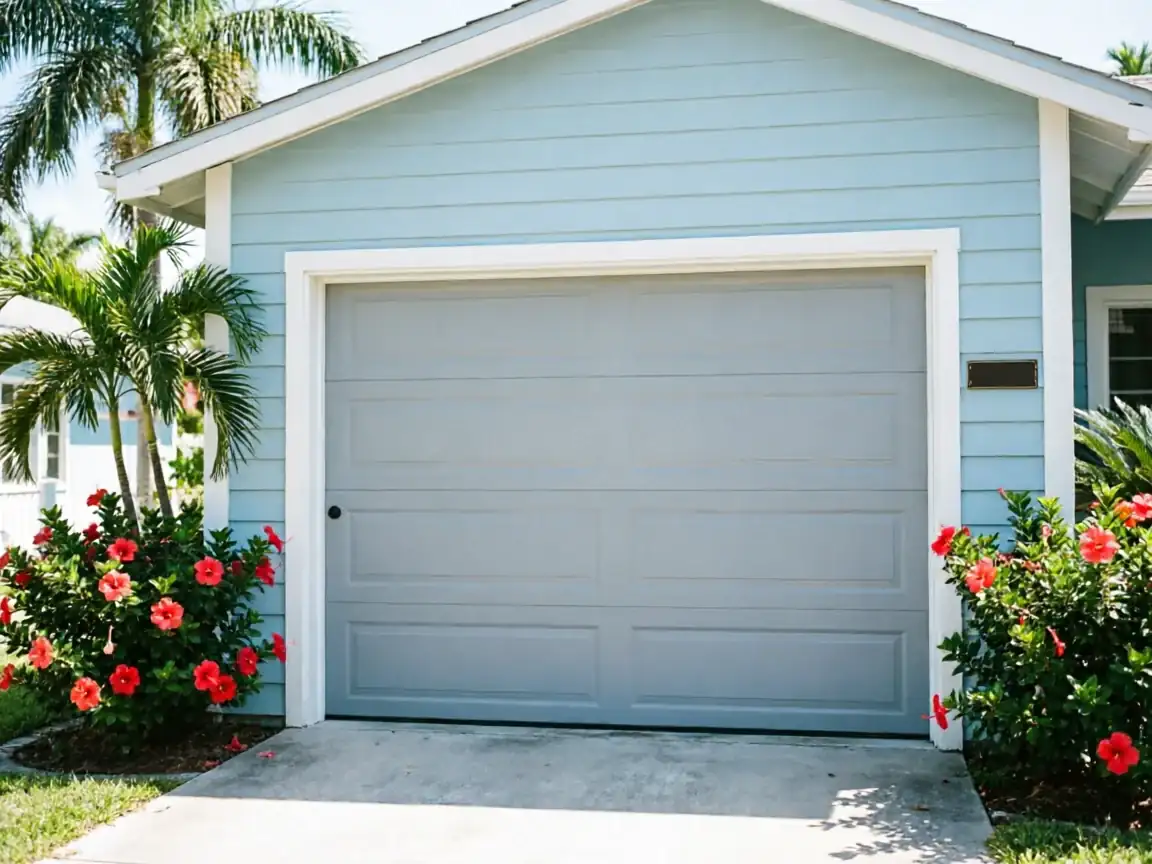
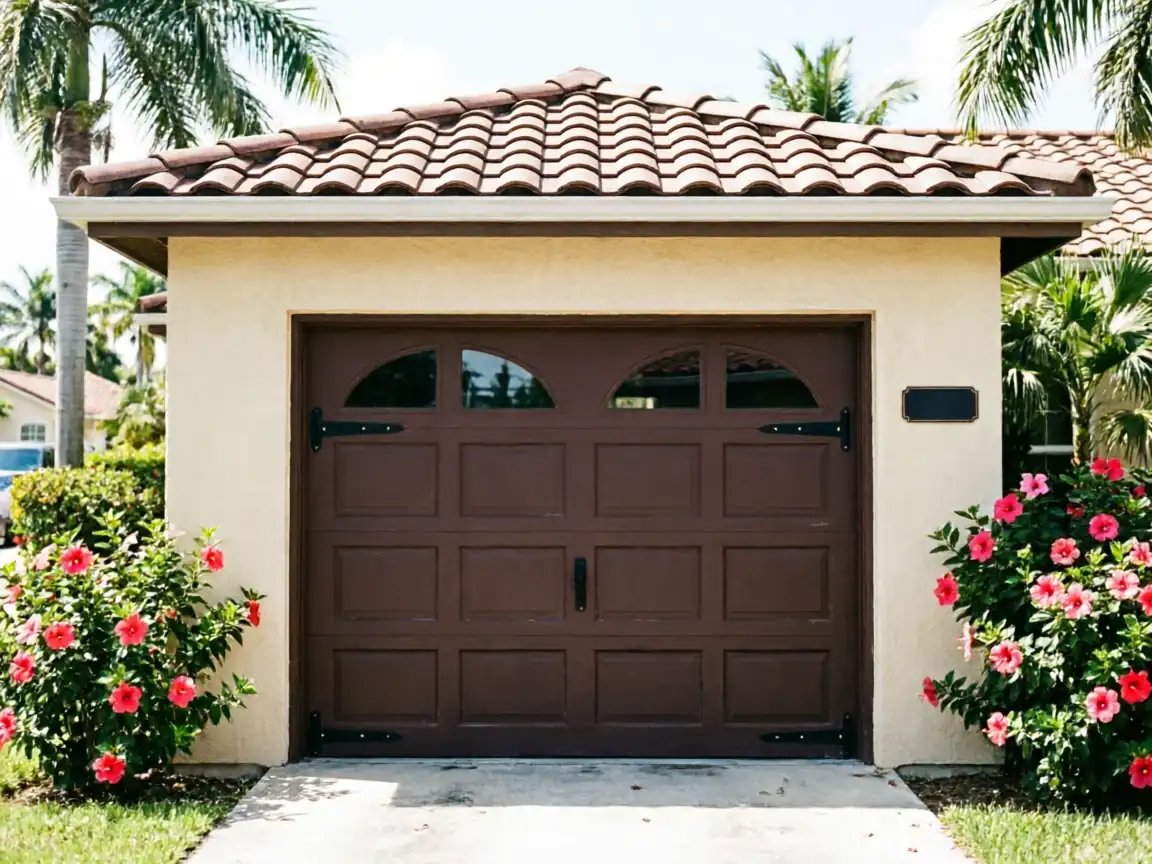
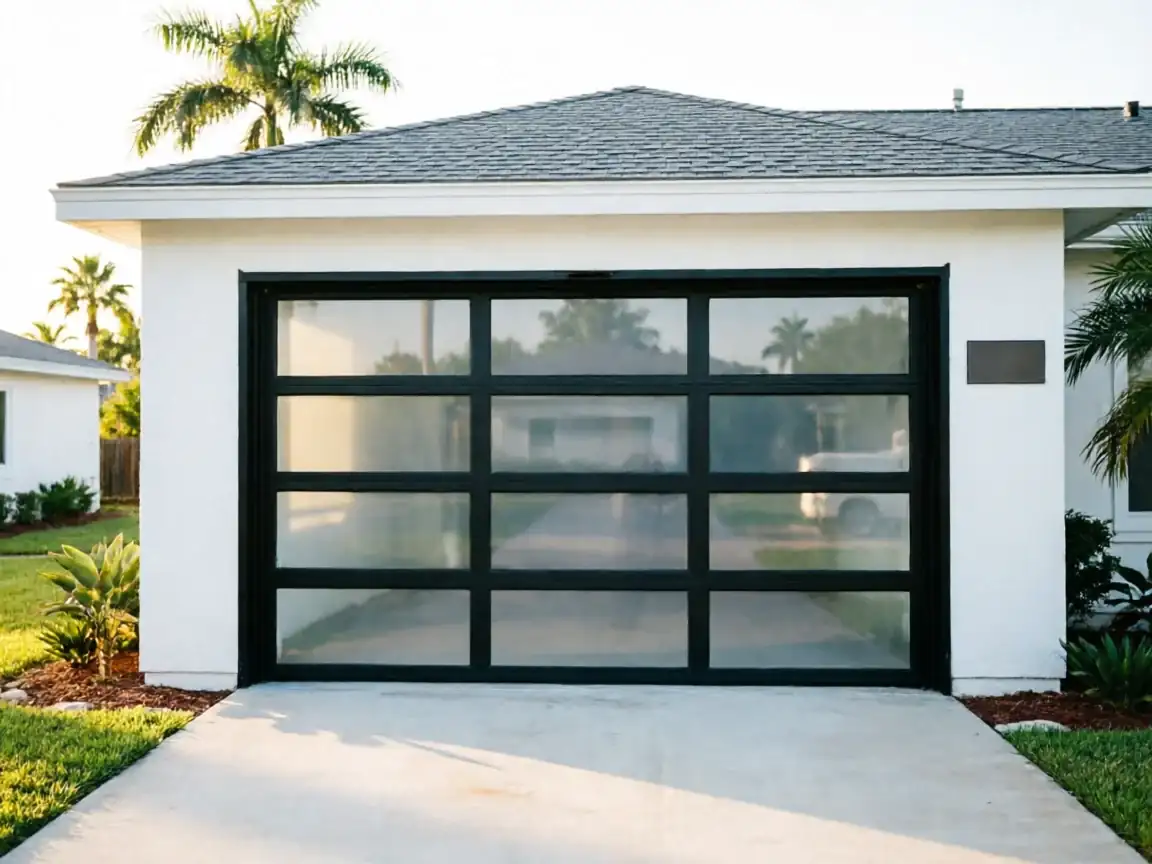
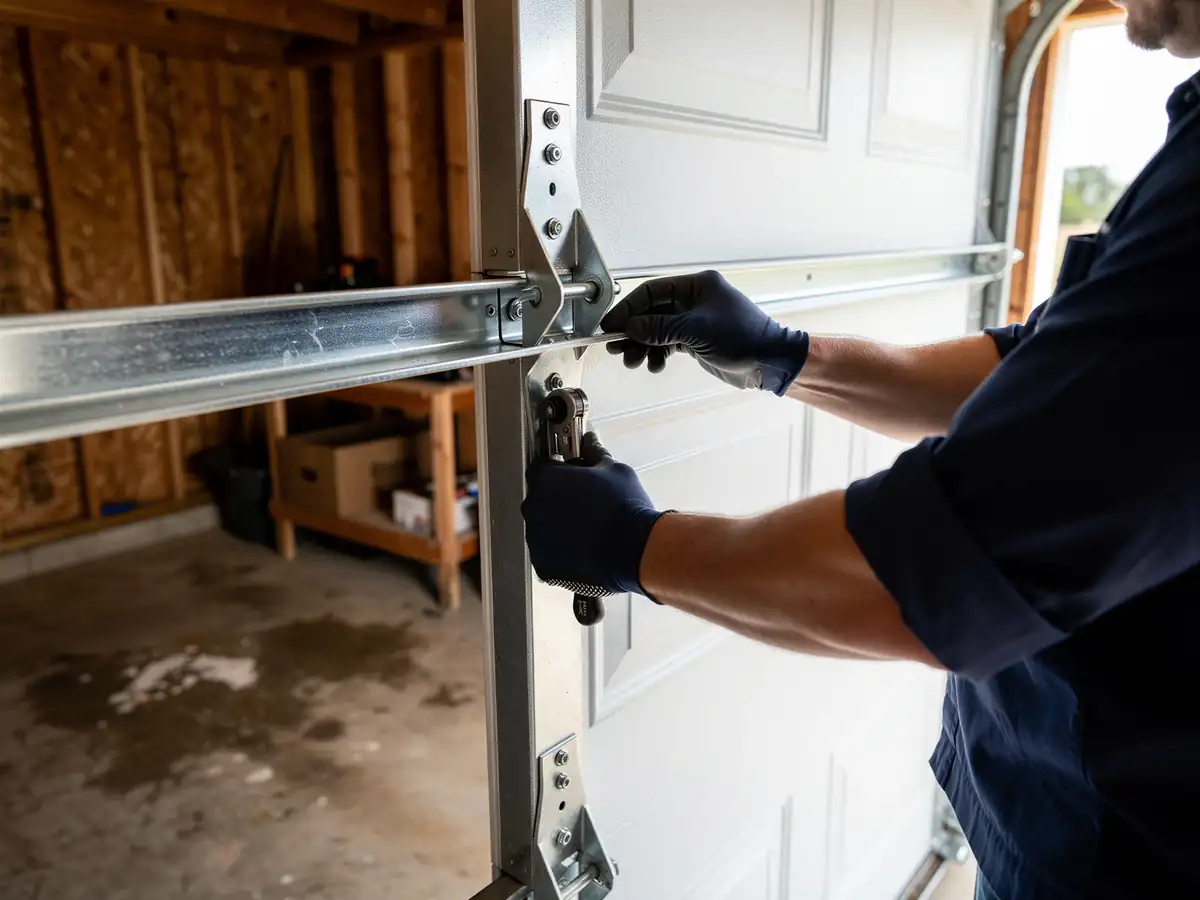
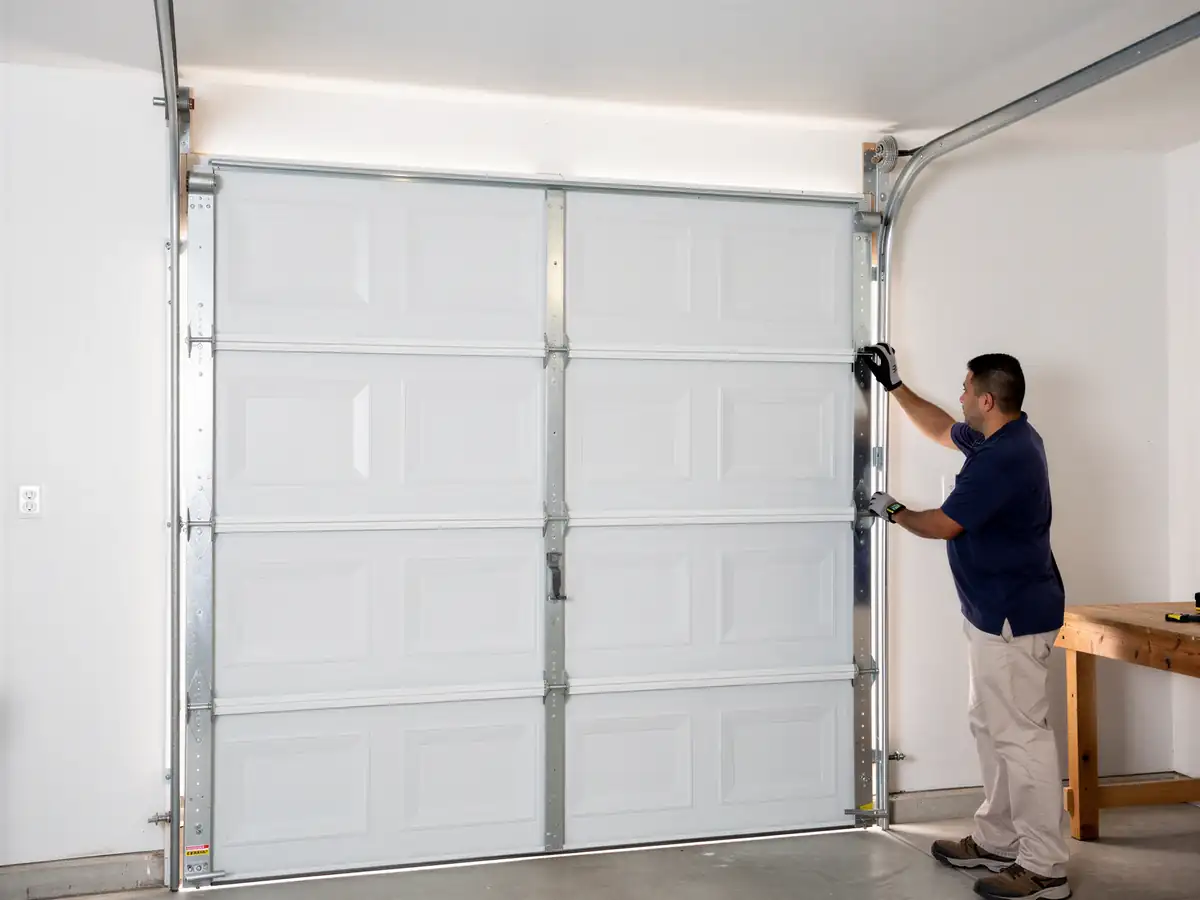
Most houses in this part of Tamarac went up around 1981, which puts the neighborhood a few years past the service area's overall median build year of 1975. By 1981, steel sectional doors on torsion spring systems had mostly replaced the older extension-spring setups you still find in the oldest pockets of the broader area. That's the good news - torsion hardware is more predictable to service. The catch is age. A torsion spring and the galvanized cable running over it don't last forever, and a door original to a 1981 build has had four decades of cycles on the same hardware if nobody's touched it. Rollers wear oval, hinges stretch their holes, and the spring that once lifted the door smoothly starts leaving a hitch right at the halfway point. None of this shows up as a dramatic failure - it shows up as the door getting a little louder, a little slower, every year, until one day the cable jumps the drum. Maintenance on a door this age is less about tightening screws and more about deciding what's actually worth re-lubricating versus what's at the end of its service life.
How Long It Takes
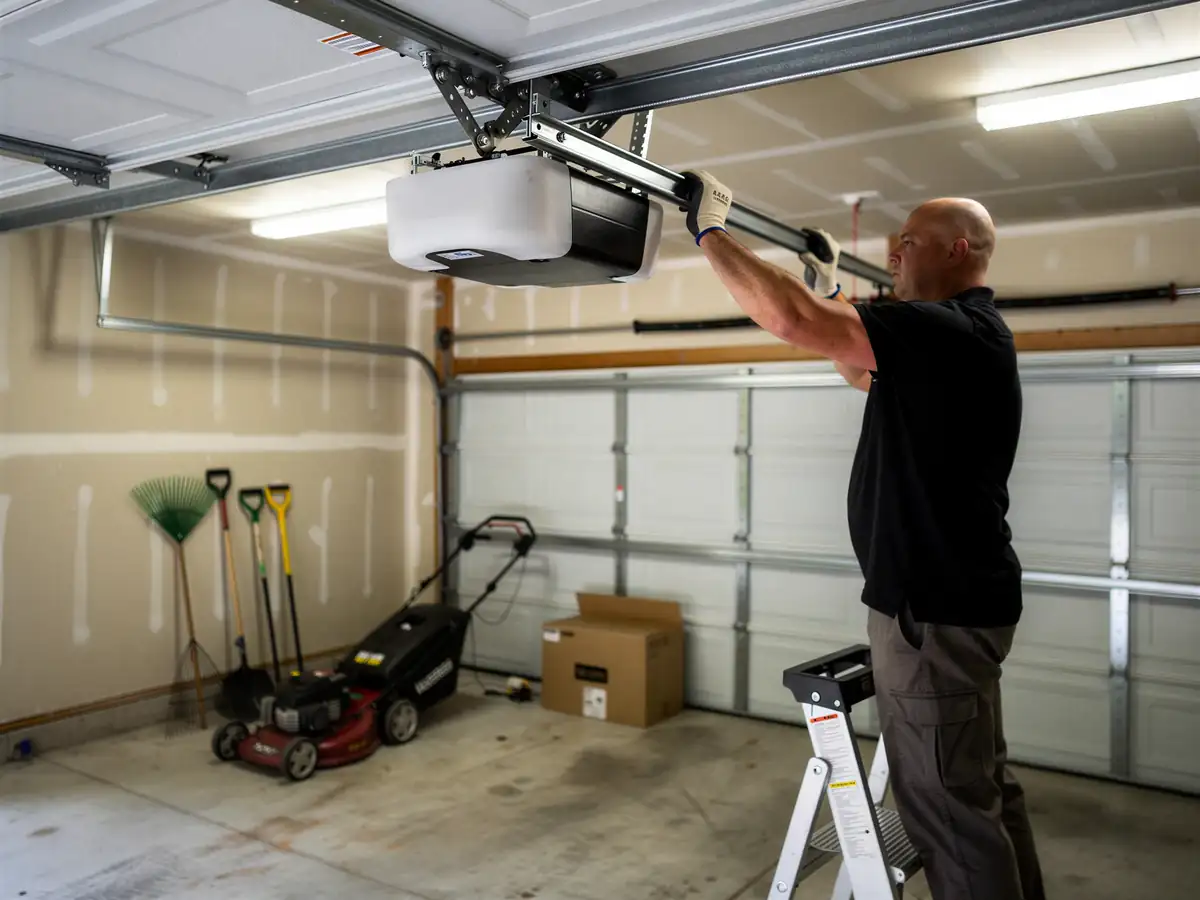
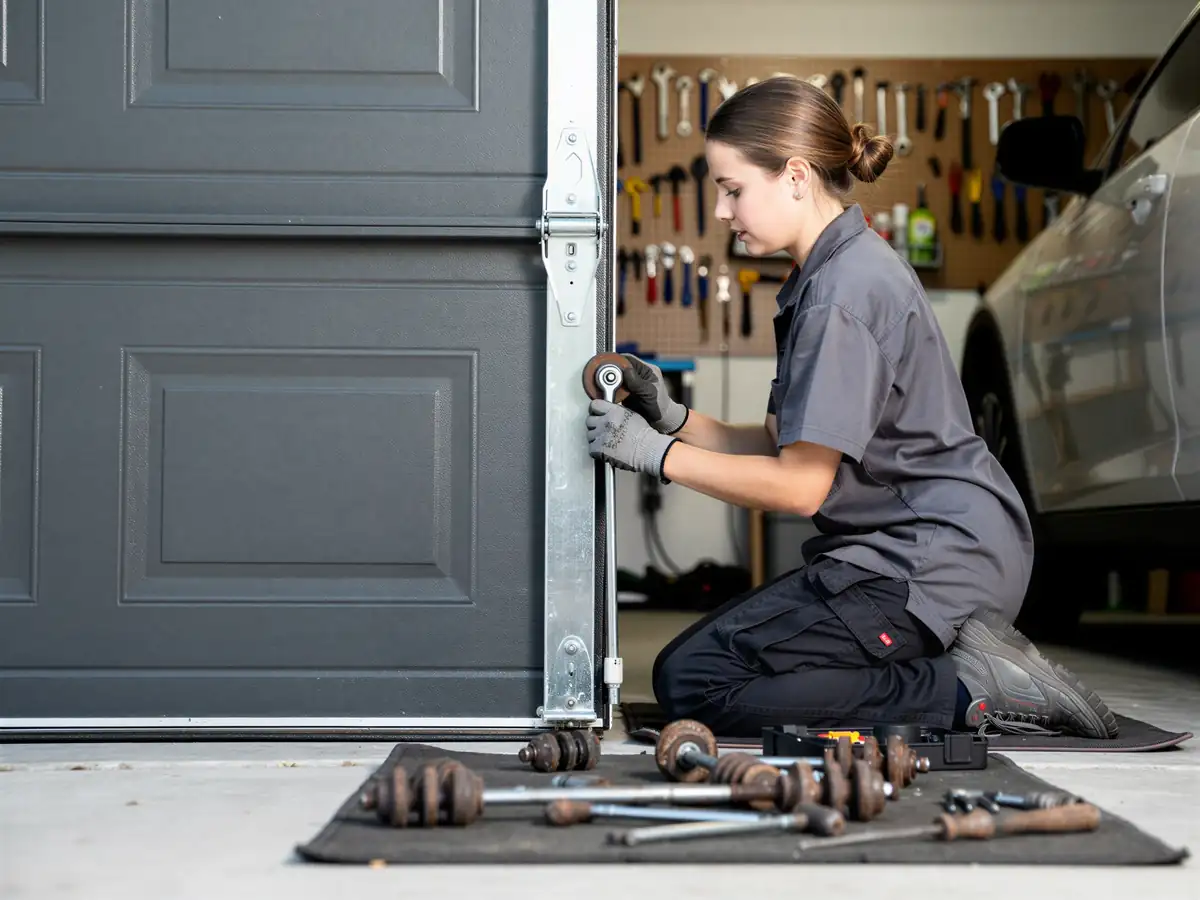
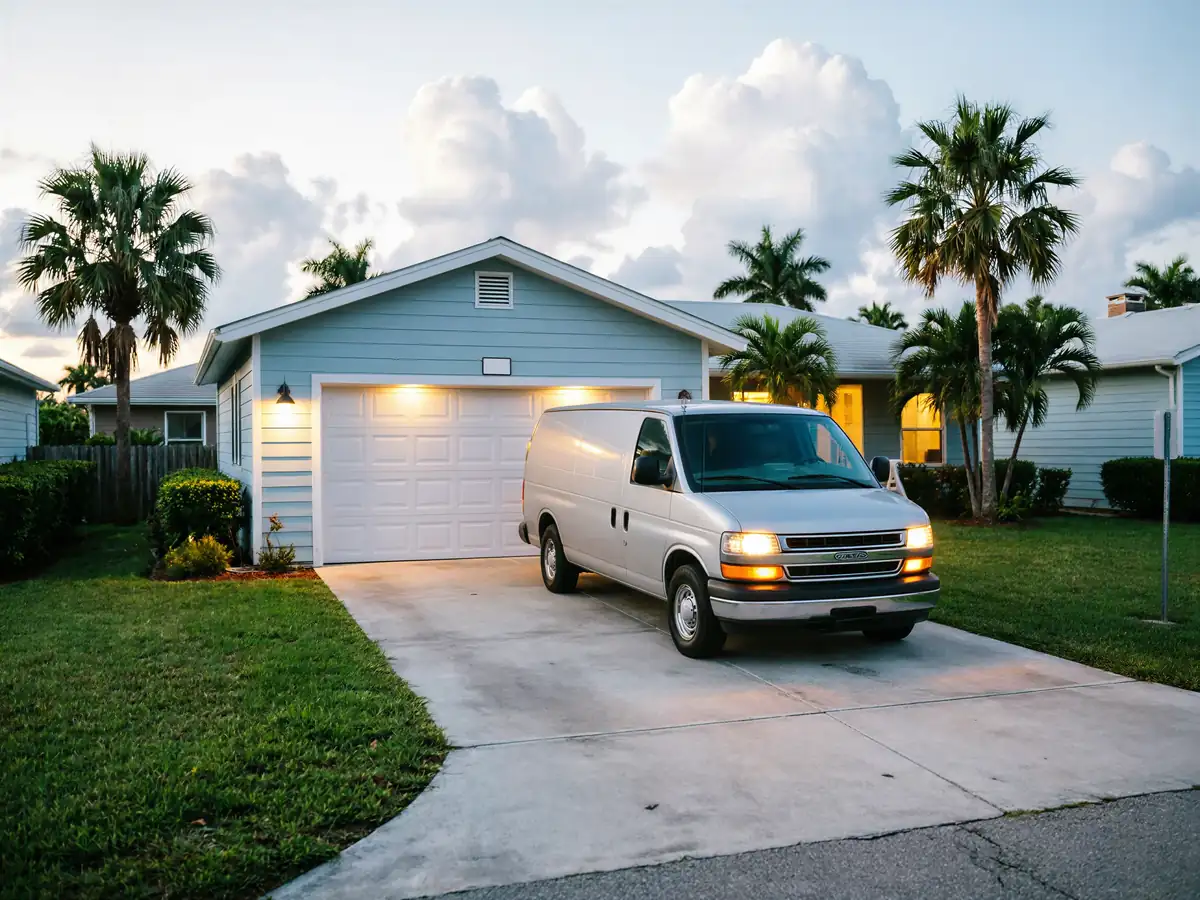
A standard maintenance visit covers the track, rollers, hinges, cables, springs, and opener, and most of that work is the same whether the door is in Tamarac or anywhere else on the route. What's specific to Tamarac is the drive - at roughly 5 miles from the Plantation shop, a tech isn't losing half the appointment to traffic, so the visit itself gets the full attention instead of being rushed to make the next stop. On a door that's never been serviced, expect more time spent diagnosing than adjusting, since a 40-plus-year-old spring or roller set often needs more than a shot of lubricant. We don't quote a fixed number of minutes here because a door that's been maintained yearly takes a fraction of the time a neglected one does, and pretending otherwise would be a guess dressed up as a fact.
What Can Go Wrong
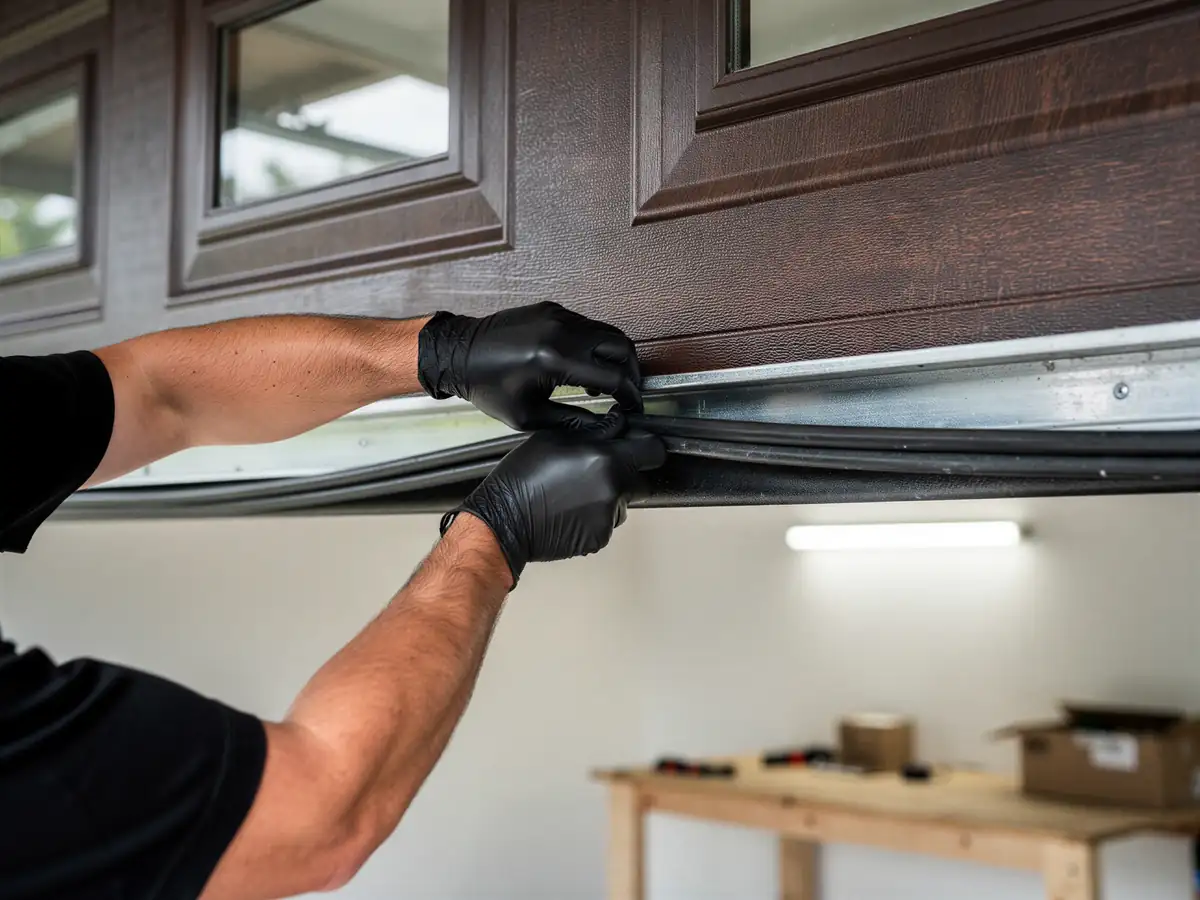
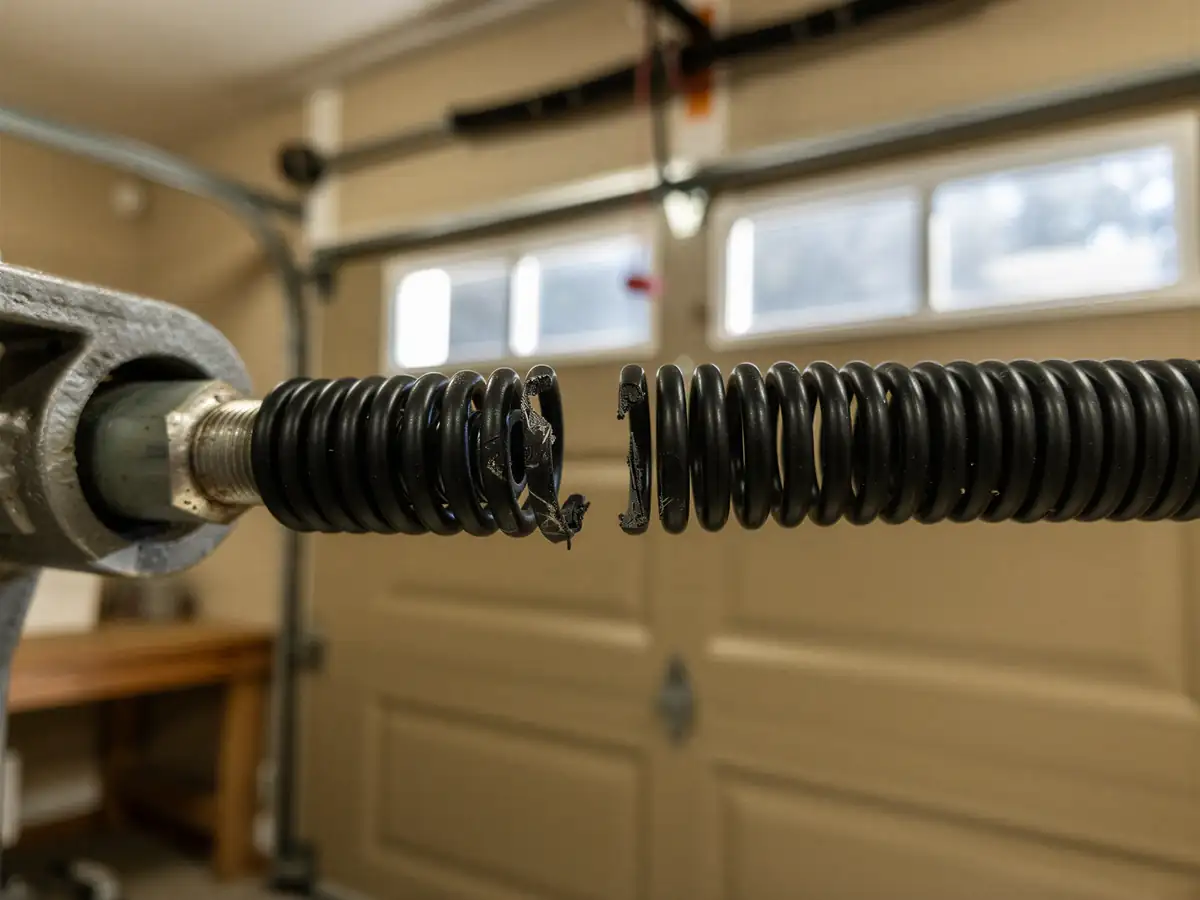
The mild temperate climate across this part of Florida doesn't put the same stress on a door that a freeze-thaw region would - you're not dealing with ice splitting a panel seam or extreme cold snapping a brittle spring. What it does do is sit humid in a closed garage month after month, and that's exactly the condition that creeps rust onto an unlubricated torsion spring or a steel track with worn galvanizing. On a door built around the early 1980s, that slow rust is often further along than the owner realizes, because it doesn't announce itself with noise until the spring is already weakened. Weatherstripping around the bottom panel also degrades under repeated heat exposure, letting in more moisture than a newer, UV-stabilized seal would. One honest limit here: if a torsion spring has already rusted through a coil, lubrication and adjustment won't bring it back - at that point you're looking at replacement, not maintenance, and we'll tell you that straight rather than keep billing for a fix that won't hold.
What You Are Seeing
If the door groans or shudders around the midpoint of its travel, that's usually a spring losing tension unevenly, more common on hardware this age than on anything installed in the last decade. A door that reverses on its own partway down often points to a sensor alignment issue rather than the spring, which is worth checking before assuming the worst. Rollers that have gone from a smooth roll to a visible wobble are past due for replacement, and on a door from this era they're often the original steel rollers rather than nylon. Tamarac's median household income of $59,216 sits close to the area-wide figure of $60,853, which is part of why most owners here opt for a maintenance visit to catch these issues early rather than waiting for a full replacement bill. If your opener is straining audibly to lift the door, that's the spring doing less of the work than it should - a maintenance check can confirm it before the cable takes the extra load and fails.
How it works
From “it’s stuck” to “it’s fixed”
1
Tell us what’s wrong
Describe the symptom - won’t open, loud bang, opener runs but the door won’t move.
2
On-site diagnosis
A technician tests the door under power and by hand and finds what actually failed.
3
Clear, up-front plan
You get the fix that’s needed and what drives the cost - before any work starts.
4
Repaired & tested
The repair is done, the door is set true and tested, and the work area left clean.
Not sure which repair your door needs in Plantation, FL? Describe what it’s doing - every job starts with a diagnosis.
How old does a garage door have to be before maintenance stops helping?
It depends on what's worn, not just the age. A door from the early 1980s can still run well if the spring and rollers have been kept up, but once a spring has visibly rusted or a track has bent, maintenance won't undo that damage - at that point you're into replacement parts, not adjustment.
Does Tamarac's climate affect how often I should get maintenance done?
The mild temperate conditions here don't stress a door the way freezing winters do, but steady humidity in a closed garage promotes rust on unlubricated torsion springs and tracks. Regular maintenance catches that corrosion early, before it weakens the spring enough to fail under load.
Do you have a shop in Tamarac?
No. We work out of Plantation, about 5 miles away, and travel to Tamarac for maintenance calls. There's no local branch or depot here - just a short drive from the shop.
Is my original 1980s-era opener worth maintaining?
If it's still lifting the door reliably, a tune-up can extend its life. But openers from that era are decades past typical service life for internal gears and drive components, so at some point a repair stops making financial sense compared to a new unit - we'll tell you when you're at that point rather than keep patching it.
Ready to get your garage door sorted?
Tell us what it’s doing and where you are in Plantation - we’ll take it from there.