Why This Fails Locally
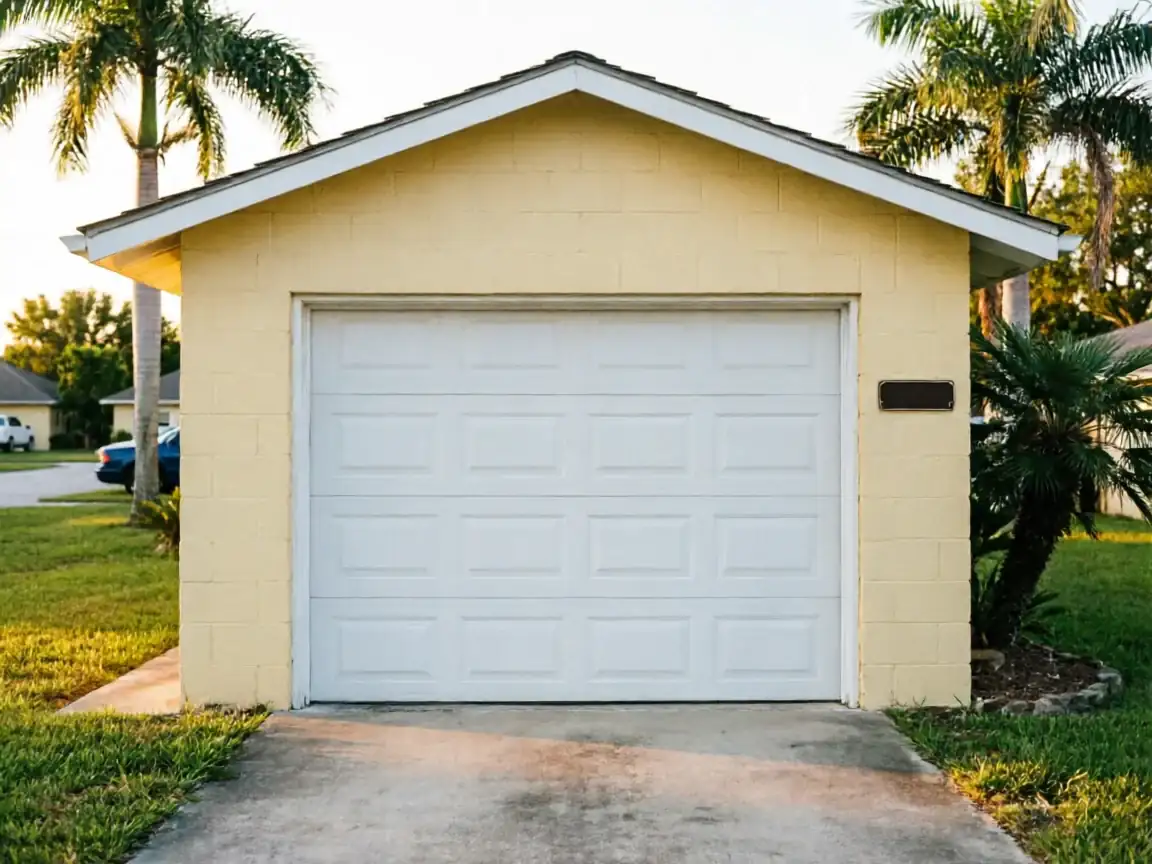
Margate's housing stock centers on 1978, a little later than the wider service area's 1975 median
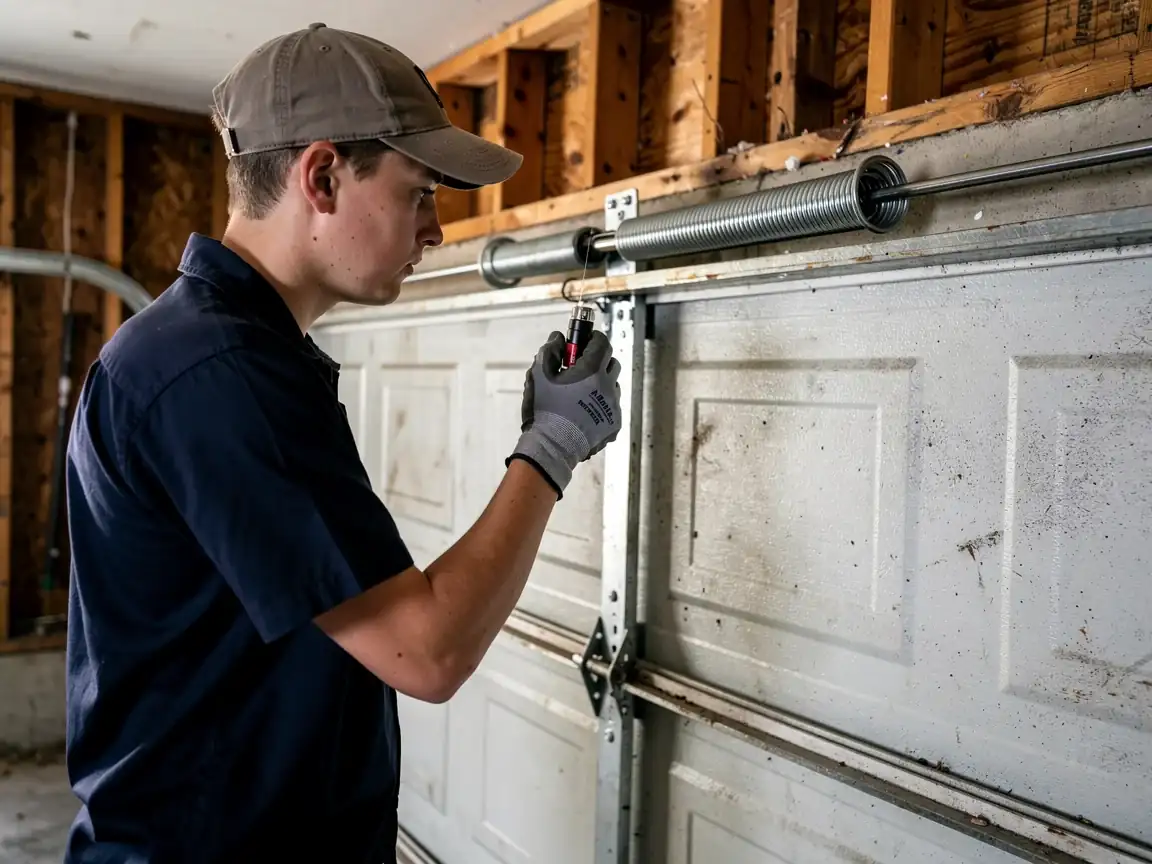
That gap matters on a garage door. Houses from this run usually came with steel sectional doors on extension springs, not the torsion setups you see on newer builds. Extension springs sit above the horizontal track and stretch with every cycle - they don't fail the way a torsion spring fails, they fatigue, and the safety cables meant to catch them get skipped or corroded over the decades.
The climate here is mild temperate
So you're not fighting freeze-thaw cracking like a door in a cold state. What you are fighting is forty-plus years of daily thermal cycling on the same galvanized track and the same roller brackets, with no frost to force anyone to replace parts early. A door from this era that's never been serviced is running on original hardware longer than it would almost anywhere colder, simply because nothing forced the issue.
With roughly 24,634 households in Margate built mostly across this same window
The failure pattern across the area is consistent: tracks pulling loose at the brackets, extension springs showing uneven stretch, and openers from a later retrofit bolted onto original track that was never resized for them.
- 24,634 households
The Cost of This Job
We don't have a Margate-specific price list to quote here, and guessing at a number would be worse than saying nothing. What we can tell you is what drives the cost on a 1978-era door: whether the extension springs and safety cables need full replacement or just adjustment, whether the track brackets have pulled far enough from the jamb to need re-anchoring, and whether the opener predates the door's last real service.
Margate's median household income sits at $60,852, close to the wider area's $60,853, so most jobs here land in line with what the rest of the service area pays for comparable work - this isn't a market where parts or labor run unusually high or low. The real cost swing on a maintenance call is almost always the springs: adjusting tired extension springs is a different bill than replacing both springs and cables because one has already fatigued past safe tension.
For a figure you can actually plan around, the Plantation page covers current job pricing in more detail.
How to Book
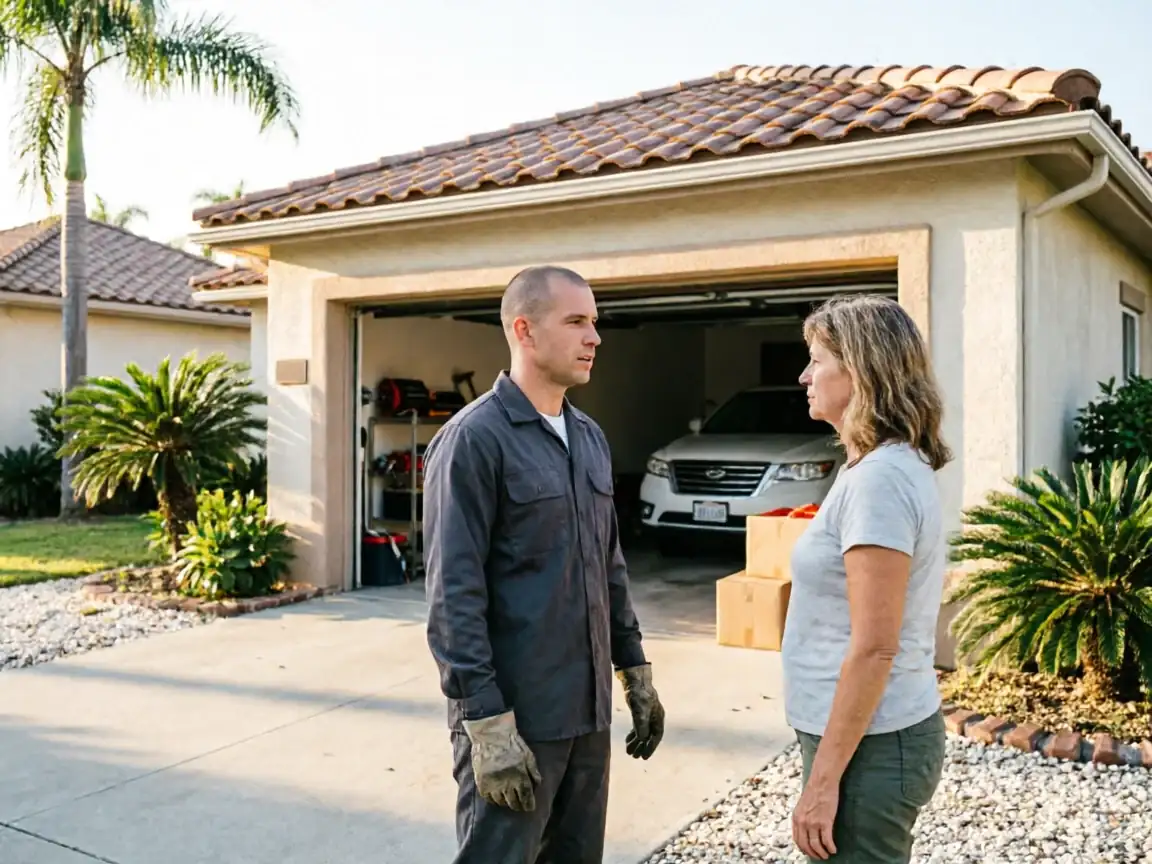
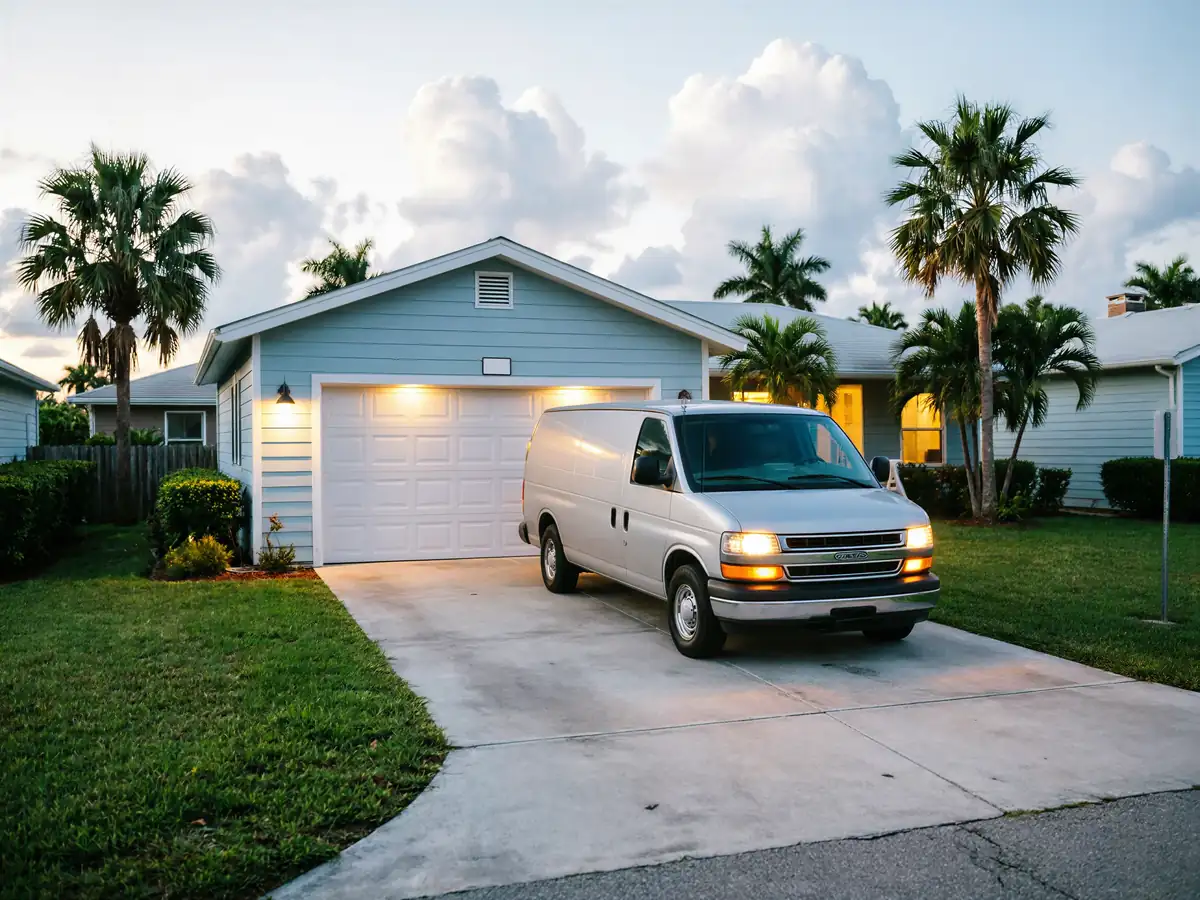
Plantation Garage Door Pros covers Margate from our Plantation base, about 9 miles out. There's no local branch or drop-in counter in Margate itself - the truck comes to you, which is the setup for every town in this part of the service area. Booking is the same process whether your door is six years old or original to a 1978 build: you describe what the door is doing (or not doing), and the visit gets scoped from there.
Because we're traveling in rather than working out of a Margate shop, it helps to know roughly how old your door and opener are before you call - that single detail usually tells us more about what to expect on arrival than a description of the symptom alone. If you're not sure, a glance at the spring type (coiled above the track versus wound at the center shaft) is the next best thing to mention.
See the Margate garage doors page for what else we handle in this area beyond maintenance.
What You Are Seeing
On a door from Margate's 1978-median stock
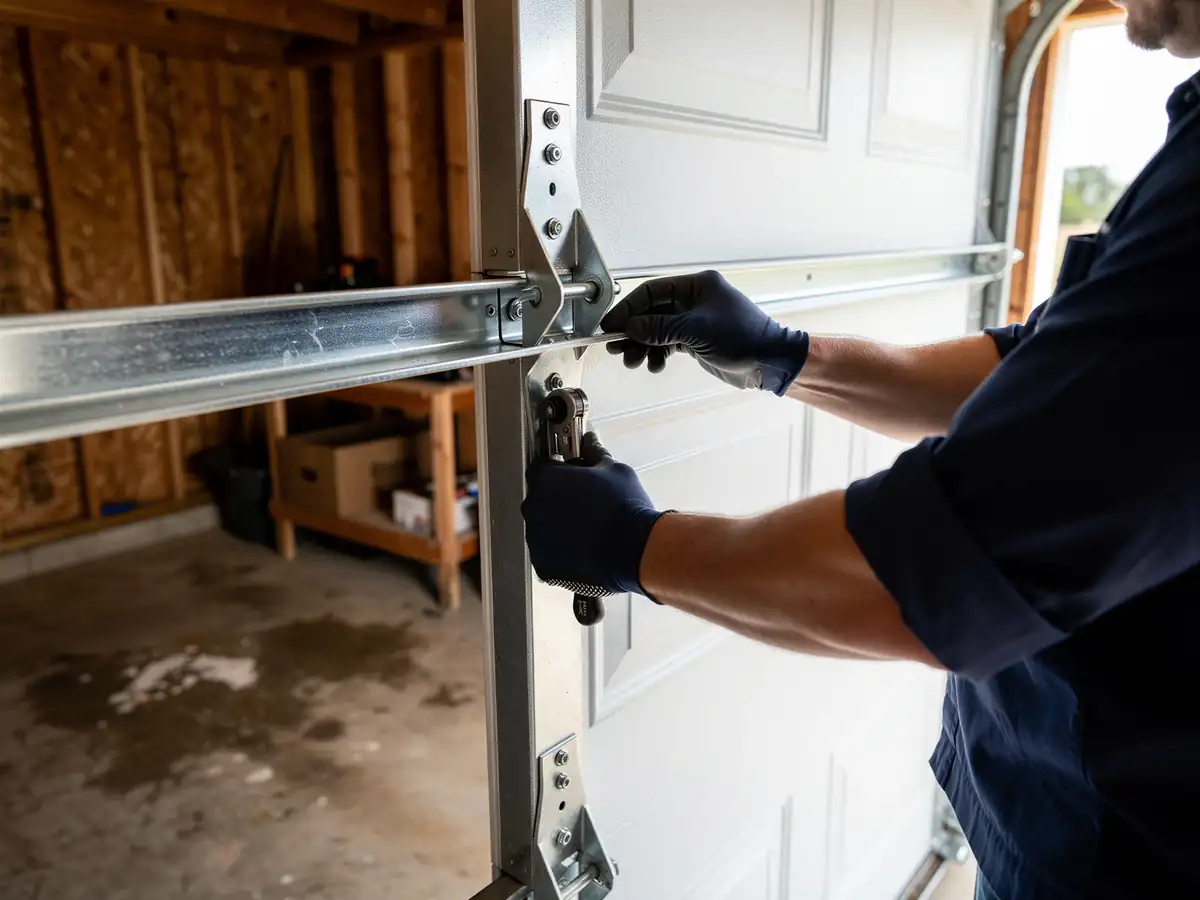
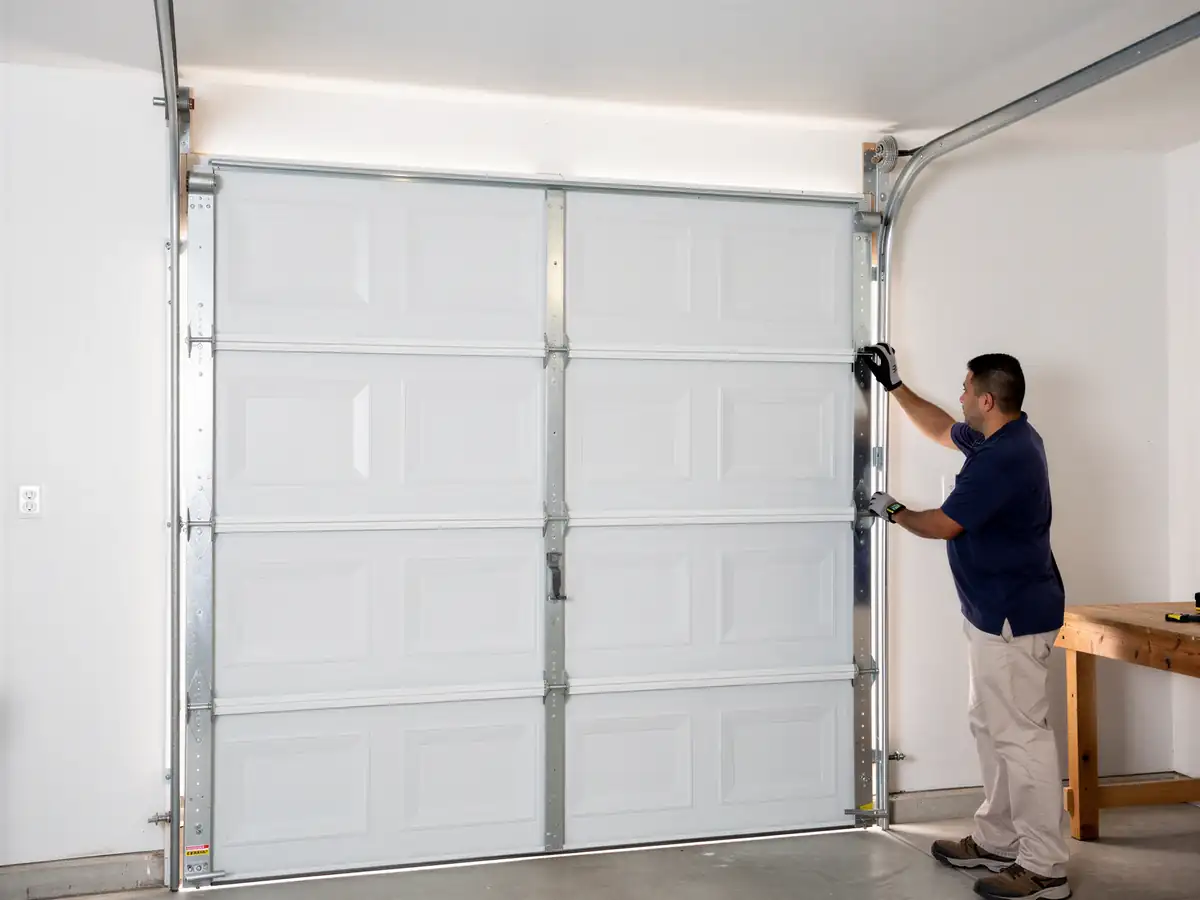
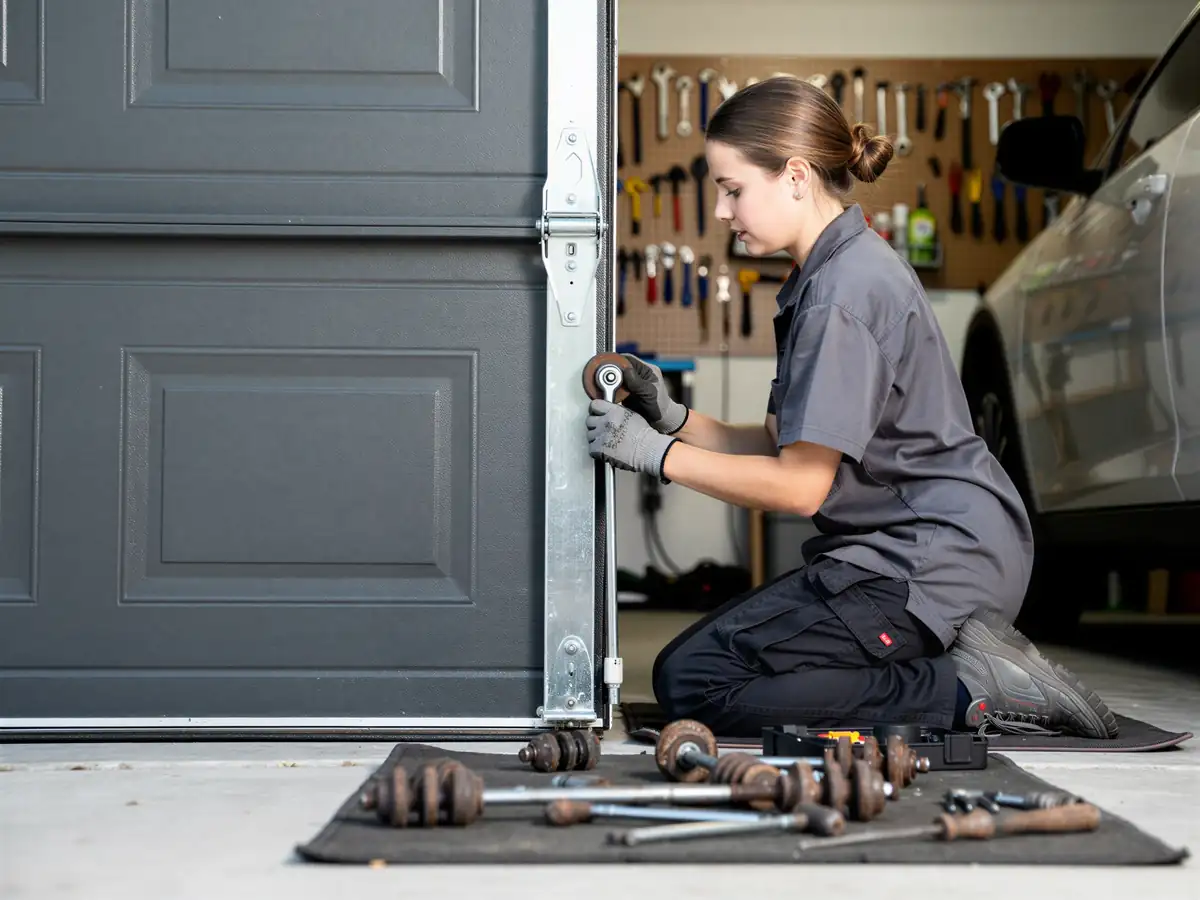
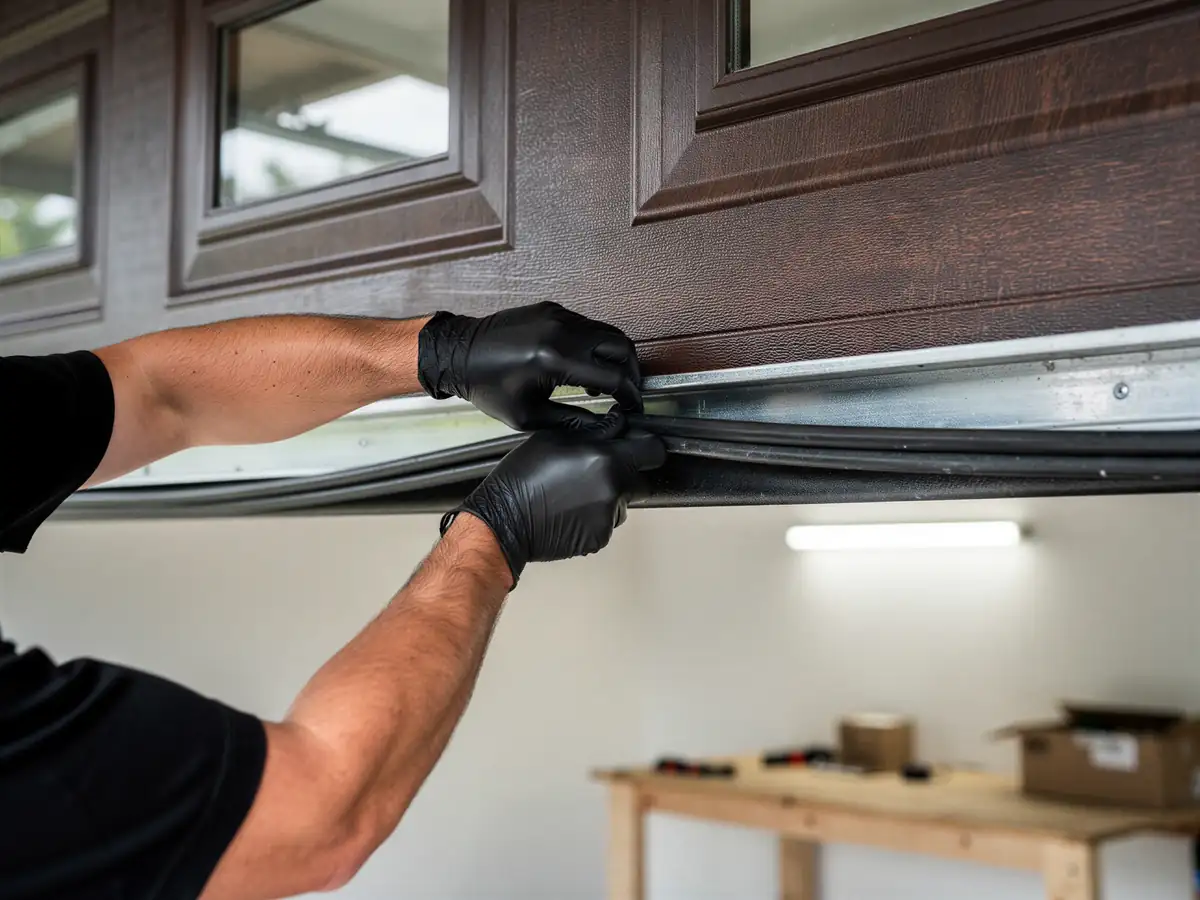
Maintenance calls tend to show the same handful of signs. Rust bleeding at the track brackets where they bolt to the jamb - not surface rust on the door skin, but at the fastener points, where decades of condensation cycling have worked the galvanizing off. Rollers that have gone from round to slightly oval, which you'll feel as a stutter partway through the door's travel rather than a smooth close.
Extension springs that have stretched unevenly side to side are common too
The door will rack slightly in the opening as it closes, dragging on one track more than the other. If a safety cable was never retrofitted through the spring, that's also something we flag; it's original-era hardware that simply predates the cable becoming standard practice.
Openers are a mixed bag
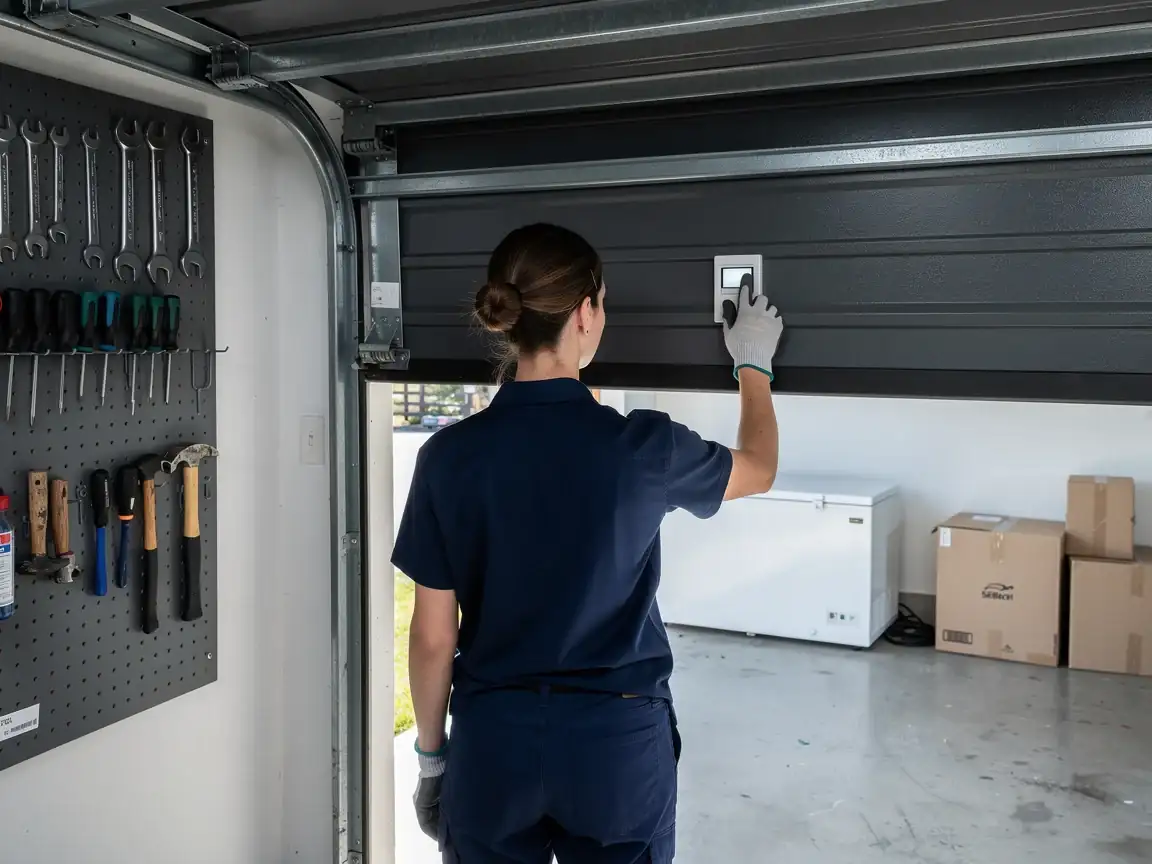
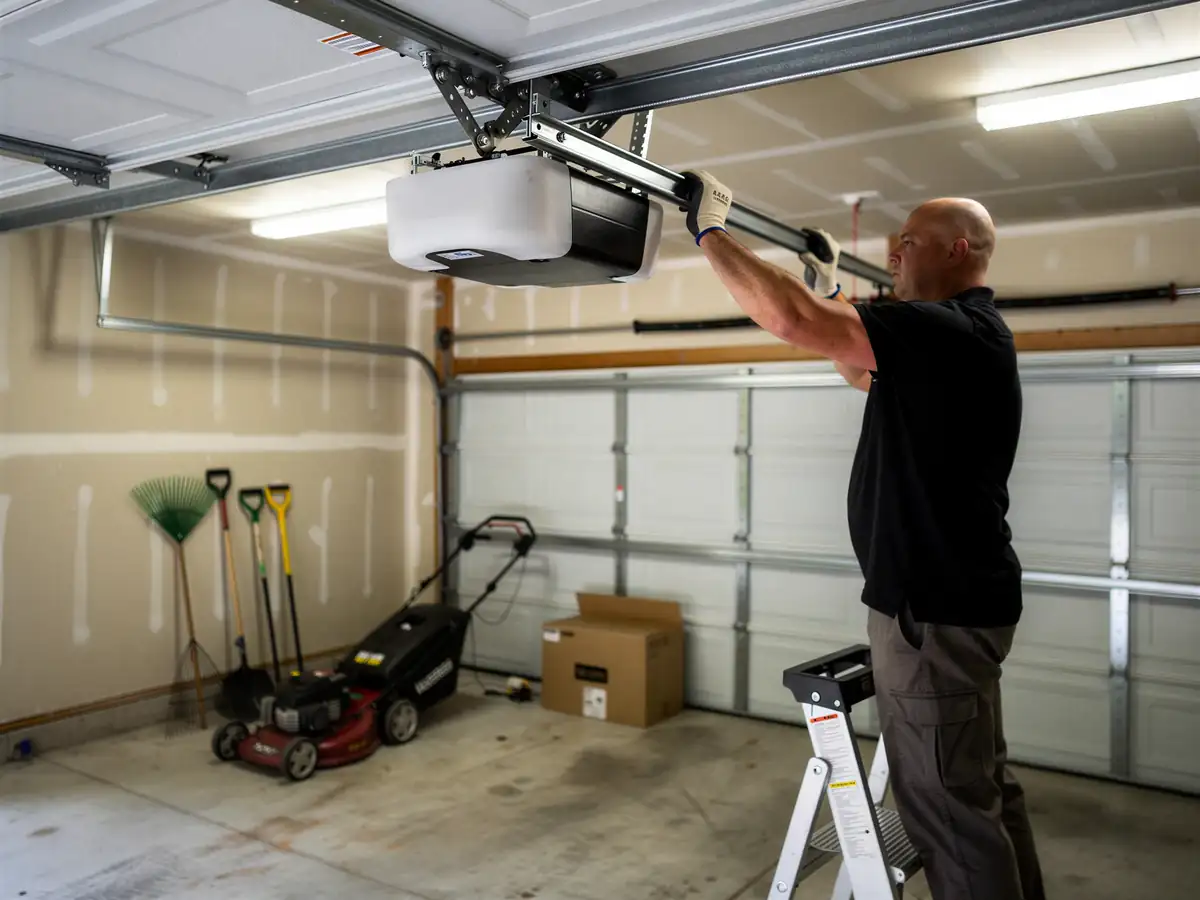
Some houses still run a unit from a prior retrofit bolted onto original track sized for a lighter, older door - the mismatch shows up as grinding or straining on lift, especially once the springs are no longer pulling their full share of the door's weight.
What Can Go Wrong
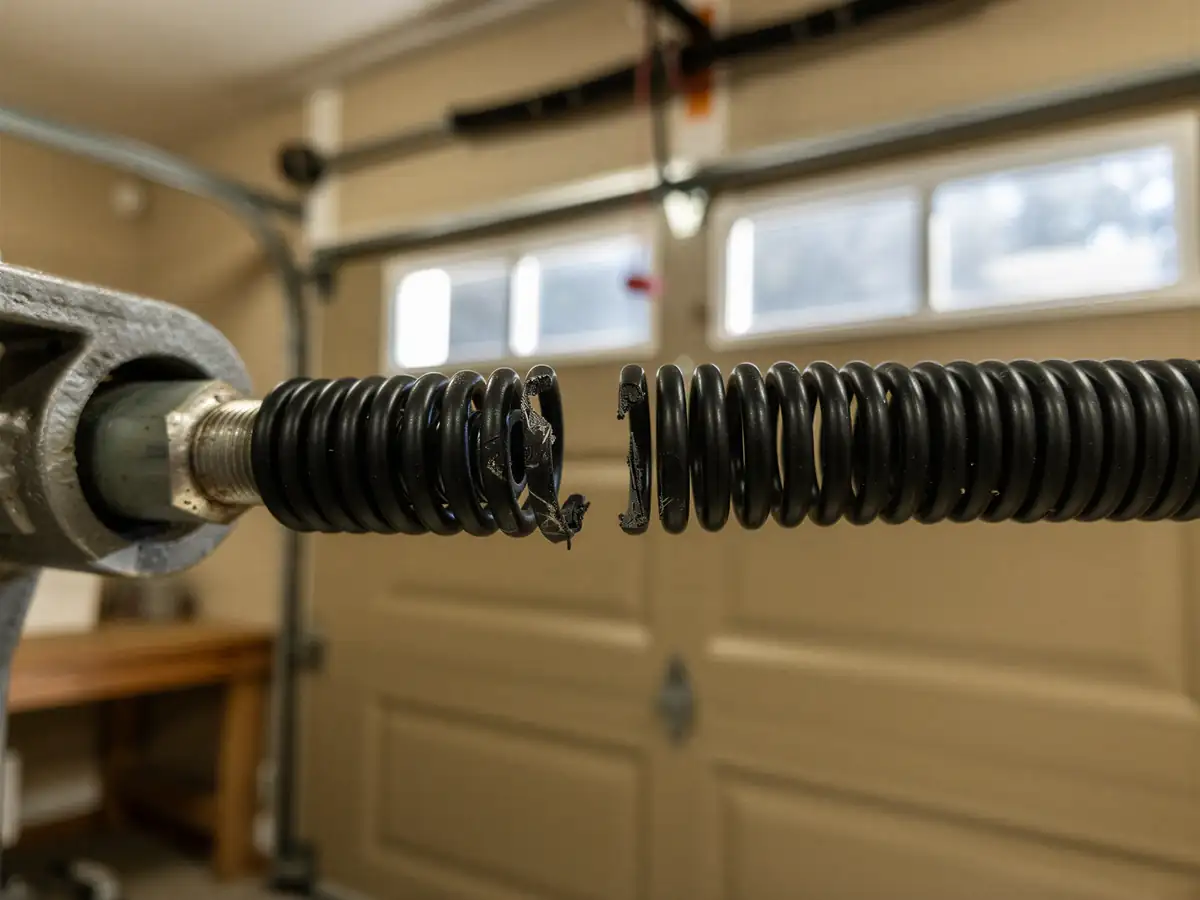
The failure that gets people's attention is a snapped extension spring - loud, sudden, and it leaves the door too heavy to lift by hand or by an opener that was never sized for full dead weight. Less dramatic but more common is a frayed lift cable finally parting, which on a door without a working safety cable can let a spring assembly swing loose.
Track brackets that have slowly pulled from the jamb over the decades are a quieter risk - the door can jump the track mid-cycle rather than fail all at once. And on houses carrying an opener installed well after the door, the gear set inside the opener can wear out early because it's been fighting an out-of-balance door for years.
Here's the honest limit: if the track itself is bent or the door panels have corroded through at the bottom section, tuning up the hardware won't fix that. At that point you're looking at panel or track replacement, not maintenance, and we'll say so rather than charge for a service call that can't solve the actual problem.