Why This Fails Locally
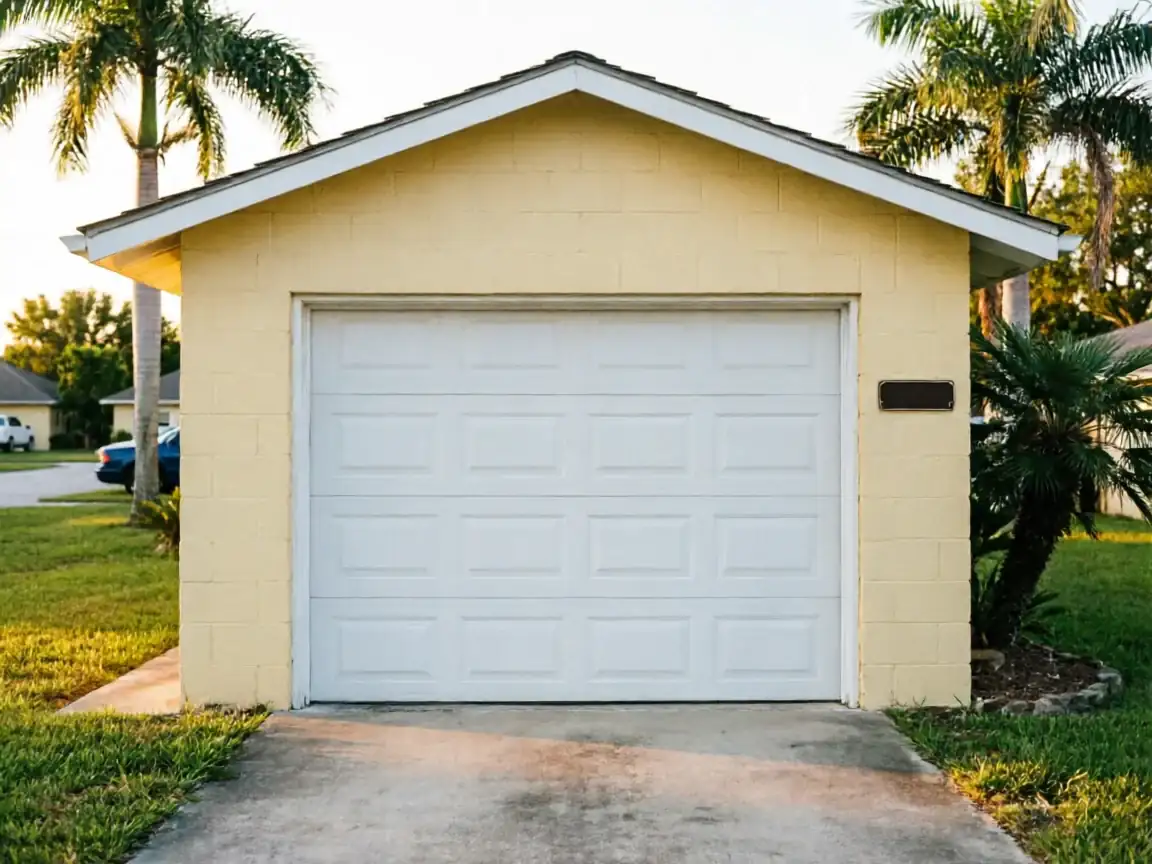
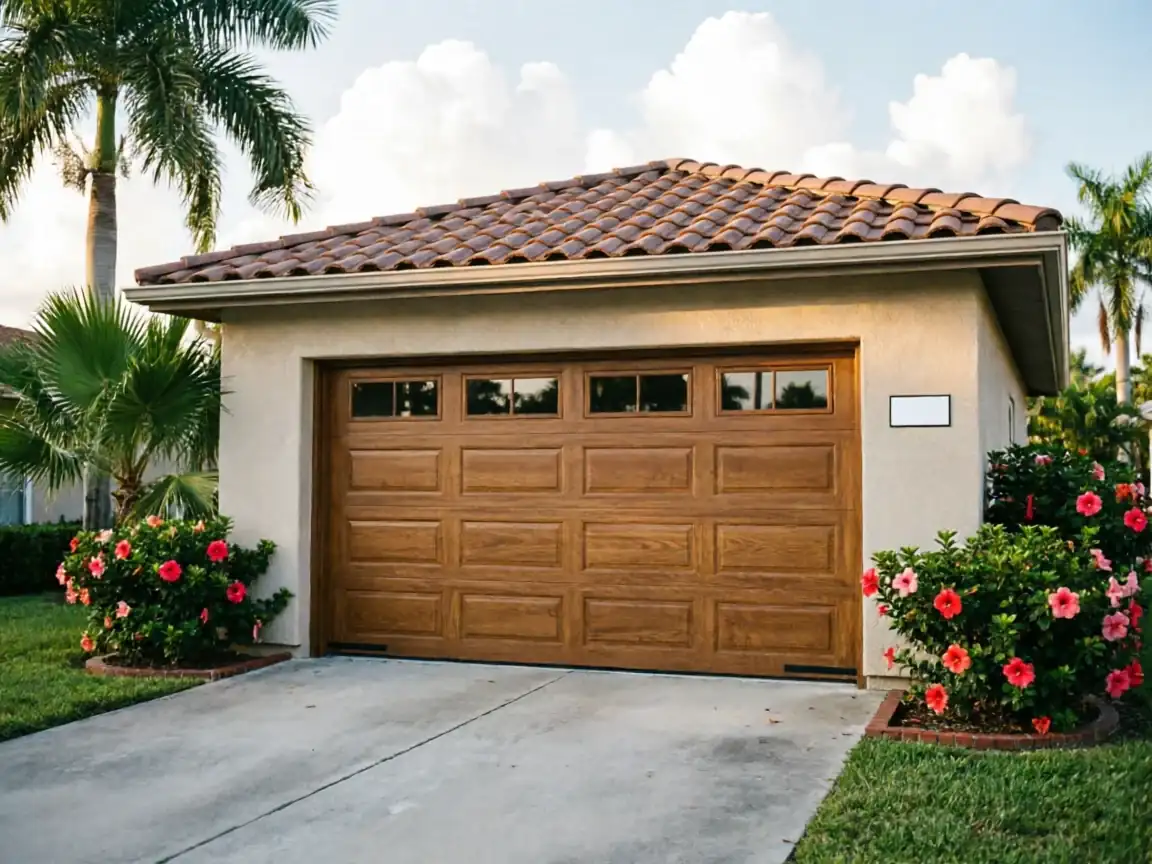
Most of the houses in this part of the Plantation service area were built around 1975
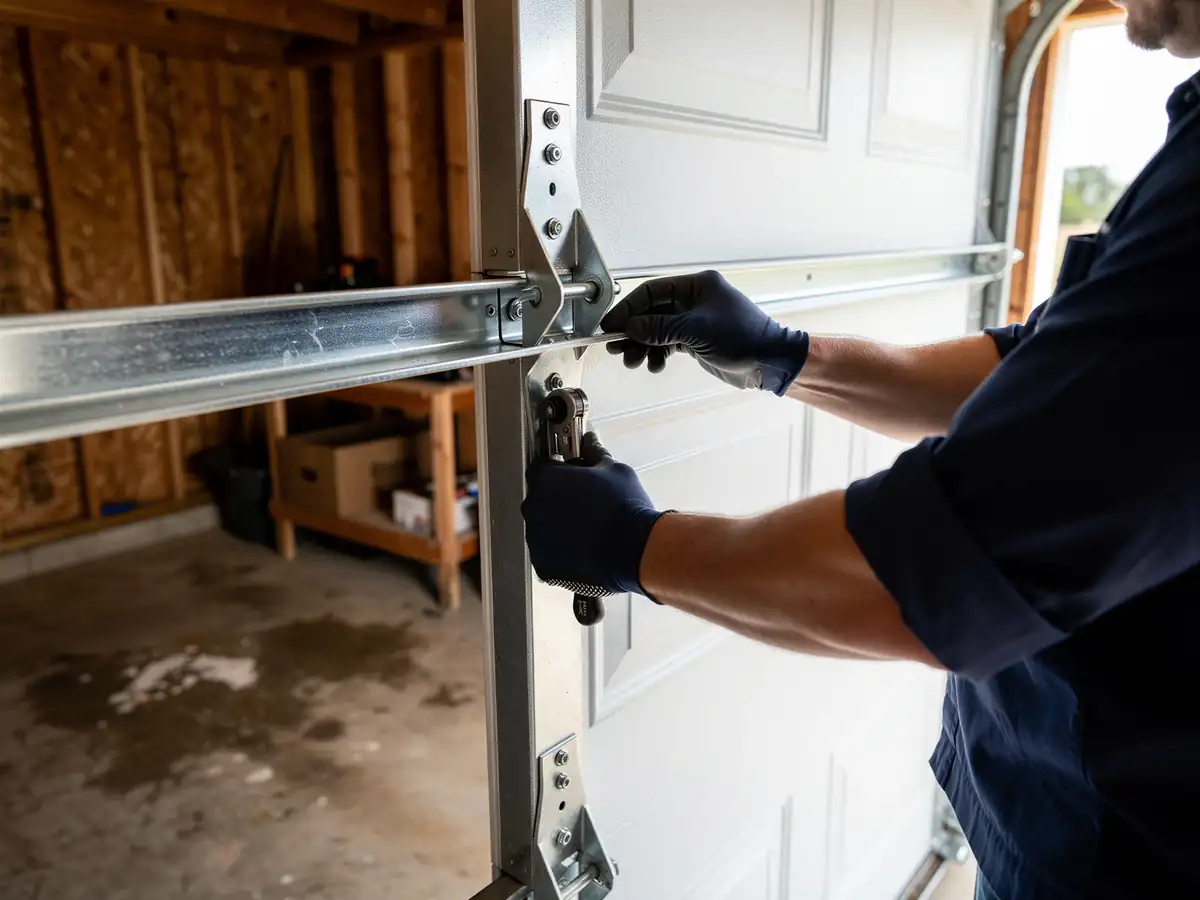
But Margate's own stock skews a bit later, closer to 1978. Three years doesn't sound like much until you're standing in front of the opener. A garage built in 1975 often got a basic single-spring chain-drive setup straight from the builder; by 1978, some tracts were already shifting to slightly heavier torsion hardware as doors got wider and openers got a little more capable. That gap matters when a technician is sizing a replacement spring or matching a track bracket - the hardware generation isn't identical across even a few years of tract construction.
The mild temperate climate here doesn't put the same stress on steel that a freeze-thaw region would
So you're not dealing with cracked concrete footings or ice-jammed tracks. What you get instead is slow corrosion from humidity working on springs and hinges that have never seen a winter but have seen forty-some summers. A door that looks fine from the driveway can have a spring that's lost half its tension from age and moisture, not cold. That's the failure mode worth checking before it becomes a call.
The Cost of This Job
Margate has about 24,634 households, smaller than the roughly 410,276 households spread across the whole area this company covers out of Plantation, and median household income here sits at $60,852 - almost exactly in line with the broader service area's $60,853. That matters for one reason: pricing here isn't propped up by a different income bracket or a denser, pricier housing stock. The job costs what the hardware and the labor cost, not what the zip code can bear.
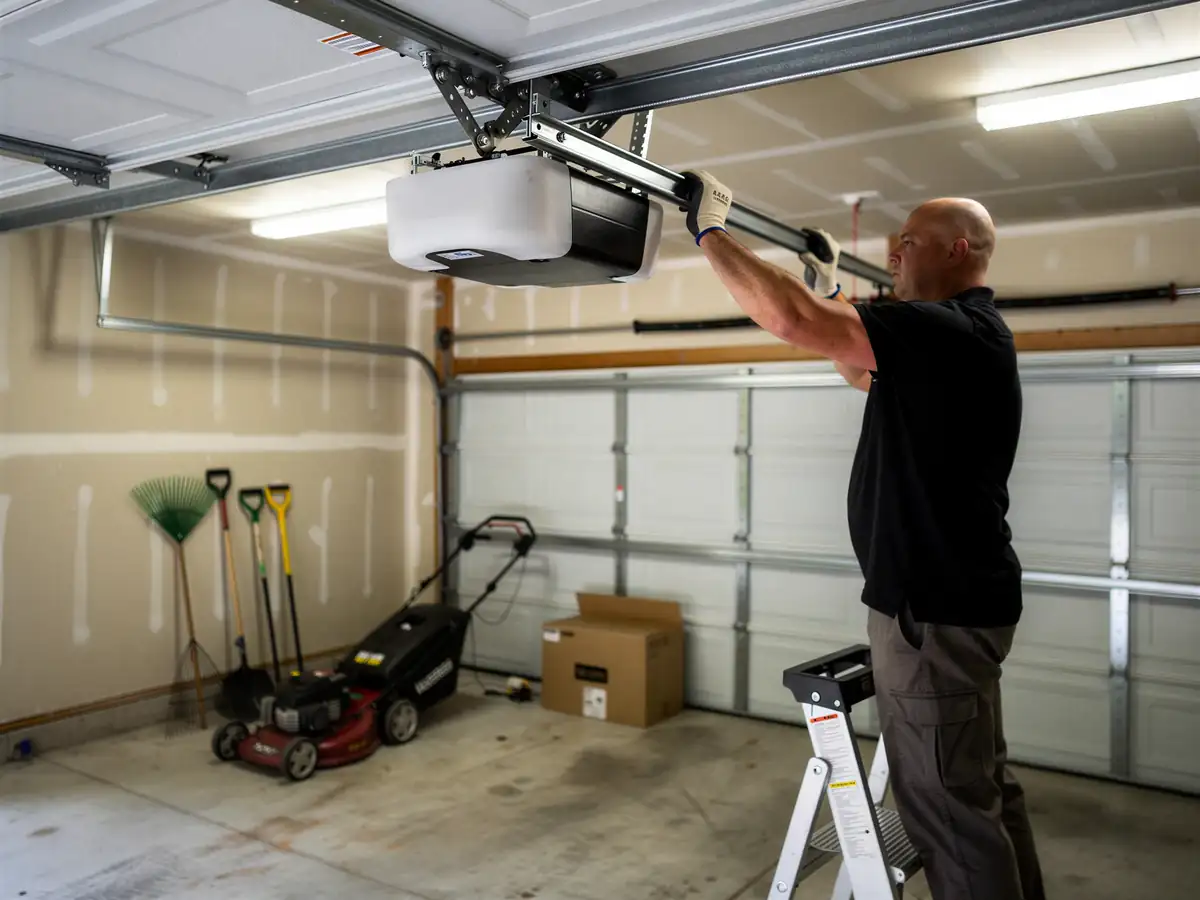
What does change the bill is the age and type of what's installed. A single torsion spring swap on a door from this era is a straightforward job. A full opener replacement, especially if the original chain-drive unit is original to the house, runs more because you're not just bolting in a part - you're often redoing the mounting bracket and travel limits to match newer control boards. We don't quote a flat number here because we haven't seen your door, but the age bracket (1970s tract construction) is the single biggest cost driver we see on this side of the service area, more than the make or brand of the door itself.
How to Book
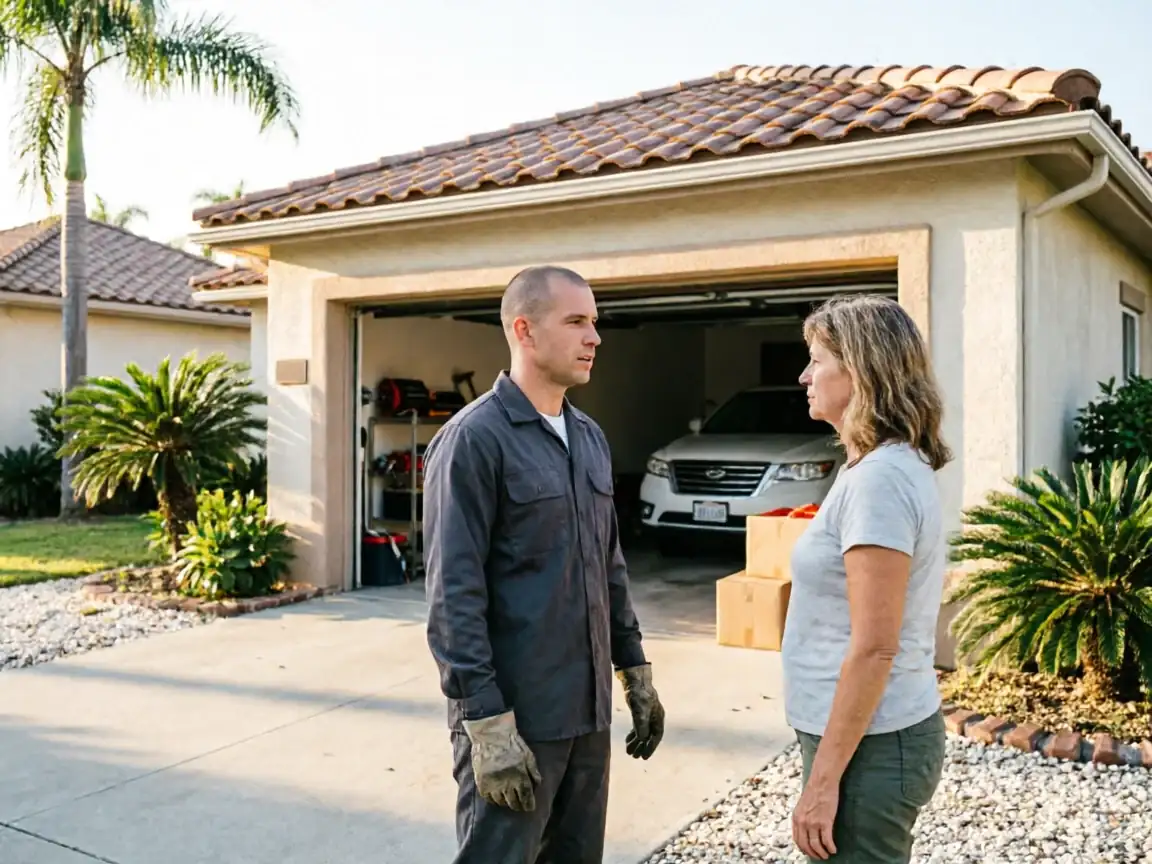
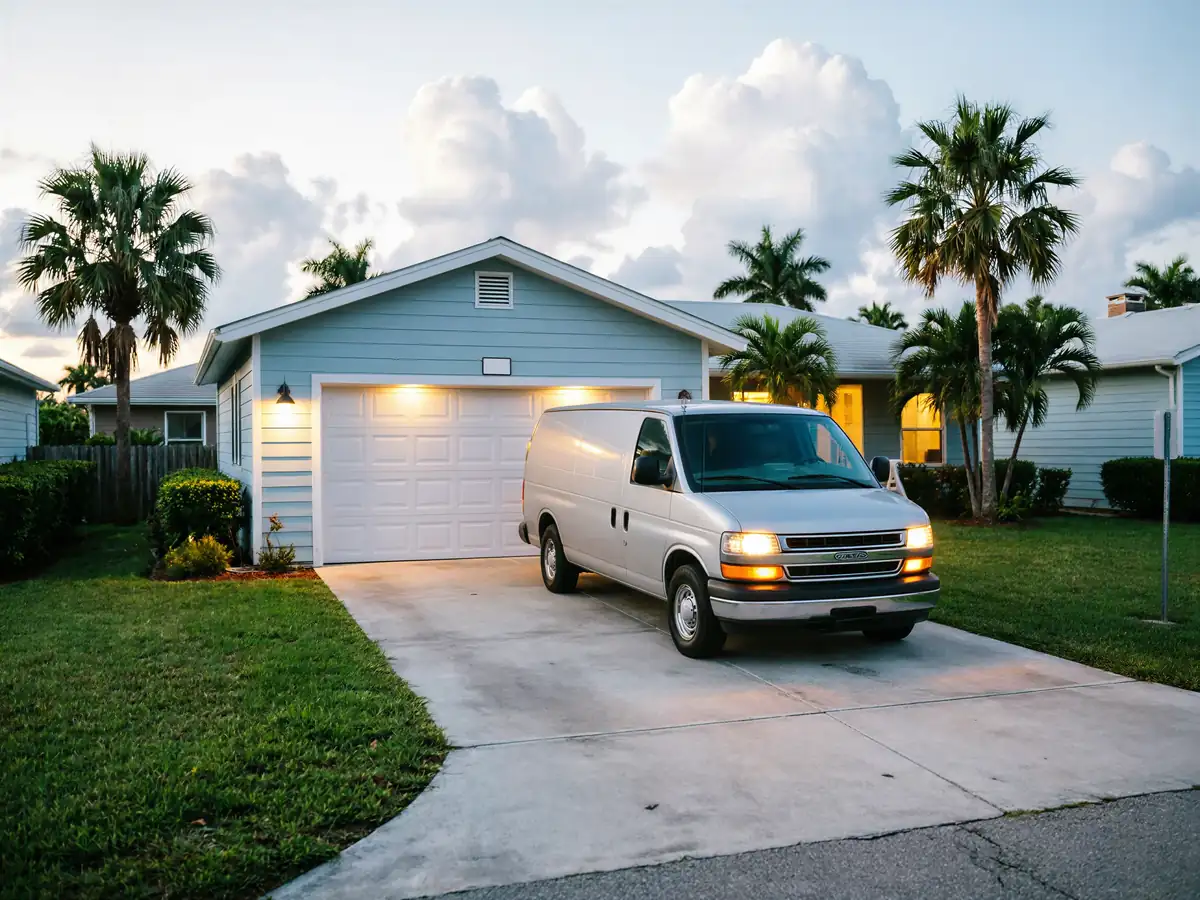
This company runs out of Plantation, about 9 miles from Margate, and there's no separate branch or drop-off location here - the truck comes to you. That's worth saying plainly: if you need same-day parts or a walk-in counter, that's not how this works. You call, describe what the door is doing (or not doing), and a technician drives out with the tools and common parts for the job.
For more on what this company handles day to day and how service works across the wider area, see the main page at /garage-door-repair-plantation-fl. For Margate specifically, including other door-related work covered in this part of the service area, see /margate-garage-doors/. Both pages link back here when the job in question is a repair call, not a new install or a different kind of work entirely.
What You Are Seeing
On a house from this era, the complaints tend to repeat
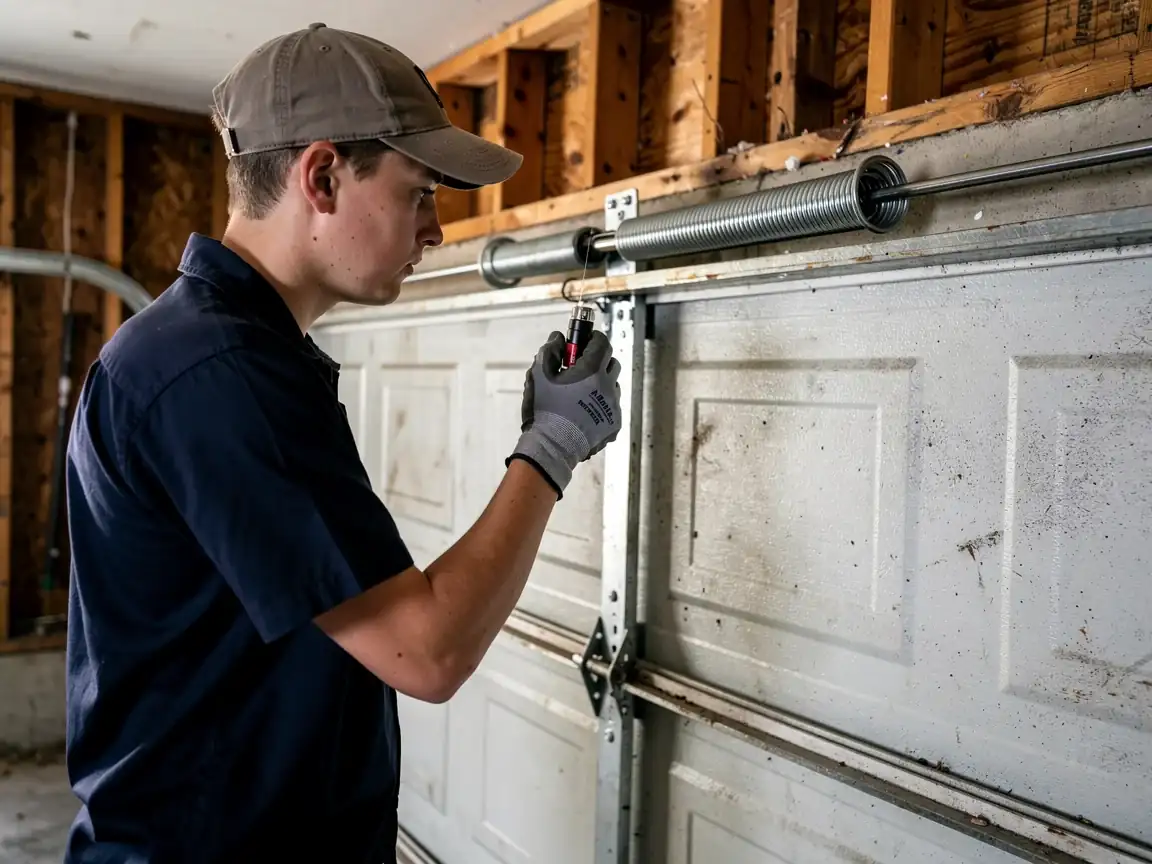
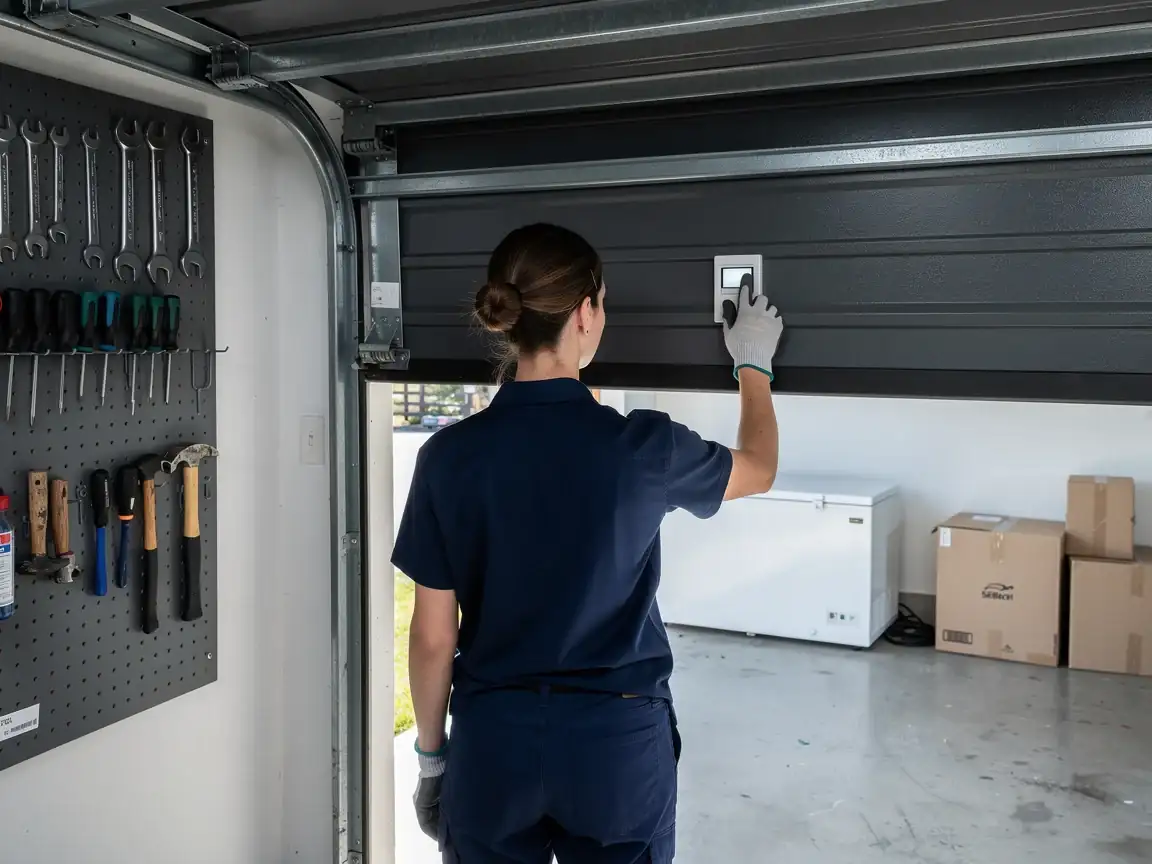
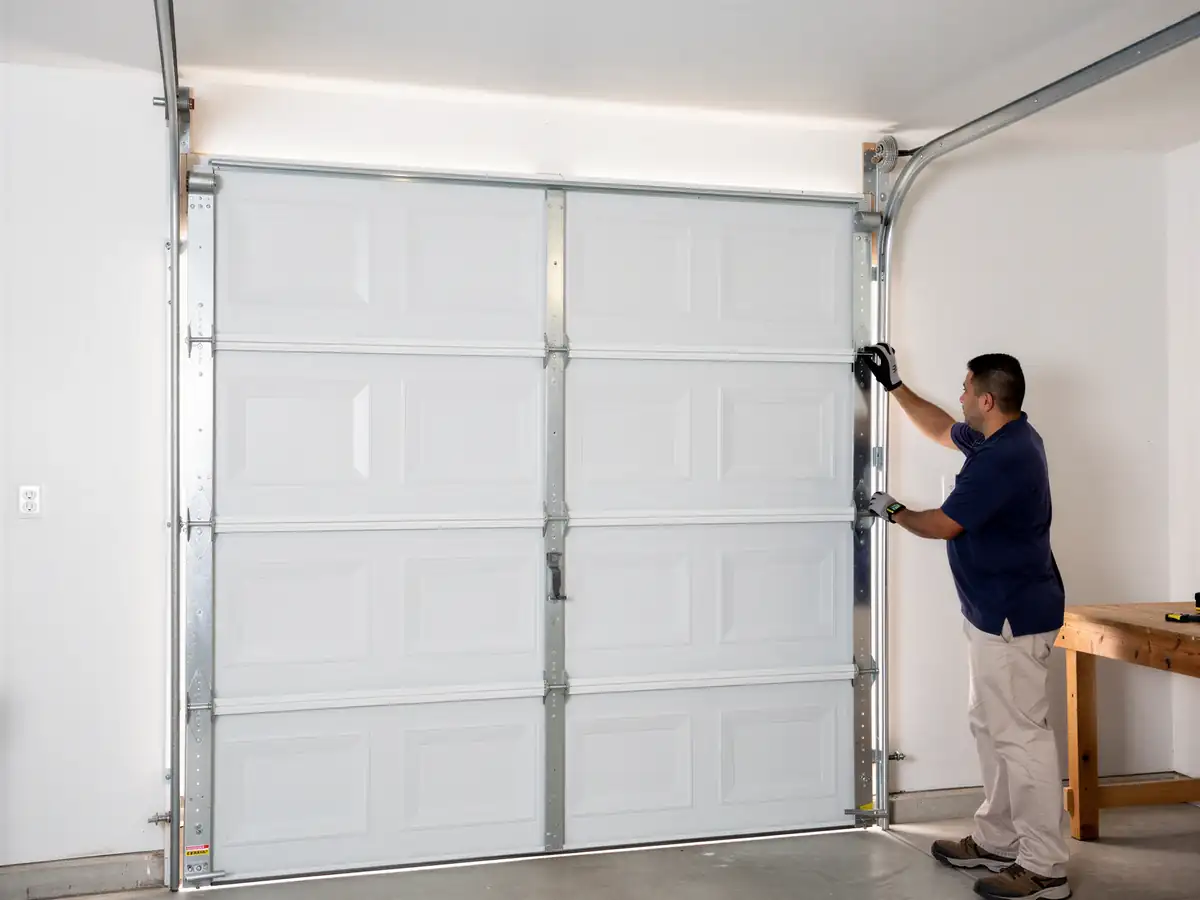
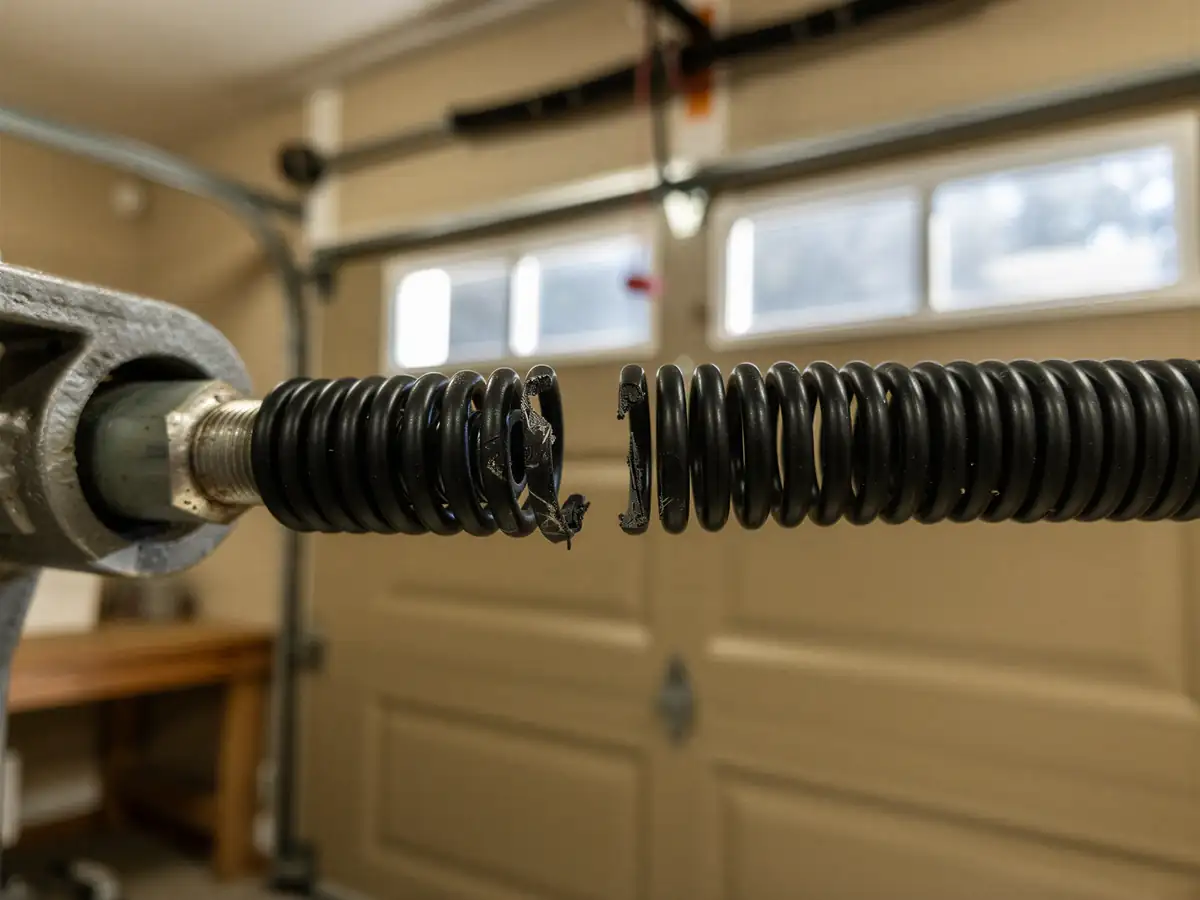
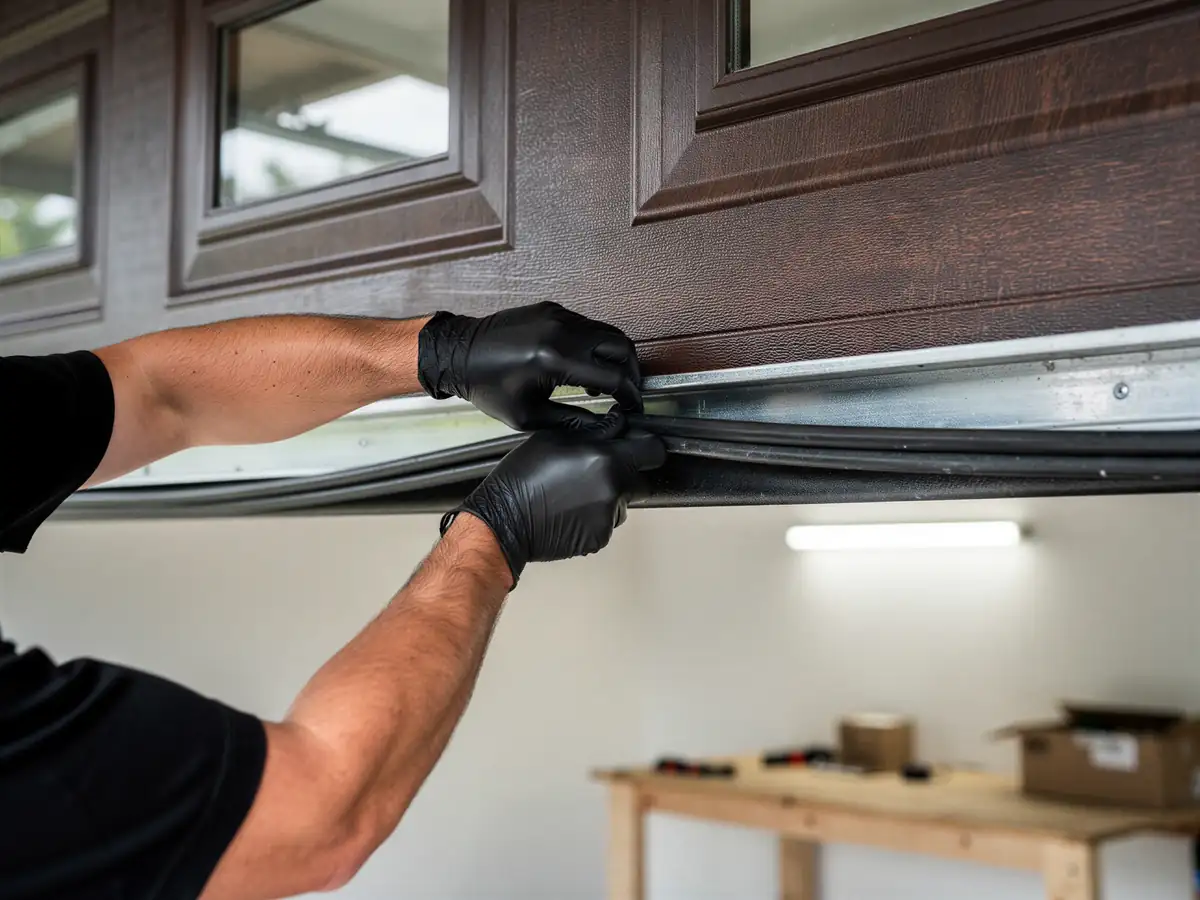
A single torsion spring, original or a prior replacement, finally gives out and the door won't lift past a few inches, or it slams down hard because the spring isn't carrying its share of the weight anymore. Chain-drive openers from the late '70s and their later replacements start skipping or grinding on the rail as the chain stretches, and the motor runs louder each month until it just doesn't trip the trolley anymore.
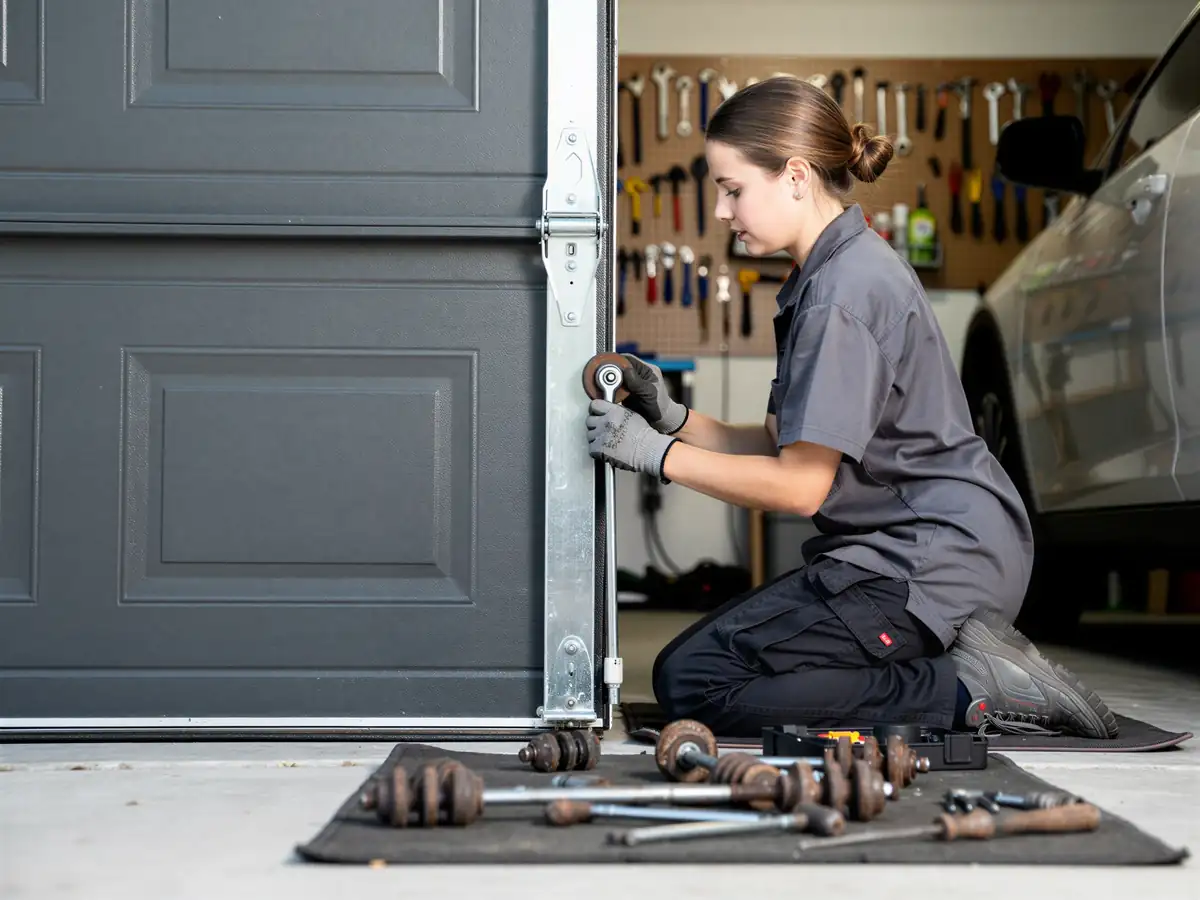
Rollers on steel track from this period wear into an oval shape instead of round
Which shows up as a door that shudders or binds about halfway up. None of this is exotic. It's what happens to garage hardware that's been doing its job quietly for forty-plus years in a humid climate without anyone touching it until it stops.
What Can Go Wrong
The honest limitation here: once a torsion spring system on an older door fails, we don't always recommend repairing in place. If the drum, shaft, or cable system on a 1970s-era door has aged alongside the spring, patching just the broken part can mean another failure within a year or two, and at that point replacement is the better use of your money than a second repair call. We'll say so if that's what we're looking at rather than selling a stopgap fix.
Parts availability is the other real constraint. Original hardware from this build era isn't always stocked the way current parts are, and matching a bracket or drum from 1978 sometimes takes more than one trip. We'd rather tell you that up front than promise a same-visit fix we can't deliver.