Why This Fails Locally
The call we get most out of Margate isn't a torsion spring snapping over a double door
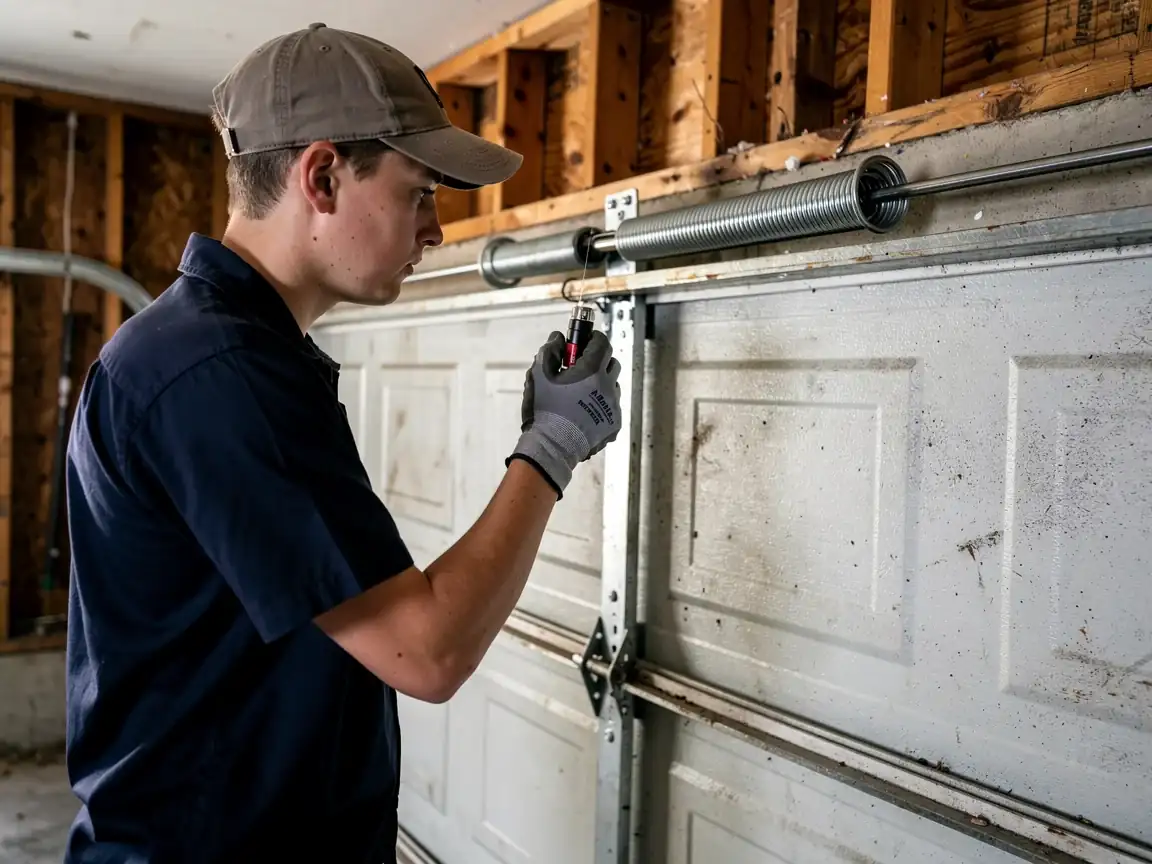
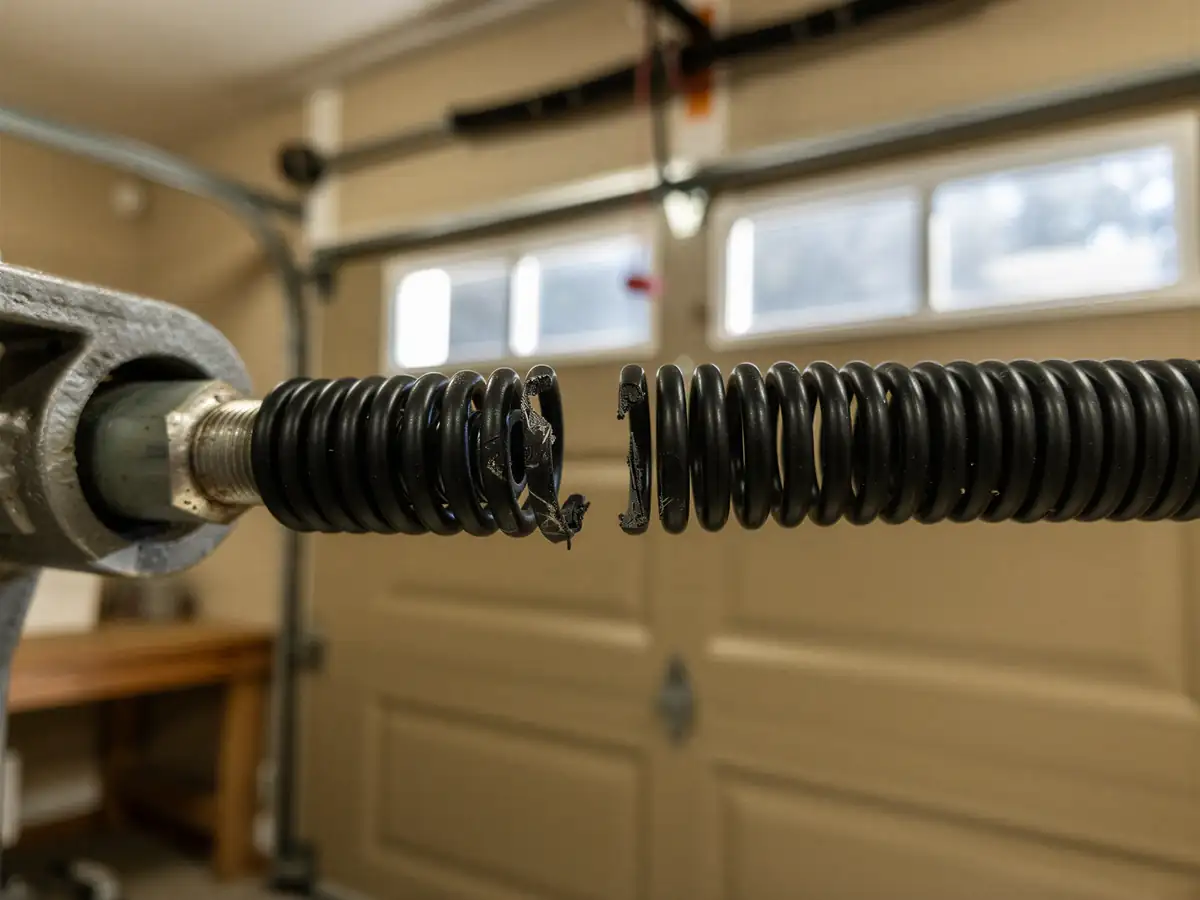
It's an extension spring, the kind mounted horizontally above the track, stretching out or breaking because nobody ever put a containment cable through it. That setup was standard hardware on the doors going into these garages in the 1970s, and it's still hanging there decades later, one cycle away from letting go.
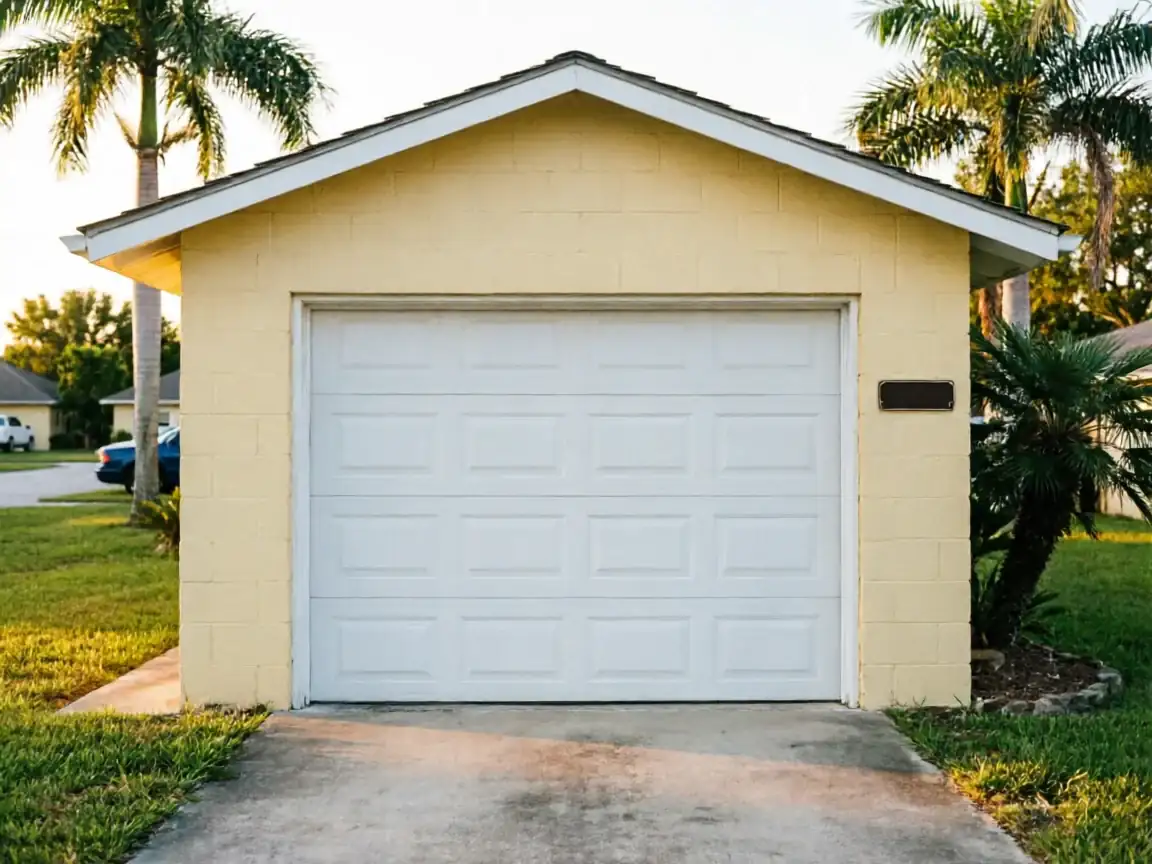
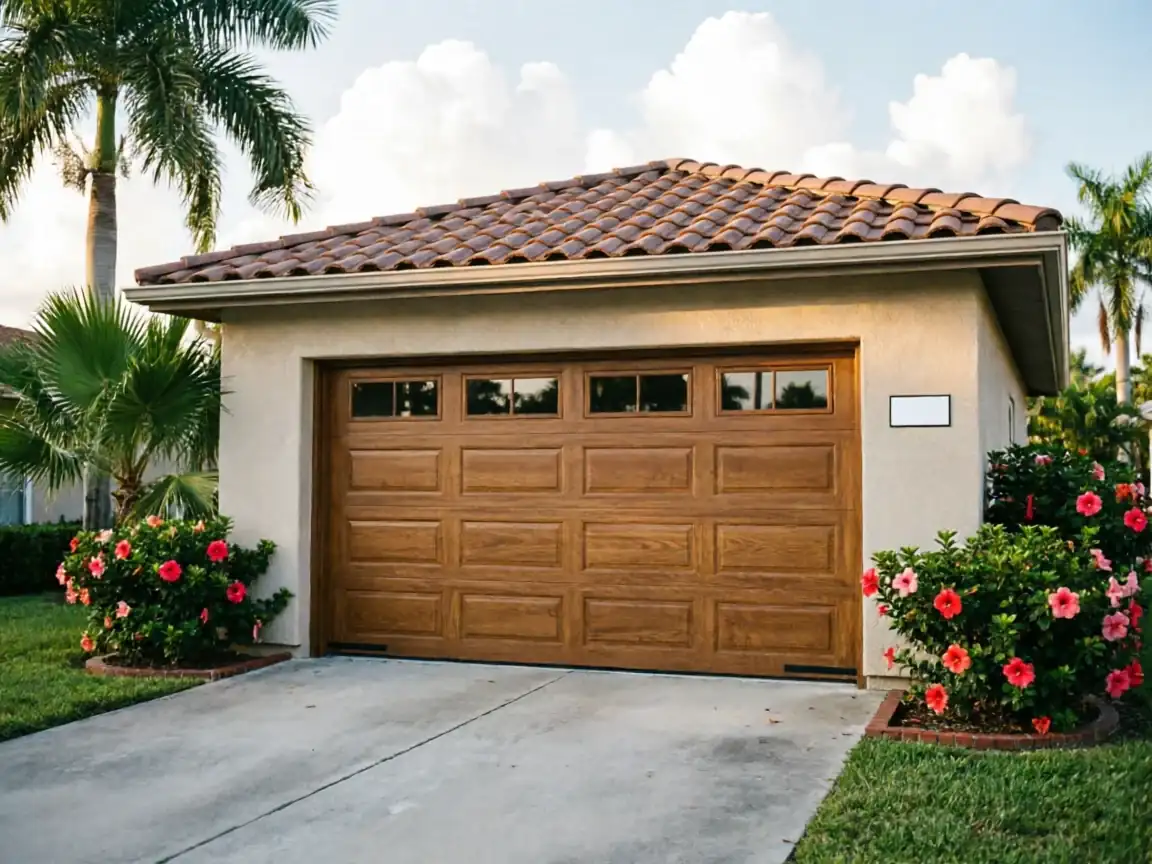
Margate's housing stock centers on 1978, sitting inside the wider 1953-2005 build window for the service area but on the earlier side of it
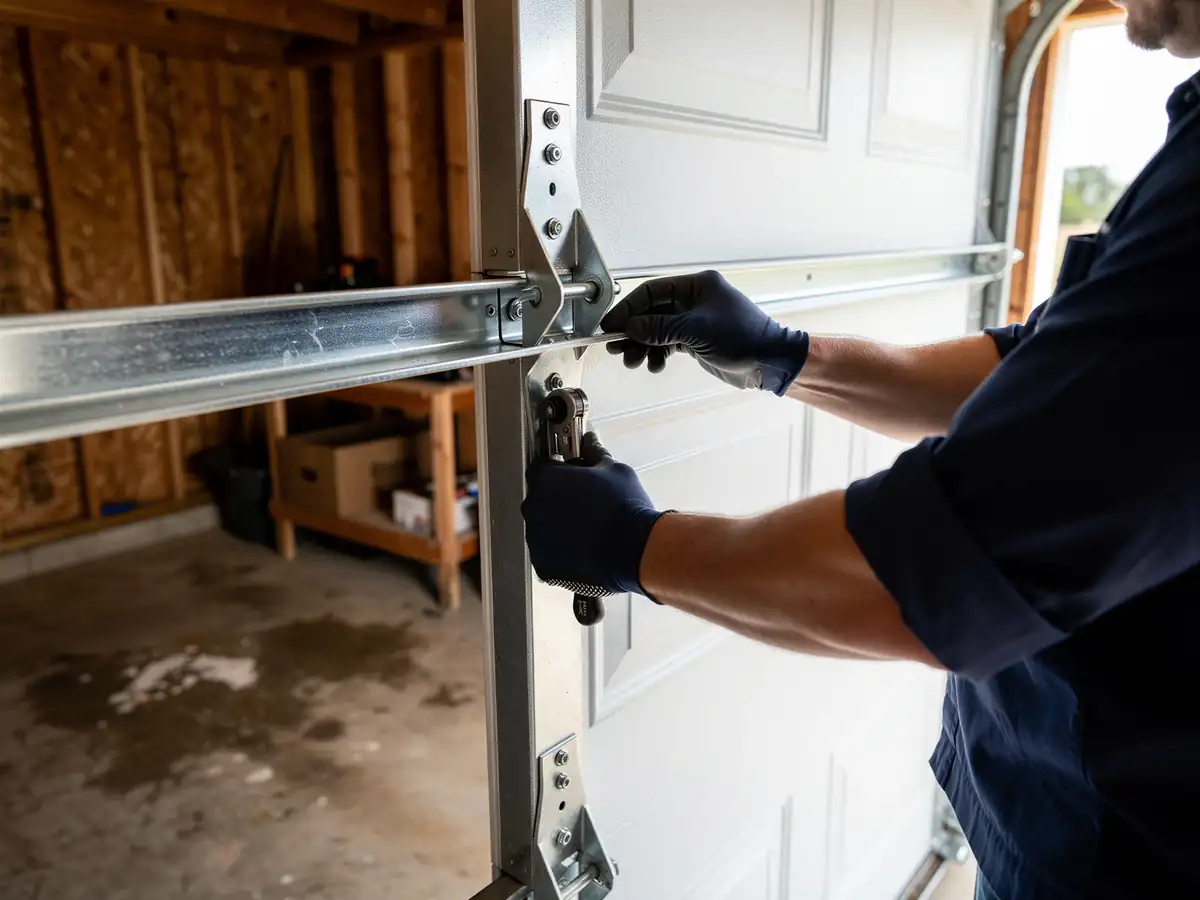
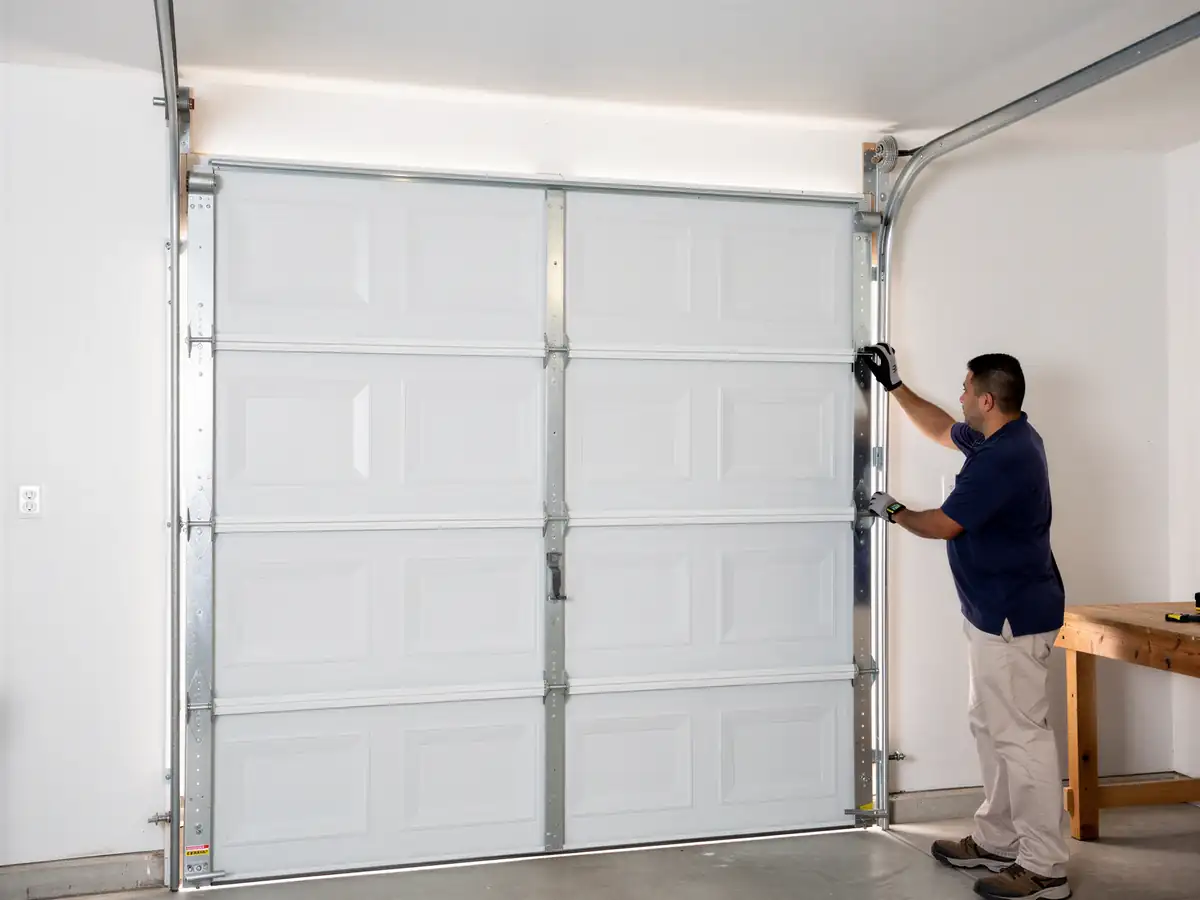
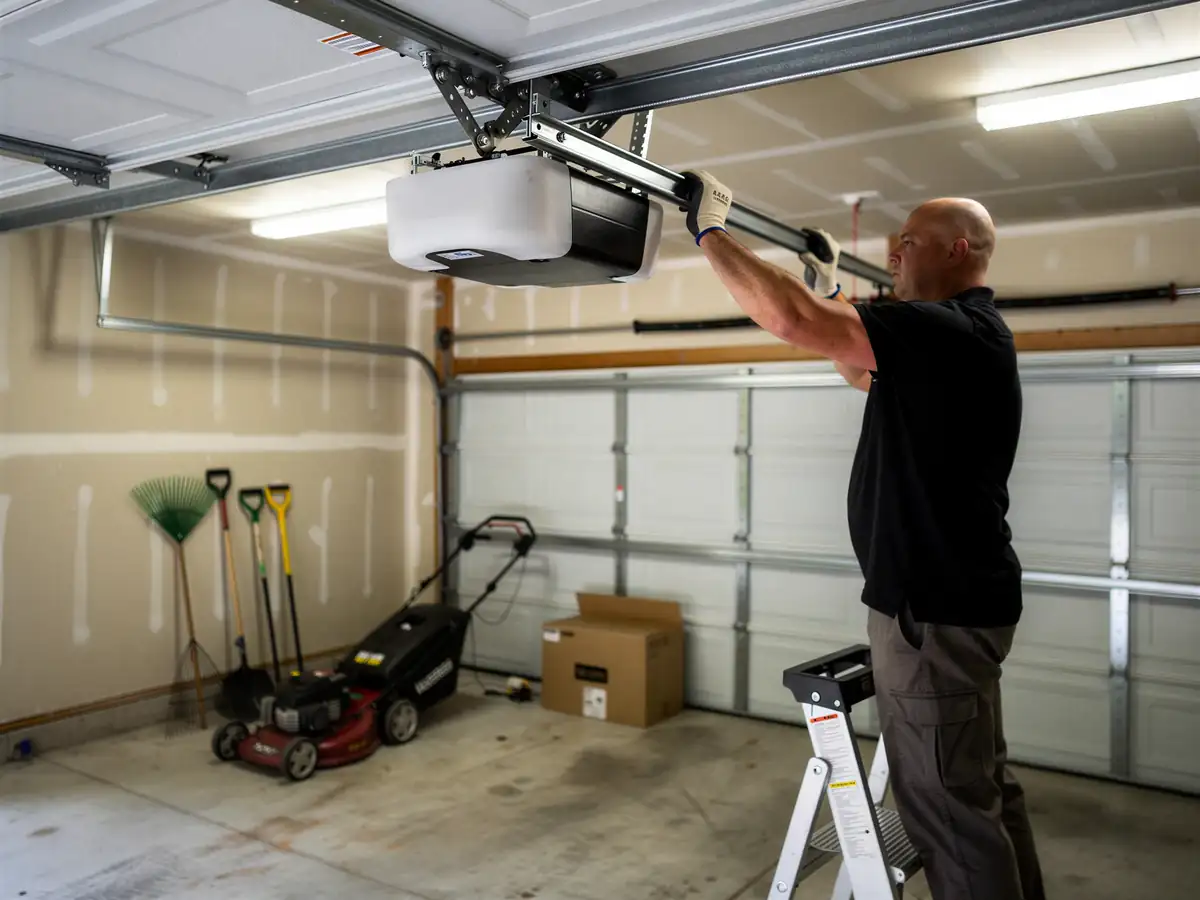
A door installed with a house built in '78 has usually been re-sprung at least once, sometimes with mismatched hardware from whoever did the last repair. What we find is a mix: original steel panel doors with worn rollers, extension springs stretched past spec, and openers that were bolted on years after the door itself - chain-drive units straining against hardware they were never sized for.
None of that is dramatic
It's just age and cycle count catching up with a door that was built for a different decade of use.
The Cost of This Job
We don't quote a number here without seeing the door - spring size, track condition, and whether the opener needs touching all move the price. What we can tell you is what drives the cost up in a house like the ones common in Margate: original hardware that's been welded or drilled for a replacement part, instead of swapped clean. That adds labor time no matter who's doing the work.
At a median household income of $60,852, most of the calls we take here are repair-first, not replace-first - people want the door working again, not a new one, unless the panel's bent or the track's pulled off the wall. That's a fair instinct. A worn extension spring or a stripped opener gear is usually a repair, not a reason to tear out the whole door.
One honest limit: if your door is original steel from the '70s and the track hardware is rusted into the jamb, we may tell you replacement beats another repair. We'd rather say that up front than charge you twice for the same door.
How to Book
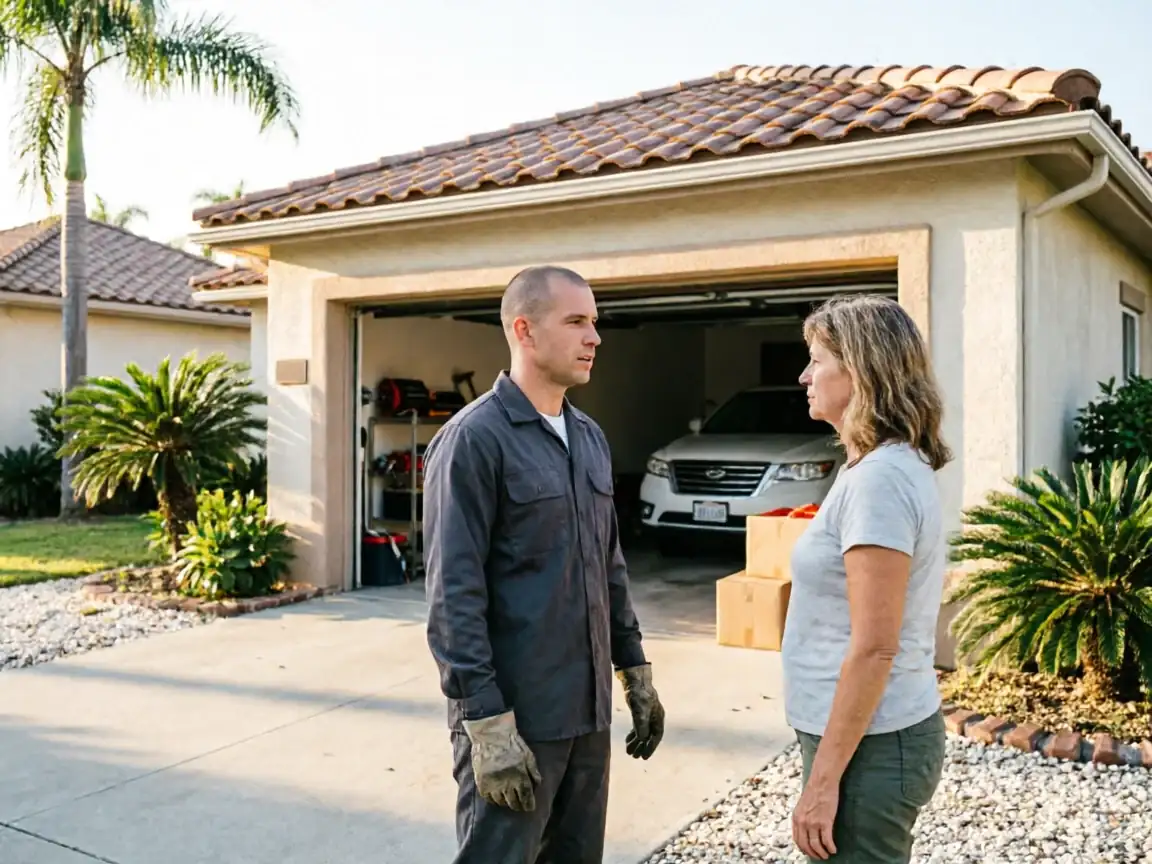
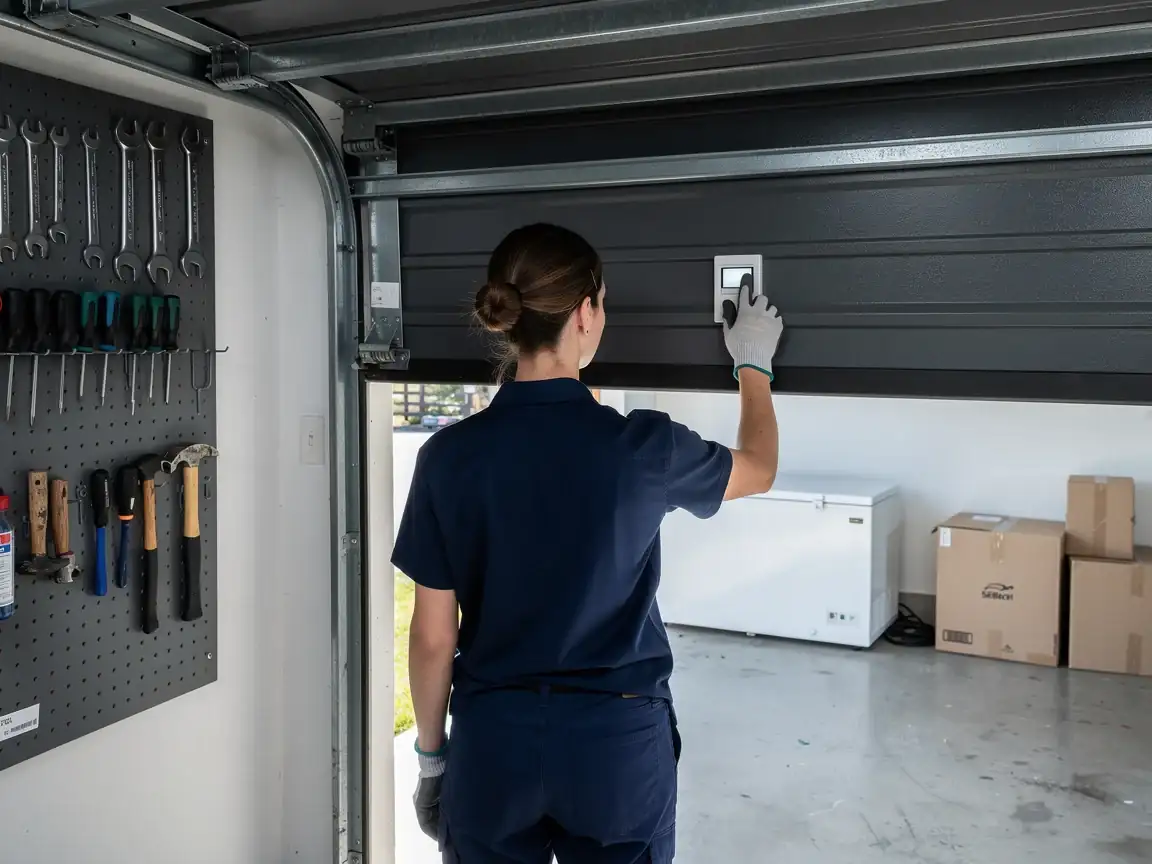
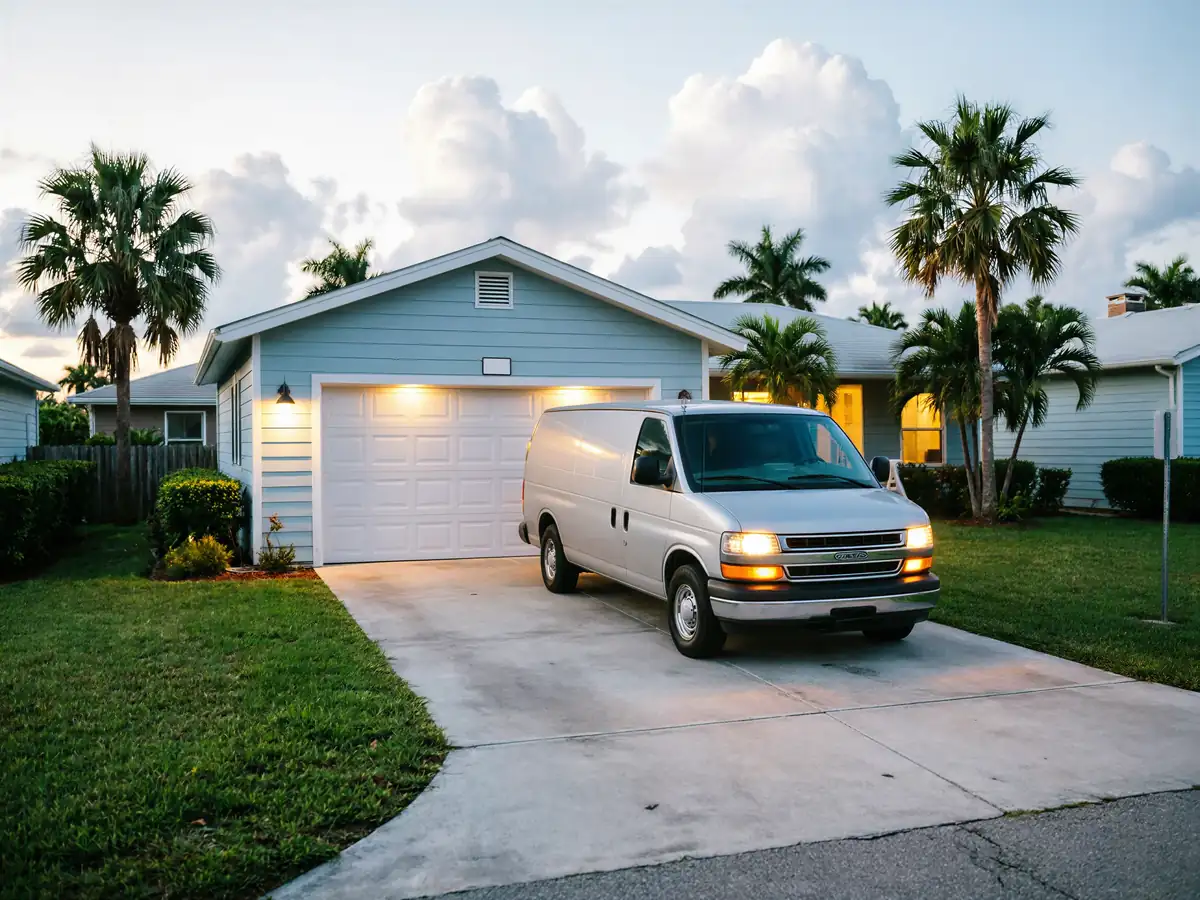
We run out of Plantation, about 9 miles from Margate, and we schedule the drive out same as any other call in the service area - no separate branch, no different crew. Tell us what the door is doing: won't open, opens and stops, makes noise on the way down. That's enough for us to bring the right spring size and the right tools on the truck instead of guessing.
If you know the door's age or roughly when the house was built, mention it - for a lot of houses in this part of town that's 1978 or close to it, and that single detail tells us a lot about what hardware we're walking into before we even see the door.
See our Margate service page for what's covered, or check the Plantation page if you're outside this stretch and want to know what else we handle.
What You Are Seeing
If your door is slow on the way up
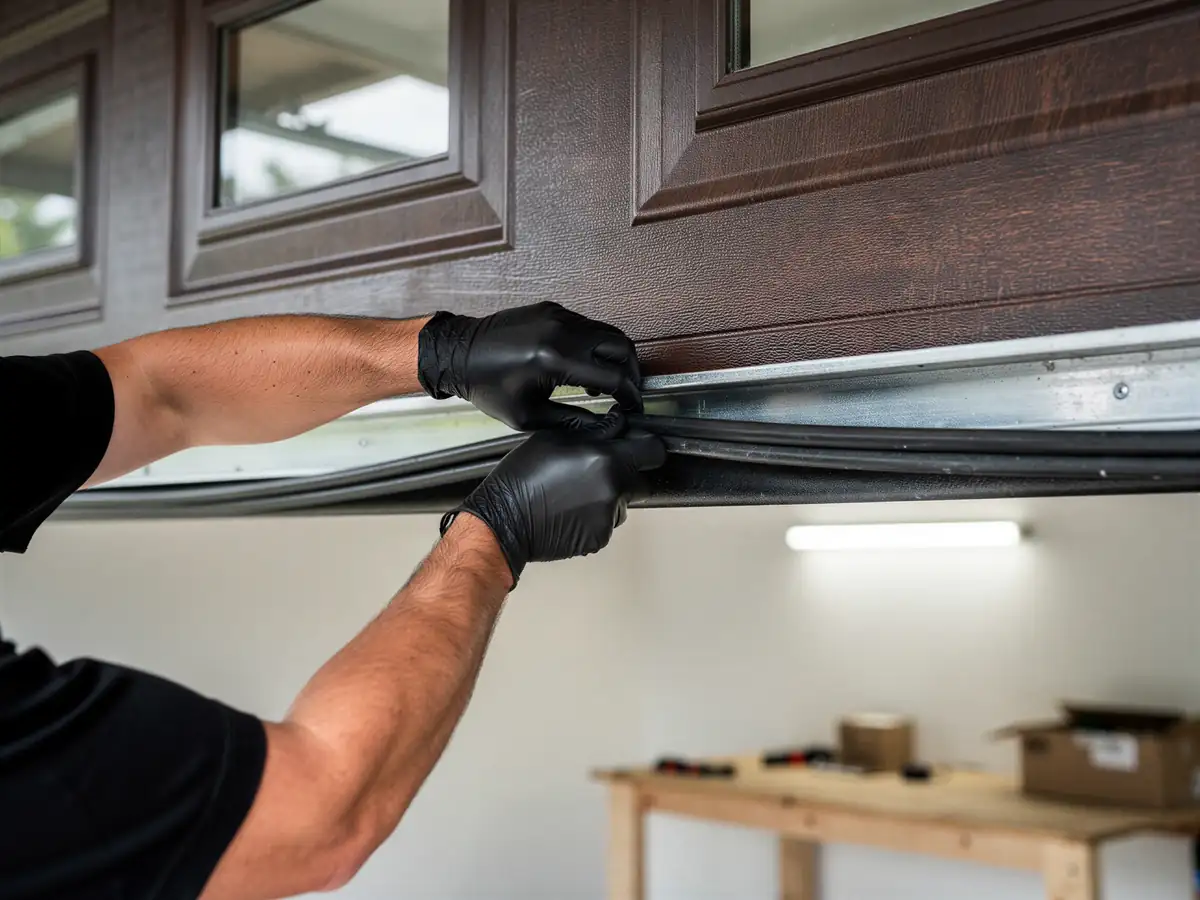
Or the spring side looks like it's sagging lower than the other, that's an extension spring losing tension - common on doors original to houses from the 1978 era, where the spring and the cable (if there's one at all) have never been swapped. If the door reverses halfway down and climbs back up, that's usually the opener's safety sensor or the limit setting, not the spring.
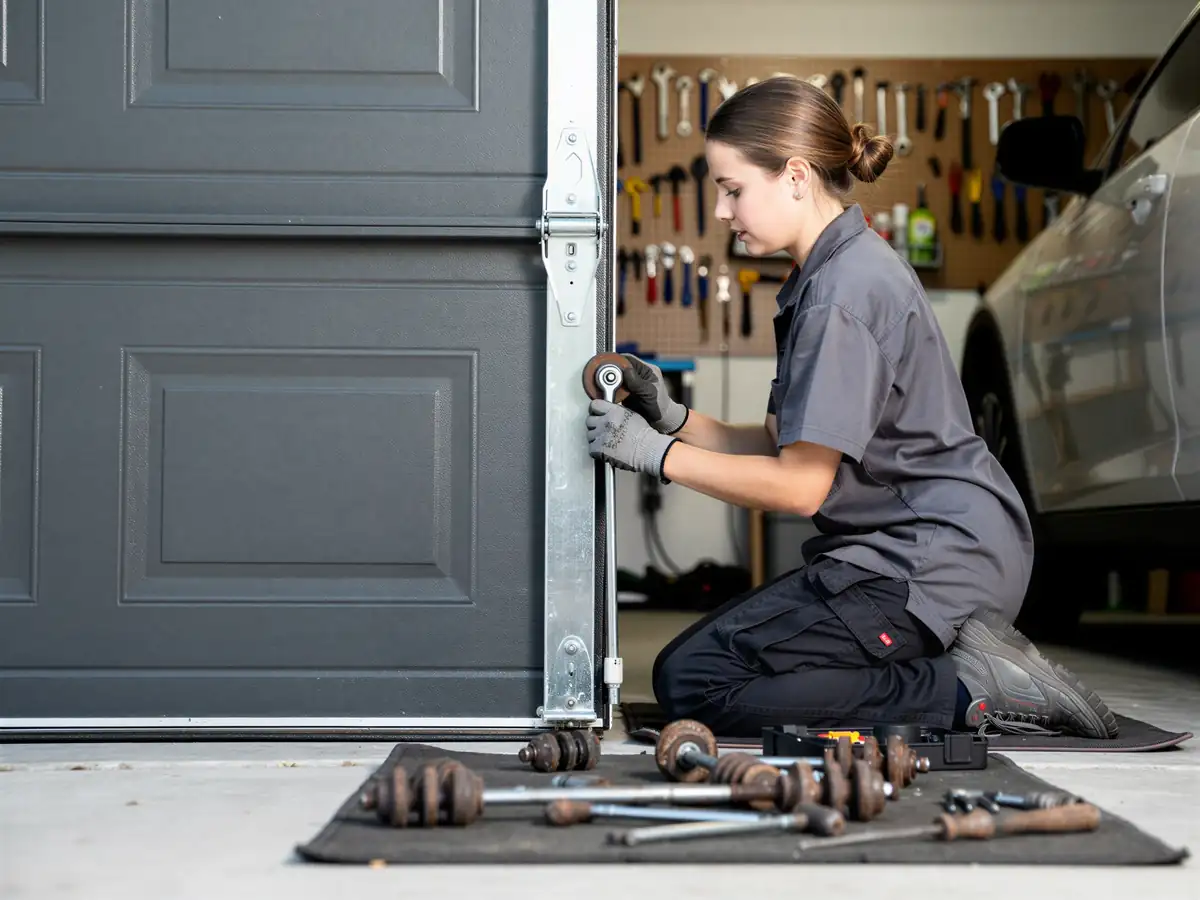
A grinding or popping sound right before the door stops moving is often a roller giving out
Especially the steel ones that came standard on doors from this build period - they wear a track groove over enough years and start binding instead of rolling.
Mild temperate conditions here mean the metal isn't fighting freeze-thaw cycles the way it would further north
So when hardware fails in a Margate garage it's almost always straight fatigue from the number of times the door's gone up and down, not weather damage.
What Can Go Wrong
The worst version of this call is a door that's been