Why This Fails Locally
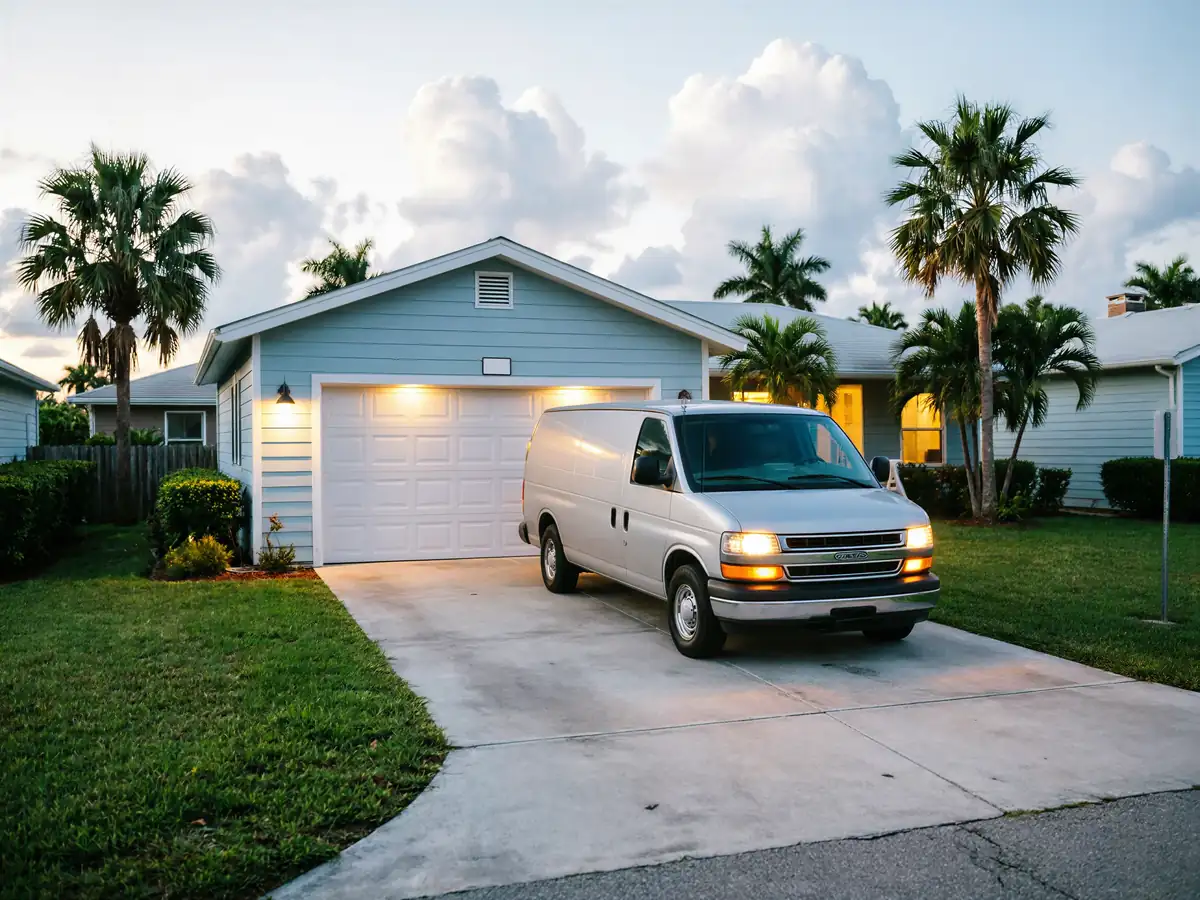
Margate sits nine miles from our Plantation shop
And that distance shapes how an opener call here actually runs. It's far enough that we don't treat it as a quick in-and-out - a tech heading to Margate is usually stacking that stop against other calls on the same side of the county, which is why we ask what the opener is doing before anyone gets in the truck.
The bigger factor is the housing itself
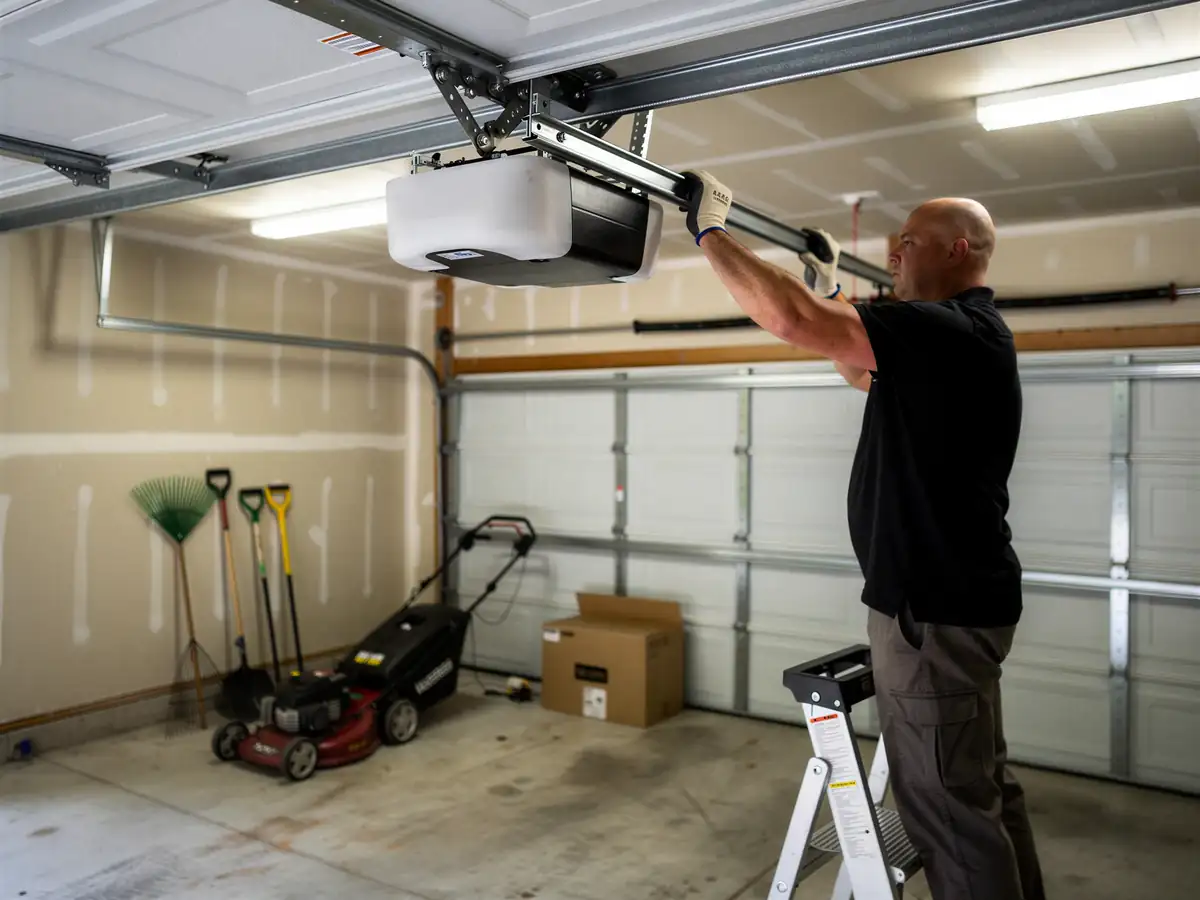
Most homes in Margate went up around 1978, which puts the bulk of the neighborhood squarely in the chain-drive era - half-horsepower motors, mechanical limit switches, and logic boards that predate the rolling-code remotes most homeowners expect today. When one of these units fails, it's rarely a clean part swap. The gearing, the drive rail, and the control board were all matched to a motor Sears or Genie doesn't build anymore, so a repair sometimes means adapting a modern head unit to an old rail instead of a straight replacement.
Humidity plays a role too, through the mild coastal climate this whole area sits in
It corrodes circuit board contacts and pits the metal on older limit switch arms faster than a dry climate would, which is part of why a 45-year-old opener in this zip code often fails at the board before it fails at the motor.
The Cost of This Job
We don't have a published price list for opener repair in Margate, and we're not going to guess one here - what a visit runs depends on whether the fix is a logic board, a gear set, a capacitor, or a full head-unit swap, and that's a call the tech makes standing in front of the unit.
What we can speak to is the decision-making. With median household income in Margate around $60,852, most of the calls we get here are from people weighing a repair against a full opener replacement, not reaching for whichever is faster. That's a fair way to think about it: if the motor's shot but the rail and sensors are sound, repair usually wins. If the board's gone and the unit is original to a 1978 build, you're often better putting the money into a new opener than chasing parts for one that's outlived its manufacturer support.
One honest limitation - if a part is specific to a motor that's been discontinued for twenty years, we may not be able to get it quickly, or at all. In that case we'll say so on site rather than stringing out a repair that isn't worth doing.
How to Book
Book through our Margate page and note that it's the opener acting up, not the door itself - that gets the right parts loaded before the truck leaves Plantation. If you're not sure whether the problem is the opener or the door's spring and tracks, our opener repair page for Plantation breaks down the difference in symptoms, and it applies the same way here since the hardware eras overlap.
Because every Margate call is dispatched from Plantation, nine miles out, it helps to describe what's happening up front: does the opener hum but not move the door, is it silent, do the lights blink, does the remote work from only one spot in the driveway. Those details change what's on the truck. We don't run a local branch in Margate, so there's no walk-in counter - everything starts with that call or booking, and the tech comes from across town with the job already scoped as well as we can scope it over the phone.
What You Are Seeing
With roughly 24,634 households in Margate, we see a fairly consistent pattern across the suburb
Openers original to the late 1970s and early '80s builds either lose their memory of the remote code, or the chain starts skipping on a worn sprocket, or the whole unit just goes quiet. A door that reverses right after it starts closing is almost always a safety sensor out of alignment, or on older units without photo-eyes at all, a built-in force setting that's drifted with age.
- 24,634 households
A remote that works sometimes and not others, especially close to the opener
Usually means a weak antenna wire inside the head unit or a dying circuit board - both common in units old enough to predate today's rolling-code security standard. If the opener runs but the door barely moves, that's more often the door's springs than the opener itself, which is a different job and a different symptom pattern we'd flag separately on the call.
What Can Go Wrong
The most common failure on these older units is a stripped nylon gear inside the motor housing - a $20 part that, if ignored, takes the motor with it because the gear keeps spinning under no load and burns out the windings. Capacitor failure is close behind, especially in units that have sat through enough humid summers; the opener hums on start-up but the door never moves.
On chain-drive systems from this era, the chain itself stretches over decades and starts jumping the sprocket, which looks like a dead motor but isn't. Circuit boards corrode at the solder joints from years of garage humidity, and once a board starts failing intermittently, it rarely fixes itself - it gets worse on its own schedule, not yours.
The risk we flag most: forcing a repair on a unit this old just to avoid a replacement cost. If the motor housing is cracked or the board has been swapped once already, a second repair is often throwing good money at a machine that's at the end of its working life.