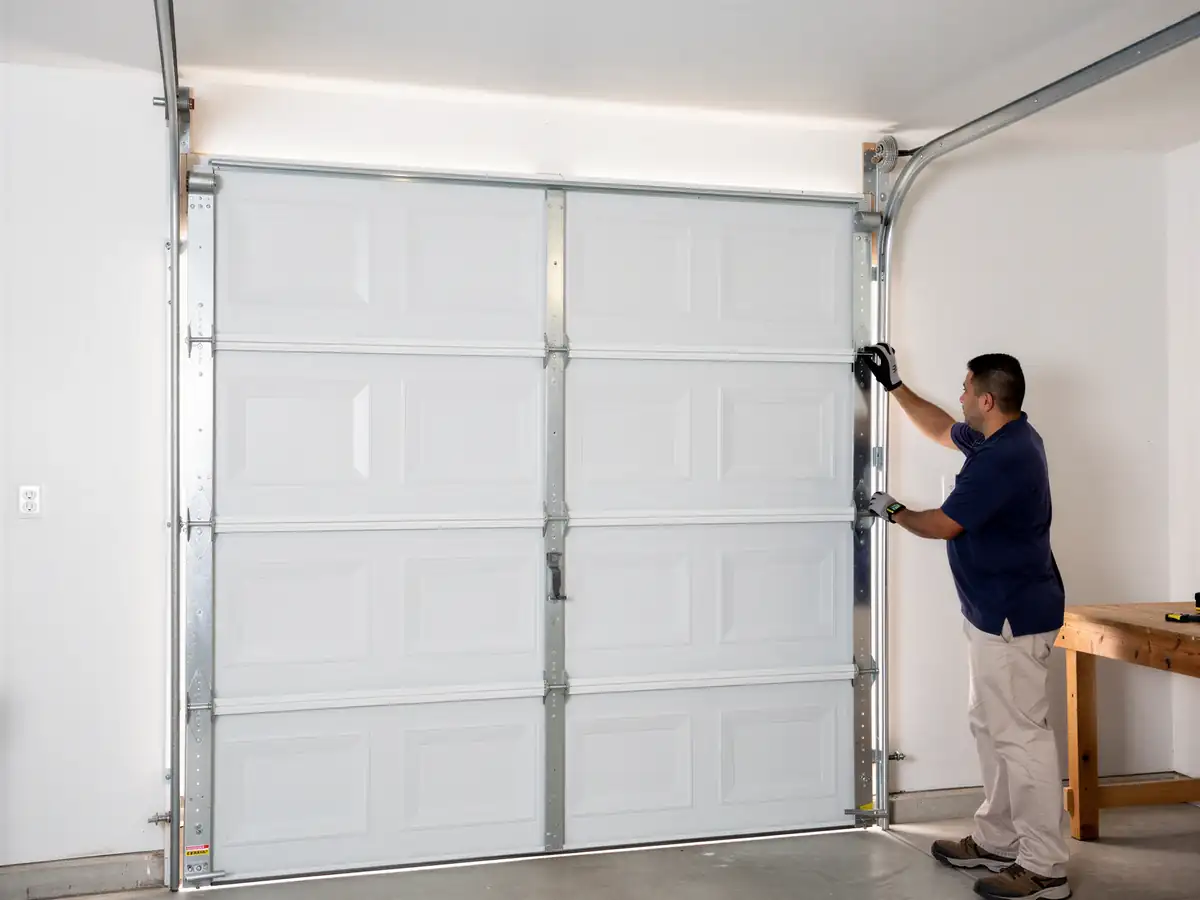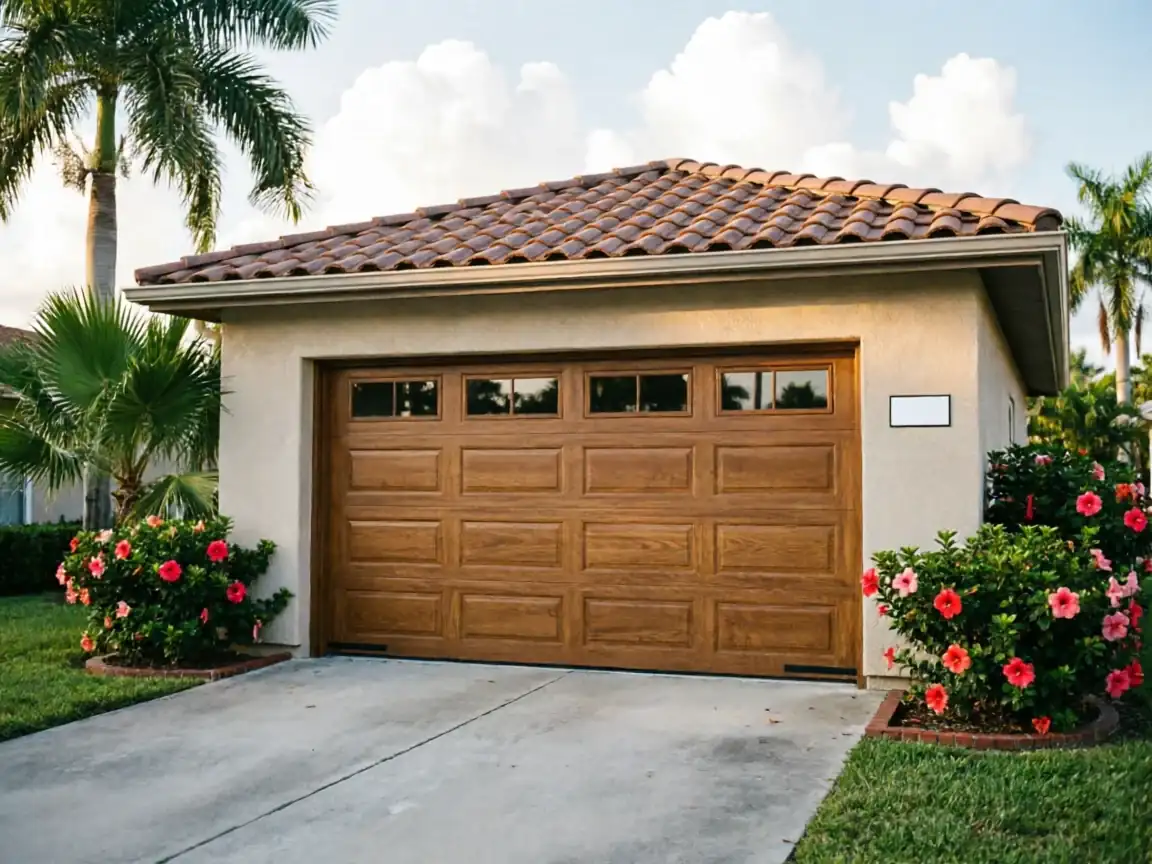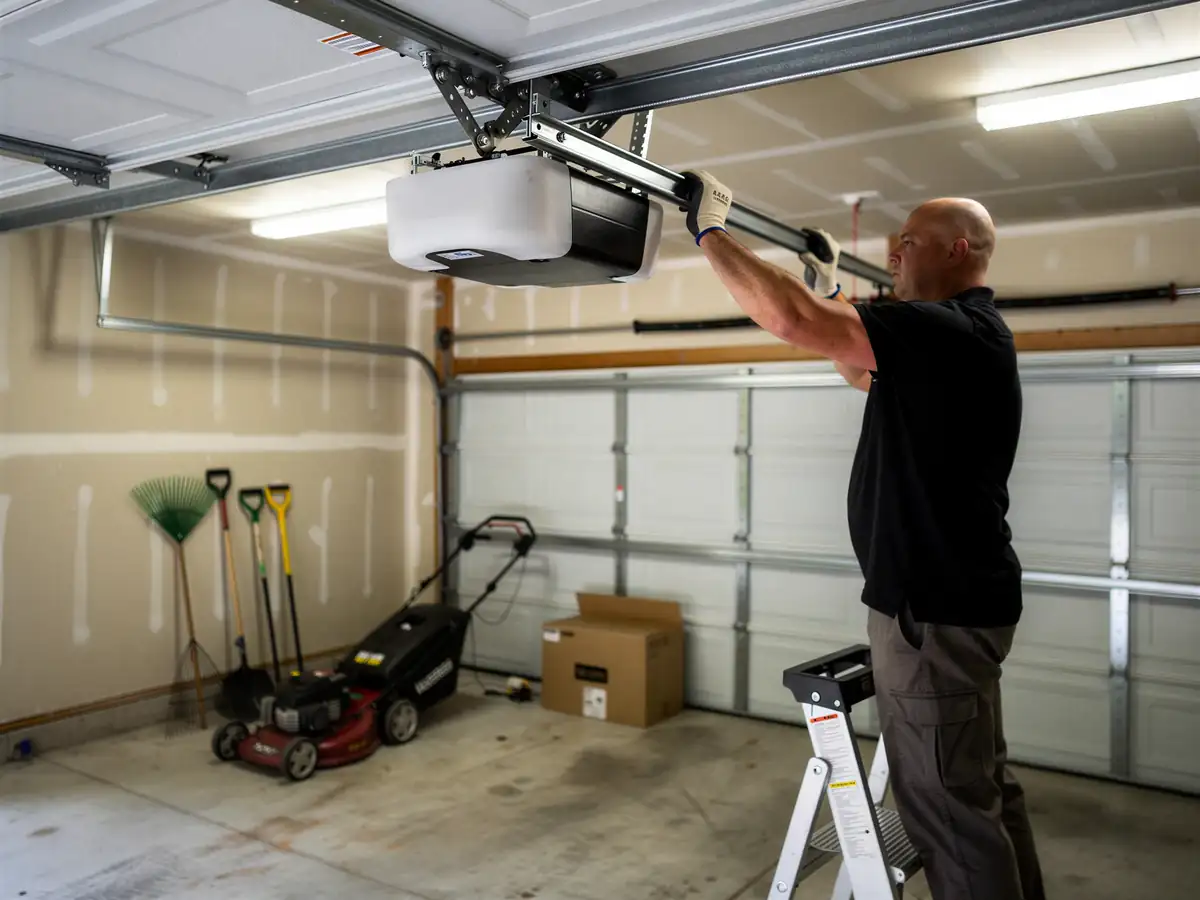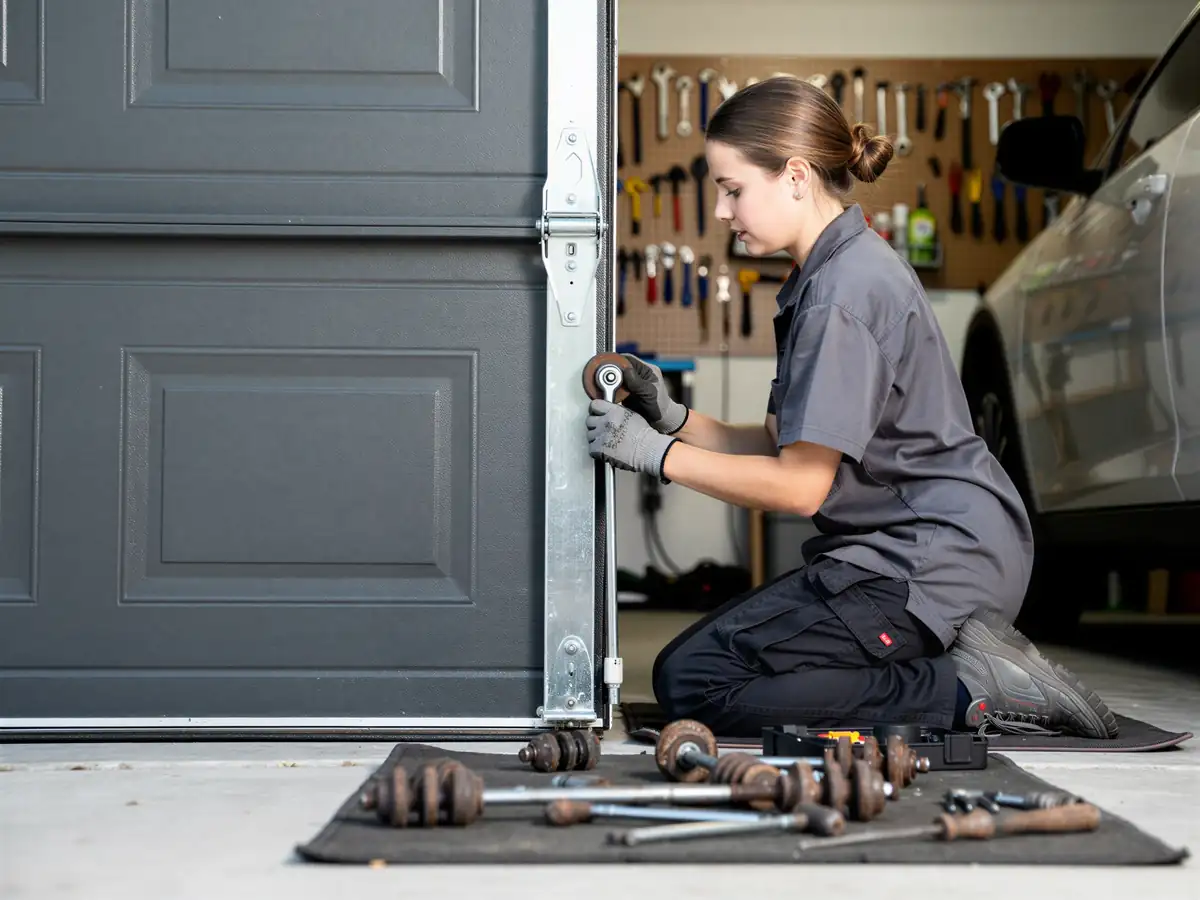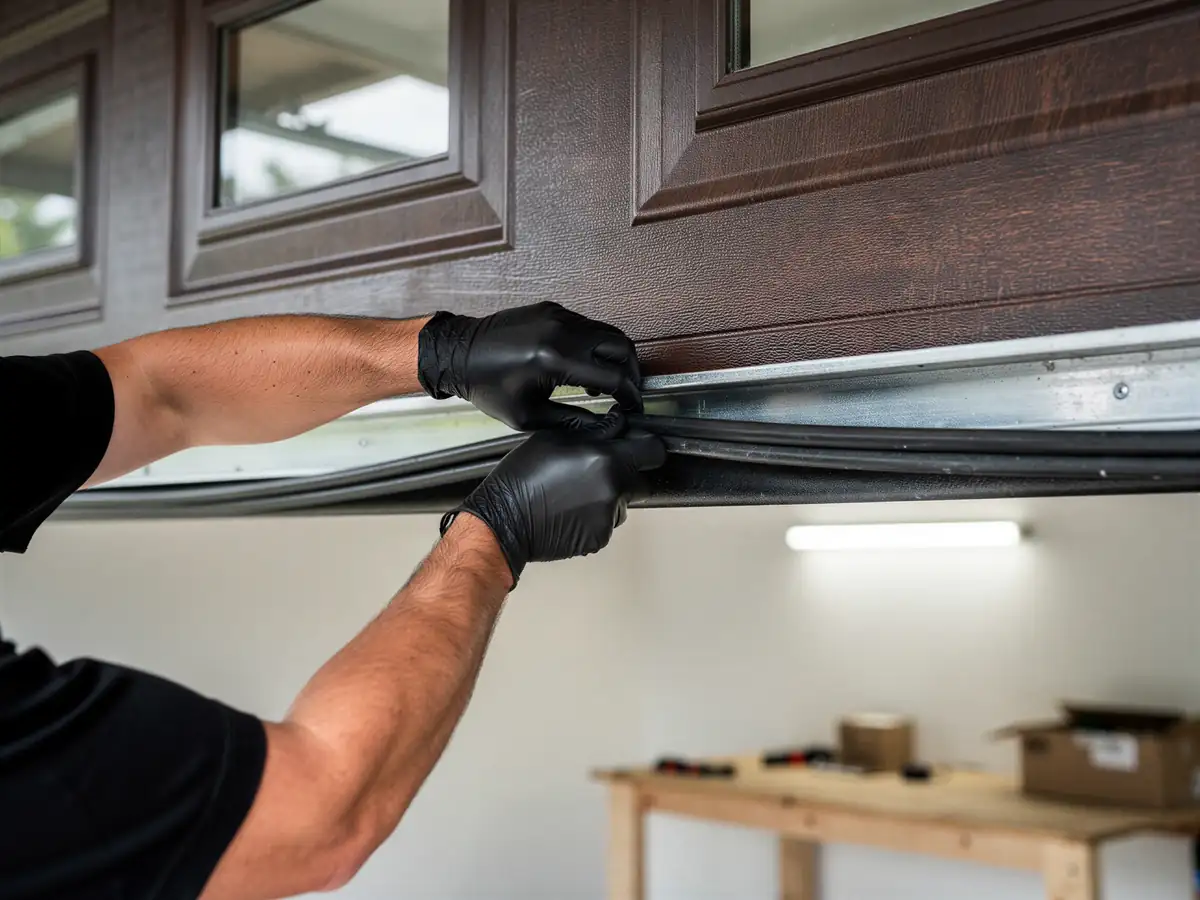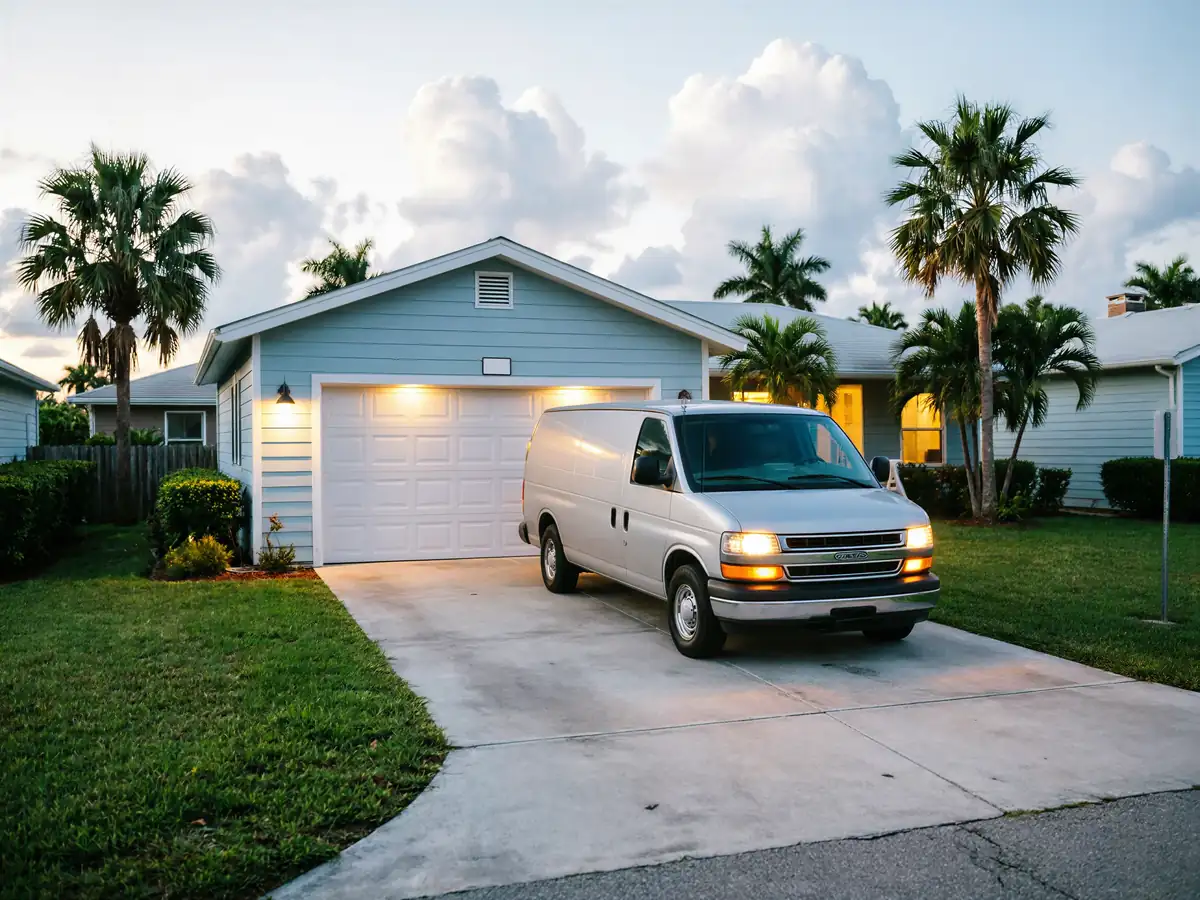
What You Are Seeing
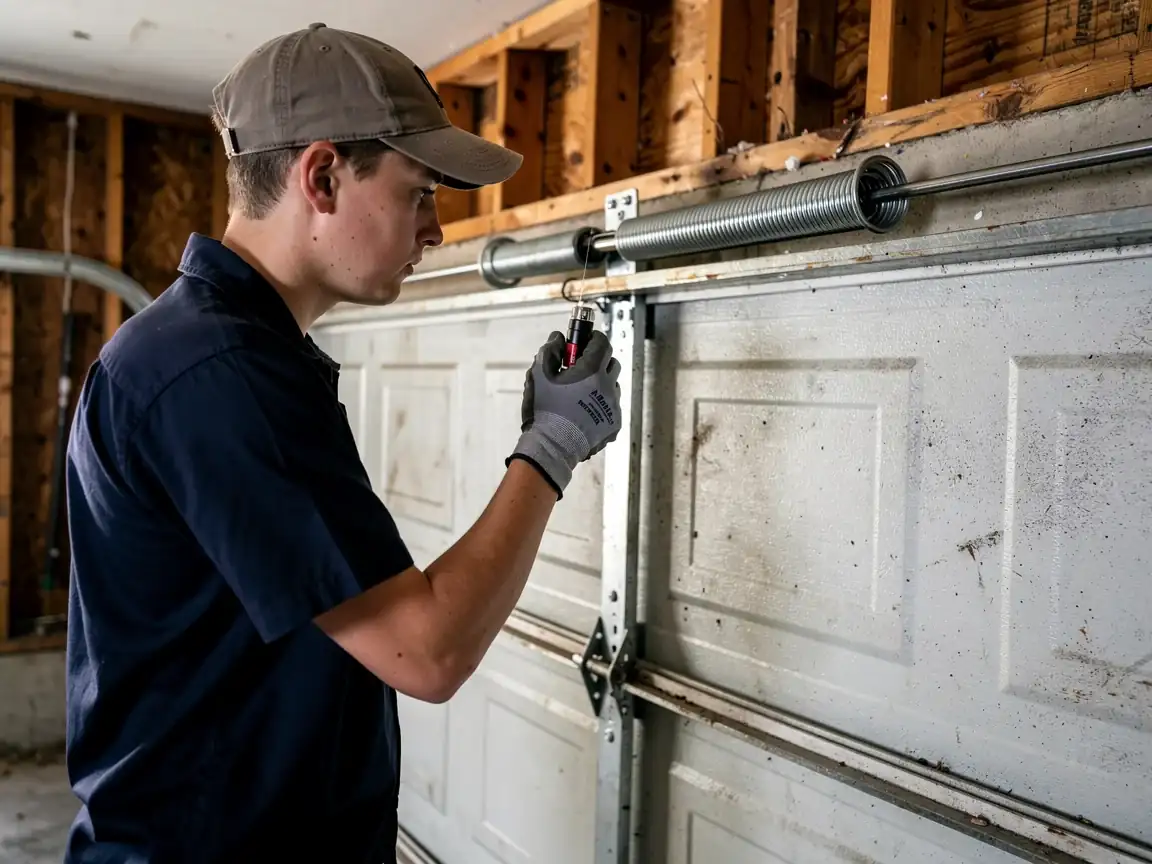
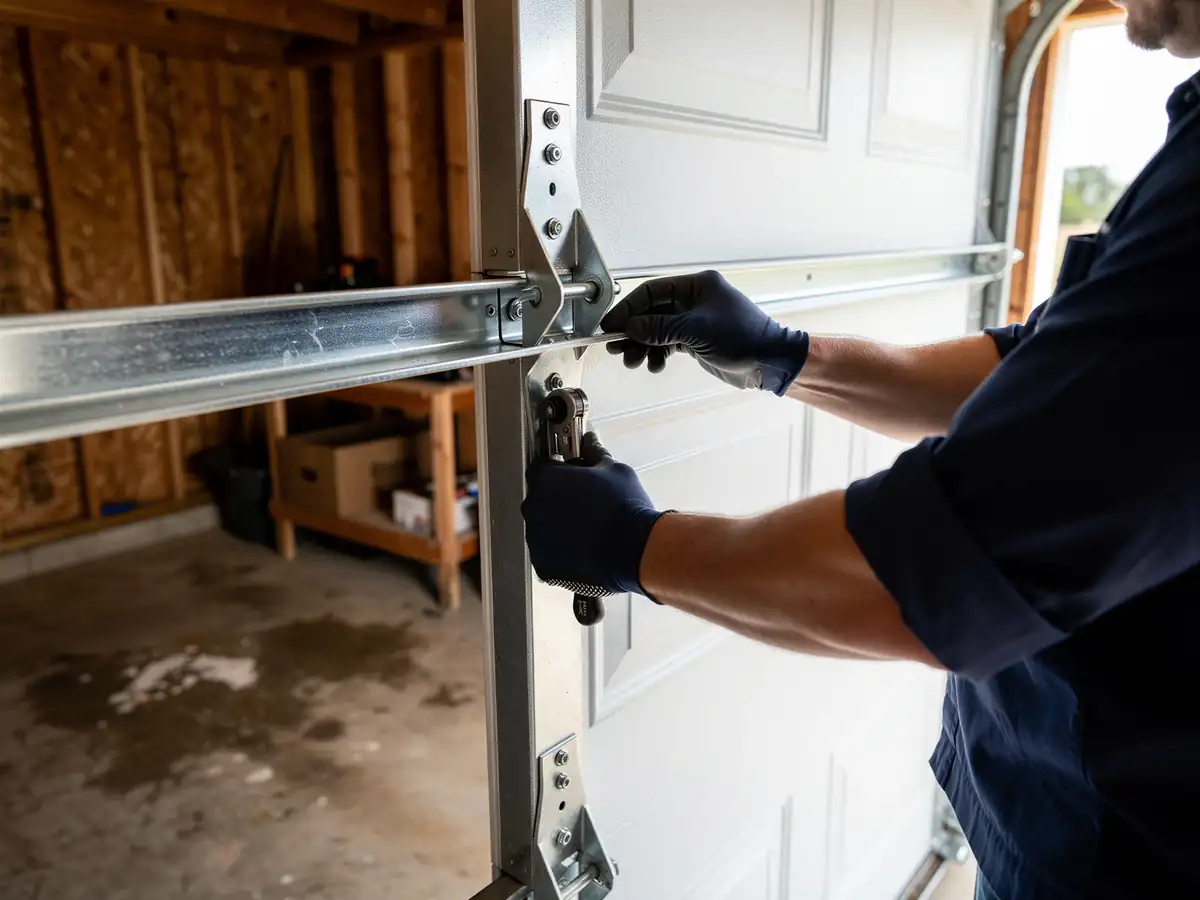
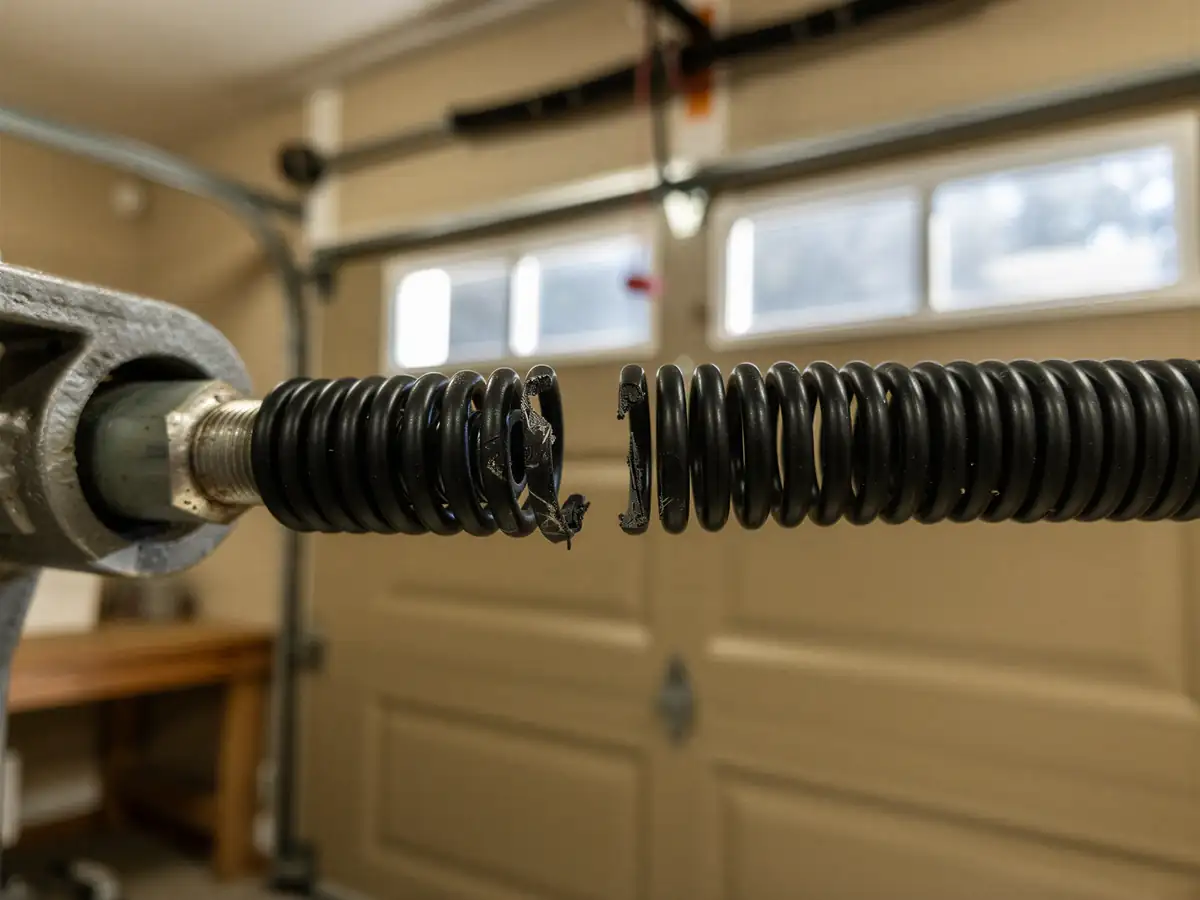
The usual sign is a door that won't lift past a foot or two, or one that slams down fast because the spring's tension is gone. On the 1960s-70s stock that makes up most of this service area, the giveaway is often a spring that's still the original wind count but has gone well past its cycle life - the coils look fine until you look closely and see one is stretched longer than the other, or a gap has opened where a coil snapped. On a house built in 1976, that spring has had decades to fatigue even without heavy daily use. Rust along the coil is common too, since these springs have sat through years of South Florida humidity without any maintenance. If the door only opens a few inches with the opener straining, that's the motor trying to do a spring's job - stop running the opener at that point, since it can strip the gear.
Why This Fails Locally
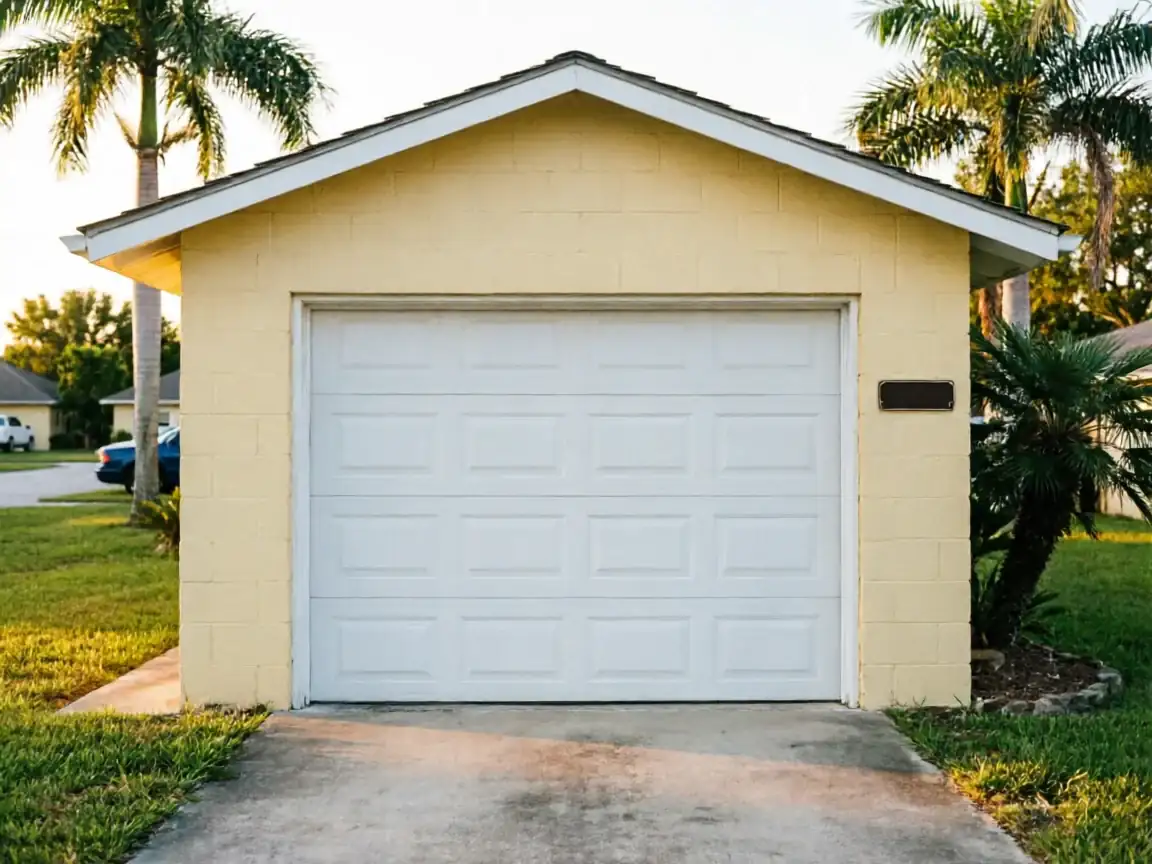
This area sits in a mild temperate band - no hard freezes, no wild swings - so spring failure here isn't about cold snapping metal the way it does further north. It's cycle fatigue plus humidity. A torsion spring is rated for a set number of open-close cycles, and in a 1976-built garage that spring has likely been doing that job, uninterrupted, for decades longer than its rated life. Add Florida's year-round moisture working on exposed coils and the metal corrodes from the outside in, which weakens it faster than the cycle count alone would predict. That combination - old spring, humid air, no real off-season to slow things down - is why springs on this side of our service area tend to fail outright rather than just get stiff and noisy first. There's no landmark or storm pattern driving it. It's the age of the house and the air doing their work quietly.
The Cost of This Job
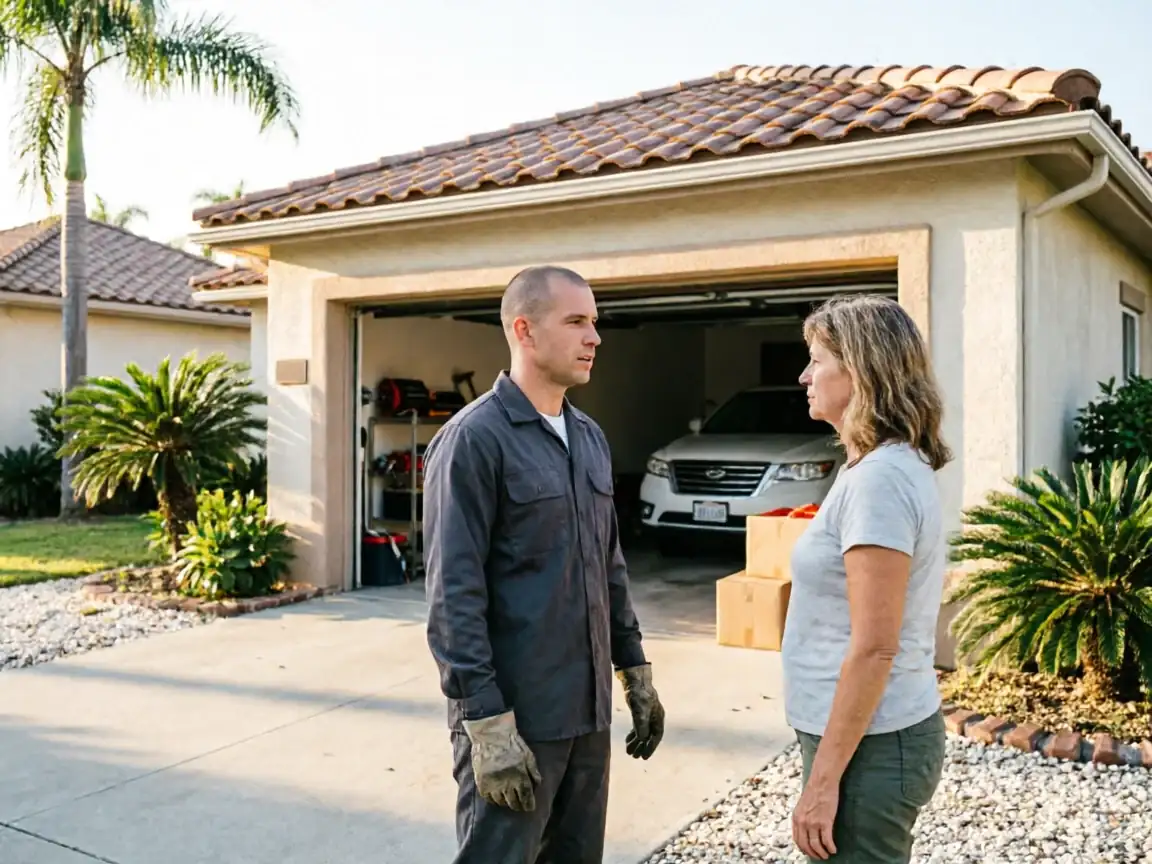
We quote the spring repair itself before anyone drives out - size, wind, and whether it's a one-spring or two-spring setup, which is the main thing that moves the price. With Lauderhill's median household income at $49,685, we know a surprise number at the door is the last thing anyone wants, so we're specific about it on the phone, not just in a range. What we don't do is push a full door replacement on a spring call unless the drums, bearing plates, or track are also failing - if the only problem is the spring, that's the only thing we touch. Where it gets more expensive is a door that was upgraded to a heavier insulated panel sometime after the original 1976 build without the spring ever being resized to match; that's a different, larger spring and sometimes a second one, not a straight swap.