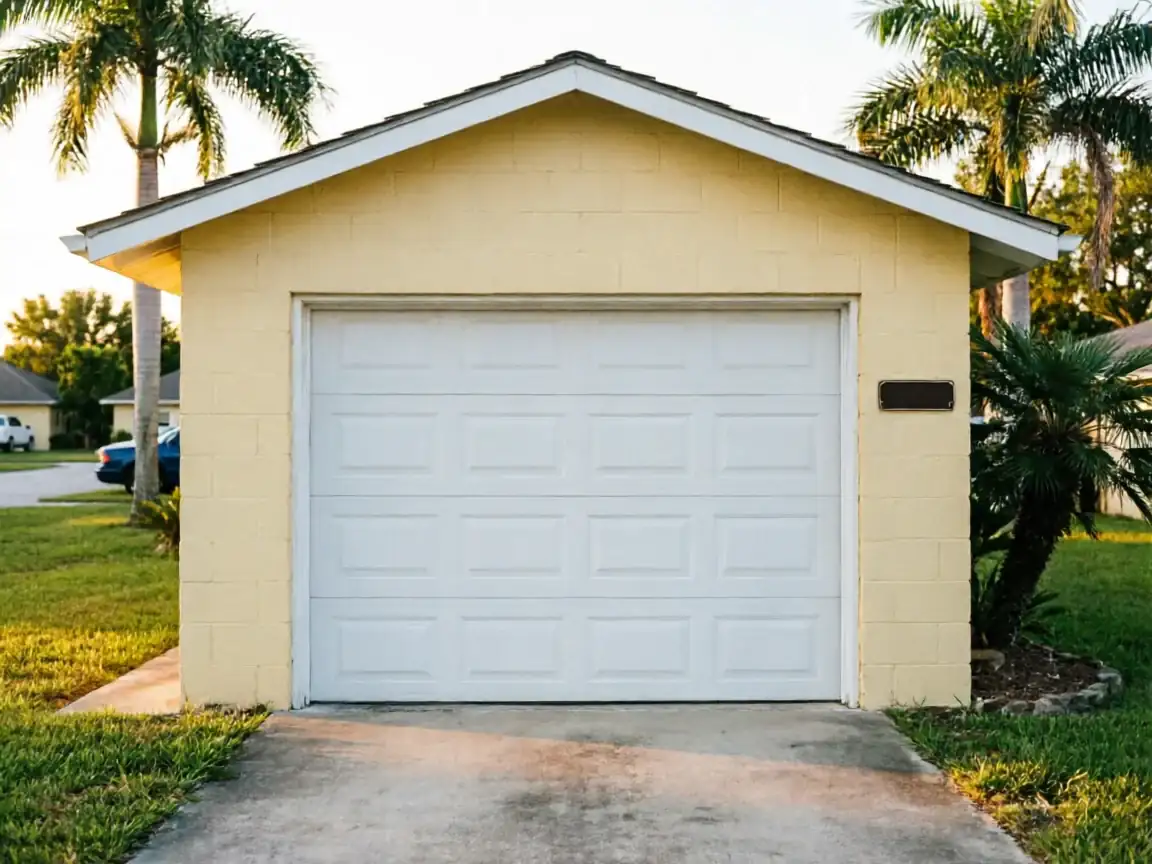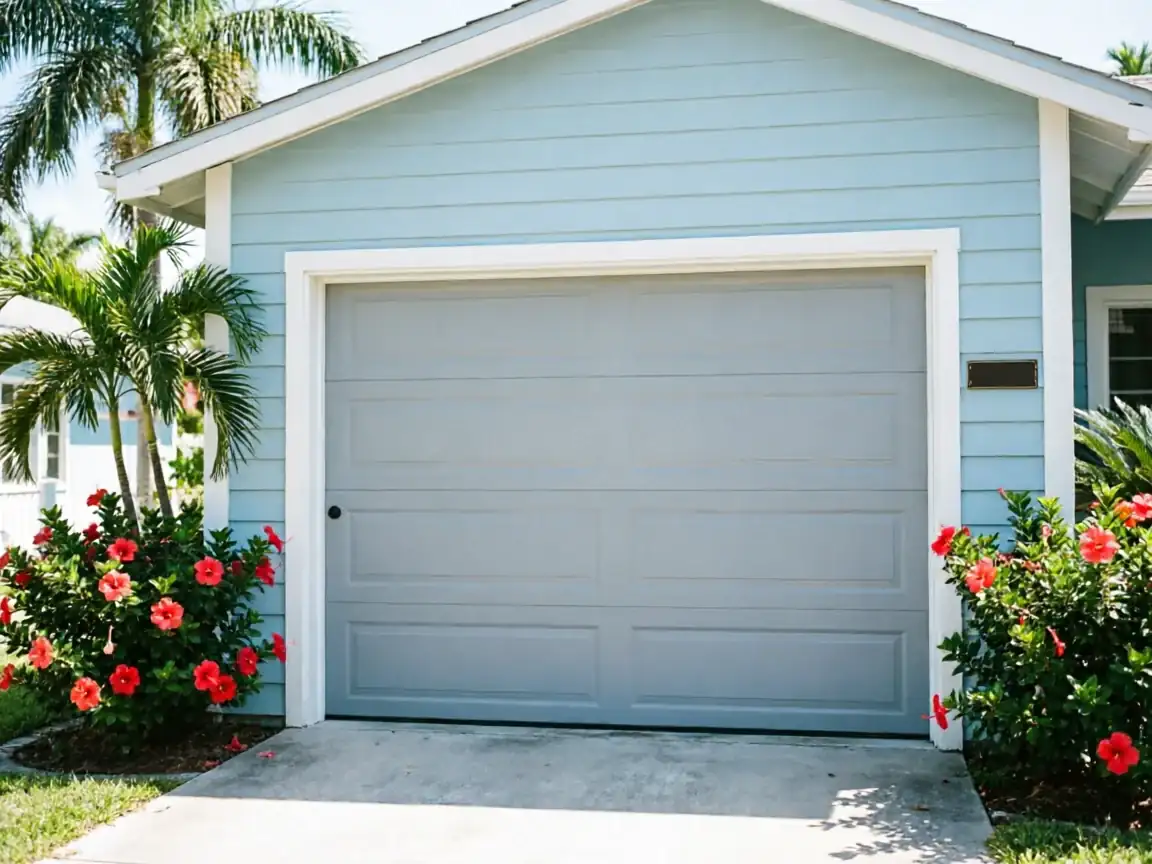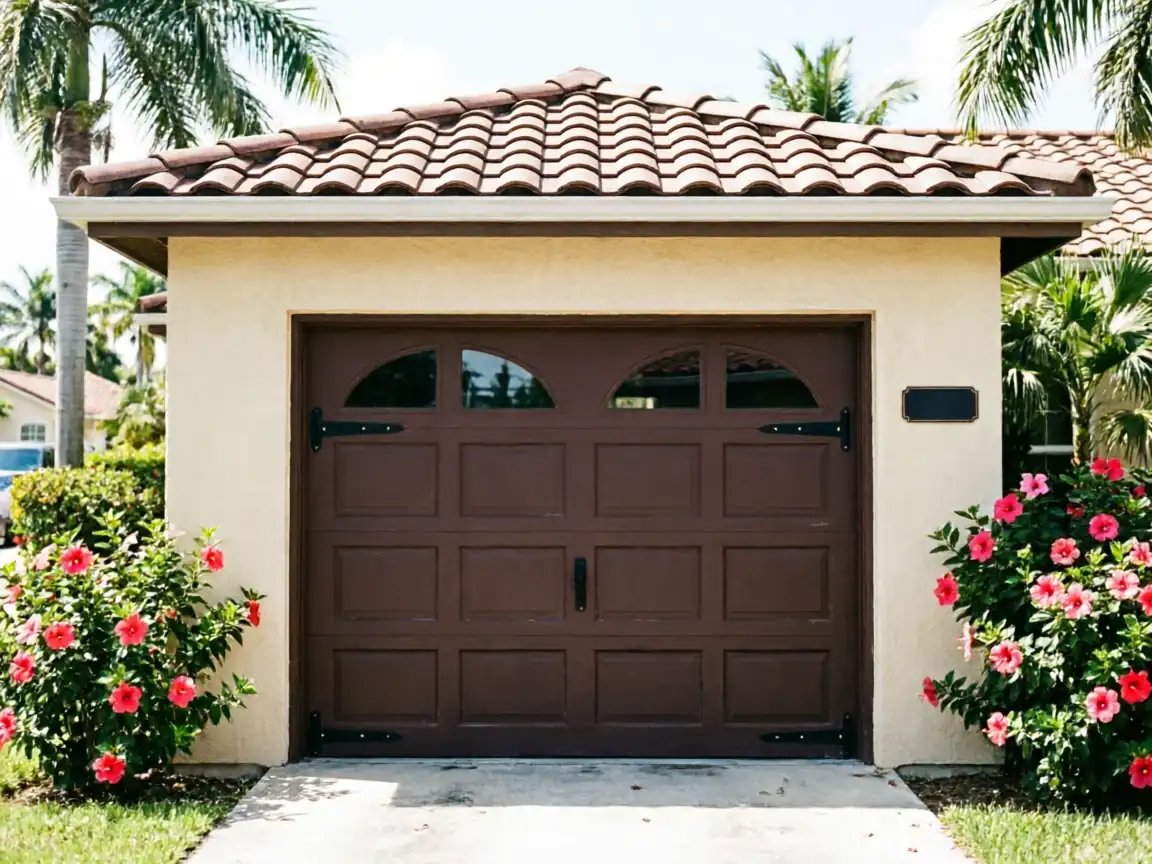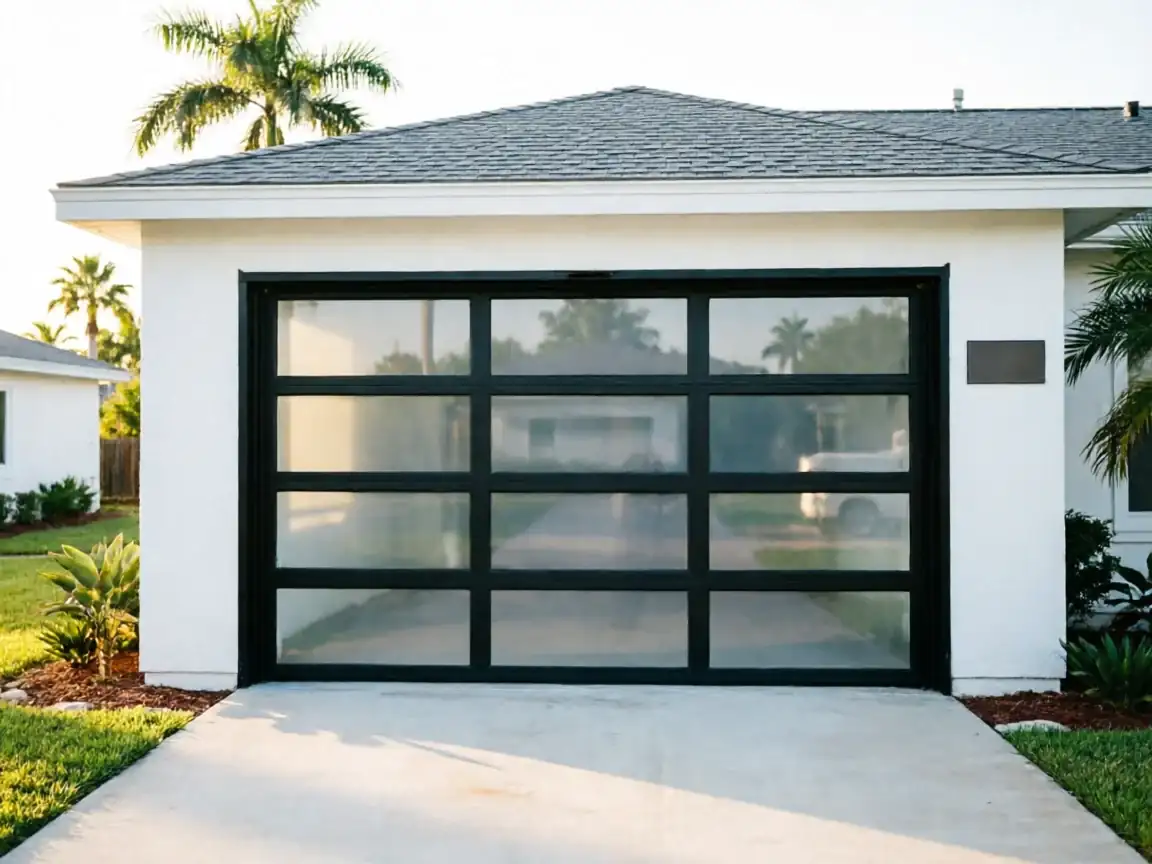
What You Are Seeing
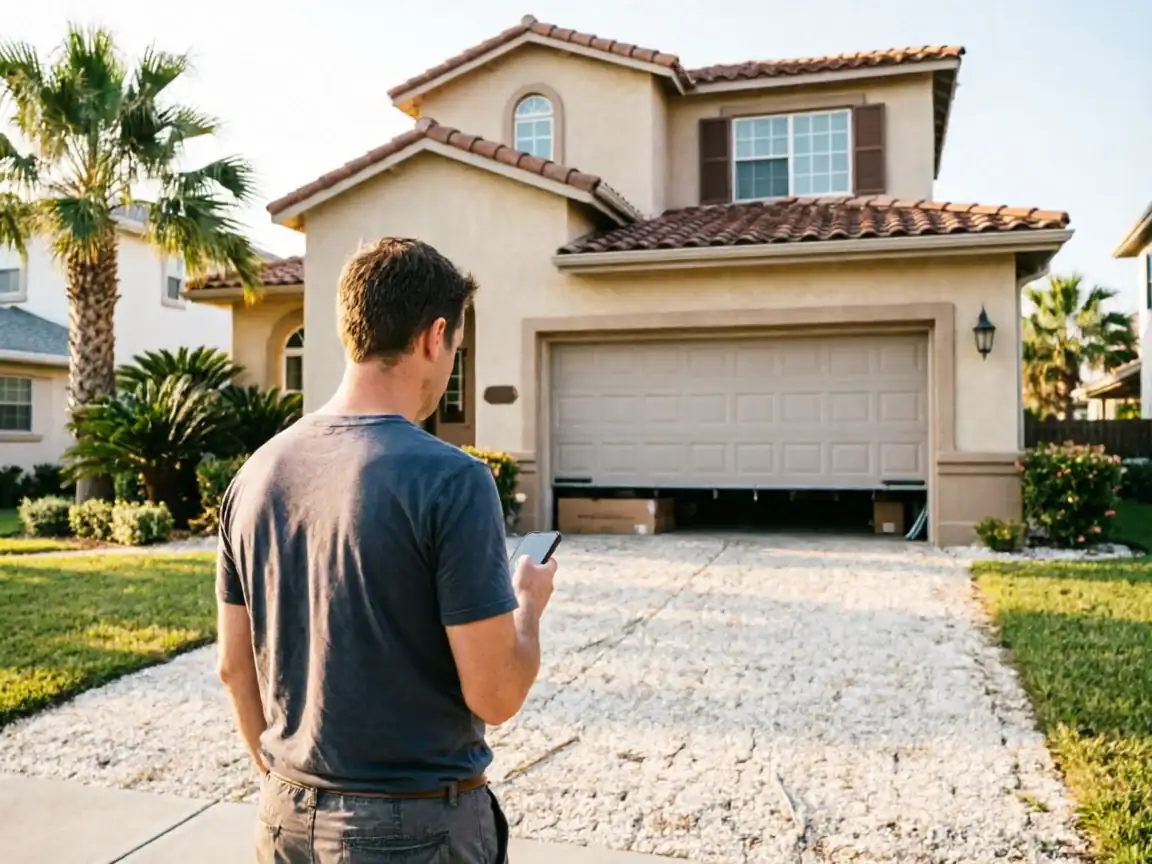
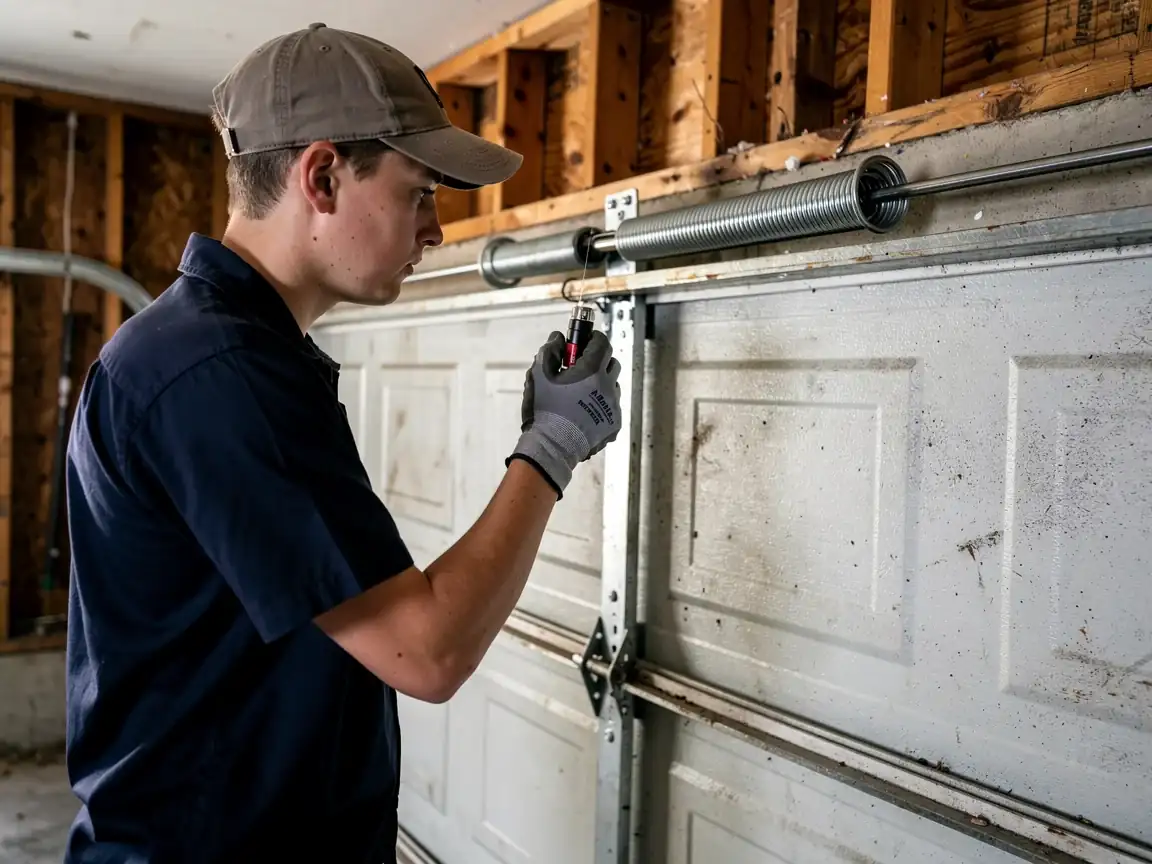
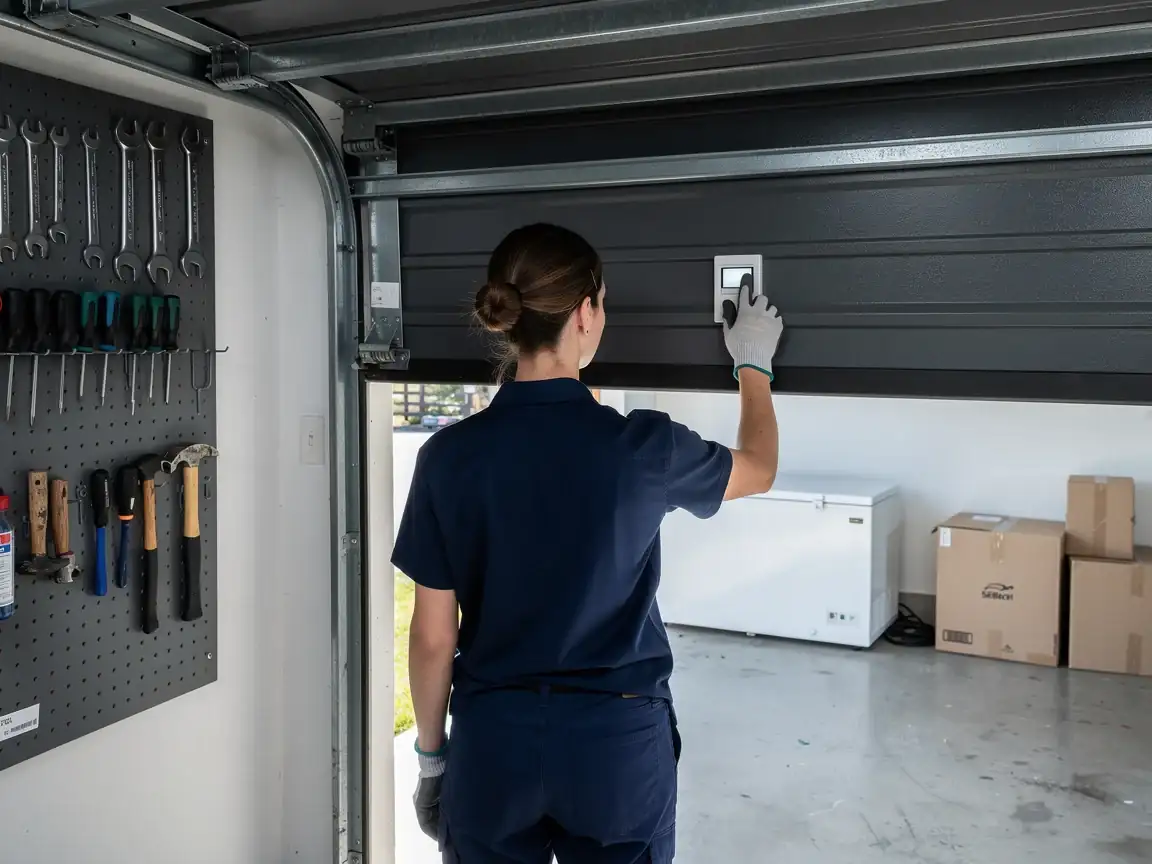
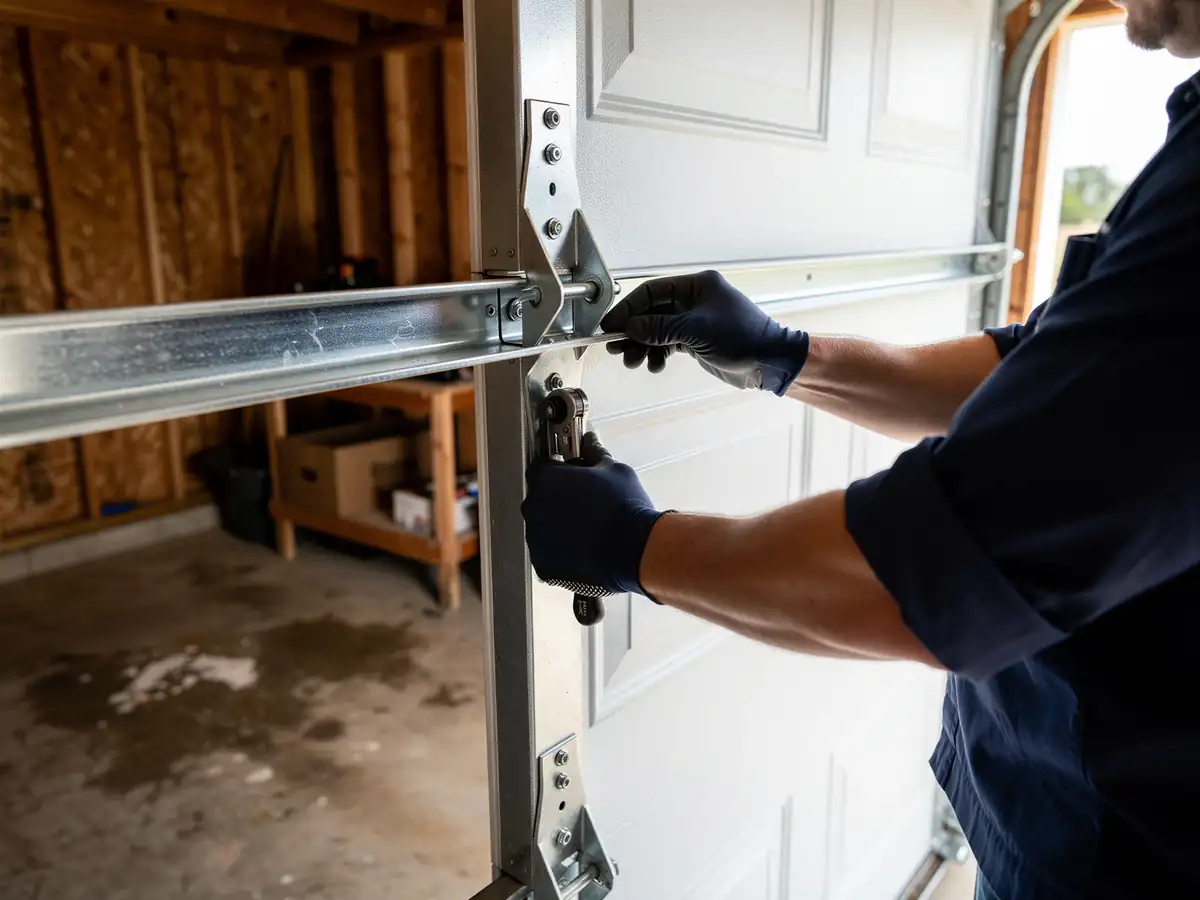
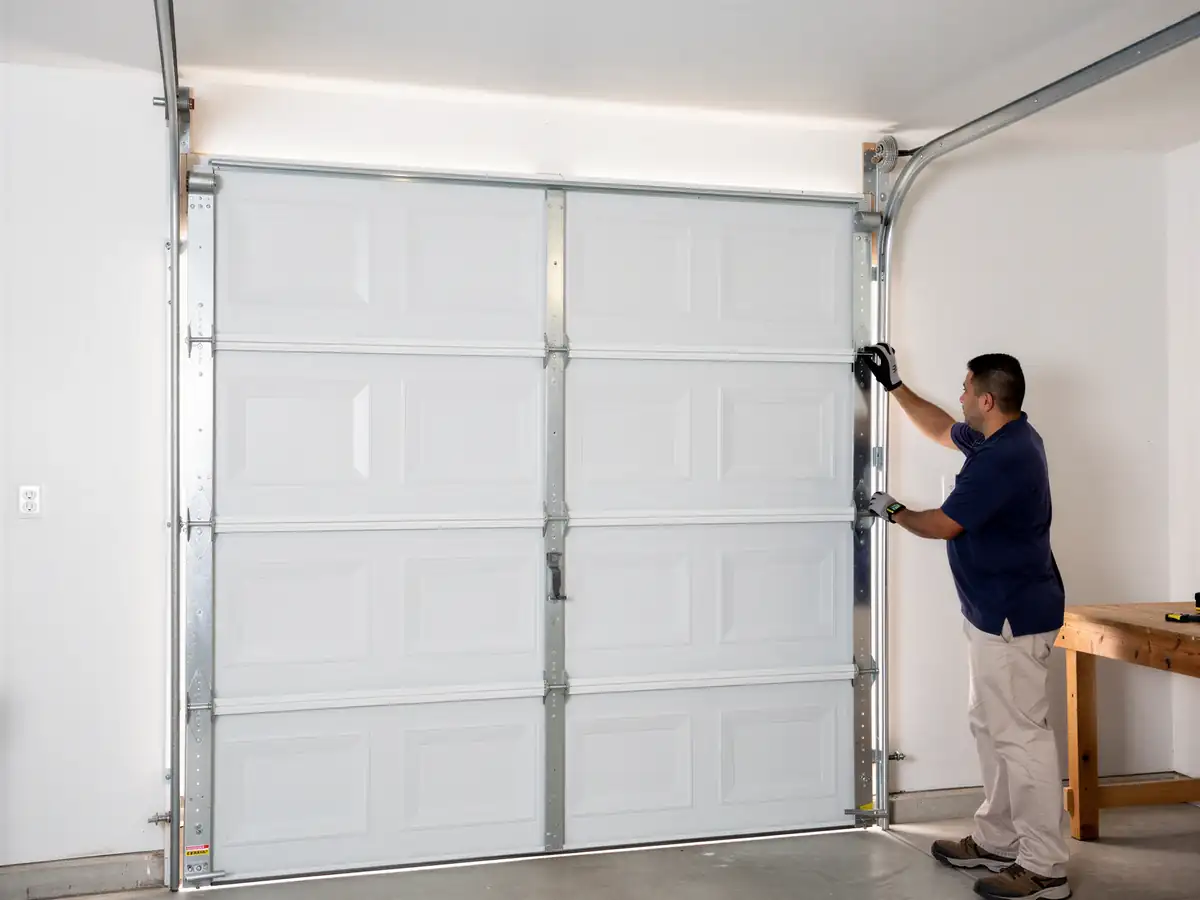
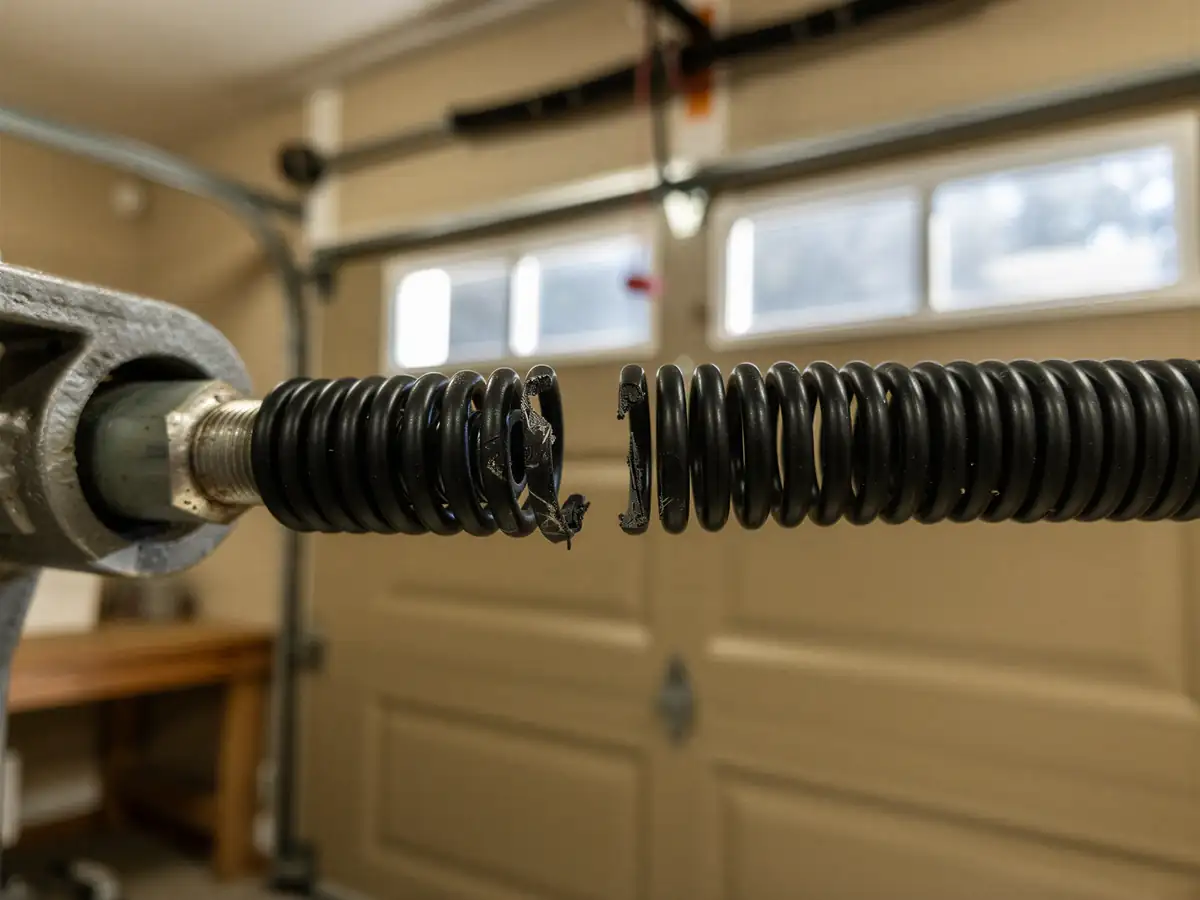
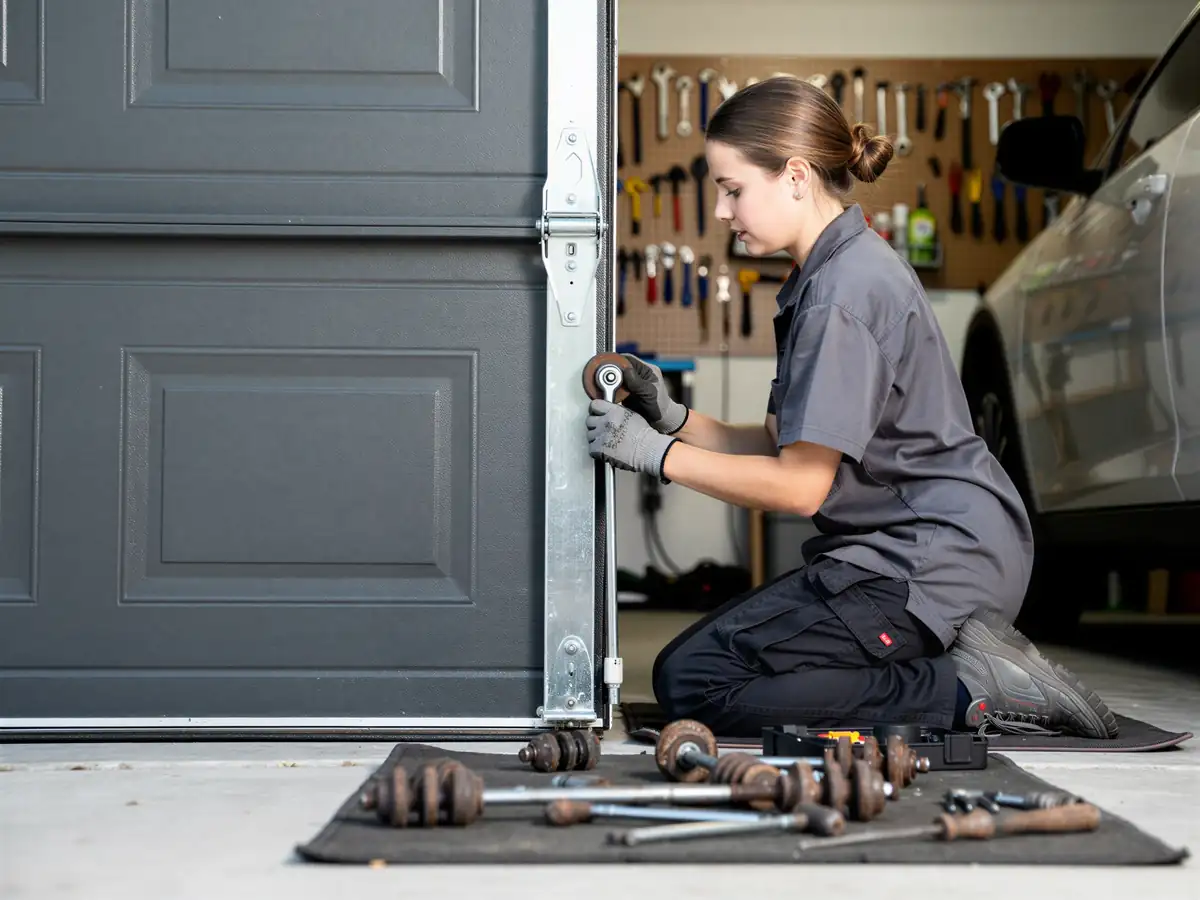
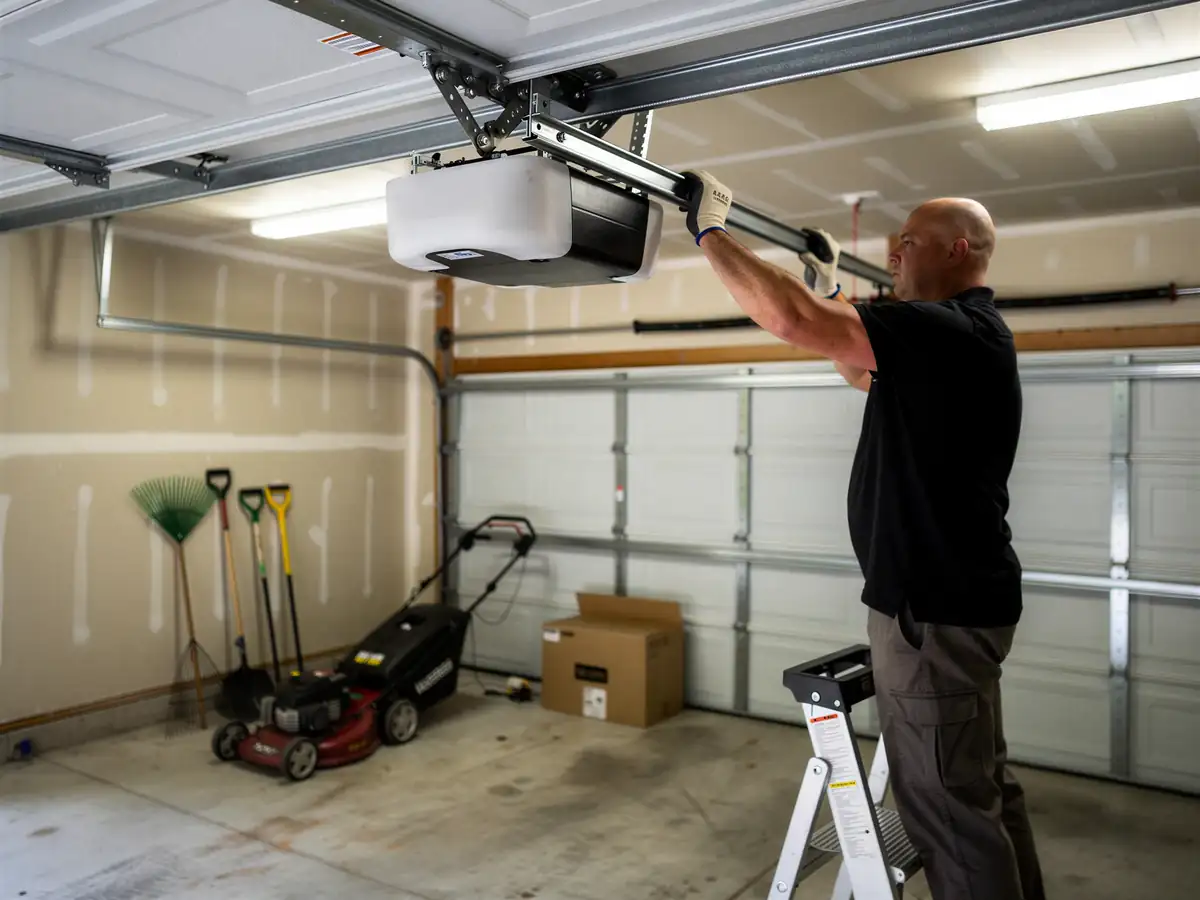
A lot of the calls we get from this part of the service area aren't about a dead opener - they're about one that half-works. The carriage moves but the door doesn't fully close. The motor runs but the chain or belt doesn't engage. The remote works sometimes and not others. In houses built in the 1976 range, these symptoms usually trace back to worn drive gears (a known failure point in older chain-drive units), a logic board that's taken enough power surges over the decades to start dropping signals, or safety sensors that were added later and were never aligned quite right. If your opener predates modern auto-reverse safety sensors, that's also something we flag rather than quietly work around, because it's a safety issue, not a convenience one. We're not going to tell you every noise means a new motor - sometimes it's a $20 gear kit, sometimes it's not worth touching at all.
Why This Fails Locally
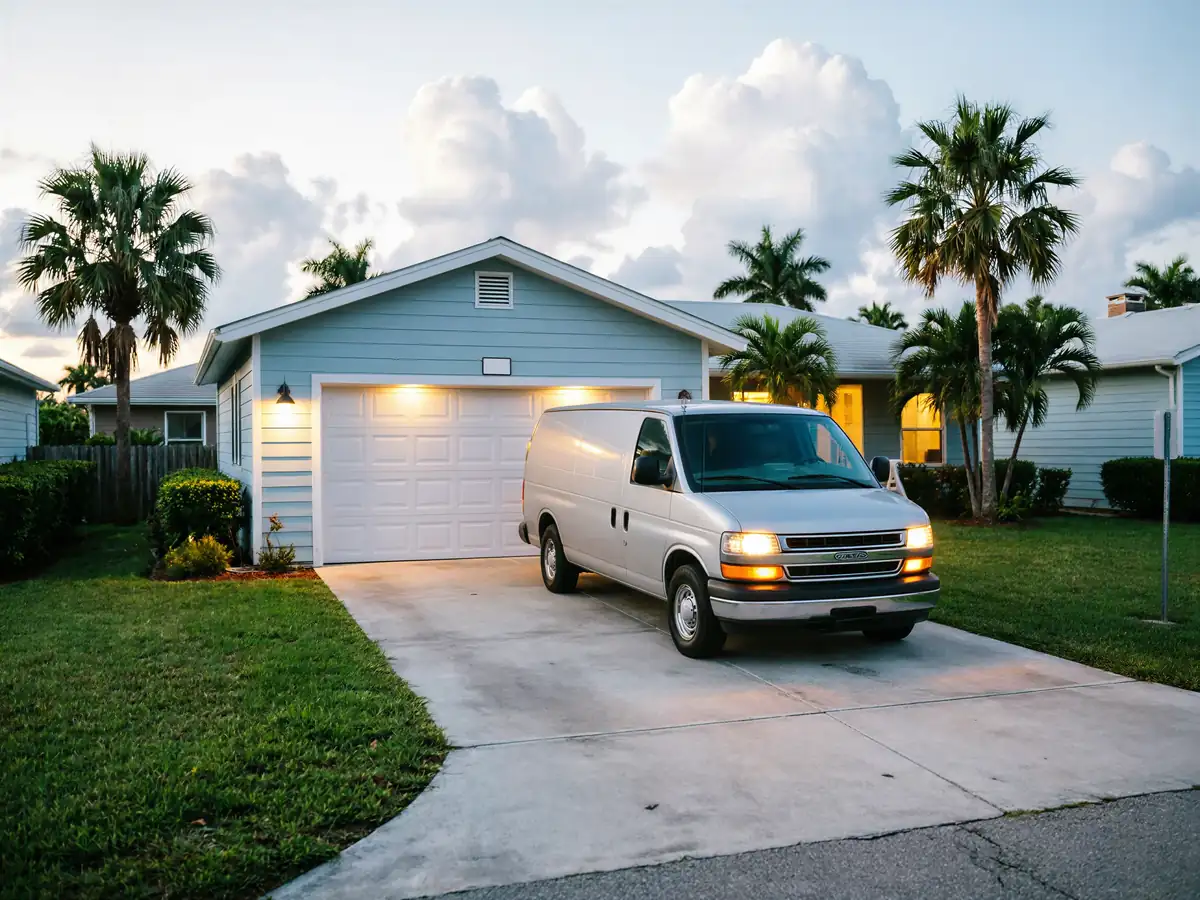
Lauderhill's housing mostly dates to the 1960s and 70s construction wave that built out a lot of this part of the county, and that means a large share of garage openers here are either original to the house or close to it - pushing forty to fifty years of motor hours. Add a mild, humid climate year-round with no hard freeze-thaw cycle, and the failure pattern isn't cracked housings or seized bearings from cold - it's electrical: corroded contacts, tired capacitors, boards that have absorbed decades of humidity swings. At a median household income of $49,685 here, noticeably below the $60,853 median across the wider area this company covers, we also see more units that got nursed along past the point other neighborhoods would have replaced them, which means more of what we find has multiple small failures stacked on top of each other instead of one clean fix.
The Cost of This Job
With Lauderhill's median household income at $49,685, the repair-versus-replace line matters more here than a flat rule of thumb. A gear kit, a sensor realignment, or a circuit board swap on an opener that's otherwise sound is almost always the cheaper call and the one we'll recommend first. Where it tips toward replacement is a motor that's failed outright on a unit already old enough that it predates current safety-reversal standards - at that point you're not just fixing a motor, you're bringing the whole opener up to a standard that protects your family, and patching the old one doesn't do that. We don't have a set price to quote you in the abstract; it depends on what's actually wrong and what the unit is. What we can tell you is we'll look at the repair option first, not push a new unit by default, because on a house in this income range that's the responsible way to run the call.